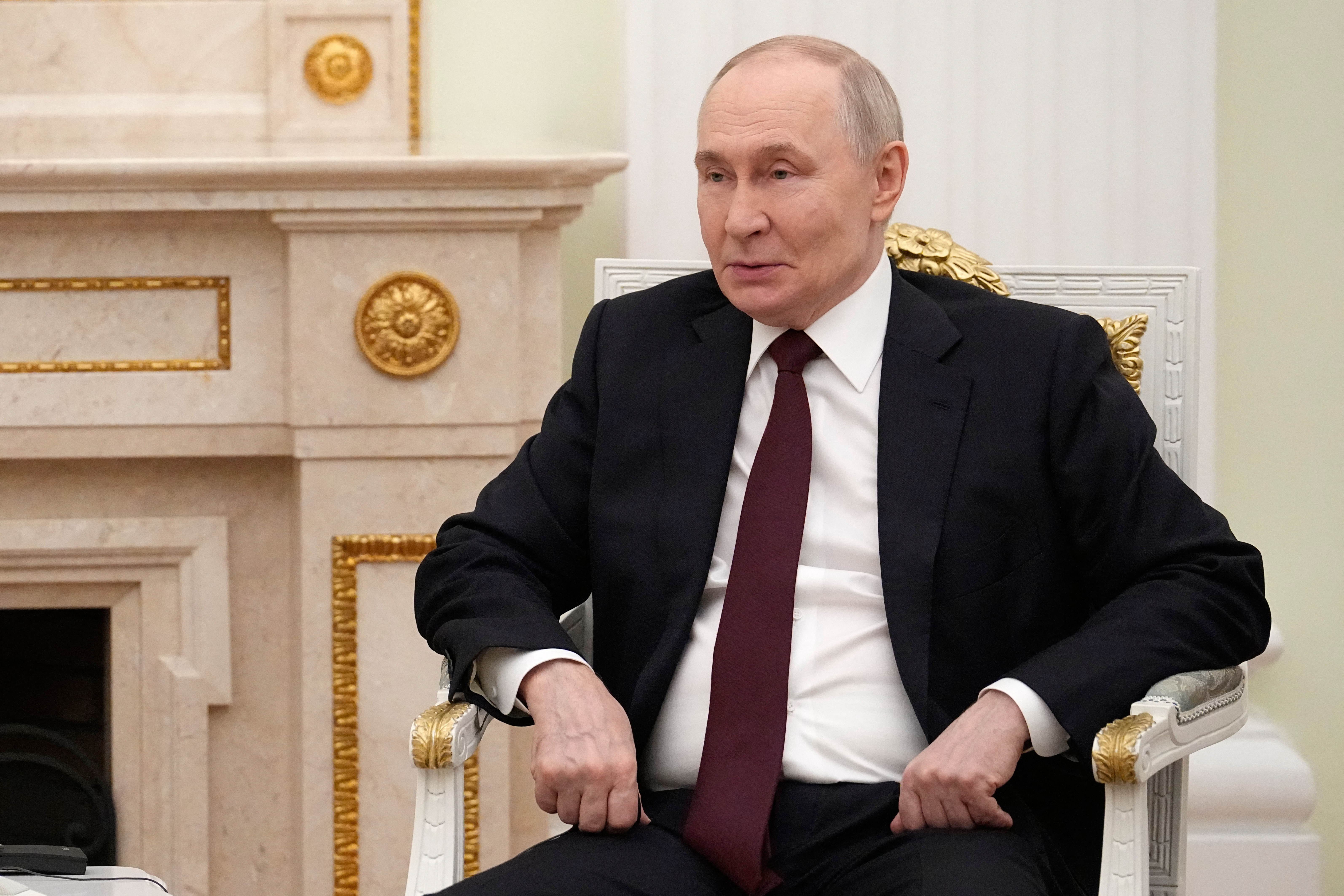
International Women's Day is a global event to celebrate women's achievements and call for gender equality. It is marked on March 8 with events, protests, and demonstrations worldwide, highlighting issues like equal pay, education, and justice for women.
Key Facts
International Women's Day is celebrated worldwide on March 8.
It was officially recognized by the United Nations in 1977.
The day calls for action on women's rights, including equal pay and access to education.
International Women's Day is an official holiday in over 20 countries.
In 1910, a German feminist proposed the idea for a global day for women at a conference in Copenhagen.
The U.N. first commemorated International Women's Day in 1975.
Events can range from peaceful celebrations to political protests and marches.
The 2023 theme was "Give to Gain," focusing on supporting women-focused organizations.
Read the Original
Want the full story? Tap a source to open the original
article.
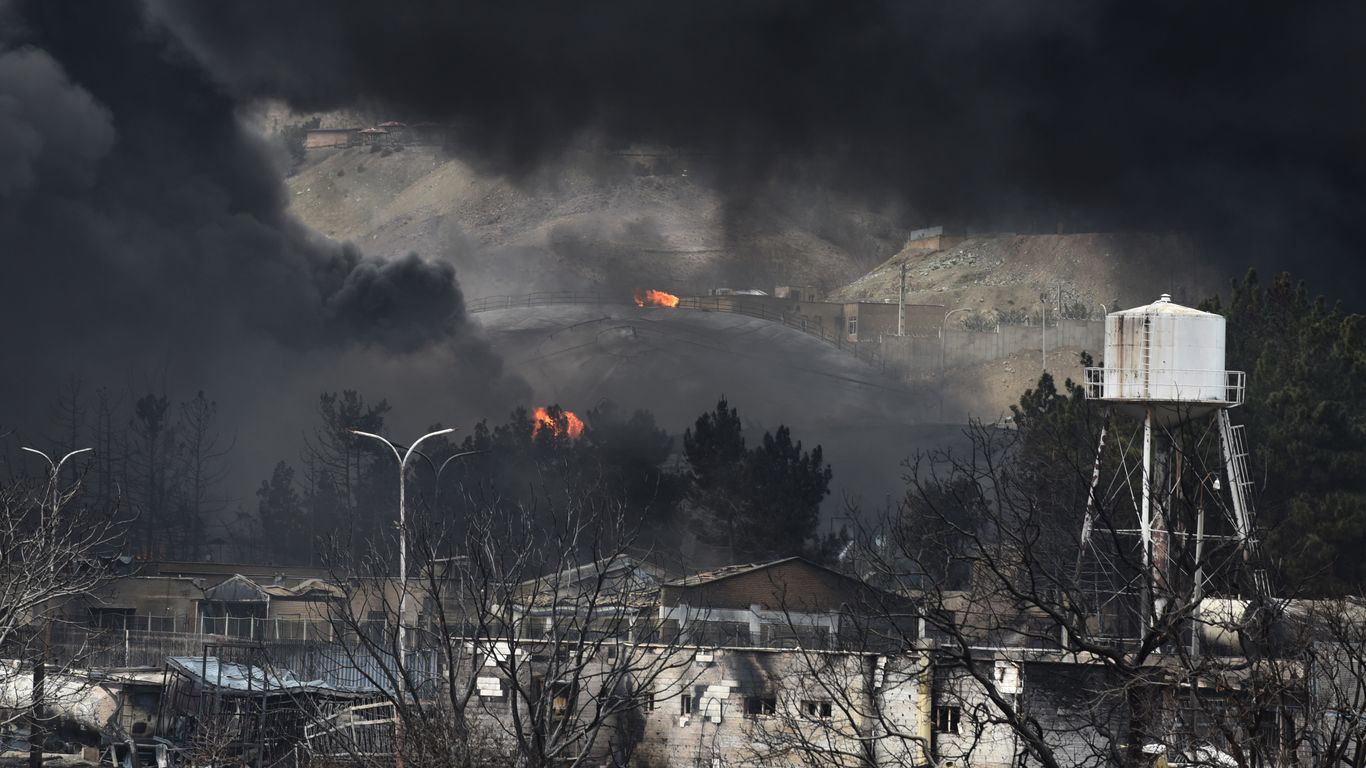
U.S. officials are unhappy with Israel for conducting wide-ranging strikes on Iranian fuel depots. They worry these actions could lead to increased support for Iran's government and higher oil prices. Both countries are expected to discuss this disagreement at higher political levels.
Key Facts
Israel struck 30 Iranian fuel depots, creating large fires in Tehran.
The U.S. was informed in advance but did not expect the strikes to be so extensive.
The target was infrastructure said to be used by Iran's military.
U.S. officials fear the strikes could increase oil prices and support for Iran's regime.
Iran warned it might retaliate across the region if such attacks continue.
Discussions between U.S. and Israeli leaders are expected to address the disagreement.
The White House and Israeli Defense Forces (IDF) did not comment on the situation.
Iran has threatened that oil prices could rise sharply if it retaliates.
Read the Original
Want the full story? Tap a source to open the original
article.
Thousands of people have left the town of Akobo in South Sudan after the army ordered them to evacuate for a planned military attack. The order is part of an ongoing military campaign that has already displaced over 280,000 people since December. The situation threatens to escalate into full-scale war, undermining the fragile peace the country has worked hard to maintain.
Key Facts
Thousands of civilians have left Akobo after the military ordered evacuations.
The military plans an offensive against an opposition stronghold.
The town had been a refuge for over 82,000 displaced people.
The evacuation is part of Operation Enduring Peace, ongoing since January.
More than 280,000 people have been displaced in Jonglei state since December.
A previous peace agreement from 2018 is breaking down.
Riek Machar, former vice president, has been under house arrest since March 2025.
On Sunday, 169 people were killed in a separate attack in Abiemnom county.
Read the Original
Want the full story? Tap a source to open the original
article.
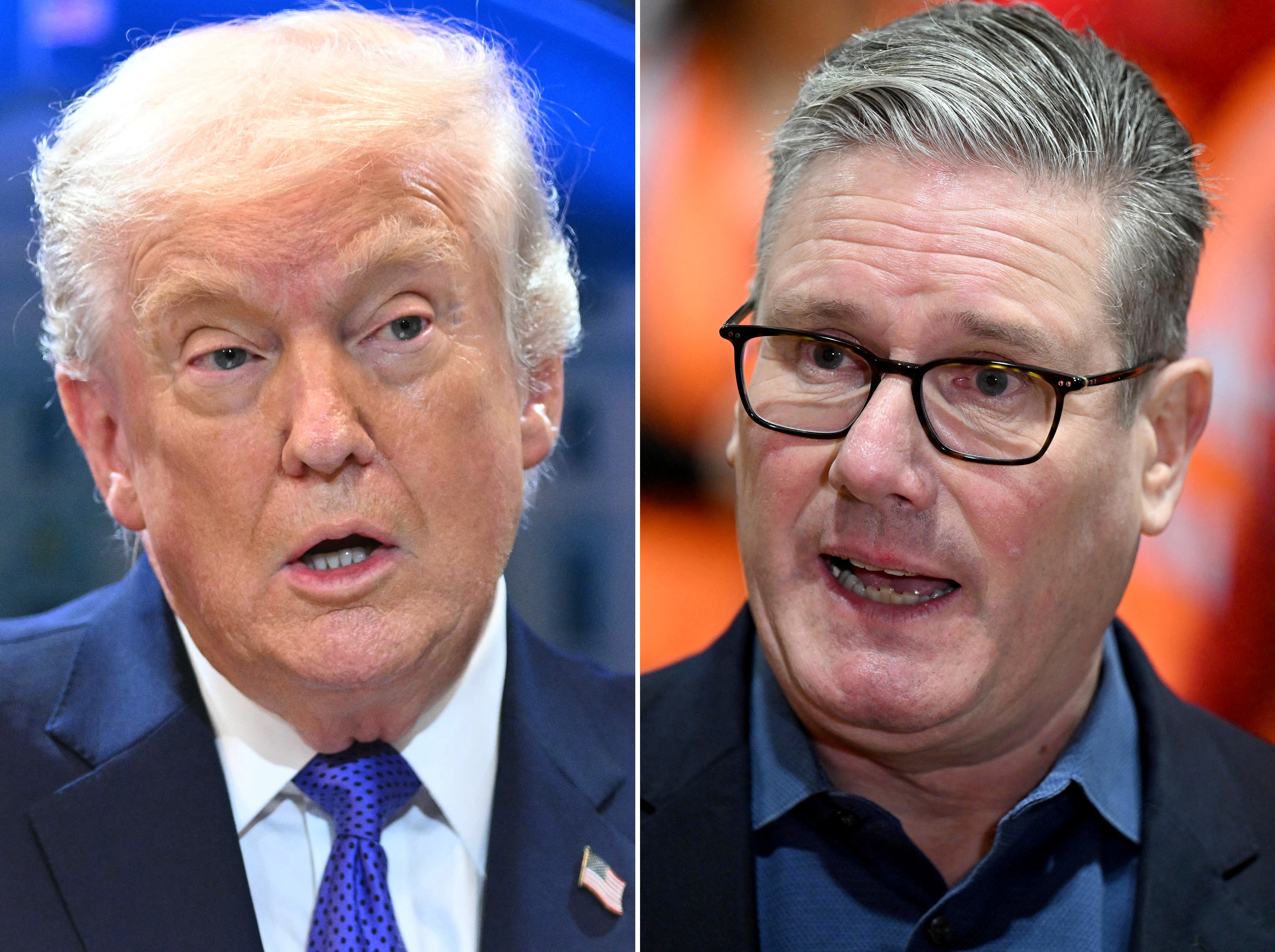
President Donald Trump criticized U.K. Prime Minister Keir Starmer for limited support in the Iran War, mentioning Britain's consideration of sending aircraft carriers. U.K. Foreign Secretary Yvette Cooper defended Starmer, saying his actions were in the U.K.'s national interest. Despite the disagreement, the U.S. and U.K. continue some military collaboration.
Key Facts
President Trump criticized the U.K.'s limited involvement in the Iran War.
Trump noted that the U.K. might send two aircraft carriers to the Middle East.
U.K. Foreign Secretary Yvette Cooper defended Prime Minister Starmer's decisions.
Britain blocked U.S. base usage for initial strikes on Iran, citing international law.
The U.K. emphasized defensive operations only and did not join the initial strikes.
Starmer called Iran's regime "abhorrent" while advocating for negotiations.
The U.K. military increased the readiness of its aircraft carrier but has not decided on deployment.
The U.S. is using British bases for limited defensive military operations.
Read the Original
Want the full story? Tap a source to open the original
article.
Colombians voted for a new Congress and selected presidential candidates from three major political groups. The election faced issues like potential illegal voting, and there were high alerts for political violence. President Gustavo Petro called for investigations into illegal border crossings for voting.
Key Facts
Colombians voted for Congress and to pick presidential candidates for a May election.
The election faced high alert due to fears of political violence, especially in rural areas.
Authorities detected over 2,400 people trying to enter Colombia illegally from Venezuela to vote.
President Gustavo Petro labeled this as "large-scale fraud."
Colombian officials are investigating a transportation company involved in moving voters illegally.
Petro doubted the country's election software because of issues in past elections.
There were 3,000 candidates running for 285 seats in the Colombian Congress.
Colombia’s president cannot run for consecutive terms, so Petro is not eligible for reelection.
Read the Original
Want the full story? Tap a source to open the original
article.
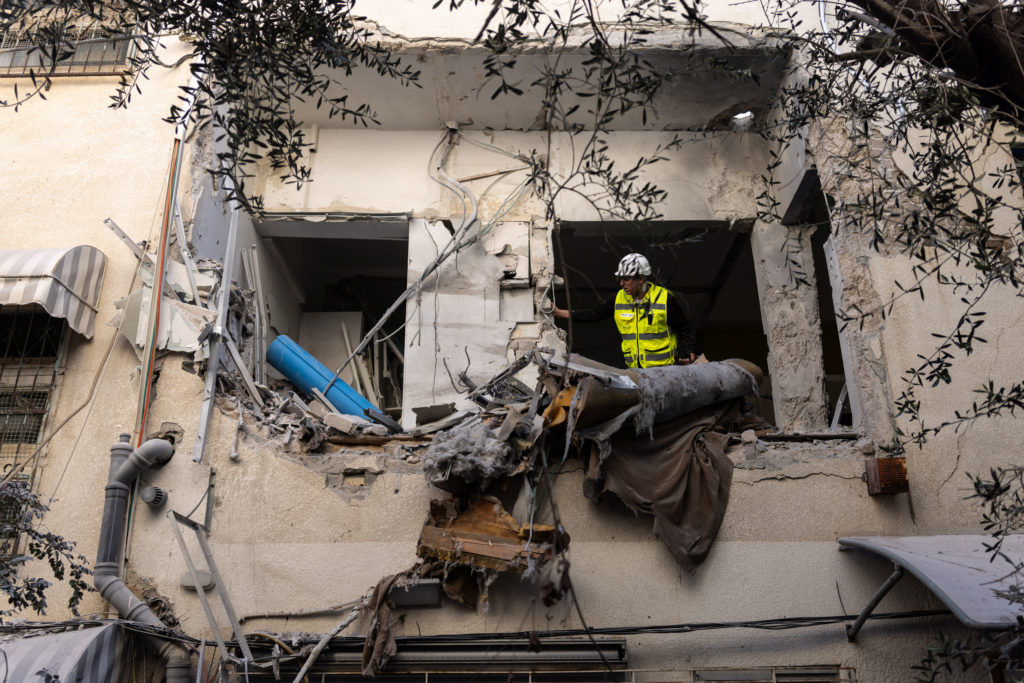
Smoke covered Tehran after Israeli forces hit Iran's oil infrastructure, killing four people. The attack is part of a joint mission by the U.S. and Israel against Iran, now in its ninth day, with significant casualties reported in Iran and Lebanon.
The article discusses how modern technology allows people to track wars in real time. Using open-source tools and public data, anyone can follow missile paths, military flights, and troop movements as they happen.
Key Facts
Wars can now be tracked in real time by anyone with internet access.
Open-source tools and public information help monitor military activities.
People can follow missile paths, military flights, and troop movements.
Real-time tracking changes who controls the story and accountability.
Stefanie Dekker is the presenter of a discussion on this topic.
Guests in the discussion include a tech creator, a deputy director at a think tank, and a tech video producer.
Read the Original
Want the full story? Tap a source to open the original
article.
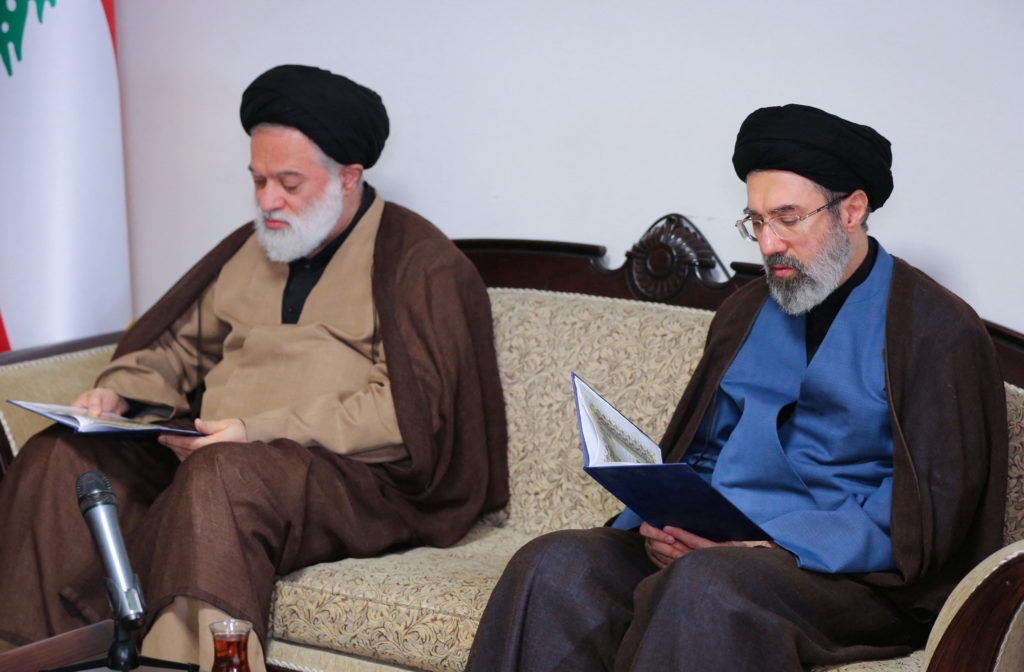
Mojtaba Khamenei has been named Iran's new supreme leader after his father, Ayatollah Ali Khamenei, was killed in a strike by the United States and Israel. The Assembly of Experts, the body responsible for selecting the supreme leader, has urged Iranians to show support for Khamenei. The new leader has strong connections with the Islamic Revolutionary Guard Corps and has been linked to past protests in Iran.
Key Facts
Mojtaba Khamenei is the new supreme leader of Iran, following his father's death in a U.S. and Israeli strike.
The Assembly of Experts chose him and asked Iranians to support him and stay united.
He has never run for office but was influential in the Iranian leadership circle.
His father's death and his appointment come amid a conflict involving the U.S. and Israel.
Mojtaba Khamenei is connected to the Islamic Revolutionary Guard Corps (IRGC).
He is under U.S. and Western sanctions and reportedly controls an economic empire.
Khamenei has been linked to the suppression of protests and is seen as a hardline figure.
Read the Original
Want the full story? Tap a source to open the original
article.
President Donald Trump announced that the U.S. plans to have a say in choosing Iran's next Supreme Leader, following reports of Ayatollah Ali Khamenei's death. The statement comes amid ongoing U.S.-Iran conflict, where Iran rejects U.S. interference. The situation is impacting regional and global stability, with rising concerns about oil prices and nuclear threats.
Key Facts
President Trump stated that Iran's next Supreme Leader needs U.S. approval to remain in power.
Ayatollah Ali Khamenei reportedly died following a U.S.-Israel attack as a war with Iran began.
Iran has retaliated across the Middle East, rejecting U.S. influence over its leadership choices.
The conflict has resulted in significant casualties: 1,332 in Iran, 11 in the Gulf, 11 in Israel, and six U.S. soldiers.
The U.S. has cited Iran's nuclear and missile activities as reasons for the conflict.
Oman reported progress in indirect U.S.-Iran nuclear talks before the conflict escalated.
Rising global oil prices are a concern as attacks have widened, impacting oil facilities.
Top U.S. officials are addressing oil price concerns, especially with upcoming elections in mind.
Read the Original
Want the full story? Tap a source to open the original
article.
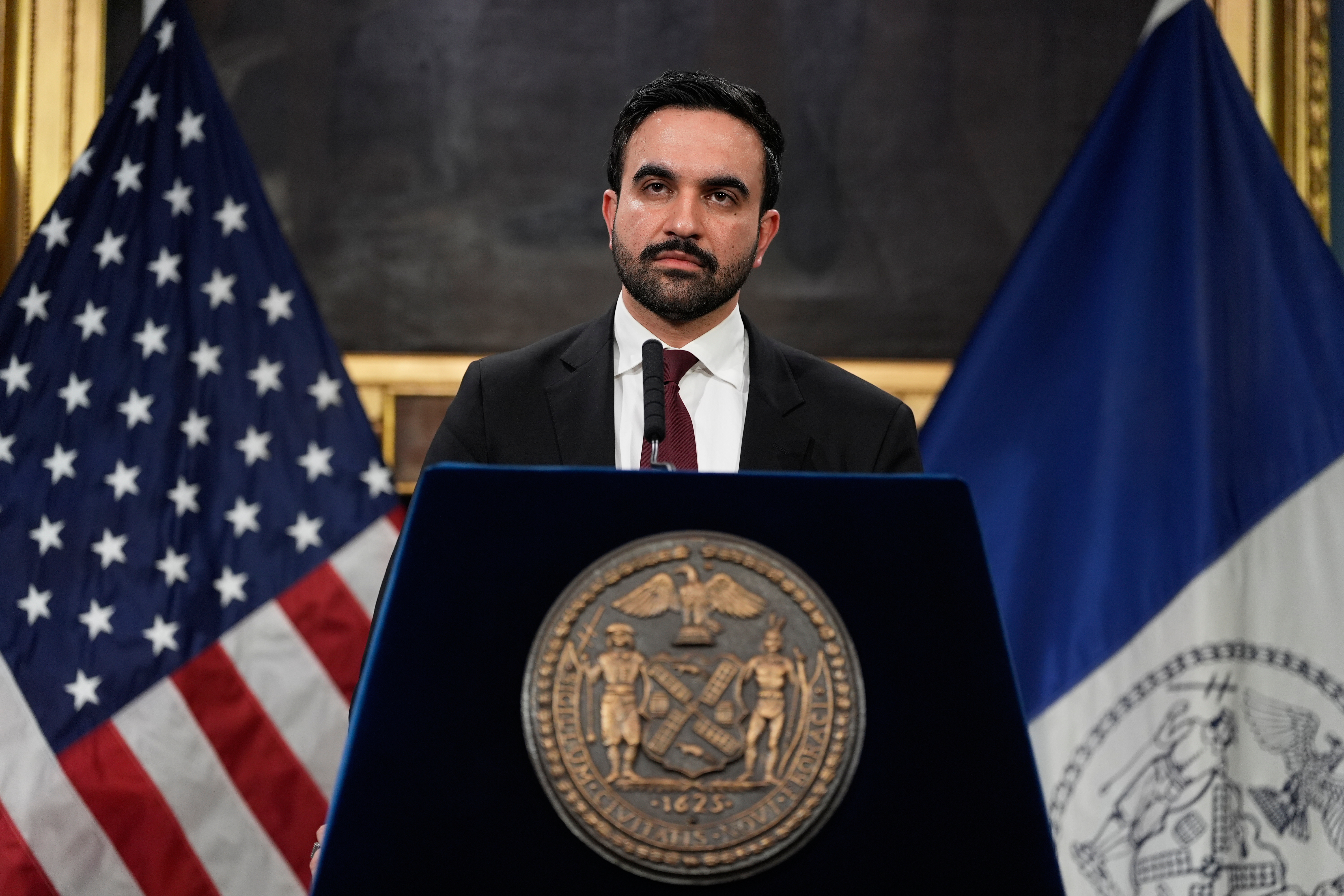
New York City Mayor Zohran Mamdani spoke about a protest outside his home, condemning it as rooted in bigotry and racism. During this protest, explosive devices were found, leading to six arrests. The police are investigating the nature of these devices.
Key Facts
Mayor Zohran Mamdani of New York City addressed a protest outside his residence.
He described the protest as based on racial hatred.
The protest led to a counter-protest and subsequent violence.
Police arrested six people, including two counter-protesters for using explosive devices and one protester for using pepper spray.
The explosive devices were jars wrapped with black tape and filled with nuts, bolts, and screws.
The NYPD bomb squad is assessing whether these devices were real explosives or just hoaxes.
Mayor Mamdani is closely monitoring developments and communicating with Police Commissioner Jessica Tisch.
Read the Original
Want the full story? Tap a source to open the original
article.
Category: world
Iranian state TV announced that Mojtaba Khamenei is the new supreme leader of Iran, following the death of his father, Ayatollah Ali Khamenei. This announcement comes amid ongoing conflict involving Israel, Iran, and other countries in the region, leading to significant casualties and regional tensions.
Key Facts
Mojtaba Khamenei is the son of Ayatollah Ali Khamenei, Iran's late supreme leader.
Iranian state TV announced that Mojtaba has been named the new supreme leader.
The appointment follows Ayatollah Ali Khamenei's death after an Israeli strike less than two weeks ago.
Mojtaba Khamenei was chosen despite never holding a government position before.
The position gives him authority over Iran's military and Revolutionary Guard.
The ongoing conflict has resulted in numerous casualties, including civilians in Gulf countries and soldiers in the region.
President Trump has expressed disapproval of Mojtaba Khamenei's appointment.
Regional tensions are high, with Iran facing criticism for strikes on its neighbors.
Read the Original
Want the full story? Tap a source to open the original
article.
The conflict involving Iran, the U.S., and Israel has spread to civilian areas, with critical infrastructure like desalination plants targeted. Saudi Arabia reported its first deaths due to the conflict, while Bahrain accused Iran of attacking vital resources. Global markets and regional stability are affected as attacks and counterattacks continue.
Key Facts
Bahrain accused Iran of attacking one of its desalination plants.
Saudi Arabia reported two foreign national deaths due to a projectile.
Iran's President promised more attacks on U.S. targets in the region.
U.S. President Trump and Israeli Prime Minister Netanyahu continue their campaign against Iran.
The war started on February 28 with U.S. and Israeli airstrikes killing Iran's supreme leader.
The war has resulted in significant casualties: 1,230 in Iran, 397 in Lebanon, and 11 in Israel.
The conflict has disrupted global markets and air travel.
Iran's leadership is under pressure as various attacks weaken its position.
Read the Original
Want the full story? Tap a source to open the original
article.
Mojtaba Khamenei, the son of Iran's late supreme leader, has been appointed as the new supreme leader of Iran. This decision comes amid an ongoing war that followed the death of his father, Ayatollah Ali Khamenei. The appointment has stirred reactions globally, including criticism from U.S. President Donald Trump.
Key Facts
Mojtaba Khamenei is the new supreme leader of Iran, succeeding his late father Ayatollah Ali Khamenei.
He was appointed after a decision by the Assembly of Experts in Iran, amidst internal and external conflicts.
Mojtaba has not held any elected or appointed government position before this.
President Donald Trump publicly criticized the choice of Mojtaba as Iran's leader.
The ongoing war has led to significant casualties, including civilians and foreign nationals in the region.
Bahrain and other Gulf countries have accused Iran of military attacks, escalating regional tensions.
Hezbollah, a Lebanese group, and Iran's Revolutionary Guard expressed support for Mojtaba Khamenei.
The conflict has resulted in multiple deaths in Iran, Lebanon, Israel, and among U.S. forces.
Read the Original
Want the full story? Tap a source to open the original
article.
Iranian state TV announced that Mojtaba Khamenei has been named as the successor to his father, the late supreme leader of Iran. This comes amid ongoing conflict in the region, with Iran reportedly expanding its military attacks and facing criticism from neighboring countries. The conflict has also involved the U.S. and Israel, resulting in deaths on various sides.
Key Facts
Mojtaba Khamenei, son of Iran's late supreme leader, has been named his successor by Iranian state TV.
The Iranian Revolutionary Guard, a powerful military group, answers to the supreme leader.
The conflict in the Middle East has resulted in over 1,230 deaths in Iran, 397 in Lebanon, and 11 in Israel.
Bahrain accused Iran of attacking a desalination plant, which is important for water supply.
The Arab League criticized Iran for attacking neighboring countries, some of which host U.S. forces.
Saudi Arabia reported deaths from a military projectile, with casualties including foreign residents.
President Donald Trump expressed a desire to influence who leads Iran after the conflict.
The U.S. and Israel's actions have led to the killing of Iran's previous supreme leader, triggering the need for a successor.
Read the Original
Want the full story? Tap a source to open the original
article.
On Sunday, officials evacuated parts of Kansas City International Airport after receiving information about a potential threat. Airport police, working with the FBI, are investigating to determine the threat's validity. There is no information yet on when the airport will reopen.
Key Facts
Authorities evacuated sections of Kansas City International Airport due to a potential threat.
The Kansas City Aviation Department first learned of the incident around 11:15 a.m.
The nature of the threat has not been confirmed.
Airport police are collaborating with the FBI to investigate the threat.
It is not yet clear when the airport terminal will reopen.
No updates are available on when passengers can return to the airport.
Read the Original
Want the full story? Tap a source to open the original
article.
A projectile hit a residential area in Al-Kharj, Saudi Arabia, killing two foreign nationals and injuring 12 others. Saudi authorities did not specify the origin, but Iranian forces have targeted sites in the region amid ongoing conflicts involving US military assets. The tensions are related to broader military actions involving Iran, the US, and Israel.
Key Facts
Two people were killed and 12 injured when a projectile hit a residential area in Al-Kharj, Saudi Arabia.
The victims were foreign nationals from India and Bangladesh.
The incident is linked to Iranian military actions targeting areas with US military presence.
Al-Kharj hosts the Prince Sultan airbase, used by US forces and has been targeted in attacks.
Saudi Arabia's Defence Ministry intercepted 15 drones, including one aimed at Riyadh's diplomatic quarter.
Kuwait and Bahrain reported attacks on a fuel tank at an airport and a water plant, respectively.
Israel conducted airstrikes on Iranian oil facilities, which Iran vows to retaliate against if hostilities continue.
The conflict has resulted in significant casualties in Iran, with at least 1,200 deaths and 10,000 injuries reported by Iran's Health Ministry.
Read the Original
Want the full story? Tap a source to open the original
article.
Some US and Israeli leaders are using religious words to talk about the conflict with Iran. They mention ideas like biblical "end of times" and Armageddon, which is a final battle between good and evil.
Key Facts
The conflict between the US, Israel, and Iran is being described using religious language.
The term "end of times" refers to a period predicted in religious texts where the world faces major changes or challenges.
Armageddon is a biblical reference to a final, decisive battle between forces of good and evil.
Some US troops have reportedly been told that their involvement in Iran could be part of these predicted events.
The framing of events in religious terms can impact how both military and civilian people view the conflict.
Read the Original
Want the full story? Tap a source to open the original
article.
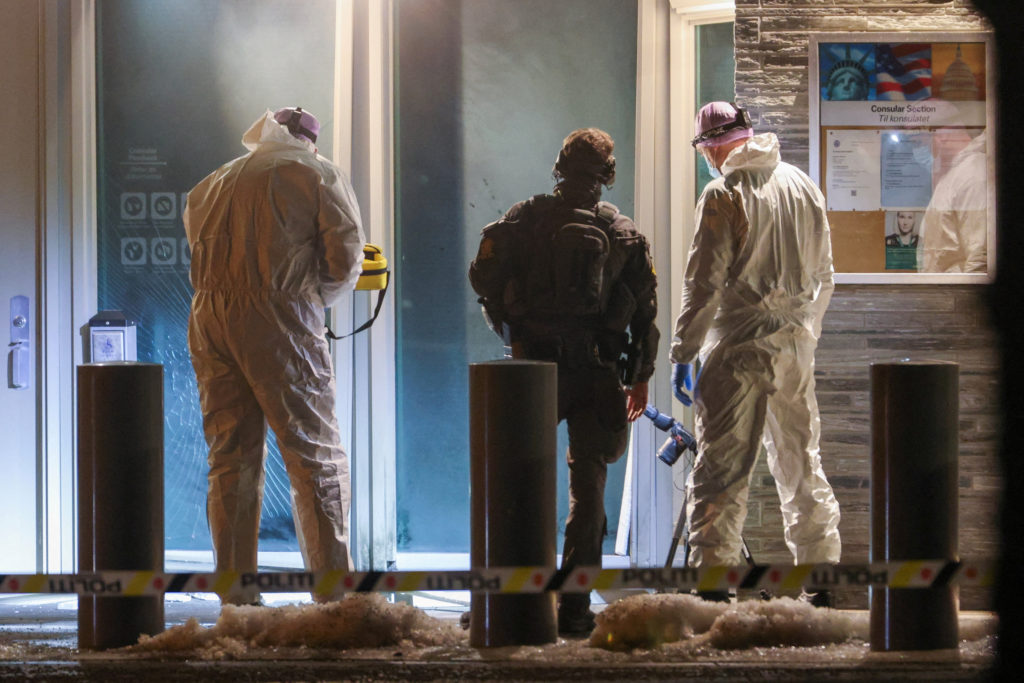
Police in Norway are investigating an explosion outside the U.S. Embassy in Oslo. The blast, which happened early Sunday, did not cause any injuries. Authorities suspect an incendiary device was used and are looking for those responsible.
Key Facts
An explosion occurred outside the U.S. Embassy in Oslo, Norway, early Sunday morning.
The explosion was due to an incendiary device, supposedly within a backpack.
No injuries were reported from the incident.
The blast damaged the embassy's entrance but there have been no arrests yet.
Oslo police are investigating multiple possible reasons for the explosion.
The nearby street was filled with smoke shortly after the explosion.
The threat level in Norway has not been raised following the incident.
The U.S. State Department has not provided an official comment on the event.
Read the Original
Want the full story? Tap a source to open the original
article.
Each summary links back to the original reporting, so you can check the work. Support that, and get the daily digest every morning. Most choose $3.99/month.
President Donald Trump met with Latin American leaders in Florida to discuss using military action against drug cartels and predicted changes in Cuba's government. Cuban President Miguel Díaz-Canel criticized the summit, saying it encouraged U.S. military involvement in Latin America. Trump's administration has focused on anti-drug operations, and there is ongoing pressure on Cuba through various means, including economic measures.
Key Facts
President Trump met with Latin American leaders at the Shield of the Americas Summit in Florida.
Trump called for military action against drug cartels and said Cuba's government was near collapse.
Cuban leader Miguel Díaz-Canel criticized the summit, calling it "neocolonial."
Senior military leaders from Latin America attended related meetings about combating cartels.
U.S. pressure on Cuba increased, partly due to actions linked to Venezuela's energy reserves.
The U.S. designated some cartels as terrorist organizations and is in "armed conflict" with them.
Trump hinted at eased restrictions on Cuba but offered limited details on diplomatic efforts.
Read the Original
Want the full story? Tap a source to open the original
article.
A video showing Russian President Vladimir Putin coughing during a speech was briefly posted online and then removed by the Kremlin. The speech was meant for International Women’s Day, but an edited version without the coughing was later released. There is speculation about Putin's health, but the Kremlin and Western intelligence say he is in good health.
Key Facts
A video of President Putin coughing during a speech appeared briefly on the Kremlin's Telegram channel.
The video was intended for International Women's Day and was later edited to remove the coughing.
The original video was accidentally released and then deleted.
News outlets like the BBC and the Telegraph reported on this video.
There have been rumors about Putin's health, but no verified medical issues.
Western intelligence and the Kremlin say Putin is healthy.
Speculation arose that the leak of the video might have been intentional.
The edited version of the speech praised women and mentioned contributions in areas linked to military operations.
Read the Original
Want the full story? Tap a source to open the original
article.