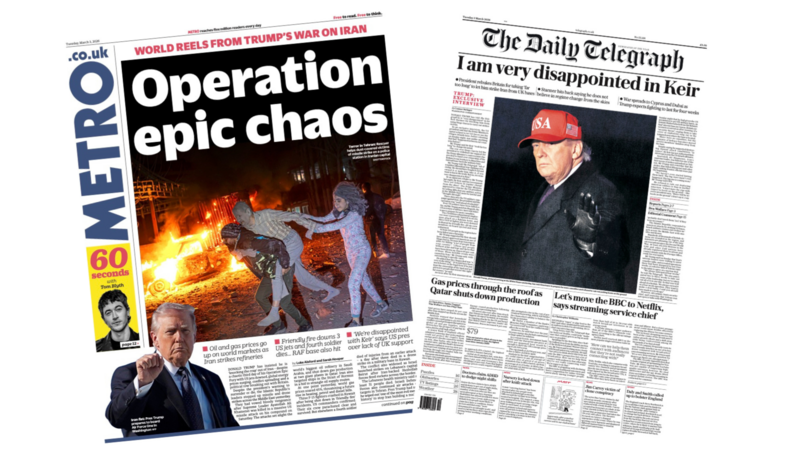
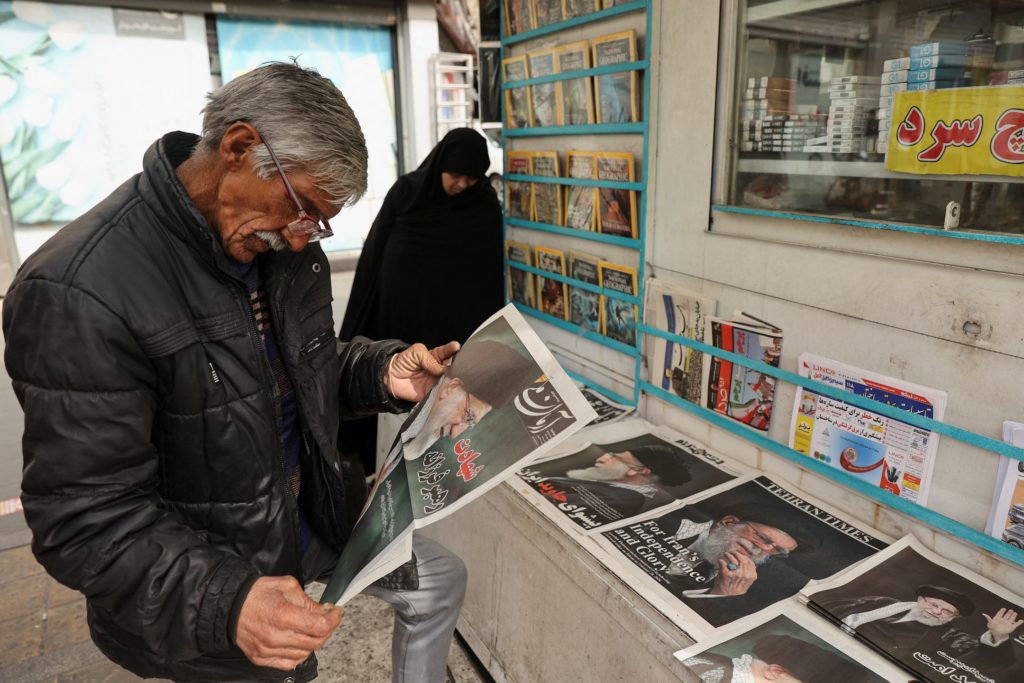
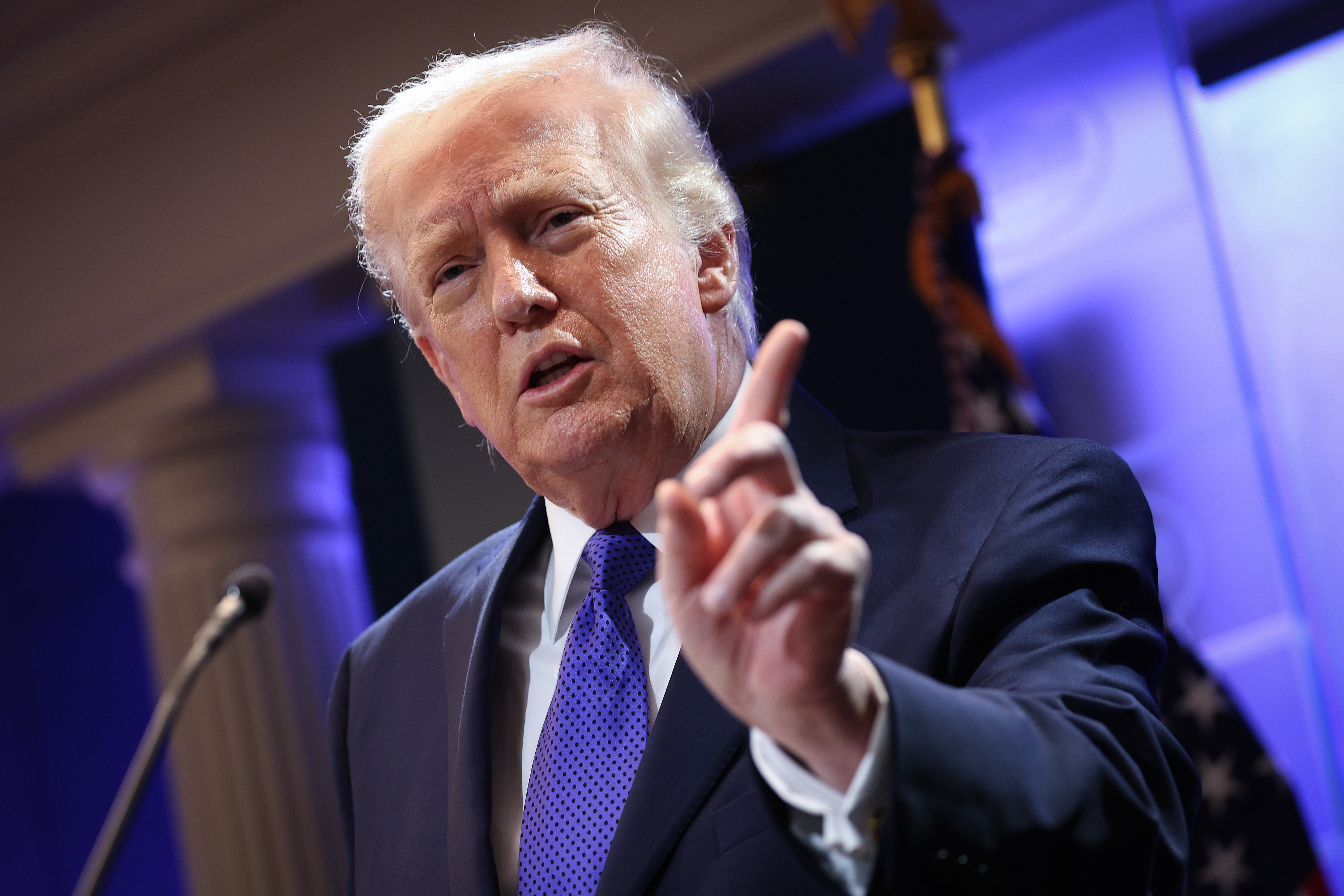
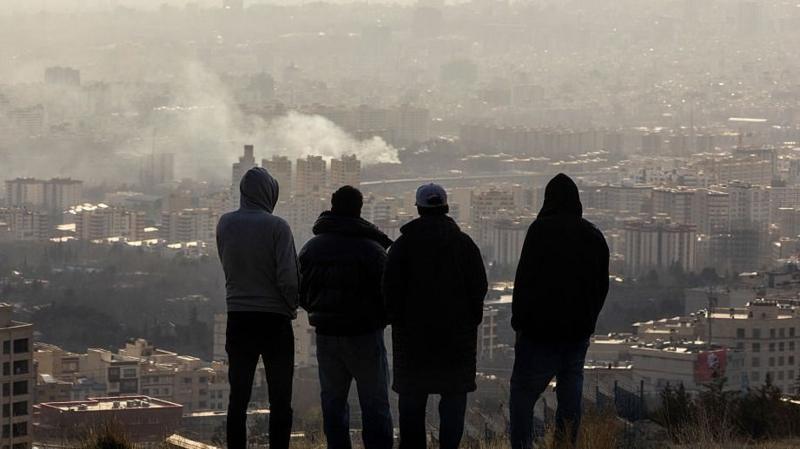
Newspapers are focused on conflict in the Middle East involving President Trump's actions against Iran. President Trump expressed disappointment in UK Prime Minister Sir Keir Starmer for initially refusing to let US forces use British bases, although permission was later given. This situation is impacting global energy markets and has led to widespread discussions and evacuations.
Key Facts
The conflict in the Middle East involves President Trump's military action against Iran.
The killing of Ayatollah in Iran has caused Iran's leaders to vow revenge.
Global energy markets are affected, with increased natural gas prices and disruptions in the Strait of Hormuz.
President Trump was disappointed in UK Prime Minister Sir Keir Starmer for initially blocking the use of British military bases.
Sir Keir changed his stance and later allowed US forces to use the bases.
The conflict has reportedly led to casualties and damage in multiple countries.
Discussions include potential evacuations due to safety concerns for British citizens abroad.
Read the Original
Want the full story? Tap a source to open the original
article.
Anglican Church leaders in Nigeria are planning to elect a new leader to challenge the authority of the first female Archbishop of Canterbury, Sarah Mullally. The move highlights deepening divides within the global Anglican Communion over issues such as gender and same-sex unions. This week, a group called Gafcon is meeting in Abuja to select its leader, potentially increasing tensions within the church.
Key Facts
Some Anglican leaders in Nigeria oppose the appointment of Sarah Mullally as the first female Archbishop of Canterbury.
Gafcon is a conservative group within the Anglican Church that disagrees with progressive policies, like those supporting same-sex unions.
The Archbishop of Canterbury is the leading figure for about 95 million Anglicans worldwide.
Gafcon plans to elect its own leader as an alternative to Mullally’s leadership.
The group argues that they represent the majority of the world's Anglicans, although others dispute this claim.
The meeting involves Anglicans primarily from Africa but also includes members from the Americas and Australia.
In recent years, disagreements over gender roles and same-sex unions have intensified within the Anglican Communion.
Some African churches, such as those in Southern Africa, support Mullally's leadership, showcasing differing views on the continent.
Read the Original
Want the full story? Tap a source to open the original
article.
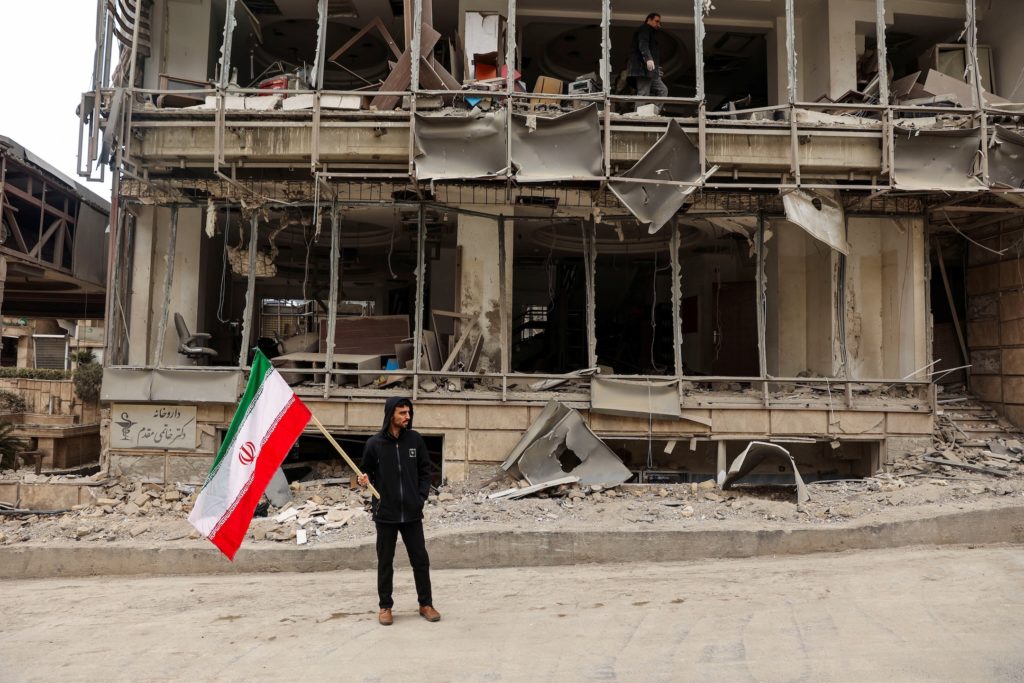
The U.S. State Department advised all American citizens to leave several Middle Eastern countries due to rising safety concerns. This warning comes amid a growing conflict that started with U.S. and Israeli attacks on Iran. The violence has spread across the region, affecting various countries.
Key Facts
The U.S. State Department advised Americans to leave over a dozen Middle Eastern countries for safety reasons.
The countries include Iran, Iraq, Jordan, Lebanon, and Israel.
The conflict began when the U.S. and Israel attacked Iran on Saturday.
Iran's Supreme Leader, Ayatollah Ali Khamenei, was killed in these attacks.
Several airlines have canceled flights to and from the region.
At least 555 people have died in Iran, and 11 in Israel, due to the conflict.
The U.S. announced that six American service members have died in the operations.
The situation continues with no clear plan for resolution.
Read the Original
Want the full story? Tap a source to open the original
article.
The US Department of State advised American citizens to leave over a dozen countries in the Middle East due to increased safety risks linked to US-Israeli military actions against Iran. This notice involved countries such as Saudi Arabia and Qatar and followed an update in travel advisories warning against travel to the region. The announcement highlighted unusual communication methods from the State Department, creating uncertainty about its official status.
Key Facts
The US urged Americans to leave more than a dozen countries in the Middle East immediately.
The warning is linked to increased US-Israeli strikes against Iran.
Countries listed include Saudi Arabia, Qatar, Iran, and Israel, among others.
The announcement was unusual as it came via social media, not through official policy channels.
The US Embassy in Amman, Jordan, evacuated its personnel due to a threat.
There are concerns about how Americans can leave due to disrupted commercial transport.
The conflict involves recent US-Israel strikes on Iran and retaliation by Tehran.
President Donald Trump stated the conflict might last longer than five weeks.
Read the Original
Want the full story? Tap a source to open the original
article.
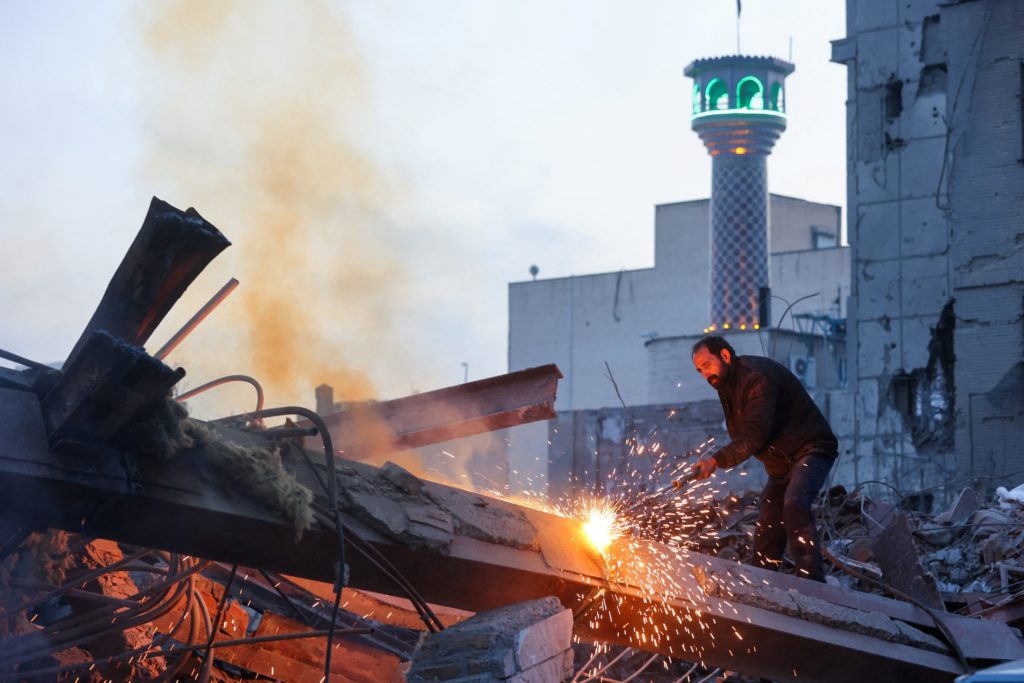
A witness claims that the United States and Israel conducted a bombing in Tehran's Ferdowsi Square. This bombing was said to have occurred while civilians were helping survivors of an earlier bombing.
Key Facts
A bombing occurred at Ferdowsi Square in Tehran.
A witness reported that both the United States and Israel were involved.
The bombing reportedly took place as civilians were aiding victims of a previous attack.
The details come from a single witness account.
There is a suggestion of coordinated strikes in a short time frame.
The event happened in the capital city of Iran, Tehran.
Potential international involvement complicates the situation.
Read the Original
Want the full story? Tap a source to open the original
article.
The ongoing conflict involves the United States, Israel, and Iran, with airstrikes and missile attacks continuing on both sides. The U.S. government is advising its citizens to leave the Middle East due to increased tensions and dangers. The conflict has resulted in casualties, including American military personnel.
Key Facts
The conflict involves the U.S., Israel, and Iran with mutual attacks.
The U.S. and Israel have launched airstrikes against Iran.
Iran has retaliated by sending missiles across the region.
The Pentagon reports six U.S. service members have died.
The U.S. is urging Americans in the Middle East to leave for safety reasons.
Tensions and attacks are affecting many Middle Eastern countries.
Read the Original
Want the full story? Tap a source to open the original
article.
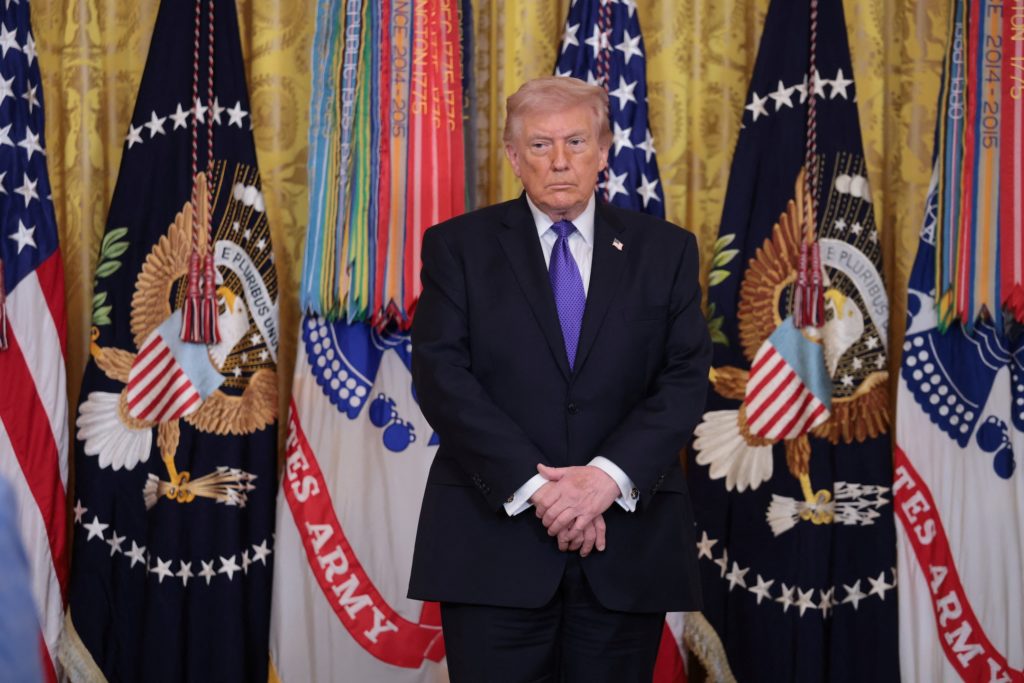
President Donald Trump has not ruled out the possibility of sending U.S. ground troops to Iran. Ongoing conflicts in the Middle East have led to discussions among U.S. leaders about possible responses. The situation involves military actions from both American and Israeli forces, as well as retaliatory attacks from Iran.
Key Facts
President Donald Trump has not dismissed the idea of sending U.S. ground troops to Iran.
There are ongoing military operations in the Middle East involving the U.S. and Israel.
Iran has responded with attacks following these military operations.
The situation is causing reactions from both the White House and Congress.
The conflicts are leading to discussions about how the U.S. should respond.
Read the Original
Want the full story? Tap a source to open the original
article.
Reza Sayah, a special correspondent, reports from Tehran, Iran, where the situation is tense and volatile. He shares updates with Amna Nawaz about the current conditions in the country.
Key Facts
Reza Sayah is a special correspondent reporting from Tehran, Iran.
He joined Amna Nawaz to discuss the latest happenings in the country.
The report focuses on the tense and unstable conditions in Tehran.
Tehran is Iran's capital city.
The coverage centers on the current developments affecting the region.
Read the Original
Want the full story? Tap a source to open the original
article.
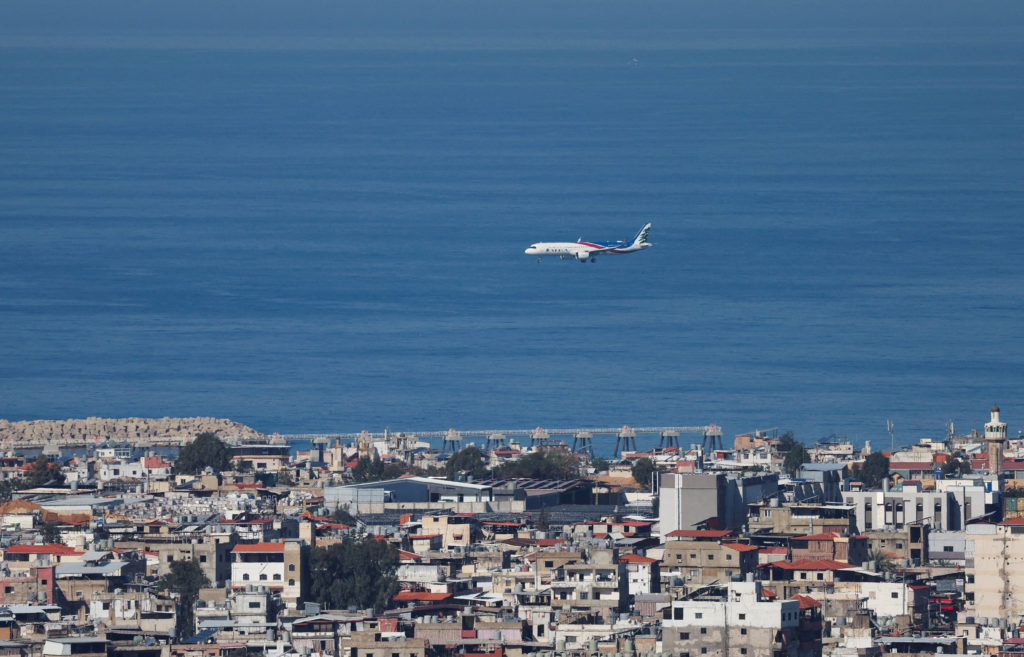
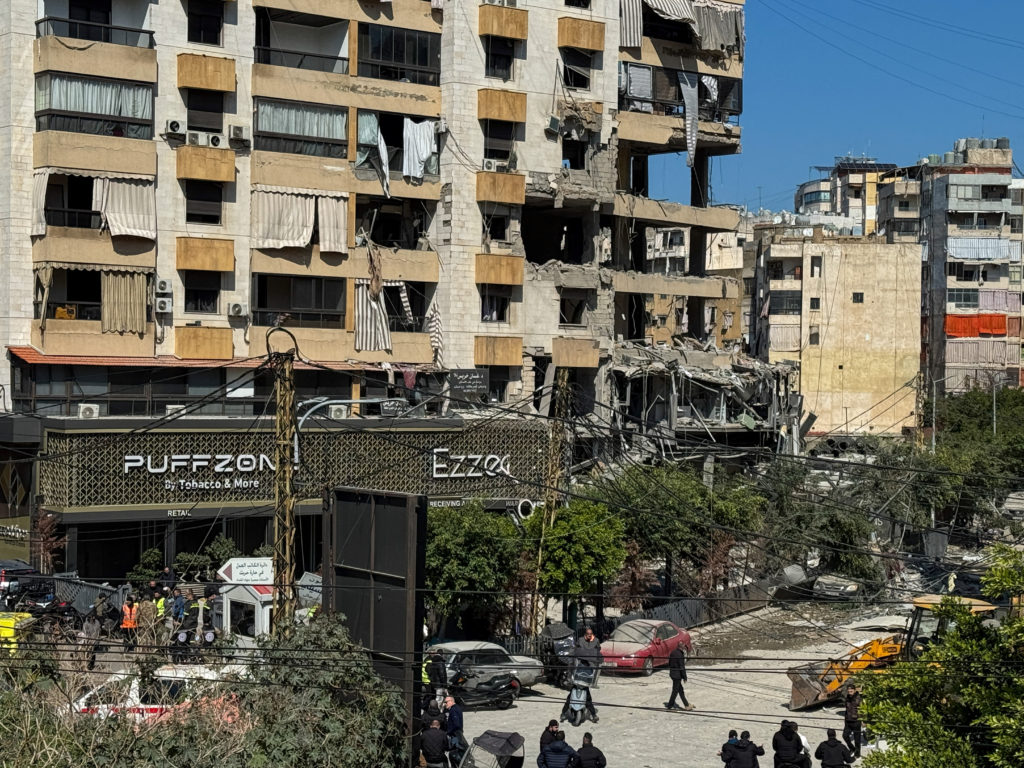
Hezbollah has started attacking Israel again after Iran carried out strikes. The conflict is affecting Lebanon, and a reporter is covering the events from near Beirut.
Key Facts
Hezbollah is attacking Israel.
Iran recently carried out military strikes.
The conflict is impacting Lebanon.
Simona Foltyn is a reporter covering the situation.
The report comes from areas near Beirut, Lebanon.
Read the Original
Want the full story? Tap a source to open the original
article.
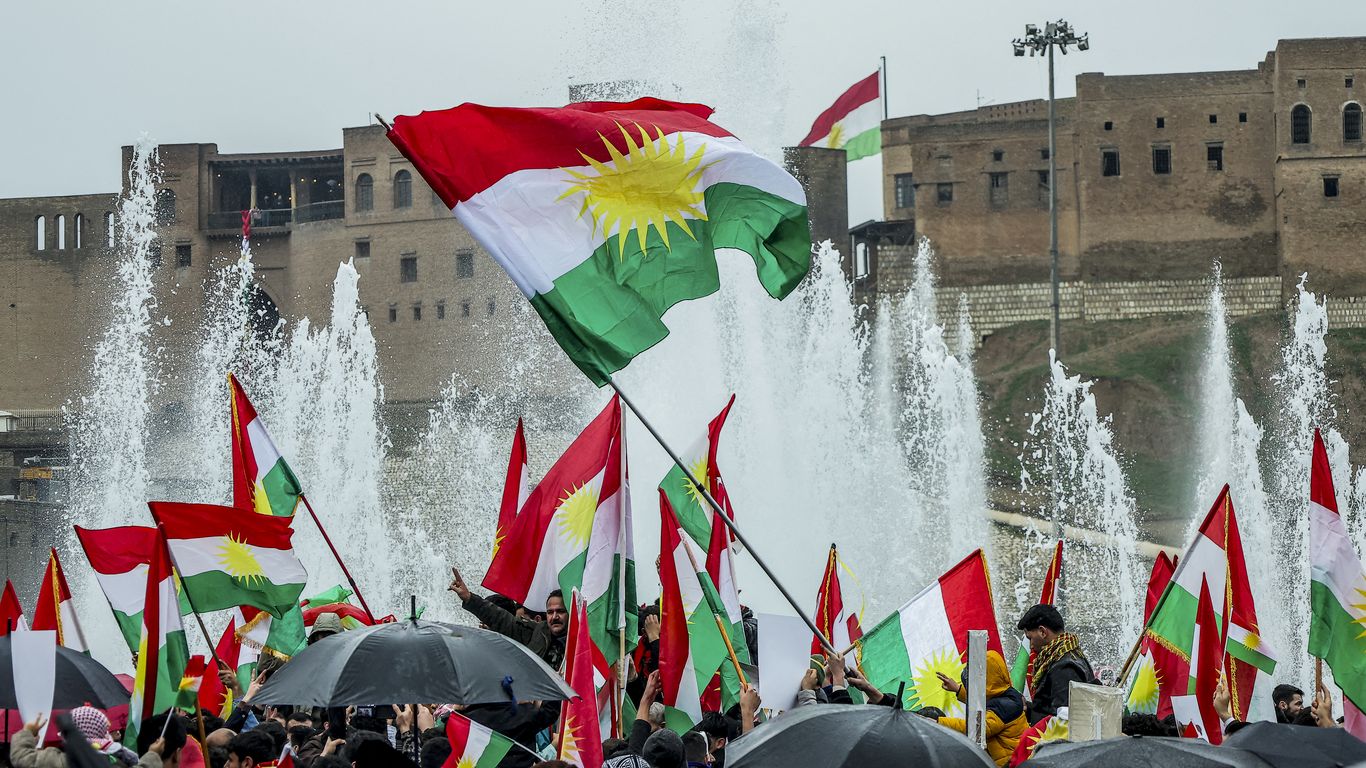
President Trump called Kurdish leaders in Iraq to discuss the U.S.-Israeli conflict with Iran. The conversations involved Kurdish military positions and their potential role in the ongoing conflict. These talks followed months of Israeli Prime Minister Netanyahu's efforts to gain Kurdish support.
Key Facts
President Trump spoke to Kurdish leaders in Iraq about the conflict with Iran.
The Kurds have many soldiers on the Iran-Iraq border and control important areas.
Trump talked to leaders of two main Kurdish groups in Iraq, Masoud Barzani and Bafel Talabani.
Israeli Prime Minister Netanyahu has a long history of close security ties with the Kurds.
The Kurdistan Freedom Party accused Iran of missile and drone strikes.
Kurdish fighters, known as "peshmerga," are experienced from previous battles in Iraq and Syria.
Kurds are the largest ethnic minority in Iraq and one of the largest in Iran.
The Kurds have tensions with Turkey, a U.S. and NATO ally, complicating the situation.
Read the Original
Want the full story? Tap a source to open the original
article.
"Love Story: John F. Kennedy Jr. & Carolyn Bessette" is a TV series that tells the story of John F. Kennedy Jr., the son of a former U.S. president, and his wife Carolyn Bessette. Episode 6, titled "The Wedding," will be released on March 5, 2026. The series is part of an anthology franchise and airs on FX and Hulu.
Key Facts
The show focuses on the relationship and life of John F. Kennedy Jr. and Carolyn Bessette.
Episode 6, titled "The Wedding," will air on March 5, 2026.
The series began on February 12, 2026, with the first three episodes released on the same day.
New episodes release weekly, every Thursday at 9 p.m. Eastern Time.
The series is based on the book by Elizabeth Beller.
It is part of the "American Story" anthology franchise on FX.
The series has a positive 84% rating on Rotten Tomatoes.
Notable actors include Sarah Pidgeon as Carolyn and Paul Anthony Kelly as John.
Read the Original
Want the full story? Tap a source to open the original
article.
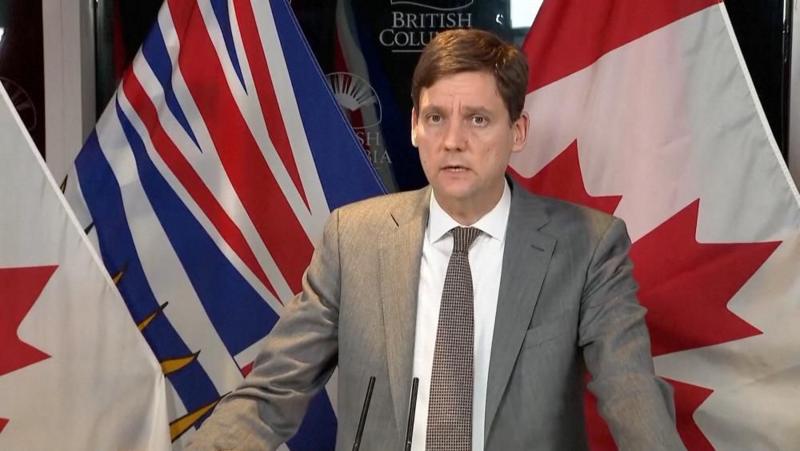
British Columbia, a province in Canada, will implement year-round daylight saving time starting March 2026. This means the region will stop changing clocks twice a year, which aims to make life easier for families and businesses. A report showed strong local support for this change due to health and wellness concerns.
Key Facts
British Columbia will switch to a permanent daylight saving time in March 2026.
The last clock change in BC will happen on March 8, 2026.
A 2019 report showed that 93% of survey participants in BC supported the change.
The aim is to have more evening daylight during winter and reduce disruptions.
Some BC communities in the east on mountain time will continue to change clocks.
Premier David Eby announced the change, highlighting broader benefits for families and the economy.
The change aligns BC with US west coast states part of the year when they consider similar measures.
Globally, many places have ended daylight saving time, but it still exists in parts of the US, Europe, and other regions.
Read the Original
Want the full story? Tap a source to open the original
article.
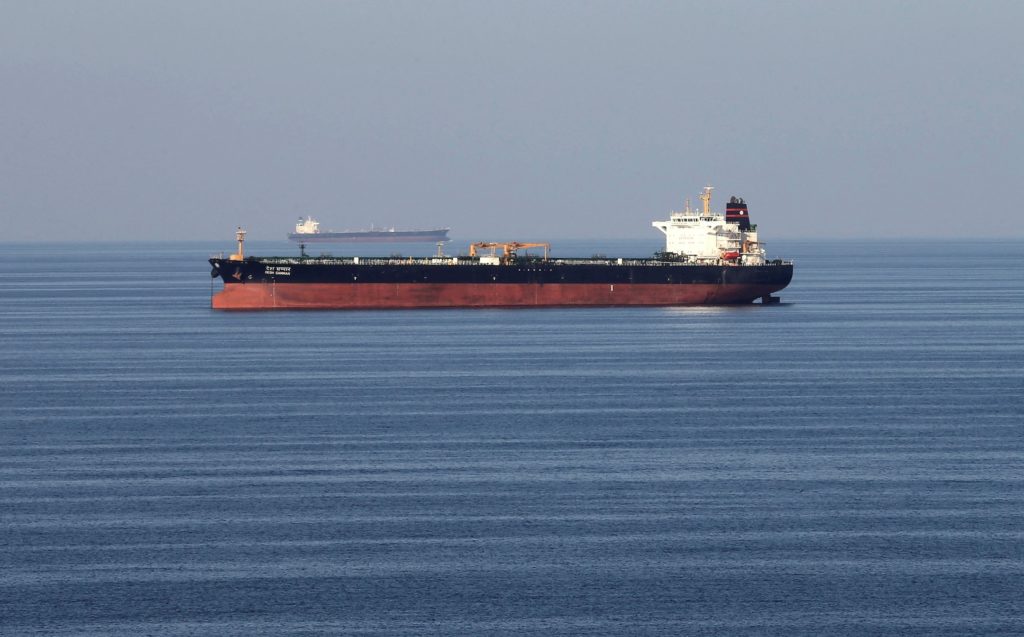
Oil and gas prices rose sharply due to increasing tensions in Iran. The conflict has affected shipping through the Strait of Hormuz, a major route for global oil supply.
Key Facts
Oil and gas prices increased on Monday.
The rise happened because of the conflict in Iran.
Disruptions occurred in the Strait of Hormuz.
The Strait of Hormuz is a key route for oil and natural gas.
Around 20% of the world's oil and liquified natural gas pass through the strait daily.
Read the Original
Want the full story? Tap a source to open the original
article.
An expert panel discussed the United States' goals in the conflict involving Iran. The speakers were specialists with backgrounds in international relations and military service, focusing on understanding the current situation and potential strategies.
Key Facts
An expert panel discussed U.S. objectives in the conflict with Iran.
Amna Nawaz led the discussion with three experts.
Alan Eyre was part of the team that negotiated the Iran nuclear deal during the Obama administration.
Eyre is now a part of the Middle East Institute.
Joel Rayburn is a retired Army colonel and works at the Hudson Institute.
Holly Dagres spent her teenage years in Tehran and is now with the Washington Institute for Near East Policy.
The discussion aimed to provide a clearer understanding of the situation and possible strategies.
Read the Original
Want the full story? Tap a source to open the original
article.
The FBI is exploring whether a recent shooting in Texas is a terrorist act. The Supreme Court may change a federal law about gun ownership for drug users, and the Department of Justice claims that Live Nation runs an illegal monopoly. France plans to expand its nuclear weapons.
Key Facts
The FBI is looking into a Texas shooting to see if it is terrorism-related.
The U.S. Supreme Court might change a law that prevents drug users from having guns.
The Department of Justice accuses Live Nation of operating as an illegal monopoly.
France is going to increase its number of nuclear weapons.
This is the first time in decades that France will expand its nuclear arsenal.
Read the Original
Want the full story? Tap a source to open the original
article.
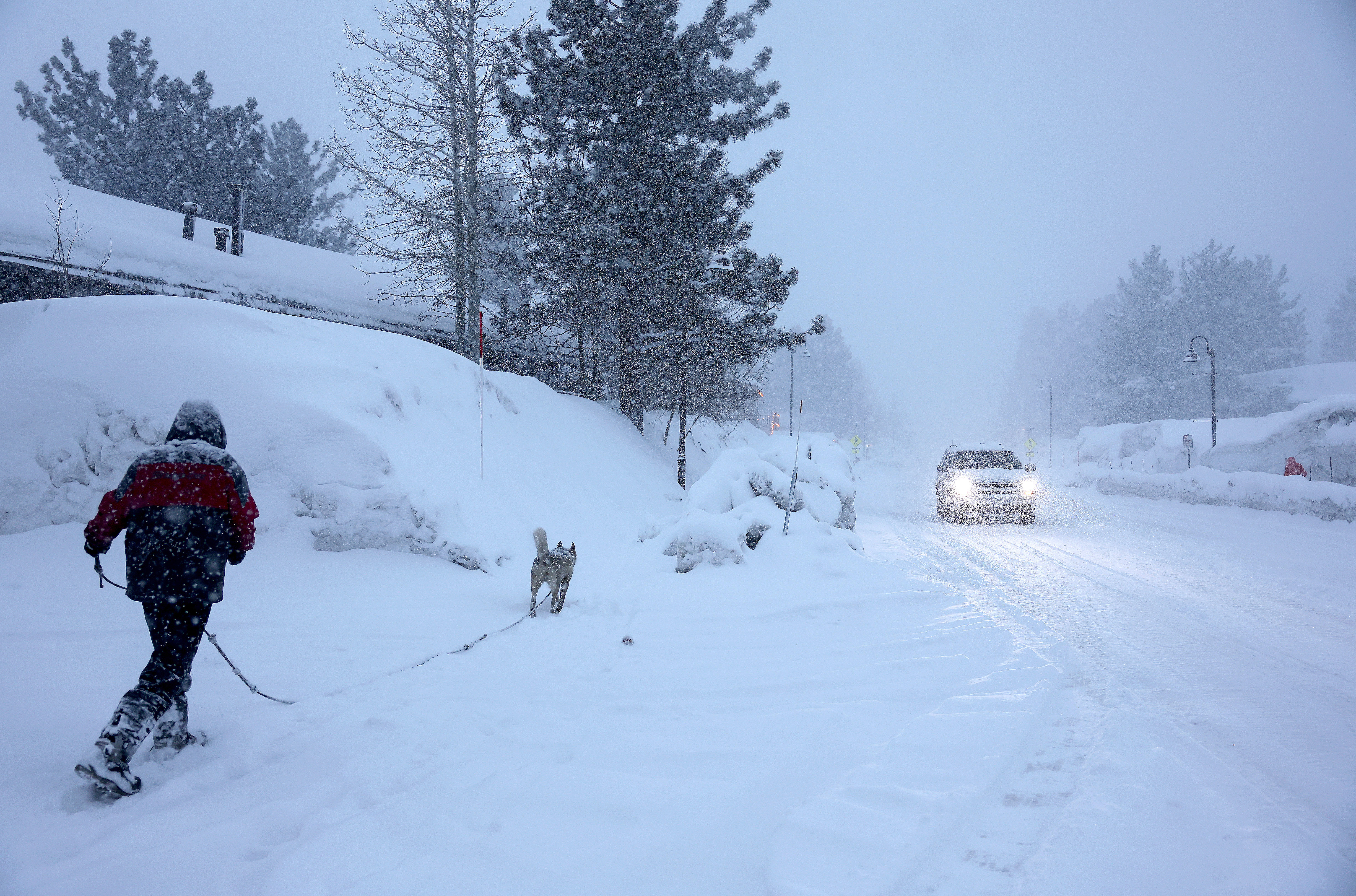
A winter storm is expected to bring up to 10 inches of snow to parts of Oregon later this week. The National Weather Service has issued warnings for difficult travel conditions due to heavy snowfall. The alerts will be in place throughout much of Wednesday.
Key Facts
Up to 10 inches of snow is forecasted for areas in Oregon, including mountain passes.
The National Weather Service has issued winter weather advisories for these regions.
The advisories begin early Wednesday and last until 10 p.m. local time.
Snow may fall at rates of up to 1 inch per hour, making travel hazardous.
Areas like Waldo Lake, Santiam Pass, and Crater Lake are expected to be affected.
People are advised to avoid travel and carry a winter emergency kit if necessary.
Hazardous conditions are likely to affect both morning and evening commutes on Wednesday.
Read the Original
Want the full story? Tap a source to open the original
article.
President Trump ordered military strikes on Iran, which have led to significant casualties, including the death of Iran's Supreme Leader. Some swing voters support the strikes, while others are concerned about the potential for ongoing conflict and question the legitimacy of the action.
Key Facts
The U.S. and Israel launched military strikes on Iran, causing numerous casualties.
Iran's Supreme Leader, Ayatollah Ali Khamenei, was killed during these strikes.
Four U.S. service members have died in the operation.
Retaliatory strikes from Iran have targeted Israel and Gulf Arab allies where U.S. forces are based.
Social media analysis by Impact Social shows 26% of swing voters support the strikes, while 17% oppose them, and 57% are neutral.
Supporters of the strikes often cite a need to deter Iran and express anti-regime sentiment.
Concerns among opponents include skepticism about the threat posed by Iran and bypassing of Congress.
President Trump stated the goal of the strikes is to target Iran's nuclear and missile capabilities.
Read the Original
Want the full story? Tap a source to open the original
article.
Staying informed here is free for everyone. If it's worth something to you, pay what you want. Supporters also get the daily digest by email every morning.
The article focuses on the conflict involving the US, Israel, and Iran, now in its third day. There have been drone and air strikes between the countries, and tensions have resulted in military incidents in various regions.
Key Facts
The US and Israel are involved in military operations against Iran.
Drone and air strikes are being exchanged among the involved nations.
US fighter jets crashed in Kuwait, reportedly due to friendly fire.
Israel targeted what it believed to be Hezbollah positions in Lebanon.
An Iranian drone struck a British RAF base in Cyprus, prompting evacuation.
Iran's Supreme Leader Ali Khamenei was reportedly killed, according to Iranian state media.
Protests against the strikes on Iran took place across multiple cities in the US.
President Donald Trump announced major combat operations against Iran.
Read the Original
Want the full story? Tap a source to open the original
article.
Iran's Revolutionary Guard Corps has announced that the Strait of Hormuz is closed and threatened to attack any ships trying to pass through it. This action comes after a US-Israeli military campaign killed Iranian leader Ayatollah Ali Khamenei. The closure of the strait, a vital route for global oil transit, is causing energy prices to rise sharply.
Key Facts
A senior Iranian military official declared the Strait of Hormuz closed to ships.
Iran threatened to attack any vessel attempting to pass through the strait.
This move is in response to US and Israeli attacks that killed Iranian leaders.
Iran also threatened to target oil pipelines and stop oil exports from the region.
About 20% of global oil supplies pass through the Strait of Hormuz.
Energy prices, including oil and natural gas, are increasing due to these tensions.
QatarEnergy halted liquefied natural gas production after being attacked, affecting global gas markets.
The US plans to take measures to address rising energy prices, according to Secretary of State Marco Rubio.
Read the Original
Want the full story? Tap a source to open the original
article.