A Dalmatian named Leia, belonging to Montreal comedian Eva Alexopoulos, gained attention on social media due to her amusing reaction to a male visitor interested in Alexopoulos's apartment. The dog looked at the visitor with disapproval, sparking humorous comments from viewers online.
Key Facts
Leia is a Dalmatian owned by Eva Alexopoulos from Montreal.
Alexopoulos is a comedian who shared the video on TikTok.
The video shows Leia reacting with disdain to a man visiting the apartment.
Many social media users found Leia's reaction funny and relatable.
Dalmatians are known for their guarding instincts, which Leia showed.
Similar Dalmatian videos have gained online attention in the past for their humor.
Newsweek has reached out to Alexopoulos for further comments.
Read the Original
Want the full story? Tap a source to open the original
article.
A pregnant mother, Jessica Reyes, returned home to find her house cleaned by her mom, leaving her feeling grateful. The act of support was shared on social media, resonating with many people who appreciated the significant help mothers provide during challenging times.
Key Facts
Jessica Reyes is eight months pregnant, raising a toddler, and working full time.
Her mother cleaned her house completely, including laundry and dishes, while she was at work.
The story was shared on social media, receiving over 10,000 likes and shares.
Many people shared similar stories about their mothers' support during parenthood.
Reyes' mother previously faced her own challenges, raising a child without family support in the U.S. after leaving Cuba.
The shared online post highlights the often unseen but vital support mothers give in difficult times.
Read the Original
Want the full story? Tap a source to open the original
article.
The article discusses the potential negative outcomes for the U.S. and Israel following the assassination of Iranian Supreme Leader Ayatollah Ali Khamenei. It suggests that history shows removing leaders in the Middle East can lead to more chaos and radical leadership instead of achieving stability.
Key Facts
Ayatollah Ali Khamenei, the Iranian Supreme Leader, has been assassinated.
President Trump and Israeli Prime Minister Netanyahu are seen as responsible for the assassination.
Leaders in the Middle East often plan for succession, so leadership change may not lead to desired outcomes.
Past attempts to remove leaders in the region, like in Iraq and Gaza, often resulted in increased instability and radicalization.
The capture and execution of Iraq's Saddam Hussein led to a pro-Iranian influence and the rise of ISIS.
Israel's past assassinations of Hamas leaders led to more radical successors.
Possible new leadership in Iran might not be open to negotiations, which could worsen regional tensions.
The situation might lead to a security vacuum similar to those seen in Iraq and Libya, with negative consequences for the region and beyond.
Read the Original
Want the full story? Tap a source to open the original
article.
Police with firearms were called to a part of Edinburgh after reports of a man carrying a weapon. People were advised to stay away from the Calders area due to potential stabbings.
Key Facts
Armed police responded to reports of a man with a bladed weapon in Edinburgh.
The incident occurred in the Calders area, which is between Sighthill and Wester Hailes.
Authorities advised the public to avoid the area due to safety concerns.
Reports suggested that there might have been stab victims, though this was not confirmed.
Emergency response teams have been active in the area since before 9:00 AM.
A local resident mentioned hearing the man had broken into a nearby shop and possibly injured people.
Police have been present in the area for several hours with both officers and police dogs on site.
Read the Original
Want the full story? Tap a source to open the original
article.
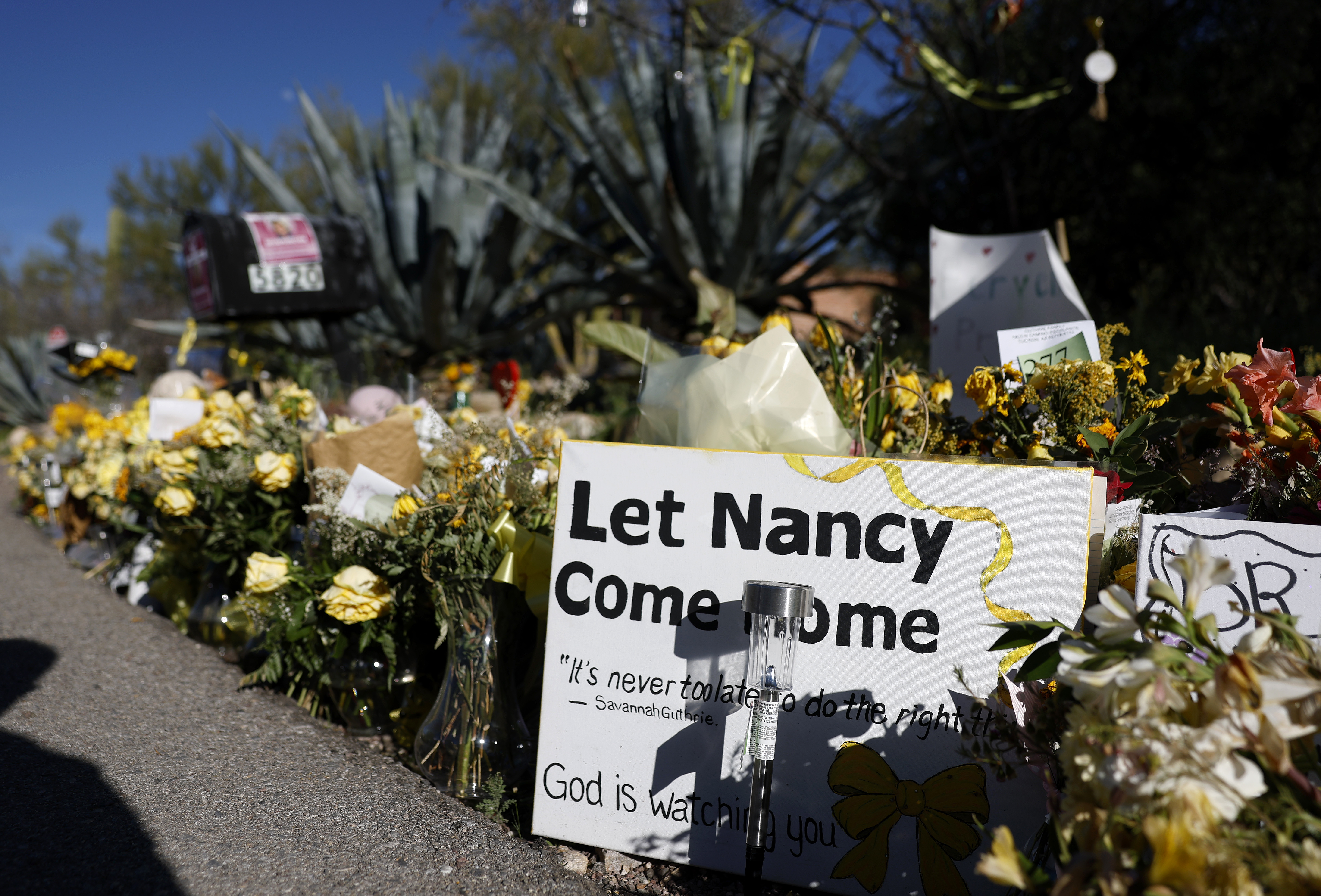
An ex-FBI agent explained why the disappearance of Nancy Guthrie, missing mother of Savannah Guthrie, is unlikely to become a cold case. The agent believes that a $1 million reward will motivate someone to provide information. Nancy Guthrie has been missing since January 31, with evidence of a kidnapping found.
Key Facts
Nancy Guthrie, 84, went missing on January 31 from her home near Tucson, Arizona.
A retired FBI agent, Maureen O’Connell, discussed the case and highlighted a $1 million reward.
Authorities suspect she was kidnapped and found drops of her blood on her front porch.
Guthrie's family is offering a reward hoping it will lead to new information.
She needs vital medication daily, raising concerns for her health.
The case has not yet become a "cold case" due to the ongoing investigation and reward incentive.
Read the Original
Want the full story? Tap a source to open the original
article.
West African nations have decided to activate a regional military force to combat cross-border armed groups causing violence in the region. The plan involves deploying 2,000 soldiers by 2026 and faces challenges such as funding and political disagreements among member states. The initiative aims to address security threats from groups linked to al-Qaeda and ISIL, especially in regions like the Sahel and coastal states.
Key Facts
West African countries, part of ECOWAS, are forming a regional force to fight violent armed groups.
The decision was made at a security meeting in Sierra Leone.
The plan involves mobilizing an initial 2,000 soldiers by the end of 2026.
Armed groups tied to al-Qaeda and ISIL have been active in the region, targeting both military and civilians.
The ECOWAS Standby Force (ESF) was officially formed in 1999 to address regional conflicts.
Previous challenges for the ESF included human rights criticisms and complicated military engagements.
Concerns about funding and disagreements within ECOWAS may pose challenges to the deployment.
Nigeria and Ghana have historically provided the largest troop contributions to ECOWAS missions.
Read the Original
Want the full story? Tap a source to open the original
article.
President Donald Trump commented on the recent conflict involving the U.S. and Iran, which began with an American and Israeli attack in Iran. The operation resulted in the death of Iran's Supreme Leader and sparked retaliatory actions from Iran. Trump has offered different timelines for the conflict, stating it could be brief or extended, but also indicated a willingness to hold talks with Iran's new leader.
Key Facts
The U.S. and Israel launched an operation in Iran, killing Supreme Leader Ayatollah Ali Khamenei.
Iran responded with attacks on American bases and allies, but many were intercepted.
President Trump mentioned the conflict could last a few days or several weeks.
The President also suggested that Iran might take years to recover from these strikes.
Trump stated that more U.S. troops might die as the mission continues.
In a discussion, Trump agreed to potentially hold talks with Iran's new leadership.
Iran's security chief stated there were no plans for talks with the U.S.
Three U.S. military personnel were confirmed killed in the initial attacks.
Read the Original
Want the full story? Tap a source to open the original
article.
Iran has launched attacks on several Gulf countries, including the United Arab Emirates and Saudi Arabia, following U.S. and Israeli strikes. This has caused these countries to come together as they decide how to respond and manage potential threats to their safety and stability. These developments are important not only within the Middle East but also for international relations.
Key Facts
Iran has attacked various Gulf countries after U.S. and Israeli military actions.
Gulf nations are facing decisions on how to respond to Iran's attacks and whether to seek quick resolutions.
The United Arab Emirates reports intercepting most of the ballistic missiles and drones targeted at it.
The attacks have brought Gulf countries together, highlighting shared vulnerabilities.
Iranian attacks include strikes on civilian areas like hotels, heightening tension in the region.
Leaders in the Gulf and Iran are trying to manage the crisis, with Oman seeking dialogue and Saudi Arabia offering help.
The ongoing conflict affects economic stability and relationships beyond the Middle East, including ties with China, India, and Russia.
Read the Original
Want the full story? Tap a source to open the original
article.
President Donald Trump has conducted military strikes in seven countries, including locations not previously targeted by the U.S. While he campaigned against wars, he has launched significant military operations, most notably an aggressive campaign against Iran. Trump's strategy involves using overwhelming force quickly without deploying ground troops.
Key Facts
President Trump has ordered military strikes in seven countries, three of which had never been targeted before by the U.S.: Iran, Nigeria, and Venezuela.
In 2025, Trump authorized more air strikes than President Biden did in four years.
Trump's military approach emphasizes no ground troops and using overwhelming force rapidly.
A major joint operation, named Operation Epic Fury, targets Iran with the goal of government change, launched without congressional approval.
Iran's Supreme Leader was killed in the first 24 hours, along with other officials, by joint U.S.-Israeli strikes.
Iran has retaliated with missile and drone attacks on U.S. allies in the Gulf region.
Trump's military actions contrast with his previous anti-war campaign promises.
Some of Trump's close supporters have criticized his decision to attack Iran, which contradicts his earlier stance on avoiding new wars.
Read the Original
Want the full story? Tap a source to open the original
article.
The article discusses how recent military strikes on Iran ordered by President Trump are affecting Democratic primary elections in the United States. Candidates are using the strikes as a major point of debate, with some criticizing the move and others rallying against perceived "endless wars." The issue is causing significant discussion and division within the Democratic party.
Key Facts
President Trump ordered military strikes on Iran, which is now a key issue in Democratic primaries.
Progressive candidates are using the strikes to rally support and criticize their opponents.
Nida Allam, a candidate in North Carolina, publicly condemned the strikes and promised not to accept defense contractor donations.
Valerie Foushee, Allam's opponent, also opposes the strikes and advocates for congressional restraints on military actions.
Graham Platner in Maine organized a protest against the war, expressing his opposition to military interventions.
Some moderate Democrats believe the strikes prevent larger conflicts, while progressives largely disagree.
The issue has highlighted divisions within the Democratic party as they navigate foreign policy discussions.
Read the Original
Want the full story? Tap a source to open the original
article.
After attacks involving the United States, Iran, and Israel, several travel warnings have been issued for U.S. citizens. The U.S. State Department advises against travel to several Middle Eastern countries due to safety concerns. The conflict has affected air travel, resulting in flight cancellations and disruptions.
Key Facts
The U.S. and Israel conducted attacks on Iranian targets, leading to heightened tensions.
Iran launched retaliatory strikes against U.S. bases in the Middle East.
Travel warnings at Level 3, suggesting reconsidering travel, were issued for Qatar, Kuwait, and Bahrain.
The warnings in Qatar and Kuwait highlight threats of missile and drone attacks.
There is a specific advisory against travel to areas in Kuwait that are near the Iraqi border.
In Bahrain, the advisory notes a risk of terrorism and potential attacks on various civilian and government sites.
An incident at Zayed International Airport in Abu Dhabi left one person dead and several injured due to debris from an intercepted drone.
President Donald Trump stated that U.S. combat operations will continue until objectives are achieved.
Read the Original
Want the full story? Tap a source to open the original
article.
Over 100,000 British citizens in the Middle East have registered with the UK government for assistance due to ongoing Iranian strikes in the region. The UK government is monitoring the situation and encouraging Britons in affected areas to stay informed and follow local advice.
Key Facts
102,000 Britons in the Middle East have registered with the UK government for help.
There are about 300,000 British citizens in Gulf countries.
Many British citizens there are tourists, in transit, or on business trips.
The UK government is not planning an immediate evacuation but is preparing for possible scenarios.
People in Bahrain, Israel, Kuwait, Palestine, Qatar, and the UAE should register to receive updates.
Nearly half of flights from London Heathrow to the region were canceled on Sunday.
Iran has attacked several countries, impacting US military sites in the region.
Damage has occurred at airports in Dubai and Abu Dhabi, with injuries and a fatality reported.
Read the Original
Want the full story? Tap a source to open the original
article.
The National Weather Service has issued winter storm warnings and weather advisories for six U.S. states. The storms may bring up to 12 inches of snow, ice, and strong winds, potentially making travel difficult. The affected states include West Virginia, Alaska, Virginia, Wyoming, Indiana, and Ohio.
Key Facts
A winter storm could bring up to 12 inches of snow and strong winds, mostly affecting six U.S. states.
The National Weather Service warns of severe weather conditions and advises caution to travelers.
West Virginia expects up to 4 inches of snow and ice, possibly causing power outages and road hazards.
Alaska could see up to 12 inches of snow and winds reducing visibility, as well as extremely cold temperatures.
Virginia's central Blue Ridge area may get ice and freezing rain, impacting Monday commutes.
Wyoming's mountain ranges may receive up to 10 inches of snow, with higher amounts at peaks.
Ohio and Indiana could experience up to 2 inches of snow, leading to hazardous road conditions.
Read the Original
Want the full story? Tap a source to open the original
article.
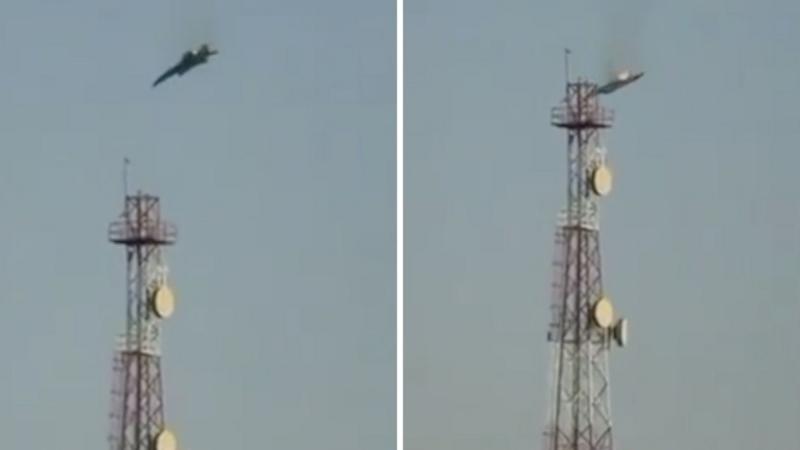
Video footage shows a U.S. F-15 fighter jet crashing near Kuwait City. The Kuwaiti government said that several American jets crashed on Monday, but all the crew members are safe.
Key Facts
A video, confirmed as genuine by the BBC, shows a U.S. F-15 fighter jet crashing near Kuwait City.
The video was filmed from an area west of Kuwait City, close to Al Jahra.
Kuwait’s ministry of defence stated that several U.S. fighter jets went down on the same day.
All crew members from the crashed jets survived without injuries.
Social media shows unverified videos and images suggesting an aircraft crash and a pilot being rescued.
This incident is happening alongside other regional conflicts involving Israel, Lebanon, and Iran.
Read the Original
Want the full story? Tap a source to open the original
article.
Oil prices increased sharply after the United States and Israel attacked Iran. These actions disrupted the global energy supply, with tensions in the region causing significant impacts on oil trade routes and markets.
Key Facts
Oil prices rose after attacks on Iran by the US and Israel.
West Texas Intermediate crude rose to $72.79 per barrel, an 8.6% increase.
Brent crude, a global oil benchmark, went up by 9% to $79.41 per barrel.
The Strait of Hormuz, a key oil trade route, has seen increased tension, affecting oil transport.
Two tankers were attacked in the Strait of Hormuz.
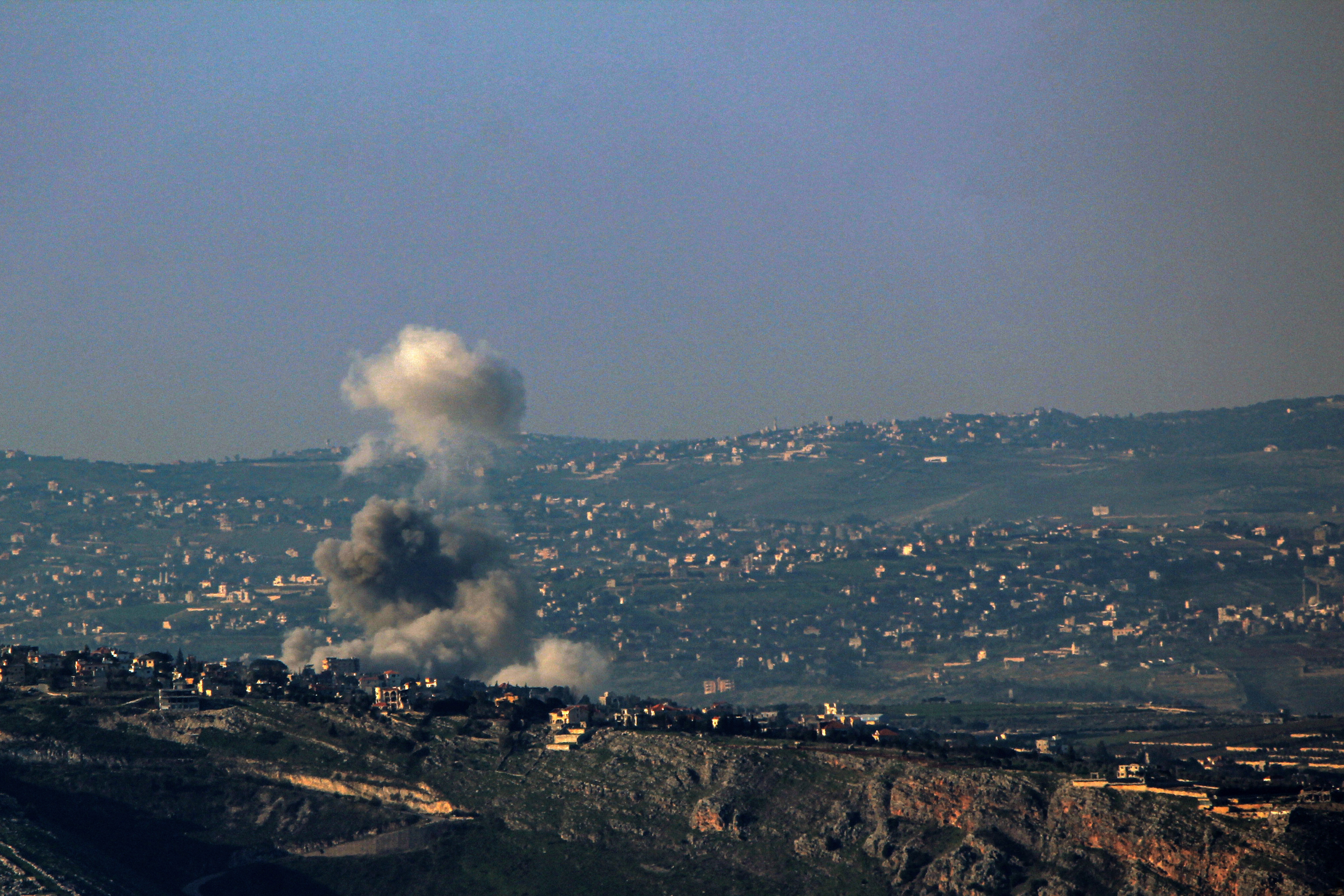
Iran and other Middle Eastern countries experienced missile exchanges.
OPEC+ countries, including Saudi Arabia and Russia, plan to increase oil production starting in April.
Stock markets in Japan and other regions reacted negatively to the rising tensions.
Read the Original
Want the full story? Tap a source to open the original
article.
Qatar Airways has temporarily stopped its flight operations because Qatar's airspace is closed. The closure comes due to an ongoing conflict involving Iran, which has launched missiles and drones into neighboring Gulf areas. Qatar Airways will resume flights when it is safe, and an update is expected on March 3.
Key Facts
Qatar Airways has temporarily stopped all flights.
Qatar's airspace is closed due to a conflict involving Iran.
Iran has launched missiles and drones into Gulf neighbors' territories.
Qatar Airways will provide a new update on March 3 at 9:00 a.m. local time.
Passengers should check Qatar Airways' website or app for the latest flight information.
The situation involves regional security and affects civilian flights.
Read the Original
Want the full story? Tap a source to open the original
article.
A U.S. military jet crashed in Kuwait. The crew ejected safely from the plane before it crashed. The Kuwait Ministry of Defense confirmed the jet was American.
Key Facts
A U.S. military jet crashed in Kuwait.
The jet's crew ejected from the plane before it crashed.
The plane was on fire at the time of the crash.
The aircraft was confirmed to be American by Kuwait's Ministry of Defense.
Local residents witnessed the crash and the crew's ejection.
Read the Original
Want the full story? Tap a source to open the original
article.
A fire broke out at a Saudi Aramco refinery due to missile debris after Saudi Arabia intercepted an Iranian missile. This incident has caused oil prices to rise and increased concerns about global oil supply.
Key Facts
A fire occurred at a Saudi Aramco refinery.
Saudi officials say the fire was caused by debris from an intercepted Iranian missile.
The incident led to a sharp increase in oil prices.
The Strait of Hormuz is closed following the disruption.
There are fears about the impact on global oil supply.
Read the Original
Want the full story? Tap a source to open the original
article.
On the biggest stories we show what the outlets agree on and where they differ. Readers keep that going, and get the daily digest by email every morning. Most choose $3.99/month.
Several U.S. fighter jets crashed in Kuwait amid ongoing conflicts involving the U.S., Israel, and Iran. All crew members survived and were taken to the hospital. The incident occurred as the region experiences heightened military operations following an attack that resulted in the deaths of three U.S. service members.
Key Facts
U.S. warplanes crashed in Kuwait, but all crew members survived.
The crash happened during a military conflict involving the U.S., Israel, and Iran.
An investigation is ongoing to determine the cause of the crash.
Kuwait's Defense Ministry is coordinating with the U.S. regarding the incident.
The U.S. embassy in Kuwait City advised people to seek shelter due to missile and drone threats.
The conflict has resulted in the deaths of three U.S. service members since it began.
Read the Original
Want the full story? Tap a source to open the original
article.
People in Gaza rushed to buy food supplies after hearing about a war between Israel, the U.S., and Iran, and the closure of crossings to Gaza. This led to shortages and increased prices of basic items like flour and cooking oil. The closures caused concern as residents feared a repeat of past shortages during previous conflicts.
Key Facts
A war broke out involving Israel, the U.S., and Iran.
People in Gaza hurried to markets to buy essential food supplies.
Prices of items like flour and cooking oil rose due to high demand.
Crossings into Gaza and the West Bank were closed by Israel.
The closures were partly linked to the Jewish holiday Purim.
Residents fear prolonged closures might lead to shortages like those seen in previous conflicts.
During past closures, essential goods like flour became very expensive in Gaza.
Read the Original
Want the full story? Tap a source to open the original
article.