The US military has confirmed that three of its soldiers died and five were injured in a conflict involving Iran. Reports suggest the deaths occurred in Kuwait.
Key Facts
Three US soldiers have died in a conflict with Iran.
Five US soldiers were injured.
The deaths reportedly happened in Kuwait.
The US military is not giving more details at this time.
This information has been confirmed by the US military.
US media and Al Jazeera are reporting on the incident.
Read the Original
Want the full story? Tap a source to open the original
article.
The U.S. and Israel have launched missile strikes on Tehran and other cities in Iran. Iran's leaders are responding by establishing a new leadership council after the death of key figures, including Supreme Leader Ayatollah Ali Khamenei. Despite the ongoing attacks, the Iranian government and military are taking steps to continue their operations and defend against foreign forces.
Key Facts
The U.S. and Israel conducted air strikes on Tehran and other Iranian cities.
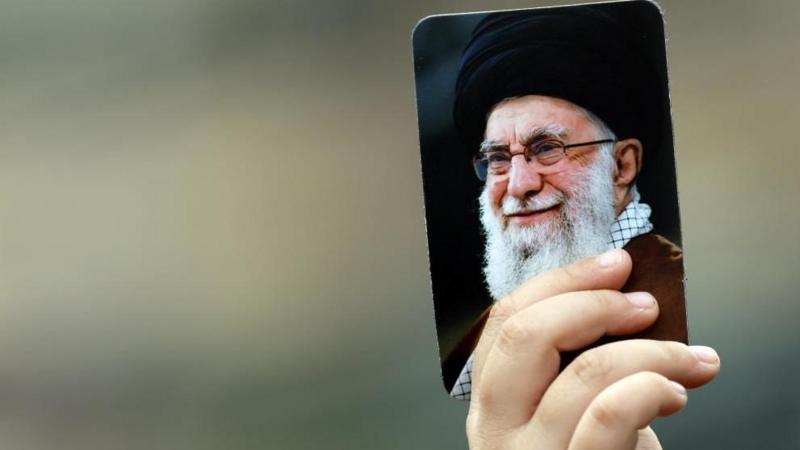
Key Iranian leaders, including Supreme Leader Ayatollah Ali Khamenei, were killed at the start of the conflict.
A new leadership council has been formed in Iran, with Masoud Pezeshkian as president.
The council consists of Pezeshkian, judiciary chief Gholam-Hossein Mohseni-Ejei, and Ayatollah Alireza Arafi.
Iran's IRGC (Islamic Revolutionary Guard Corps) plans to retaliate against the U.S. and Israel.
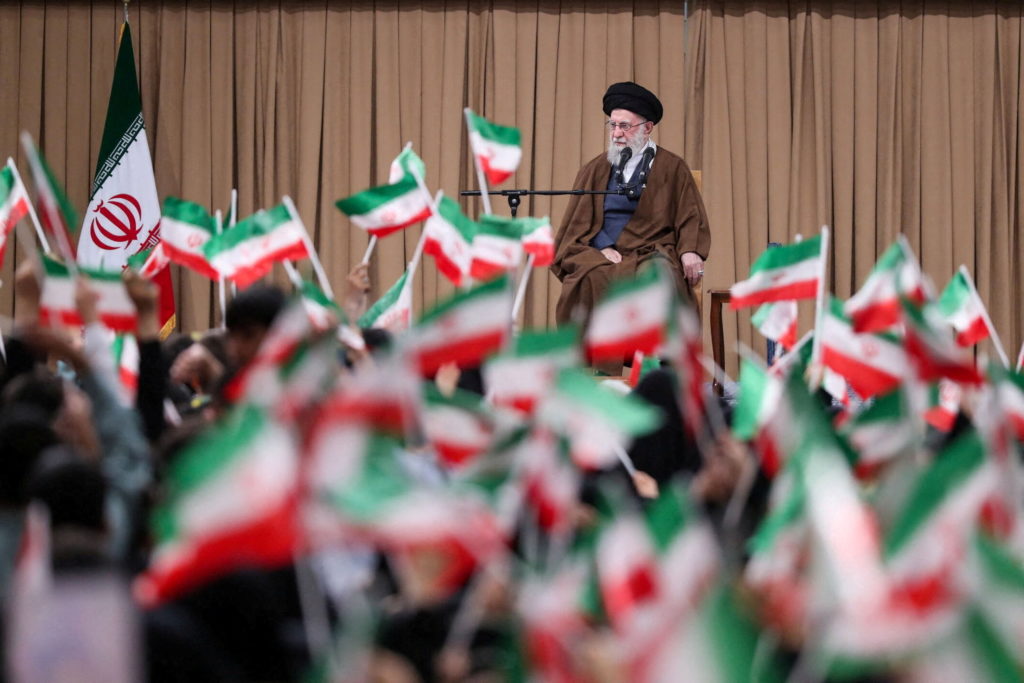
Iranian leaders have called for public congregations in mosques and major streets.
Iranian forces claim to have conducted bombing runs on U.S. bases.
Iranian leaders emphasize a peaceful approach towards neighboring countries, while targeting U.S. bases.
Read the Original
Want the full story? Tap a source to open the original
article.
After the assassination of Ayatollah Ali Khamenei, President Trump and Israeli Prime Minister Netanyahu encouraged Iranians to rise against their government. The history of regime change in countries like Afghanistan, Iraq, and Libya suggests that external intervention often leads to instability instead of smooth transitions. Iran's unique religious and political context may lead to a rallying effect among its population, complicating the anticipated outcomes of the intervention.
Key Facts
President Trump and Israel's Prime Minister supported regime change in Iran after Ayatollah Khamenei's assassination.
Assassinations aimed to encourage change in Iran's leadership.
Previous interventions in Afghanistan, Iraq, and Libya led to prolonged instability rather than stability.
Iran’s situation may differ due to the religious significance of martyrdom in Shia Islam.
Khamenei's death might unify Iranians against foreign intervention.
Iran's reaction may involve increased national unity and resistance rather than collapse.
Read the Original
Want the full story? Tap a source to open the original
article.
Millennials are delaying having children not just for financial reasons, but also due to the mental stress involved in parenting. Research shows that stress and lack of time, rather than money, are major concerns for many potential parents. Social and familial support systems are less accessible, making parenting more challenging for this generation.
Key Facts
Millennials are waiting longer to have children, often into their thirties or forties.
The decision to delay is influenced by concerns about mental health, not just financial considerations.
A report found that stress is the most common obstacle cited by mothers for raising a family.
Lack of time is reported as a bigger barrier to parenting than lack of money.
Social media adds stress by creating pressure to achieve parenting perfection.
Many millennials lack the traditional support systems like nearby family to help with raising children.
The idea of needing a community or "village" to support parenting is becoming less possible for many.
Parenting now requires more time and resources, increasing the mental workload for potential parents.
Read the Original
Want the full story? Tap a source to open the original
article.
Iran is looking to appoint a new supreme leader within a few days after the assassination of Ayatollah Ali Khamenei. A temporary council is handling leadership duties while a clerical assembly prepares to select the successor. The killing of Khamenei has heightened tensions between Iran, Israel, and the United States, leading to increased military actions.
Key Facts
Iran's Foreign Minister Abbas Araghchi stated a new supreme leader might be chosen in a day or two.
Ayatollah Ali Khamenei was killed in joint US-Israeli strikes.
A temporary council, including the president, judiciary head, and a Guardian Council member, is managing Iranian leadership temporarily.
The Iranian process for picking a new supreme leader involves a clerical assembly of 88 members.
President Masoud Pezeshkian announced a 40-day mourning period and public holidays.
Iran has launched strikes across the Gulf following Khamenei's assassination.
US President Donald Trump warned that any Iranian retaliation could lead to more conflict.
Tension and military actions have increased between Iran, Israel, and the US following the assassination.
Read the Original
Want the full story? Tap a source to open the original
article.
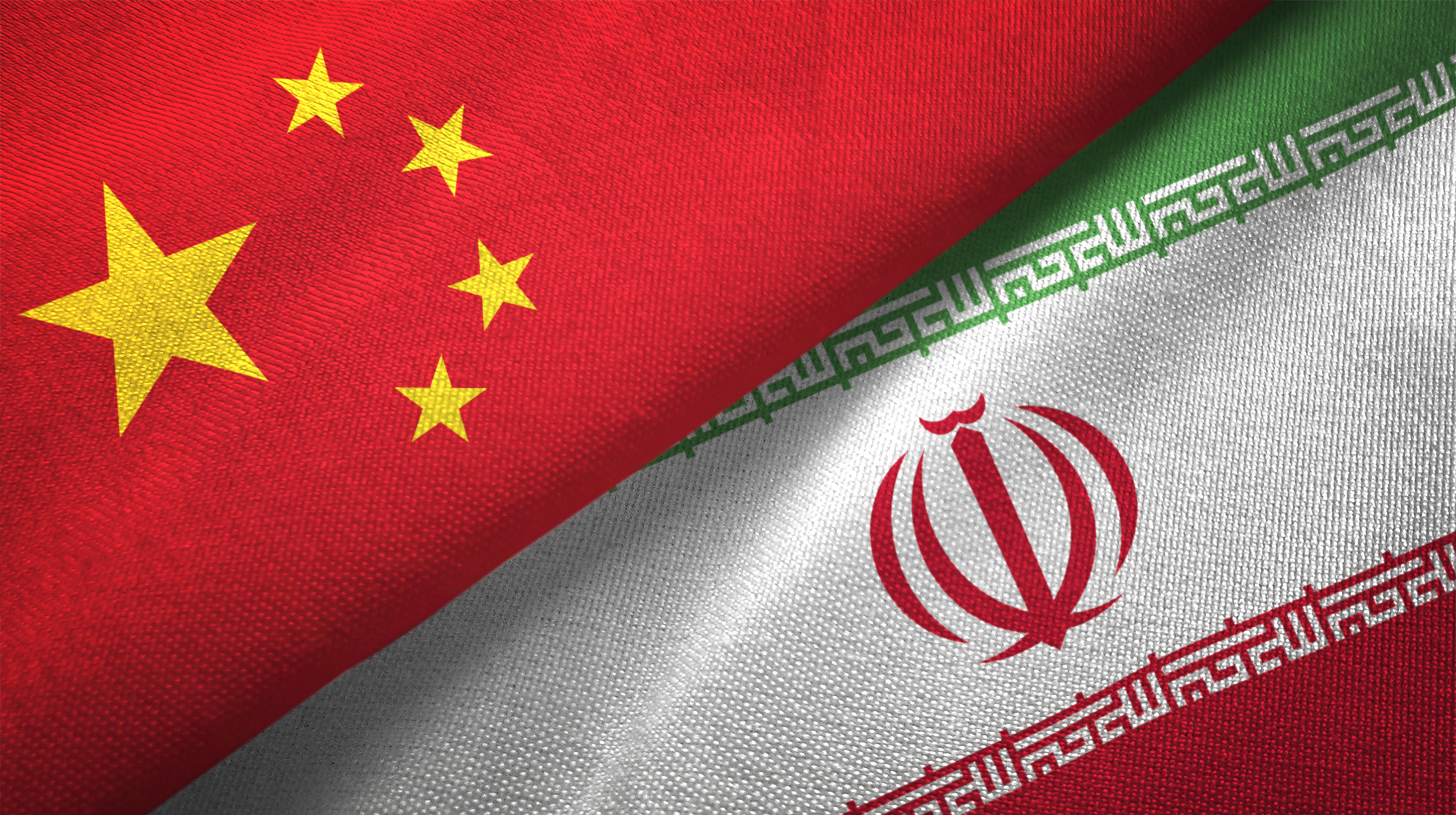
The United States carried out military strikes on Iran, partnering with Israel. Analysts suggest this action aims to weaken China's influence by targeting its oil supplies. This effort also disrupts China's alliances with countries like Iran and Venezuela, which are major oil providers to China.
Key Facts
The U.S. and Israel launched strikes on Iran, a country allied with China, on Saturday.
This was the second U.S. military action in three months against a Chinese ally, following actions in Venezuela.
The strikes aim to disrupt China's oil supply, as China imports much of its oil from Iran.
The Chinese military needs reliable fuel supplies, which oil disruptions could threaten.
China has heavily invested in coal and renewable energy but needs oil for its military.
China obtains oil from multiple countries, but international sanctions could disrupt these imports if China invades Taiwan.
Analysts believe the U.S. actions could weaken alliances among authoritarian states aligned with China and Russia.
Read the Original
Want the full story? Tap a source to open the original
article.
The suspect in a mass shooting in Austin has been identified as Ndiaga Diagne. Diagne, who was originally from Senegal and lived in Texas, was one of the three people who died in the incident. The shooting injured 14 others and occurred at a bar near Downtown Austin.
Key Facts
The suspect in the Austin mass shooting was named Ndiaga Diagne.
Diagne was 53 years old and died during the shooting.
He was a naturalized U.S. citizen born in Senegal.
Diagne lived in Pflugerville, Texas.
A report showed Diagne carrying a weapon and wearing a sweater with the words “Property of Allah.”
The shooting took place at Buford's bar in Downtown Austin.
Three people, including Diagne, died in the shooting.
Fourteen others were injured in the incident.
Read the Original
Want the full story? Tap a source to open the original
article.
Ayatollah Alireza Arafi is part of an interim leadership council in Iran after the death of Supreme Leader Ayatollah Ali Khamenei due to U.S. and Israeli strikes. This council will lead Iran until a new supreme leader is chosen by the Assembly of Experts. President Trump has agreed to talks with Iran's new leadership.
Key Facts
Ayatollah Alireza Arafi is on the new three-member interim leadership council in Iran.
This council was formed after Supreme Leader Ayatollah Ali Khamenei was killed by U.S. and Israeli strikes.
The interim leadership is supported by Article 111 of Iran’s constitution.
The Expediency Discernment Council confirmed Arafi’s role in the interim council.
Arafi is a senior cleric and a member of the Guardian Council since 2019.
Other key Iranian leaders were also killed in the strikes.
President Donald Trump has expressed willingness to engage in talks with Iran's new leadership.
The Assembly of Experts must select a new supreme leader quickly.
Read the Original
Want the full story? Tap a source to open the original
article.
Iran's Supreme Leader, Ali Khamenei, was killed in US-Israeli military strikes aimed at disrupting Iran's leadership. The Iranian government has formed a temporary council to maintain order while they begin the process of selecting a new leader. The situation has prompted calls for regime change from President Trump and Israel's Prime Minister.
Key Facts
Iran's Supreme Leader, Ali Khamenei, was killed in US-Israeli strikes.
The military operation aimed to weaken Iran's command structure.
Following Khamenei's death, people in Iran and abroad celebrated.
President Trump and Israel's Prime Minister Netanyahu encouraged Iranians to pursue government change.
A temporary three-man council now holds executive authority in Iran.
Iran's Assembly of Experts is responsible for choosing a new supreme leader.
Candidates for the Assembly of Experts must be approved by the Guardian Council, which has ties to the leadership.
The selection process for the new leader is secretive and could be swift.
Read the Original
Want the full story? Tap a source to open the original
article.
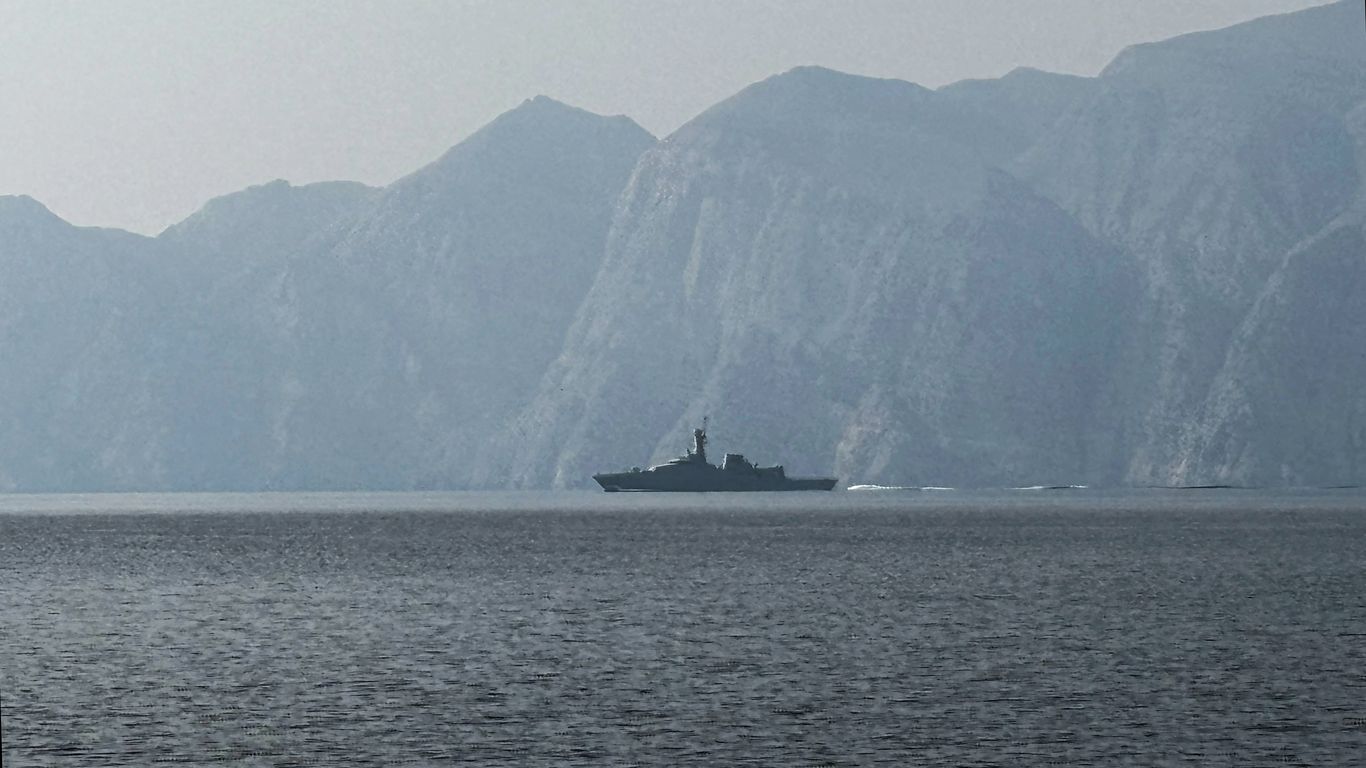
President Trump announced that the U.S. military has destroyed nine Iranian warships and plans to destroy more. This action is in response to Iran's attempt to close the Strait of Hormuz, a critical passage for global oil supply.
Key Facts
President Trump stated that the U.S. military has destroyed nine Iranian naval ships.
The U.S. is targeting Iran's ability to close the Strait of Hormuz.
About 20% of the world’s oil supply passes through the Strait of Hormuz.
An Iranian military unit, the Islamic Revolutionary Guard Corps, claimed responsibility for attacks on commercial ships.
U.S. Central Command confirmed sinking an Iranian warship in southern Iran.
Some commercial shipping in the area has been disrupted, but a few ships still pass through the strait.
Read the Original
Want the full story? Tap a source to open the original
article.
Iran is navigating a leadership transition after the death of Supreme Leader Ayatollah Ali Khamenei. A temporary council is currently governing, while a group called the Assembly of Experts will choose the next supreme leader. The process is intricate and decisions are made behind closed doors, with Khamenei's son Mojtaba as a potential candidate.
Key Facts
Ayatollah Ali Khamenei, Iran's Supreme Leader for nearly 37 years, was killed in a U.S. and Israeli airstrike.
A temporary council is currently in charge of Iran, including the president, judiciary head, and a Guardian Council member.
The Assembly of Experts, made up of Shiite clerics, is responsible for selecting the next supreme leader.
Candidates for the Assembly of Experts are approved by the Guardian Council, which can disqualify contestants.
Khamenei's son, Mojtaba, a Shiite cleric, is considered a possible successor, despite having no government experience.
The last transfer of supreme leader power happened in 1989, after the death of Grand Ayatollah Ruhollah Khomeini.
The supreme leader has significant power, including control over Iran's military and Revolutionary Guard.
Read the Original
Want the full story? Tap a source to open the original
article.
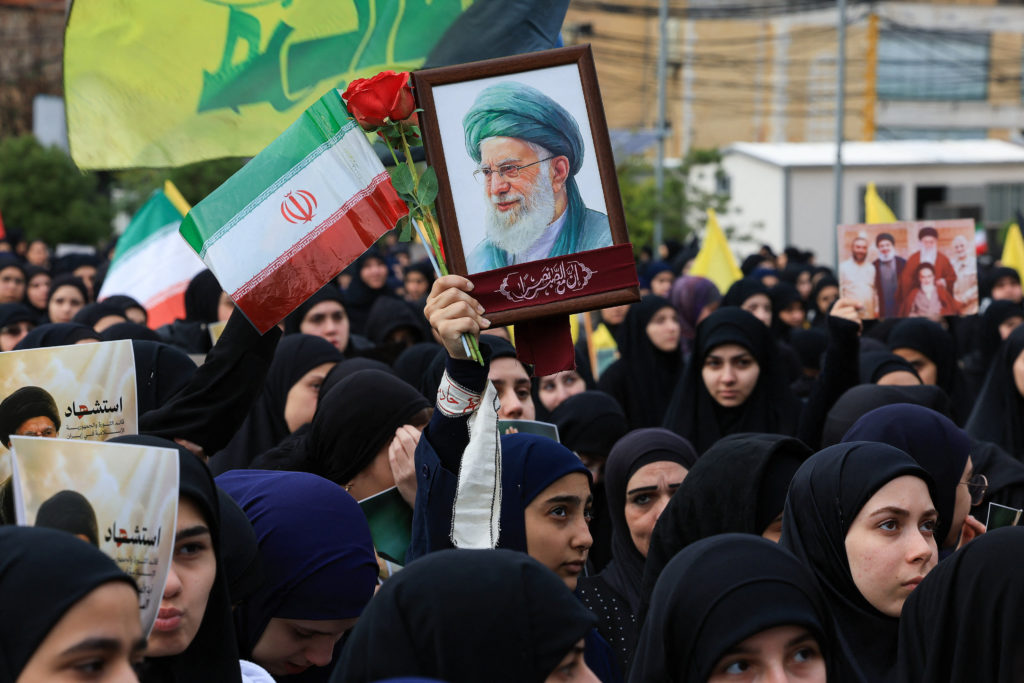
Celebrations erupted in Iran after the death of their Supreme Leader, Ayatollah Ali Khamenei, in claimed U.S.-Israeli strikes. Iran has responded with retaliatory attacks, leading to ongoing conflict in the Middle East. Various gatherings and protests have taken place globally, reflecting mixed reactions to Khamenei's death.
Key Facts
Ayatollah Ali Khamenei, Iran's Supreme Leader, died following U.S.-Israeli strikes.
Iranian state TV confirmed his death, prompting 40 days of national mourning.
Celebrations were reported in Tehran, but state media also showed mourning crowds.
Iran retaliated with attacks on U.S. bases, causing ongoing conflict.
At least nine people were killed in protests in Karachi, Pakistan, against U.S. and Israeli actions.
A temporary council governs Iran until a new leader is selected.
The U.S. reported American casualties, the first in the operation called "Epic Fury."
Protests and celebrations occurred worldwide, reflecting mixed views on Iran's future.
Read the Original
Want the full story? Tap a source to open the original
article.
An oil tanker near the Strait of Hormuz caught fire after being hit by an unknown object. Maritime officials report that at least three ships have been struck in this area.
Key Facts
The incident happened near the Strait of Hormuz, a key waterway for oil transport.
The affected oil tanker is flagged under Palau.
An unidentified projectile hit the tanker, causing it to catch fire.
Three ships in total have been hit in the same region recently.
Over 150 ships have anchored to avoid entering the strait as a safety measure.
Read the Original
Want the full story? Tap a source to open the original
article.
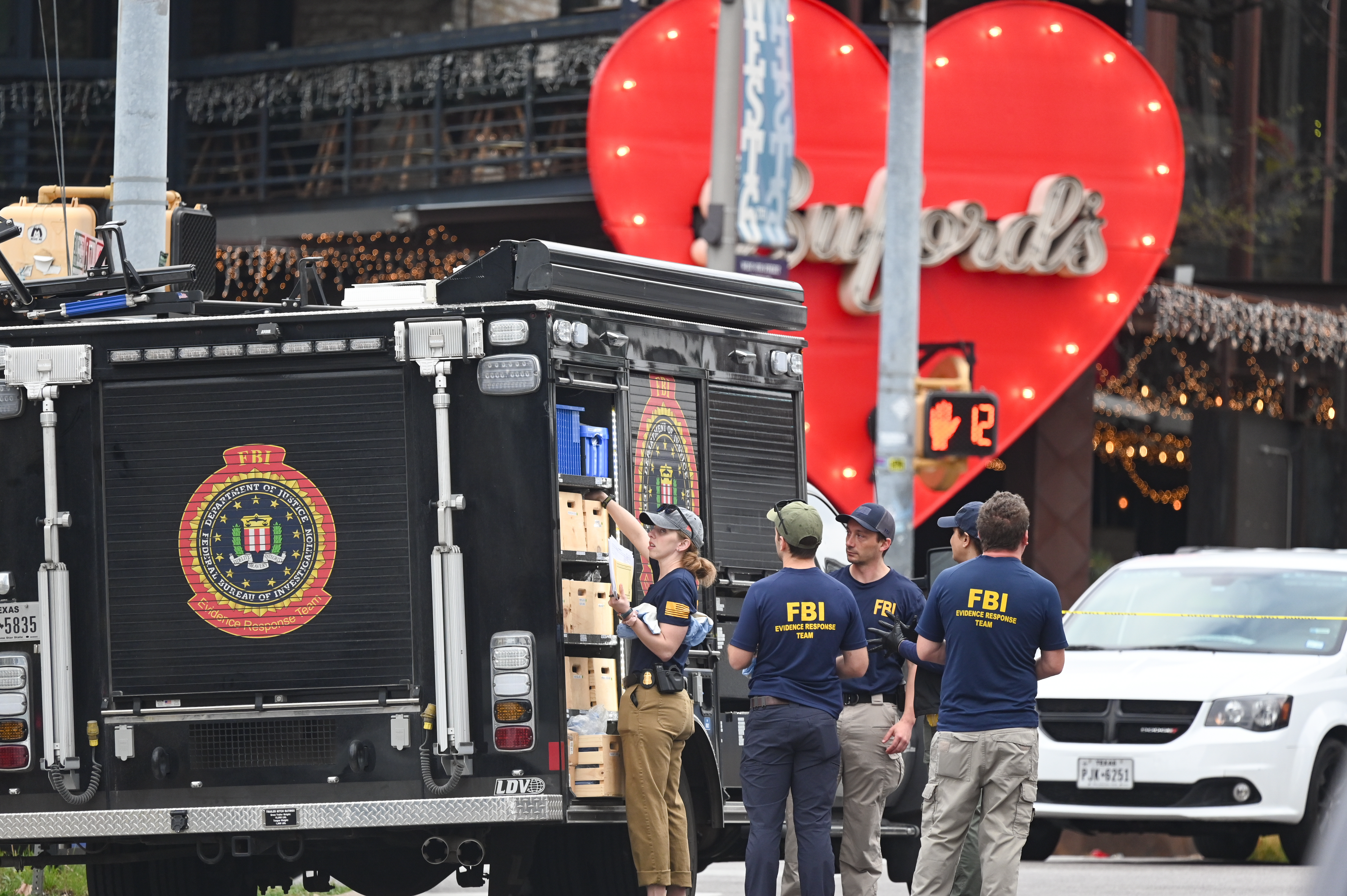
A gunman killed three people and injured 14 others in a shooting outside a bar in Austin, Texas. The FBI is investigating to see if it was an act of terrorism. The shooter was also killed by police.
Key Facts
The shooting took place outside Buford's Backyard Beer Garden in Austin's entertainment district.
Three people died, including the shooter, and 14 others were injured.
Police say the gunman drove by the bar several times before opening fire.
The shooter used a pistol initially, then switched to a rifle.
The FBI is checking for signs of terrorism in the attack.
The shooting happened just before 2 a.m. on a popular nightlife street.
Austin's police and rescue teams responded quickly to the incident.
Read the Original
Want the full story? Tap a source to open the original
article.
A gunman identified as Ndiaga Diagne, who originally came from Senegal and became a U.S. citizen, shot and killed two people and wounded 14 others at a bar in Austin, Texas. The attacker wore clothes with messages like "Property of Allah" and an Iranian flag and used a pistol and rifle during the incident. The FBI is investigating the shooting as a potential terrorist act due to certain "indicators" found.
Key Facts
The shooting took place at a bar in Austin, Texas on Sunday, leaving two people dead and 14 wounded.
The gunman, Ndiaga Diagne, was originally from Senegal and became a U.S. citizen in 2006.
Diagne wore clothes with "Property of Allah" and an Iranian flag emblem.
Officers shot and killed Diagne at the scene.
The FBI is considering the incident as a possible act of terrorism.
The attack began with Diagne shooting from his SUV and continued as he exited the vehicle with a rifle.
Austin Police responded quickly, confronting the gunman within a minute of receiving the first emergency call.
The shooting took place in Austin's Sixth Street entertainment district, known for its bars and music clubs.
Read the Original
Want the full story? Tap a source to open the original
article.
The article talks about dog breeds that are similar to golden retrievers but shed less. It highlights several breeds that have a friendly and active nature like golden retrievers but with coats that don't shed as much, such as the standard poodle and Portuguese water dog. It also explains that "low-shedding" doesn't mean a dog requires no grooming.
Key Facts
Golden retrievers are popular for their friendly nature but shed heavily.
Some similar breeds like standard poodles shed less because their curly coats trap loose hair.
The Lagotto Romagnolo has a wool-like coat that sheds very little.
Soft-coated Wheaten terriers have a playful temperament and shed minimally but need regular brushing.
Portuguese water dogs have a single-layer curly coat, requiring professional grooming.
"Low-shedding" dogs often have hair instead of fur and shed less loose hair, but need grooming.
Prospective dog owners should prioritize a breed's temperament and exercise needs.
Meeting adult dogs of a breed and genetic testing can help ensure a good match for a family.
Read the Original
Want the full story? Tap a source to open the original
article.
President Donald Trump stated he has agreed to speak with Iran's new leader but did not specify when the conversation will occur. The report follows recent joint U.S. and Israeli strikes that reportedly killed several top Iranian officials, including Iran's Supreme Leader, causing disruption in the country's leadership.
Key Facts
President Trump agreed to talk with Iran's new leader.
The timing of the conversation is not yet determined.
Recent U.S. and Israeli strikes killed many top Iranian officials.
Iran's Supreme Leader Ayatollah Ali Khamenei was reportedly killed.
These events have left Iran's government and military in disarray.
Trump emphasized that Iran should have acted sooner to make a deal.
Read the Original
Want the full story? Tap a source to open the original
article.
Iran promised revenge after its supreme leader was killed. The country exchanged attacks with Israel amid a growing conflict following a surprise bombardment by the U.S. and Israel. The violence has resulted in casualties on all sides, with fears of more widespread conflict in the Middle East.
Key Facts
Iran's supreme leader, Ayatollah Ali Khamenei, was killed in a U.S. and Israeli attack.
Iran retaliated by firing missiles at targets in Israel and Gulf Arab states.
The U.S. reported the deaths of three American service members due to the conflict.
Over 200 people have died in Iran since the strikes began.
In Israel, a missile hit a synagogue, resulting in 11 deaths and 120 injuries.
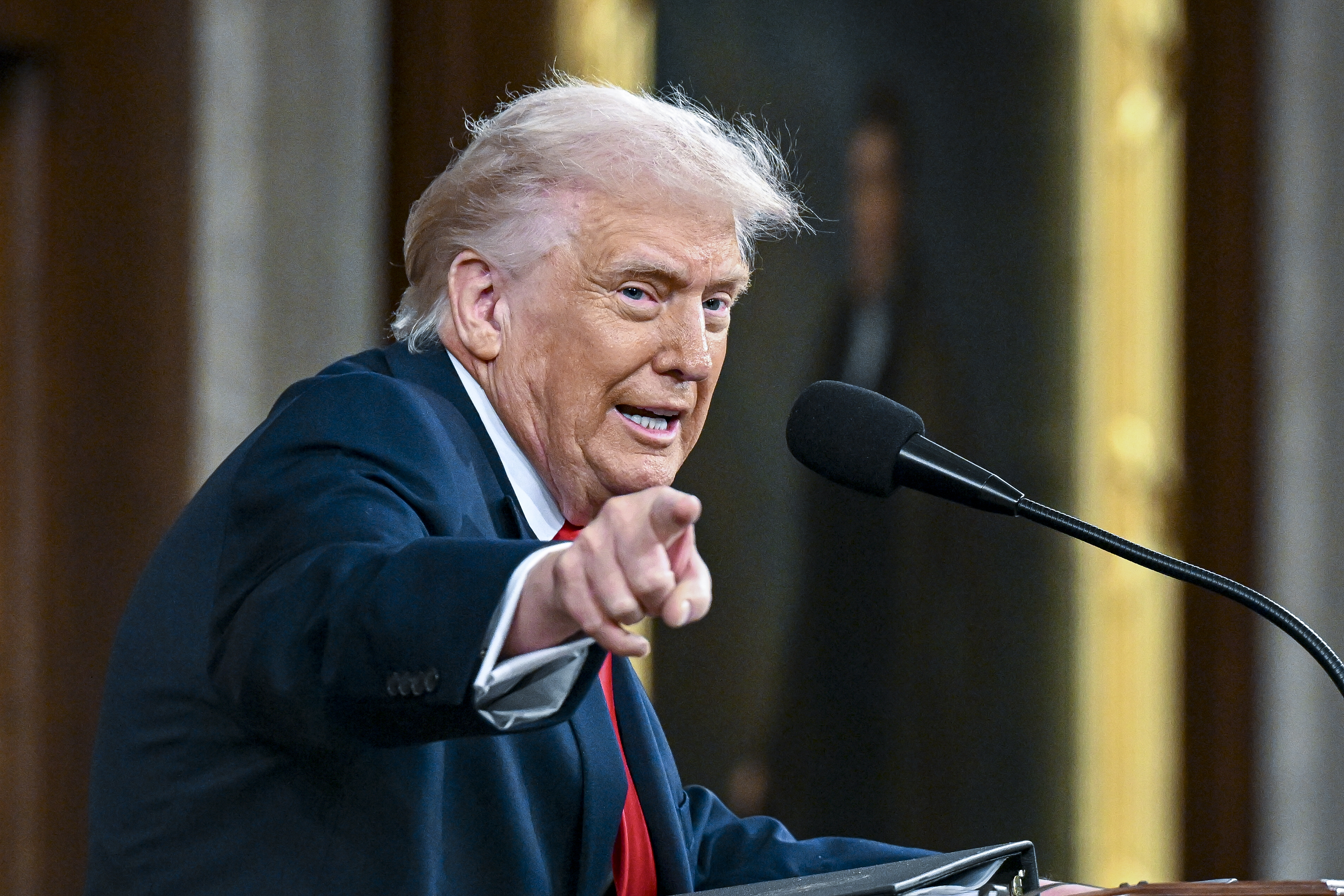
President Trump warned Iran against further retaliation, threatening severe consequences.
A new leadership council in Iran began its work to replace Khamenei.
The U.S. Consulate in Karachi, Pakistan, faced protests, leading to clashes and nine deaths.
Read the Original
Want the full story? Tap a source to open the original
article.
Each summary links back to the original reporting, so you can check the work. Support that, and get the daily digest every morning. Most choose $3.99/month.
The United States and Israel launched major military attacks on Iran, targeting missile sites and warships after the death of Iran's Supreme Leader Ayatollah Ali Khamenei. This led to retaliation from Iran, which fired missiles at Israel and the Gulf region. President Donald Trump indicated he is open to discussions with Iran's new leadership.
Key Facts
The U.S. and Israel attacked Iran's ballistic missile sites and warships.
Ayatollah Ali Khamenei, Iran's Supreme Leader, was killed in the conflict.
Over 200 people were reported dead, including American and Israeli casualties.
Iran responded by firing missiles at Israel and Gulf countries.
President Trump mentioned that the Iranian navy's headquarters was largely destroyed.
Britain, France, and Germany expressed willingness to help stop Iran's attacks.
Donald Trump signaled his willingness to talk to Iran's new leaders.
Tehran experienced heavy airstrikes with people mostly staying indoors.
Read the Original
Want the full story? Tap a source to open the original
article.
A report suggests that Iran proposed significant changes to its nuclear program, which could have been a diplomatic win for the United States. Instead, President Trump focused on increasing tensions with Iran rather than pursuing this potential agreement.
Key Facts
Iran reportedly proposed major changes to its nuclear program.
These changes were presented as a chance for a diplomatic success for the U.S.
The focus of negotiations shifted from diplomacy to increased tension.
The Quincy Institute shared this analysis.
Trita Parsi, from the Quincy Institute, commented on the situation.
The analysis discusses how President Trump handled the situation with Iran.
Read the Original
Want the full story? Tap a source to open the original
article.