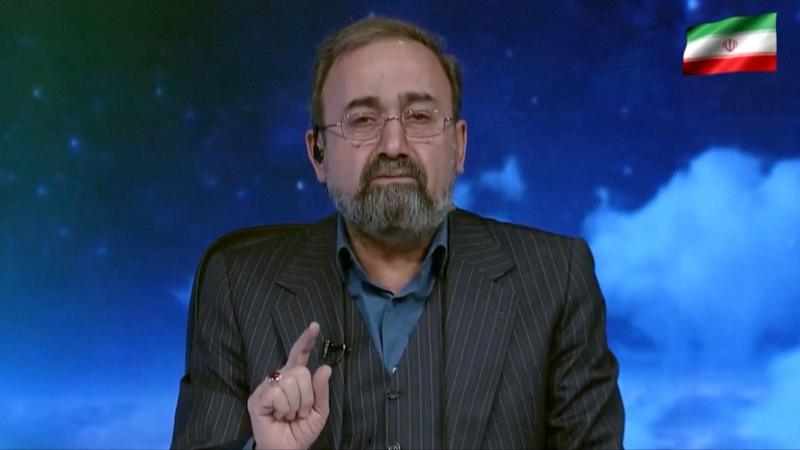
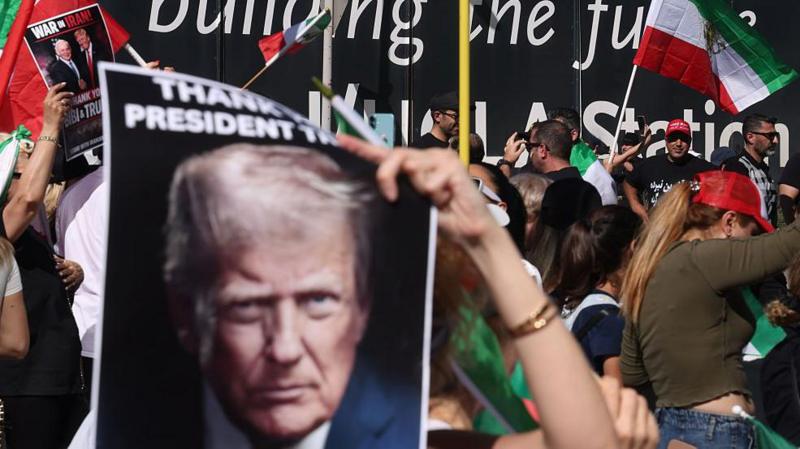
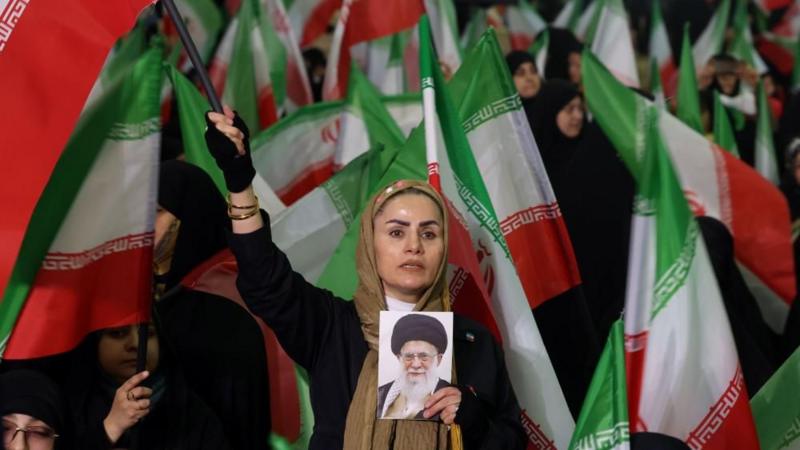
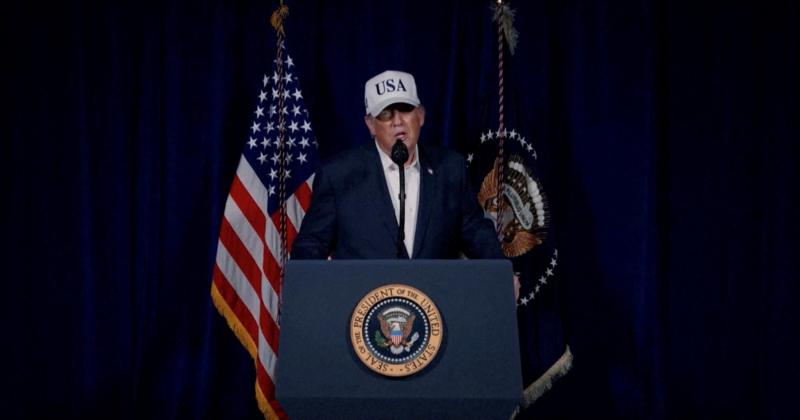
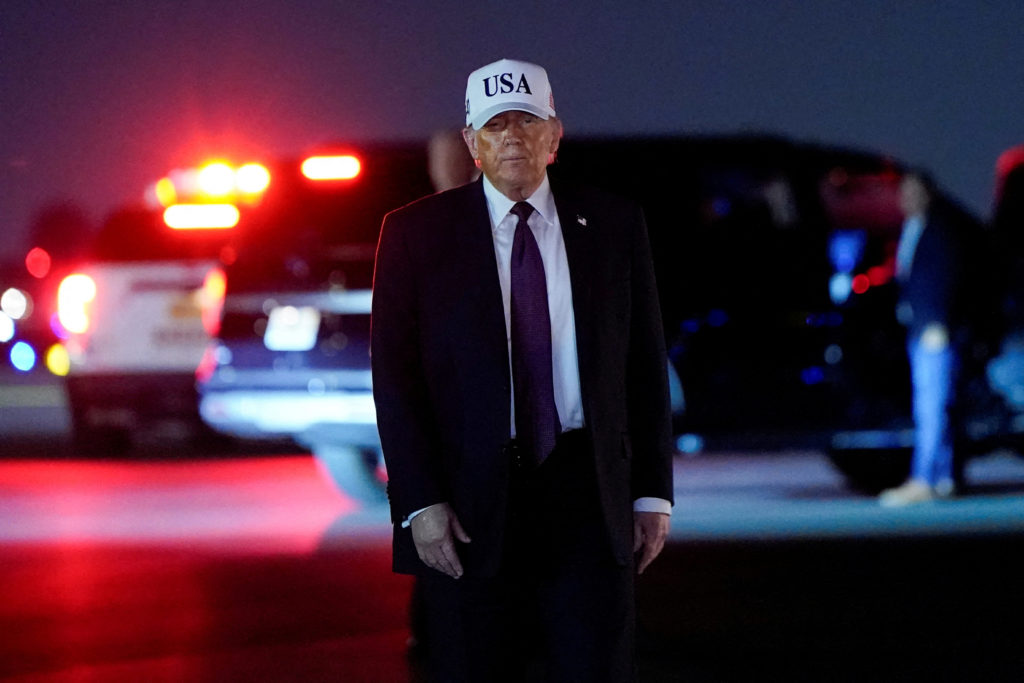
Iran's state TV announced that Supreme Leader Ali Khamenei was killed following attacks by Israel and the United States. The attacks targeted Khamenei's compound in Tehran. President Donald Trump and Israeli Prime Minister Benjamin Netanyahu confirmed the events.
Key Facts
Iran's state TV confirmed the death of Supreme Leader Ali Khamenei.
The announcement followed attacks across Iran by the United States and Israel.
President Donald Trump stated that Khamenei had been killed.
Israeli Prime Minister Benjamin Netanyahu said Khamenei's compound in Tehran was hit.
The attacks reportedly began on Saturday morning local time in Iran.
Read the Original
Want the full story? Tap a source to open the original
article.
Iran's Supreme Leader, Ayatollah Ali Khamenei, was killed in strikes by the United States and Israel. The Iranian government declared 40 days of mourning, and the Revolutionary Guard has begun retaliatory attacks. There have been strong international reactions to the event.
Key Facts
Ayatollah Ali Khamenei, Iran's Supreme Leader, died in strikes by the US and Israel.
Khamenei led Iran for 36 years.
The Iranian government announced a 40-day mourning period.
Many Iranians reportedly celebrated in the streets.
The Revolutionary Guard has promised to retaliate and is already conducting attacks in the Gulf region.
International bodies like the UN Security Council have reacted strongly.
Discussions are ongoing about who will lead Iran next.
Read the Original
Want the full story? Tap a source to open the original
article.
President Trump authorized a joint military operation with Israel that resulted in the death of Iran's leader Ayatollah Khamenei. Over two months, the U.S. and Israel tried diplomacy and military pressure with Iran, eventually choosing a military strike. Initial negotiation attempts with Iran did not lead to an agreement.
Key Facts
President Trump and Israeli forces conducted an operation that killed Iran's Supreme Leader, Ayatollah Ali Khamenei.
The operation followed two months of both diplomatic and military strategies by the U.S. and Israel.
Israeli Prime Minister Netanyahu discussed military plans with President Trump in December.
President Trump indicated support for Iranian protesters against their government.
A planned military buildup in the Middle East began after an initial decision to hold off on strikes.
U.S. and Israeli officials coordinated closely on the military operation plans.
Attempts were made to negotiate with Iran, but they did not yield an agreement.
The military strike was scheduled for a time when Khamenei was in a routine meeting, to keep him from seeking shelter.
Read the Original
Want the full story? Tap a source to open the original
article.
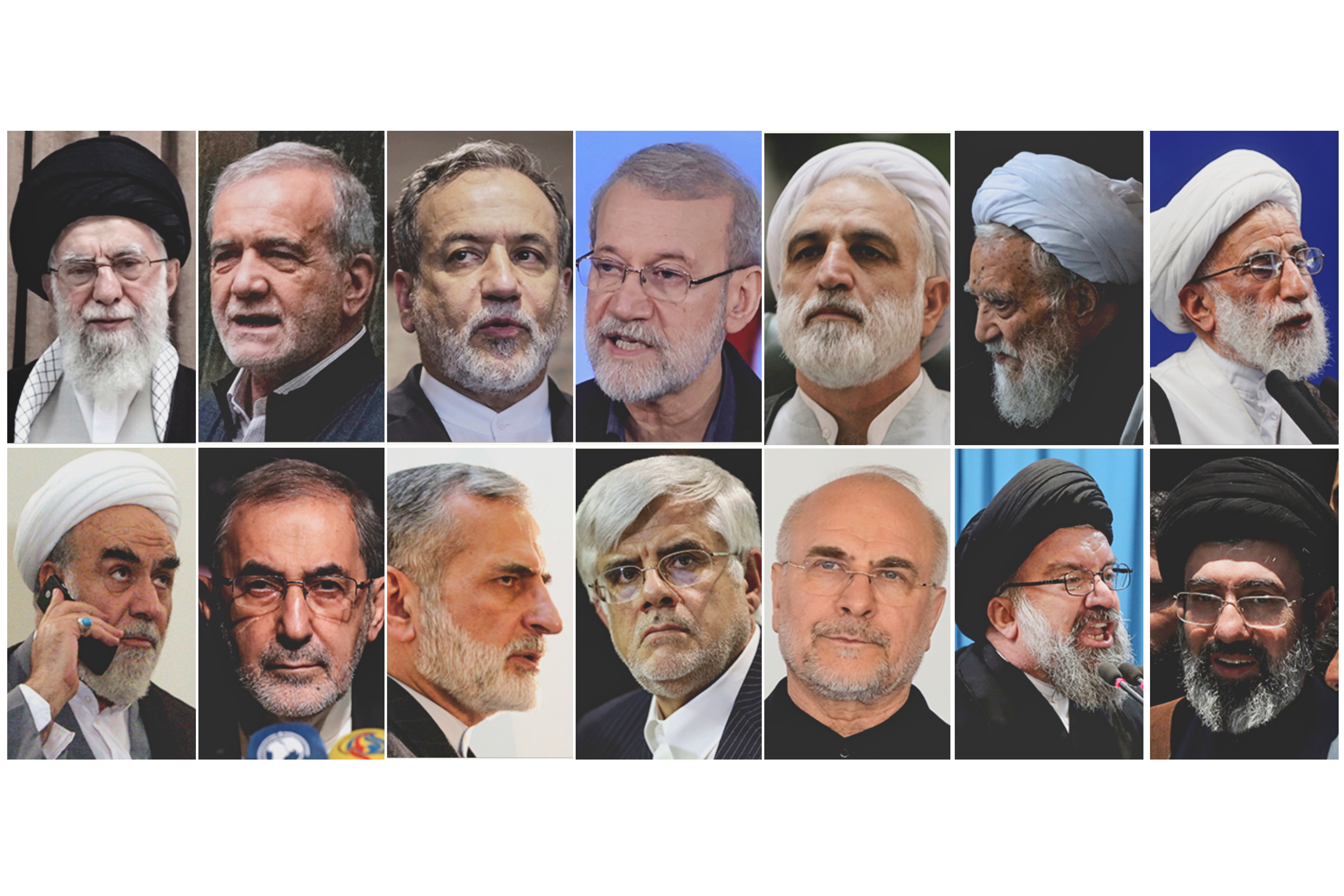
A governing council has taken control in Iran after the killing of Supreme Leader Ayatollah Ali Khamenei. Iran's Revolutionary Guard has warned of military strikes against Israel and U.S. targets. The selection process for a new supreme leader, as required by Iranian law, is underway.
Key Facts
A governing council is now in power in Iran after Ayatollah Ali Khamenei was killed.
The council includes Iran's president, judiciary chief, and a Guardian Council member.
Iran's Revolutionary Guard threatened strong military actions against Israel and the U.S.
State media reported casualties, including Iranian military leaders, from the incident.
By law, Iran's Assembly of Experts must choose a new supreme leader quickly.
Read the Original
Want the full story? Tap a source to open the original
article.
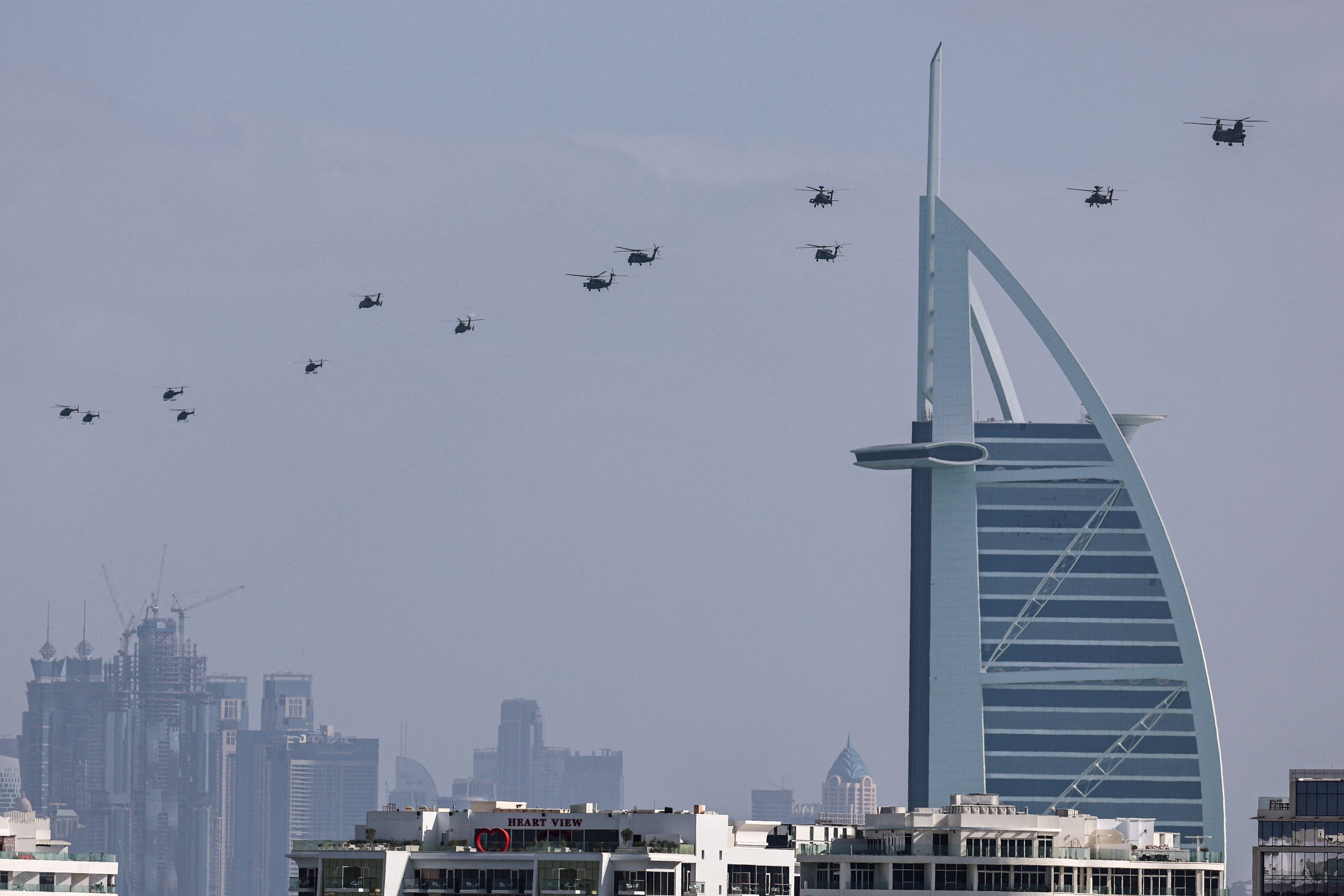
Drone debris from Iranian attacks hit Dubai International Airport and the Burj Al Arab hotel. Four airport workers were injured, and flights across the region faced significant disruptions. Iran's actions were in response to U.S. and Israeli strikes.
Key Facts
Drone debris hit Dubai International Airport and the Burj Al Arab hotel in Dubai.
Four airport staff members were injured at the airport.
U.S. and Israeli strikes on Iran reportedly killed at least 200 people.
Iran launched strikes across U.S. bases in the Middle East in retaliation.
Civil defense teams in Dubai quickly controlled fires caused by the debris.
The conflict has heavily affected air travel, with many airlines canceling flights in the region.
Flight cancellations include Emirates, Qatar Airways, Turkish Airlines, and others.
Authorities are warning against sharing old footage of past incidents to prevent misinformation.
Read the Original
Want the full story? Tap a source to open the original
article.
The Brit Awards 2026 celebrated top pop music stars from the UK and beyond. Olivia Dean won multiple major awards, while Rosalía delivered a standout performance. Host Jack Whitehall entertained the audience with jokes throughout the evening.
Key Facts
The Brit Awards 2026 recognized top pop stars from the UK and other countries.
Olivia Dean won several awards including Artist of the Year and Song of the Year.
Rosalía performed her song "Berghain" with dramatic flair, featuring guest artist Bjork.
Harry Styles started the show in a distinctive pin-striped suit, adding a new style to his music.
Dua Lipa made a notable entrance descending from the ceiling on a disco ball.
Rosalía won the Best International Artist award, acknowledging her music's reach beyond her home country.
Host Jack Whitehall performed his last stint at the Brits, making humorous remarks throughout the event.
Read the Original
Want the full story? Tap a source to open the original
article.
President Donald Trump ordered military strikes against Iran, targeting its supreme leader as part of a plan to potentially change the regime. The U.S. military action aims to stop Iran's nuclear program and its support for militant groups but raises concerns about possible protracted conflict in the Middle East.
Key Facts
President Trump authorized attacks on Iran, leading to the death of Iran’s supreme leader.
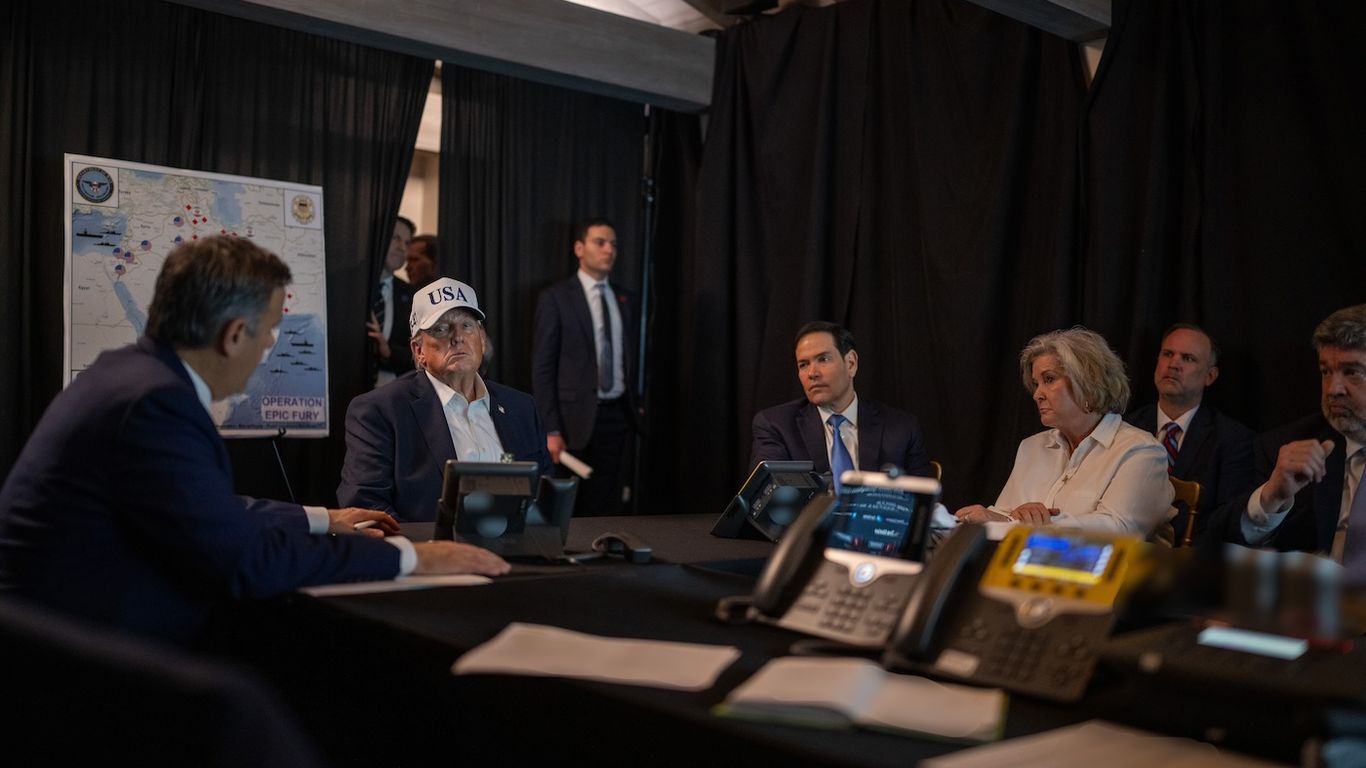
The operation, known as Operation Epic Fury, seeks to completely dismantle Iran's nuclear program.
The U.S. aims to change Iran's regime using military force without a clear plan for the aftermath.
The military strikes risk escalating into a broader conflict in the Middle East.
Trump emphasized that the goal is to address long-standing chaos caused by Iran since 1979.
The U.S. and Israeli attacks followed Iran's refusal to abandon its nuclear weapons and missile production.
Analysts warn the situation could spiral out of control without ground troops, creating prolonged regional conflict.
A long conflict might affect Trump's other objectives in the Middle East and political support at home.
Read the Original
Want the full story? Tap a source to open the original
article.
President Donald Trump ordered military strikes against Iran, claiming the goal was to bring freedom to the country. Some experts argue that this move benefits Israel more than the United States. The decision appears to contradict Trump's earlier promises to reduce U.S. involvement in overseas conflicts.
Key Facts
President Trump announced a new approach to U.S. policy in the Middle East, rejecting nation-building strategies.
Trump ordered an attack on Iran, using language similar to previous U.S. leaders he had criticized.
Analysts suggest this conflict supports Israel, with claims that Israeli influence shaped the decision.
Israeli Prime Minister Benjamin Netanyahu has long warned about Iran's nuclear threat and missile capabilities.
Iran denies seeking nuclear weapons, and no public evidence of weaponization has been provided.
The U.S. public largely opposes military action against Iran, according to polls.
The conflict involves Iran retaliating with missile attacks after joint U.S.-Israeli strikes.
Read the Original
Want the full story? Tap a source to open the original
article.
Iranian Supreme Leader Ayatollah Khamenei was reportedly killed in airstrikes by the US and Israel, leading to a significant moment for Iran. There are widespread reports and confirmations from Iranian state television about his death, and discussions are underway regarding his potential successor. This marks a critical point for Iran amid ongoing tensions with the West and questions about future leadership.
Key Facts
Reports emerged about Supreme Leader Ayatollah Khamenei's death following airstrikes on his residence.
Israeli Prime Minister Netanyahu indicated signs that Khamenei might be dead before Iranian TV confirmed it.
President Donald Trump announced the news on social media.
Khamenei had reportedly been preparing for succession by identifying potential replacements.
His death comes after a history of conflict with Israel and the United States.
There have been celebrations on the streets of Tehran and Karaj following the reports of his death.
The succession process may involve the Assembly of Experts, a group tasked with selecting a new supreme leader.
The death of Khamenei possibly signals a shift in Iran's leadership and future policies.
Read the Original
Want the full story? Tap a source to open the original
article.
The United States, along with Israel, has launched significant military operations against Iran, known as "Epic Fury" and "Lion's Roar." President Donald Trump stated that Iran's Supreme Leader, Ali Khamenei, has been killed, although this is not confirmed by Iranian officials. There is debate in the U.S. Congress about whether this military action constitutes a declaration of war.
Key Facts
The U.S. and Israel began military operations against Iran on Saturday.
The U.S. operation is called "Epic Fury," and Israel's is called "Lion's Roar."
President Trump announced that Iran's Supreme Leader, Ali Khamenei, is dead, but this is not confirmed.
Around 40 Iranian officials reportedly died in the strikes.
Trump cited Iran's nuclear activities and missile development as reasons for the attack.
Iran responded with counter-attacks in the Middle East.
The U.S. Constitution allows the president to take military action, but only Congress can declare war.
Opinions in Congress about the attack are largely divided along party lines.
Read the Original
Want the full story? Tap a source to open the original
article.
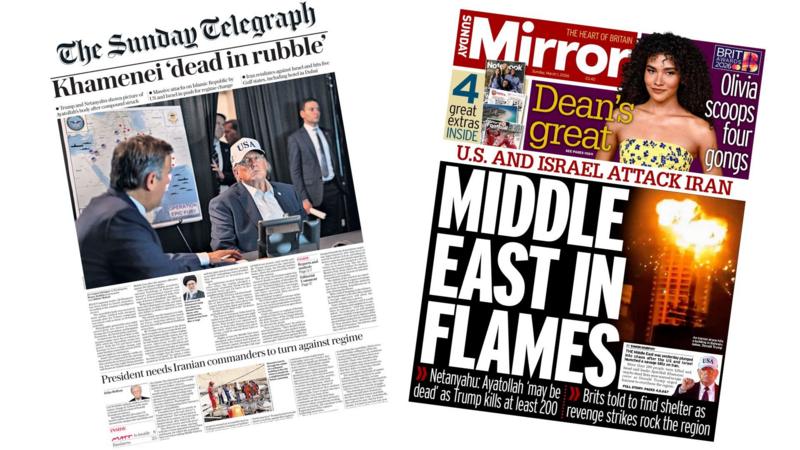
Several newspapers report that Iran's Supreme Leader, Ali Khamenei, has been killed in Israeli airstrikes. The reports suggest that the strikes by the US and Israel have led to chaos in the Middle East. President Donald Trump and other figures are included in these reports, discussing the ongoing conflict.
Key Facts
Reports claim Iran's Supreme Leader, Ali Khamenei, was killed in Israeli airstrikes.
The strikes involved both US and Israeli military action.
President Donald Trump is shown with maps of the Middle East in some reports.
The situation described as the Middle East being in chaos or "in flames."
Coverage includes images of military bases, US Navy ships, and affected areas.
British tourists and locations like Dubai were reportedly affected by the strikes.
Some politicians and public figures, such as John Bolton and Nigel Farage, are mentioned in related news stories.
UK's Green Party and Greater Manchester Police comment on election-related accusations amid the current events.
Read the Original
Want the full story? Tap a source to open the original
article.
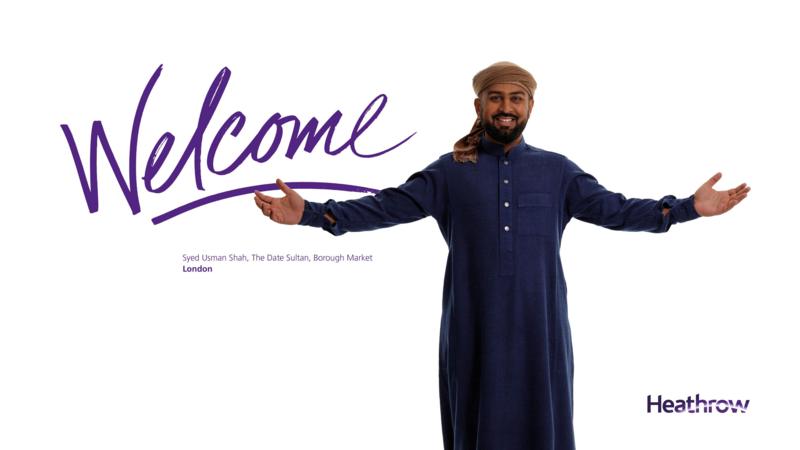
Syed Usman Shah, featured on a "Welcome to Heathrow" poster, faced racial abuse online after the campaign launched. Instead of removing his image, Shah decided to respond to his critics by inviting them to meet him in person and offered free products from his date stall to promote understanding.
Key Facts
Syed Usman Shah participated in Heathrow Airport's "Welcome" campaign.
He appeared on a poster at the airport, wearing traditional clothing and holding dates.
After the poster's release, Shah received racial abuse on social media.
Shah is an entrepreneur who runs The Date Sultan stall in London's Borough Market.
Despite the abuse, Shah chose to keep his poster up and responded to some comments with forgiveness.
Shah invited those who criticized him to meet him and offered them free dates.
His approach aimed to promote love and understanding over hate.
Read the Original
Want the full story? Tap a source to open the original
article.
The article discusses how climbers are debating responsibility for each other's safety after an Austrian man was convicted of manslaughter. He was found guilty for not taking necessary actions that might have prevented his girlfriend's death during a climb in Austria. This case has sparked discussions about safety responsibility in mountaineering communities in Europe and the U.S.
Key Facts
An Austrian man was convicted of gross negligent manslaughter after his girlfriend died from hypothermia while climbing Grossglockner in Austria.
The man received a five-month suspended sentence and was fined €9,600.
He was accused of not turning back or calling for help in time to prevent the accident.
The case involved a non-professional climber being held responsible for another climber's death.
Climbers traditionally rely on unwritten ethics for making safety decisions during expeditions.
The incident has led to discussions in climbing communities about responsibility, especially among non-professionals.
The International Climbing and Mountaineering Federation states climbers are responsible for their safety but lacks a formal code of conduct.
The case has raised questions about personal versus collective safety responsibility in mountaineering.
Read the Original
Want the full story? Tap a source to open the original
article.
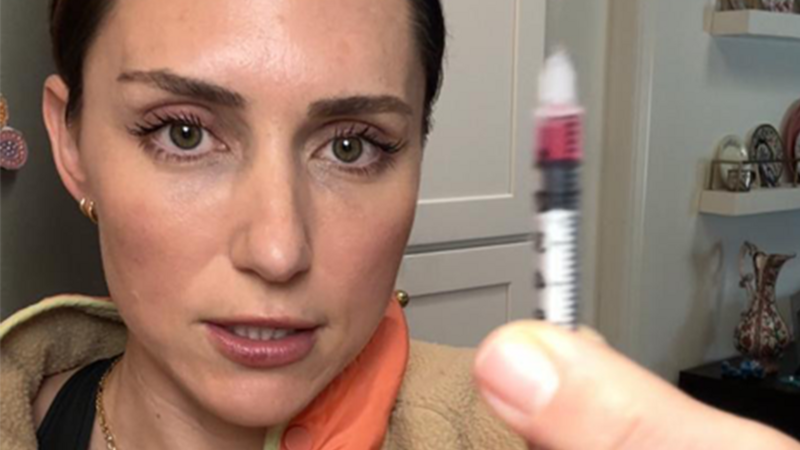
People are using unregulated peptides, such as GHK-Cu, for personal wellness despite warnings that they are not for human use. These peptides are being sold online and popularized on social media, leading to potential health risks since they are not approved or regulated for safety in humans. The rise in these substances is partly due to the success and normalization of injecting approved weight loss drugs, which has led people to assume all peptides are safe.
Key Facts
Peptides are small proteins naturally produced by the body and play roles in skin health and other body functions.
GHK-Cu is a peptide that some people inject, but it is labeled only for research purposes and not approved for human use.
There is a "grey market" for peptides, meaning they are in a legal zone where they are not illegal to have, but not regulated for human use.
The popularity of injectable weight-loss drugs has made people more comfortable with self-injections, leading to the misuse of unregulated peptides.
Social media has contributed to the growth of this trend with videos of people injecting peptides that are not tested for human safety.
BPC 157 and TB 500 are examples of peptides promoted for benefits like muscle growth and reduced inflammation, although they are not scientifically verified for use in humans.
Early studies on these peptides are mostly on animals, not humans, making the effects on people uncertain.
Read the Original
Want the full story? Tap a source to open the original
article.
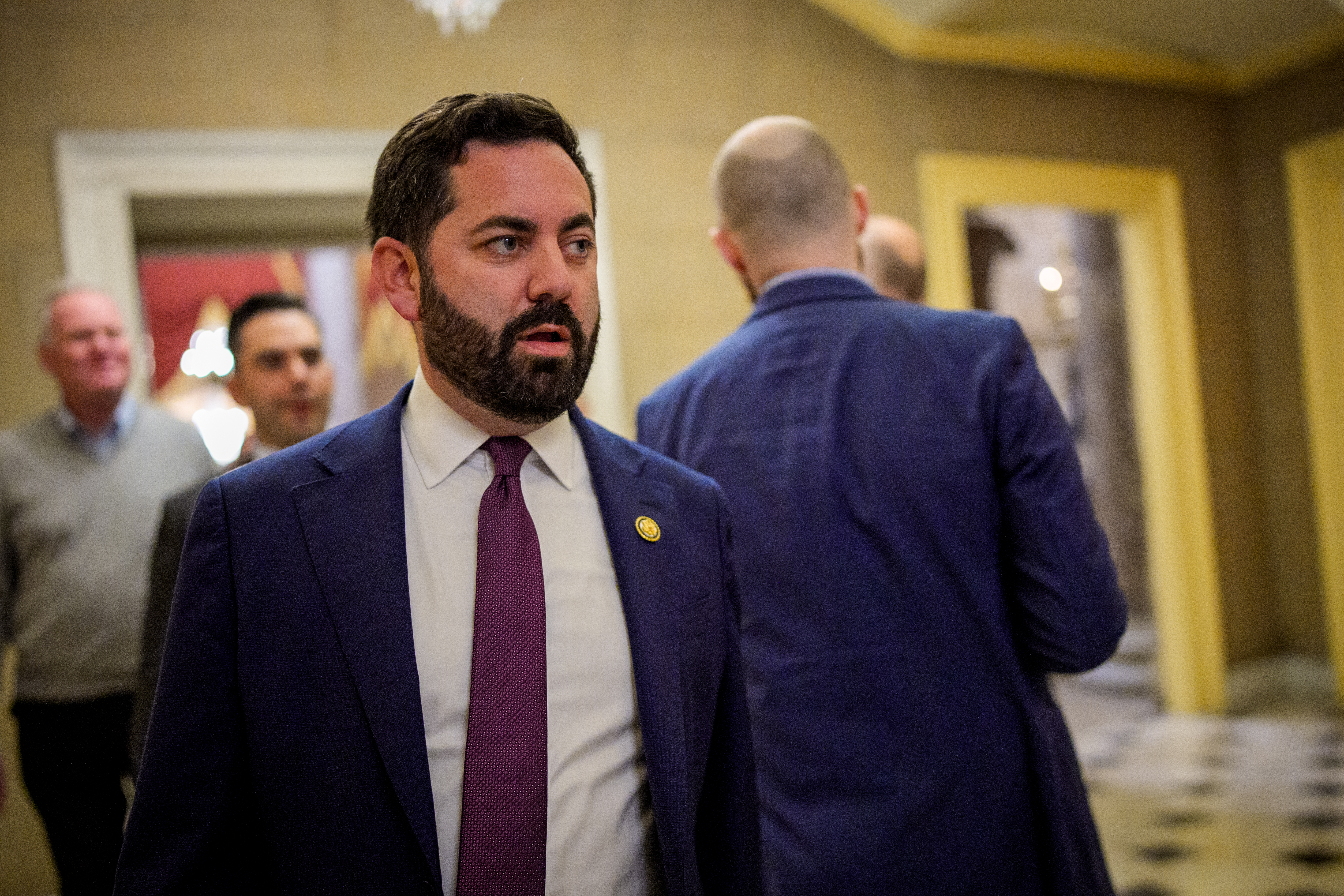
Some Republican lawmakers are pushing for the approval of funding for the U.S. Department of Homeland Security (DHS) due to recent U.S. and Israeli strikes on Iran, which could lead to retaliation. The demand for funding comes amid disagreements with Democrats over immigration enforcement changes.
Key Facts
Republican lawmakers are urging Democrats to approve DHS funding after U.S. and Israeli strikes on Iran.
These strikes occurred on Saturday and targeted multiple sites, killing at least 200 people according to Iran's Red Crescent.
Retaliation from Iran included strikes on U.S. bases in the Middle East.
President Trump stated the strikes aimed to weaken Iran's nuclear and missile capabilities.
Iranian leaders, including Ayatollah Ali Khamenei, were reported killed.
Federal funding for DHS ended on February 14, causing a partial shutdown.
The shutdown affects more than 260,000 DHS employees, with essential services still operating.
Democrats want changes to immigration enforcement, such as body cameras and visible identification for agents.
Read the Original
Want the full story? Tap a source to open the original
article.
Olivia Attwood, a 34-year-old TV presenter, first became well-known on the reality show Love Island in 2017. She now hosts a new cooking reality show called "The Heat" and creates documentaries on challenging topics, including online trolling and cosmetic surgery. Attwood uses her past experiences on reality TV to relate to guests on her shows, and she addresses stigmas surrounding reality TV careers.
Key Facts
Olivia Attwood gained fame from the reality show Love Island in 2017.
She is now a documentary maker and TV host.
Her new show, "The Heat," features young chefs competing in a cooking competition.
Attwood tackles subjects like cosmetic surgery and online trolling in her documentaries.
She is praised for her empathetic approach to the people on her shows.
Attwood addresses stigma associated with reality TV careers.
She discusses the growing online space where men share negative views about women.
Attwood also works as a presenter on ITV programs like "Loose Women" and "This Morning".
Read the Original
Want the full story? Tap a source to open the original
article.
On Saturday, people in New York City gathered in Times Square to protest after President Donald Trump ordered military strikes on Iran. The mayor described the strikes as making an already serious situation worse.
Key Facts
Residents of New York City protested in Times Square.
The protest happened on a Saturday.
The demonstration was in response to military strikes on Iran.
President Donald Trump ordered the airstrikes.
Mayor Zohran Mamdani criticized the strikes.
The mayor called the military action an “illegal war of aggression.”
Read the Original
Want the full story? Tap a source to open the original
article.
More general practitioners (GPs) in England are choosing to work outside of the National Health Service (NHS) and offer private consultations. This shift is partly due to the workload pressures in the NHS and the demand for longer, more personalized appointments by patients.
Key Facts
The number of doctors working independently of the NHS in England increased by 212% over five years.
In 2024-2025, there was a 58% rise in new registrations for "independent consulting doctors."
About 13% of GP consultations are now private, compared to 3% two decades ago.
Private GP appointments can cost patients from £129 for 20 minutes.
Doctors say private work allows them to have more time with each patient, which is not often possible in the NHS.
Over 6,229 NHS GP practices were active in England as of September 2025.
Some patients prefer private GPs for shorter waiting times and more familiar, consistent care.
Read the Original
Want the full story? Tap a source to open the original
article.
Each summary links back to the original reporting, so you can check the work. Support that, and get the daily digest every morning. Most choose $3.99/month.
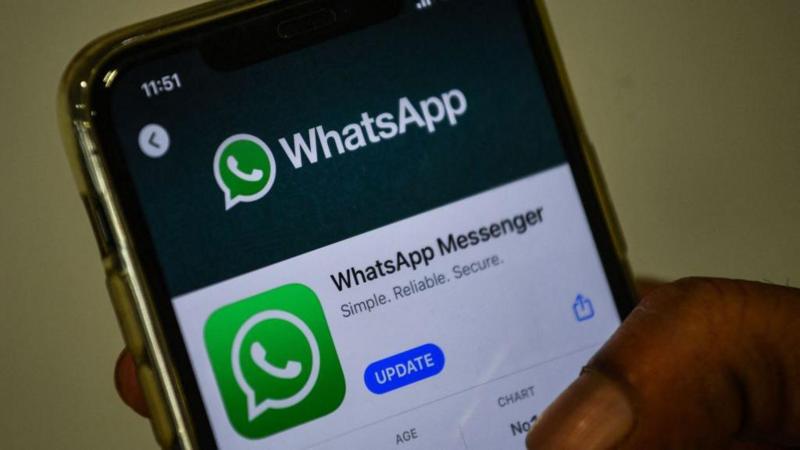
WhatsApp is facing legal action in India over its 2021 privacy policy, which required users to share data with Meta for advertising. The Indian Supreme Court criticized this approach and ordered WhatsApp to allow users more control over their data. WhatsApp has agreed to comply and not force users to share data to continue using the app.
Key Facts
WhatsApp's 2021 privacy policy required data sharing with Meta for advertising.
The policy was challenged legally in India for limiting user choice.
WhatsApp has agreed to let users opt-out of sharing data with Meta.
India’s Supreme Court criticized the policy and demanded a consent-based framework.
WhatsApp is the most popular messaging app in India, with 853 million users.
The Competition Commission of India fined Meta $25 million for abusing its dominant position.
WhatsApp ensures personal messages remain private through end-to-end encryption.
The legal case is part of India's broader effort to regulate big tech companies.
Read the Original
Want the full story? Tap a source to open the original
article.
President Donald Trump justified U.S. and Israeli military strikes on Iran by claiming Iran is developing nuclear weapons that could threaten the U.S. and its allies. However, a U.S. government assessment says Iran is still years away from having missiles that can reach the U.S. Military action was taken without congressional approval.
Key Facts
The U.S. and Israel launched a military strike on Iran on February 28, 2026.
President Trump stated Iran is building nuclear weapons which could threaten allies and the U.S.
Trump's claim is contradicted by a 2025 U.S. assessment, saying Iran is far from having long-range missiles.
Iran retaliated by attacking Israel and countries with U.S. military bases.
Trump did not seek congressional approval for this military action.
In 2025, the Defense Intelligence Agency reported Iran could have a long-range missile by 2035.
Iran's current missile capability can reach parts of eastern Europe but not the U.S.
Trump charged that Iran rejected offers to renounce its nuclear program.
Read the Original
Want the full story? Tap a source to open the original
article.