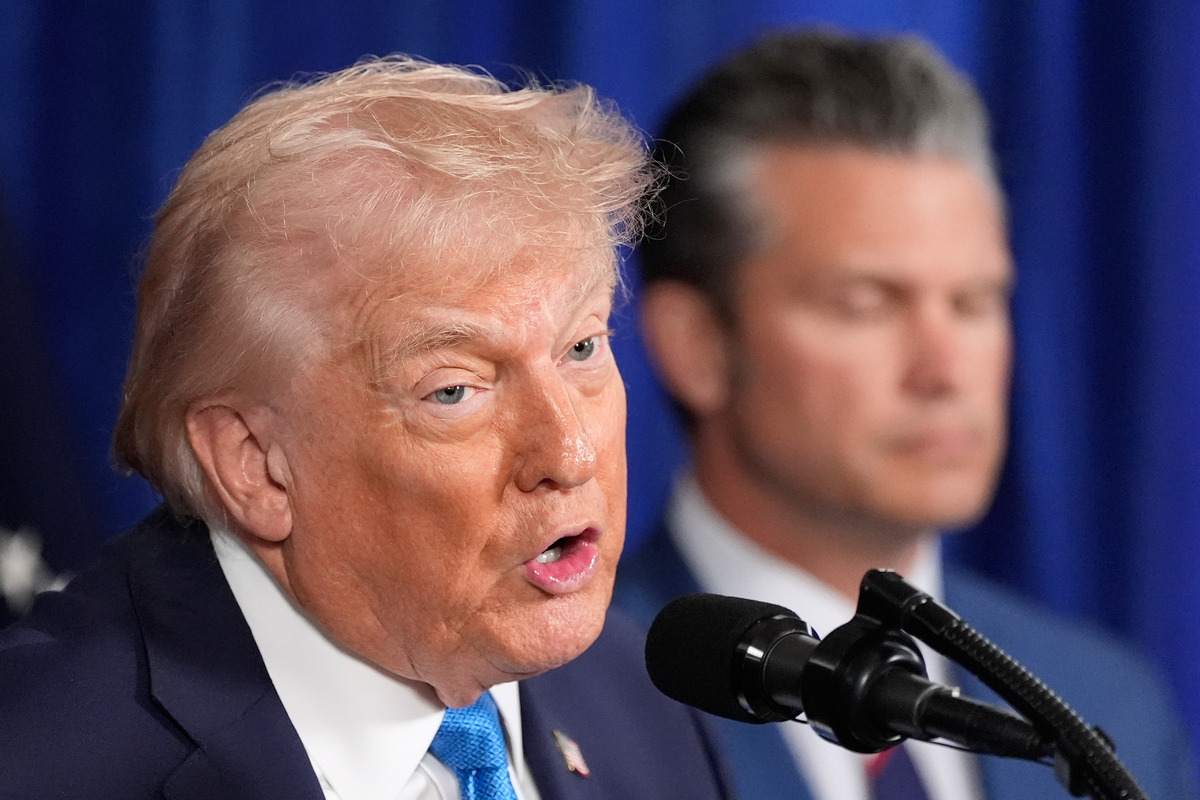
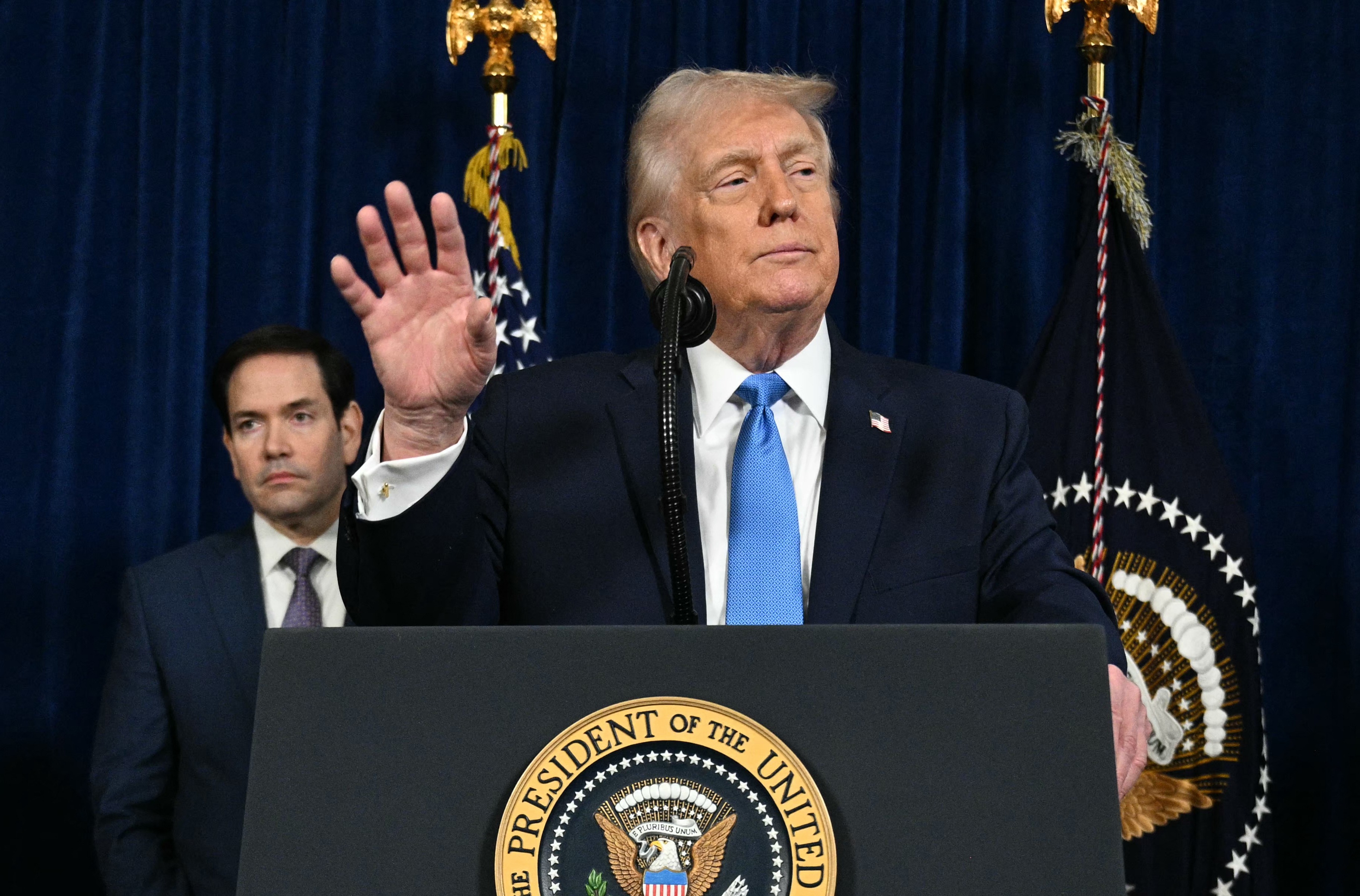
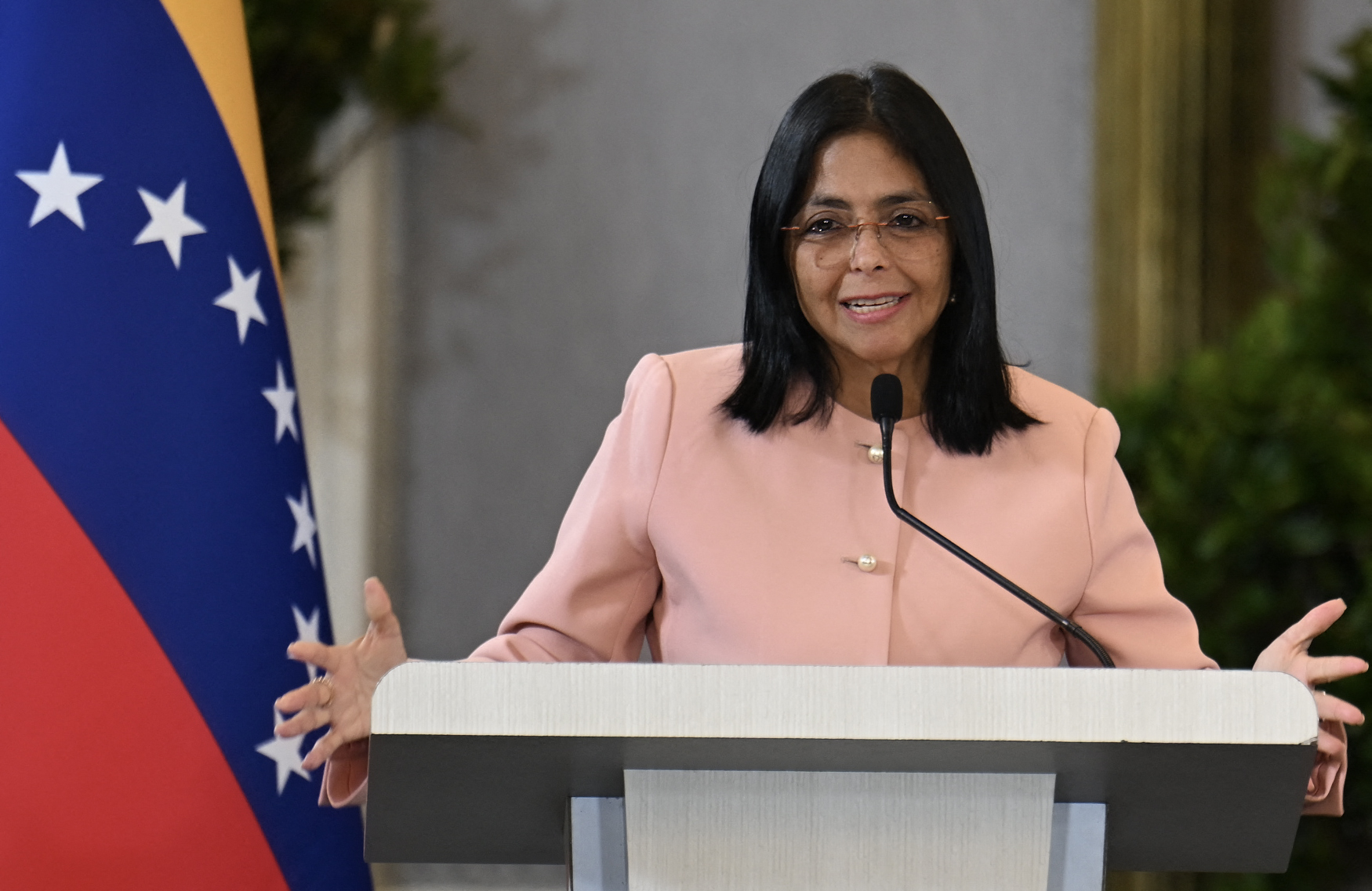
President Donald Trump stated that the United States will take Venezuela's oil. He said this would help pay back the cost of U.S. spending related to Venezuela. Trump also mentioned plans to bring Venezuelan President Nicolas Maduro to New York.
Key Facts
President Donald Trump announced that the U.S. plans to take Venezuela's oil.
Trump believes this oil will cover U.S. expenses related to Venezuela.
He mentioned that the U.S. will manage Venezuela.
The plan involves bringing Venezuelan President Nicolas Maduro to New York.
Trump spoke of these actions as a way to get back what the U.S. spent.
The remarks imply a significant involvement of the U.S. in Venezuela's affairs.
Read the Original
Want the full story? Tap a source to open the original
article.
President Donald Trump announced the creation of the "Donroe Doctrine," replacing the historic Monroe Doctrine, which aimed to assert U.S. influence in the Western Hemisphere. This new policy focuses on maintaining American dominance in the region and includes recent actions against Venezuelan leader Nicolás Maduro. The U.S. government also emphasized efforts to prevent drug trafficking and ensure stability in the area.
Key Facts
President Trump introduced the "Donroe Doctrine" as a new American foreign policy.
The original Monroe Doctrine, established in 1823, aimed to keep European powers out of Latin America.
The Trump administration's recent National Security Strategy includes enforcing the "Trump Corollary" to the Monroe Doctrine.
Over 100 people have died from U.S. actions targeting suspected drug trafficking vessels since September.
Nicolás Maduro, the Venezuelan leader, was arrested and faces charges of drug trafficking and narco-terrorism.
U.S. military operations involving over 150 aircraft assisted in the actions taken in Venezuela.
The U.S. seeks to prevent hostile foreign influence and maintain critical supply chains in the Western Hemisphere.
Read the Original
Want the full story? Tap a source to open the original
article.
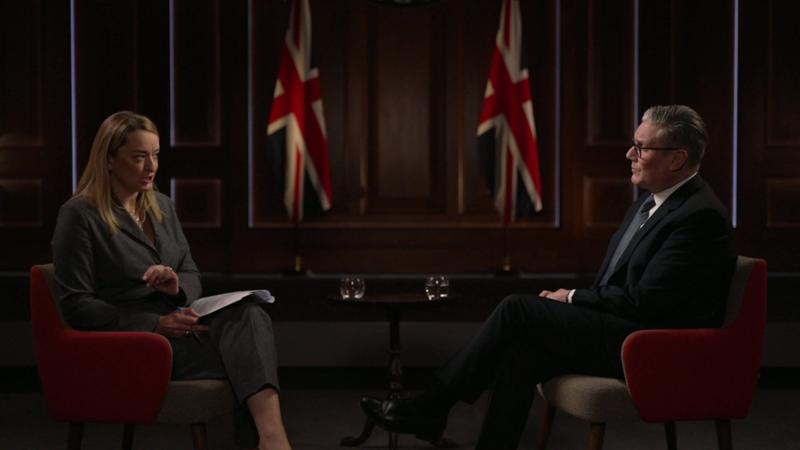
Sir Keir Starmer, the Prime Minister, said in a BBC interview that he believes he will remain Prime Minister next year despite challenges in 2025. He acknowledged the upcoming elections in Scotland, Wales, and England in May but does not view them as a referendum on his government. Starmer emphasized his commitment to addressing the issues of economic growth and cost of living.
Key Facts
Keir Starmer is the current Prime Minister.
He was elected in 2024 with a five-year mandate.
Starmer faces elections in Scotland, Wales, and England in May.
2025 was challenging with slow economic growth and low poll ratings.
Starmer is committed to improving the cost of living for families.
His government experienced internal challenges, including leadership rumors.
Elections in May have significant potential effects as Labour holds power in the Senedd and many local councils.
Conservative leader Kemi Badenoch criticized Starmer's handling of cost of living issues.
Read the Original
Want the full story? Tap a source to open the original
article.
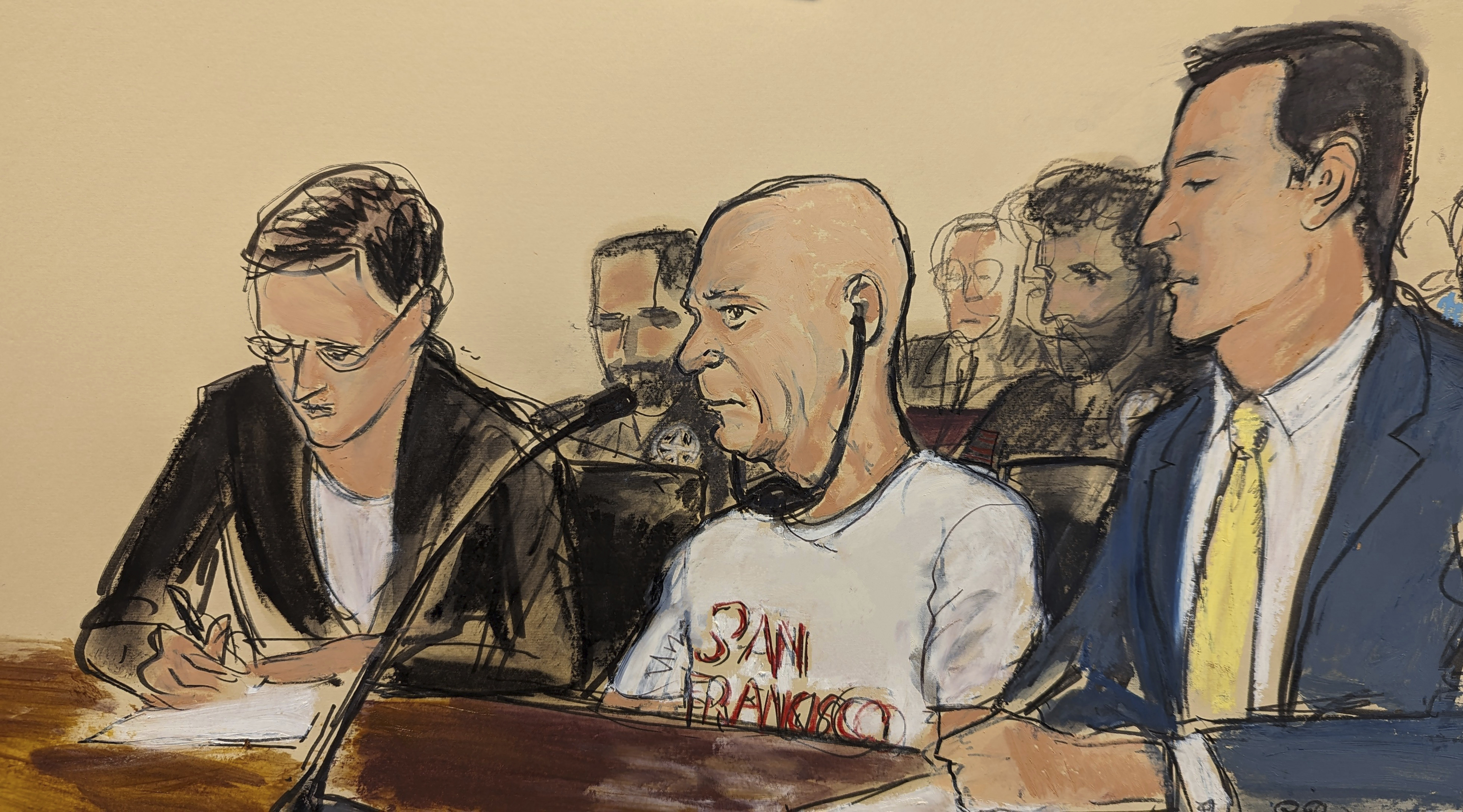
President Donald Trump announced that Nicolás Maduro, the former leader of Venezuela, is set to go to trial in New York for drug-related charges, including narco-terrorism. A key witness, Hugo Armando Carvajal Barrios, who once supported Maduro's government but later opposed it, might help the Department of Justice in the trial.
Key Facts
Nicolás Maduro, former Venezuelan president, faces charges in New York for drug trafficking and narco-terrorism.
President Trump announced Maduro's capture during a raid in Caracas.
A new indictment against Maduro provides detailed charges, possibly strengthening the case.
Hugo Armando Carvajal Barrios, a former Venezuelan military intelligence chief, may testify against Maduro.
Carvajal had a history with Venezuela's leadership but later opposed Maduro and was extradited to the U.S.
Carvajal has pleaded guilty to similar charges and might help prosecutors with Maduro's case.
Public and media reactions have been skeptical, with some viewing it through the lens of U.S. internal politics.
Read the Original
Want the full story? Tap a source to open the original
article.
The UK's and France's military forces worked together to attack an underground ISIL site in Syria near Palmyra. The strike aimed to target ISIL, which is increasing its activities in the region. This comes as different countries like the US and Turkiye also take action against ISIL.
Key Facts
The UK and France jointly struck an ISIL site in Syria near Palmyra.
The target was an underground facility suspected of storing weapons.
The area struck was away from any civilian living areas.
ISIL is becoming more active after a period of quiet.
Turkiye arrested 125 ISIL suspects in recent raids.
A shootout in Turkiye involving ISIL killed six ISIL members and three police officers.
The US recently carried out operations in Syria, targeting ISIL fighters.
ISIL has been active in the region, even after losing territory.
Read the Original
Want the full story? Tap a source to open the original
article.
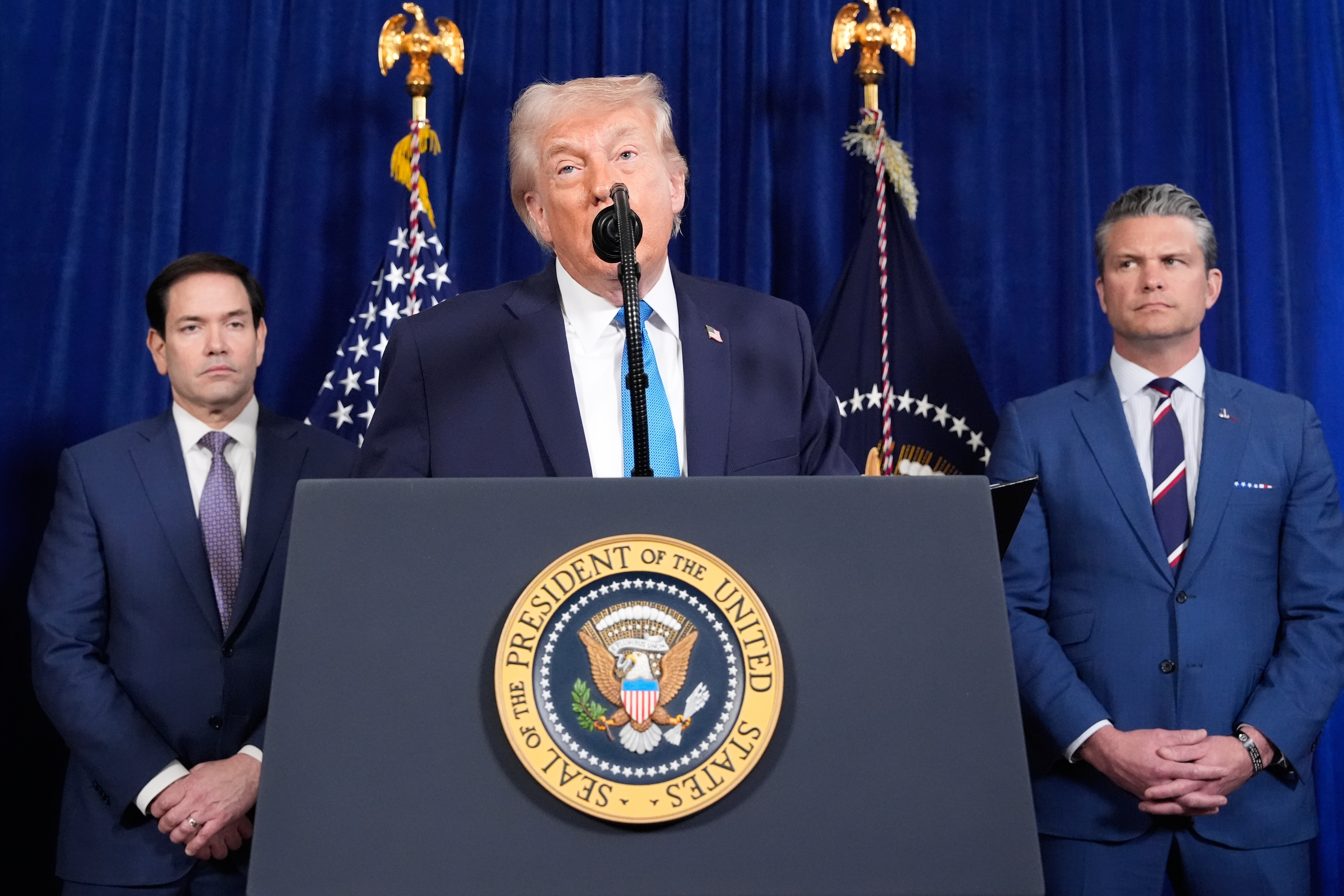
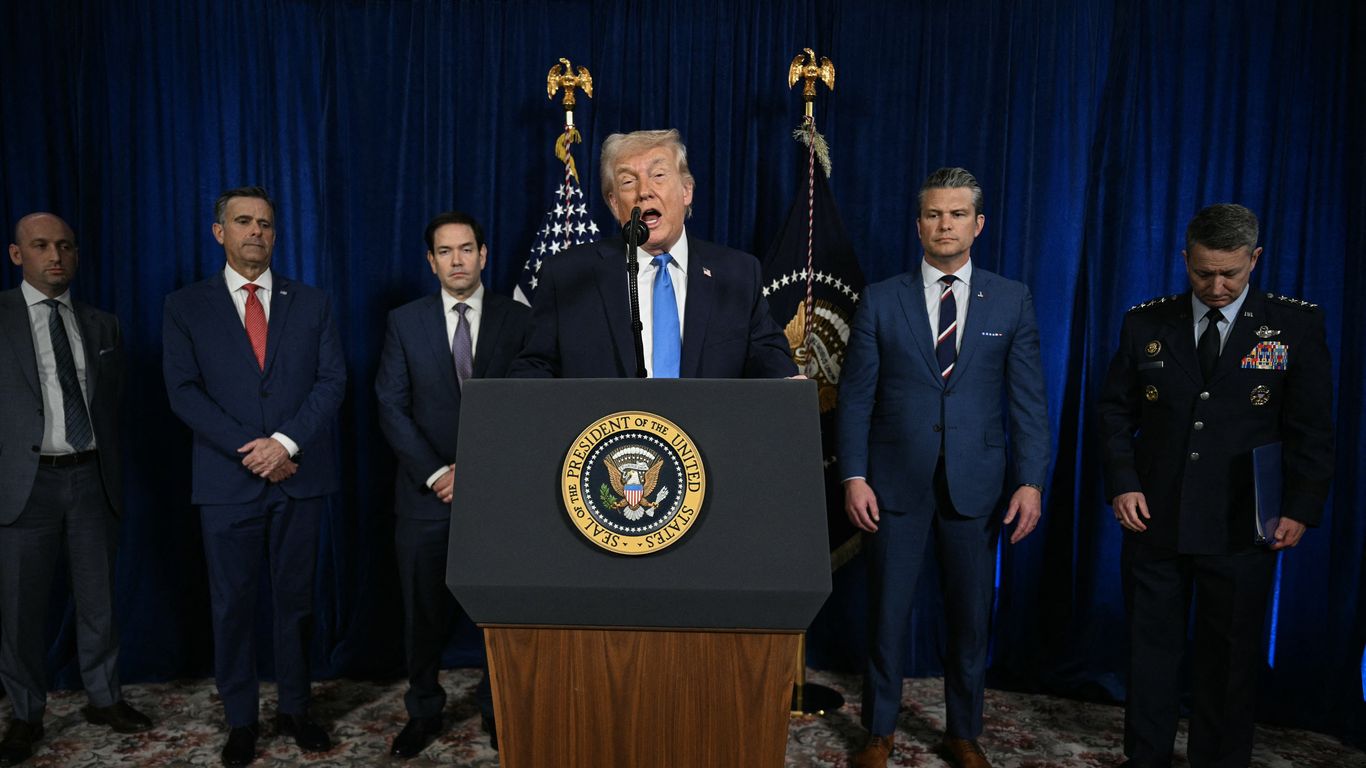
The White House released photos showing President Donald Trump and top officials at Mar-a-Lago during an operation to capture Venezuelan leader Nicolás Maduro. The operation, called "Operation Absolute Resolve," resulted in Maduro's capture and transport to the United States to face federal charges.
Key Facts
The photos show President Trump, Defense Secretary Pete Hegseth, and Secretary of State Marco Rubio in a "war room" at Mar-a-Lago.
Venezuelan leader Nicolás Maduro and his wife were captured and brought to the U.S. on Saturday.
Maduro is set to face charges related to drug trafficking and working with terrorist organizations, which he denies.
President Trump approved the operation and monitored it from Mar-a-Lago.
The capture of Maduro surprised many, as tensions had been escalating between the U.S. and Venezuela.
The operation was named "Operation Absolute Resolve" and was executed smoothly.
Reactions to the operation have been mixed, with some questioning its legality and impact on regional stability.
Read the Original
Want the full story? Tap a source to open the original
article.
The U.S. military is working to reopen air bases in the Pacific that were originally used during World War II. This effort is part of a strategy to prepare for potential conflict with China by making U.S. air power more flexible and harder for China to target.
Key Facts
The reconstruction work focuses on airstrips in the Pacific built over 70 years ago during World War II.
The U.S. Air Force leads this project under its Agile Combat Employment (ACE) strategy.
The plan involves the Navy, Marine Corps, and Air Force working together on these sites.
ACE aims to create multiple locations for U.S. aircraft to be based, reducing the risk from Chinese strikes.
China has increased its missile capabilities, posing a threat to key U.S. bases in Hawaii, Guam, and Okinawa.
The U.S. military is placing resources and equipment close to these revived bases to be ready for quick deployment.
The strategy seeks to avoid scenarios like the Pearl Harbor attack, with military leaders stressing preparedness.
There could be a large-scale call-up of U.S. Navy Reserve members in the event of a conflict with China.
Read the Original
Want the full story? Tap a source to open the original
article.
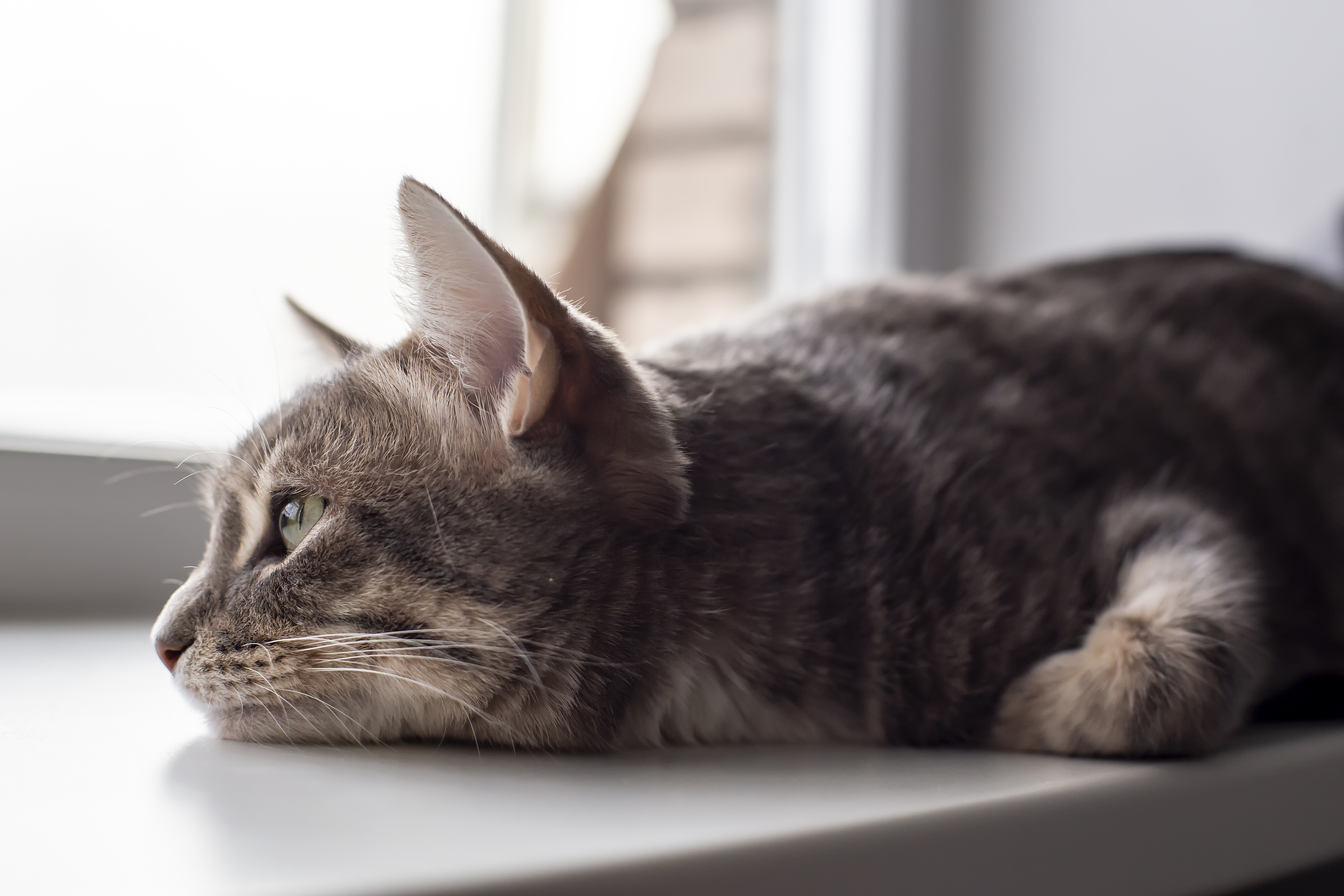
Cats have a complex memory system that allows them to remember their owners and experiences for a long time. A study showed that cats remember past events frequently, especially when familiar things trigger their memories. Experts say cats don't easily forget their owners, even if they're away for a while.
Key Facts
Cats have a complex memory system involving sights, sounds, smells, and routines.
A study found that 80% of cat and dog owners said their pets remembered specific experiences.
Cats can remember their owners for months or years, especially if they had strong bonds.
Familiar places or objects can trigger memories in cats, similar to humans.
Signs that a cat misses its owner include changes in eating habits and increased vocalizations.
Cats might show signs of stress when their owners are away but usually adjust in a few days.
Cats don't forget their owners easily, even if they are temporarily left in someone else's care.
Scent plays a big role in how cats remember people and places.
Read the Original
Want the full story? Tap a source to open the original
article.
President Donald Trump announced the U.S. will oversee operations in Venezuela, including its oil production, following a military operation that captured Venezuelan leader Nicolás Maduro. Maduro is currently detained in New York on charges related to drug trafficking. Delcy Rodriguez has been appointed as Venezuela's Acting President after Maduro's removal.
Key Facts
U.S. forces captured Venezuelan President Nicolás Maduro in a military operation.
Maduro is now held at a New York detention facility facing charges like drug trafficking and weapons offenses.
President Trump stated the U.S. will manage Venezuela and its oil output to fund government operations.
Delcy Rodriguez has been named Venezuela's Acting President after the operation.
Caribbean airspace has reopened following military actions in the region.
The operation, called 'Operation Absolute Resolve,' followed U.S. strikes on drug-smuggling routes.
China has called for Maduro's release after his capture.
The White House shared a video of Maduro in custody, appearing to say "goodnight" and "happy new year."
Read the Original
Want the full story? Tap a source to open the original
article.
President Donald Trump has initiated a U.S. operation to abduct Venezuelan President Nicolas Maduro and take control of the country. Many Republican politicians support Trump's actions, though some express concerns about bypassing Congress. There is also a debate over the legality and potential consequences of this move.
Key Facts
President Trump announced an operation to abduct Venezuelan President Nicolas Maduro.
Trump claimed that the U.S. will take over running Venezuela.
Some Republicans, including Senator Lindsey Graham, supported Trump’s decision.
Senator Rand Paul noted that Trump did not seek Congress's approval before acting.
Senator Mike Lee questioned the legality of the operation, requesting more information.
Secretary of State Marco Rubio indicated the move was based on an arrest warrant.
There are divides within the Republican party regarding military involvement abroad.
Read the Original
Want the full story? Tap a source to open the original
article.
President Donald Trump announced that the U.S. military captured Venezuelan President Nicolas Maduro and his wife. Trump stated that the U.S. would manage the country until a safe transition occurs. Venezuelan Vice President Delcy Rodríguez was declared interim president but criticized the military action as aggressive.
Key Facts
President Trump announced the capture of Venezuelan President Nicolas Maduro and his wife by the U.S. military.
Trump stated that the U.S. would manage Venezuela temporarily.
Venezuelan Vice President Delcy Rodríguez was made interim president but opposed the U.S. action.
Maduro declared victory in a 2024 election that observers called fraudulent.
Relations between the U.S. and Venezuela have been tense over foreign policy and oil issues.
Trump did not consult Congress before the operation, leading to criticism from some U.S. lawmakers.
The U.S. Constitution gives Congress the power to declare war, which they have not officially done since WWII.
Read the Original
Want the full story? Tap a source to open the original
article.
The United States conducted a military strike in Venezuela, capturing President Nicolás Maduro and his wife, who were later taken to New York. The incident prompted mixed reactions from global leaders, with some condemning and others supporting the U.S. actions. President Trump stated that the U.S. would manage Venezuela until a stable transition can be arranged.
Key Facts
The U.S. captured Venezuelan President Nicolás Maduro and his wife after a military strike.
Maduro and his wife face drug charges in New York.
UK Prime Minister Keir Starmer said his government had no sympathy for Maduro's regime.
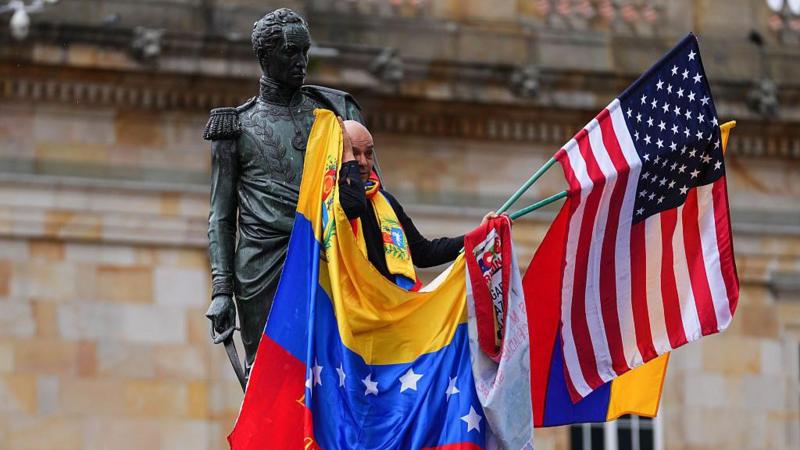
China and Russia condemned the U.S. actions, calling it an "armed aggression" and a breach of sovereignty.
Many Latin American countries criticized the U.S. intervention, calling it a violation of international law.
President Trump announced that the U.S. plans to manage Venezuela until a proper transition is established.
Cuban President Miguel Diaz-Canel and Brazilian President Luiz Inacio Lula Da Silva criticized the U.S. actions as aggressive and destabilizing.
UK Prime Minister Keir Starmer did not comment on the legality of the strikes, stating the UK was uninvolved.
Read the Original
Want the full story? Tap a source to open the original
article.
Each summary links back to the original reporting, so you can check the work. Support that, and get the daily digest every morning. Most choose $3.99/month.
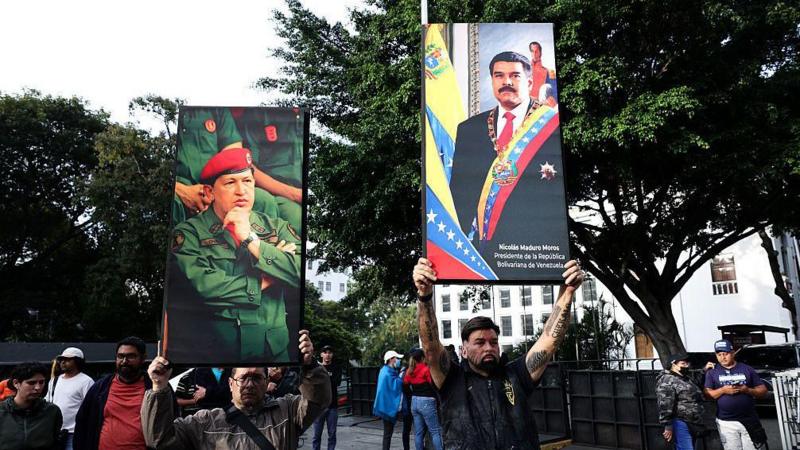
Venezuelan President Nicolás Maduro was arrested by the US, creating different reactions in Venezuela. Some citizens feel hopeful, while others are worried about the future. The US plans to govern Venezuela temporarily while Maduro faces charges in the US.
Key Facts
Venezuelan President Nicolás Maduro has been arrested by US forces under President Donald Trump.
Many Venezuelans have mixed feelings about the arrest, feeling both hopeful and uncertain.
Maduro faces accusations from the US of running a "narco-terrorist" regime and has been taken to New York to face charges.
The US plans to govern Venezuela and manage its oil until a new leader is established.
Some Venezuelans fear the uncertainty and potential unrest after Maduro's arrest.
The political environment in Venezuela is tense, with rallies supporting both sides of the issue taking place.
The National Assembly in Venezuela passed a law against supporting US actions, calling such supporters "traitors".
There are concerns about the influence of Diosdado Cabello, a high-ranking Venezuelan official, in the country's future.
Read the Original
Want the full story? Tap a source to open the original
article.
Venezuela temporarily closed its border with Brazil after a U.S. attack on Caracas, during which U.S. forces captured President Nicolas Maduro. The border was closed for five hours, but has since reopened, with Brazil monitoring the situation closely. The U.S. action has raised concerns about increased migration from Venezuela and regional instability.
Key Facts
Venezuela shut its border with Brazil briefly after a U.S. attack on its capital, Caracas.
The U.S. forces captured Venezuela's President Nicolas Maduro and his wife.
The border closure lasted five hours but has now reopened.
Brazil's government is watching the border closely and has sent military to increase security.
Brazil is home to a large number of Venezuelan immigrants, particularly in the state of Roraima.
Concerns about a potential increase in Venezuelan migration to Brazil have been raised.
Brazil's President Lula criticized the U.S. for its actions, labeling them a threat to regional stability.
Analysts are worried about possible chaos in Venezuela following the U.S. intervention.
Read the Original
Want the full story? Tap a source to open the original
article.
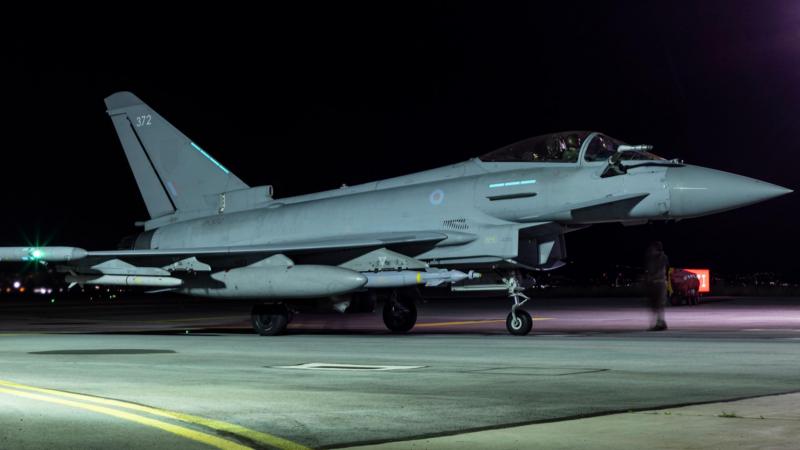
UK and French military planes conducted a joint airstrike on an underground weapons storage site in Syria used by the Islamic State group. The operation did not harm civilians, and all aircraft returned safely. The strike is part of efforts to prevent the resurgence of IS activities in the region.
Key Facts
UK Royal Air Force and French aircraft targeted an IS weapons cache in Syria.
The target was identified through intelligence as storing weapons and explosives.
The site was located in mountains north of Palmyra in central Syria.
The airstrike used Paveway IV guided bombs.
No civilian harm was reported, and all participating aircraft returned safely.
The operation was supported by a Voyager refueling tanker.
The UK Defence Secretary highlighted the importance of international cooperation against IS.
The United Nations estimates that IS still has 5,000 to 7,000 fighters in Syria and Iraq.
Read the Original
Want the full story? Tap a source to open the original
article.
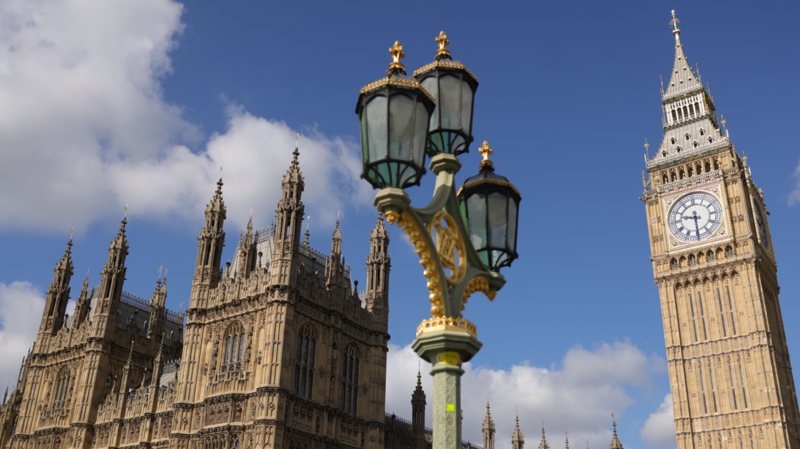
Members of the UK Parliament need to decide how to repair the Palace of Westminster, home to the Houses of Parliament, due to serious safety concerns. They have three options: moving out completely, moving out partially, or performing repairs while staying. The decision is important because the building's condition is dangerous, with issues like falling masonry and fire risks.
Key Facts
The Palace of Westminster needs urgent repairs due to safety hazards.
Options for repair include completely moving Parliament elsewhere or doing work while some members remain onsite.
If Parliament fully relocates, it could cost between £7 billion and £13 billion and take 12-20 years.
Keeping some members onsite could extend the project by many years and increase costs.
Safety concerns include falling masonry, asbestos, regular fires, and exploding toilets.
A full relocation is one option considered cheaper by some, like Lord Hain, a former minister.
A vote on the final decision will occur after updated costs and benefits are reviewed by the Restoration and Renewal Client Board.
Delays in decision-making have led to frustration, highlighting the urgency of action.
Read the Original
Want the full story? Tap a source to open the original
article.
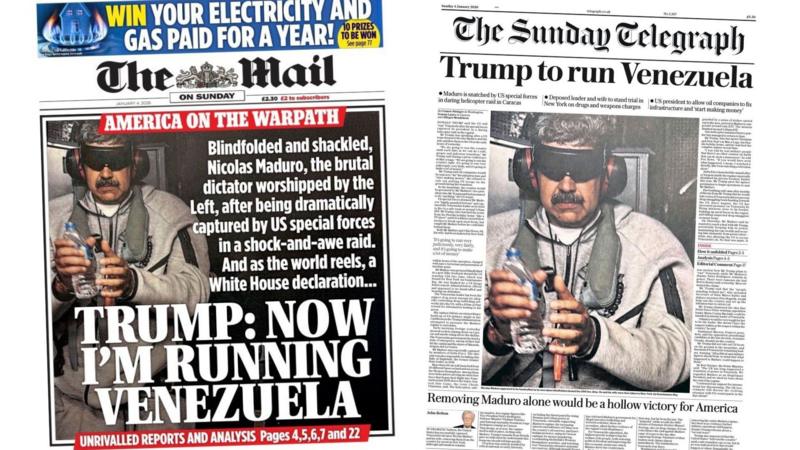
The United States has captured Venezuelan President Nicolás Maduro following large-scale military strikes in Venezuela. President Trump announced that the U.S. intends to "run" Venezuela and praised the military operation, which involved air, land, and sea forces. Maduro is set to face charges in New York for drug and weapons crimes.
Key Facts
U.S. forces captured Venezuelan President Nicolás Maduro.
The military operation in Venezuela included strikes involving air, land, and sea forces.
President Trump stated the U.S. will "run" Venezuela after capturing Maduro.
The operation has been described as "unprecedented military action" not seen since World War Two.
Maduro and his wife are to be tried in New York on drug and weapons charges.
The UK was not involved in the military action, according to Sir Keir Starmer.
Some newspapers highlighted concerns about the legality of the U.S. actions in Venezuela.
Read the Original
Want the full story? Tap a source to open the original
article.
President Donald Trump ordered a military operation that ended with the capture of Venezuela's President Nicolás Maduro. The mission involved U.S. special forces and intelligence agencies and resulted in Maduro being taken into custody aboard a U.S. battleship.
Key Facts
President Trump gave the order for the operation on a Friday night.
150 U.S. aircraft participated, including helicopters, fighter jets, and drones.
Special forces practiced on a replica of Maduro's home before the mission.
The U.S. cut power in the area and took out air defenses during the raid.
Maduro and his wife were captured without needing to breach a safe room.
No U.S. troops died, but some were injured; Venezuelan casualties are unclear.
Preparations involved CIA groundwork and knowledge of Maduro's habits.
Read the Original
Want the full story? Tap a source to open the original
article.
On the biggest stories we show what the outlets agree on and where they differ. Readers keep that going, and get the daily digest by email every morning. Most choose $3.99/month.
U.S. special forces captured Venezuelan President Nicolas Maduro in a sudden action. Maduro has denied allegations from President Trump about leading a drug cartel.
Key Facts
U.S. special forces captured Nicolas Maduro, President of Venezuela.
The operation was unexpected and surprised many in Venezuela and globally.
President Trump has accused Maduro of running a drug cartel.
Nicolas Maduro has consistently denied these accusations.
The event is likely to have significant political and international effects.
The article included insights from experts Philip Gunson, Richard Weitz, and Temir Porras.
Read the Original
Want the full story? Tap a source to open the original
article.
Venezuela's Supreme Court appointed Vice President Delcy Rodríguez as acting president after U.S. forces detained President Nicolás Maduro. This action aims to maintain government operations and protect Venezuela's interests during Maduro's absence. The court called this decision necessary due to what they described as an unusual situation caused by foreign military actions.
Key Facts
Venezuela's Supreme Court named Delcy Rodríguez as acting president after Maduro's detention.
U.S. forces captured President Maduro and his wife in a strike on Caracas.
Maduro's detention is described by Venezuela as "foreign military aggression."
Maduro faces charges of narcotics-related conspiracy in the U.S.
The Supreme Court's decision is not final; deliberations on legal matters continue.
Rodríguez's role is to ensure government functions and protect national interests.
President Trump stated he does not support opposition leader Maria Corina Machado as a replacement for Maduro.
Read the Original
Want the full story? Tap a source to open the original
article.