Neutral summaries of your favorite news sources — just the facts.
Your favorite news sources, one neutral feed — we distill their reporting into fact-first
summaries and always link to the original story. How it works
World News
Comprehensive coverage of international news and global events
U.S. courts are considering whether to release grand jury transcripts related to Ghislaine Maxwell, who was convicted of helping Jeffrey Epstein abuse teenage girls. Epstein, who had connections to influential people including Donald Trump, died in jail in 2019. The decision to potentially release these documents comes amid ongoing conspiracy theories about Epstein's death and his connections.
Key Facts
The DOJ has requested the release of grand jury transcripts in the Ghislaine Maxwell case.
Maxwell was convicted in 2021 for helping Jeffrey Epstein sexually abuse minors and sentenced to 20 years in prison.
Epstein, a financier with high-profile connections, died in jail under circumstances ruled as suicide.
There are ongoing conspiracy theories questioning Epstein's death, some linked to political figures like Donald Trump.
Former Trump administration officials have been involved in discussions and investigations regarding Epstein's connections.
In recent developments, Maxwell has been moved to a federal prison camp.
The case includes about 950 pages of documents previously unsealed, naming several public figures associated with Epstein.
Read the Original
Want the full story? Tap a source to open the original
article.
Alex Warren's "Ordinary" holds the top spot on Billboard's Songs of the Summer chart for 2025. Although it leads based on chart numbers, it differs from typical upbeat summer songs. Other top songs this summer include tracks by Morgan Wallen and Kendrick Lamar.
Key Facts
Alex Warren's song "Ordinary" is No. 1 on Billboard's Songs of the Summer chart.
"Ordinary" has topped the Billboard Hot 100 for nine of the past ten weeks.
Morgan Wallen has three songs in the top five slots on the chart.
Kendrick Lamar's "Luther (feat. SZA)" holds the fourth position.
The concept of a "song of the summer" does not have an official title but is often a popular, memorable hit.
Billboard's Songs of the Summer chart has been around since 2010 and uses data to determine the top tracks.
Read the Original
Want the full story? Tap a source to open the original
article.
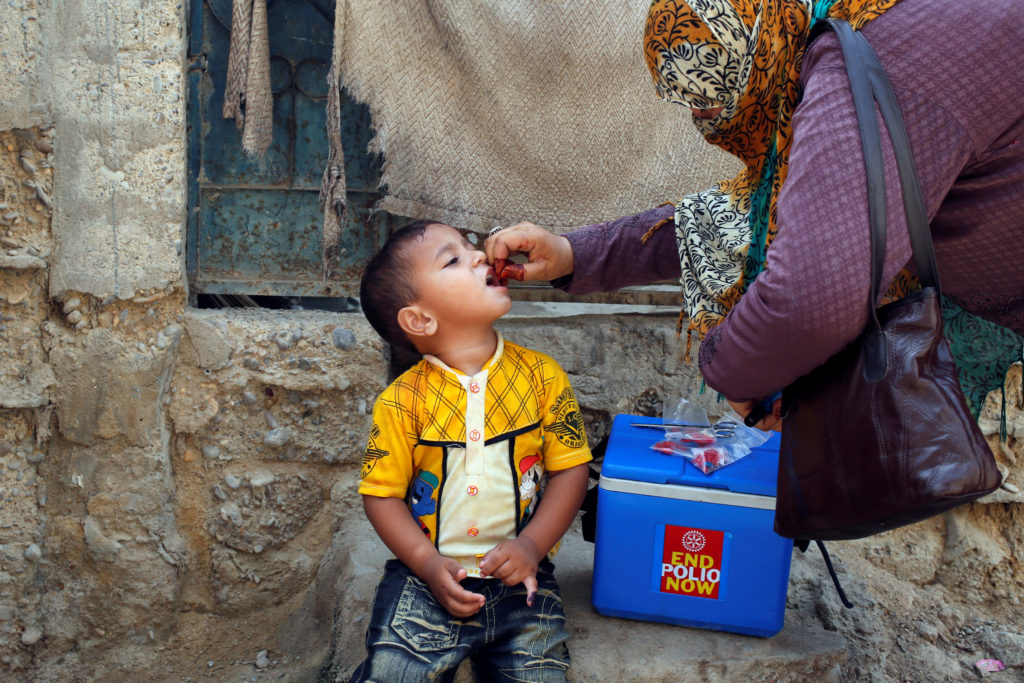
Efforts to eradicate polio globally continue to face challenges, especially in Pakistan and Afghanistan. Issues like misinformation, fake vaccination records, and logistical problems have complicated efforts. These problems have led to a resurgence of polio cases despite previous progress.
Key Facts
Polio eradication efforts have been ongoing since 1988, following the successful eradication of smallpox.
Pakistan and Afghanistan are the only countries where polio transmission has never been interrupted.
Last year, polio cases increased to 99 after reaching a low in 2021 with only five reported cases.
The Global Polio Eradication Initiative has spent over $20 billion on the campaign.
Problems include fake vaccination records, improper vaccine storage, and selection of unqualified staff.
Misinformation and logistical challenges, such as reaching remote villages, are major hurdles.
There is widespread mistrust of vaccines and opposition from some cultural and religious groups.
Officials aim to vaccinate 45 million children in Pakistan and 11 million in Afghanistan this year.
Read the Original
Want the full story? Tap a source to open the original
article.
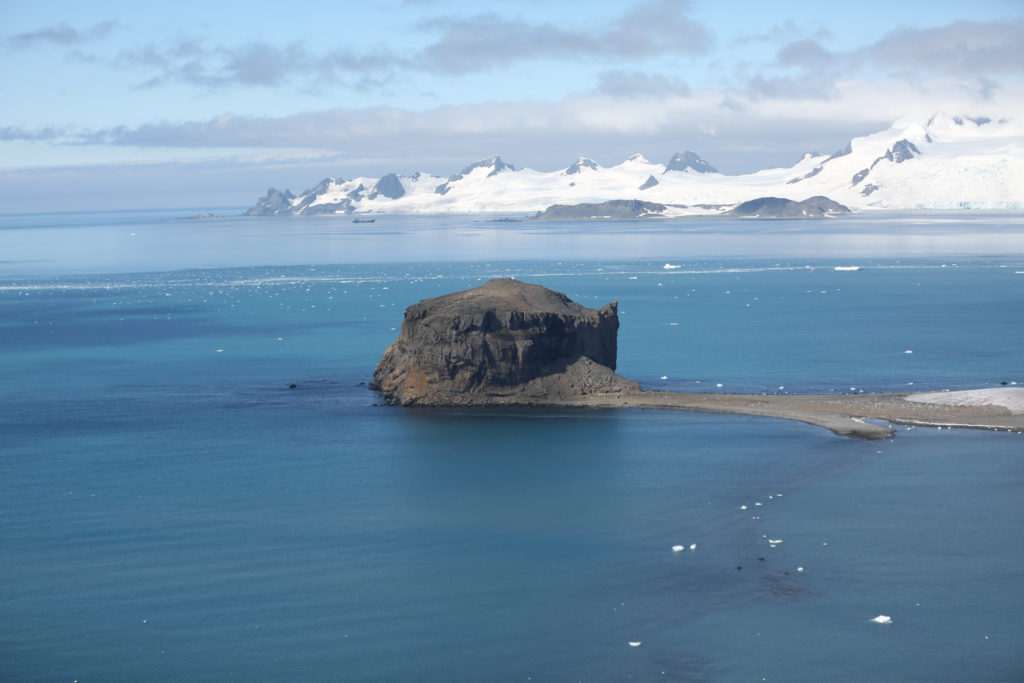
Officials have shut down the krill fishery near Antarctica earlier than planned after exceeding catch limits for the first time. This closure happened because there was no system in place to manage the increased krill fishing. The Commission for the Conservation of Antarctic Marine Living Resources (CCAMLR) confirmed that fishing had reached the limit of 620,000 metric tons.
Key Facts
The krill fishery near Antarctica closed early because it exceeded its seasonal catch limit.
The closure occurred after a record increase in krill catches.
CCAMLR confirmed the season closure after reaching a 620,000 metric ton limit.
A new management plan was not approved by countries like the U.S., Russia, and China last year.
Demand for krill oil is rising, putting more pressure on krill stocks.
In the 2023-24 season, 498,350 tons of krill were caught by 12 trawlers, mainly from Norway and China.
Krill play a crucial role in marine ecosystems and in reducing climate change by storing carbon.
Three humpback whales were affected by krill fishing nets last year.
Read the Original
Want the full story? Tap a source to open the original
article.
Hong Kong experienced record-breaking rainfall, leading to severe flooding and the closure of schools, courts, and hospitals. The heavy rain, the most since records began in 1884, also caused significant disruption in transportation and daily life. The authorities issued high-level rainstorm warnings and urged people to stay safe.
Key Facts
Over 350mm (13.8 inches) of rain fell in Hong Kong by Tuesday afternoon.
This was the highest daily rainfall for August in Hong Kong since 1884.
The heavy rain led to the closure of schools, courts, and hospitals in Hong Kong.
Flooding affected transportation, with roads flooded and cars submerged.
Videos showed water rushing down hillsides and staircases in Hong Kong.
Hong Kong extended its highest "black" rainstorm warning until 5pm local time.
More than 9,600 cloud-to-ground lightning strikes were recorded in one morning.
Hong Kong typically gets about 2,200mm (86.6 inches) of rain each year, mostly in the summer months.
Read the Original
Want the full story? Tap a source to open the original
article.
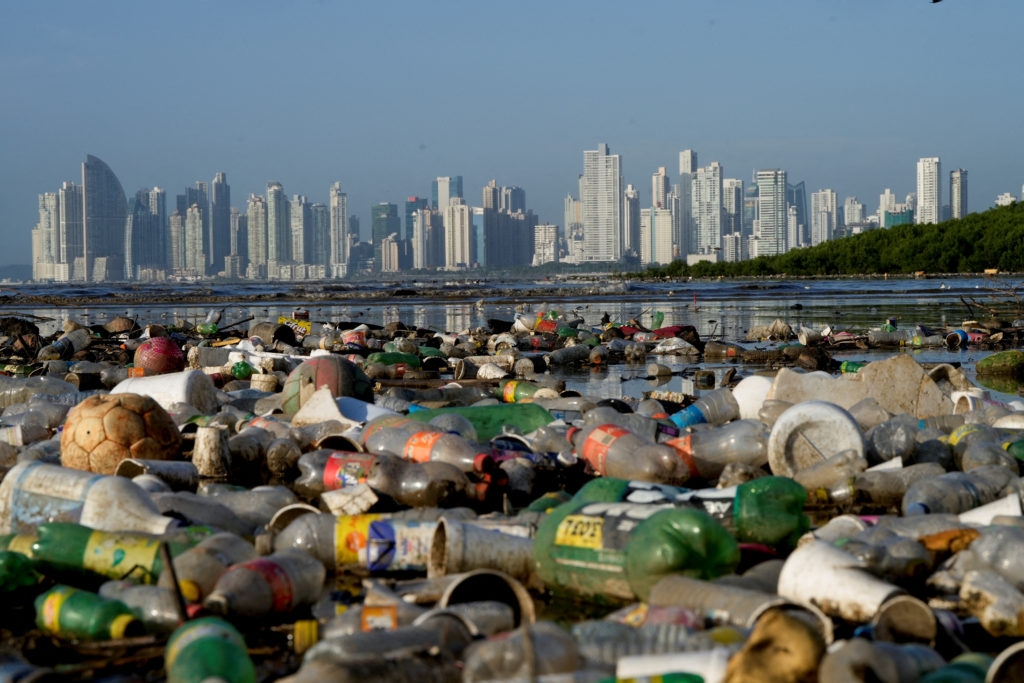
Countries are meeting in Geneva to work on a treaty to address plastic pollution. The main debate is whether to reduce plastic production or focus on recycling and reuse. Many nations and businesses believe cutting production is essential.
Key Facts
Countries began talks in Geneva to create a treaty to combat plastic pollution.
This is the sixth meeting of negotiators aiming for a binding agreement.
There is disagreement over whether the treaty should mandate reduced plastic production.
Many powerful oil-producing countries oppose cutting plastic production.
The United Nations reports that 19-23 million tons of plastic enter water bodies each year.
Without action, plastic waste could increase by 50% by 2040.
Over 100 countries and 300 businesses support limiting plastic production.
The treaty aims to address all stages of plastic's life cycle, including production and disposal.
Read the Original
Want the full story? Tap a source to open the original
article.
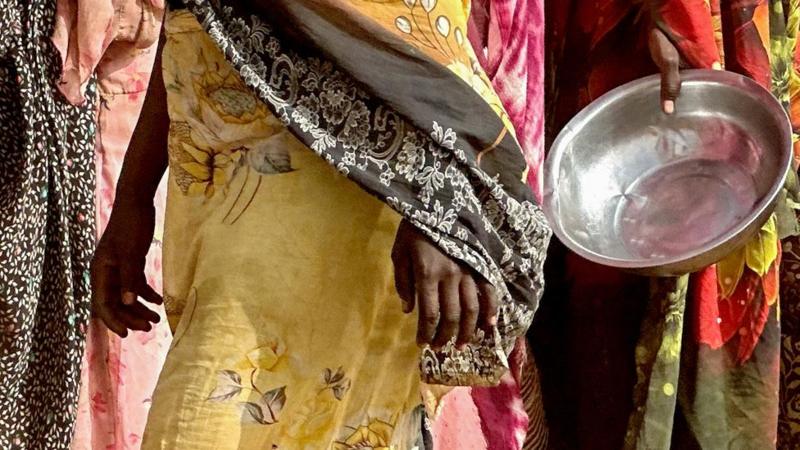
The United Nations has warned that people living in the city of el-Fasher in Sudan are facing starvation because the city is surrounded by paramilitary forces, blocking essential supplies for more than a year. The conflict, involving Sudan's army and the Rapid Support Forces (RSF), has caused severe food shortages and high food prices. The UN and other groups are trying to deliver food, but fighting makes it difficult.
Key Facts
The United Nations World Food Programme (WFP) cannot deliver food to el-Fasher due to blockade by paramilitary forces.
El-Fasher is surrounded by the Rapid Support Forces (RSF) for about 16 months, aiming to take control from Sudan's army.
The city remains home to about 300,000 people, who are now facing starvation.
Sudan plunged into civil war in April 2023 due to a power struggle between the army and RSF.
Nearly 38% of children under five in nearby camps suffer from malnutrition.
Food shortages have increased prices, forcing people to eat non-food items like animal fodder.
The UN has sought a temporary ceasefire to deliver aid, but the RSF has not agreed.
Over a million people have fled el-Fasher since the conflict started.
Read the Original
Want the full story? Tap a source to open the original
article.
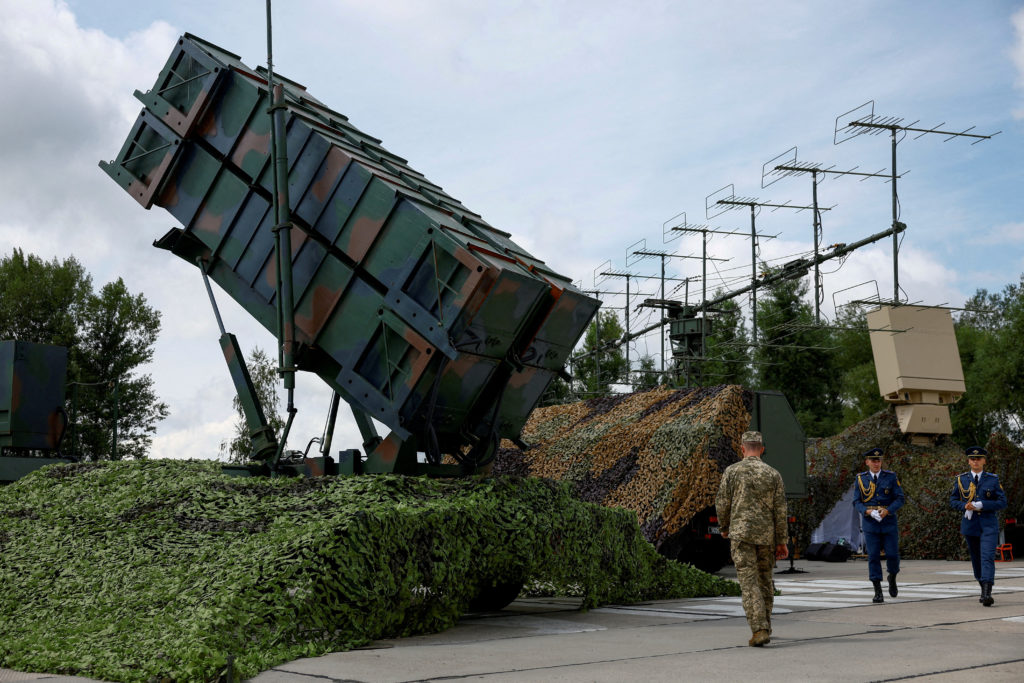
NATO is coordinating the delivery of large weapons packages to Ukraine with contributions from several countries, including the Netherlands and Sweden. The military aid includes air defense systems, anti-tank weapons, and ammunition, addressing urgent needs due to ongoing conflicts. European countries are mainly purchasing these weapons from the United States.
Key Facts
NATO is organizing regular shipments of weapons to Ukraine.
The Netherlands is contributing 500 million euros in military aid, including air defense equipment.
Sweden, Denmark, and Norway are providing a joint package worth $500 million, with Sweden contributing $275 million.
The United Nations reported that over 12,000 Ukrainian civilians have died due to the conflict.
European allies, along with Canada, are acquiring military equipment mostly from the U.S.
Since February 2022, European countries have given Ukraine military aid worth 72 billion euros, while the U.S. has given $65 billion.
Germany plans to send two more Patriot air defense systems to Ukraine soon.
NATO's support role has grown, providing non-lethal help to Ukraine like supplies and logistics.
Read the Original
Want the full story? Tap a source to open the original
article.
Four European countries have agreed to buy $1 billion worth of U.S. weapons and send them to Ukraine. The deal involves the Netherlands, Sweden, Norway, and Denmark contributing to the military support in response to ongoing Russian attacks. President Zelenskyy of Ukraine expressed gratitude, and U.S.-Ukraine relations have improved.
Key Facts
Four European countries (Netherlands, Sweden, Norway, and Denmark) will buy $1 billion in U.S. weapons for Ukraine.
The weapons purchase is a response to intensified Russian attacks on Ukraine.
President Zelenskyy thanked these countries on social media for their assistance.
Ukraine has faced increased airstrikes, with over 30 civilians killed in a recent attack on Kyiv.
The Netherlands will send parts for U.S. Patriot air defense systems.
Sweden, Norway, and Denmark have agreed to support with additional U.S. weapons.
President Trump has expressed support for NATO countries sending U.S. weapons to Ukraine.
The U.S. has provided around $75 billion in military aid to Ukraine since the invasion.
Read the Original
Want the full story? Tap a source to open the original
article.
Russia announced it will no longer follow a self-imposed pause on deploying nuclear-capable intermediate-range missiles. This decision comes amid rising tensions with the U.S. over missile deployments in Europe. Russia blames U.S. actions for threatening its security and says it will respond accordingly, though details are not yet clear.
Key Facts
Russia stated it will no longer adhere to a pause on deploying intermediate-range missiles.
The Russian Foreign Ministry linked the decision to U.S. and ally developments of similar missiles.
U.S. plans to deploy Typhoon and Dark Eagle missiles in Germany next year.
Russia considers these actions a direct threat and destabilizing to global security.
Plans involve deploying new Oreshnik missiles in Belarus.
Kremlin spokesman Dmitry Peskov stated Russia is no longer constrained by any limits.
The INF Treaty, which banned these missiles, ended in 2019 after U.S. and Russia accused each other of violations.
Read the Original
Want the full story? Tap a source to open the original
article.
A 15-year-old student named Shurina is cast as a kamikaze pilot in a World War II play in Japan. To prepare for her role, she visits World War II memorial sites, with the final performance taking place in Okinawa. This story is part of a documentary film called Japan: Girl Meets War by Cheng Herng Shinn.
Key Facts
Shurina is a 15-year-old high school student from Hita, Japan.
She is cast as a kamikaze pilot in a World War II play directed by her piano teacher.
Her best friend, Yua, also participates in the play.
Shurina must recite a farewell letter from a pilot and show the harsh truths of war.
To prepare, she visits various World War II memorial sites across Japan.
The final performance is set in Okinawa.
The story is featured in a documentary film by Cheng Herng Shinn titled Japan: Girl Meets War.
Read the Original
Want the full story? Tap a source to open the original
article.
Rwanda and the Democratic Republic of the Congo had their first official meeting as part of a peace deal supported by the United States. This deal is being highlighted by former President Trump as a diplomatic success. The deal involves complex issues, including valuable minerals like cobalt and coltan and competition with China.
Key Facts
Rwanda and the Democratic Republic of the Congo participated in an official meeting.
The meeting was part of a peace deal backed by the United States.
Former President Donald Trump referred to the deal as a diplomatic achievement.
Cobalt and coltan, key minerals, play a role in the situation.
There is a growing rivalry between the United States and China regarding influence in Africa.
Read the Original
Want the full story? Tap a source to open the original
article.
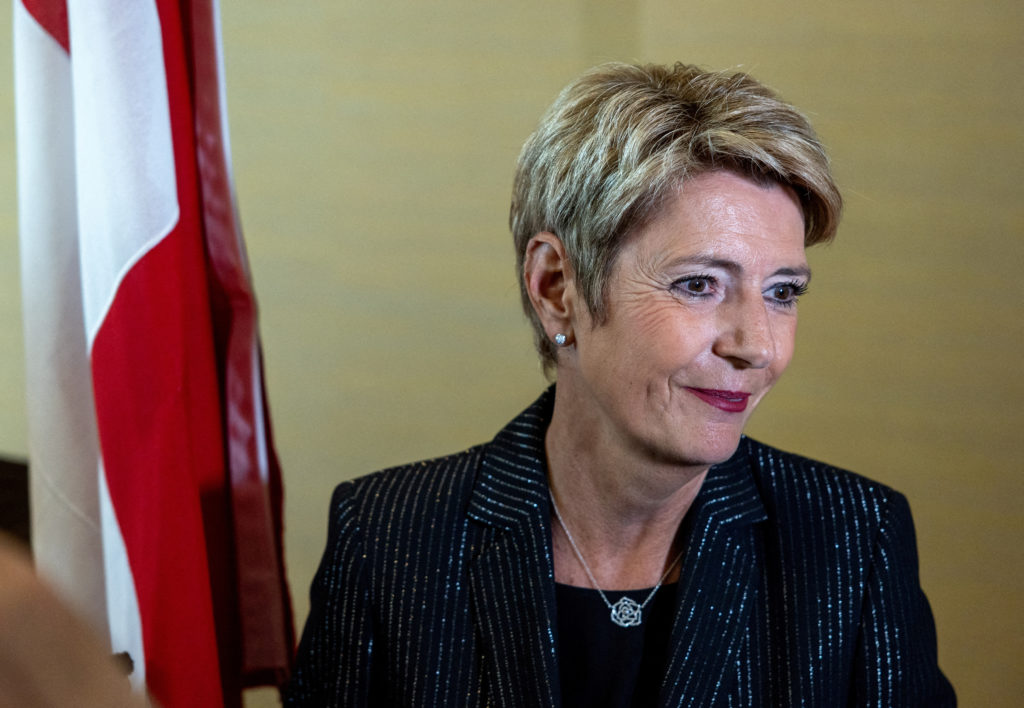
Swiss President Karin Keller-Sutter traveled to Washington D.C. with other officials to negotiate with the U.S. about a new 39% tariff on Swiss exports, such as chocolate and machinery. These tariffs are significantly higher than those for the EU and the UK, and Switzerland wants to improve the trade situation with the U.S.
Key Facts
Switzerland's president, Karin Keller-Sutter, visited Washington, D.C. to discuss high tariffs imposed by the U.S.
The U.S. announced a 39% tariff on Swiss goods, effective Thursday.
This tariff is much higher than those on European Union and British goods.
Switzerland had expected a lower 31% tariff based on earlier U.S. announcements.
Swiss goods like machinery and chocolates are affected, but pharmaceuticals are not.
The U.S. and Switzerland have a trade imbalance, with the U.S. importing more from Switzerland.
Swiss companies face high tariffs, second only to countries like Laos and Syria.
Swiss businesses were surprised by the move and want it reconsidered.
Read the Original
Want the full story? Tap a source to open the original
article.
Flash floods in Dharali village, located in the Indian state of Uttarakhand, have killed at least four people and left over 50 missing. Rescue operations are ongoing as local authorities, along with the army and disaster response teams, work to help those affected. The area has experienced heavy rain, and more is expected in the coming days.
Key Facts
Flash floods in Dharali village, Uttarakhand, have resulted in at least four deaths.
Over 50 people are missing following the floods.
Rescue teams from the army and disaster response forces are at the site.
The floods occurred after a massive mudslide hit the area.
The Indian government is using helicopters to assist in rescue efforts due to difficult terrain.
Uttarakhand has received "extremely heavy" rainfall, with more expected soon.
Local schools in affected districts have been closed as a precaution.
Cloudbursts, which cause intense flooding in this region, are becoming more common, partly due to climate change.
Read the Original
Want the full story? Tap a source to open the original
article.
In 2024, youth protests in Bangladesh led to the end of Sheikh Hasina's long leadership. One year later, Bangladesh faces political uncertainty as the country adjusts to these changes. The focus is on how young people view the future of their nation.
Key Facts
Youth protests occurred in Bangladesh in 2024.
These protests ended the long rule of Sheikh Hasina.
A year later, the country is experiencing political uncertainty.
The article discusses the future of Bangladesh from the perspective of its young people.
Stefanie Dekker presents the discussion with guests Apurba Jahangir and Ifti Nihal.
Apurba Jahangir is the deputy press secretary in Bangladesh's interim government.
Read the Original
Want the full story? Tap a source to open the original
article.
Protests erupted in Angola due to the government's decision to reduce fuel subsidies, leading to a spike in fuel prices. At least 22 people died in clashes between protesters and police. The protests are part of broader economic challenges in a country heavily reliant on oil revenue.
Key Facts
Angola's government cut fuel subsidies, causing protests.
The fuel price increase led to widespread demonstrations and unrest.
At least 22 people died, and 197 were injured in the protests.
Over 1,200 protesters were arrested during the clashes.
The government is under pressure from the International Monetary Fund (IMF) to reduce spending.
Fuel subsidies previously accounted for about 4% of Angola's GDP.
Angola relies on oil for 60% of its government revenue and 95% of its exports.
The economic situation is worsened by recent increases in tariffs, including on essential services like electricity and water.
Read the Original
Want the full story? Tap a source to open the original
article.
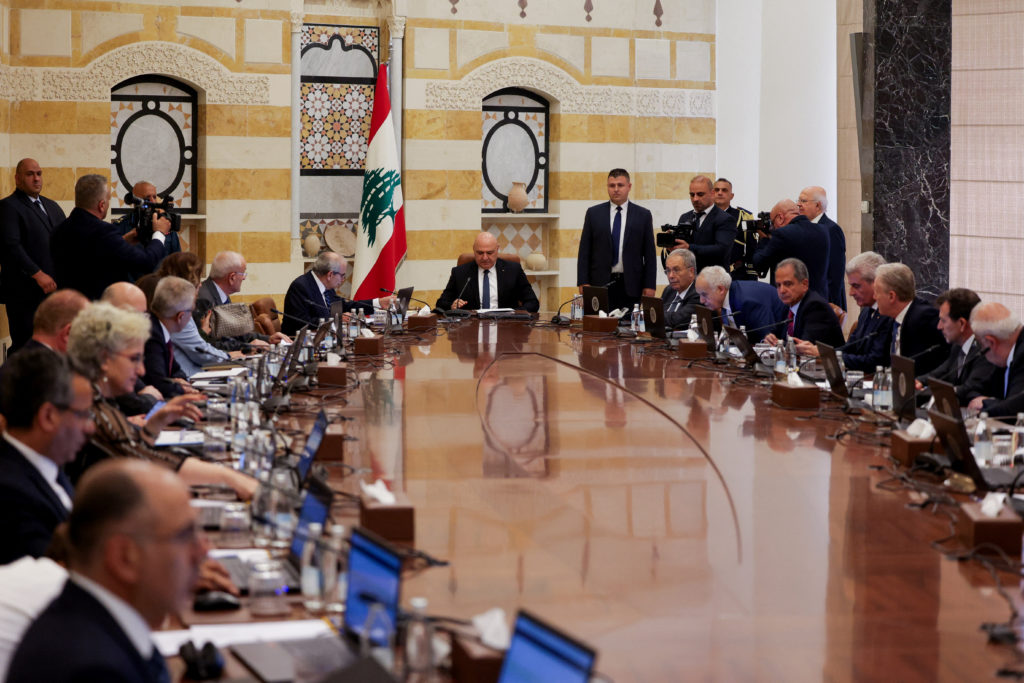
The leader of Hezbollah in Lebanon stated that the group would resume firing missiles at Israel if Israel increases its military activities against them. This statement came as Lebanon's government discussed disarming Hezbollah amid external pressure to do so. The ongoing tensions stem from unresolved issues following a ceasefire after a previous conflict between Israel and Hezbollah.
Key Facts
Hezbollah’s leader warned of missile attacks if Israel intensifies operations against them.
Lebanon’s government is under U.S. pressure to discuss disarming Hezbollah.
Hezbollah fought a 14-month war with Israel that ended with a U.S.-brokered ceasefire.
Hezbollah demands Israel withdraw from five locations in Lebanon and stop airstrikes.
Hezbollah has withdrawn most fighters and weapons from the area south of the Litani River.
Lebanese President Joseph Aoun has called for Hezbollah's disarmament.
The ceasefire agreement is unclear about Hezbollah’s military facilities north of the Litani River.
Read the Original
Want the full story? Tap a source to open the original
article.
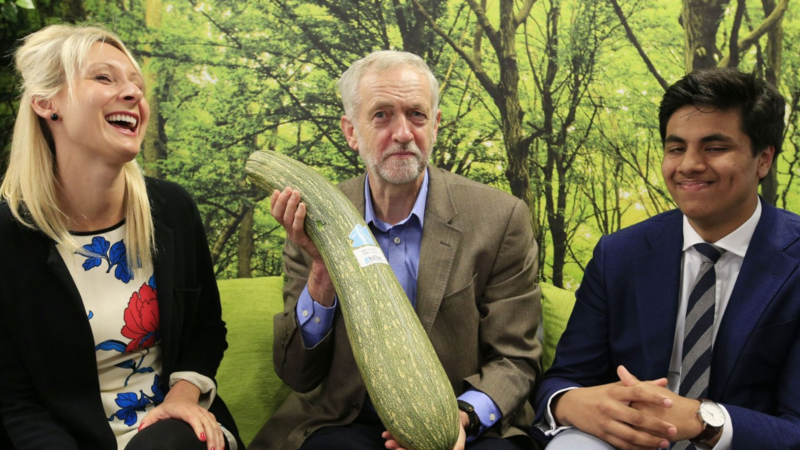
Former Labour leader Jeremy Corbyn criticized Angela Rayner for approving the sale of eight allotments, which are plots of land for growing food. Allotments are protected by law, and sales require ministerial approval. Corbyn argues these spaces are vital and suggests alternative sites for housing development.
Key Facts
Jeremy Corbyn criticized Angela Rayner for allowing the sale of eight allotments since the last general election.
Allotments are small plots of land rented for gardening, protected under the Allotment Act 1925.
Ministerial permission is required to sell allotments, and sales should meet strict criteria.
More than 100,000 people in the UK are on waiting lists for allotments.
Rayner's decision includes selling allotments in counties like Derbyshire and Somerset for housing development.
Corbyn suggests using ex-industrial lands for development instead of allotments.
Corbyn has launched a rival political party, but it is unnamed.
Allotments remain important as many people in the UK lack access to gardens.
Read the Original
Want the full story? Tap a source to open the original
article.
Russia will no longer follow the Intermediate-Range Nuclear Forces (INF) treaty with the United States, which was created during the Cold War to control certain types of missiles. The decision raises concerns about a potential new arms race. The INF treaty was initially signed in 1987 and banned certain land-based missiles.
Key Facts
Russia announced it will stop following the INF treaty with the U.S.
The INF treaty, created in 1987, banned missiles with ranges between 500 and 5,500 kilometers.
U.S. President Donald Trump withdrew from the treaty in 2019.
Russia stayed in the agreement until its recent decision to leave.
Russia justified its departure by citing U.S. missile deployments in Europe and the Asia-Pacific as a threat.
More than 2,600 missiles were destroyed by both countries under the INF treaty.
The treaty did not apply to air-launched or sea-launched missiles.
Read the Original
Want the full story? Tap a source to open the original
article.
Thousands of supporters of Pakistan's former Prime Minister Imran Khan are protesting across the country, calling for his release on the second anniversary of his imprisonment. Police have arrested many activists from Khan's party in response, particularly in Lahore, as protests continue despite government bans on large gatherings.
Key Facts
Imran Khan's supporters are holding rallies across Pakistan to demand his release from jail.
Police arrested dozens of Khan's party activists, mostly in Lahore, where a big protest was planned.
Khan, a former cricket star, served as Pakistan’s Prime Minister until he was removed from office in 2022.
He was arrested in May 2023 on several charges, leading to protests and a government crackdown.
Khan urged his followers to continue peaceful protests for democracy via his party’s social media account.
Khan's party argues that the charges against him are politically motivated.
Despite a ban on large gatherings, the protests are continuing, as reported by local media.
The PTI (Khan's party) alleges police attacked their rally in Lahore.
Read the Original
Want the full story? Tap a source to open the original
article.