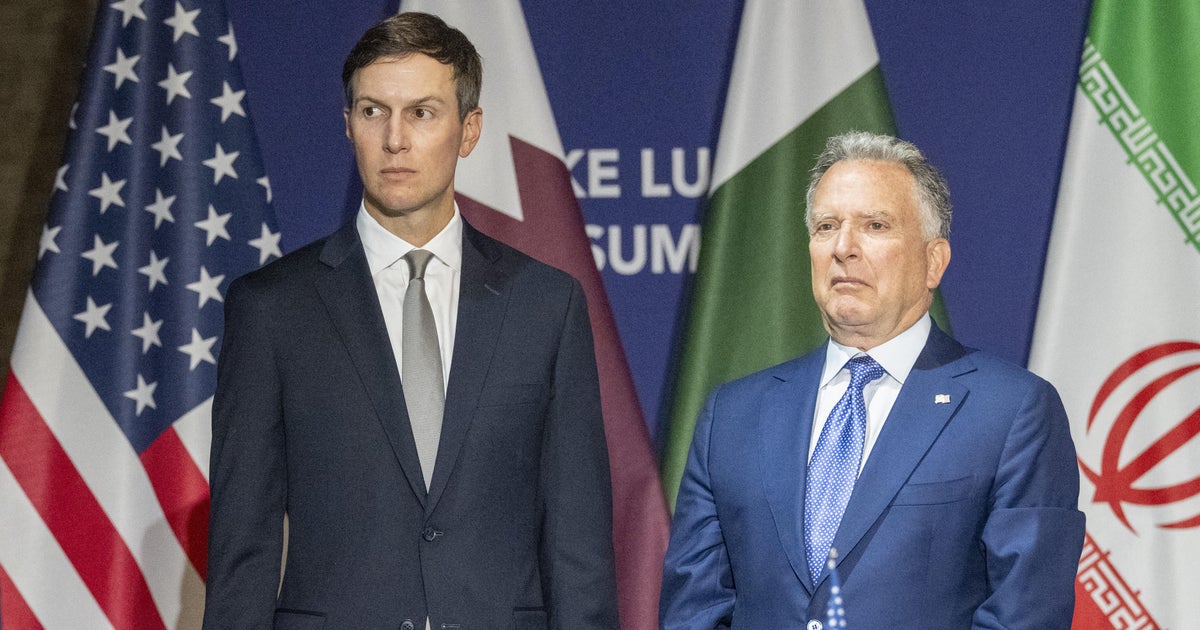
President Donald Trump announced he is sending envoys Steve Witkoff and Jared Kushner to Moscow and Kyiv. Their mission is to present a new plan aimed at ending the war in Ukraine, which has lasted more than four years.
Key Facts
President Trump named Steve Witkoff and Jared Kushner as his envoys.
The envoys are traveling to Moscow, Russia, and Kyiv, Ukraine.
The goal of their visit is to propose a plan to end the war in Ukraine.
The war in Ukraine has been ongoing for over four years.
This is a diplomatic effort led by the United States to seek peace.
The announcement was made on September 5, 2026.
The plan details were not shared in the article.
The visit follows recent attacks and ongoing conflict in the region.
Read the Original
Want the full story? Tap a source to open the original
article.
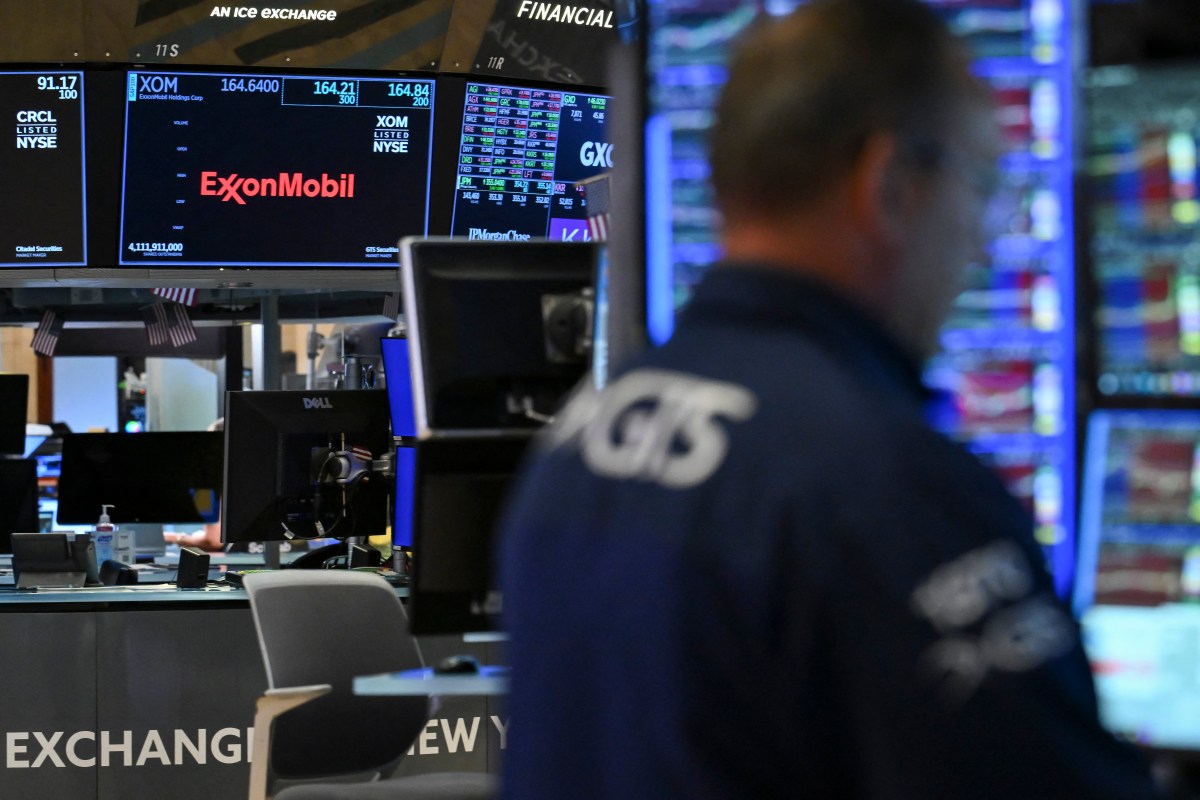
The United States special forces captured Venezuelan President Nicolas Maduro in early 2026, leading to a new government under interim President Delcy Rodriguez seeking to open Venezuela’s oil industry to US companies. Recently, the US and Venezuela agreed on a 100-year deal allowing US companies to access 65 billion barrels of Venezuelan oil, marking a major shift in control of the country’s oil resources.
Key Facts
Venezuela’s oil industry was nationalised for about 27 years under Maduro’s party.
President Maduro was captured by US forces on January 3, 2026, and taken to the US for trial.
Delcy Rodriguez became interim president and started reforms to privatize the oil sector.
Venezuela’s General Hydrocarbons Law was reformed to allow US and some foreign companies to operate oil fields, except companies from China, Russia, Iran, and North Korea.
The US-Venezuela deal grants US companies access to 65 billion barrels of oil for the next 100 years.
The deal involves 17 major oil fields previously controlled by Chinese and Russian companies.
A private company, North American Blue Energy Partners (NABEP), will run the fields with a 35% stake for the US Department of Defense’s Office of Strategic Capital.
The US government can buy 20% of the oil from these fields at production cost, not market price.
Read the Original
Want the full story? Tap a source to open the original
article.
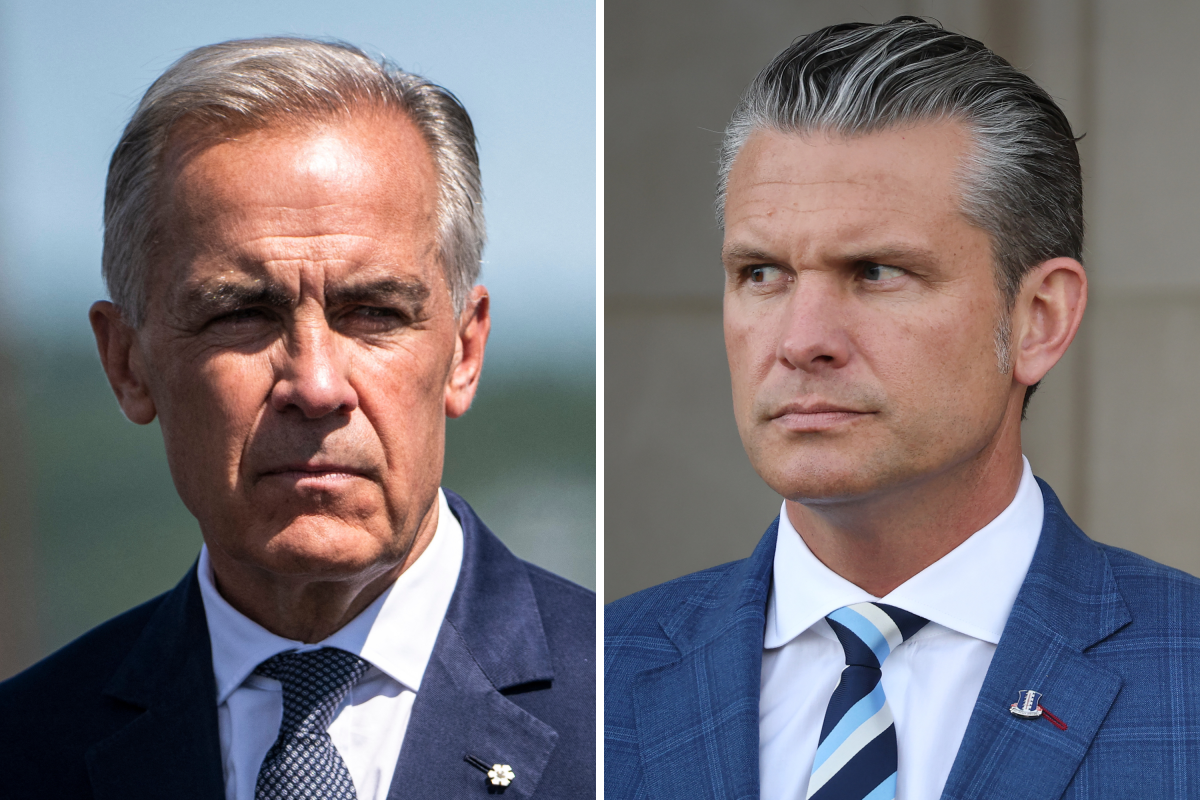
U.S. Defense Secretary Pete Hegseth shared a Canadian Coast Guard post about their participation in a Pride event, adding only a Canadian flag emoji shortly after Canadian Prime Minister Mark Carney criticized U.S. officials for using social media mockery during trade talks. Carney urged the U.S. to stop the insults and take trade discussions with Canada seriously.
Key Facts
Pete Hegseth quoted a Canadian Coast Guard message about joining a Pride celebration and added just a Canadian flag emoji.
Canadian Prime Minister Mark Carney publicly criticized U.S. officials for using memes and insults in online exchanges with Canada.
Carney said such insults from U.S. Cabinet-level officials were “beneath their office.”
Carney linked progress in trade talks to a more serious and respectful approach from Washington.
Hegseth’s emoji post was unclear in meaning, leading to mixed reactions from social media users.
Earlier, Hegseth made a more critical post about a Canadian cadet program, which drew stronger reactions from Canadian officials.
The Canadian Coast Guard is part of Canada’s Department of National Defence and participates in public community events like Pride.
Trade talks between the U.S. and Canada have stalled partly due to tensions created by these online messages.
Read the Original
Want the full story? Tap a source to open the original
article.
This article explains that the United States is a global superpower mainly because of its economic strength, not just its military power. It highlights how President Donald Trump uses trade deals, tariffs, and economic partnerships to boost U.S. influence worldwide.
Key Facts
The U.S. is often seen as a superpower due to its economic and military strength.
Military power is important, but the article says economic power is more crucial for America’s global influence.
President Donald Trump focuses on trade deals and economic transactions as key tools in foreign policy.
Economic methods like tariffs, sanctions, and tax cuts help the U.S. influence other countries.
The 2026 FIFA World Cup in the U.S. created billions in regional economic activity and supported thousands of jobs.
Investment deals with countries like Qatar, the UAE, and Venezuela help strengthen U.S. industries and infrastructure.
Events like Expo 2027 in Belgrade are used by the U.S. to promote American technology and innovation internationally.
Economic strength supports America’s role as a global marketplace and builds international partnerships.
Read the Original
Want the full story? Tap a source to open the original
article.
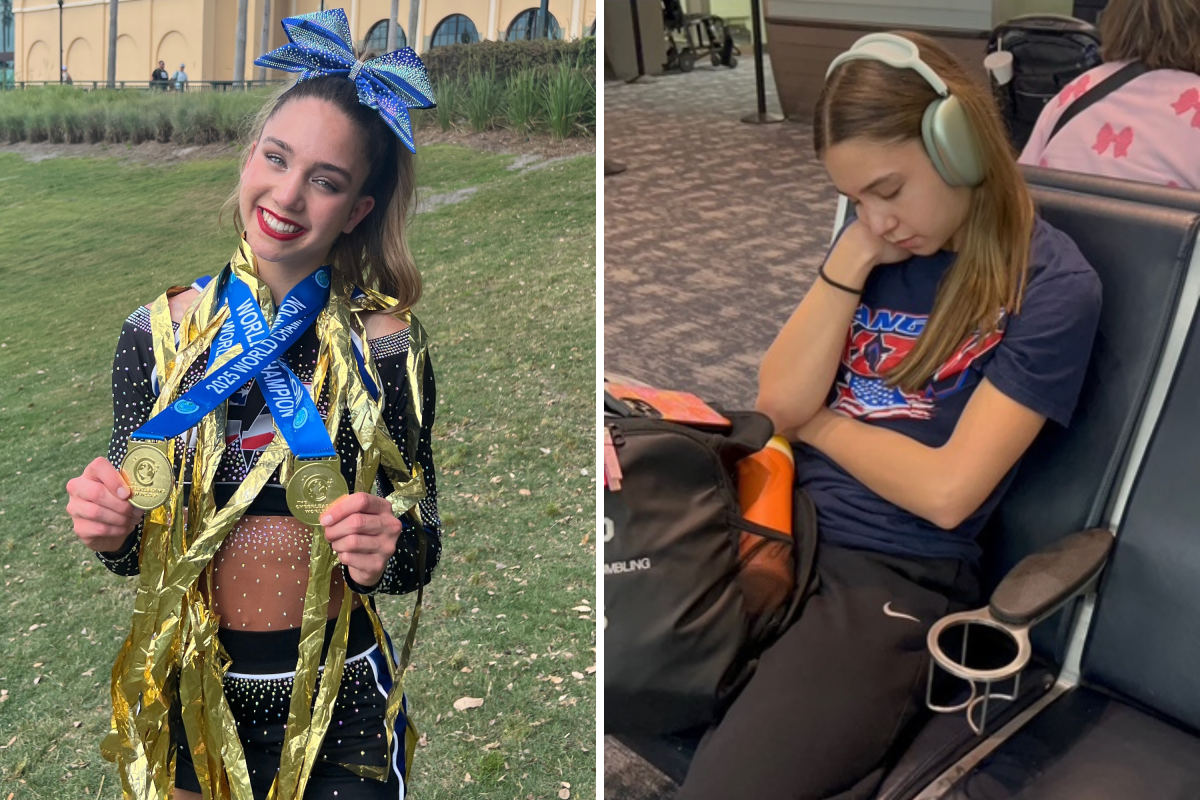
A young woman struggled with extreme tiredness and falling asleep during the day, despite getting enough rest at night. After many doctor visits, she was diagnosed with idiopathic hypersomnia, a rare sleep disorder, which later developed into narcolepsy. Medication now helps manage her symptoms, allowing her to enjoy activities like cheerleading again.
Key Facts
The woman experienced severe daytime sleepiness from ages 13 to 17.
Initial doctors did not find a clear cause and suggested psychological reasons.
A sleep study diagnosed her with idiopathic hypersomnia, causing uncontrollable sleepiness.
Her condition progressed to narcolepsy, which involves sudden sleep attacks and muscle weakness called cataplexy.
Cataplexy episodes were often triggered by strong emotions like relief.
She had to stop competitive cheerleading due to unpredictable sleep episodes.
In 2023, she started medication that helps regulate her sleep.
With treatment, she found a new cheerleading team where she became a two-time world champion.
Read the Original
Want the full story? Tap a source to open the original
article.
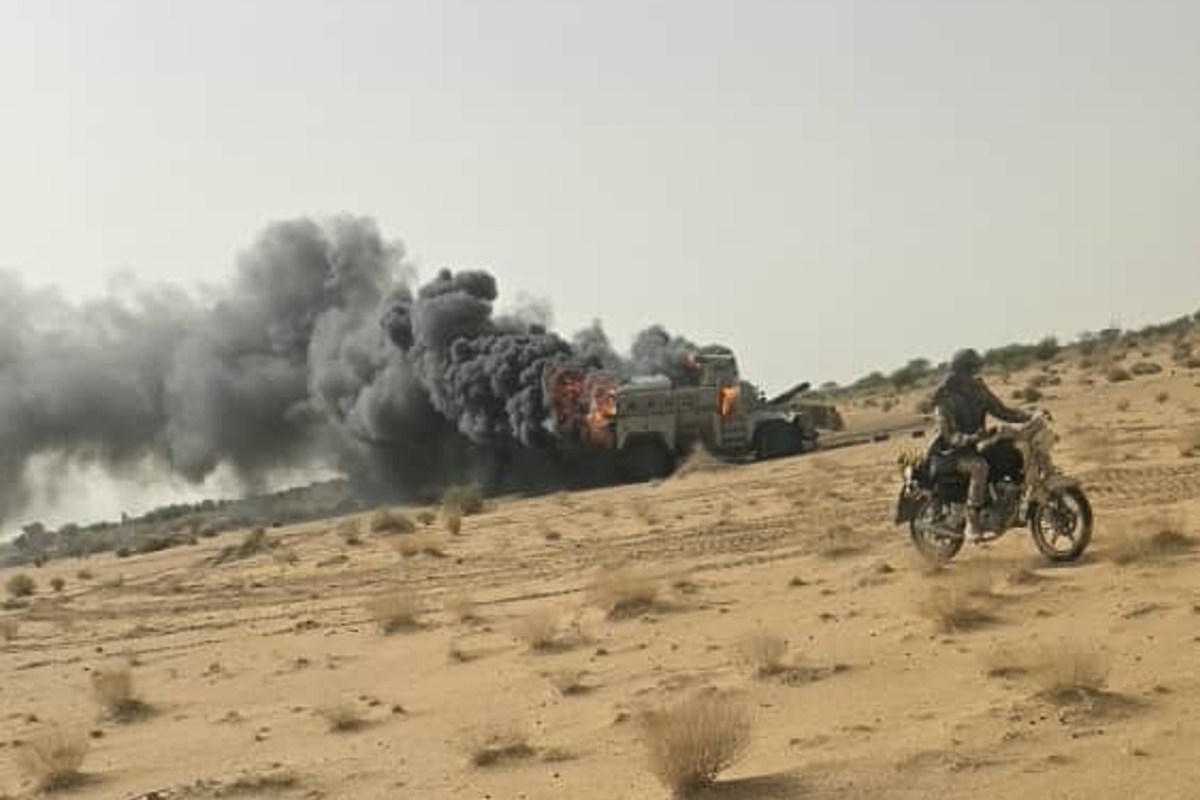
Militant groups linked to Al-Qaeda and ISIS are growing stronger in Africa's Sahel region, which has become a major center of global terrorism. U.S. Africa Command now sees this area as a serious threat, with militants aiming to attack the United States and its interests.
Key Facts
Over 59,700 people have died in the Sahel region due to Islamist militant violence in the last 10 years.
The Sahel accounted for more than half of the world’s terrorism deaths last year.
U.S. Africa Command calls Africa the "epicenter of global terrorism" because of active Al-Qaeda and ISIS groups.
Jama’at Nusrat al-Islam wal-Muslimin (JNIM), an Al-Qaeda affiliate, is especially dangerous and active in Burkina Faso, Mali, and Niger.
JNIM uses tactics like sieges and economic blockades to gain control in the region.
Al-Qaeda has historical roots in Africa dating back to the 1990s, with previous attacks such as the 1998 U.S. embassy bombings in Kenya and Tanzania.
JNIM coordinates with local groups like the Tuareg separatists and other Islamist factions to strengthen its influence.
Other related groups include Al-Qaeda in the Islamic Maghreb and Al-Shabaab, active in parts of North and West Africa.
Read the Original
Want the full story? Tap a source to open the original
article.
In early September 2001, the FBI gathered information about Zacarias Moussaoui, who was suspected of having ties to Islamic extremists and seeking unusual flight training. Despite these concerns, the FBI planned to deport him, and just 12 minutes before the first plane hit the World Trade Center on September 11, the FBI sent an email finalizing the deportation plans.
Key Facts
On September 5, 2001, the FBI warned the FAA in Minneapolis about a possible hijacking threat involving large airplanes.
FBI lawyers sent a detailed report about Moussaoui to multiple U.S. agencies and international FBI offices.
Moussaoui had no prior flight experience and sought flight training not typically given to pilots.
French authorities described Moussaoui as a radical Islamic fundamentalist and potentially dangerous.
Moussaoui traveled to Pakistan before arriving in the U.S., a common route for extremists training in Afghanistan.
The FBI report did not clearly say Moussaoui or others planned to hijack a plane.
Minneapolis agents worried Moussaoui might be released before deportation.
On September 11, at 8:34 a.m., the FBI headquarters emailed Minneapolis to finalize Moussaoui's deportation plan, just 12 minutes before Flight 11 hit the North Tower.
Read the Original
Want the full story? Tap a source to open the original
article.
A large group of people dressed in black and wearing masks blocked the road at the port of Dover in Kent, causing traffic delays and closures. Police and port officials are working to manage the situation and restore normal access.
Key Facts
Around 300 protesters dressed in black and wearing balaclavas blocked all roads in and out of Dover port.
The protest caused traffic jams up to four miles long and delays of up to 30 minutes on the A20 road.
Police are present and communicating with the protesters.
The port described the event as a “public order incident” affecting local travel and ferry operations.
Some local events, like the Dover Waterfront parkrun, were canceled due to safety concerns and roadblocks.
Local officials urged protesters to leave and highlighted ongoing efforts to reduce illegal small boat crossings.
Ferry companies DFDS and P&O said sailings were continuing and they would accommodate delayed passengers.
The protest was reported by far-right activist Tommy Robinson and described by some locals as a “stop the boats” demonstration.
Read the Original
Want the full story? Tap a source to open the original
article.
A mother orangutan and her baby were saved from a small area of forest caught in wildfires in West Kalimantan, Indonesia. This rescue is one of nine orangutans helped in the Ketapang district in less than a month.
Key Facts
The rescue happened in West Kalimantan, Indonesia.
Wildfires have been shrinking the forest where the orangutans live.
A mother orangutan and her infant were saved.
Nine orangutans have been evacuated in Ketapang district in under a month.
The threat to the forest is ongoing due to the fires.
Orangutan habitats are endangered by these forest fires.
Read the Original
Want the full story? Tap a source to open the original
article.
Mansour Abbas, leader of the Arab Israeli party Raam, has placed Yoav Segalovich, a Jewish Zionist and former police commander, second on Raam’s election list. This unusual partnership aims to change how Palestinian Arab votes influence Israeli politics by combining different political identities in one electoral group without changing Raam’s Islamist party structure.
Key Facts
Mansour Abbas is the leader of Raam, a conservative Islamist Arab party in Israel.
Yoav Segalovich is a Jewish Zionist former police major-general and deputy public security minister.
Segalovich joined Raam’s election list but is not a party member and can vote independently in parliament.
This cooperation is rare because it combines a Zionist Jewish politician with an Arab Islamist party.
Abbas aims to increase the political power that Palestinian citizens of Israel hold, beyond just winning seats.
Raam previously joined an Israeli coalition government in 2021 but lost influence after political changes and conflict in 2023.
Some Israeli parties still refuse to form coalitions with Raam despite its efforts.
Abbas’s move seeks to make Palestinian votes more influential in governing decisions by broadening alliances.
Read the Original
Want the full story? Tap a source to open the original
article.
Rescuers in Nepal saved a Chinese worker alive from a hydropower tunnel 10 days after severe flooding caused by a glacier collapse. This rescue is part of ongoing efforts where thousands of workers remain missing after floods killed at least 1,300 people.
Key Facts
The rescue happened at the Trishuli 3A hydropower plant in Nepal.
A joint team of Nepalese soldiers and South Korean disaster experts conducted the rescue.
The man was pulled from a 225-meter-long tunnel and flown by helicopter for medical checks.
Two Nepalese workers were also rescued from the same hydropower project the day before.
About 900 workers are still missing across 12 hydropower projects in Nepal.
Around 500 workers are believed trapped inside tunnels.
The floods occurred on August 26 and were likely caused by a glacier collapse.
The disaster has caused at least 1,300 deaths and left more than 5,000 people missing.
Read the Original
Want the full story? Tap a source to open the original
article.
Masked protesters are blocking access to the Port of Dover, causing traffic delays and stopping vehicles from entering or leaving the ferry terminal. Police are aware of the protest and are communicating with the demonstrators to manage the situation.
Key Facts
Protesters wearing black and face coverings are blocking traffic at the Port of Dover.
Kent Police are engaging with the protesters during the event.
Traffic is stopped in both directions on the A20 road near the port.
There are traffic jams up to four miles long with delays up to 30 minutes.
P&O Ferries is helping passengers catch the next available ferry if they miss their scheduled one.
The protest is affecting ferry and road access in Dover.
Read the Original
Want the full story? Tap a source to open the original
article.
The United Arab Emirates (UAE) President Sheikh Mohamed bin Zayed Al Nahyan has pardoned Egyptian activist and poet Abdul Rahman al-Qaradawi, who was sentenced to 10 years in prison in the UAE. Al-Qaradawi was arrested in Lebanon and extradited to the UAE, where he faced charges related to public security, but rights groups said his arrest was about free speech.
Key Facts
Abdul Rahman al-Qaradawi, an Egyptian poet and activist, was arrested in Lebanon in December 2024.
He was extradited to the UAE in January 2025 and charged with activities aimed at undermining public security.
On August 27, 2025, al-Qaradawi was sentenced to 10 years in prison and fined about $55,000 by the Abu Dhabi Federal Court.
A few days later, UAE President Sheikh Mohamed bin Zayed Al Nahyan issued a pardon for him.
It is unclear if al-Qaradawi has already been released following the pardon.
Al-Qaradawi is the son of Yusuf al-Qaradawi, a respected Sunni Muslim scholar influential in the Arab Spring movements.
Human rights groups and UN experts had urged his release, stating his detention was for exercising free speech rights.
Al-Qaradawi’s family expressed concern that Lebanon endangered his life by extraditing him to the UAE.
Read the Original
Want the full story? Tap a source to open the original
article.
An art exhibit in London shows tapestries that connect Muslim life today with Europe’s Islamic history. The artist Shahed Saleem created the works to tell stories about migration, belonging, and the challenges Muslim communities face, such as racism and immigration policies.
Key Facts
The exhibit is displayed under a 536-year-old Islamic-inspired wooden ceiling from Torrijos, Spain.
Artist Shahed Saleem created three large tapestries with themes about Muslim life and history in Europe.
One tapestry shows quotes from a 2013 UK government immigration campaign called the “Hostile Environment.”
Another tapestry features a portrait of Altab Ali, a young Muslim man killed in a racist attack in London in 1978.
The exhibit includes imagery about Spain’s history, including Columbus’s voyage and the Spanish Inquisition, which targeted Muslims and Jews.
Historian Tharik Hussain explains the period led to persecution and exile of Muslims and Jews in Spain.
The exhibit was created for the Victoria and Albert Museum’s new location in east London, reflecting local culture.
The artist aims to highlight ongoing issues like racism and xenophobia affecting Muslim communities today.
Read the Original
Want the full story? Tap a source to open the original
article.
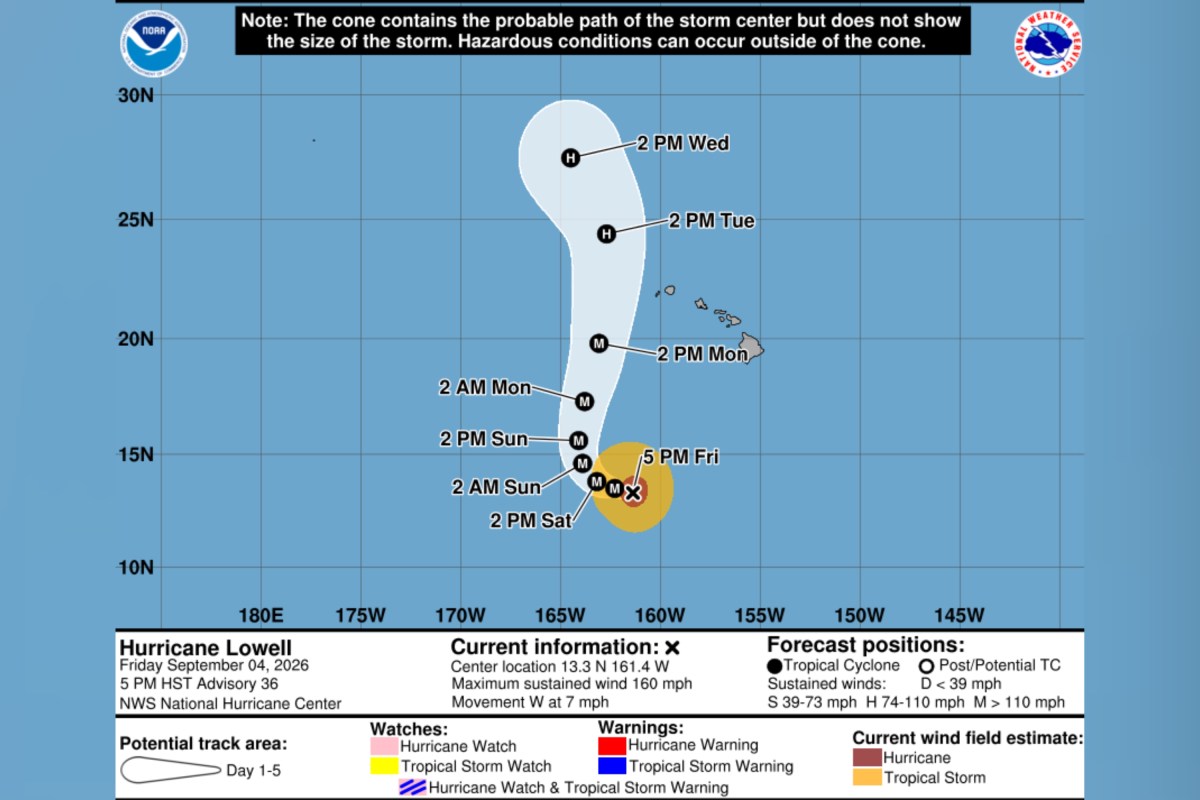
Hurricane Lowell has strengthened to a Category 5 storm with winds near 160 miles per hour. It is about 600 miles south-southwest of Honolulu and is expected to move near the western Hawaiian Islands soon, bringing risks of strong winds and storm surge.
Key Facts
Hurricane Lowell regained Category 5 strength, the highest level on the hurricane scale.
The storm is located about 600 miles south-southwest of Honolulu, Hawaii.
Maximum sustained winds are near 160 miles per hour.
Lowell is moving west at about 7 miles per hour.
Forecasters expect it to turn north or north-northeast on Sunday.
Additional strengthening is possible before the hurricane starts to weaken early next week.
The National Hurricane Center advises people in the Hawaiian Islands to watch the storm's progress.
Watches for parts of the western Hawaiian Islands might be issued soon.
Read the Original
Want the full story? Tap a source to open the original
article.
Niger’s government said that France encouraged soldiers to try a mutiny at a main military airbase last week. The mutiny happened in the capital, but the military leaders who took control in 2023 have remained in power.
Key Facts
The mutiny took place at an important military airbase in Niger’s capital city.
Soldiers attempted to overthrow the current military rulers during this mutiny.
Niger’s military junta has been in control since 2023.
Niger’s government accused France of encouraging the soldiers to launch this attack.
The clashes at the airbase happened last week.
The military leaders have not been removed from power after the attempt.
Read the Original
Want the full story? Tap a source to open the original
article.
President Donald Trump has sent his envoys Steve Witkoff and Jared Kushner to Moscow and Kyiv with a new plan to try to end the war between Russia and Ukraine. Ukrainian President Volodymyr Zelenskyy welcomed their visit and promised to avoid attacks on Russia while the envoys are in Ukraine.
Key Facts
President Trump sent Steve Witkoff and Jared Kushner as envoys to Russia and Ukraine with a peace proposal.
The war began in 2022 when Russia invaded Ukraine.
Ukrainian President Zelenskyy said they will keep the visit peaceful and seek real options to end the war.
Witkoff and Kushner previously met with Russian President Vladimir Putin in December 2025 for talks that did not end the conflict.
President Trump has publicly said he is committed to achieving a peace deal between Russia and Ukraine.
The renewed peace effort comes amid ongoing missile and drone attacks between the two countries.
Just before the announcement, a Russian drone hit Ukraine’s Security Service headquarters in Kyiv.
The war in Ukraine continues despite past and current peace efforts.
Read the Original
Want the full story? Tap a source to open the original
article.
Israel and Hezbollah continue to fight over Ali Taher hill in southern Lebanon, even after a ceasefire started a few months ago. Israel’s military says it now controls the hill and a network of tunnels used by Hezbollah to protect fighters and weapons. Hezbollah has not accepted disarmament talks and has not responded to Israel’s claim.
Key Facts
A ceasefire between Israel and Hezbollah began more than two months ago.
Ali Taher hill is a strategic location near the southern city of Nabatiyeh, Lebanon.
Hezbollah uses tunnels beneath Ali Taher hill to shelter fighters and weapons.
Israel’s military claims “operational control” of the hill and the tunnels.
Hezbollah continues to attack Israeli forces with drones from the area.
The United States is mediating talks to disarm Hezbollah and has requested the hill be handed over to the Lebanese army.
Hezbollah refuses to hand over the hill, fearing Israel could take control afterward.
Israel occupied Ali Taher hill for 18 years before withdrawing in 2000.
Read the Original
Want the full story? Tap a source to open the original
article.
Philippines Vice President Sara Duterte posted bail after a court issued an arrest warrant against her for allegedly threatening to arrange the assassination of President Ferdinand Marcos Jr. and two others. Duterte has denied the charges and said she will fight them in court.
Key Facts
The arrest warrant was issued due to alleged public threats of assassination against President Marcos Jr. and two other people.
Duterte posted bail of 360,000 pesos (about $5,740) and complied with court fingerprinting.
The incident took place at Quezon City Regional Trial Court in Metro Manila.
Duterte expressed feeling unsafe and claimed police have been harassing her and her home since 2023.
Her lawyers said she has no intention to evade the law and will use all legal options to fight the charges.
Supporters gathered outside the court, showing strong backing for Duterte.
The case is viewed as part of a political conflict involving Duterte and the current administration.
The charges date from comments Duterte made during an online news conference.
Read the Original
Want the full story? Tap a source to open the original
article.
The USS Abraham Lincoln aircraft carrier arrived in Thailand showing signs of rust and wear after being at sea for about nine months. Military experts say the long deployment is not common, but the ship’s condition is expected given the time spent at sea supporting the US-Israel conflict involving Iran.
Key Facts
The USS Abraham Lincoln is a US Navy aircraft carrier.
It docked in Thailand recently with visible rust and wear.
The ship has been at sea for about nine months continuously.
During this time, it was supporting US military operations related to the conflict between Israel and Iran.
Military experts say the long deployment is unusual but the rust and wear are normal under the circumstances.
The appearance of the ship caused some public criticism.
The ship's condition reflects the challenges of long deployments at sea.
Read the Original
Want the full story? Tap a source to open the original
article.