Neutral summaries of your favorite news sources — just the facts.
Your favorite news sources, one neutral feed — we distill their reporting into fact-first
summaries and always link to the original story. How it works
World News
Comprehensive coverage of international news and global events
A 31-year-old American tourist named Mackenzie Michalski was killed while vacationing in Budapest, Hungary. The police caught a 37-year-old Irish man who confessed to the killing, saying it was an accident during a private encounter.
Key Facts
Mackenzie Michalski went missing on November 5 after last being seen at a nightclub in central Budapest.
The suspect, an Irish citizen aged 37, was arrested on November 7 and confessed to killing her.
Police found evidence that the suspect tried to hide the body in a wardrobe and later put it in a suitcase before disposing of it near Lake Balaton.
The suspect had searched online about how to dispose of a body, police work, and the presence of wild animals in the area before being caught.
Michalski was a nurse practitioner from Portland, Oregon, who worked in neurosurgery.
Her family and friends started a public search and held a candlelight vigil in Budapest.
The exact cause of death has not yet been determined, as investigations are ongoing.
Michalski’s family traveled to Hungary to assist with the search but learned of her death while en route.
Read the Original
Want the full story? Tap a source to open the original
article.
A 31-year-old American nurse named Mackenzie Michalski was killed while on vacation in Budapest, Hungary. Hungarian police arrested a 37-year-old Irish man who confessed to killing her during a private encounter and later tried to hide the crime.
Key Facts
Mackenzie Michalski was last seen on November 5 at a nightclub in central Budapest.
She was reported missing, prompting a police investigation and a Facebook group to help find her.
Police arrested a 37-year-old Irish man on November 7, who met Michalski at a nightclub that night.
The suspect said the killing happened accidentally during an "intimate encounter."
He tried to hide her body by cleaning the apartment, putting the body in a suitcase, and dumping it near Lake Balaton.
The suspect confessed and led police to the body’s location outside the town of Szigliget.
Police found internet searches by the suspect about how to dispose of a body and police procedures.
Michalski was a nurse practitioner, and her family is currently in Budapest.
Read the Original
Want the full story? Tap a source to open the original
article.
Chris Abrunzo, who had a family history of heart disease, believed he was healthy based on regular checkups and tests. However, a newer heart scan called a cardiac CT angiogram showed dangerous plaque buildup in his arteries that other tests missed. After treatment, his artery blockage decreased, lowering his risk of a heart attack.
Key Facts
Chris Abrunzo’s father had a serious heart attack, motivating Chris to monitor his heart health.
Regular tests showed Chris was healthy except for high cholesterol, which he treated with medicine.
A cardiac CT angiogram provides detailed 3D images of the heart and arteries without surgery.
This scan detected plaque buildup and about 70% blockage in one artery, which other tests had missed.
Chris adjusted his treatment and lifestyle, which improved his artery blockage to about 40%.
Cardiac CT angiograms can find smaller blockages (20-30%) that often cause heart attacks.
The test also helps identify vulnerable plaque, which is more likely to rupture and cause sudden heart attacks.
Use of cardiac CT angiograms has grown recently, and medical guidelines now recommend them for evaluating heart risk.
Read the Original
Want the full story? Tap a source to open the original
article.
Jill Becher suffered from severe pain for three years without a clear diagnosis. She was eventually diagnosed with glossopharyngeal neuralgia, a rare nerve condition that causes intense pain in the throat, tongue, ear, and tonsils.
Key Facts
Jill Becher had ongoing sharp pain in her ear, throat, and under her tongue for three years.
Many doctors could not diagnose her condition during that time.
She was diagnosed with glossopharyngeal neuralgia, a rare disorder affecting 2 to 7 people per million.
This condition is caused by blood vessels pressing on the glossopharyngeal nerve, which controls sensation and movement in parts of the throat and tongue.
Glossopharyngeal neuralgia is sometimes called the "Suicide Disease" due to the intense pain it causes.
Diagnosis often requires an MRI to see the pressed nerve.
Treatment can include medication or surgery to relieve pressure on the nerve.
Becher had brain surgery to move the blood vessel, but it increased her pain before she received further treatment.
Read the Original
Want the full story? Tap a source to open the original
article.
The article discusses a comedy-horror movie called "Housebound," which follows a young woman who is put under house arrest in her childhood home. As she stays there, she starts to believe that something evil may be hidden inside the house. The film includes strong language, graphic violence, and some upsetting scenes.
Key Facts
"Housebound" is a comedy-horror movie.
The main character is a young woman under house arrest.
She is confined to her childhood home.
Strange events make her think there is something evil in the house.
The movie was first shown in 2014.
The film includes strong language and graphic violence.
"Housebound" is available to watch for 9 months.
Read the Original
Want the full story? Tap a source to open the original
article.
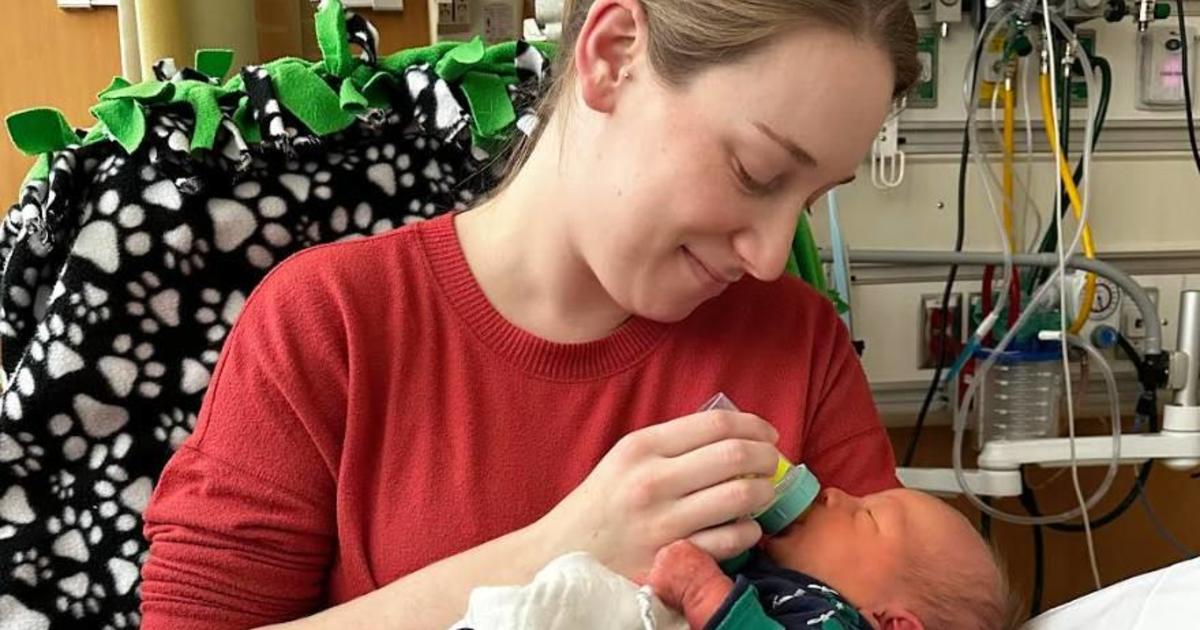
A pregnant woman, Allison Misconin, discovered she had ovarian cancer during a 20-week ultrasound. She underwent surgery to remove the cancerous mass and later gave birth to a healthy baby.
Key Facts
Allison Misconin was initially told an ovarian cyst during early pregnancy was normal.
At 20 weeks, the cyst was labeled suspicious, leading to a referral to an oncologist.
Misconin, who works as an oncology social worker, prioritized her baby's health.
She had laparoscopic surgery between 14 and 20 weeks of pregnancy to remove the mass and affected ovary.
The mass was cancerous, but the surgery prevented the cancer from spreading.
She delivered a healthy baby boy at 37 weeks.
A second surgery found no remaining cancer.
Early detection of ovarian cancer is rare, especially during pregnancy, because symptoms are often vague.
Read the Original
Want the full story? Tap a source to open the original
article.
Jeremy Clarkson tells the story of the Arctic convoys during World War II, which were missions to deliver important war supplies to the Soviet Union through Arctic waters. The article focuses on a disaster involving one of these convoys, known as PQ17.
Key Facts
Jeremy Clarkson discusses the Arctic convoys of World War II.
These convoys transported war supplies to the Soviet Union.
The route went through the Arctic Sea.
The article highlights a major disaster involving convoy PQ17.
PQ17 faced significant challenges due to enemy attacks and harsh conditions.
Read the Original
Want the full story? Tap a source to open the original
article.
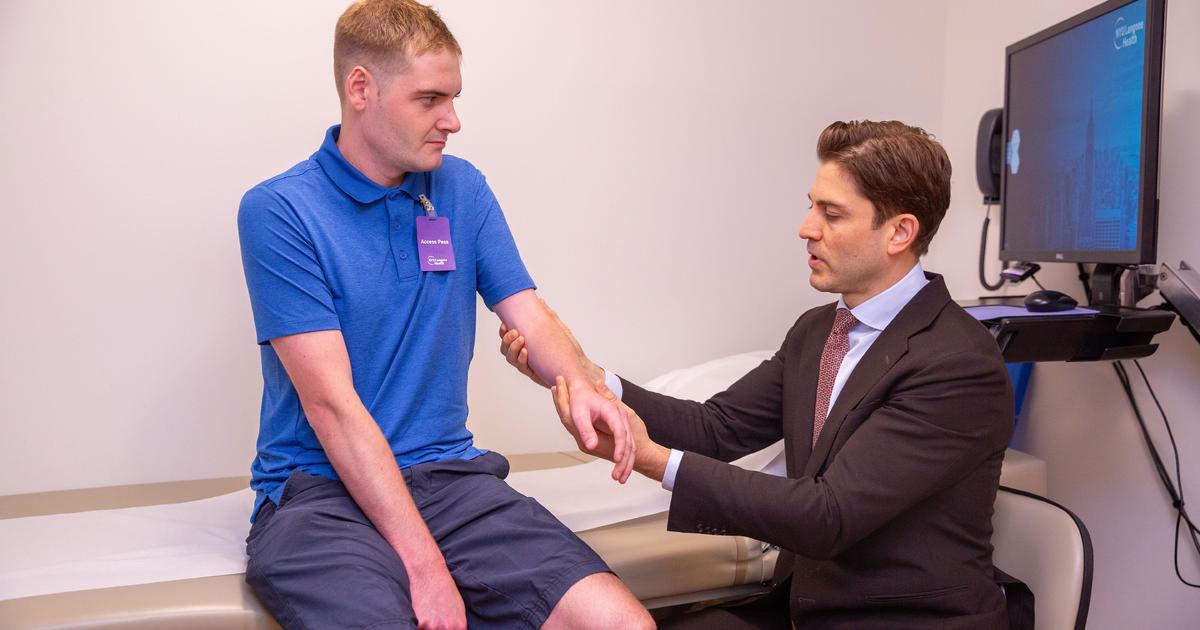
Tyler Theroux was born with a brachial plexus injury that caused pain and limited use of his left arm. After many treatments and worsening symptoms, a complex surgery offered hope for improving his condition.
Key Facts
Tyler Theroux’s injury affects the brachial plexus, a group of nerves controlling the shoulder, arm, and hand.
His left arm was painful and unusable, making daily tasks difficult.
He experienced bullying and eventually was homeschooled because of the injury.
The condition worsened after a fall on ice, leaving him mostly bedridden for two years.
Brachial plexus birth injuries occur in about 2 to 3 out of every 1,000 births.
Severe injuries often need surgery, which can be complex and may not fully restore function.
Few doctors specialize in peripheral nerve surgery, making treatment challenging.
Therapies tried included surgeries and physical therapy, but results were limited until he found surgeons at NYU Langone.
Read the Original
Want the full story? Tap a source to open the original
article.
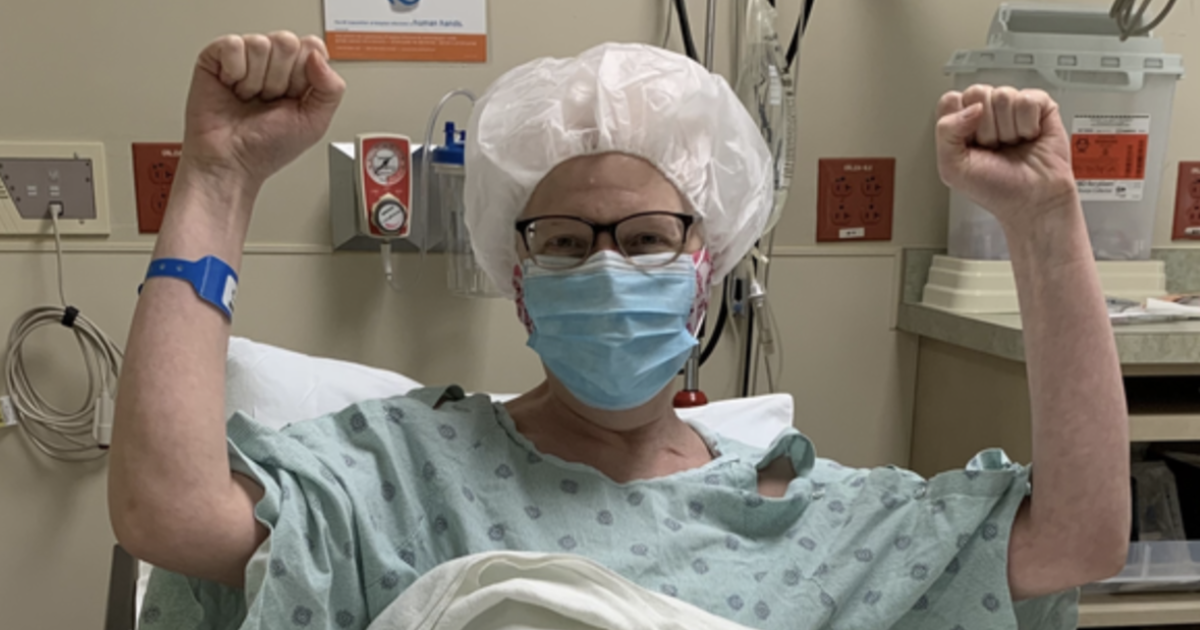
Morgen Chesonis-Gonzalez skipped her regular cancer screening in 2020 due to the COVID-19 pandemic but later found a lump that led to a diagnosis of two types of breast cancer in the same breast. She underwent chemotherapy, surgery, radiation, and therapy, and after extensive treatment, she is now in recovery and continuing maintenance therapy.
Key Facts
Chesonis-Gonzalez missed her annual cancer screening during the 2020 pandemic like many Americans.
She was diagnosed with two kinds of breast cancer in her left breast: triple-negative and hormone receptor positive invasive ductal cancer.
Having two types of breast cancer at once is rare, occurring in about 5-6% of breast cancer patients.
Treatment included four months of chemotherapy, a bilateral mastectomy (removal of both breasts), physical therapy, and daily radiation therapy.
Surgery included placing tissue expanders to prepare for future breast reconstruction with implants.
After about ten months of treatment, no signs of cancer remained in samples taken from her.
She is now finishing maintenance endocrine therapy, which helps prevent the return of cancer.
Mammograms are important for early detection, and women should start regular screenings at age 40 or earlier if at higher risk.
Read the Original
Want the full story? Tap a source to open the original
article.
Katherine Ryan hosts a program honoring the late comedian Joan Rivers on the BBC. The show, titled "Joan Rivers at the BBC," celebrates her influence and achievements in comedy. The program is available for viewing from September 8, 2024, for 24 days.
Key Facts
Katherine Ryan hosts the show about Joan Rivers on the BBC.
The show is called "Joan Rivers at the BBC."
It highlights Rivers' significant impact on comedy.
The program first aired at 10 pm on September 8, 2024.
Viewers can watch the program for a period of 24 days.
Joan Rivers is referred to as "the first lady of laughter."
The program includes adult humor.
Read the Original
Want the full story? Tap a source to open the original
article.
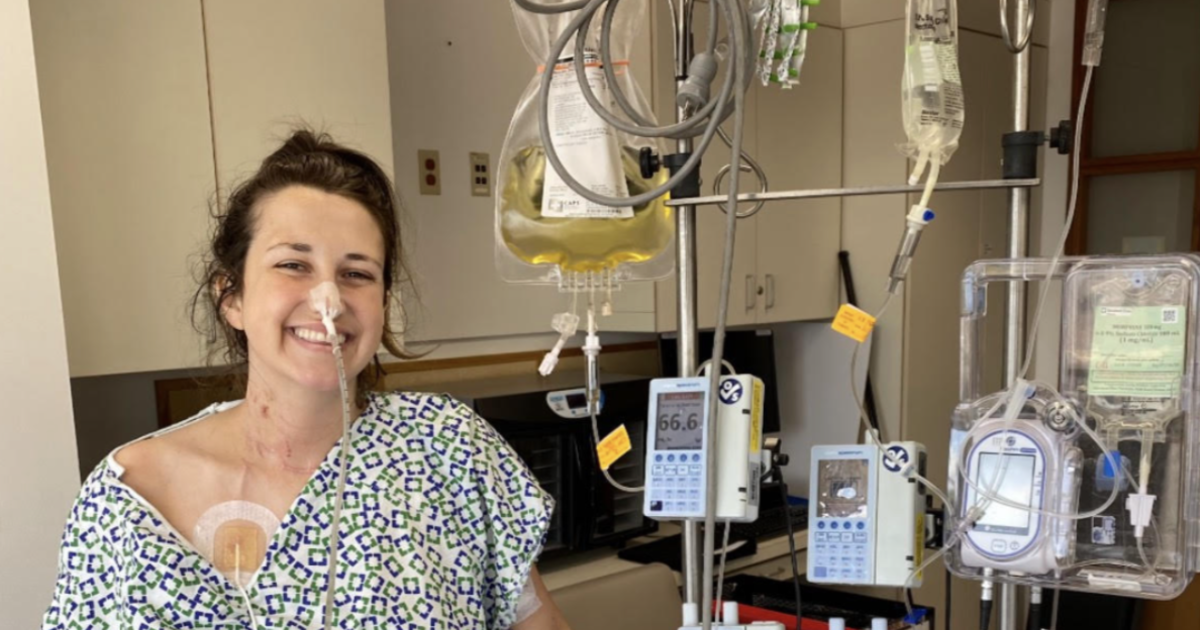
Danielle Perea, 24, was diagnosed with a rare and life-threatening condition called mesenteric ischemia after passing blood and severe stomach pain. She received a rare intestinal transplant at the Cleveland Clinic, which saved her life after doctors initially found her intestines had died.
Key Facts
Danielle Perea was initially misdiagnosed despite severe symptoms of blood in vomit and stomach pain.
She was found to have a blood clot causing mesenteric ischemia, leading to tissue death in her intestines.
Doctors told her family she had about 24 hours to live due to extensive necrotic tissue.
Perea was placed in hospice care but maintained stable health for over a week.
Her family contacted the Cleveland Clinic, which has the largest intestinal transplant program in the US.
Intestinal transplants are very rare, with 95 done last year in the US, compared to thousands of liver and heart transplants.
Intestinal transplants have a high rejection rate, but survival rates have improved to 82% after one year as of 2022.
Perea spent over a year on IV nutrition before her transplant was completed and she began recovery.
Read the Original
Want the full story? Tap a source to open the original
article.
Several celebrities, including Sienna Miller and Hugh Grant, gave testimony about phone hacking by some major UK newspapers. The allegations involve illegal gathering of private information.
Key Facts
Celebrities such as Sienna Miller, Hugh Grant, and Steve Coogan have shared their experiences.
They claim some UK newspapers gathered personal information unlawfully.
This issue involves significant newspapers in the UK.
The testimony is part of a broader investigation into phone hacking.
The episode featuring their testimony lasts 1 hour and 32 minutes.
It first aired on June 15, 2023.
The episode will be available for over a year.
Read the Original
Want the full story? Tap a source to open the original
article.
Derek Stefureac was diagnosed with multiple sclerosis (MS), a disease that affects the nervous system, at age 39. After quitting smoking, he began running to improve his health and has since completed marathons on every continent, even managing to improve his condition.
Key Facts
Multiple sclerosis is a disease where the immune system attacks nerve coverings, causing problems in body and brain communication.
Stefureac first had a seizure-like episode at work and was later diagnosed with MS.
Doctors recommended healthy living and exercise as ways to slow disease progression.
Stefureac started jogging after quitting smoking and has now run 36 marathons, including in Antarctica and on Mount Everest.
His neurologist said Stefureac showed signs of neurological problems and spinal lesions that usually indicate more disability.
Exercise can help people with MS by improving nervous system function and reducing other health risks.
Stefureac’s case is unusual because his symptoms have improved over time, which is rare in MS.
He continues to take medication and exercise to manage his MS.
Read the Original
Want the full story? Tap a source to open the original
article.
Iran International is a news channel based in London that reports on events in Iran. The channel is banned in Iran and has faced intimidation and death threats because of its coverage.
Key Facts
Iran International is a news outlet based in London.
The channel is banned in Iran and cannot legally operate there.
Iran International provides news and information for people living in Iran.
The outlet has become well-known among Iranians despite the ban.
Staff and journalists associated with Iran International have received threats.
These threats include intimidation and death warnings.
The situation highlights tensions between independent media and the Iranian government.
Read the Original
Want the full story? Tap a source to open the original
article.
A new museum honors Captain Chesley "Sully" Sullenberger and his role in safely landing US Airways Flight 1549 on the Hudson River over 15 years ago. All 155 people on the plane survived the emergency landing after the aircraft hit a flock of geese.
Key Facts
US Airways Flight 1549 made an emergency landing on the Hudson River more than 15 years ago.
The plane hit a flock of geese, which caused engine failure.
Captain Chesley "Sully" Sullenberger piloted the plane during the emergency.
All 155 passengers and crew survived the water landing.
A new museum has been opened to remember Captain Sullenberger’s actions on that day.
The museum highlights the emergency landing and rescue efforts on the Hudson River.
The event is known as an example of skilled airmanship and quick decision-making.
Read the Original
Want the full story? Tap a source to open the original
article.
The article discusses the Vasa galleon, a ship from the 17th century that sank in the Baltic Sea. Archaeologists, divers, and historians continue to study the well-preserved ship, which was raised from the sea in 1961, to uncover new findings about its history.
Key Facts
The Vasa galleon is a 17th-century ship.
It sank in the Baltic Sea and was later raised in 1961.
The ship is notably well-preserved due to the cold, low-salinity water of the Baltic.
Archaeologists, divers, and historians are involved in its study.
New discoveries about the ship are still being made today.
Read the Original
Want the full story? Tap a source to open the original
article.
A Scottish mockumentary called "How Not to Win Eurovision" follows two brothers, Conor and Tommy Reilly, who try to enter the Eurovision Song Contest by representing San Marino since Scotland does not have its own entry. The show aired on May 8, 2023, and is available to watch on BBC iPlayer.
Key Facts
The mockumentary is called "How Not to Win Eurovision."
It features brothers Conor and Tommy Reilly.
They try to enter the Eurovision Song Contest for San Marino.
Scotland does not have a separate Eurovision entry.
The show first aired on May 8, 2023, at 10:30 pm.
It is available on BBC iPlayer for over a year.
The program includes strong language.
It is a 28-minute long episode.
Read the Original
Want the full story? Tap a source to open the original
article.
A total solar eclipse will happen on April 8, 2024, passing through 15 U.S. states and briefly darkening the sky for about 32 million people. During the eclipse, the moon will block the sun completely in a narrow path, creating unique effects like darkening skies, animal confusion, and cooler wind.
Key Facts
The April 8 eclipse is called the Great American Eclipse because it crosses densely populated areas.
A total solar eclipse happens when the moon moves exactly between the sun and the Earth, casting a shadow about 100 miles wide.
The sun and moon appear the same size in the sky due to a coincidence in their sizes and distances from Earth.
The eclipse causes noticeable changes in the environment, such as wind picking up, animals acting strangely, and streetlights turning on.
Jonesboro, Arkansas, expects its population to double to about 160,000 for the eclipse event, with local authorities preparing for the large crowds.
Special eclipse glasses are needed to safely view the sun before and after totality, but during the full eclipse, it is safe to remove them briefly.
Photographers are advised to experience the eclipse with their eyes first and take photos on later occasions to avoid missing the moment.
Hotels and travel services are experiencing high demand as people travel to see the eclipse.
Read the Original
Want the full story? Tap a source to open the original
article.
This content from the BBC mentions a program discussing protein and its importance in our diet. It questions whether people need to be concerned about the amount of protein they consume.
Key Facts
The topic of protein and its dietary importance is gaining attention.
The program "Protein: Powerhouse or Piffle?" was released on March 27, 2024.
The program is available on BBC Sounds.
The discussion focuses on whether people should be concerned about their protein intake.
Read the Original
Want the full story? Tap a source to open the original
article.
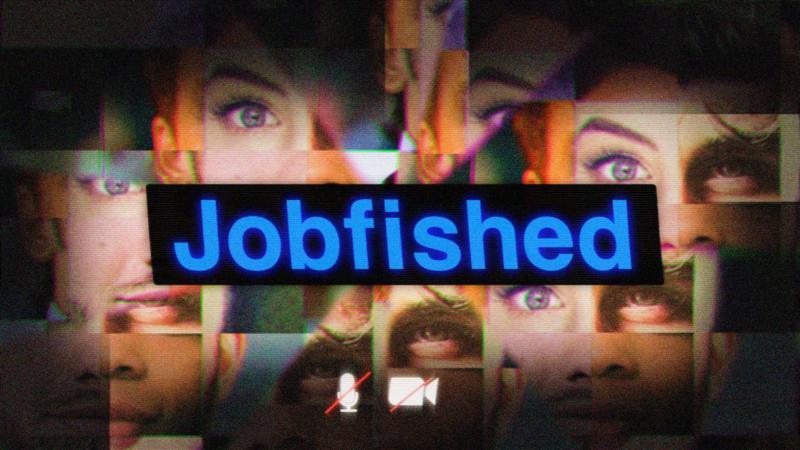
Catrin Nye investigated a fake design company that deceived its employees by creating an online presence with fake profiles and stolen work. The employees believed the company was real and worked for it, unaware they were part of a scam.
Key Facts
The investigation was conducted by a journalist named Catrin Nye.
The company was a design firm that was not actually real.
The company created fake profiles and stole work to appear legitimate.
The employees were tricked into thinking they worked for a genuine company.
The article highlights the digital deception used in this scam.
The investigation aired on February 21, 2022.
The fake company scammed dozens of people.
Read the Original
Want the full story? Tap a source to open the original
article.