Mike D, a member of the Beastie Boys rap-rock group, has released his first solo album called "Thank You." This is his first solo work since the death of fellow band member MCA in 2012. Mike D talked about making music alone, working with his sons, and being inspired by the rock band The Hives.
Key Facts
Mike D is known for being part of the Beastie Boys, a rap-rock band from New York.
The Beastie Boys started in the 1980s with fun, party-themed songs.
Over time, the group focused more on creative music making using beats and samples.
MCA (Adam Yauch), a member of the Beastie Boys, passed away in 2012.
Mike D is the first member of the Beastie Boys to release a solo album after MCA's death.
The solo album is called "Thank You."
Mike D worked with his sons during the making of this album.
He was inspired by the Swedish rock band The Hives while creating his solo music.
Read the Original
Want the full story? Tap a source to open the original
article.
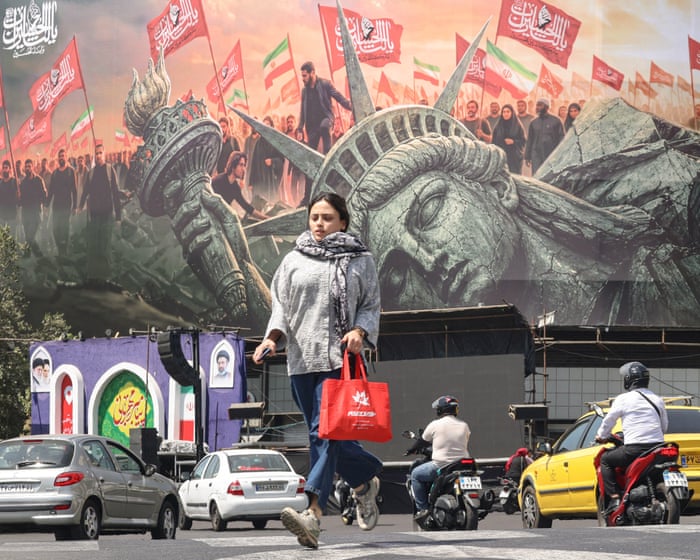
An Iranian drone caused damage to a residential building in Kuwait City. No people were hurt in the attack. Iran has been targeting US military sites in several Middle Eastern countries as a response to US actions against Iran.
Key Facts
An Iranian drone damaged a residential building in Kuwait City.
No casualties were reported from the attack.
Iran has targeted US military locations in Kuwait, Bahrain, Jordan, and the UAE.
These attacks are in response to US military strikes on Iran.
The damaged building was used for living, not military purposes.
Kuwait is one of several countries affected by these drone attacks.
Tensions between Iran and the US have increased due to these strikes and retaliations.
Read the Original
Want the full story? Tap a source to open the original
article.
Inger Andersen, a top official at the United Nations Environment Programme, said that global warming above 1.5°C is now unavoidable due to long delays in reducing carbon emissions. She explained that while cutting emissions is still important, the world must also prepare for ongoing glacier melting and rising sea levels that will affect vulnerable communities and ecosystems.
Key Facts
Global warming above 1.5°C is now certain because of past delays in reducing carbon emissions.
The exact degree and duration of warming will determine the impact on people and nature.
Glacier melting and sea level rise will continue even if emissions go down.
Both reducing emissions (mitigation) and adjusting to changes (adaptation) are necessary.
Inger Andersen is the Under-Secretary-General of the United Nations and head of the UNEP (United Nations Environment Programme).
The article was released on March 9, 2026.
The message warns that these environmental challenges cannot be left for future generations to handle alone.
Read the Original
Want the full story? Tap a source to open the original
article.
Four schools near Middlesbrough will close early on Friday because a funeral for one of five young men killed in a crash is expected to cause large crowds and traffic problems. The crash happened on August 22 when a car driving the wrong way hit a police car, killing seven people, including two officers.
Key Facts
The funeral is for Jakub Matusiak, 23, one of five young men killed in a crash on the A66.
The crash involved a Volkswagen Passat traveling the wrong way and a marked police car.
Two police officers, PC Matthew Blades (37) and PC Tom Clough (38), also died in the crash.
Four schools, including South Bank Primary School and Outwood Academy Normanby, will close early due to safety and traffic concerns.
The funeral is expected to draw large crowds and cause traffic delays from 3pm to 5pm in the South Bank and surrounding areas.
Cleveland Police and local authorities are working on traffic management and public safety plans for the funeral event.
The Mackenzie Thorpe Centre will be closed all day, and some special needs children may be collected earlier from other schools.
Headteachers and the council decided early school closures to reduce transport problems and support pupil wellbeing.
Read the Original
Want the full story? Tap a source to open the original
article.
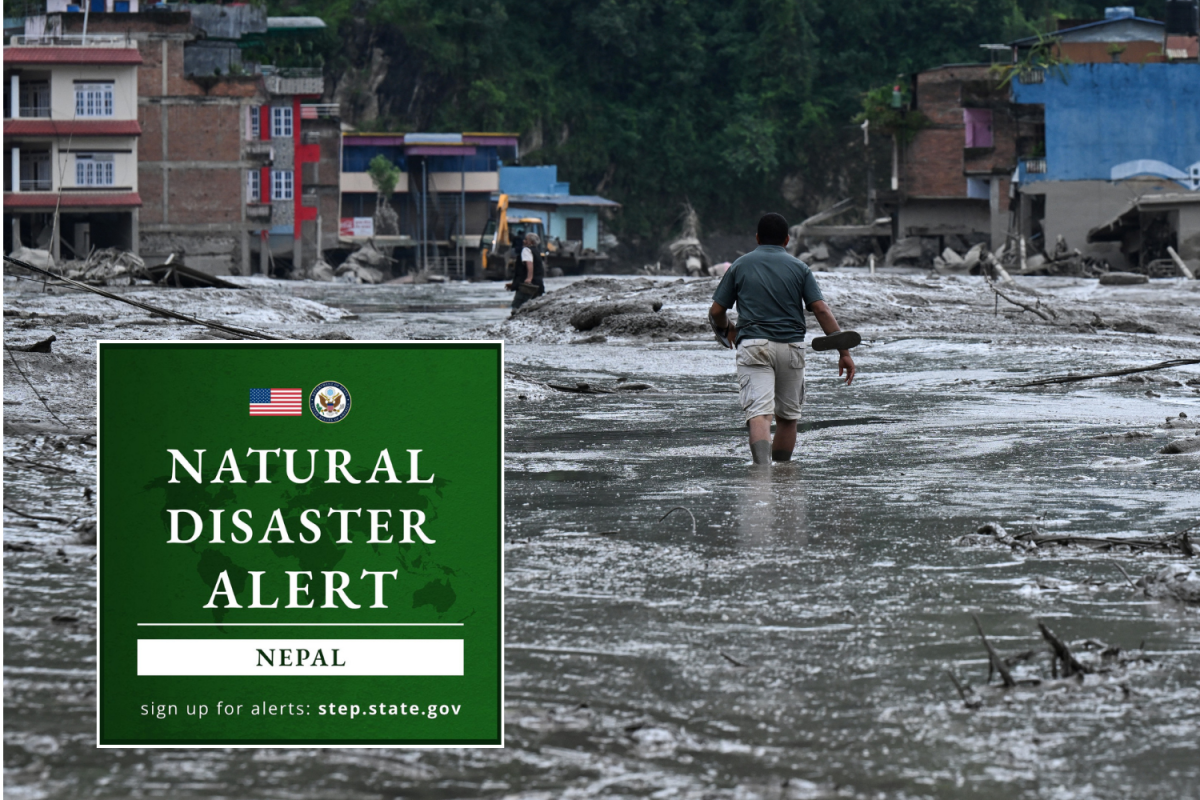
Heavy flash floods in Nepal damaged bridges over the Trishuli river, leaving many people trapped and cut off from help. Authorities set up a temporary zip line to rescue stranded residents and provide urgent supplies like medicine and food.
The crew of the USS Abraham Lincoln, an American aircraft carrier, has returned to land after spending 286 days at sea. The long mission was difficult, with reports of tough living conditions for the sailors.
Key Facts
The USS Abraham Lincoln crew spent 286 days continuously at sea.
Sailors faced hard and challenging conditions during the deployment.
The USS Abraham Lincoln is a U.S. Navy aircraft carrier.
The crew was finally able to leave the ship and reach land after the mission.
The deployment length is considered long and demanding for Navy personnel.
Read the Original
Want the full story? Tap a source to open the original
article.
Italy’s Prime Minister Giorgia Meloni is celebrating her government as the longest-lasting since World War II with a public event in Bari. Meanwhile, a new far-right political leader, Roberto Vannacci, is gaining support with extreme views, challenging Meloni’s position from the right side of the political spectrum.
Key Facts
Giorgia Meloni’s government is the longest-running in Italy since World War II.
A large celebration event for this milestone is planned in Bari, Southern Italy.
Meloni leads the right-wing Brothers of Italy party, still Italy’s biggest party.
Roberto Vannacci, a former army general, launched the far-right party Futuro Nazionale in 2024.
Vannacci’s party has grown to about 8% in polls, surpassing some established parties like the League and Forza Italia.
Vannacci published a book containing racist, homophobic, Islamophobic, and antisemitic content, which led to losing his army job but gained him public attention.
His party’s policies include banning gay people from TV during certain hours, opposing abortion rights, military education in schools, and a plan to remove illegal immigrants and foreigners who commit crimes.
Vannacci opposes aid for Ukraine and favors Vladimir Putin over Ukrainian president Volodymyr Zelenskyy.
Read the Original
Want the full story? Tap a source to open the original
article.
The UK version of RuPaul's Drag Race is entering its eighth season with a new group of performers inspired by the show. Contestants say drag requires passion and effort, and some face challenges like high costs preparing for the competition and fewer opportunities in live shows.
Key Facts
Drag Race UK has been running for seven years and continues with season eight.
Many new contestants grew up watching RuPaul's Drag Race, calling themselves "Generation Ru."
Mocha, a 26-year-old contestant, started drag motivated by the show and sees drag as combining many talents like singing, dancing, and fashion.
Contestant Flesh is friends with last season's winner and feels pressure to prove herself this year.
Naya Thorn, the youngest contestant at 23, says preparing for the show is expensive, which might stop talented queens from competing.
Rising costs have led to fewer people attending live drag shows in the UK.
Contestants appreciate the TV show for spreading drag culture but note real-life opportunities do not match the show's fame and expectations.
The prize for the winner includes £25,000 and the title of Drag Race UK Superstar.
Read the Original
Want the full story? Tap a source to open the original
article.
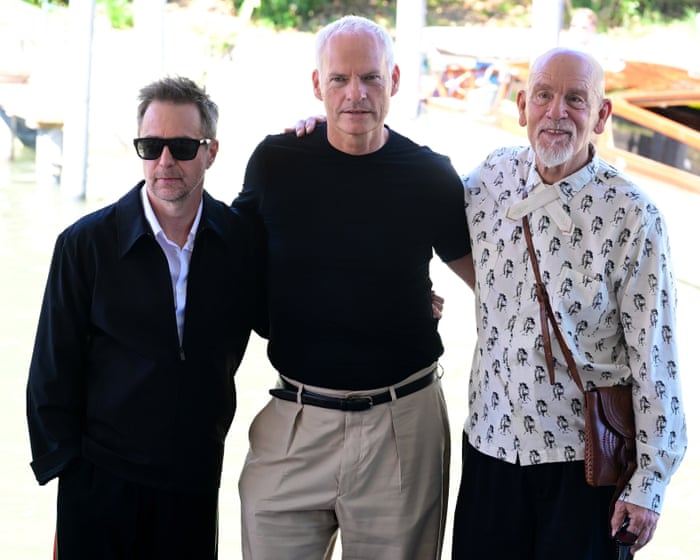
Martin McDonagh, a playwright and filmmaker, highlights the CIA's history of interfering in democracies globally, as shown in his new film Wild Horse Nine. The movie follows a CIA agent’s reflections on secret US actions, such as the 1973 Chile coup, showing a critical view of past and present political events.
Key Facts
Martin McDonagh’s new film Wild Horse Nine premiered at the Venice film festival.
The film’s main character is a CIA agent stationed in Chile during the 1973 US-backed coup against President Salvador Allende.
The story includes reflections on other CIA interventions like the 1954 Guatemalan coup and the killing of Congolese leader Patrice Lumumba.
The film suggests a connection to the assassination of US President John F. Kennedy.
McDonagh believes the CIA’s actions abroad are not discussed enough compared to other intelligence services like the KGB.
The lead actor, John Malkovich, is regarded as an Oscar contender for his role in the film.
McDonagh criticizes the lack of secrecy in recent US covert operations, mentioning the 2024 capture attempt of Venezuelan President Nicolás Maduro.
The film aims to reflect on both past CIA actions and current global political issues.
Read the Original
Want the full story? Tap a source to open the original
article.
Iran has carried out missile and drone attacks on US military bases in Kuwait and the United Arab Emirates despite ongoing US sanctions and threats. Israel has warned that these sanctions might force Iran to take even more extreme actions.
Key Facts
Iran attacked US bases at Ahmad al-Jaber air base in Kuwait and Al Minhad air base in the UAE using missiles and drones.
Kuwait’s air defenses intercepted the attacks and called them “blatant Iranian aggression.”
Bahrain and Jordan also reported intercepting Iranian air attacks recently.
The US responded by striking Iranian rocket launchers in the Strait of Hormuz, accusing Iran of planning to block the waterway with mines.
Iran uses the Kheibar Shekan missile, which is medium-range, quick to launch, and hard to detect or intercept.
Iran says it still has enough missiles and can keep producing more despite US claims to the contrary.
Israel’s defense minister warned that Iran might take desperate actions due to heavy economic sanctions and internal pressures.
Israel threatened severe military retaliation if Iran attacks Israel, including targeting Iran’s energy and civilian infrastructure.
Read the Original
Want the full story? Tap a source to open the original
article.
For the first time in history, people aged 65 and older outnumber children aged 5 and under worldwide. This change happened earlier than experts expected due to lower birth rates and longer life spans, leading to new challenges for economies and societies globally.
Key Facts
In 2023, people aged 65+ surpassed children aged 5 and under worldwide.
Falling birth rates and longer life expectancies caused this shift.
Over 71% of the global population lived in countries with birth rates below the replacement level of 2.1 children per woman in 2023.
Major populations like China and India now have fertility rates below replacement level.
The global population aged 65+ is expected to more than double by 2060, reaching nearly 2 billion.
Older adults will make up almost 20% of humanity by 2060, up from about 10% today.
This shift will impact workforces, healthcare, and pension systems due to fewer young workers supporting more elderly people.
Asia and Africa will see the largest increases in their senior populations, while the U.S. senior population will rise from 18.9% in 2025 to 23.4% in 2060.
Read the Original
Want the full story? Tap a source to open the original
article.
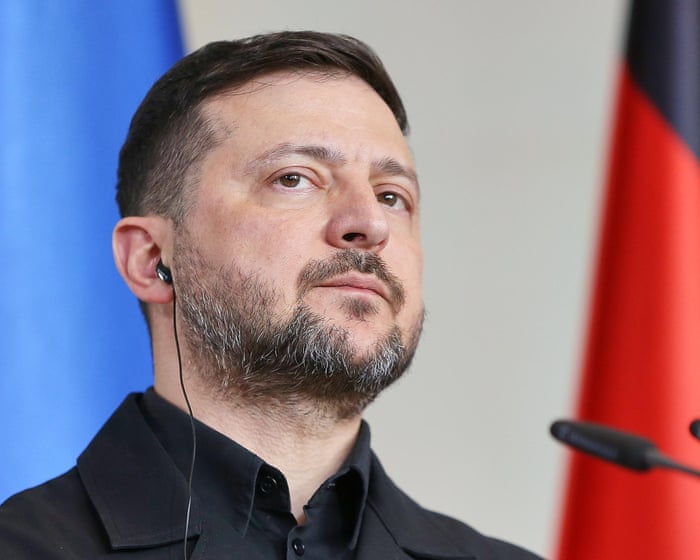
A shootout occurred in central Kyiv between two Ukrainian security groups, the SBU and military intelligence (HUR), resulting in several injured. President Zelenskyy called the incident disgraceful, ordered investigations, and fired an SBU official after the clash.
Key Facts
The shootout happened on Wednesday morning between the SBU (domestic security) and HUR (military intelligence) in Kyiv.
Three HUR officers were hurt during the shooting.
The conflict started when the SBU arrested a Russian man fighting for Ukraine under HUR supervision.
Both security agencies said they were investigating a Russian-backed terrorism plot and exchanged fire during an operation.
The Russian man arrested claimed he was pressured to appear in a video denying forced recruitment. He has since been released.
President Zelenskyy fired the head of the SBU’s department for protecting state secrets after the incident.
Zelenskyy said shootings in Ukraine are allowed only against Russian occupiers in defense of the country.
The incident adds to tensions in Ukraine amid ongoing Russian attacks and internal political challenges.
Read the Original
Want the full story? Tap a source to open the original
article.
Every year, millions visit Lille, France, for the Braderie de Lille, Europe's biggest flea market. This event lasts 34 hours and includes traditions like eating mussels and fries.
Key Facts
The Braderie de Lille is Europe's largest flea market.
It takes place in Lille, a city in northern France.
The market happens every first weekend of September.
Around 34 hours long, it attracts millions of visitors.
Second-hand shopping has many names in French, reflecting local culture.
Eating mussels and fries is a famous food tradition at the market.
The event has a long and rich history in the region.
The market is a major cultural and economic event for Lille.
Read the Original
Want the full story? Tap a source to open the original
article.
The U.S. Embassy in Kathmandu warned of more heavy rain in Nepal from September 3 to 5, which could cause floods and landslides in areas already hit by a deadly disaster. The August 26 flood killed over 1,200 people and left thousands missing, with rescue teams still working in hard-to-reach places.
Key Facts
The U.S. Embassy issued a Natural Disaster Alert on September 3 for heavy rain and possible flooding and landslides in Nepal.
The alert covers hilly and mountainous areas, especially in Bagmati Province near the Nepal-Tibet border.
The floods began on August 26 in Rasuwa District and along the Bhote Koshi and Trishuli rivers.
More than 1,200 people have died, and thousands remain missing, including about 80 Americans out of contact.
Floods destroyed homes, roads, bridges, and hydropower plants, making rescue efforts difficult.
Key roads remain closed, including the main route through Rasuwa and part of the Prithvi Highway.
The embassy advised Americans not to travel to flood-affected areas and to avoid riverbanks and unstable slopes.
Nepal is still in its monsoon season, which increases the risk of more heavy rains and related disasters.
Read the Original
Want the full story? Tap a source to open the original
article.
A court heard that the driver of a car carrying boxer Anthony Joshua tried to pass another vehicle when the car crashed, killing two of Joshua’s team members. The driver faces charges of dangerous driving and driving without a license, and a second man denies obstructing traffic.
Key Facts
The crash happened last December near Lagos, Nigeria, as the group traveled to visit Joshua’s father.
The driver, Adeniyi Mobolaji Kayode, 46, tried to overtake a moving truck before losing control and hitting a parked lorry.
Two of Anthony Joshua’s team members, his personal trainer Latif Ayodele and strength coach Sina Ghami, died in the accident.
The stationary lorry’s driver, Abubakar Adamu, 35, denies obstructing traffic.
Police found debris and soya beans from the lorry’s load at the crash site.
Joshua was in the car but was asleep during the crash; police have not yet taken his statement.
The trial will continue on September 10.
Anthony Joshua paid tribute to his lost team members on social media after the crash.
Read the Original
Want the full story? Tap a source to open the original
article.
A fight broke out between two top Ukrainian intelligence agencies in Kyiv, injuring at least three officers. The clash happened after one agency detained a commander linked to the other, raising concerns about internal conflicts within Ukraine’s security forces during the war with Russia.
Key Facts
The shootout occurred between Ukraine’s Main Directorate of Intelligence (HUR) and the State Security Service (SBU).
The incident took place after the SBU arrested Stepan Kaplunov, deputy commander of the Russian Volunteer Corps (RVC), which is part of HUR.
The SBU said its officers were stopping a possible terrorist act linked to Russia’s security service, the FSB.
During the operation, a group connected to HUR attacked the SBU team with guns and blocked their movement with cars.
Three HUR officers were wounded: one seriously, one in serious condition, and one slightly injured.
Kaplunov is a Russian who moved to Ukraine, fighting against Russia since 2022, but Moscow considers him a terrorist.
President Zelenskyy condemned the shootout, called for investigations, and emphasized that only fighting Russian occupiers is allowed.
Zelenskyy dismissed a senior SBU official after the incident and ordered accountability within the agencies.
Read the Original
Want the full story? Tap a source to open the original
article.
A boat carrying West African migrants was found drifting near Spain’s Canary Islands, resulting in at least five confirmed deaths and dozens more feared dead. Forty-four survivors, all men from Mali and Senegal, were rescued after being stranded at sea for weeks without enough food or water.
Key Facts
The boat was spotted about 74 miles south of Gran Canaria island by Spain’s Maritime Rescue Service.
Forty-four men, including some underage, were rescued and taken to safety on the Canary Islands.
Survivors said they had been at sea for nearly a month after leaving Gambia.
They suffered from dehydration and illness from drinking seawater.
More than 100 people were originally on the boat, including women and a baby.
Five dead bodies were found inside the boat but could not be recovered due to rough sea conditions.
A migrant rights group estimated that 83 people died during the journey.
The West African route to the Canary Islands is known to be one of the most dangerous migration paths to Europe.
Read the Original
Want the full story? Tap a source to open the original
article.
Sisters Rooney and Kate Mara star as sisters who speak in unison in Werner Herzog’s new movie "Bucking Fastard," which premiered at the Venice Film Festival. The film tells a fictional story about two sisters on a journey to find their place in the world, and it also features Orlando Bloom.
Key Facts
"Bucking Fastard" premiered at the 83rd Venice Film Festival in Italy on September 3, 2026.
Rooney and Kate Mara play sisters named Jean and Joan Holbrooke who speak in unison throughout the film.
Director Werner Herzog was inspired by twins he met decades ago who spoke in unison, but the story is entirely fictional.
Herzog wrote the script in five days after deciding the Mara sisters could play the roles.
Rooney and Kate Mara had never acted together in a movie before this film.
The actresses found speaking in unison felt natural and musical, leading to a shortened rehearsal period of five days instead of two weeks.
Orlando Bloom also stars in the film and is described by Herzog as stepping outside his usual roles.
Herzog dedicated the film to the late filmmaker David Lynch and wished Lynch could see it first.
Read the Original
Want the full story? Tap a source to open the original
article.
Ratko Mladic, a former Bosnian Serb army commander convicted of genocide and war crimes, died last week while serving a life sentence at a U.N. court in The Hague. His body will be flown to Serbia for funeral arrangements amid expected large attendance and security concerns.
Key Facts
Ratko Mladic died in a hospital in The Hague while serving a life sentence for genocide and war crimes.
The U.N. court in The Hague released his body to Serbia, as announced by Serbian President Aleksandar Vucic.
Mladic was convicted for the 1995 Srebrenica massacre, the siege of Sarajevo, and other crimes during the Bosnian war.
Thousands of Serbs have honored Mladic with vigils and marches after his death.
Mladic is considered a hero by many Serbs despite his conviction.
Serbian authorities expect tens of thousands of people to attend his funeral and are preparing security measures.
The Bosnian war killed over 100,000 people and displaced more than 1 million before ending with a peace agreement in 1995.
Serbia is seeking European Union membership but faces criticism over its role in the Bosnian war.
Read the Original
Want the full story? Tap a source to open the original
article.
Tunisia is facing a severe water and electricity shortage because of strong heatwaves and high temperatures close to 50°C. The country has long had water supply problems, and the current crisis is causing public anger while officials try to manage water distribution.
Key Facts
Tunisia is experiencing extremely high temperatures, nearing 50 degrees Celsius.
Powerful heatwaves are causing power outages and water shortages.
The country has dealt with water scarcity and drought for many years.
The current crisis has increased public frustration with the government.
Authorities are working to coordinate water distribution to help manage the shortage.
Protests have taken place in Tunisia over the lack of water and electricity.
The crisis is part of ongoing environmental and infrastructure challenges in the country.
Read the Original
Want the full story? Tap a source to open the original
article.