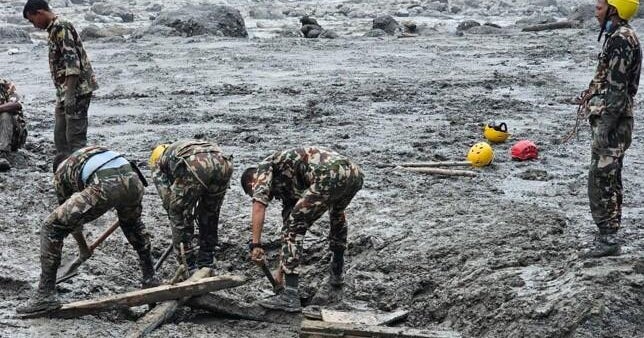
Severe floods in Nepal have damaged multiple hydropower projects, cutting off electricity for over 20,000 people and leaving hundreds of workers missing, many trapped in tunnels. Experts say Nepal must rethink where and how it rebuilds damaged infrastructure to reduce future risks from climate change.
Key Facts
Floods in Nepal recently destroyed hydropower plants supplying electricity to more than 20,000 people.
About 900 workers are missing in Nepal’s hydropower projects, many believed trapped in tunnels.
These floods, combined with events in China, have caused over 900 deaths and left 4,700 people missing.
Around 700 megawatts of hydropower capacity, about 10% of Nepal’s total, went offline because of the floods.
Roads, bridges, schools, and hospitals were also severely damaged in the affected districts.
Experts recommend rebuilding infrastructure in safer locations and creating backup systems to maintain essential services.
A geoscientist explained that hydropower tunnels, large enough for trucks, were used as shelters but became dangerous during floods.
Nepal faces $124 billion worth of infrastructure risk from climate-driven disasters, increasing the need for stronger disaster planning.
Read the Original
Want the full story? Tap a source to open the original
article.
The United Arab Emirates intercepted an Iranian drone over its territorial waters following recent military actions between Iran and the United States. Meanwhile, an Israeli airstrike in Gaza City killed at least two Palestinians, and Lebanon sought Greece’s help to promote peace with Israel.
Key Facts
The UAE Defense Ministry said it intercepted an Iranian drone early Monday above its territorial waters.
The drone attack came after U.S. forces attacked rocket launchers on an Iranian island over the weekend.
Iran responded by firing missiles at U.S. sites in Jordan, all of which were intercepted.
Iran’s President Masoud Pezeshkian said Iran does not want war but will respond to attacks decisively.
An Israeli airstrike in Gaza City killed at least two Palestinians and critically wounded two others.
The Israeli military did not immediately comment on the Gaza airstrike.
Since October’s ceasefire attempt, over 1,320 Palestinians have died from Israeli fire in Gaza, according to local health officials.
Lebanon’s President Joseph Aoun asked Greece to help implement a U.S.-brokered peace agreement with Israel, hoping Greece can use its good relations with both countries to promote peace.
Read the Original
Want the full story? Tap a source to open the original
article.
Police in Switzerland arrested a 43-year-old man after a shooting at a rave in Aarau left one woman dead and five others injured. The suspect was detained early Monday, and investigations about the motive are ongoing.
Key Facts
The shooting happened early Sunday at a rave in Aarau, Switzerland.
A 22-year-old woman died at the scene.
Five other people, aged 24 to 27, were injured and taken to hospital.
All victims live in Switzerland; three were identified as Italian citizens.
The suspect is a 43-year-old Swiss man arrested shortly before 1 a.m. Monday.
Police believe the shooting was done by one person.
Public shootings are uncommon in Switzerland despite many people owning guns.
Authorities plan to share more information in a news conference on Wednesday.
Read the Original
Want the full story? Tap a source to open the original
article.
Israel and Greece signed a $3.5 billion weapons deal called Achilles Shield, which includes a multi-layered air defense system using Israeli technology. This agreement is the largest between the two countries and is part of Greece’s efforts to modernize its military amid regional tensions.
Key Facts
The deal is worth about 3 billion Euros ($3.5 billion) and involves advanced air defense systems.
It is the biggest weapons agreement ever signed between Israel and Greece.
Israel’s arms exports reached over $19 billion last year, a 30% increase from 2024.
The weapons sold are considered battle-tested and reliable by other governments.
Greece and Israel have increased defense cooperation over the last decade.
The deal includes Israeli systems such as David Sling, SPYDER, and a new command and control system.
A related $30 million agreement was signed for Rafael’s Drone Dome systems.
Israel is now the seventh-largest global arms supplier, surpassing the United Kingdom.
Read the Original
Want the full story? Tap a source to open the original
article.
Turkiye, Saudi Arabia, and Pakistan held their first meeting in Istanbul after signing the Mecca Defence Agreement. The agreement aims to make sure if any of the three countries is attacked, it will be treated as an attack on all of them.
Key Facts
Turkiye, Saudi Arabia, and Pakistan signed the Mecca Defence Agreement.
The purpose is to strengthen their joint defense against attacks.
The agreement says an armed attack on one is an attack on all three.
The first meeting under this pact took place in Istanbul.
The pact aims to provide collective deterrence, meaning stopping attacks by showing united strength.
Read the Original
Want the full story? Tap a source to open the original
article.
The UK Liberal Democrats have called for a cross-party meeting to discuss how the country should respond to extreme weather and the upcoming “super El Niño” event. They want all political parties to work together to build protection against climate impacts and find ways to stop the problem from getting worse.
Key Facts
The UK has experienced five heatwaves since May and faces possible food shortages and inflation caused by global climate issues.
Andy Burnham, a political leader, is urged by the Lib Dems to lead a meeting of party leaders about climate risks and responses.
The Lib Dems say there has been little government action, apart from banning disposable barbecues to reduce fire risks.
The “super El Niño” weather pattern may cause more flooding and storms in the UK this autumn and winter.
Labour MPs support cross-party talks on climate action but doubt Conservative and Reform UK parties will cooperate.
Some political parties have downplayed or rejected the need for urgent climate action despite evidence of extreme weather problems.
The Lib Dems emphasize the need not only for preparedness but also for measures to prevent the climate crisis from worsening.
Read the Original
Want the full story? Tap a source to open the original
article.
A ferry carrying 259 passengers and 8 crew capsized near northern Cyprus, resulting in 8 confirmed deaths and 18 people missing. Rescuers are still searching for those missing, while some survivors are receiving hospital treatment and authorities investigate the cause of the accident.
Key Facts
The ferry capsized off the coast of northern Cyprus after being hit by two waves.
The boat left Kyrenia, a town in the Turkish Republic of Northern Cyprus, and was heading to Tasucu in Turkey.
8 people have died, 18 remain missing, and 19 are in hospitals.
The ship's captain, seven crew members, and another man were arrested, with warrants issued for seven others.
The ferry has completely sunk to a depth of 514 meters (1,686 feet).
Officials are trying to recover the ferry’s black box to find out why the accident happened.
The northern part of Cyprus is controlled by the Turkish Republic of Northern Cyprus, recognized only by Turkey.
A three-day period of national mourning has been declared by the Prime Minister of the Turkish Republic of Northern Cyprus.
Read the Original
Want the full story? Tap a source to open the original
article.
A glacier and mountainside collapsed near Nepal's border with Tibet, causing floods, mudslides, and debris that destroyed many areas. At least 903 people died and around 4,200 are still missing. Rescue teams continue searching while heavy rain increases the risk of more flooding.
Key Facts
The disaster happened five days ago near Nepal's border with Tibet.
A glacier collapse triggered flash floods and mudslides that swept through valleys.
At least 903 people have died and about 4,200 are missing according to Nepal’s disaster agency.
A 6-year-old girl was rescued from the rubble, giving hope for more survivors.
Heavy monsoon rains increased the danger, forcing rescue teams to speed up efforts.
Floodwaters spread as far as 150 miles into India.
Family members remain anxious and hopeful for missing loved ones.
Hospitals in Kathmandu display photos of recovered bodies to help families identify the missing.
Read the Original
Want the full story? Tap a source to open the original
article.
Icelandic voters decided not to restart talks about joining the European Union in a recent referendum. About 53% voted against resuming negotiations, mainly due to concerns about losing control over fishing waters and national sovereignty.
Key Facts
The referendum asked if Iceland should resume talks to join the European Union.
52.8% of voters rejected restarting EU membership negotiations; 47.2% supported it.
Over 82% of Iceland’s 270,000 eligible voters participated in the referendum.
Iceland’s fishing industry opposed EU membership due to fears the EU’s common fisheries policy would allow other countries to fish in Icelandic waters.
Iceland already benefits from the EU single market and Schengen travel zone without being a full member.
Supporters of EU membership argued it would bring economic stability and lower inflation by adopting the euro.
The vote took place after President Trump mentioned Iceland several times while discussing Greenland.
Iceland’s government said it would respect the vote but did not rule out future efforts to reconsider EU membership.
Read the Original
Want the full story? Tap a source to open the original
article.
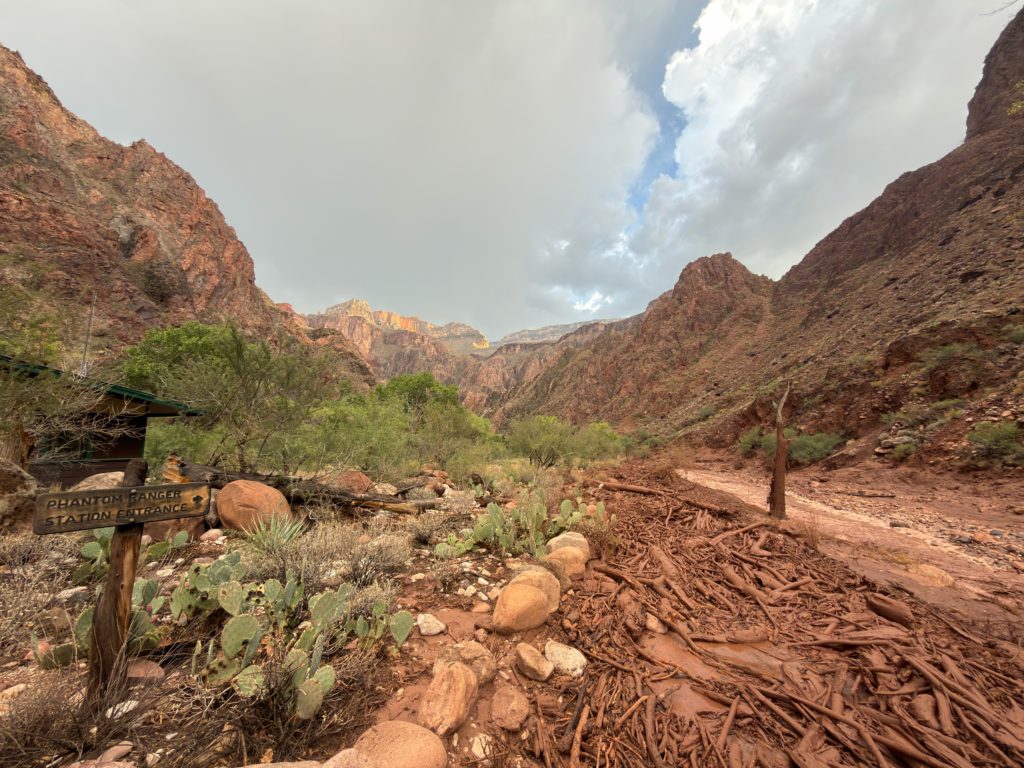
A flash flood in the Grand Canyon caused one death and left about 15 people missing. The flood also damaged the only water pipeline for the area, forcing evacuations and rescue efforts.
Key Facts
One person, a 46-year-old man, died in the flash flood near Crystal Rapids on the Colorado River.
Around 15 people are missing or unaccounted for after the flood.
More than 60 people were rescued by helicopter from the canyon.
The flood occurred in Bright Angel Creek, which flows into the Colorado River.
Large boulders were pushed into the Colorado River by the floodwaters.
The flood damaged the only water pipeline used by tourists and local residents.
The National Park Service and Arizona Department of Public Safety are involved in evacuations and rescue efforts.
Officials ask anyone with information about missing hikers or campers to contact park authorities.
Read the Original
Want the full story? Tap a source to open the original
article.
The United Arab Emirates said it stopped a drone coming from Iran near its waters and denied any attack on its Al Menhad airbase. This happened after the United States and Iran exchanged military strikes, marking the first direct conflict between them since July.
Key Facts
The UAE intercepted a drone approaching from Iran over its territorial waters.
Iran claimed it sent dozens of drones to attack US military sites at the Al Menhad airbase in the UAE.
The UAE denied reports of an actual attack on the Al Menhad airbase.
The US hit Iranian missile launchers on Larak Island, east of Iran, before Iran’s retaliation.
Iran responded by attacking US bases in Jordan and the UAE’s Al Menhad airbase.
Gulf countries like Qatar, Saudi Arabia, and the UAE urged President Trump to pause US strikes on Iran since August 1.
Renewed attacks have raised tensions during stalled talks to end the war involving Iran, the US, and their allies.
The Strait of Hormuz remains a key issue because it is a vital route for global oil and gas shipments.
Read the Original
Want the full story? Tap a source to open the original
article.
A 43-year-old man was arrested after a shooting at a techno rave in Aarau, Switzerland. A 22-year-old woman died and several others were hurt during the incident.
Key Facts
The shooting happened at a rave held at a horse racing track in Aarau, about 29 miles west of Zurich.
The victim who died was a 22-year-old Italian woman.
Several other people were injured in the shooting.
Police searched for the suspect for nearly 24 hours before arresting him just before 1:00 AM on Monday local time.
Authorities believe the man acted alone in carrying out the attack.
Police are still investigating the exact events, the reason for the shooting, and the suspect’s background.
Aarau is a town in the canton (region) of Aargau in Switzerland.
Read the Original
Want the full story? Tap a source to open the original
article.
Scientists in Vermont are working to save American elm trees from Dutch elm disease by injecting young trees with the disease spores to find ones that can resist it. The strong trees will be bred to grow more disease-resistant elms to restore forests and natural areas.
Key Facts
Dutch elm disease is a fungus that has killed tens of millions of American elm trees in the last century.
The disease spreads through bark beetles and stops trees from taking up water, which kills them.
Scientists injected 6,000 young elm trees with the disease to test which ones can survive.
Surviving trees will be used in breeding programs to increase the number of disease-resistant elms.
These trees will be grown in protected seed orchards for about 15 years to produce seeds for restoration.
American elms help manage water in forests by absorbing rainfall and tolerating floods and cold winters.
Saving these trees supports forest health, protects ecosystems, and helps fight climate change.
Efforts to protect trees also address threats from other pests and diseases affecting U.S. forests.
Read the Original
Want the full story? Tap a source to open the original
article.
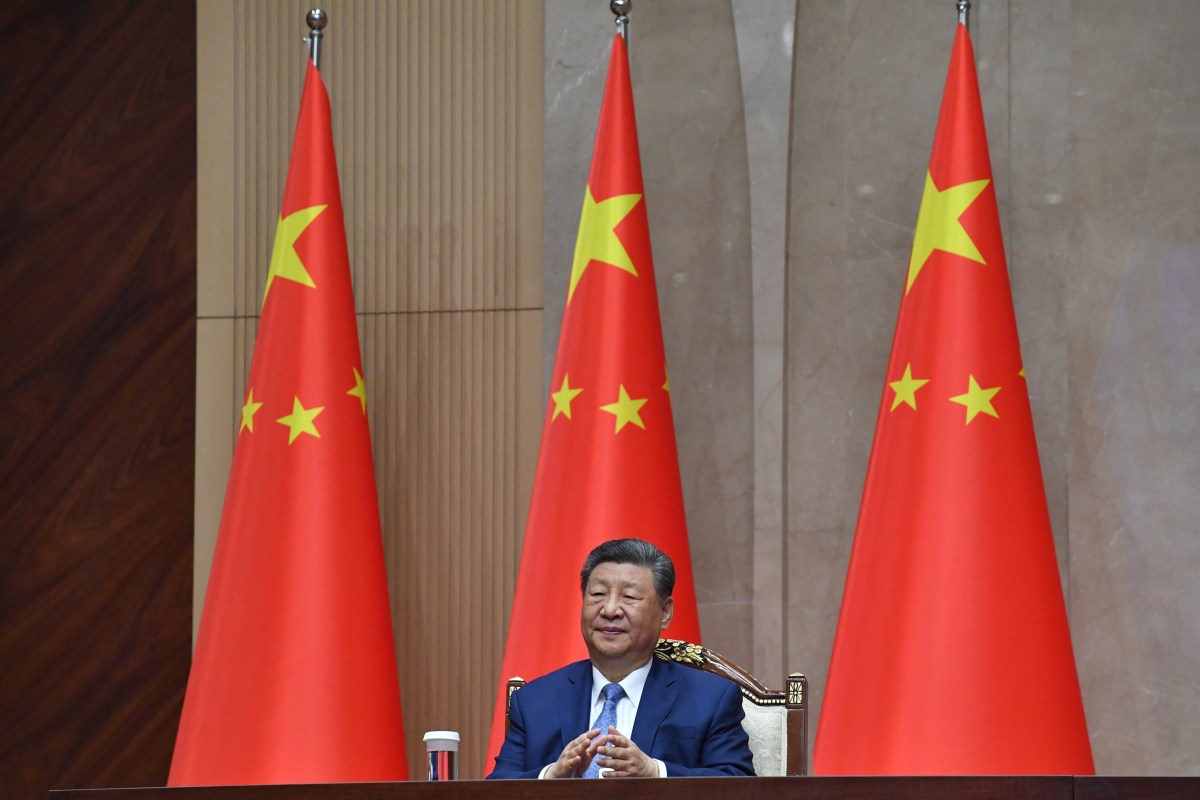
Chinese President Xi Jinping attended a summit of the Shanghai Cooperation Organization (SCO) in Kyrgyzstan with leaders from Russia, India, and Iran. The SCO is a group of mainly Asian countries working together on security and economic matters, seen as an alternative to Western-led organizations.
Key Facts
The SCO celebrated its 25th anniversary with a summit in Bishkek, Kyrgyzstan.
Leaders attending included Xi Jinping (China), Vladimir Putin (Russia), Narendra Modi (India), and Masoud Pezeshkian (Iran).
The SCO began as the "Shanghai Five" in 2001 to manage border issues after the Cold War.
China uses the SCO to promote its own programs, such as the Global Security Initiative and the international use of its currency, the yuan.
Kyrgyzstan, as a smaller member, uses the SCO to balance Russia’s influence in Central Asia.
India and China recently held talks to ease their border conflict amid broader SCO cooperation.
SCO members together represent over 40% of the world's population and about 25% of global GDP.
The organization is viewed as a way for non-Western powers to seek greater influence and legitimacy in global politics.
Read the Original
Want the full story? Tap a source to open the original
article.
A strike by air traffic control workers at Kenya's main airport in Nairobi has caused flight delays and cancellations for two days. Hundreds of passengers have been stuck at the airport, with some waiting many hours or overnight as talks between unions and airport managers continue without agreement.
Key Facts
The strike is happening at Jomo Kenyatta International Airport (JKIA) in Nairobi, Kenya.
Air traffic control workers are demanding better work conditions and enforcement of a previous agreement.
Kenya Airways and other airlines have delayed or canceled flights due to the strike.
Some passengers have waited over 12 hours and spent the night at the airport.
Talks between airport management and worker unions broke off without resolution.
JKIA is a busy regional hub, handling about nine million passengers last year.
Similar strikes have occurred at this airport in past years over worker issues.
Airlines are allowing passengers to change flights without extra fees due to the disruption.
Read the Original
Want the full story? Tap a source to open the original
article.
A severe flood hit Nepal on August 26, destroying villages and leaving many people without homes or food. Rescue workers are still searching for survivors, while those who escaped are trying to rebuild their lives despite the risk of more flooding.
Key Facts
The flood occurred in Nepal on August 26, 2026.
Entire villages were devastated, with families losing everything in minutes.
Rescue teams continue searching for survivors amid dangerous conditions.
Thousands of people remain missing, with ongoing rescue operations.
Survivors are struggling to find shelter, food, and basic needs.
The Nepali army is actively involved in rescue efforts, using helicopters.
Some survivors are trapped in difficult places, such as hydropower tunnels.
There is a threat of further floods due to unstable river banks.
Read the Original
Want the full story? Tap a source to open the original
article.
Niger’s military leaders stopped a mutiny by young soldiers in the capital city with help from Russian paramilitary forces. Russia’s Africa Corps has also helped other military regimes in the nearby Sahel region maintain control, increasing Russia’s influence in African security and politics.
Key Facts
Soldiers in Niger’s capital, Niamey, mutinied and took some fellow soldiers hostage at a key military base.
The mutiny included gunfire near the presidential palace but was ended within 24 hours.
Niger’s junta asked for and received help from Russia’s Africa Corps to stop the mutiny.
Africa Corps is a Russian paramilitary group under the Russian Defense Ministry.
This is the second time in 2025 Russia has intervened to protect junta-led governments in the Sahel.
The Sahel region includes Niger, Mali, and Burkina Faso, where Russia-backed forces are active.
Russia replaced the Wagner mercenary group in the Sahel with Africa Corps.
Russia’s military help supports these African governments politically, economically, and security-wise.
Read the Original
Want the full story? Tap a source to open the original
article.
Three individuals from Asia won the Ramon Magsaysay Awards, which recognize outstanding service to society. The winners include a Singaporean diplomat who helped create an important sea law, a Myanmar activist jailed for defending democracy, and a Bangladeshi aid worker helping poor people.
Key Facts
The Ramon Magsaysay Awards are often called Asia’s Nobel Prize.
Tommy Koh, a Singaporean lawyer and diplomat, led negotiations that resulted in the 1982 U.N. Convention on the Law of the Sea.
This sea law treaty defines territorial waters and economic rights for countries, helping to resolve disputes.
Bo Kyi, a Myanmar activist, spent seven years in prison for promoting democracy and opposing military rule.
Bo Kyi helped form an organization to support political prisoners and document human rights abuses in Myanmar.
Runa Khan, from Bangladesh, worked to provide help to her country’s poorest people.
The awards have been given since 1958 and will be presented in Manila on November 15.
The awards recognize people who show selfless service and "greatness of spirit" in Asia.
Read the Original
Want the full story? Tap a source to open the original
article.
A principal in Nepal saved at least 900 students by evacuating them just before flash floods destroyed their school. The floods, triggered by a glacial collapse in the Himalayas, killed over 900 people and caused widespread damage in Nepal and China.
Key Facts
Rajendra Dawadi, principal of Tribhuvan Trishuli Secondary School, ordered an immediate evacuation when flood warnings appeared.
About 900 students were on campus and were safely moved to higher ground.
Two school staff members are missing after the disaster.
The floods destroyed Dawadi’s school and many others, disrupting education for thousands of children.
The disaster was caused by a glacial collapse in the Himalayan region.
Over 900 people have died and more than 4,700 people remain missing because of the floods.
At least 69 schools were completely destroyed, threatening the education of nearly 19,000 students in northern Nepal.
Dawadi had a personal connection to the school, having studied and worked there for years.
Read the Original
Want the full story? Tap a source to open the original
article.
Gaza is facing a severe shortage of drinking water because the ongoing war with Israel has damaged most of its water and sanitation systems. The extremely high temperatures are making the water crisis worse, creating a dangerous situation for people living there.
Key Facts
Nearly 90% of Gaza’s water and sanitation infrastructure has been damaged or destroyed after two and a half years of war with Israel.
The war has made it hard for people in Gaza to get clean drinking water every day.
Extreme heat in the region is making the water shortage much more serious.
UNICEF provided the estimate of damage to Gaza’s water systems.
The water crisis in Gaza is now a critical humanitarian problem that affects many people’s health and survival.
The conflict continues to have a direct impact on basic services like water and sanitation.
Rising temperatures increase the demand for water while supplies shrink, worsening the situation.
Read the Original
Want the full story? Tap a source to open the original
article.