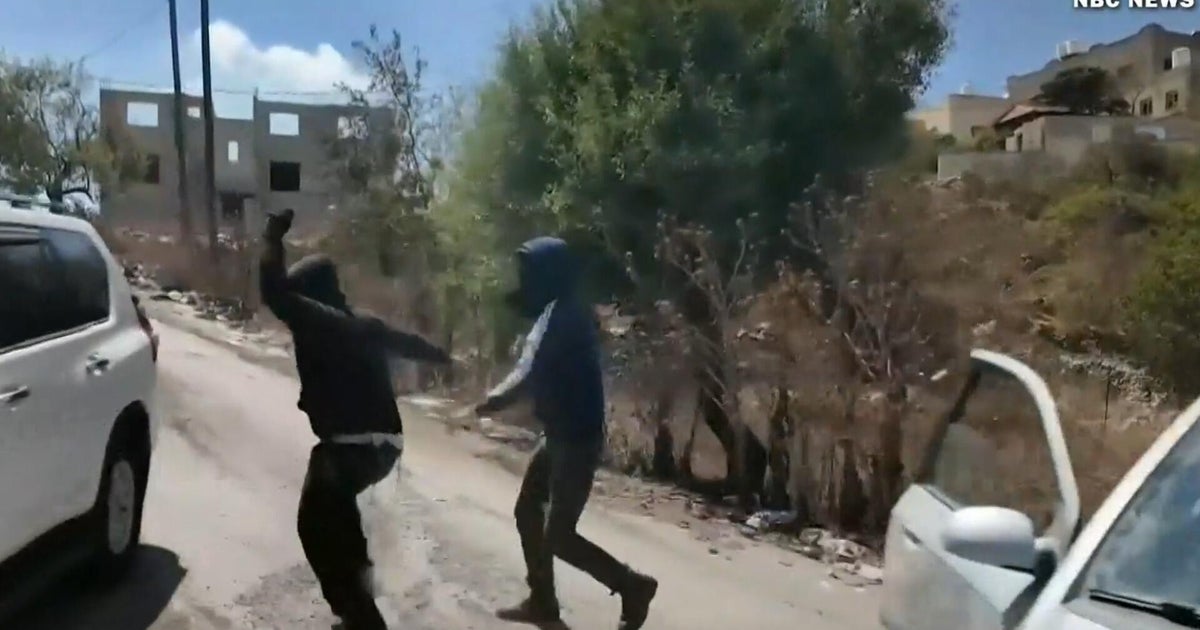
Israeli military forces carried out a raid in the city of Nablus in the occupied West Bank. During the operation, two Palestinians died and one person was taken into custody.
Key Facts
The raid took place in Nablus, a city in the occupied West Bank.
Israeli military vehicles and soldiers were deployed across the city.
Two Palestinians were reported killed during the raid.
One Palestinian was detained by Israeli forces.
The reported information comes from Israeli media sources.
Read the Original
Want the full story? Tap a source to open the original
article.
The US recently carried out its first attack on Iran in a month by striking targets on Larak Island. In response, Iran launched attacks on bases in Jordan where US forces are stationed, but the US said it intercepted the incoming missiles.
Key Facts
The US attacked sites on Larak Island, Iran.
This was the first US strike on Iran in one month.
Iran responded by targeting military bases in Jordan.
These bases in Jordan host US forces.
The US reported that it shot down the missiles fired by Iran.
The events show ongoing tension between the US and Iran.
The strikes and counterstrikes involve military actions in the Middle East.
Read the Original
Want the full story? Tap a source to open the original
article.
Russia’s Foreign Minister Sergei Lavrov said NATO’s increased military activities in the Arctic are a direct threat to Russia’s security. NATO started the Arctic Sentry mission in February to strengthen its presence there amid tensions related to Russia’s war in Ukraine and the U.S. interest in Greenland.
Key Facts
NATO launched the Arctic Sentry mission in February 2026 to boost its military presence in the Arctic.
Russia considers NATO’s Arctic activity a direct security threat and calls the military exercises aggressive.
The Arctic region is important to Russia for its naval fleet, including nuclear submarines, and for developing shipping routes to Asia.
Russia has the largest military presence and infrastructure in the Arctic.
China has increased its activity in the Arctic, mainly working with Russia.
Norway recently expanded a military brigade based in the Arctic as part of NATO’s defense buildup after Russia’s 2022 invasion of Ukraine.
Lavrov warned that NATO’s actions increase the risk of armed conflict with dangerous consequences.
Russia has denied being a threat to NATO despite the rising military tensions in the Arctic.
Read the Original
Want the full story? Tap a source to open the original
article.
Niger’s military stopped a mutiny that began at a key military base in the capital, Niamey. Russian forces helped Niger’s government control the unrest, showing Russia’s growing influence in the region. The mutiny happened amid ongoing violence from armed groups that Niger’s army has been fighting.
Key Facts
The mutiny started on Saturday at Base 101 near Niamey’s airport and spread to other important locations, including near the presidential palace and state TV.
Niger’s military regained control after several hours of fighting, with reports of dozens of soldiers killed or arrested.
Russian Africa Corps, a state-controlled military force, helped Niger’s government by providing ground and air support.
The mutiny involved soldiers who took hostages and attacked sensitive sites in the capital.
The cause of the mutiny is linked to frustration over ongoing attacks by groups connected to al-Qaeda and ISIS that have caused heavy military losses.
Niger’s army has faced repeated attacks this year, including from ISIL affiliates and al-Qaeda’s Sahel wing, JNIM.
The Africa Corps consists of former Wagner Group members and took over Wagner’s role in Africa after its leader died in 2023.
The mutiny is the biggest internal threat to the current military government that came to power in a July 2023 coup.
Read the Original
Want the full story? Tap a source to open the original
article.
Tunisia is experiencing extreme heat, reaching nearly 50°C, which has led to increased electricity use and power cuts in many areas. These power cuts have disrupted water supplies because many water pumps rely on electricity, adding to existing water shortages in the country.
Key Facts
Temperatures in Tunisia reached 49.8°C in the city of Kairouan on August 27.
Tunisia had six cities among the world’s 20 hottest places monitored that day.
The heat caused high electricity demand, especially for air conditioning, reaching record levels.
The Tunisian electricity company (STEG) introduced rotating power cuts to protect the power system.
Water distribution depends on electric pumps, so power cuts stopped some pumps, causing water shortages.
Tunisia already faces water scarcity and drought from long-term climate challenges.
Bottled water production was affected by power cuts and shortages of raw materials during the heatwave.
Power cuts and heat have pressured emergency services and basic supplies in many parts of Tunisia.
Read the Original
Want the full story? Tap a source to open the original
article.
The United States plans to impose new sanctions on another bank this week to increase economic pressure on Iran amid stalled peace talks. Treasury Secretary Scott Bessent said the US is targeting banks that help Iran’s government and warned more sanctions could follow to cut Iran off from the global dollar-based financial system.
Key Facts
The US will sanction another bank linked to Iran but has not revealed its name.
Treasury Secretary Scott Bessent called the sanctions “financial violence” needed to stop Iran’s actions.
The US recently shut down the UAE operations of Egypt’s Basque Misr bank for doing business with Iran.
The sanctions are part of “Operation Economic Outcast,” aiming to isolate Iran economically.
Nearly 60 individuals and groups were sanctioned last week for helping Iran’s oil, weapons, and cyber activities.
Iran’s finance minister said the sanctions will fail.
Fighting resumed with Iran launching missiles at US bases in Jordan after a US attack in southern Iran.
Bessent will meet G20 finance leaders to push for global cooperation against Iran and may discuss sanctioning China if it continues trade with Tehran.
Read the Original
Want the full story? Tap a source to open the original
article.
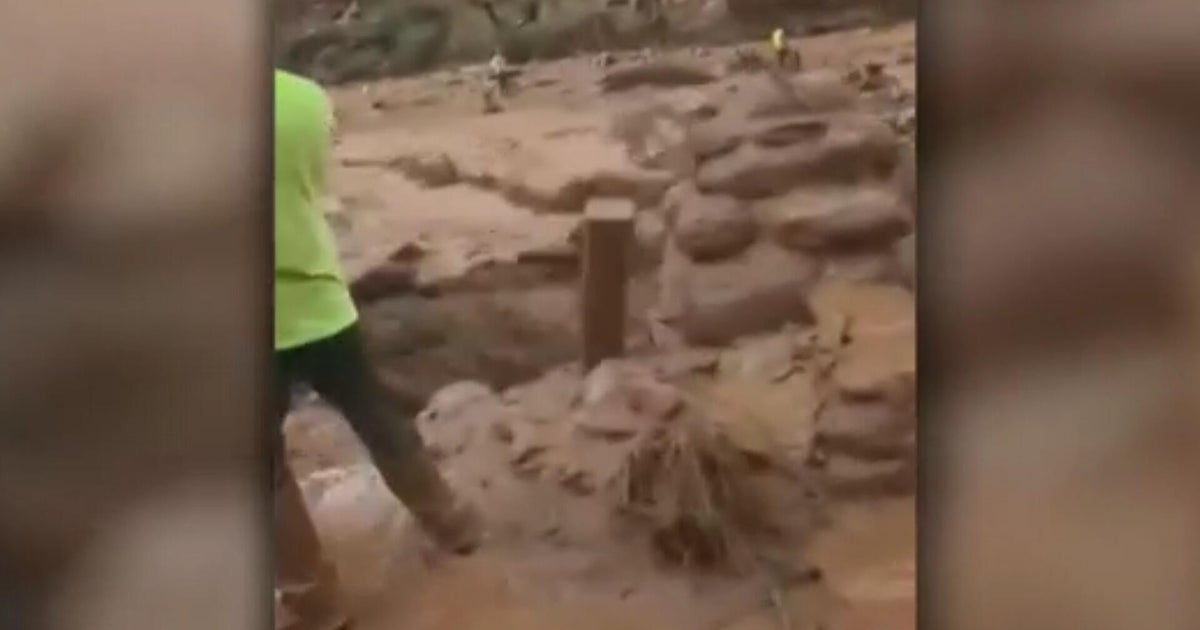
About 15 people might be missing after a sudden flood hit the Grand Canyon area. The flood happened on Saturday in Bright Angel Canyon and near Phantom Ranch, according to the National Parks Service.
Key Facts
Around 15 people are possibly missing or not found after the flood.
The flood took place on Saturday.
It affected Bright Angel Canyon and Phantom Ranch areas inside the Grand Canyon.
The National Parks Service announced this information on Sunday.
The Bright Angel Trail is part of the affected area.
Emergency teams are likely searching for the missing people.
Flash floods happen very quickly and can be very dangerous.
The Grand Canyon is a popular place for hiking and outdoor activities.
Read the Original
Want the full story? Tap a source to open the original
article.
Nicolas Maduro, former president of Venezuela, shared photos that show him in a US detention center in Brooklyn, where he has been held since January. He and his wife were captured by US special forces on drug and firearm charges, which they deny, and their trial is set for 2027.
Key Facts
Maduro and his wife, Cilia Flores, were taken from Caracas to the US by special forces in January.
They face drug trafficking and firearm possession charges in a New York detention center.
Maduro shared two photos wearing a grey tracksuit and making peace signs, showing noticeable weight loss.
The photos were posted on social media but were taken on June 25, shortly after major earthquakes in Venezuela.
Maduro said he remains strong and hopeful in a message to his grandchildren and supporters.
He is allowed about 300 minutes of phone calls monthly with family and lawyers, but no internet or newspapers.
Maduro and Flores’ US trial is scheduled to start on June 1, 2027.
Maduro’s successor announced a new US oil deal with Venezuela shortly before the photos were published.
Read the Original
Want the full story? Tap a source to open the original
article.
Peter Marinker, an 85-year-old actor diagnosed with Alzheimer's disease two years ago, is preparing to perform a one-man play by Samuel Beckett in London. Despite memory challenges from his illness, his team has put support measures in place to help him during the performances.
Key Facts
Peter Marinker is an actor known for voice work in radio, video games, and films like Labyrinth and Paddington in Peru.
He was diagnosed with Alzheimer's disease two years ago after noticing memory problems during a stage run.
Marinker is set to perform Krapp's Last Tape, a solo play by Samuel Beckett about an older man reflecting on his past.
The production team started rehearsals in June and added support like a stage manager nearby, autocue screens, and an earpiece to prompt lines.
Director Dave Wybrow approached Marinker with the idea, emphasizing that the play shows creativity can continue despite dementia.
Marinker first performed the same play in 1983, and old recordings of that performance will be included in the new production.
Alzheimer's often affects recent memories more than older, well-practiced skills, which helps explain Marinker's ability to still act.
The play is planned to take place at the Cockpit Theatre in London.
Read the Original
Want the full story? Tap a source to open the original
article.
A flash flood hit Grand Canyon National Park in Arizona on Saturday, causing more than 15 people to be missing. Authorities evacuated over 60 visitors and warned of possible further heavy rain and flooding.
Key Facts
The flash flood occurred on August 29, 2026, in the Bright Angel Canyon and Phantom Ranch area.
It was caused by rainfall on the Kaibab Plateau.
About 15 people are reported missing, but no deaths or injuries have been confirmed.
Over 60 people have been evacuated so far, with others scheduled to be evacuated.
Floodwaters carried debris like logs and damaged a key water pipeline in the park.
The park has imposed water restrictions and banned wood and charcoal fires in the most visited area.
Some overnight accommodations will close, but the park remains open for daytime visits.
Authorities warned of more possible thunderstorms and additional flooding through Monday.
Read the Original
Want the full story? Tap a source to open the original
article.
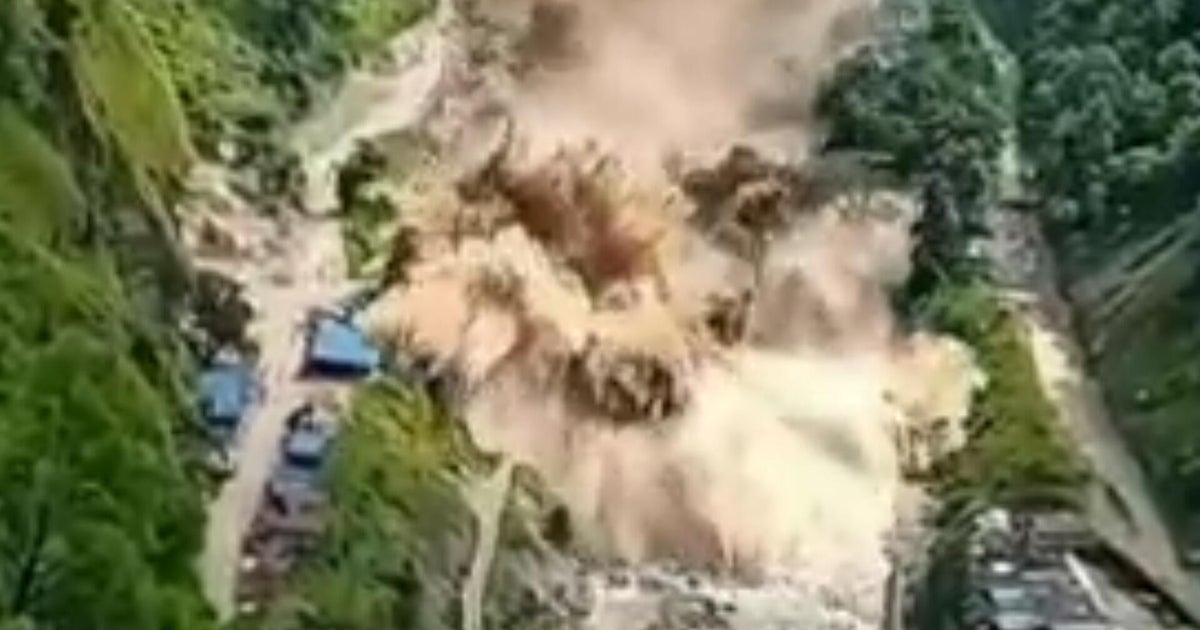
About 85 Americans are still missing after sudden flooding near the border of Nepal and Tibet, the U.S. State Department said. So far, nine Americans have been safely evacuated from the area.
Key Facts
Around 85 Americans remain unaccounted for after flash floods struck near Nepal and Tibet.
The information comes from Tommy Pigott, a spokesperson for the U.S. State Department.
Nine Americans have been safely evacuated from the affected area.
The situation involves sudden heavy flooding, known as flash flooding.
The event occurred on the border region between Nepal and Tibet.
U.S. officials are monitoring the situation and coordinating evacuations.
The news was shared in an interview on ABC with Martha Raddatz.
Read the Original
Want the full story? Tap a source to open the original
article.
An NBC News team was attacked by Israeli settlers while reporting in a Palestinian village in the West Bank. Israeli Prime Minister Benjamin Netanyahu spoke out against the attack.
Key Facts
The attack happened in a Palestinian village located in the West Bank.
Israeli settlers were the ones who attacked the NBC News crew.
A Palestinian woman was also attacked during the incident.
The event took place over the weekend.
Israeli Prime Minister Benjamin Netanyahu publicly condemned the attack.
NBC News was covering the situation when the assault occurred.
Read the Original
Want the full story? Tap a source to open the original
article.
Sudden flash flooding in the Grand Canyon caused many people to be evacuated and about 15 people are missing or unaccounted for. The floodwaters damaged footbridges along a creek that flows into the Colorado River.
Key Facts
Flash floods occurred unexpectedly in the Grand Canyon area.
Dozens of people were evacuated for safety.
About 15 people are currently missing or unaccounted for.
Floodwaters washed away footbridges over a creek.
The affected creek leads to the Colorado River.
The National Park Service is involved in the response and rescue efforts.
The situation is ongoing as authorities search for missing individuals.
Read the Original
Want the full story? Tap a source to open the original
article.
A Sydney woman named Leah Stewart survived a shark attack at Coogee Beach in June. She fought off a four-metre great white shark by punching it repeatedly, despite severe injuries that led to the amputation of her left arm.
Key Facts
Leah Stewart was attacked by a great white shark while swimming at Coogee Beach in Sydney.
The shark bit her thigh, arms, and forearm, causing extreme blood loss and severe injuries.
Stewart used her left hand to punch the shark in the face to defend herself.
The shark pulled her under water and bit her left forearm, which was badly damaged.
She was rescued by other swimmers and taken to the hospital in an induced coma.
Doctors performed almost a dozen surgeries, eventually amputating her left arm.
Stewart said she fought the shark to survive for the sake of her baby daughter.
She wants to be remembered for defending herself, not just as a shark attack victim.
Read the Original
Want the full story? Tap a source to open the original
article.
The United States and Venezuela have reached a new agreement that would allow U.S. companies to access over 20% of Venezuela’s large oil reserves. However, some people in Venezuela oppose the deal, and there are questions about whether it follows the law.
Key Facts
The deal lets U.S. companies explore and possibly extract oil from Venezuelan reserves.
Venezuela has very large oil reserves, one of the biggest in the world.
More than one-fifth of these reserves could be open to U.S. access under the agreement.
Some Venezuelans oppose this deal, likely due to political or economic concerns.
Experts are debating whether the agreement is legal under current rules.
The discussion involves political risk and the economic impact of oil trade.
Key analysts contributing to the discussion include specialists in politics, commodities, and economics.
Read the Original
Want the full story? Tap a source to open the original
article.
Nearly a year after an attack on a synagogue in Manchester that killed two men, the local Jewish community feels more vulnerable due to rising antisemitism and ongoing safety concerns. A memorial service is planned to honor the victims and survivors while police report a significant rise in violent hate crimes against Jewish people in England and Wales.
Key Facts
Two men, Melvin Cravitz and Adrian Daulby, were killed in a 2025 attack at Heaton Park Hebrew Congregation synagogue in Manchester on Yom Kippur.
The attacker, Jihad al-Shamie, injured others as he tried to enter the synagogue.
Since the attack, antisemitic incidents have increased worldwide, including killings in Sydney and arson attacks in London targeting Jewish people and property.
Police data from 33 forces in England and Wales show violent hate crimes against Jewish people have risen by nearly two-thirds since 2022.
Rabbi Daniel Walker says the Jewish community now feels less safe than immediately after the attack due to a lack of actions addressing core issues behind antisemitism.
A memorial service will be held at the synagogue with notable guests including the Chief Rabbi and Manchester’s Mayor.
Bernard Agyemang, a security guard injured during the attack, is still recovering physically and emotionally from his injuries and trauma.
UK government officials pledged to fight antisemitism and protect Jewish communities so they can live without fear.
Read the Original
Want the full story? Tap a source to open the original
article.
Many black people in Britain cannot swim, with a large gap compared to white people. Studies show this is not because of physical differences but may be linked to social and historical reasons.
Key Facts
67% of black women and 44% of black men in England cannot swim 25 meters without help.
In comparison, only 17% of white women and 12% of white men cannot swim the same distance.
Poorer people, Muslims, South Asians, and children in social care also have lower swimming ability.
A 2023 study found that bone density does not affect a person’s ability to float or swim.
Historical racial exclusion in the US influenced negative ideas about black people and swimming.
The UK did not have official segregation but may still feel the effects of that history.
Black children and adults are over-represented in drowning statistics in the UK.
Swimming skills are supposed to be taught in primary schools, but inequalities remain.
Read the Original
Want the full story? Tap a source to open the original
article.
Flash floods hit Arizona’s Grand Canyon, causing dangerous conditions. Over 60 people were rescued by helicopter, and more than 20 people remain missing as search efforts continue.
Key Facts
Flash floods occurred in the Grand Canyon area of Arizona.
Heavy rains caused sudden and fast water flows down steep rocky areas.
More than 60 people were airlifted to safety by rescue helicopters.
Over 20 people are still missing after the floods.
Search teams are actively looking for the missing individuals.
The event took place in a popular and rugged tourist location.
The flooding happened quickly, leaving little time for people to react.
The rescue operation involves multiple agencies working together.
Read the Original
Want the full story? Tap a source to open the original
article.
Sonia Gandhi, a key figure in Indian politics and former president of the Congress party, is publishing her memoir titled *Belonging: A Journey of Love*. The book details her personal and political life, including her marriage into the Gandhi family and her experiences with loss and power in India’s political landscape. The memoir is set to release in November and has sparked a dispute over alleged political pressure on its publication in India.
Key Facts
Sonia Gandhi became president of the Congress party in 1998 and led it for nearly three decades.
She is Italian-born and married Rajiv Gandhi, former prime minister of India.
Her memoir covers her life from childhood in Italy to her political career in India.
The book reveals personal losses, such as the assassination of her mother-in-law Indira Gandhi and husband Rajiv Gandhi.
Sonia Gandhi did not become prime minister despite her party’s support and instead chose Manmohan Singh for the role.
The memoir aims to share her "heart’s journey" through joys and hardships.
Penguin Random House India faced accusations of political pressure to change parts of the book, which the publisher denies.
The book is published by Alfred A Knopf in the US and William Collins in the UK.
Read the Original
Want the full story? Tap a source to open the original
article.