Guinea-Bissau held a referendum to approve a new constitution that would give more power to the president. The vote had over 55% turnout, was peaceful, and results are expected soon. The change comes after a military coup less than a year ago and aims to replace the current parliamentary system with a presidential one before elections in December.
Key Facts
Guinea-Bissau held a referendum on a new constitution on Sunday.
Voter turnout was over 55%, and the vote was peaceful and credible.
The new constitution would change the political system from parliamentary to presidential.
The president would gain the power to appoint and remove the prime minister and government members.
The president could also dissolve parliament under the new system.
The referendum follows a military coup less than 10 months ago.
The military says the changes aim to stabilize the country before elections on December 6.
The current transitional president, General Horta Inta-A Na Man, cannot run in the upcoming elections.
Read the Original
Want the full story? Tap a source to open the original
article.
A British student activist, Finn Joughin, was detained by Israeli settlers in the West Bank and later taken into custody by Israeli police. The UK Foreign Office has spoken to Israeli officials about his detention as tensions and violence involving settlers and Palestinians have increased in the region.
Key Facts
Finn Joughin, a 22-year-old British student and activist, was arrested in the West Bank village of Umm Al-Kheir.
He was forcibly detained by Israeli settlers and then handed over to Israeli police.
The police say Joughin is suspected of assaulting a minor, but activists deny any wrongdoing.
The UK Foreign Office has contacted Israeli authorities to get more information on the case.
The area has seen a rise in settler attacks since the Gaza conflict began in October 2023.
Settlements are considered illegal under international law, and some outposts are also illegal under Israeli law.
Israeli leaders, including Prime Minister Netanyahu, have condemned violence by settlers in the West Bank.
The incident happened near Hebron, where settlers have surrounded Palestinian communities.
Read the Original
Want the full story? Tap a source to open the original
article.
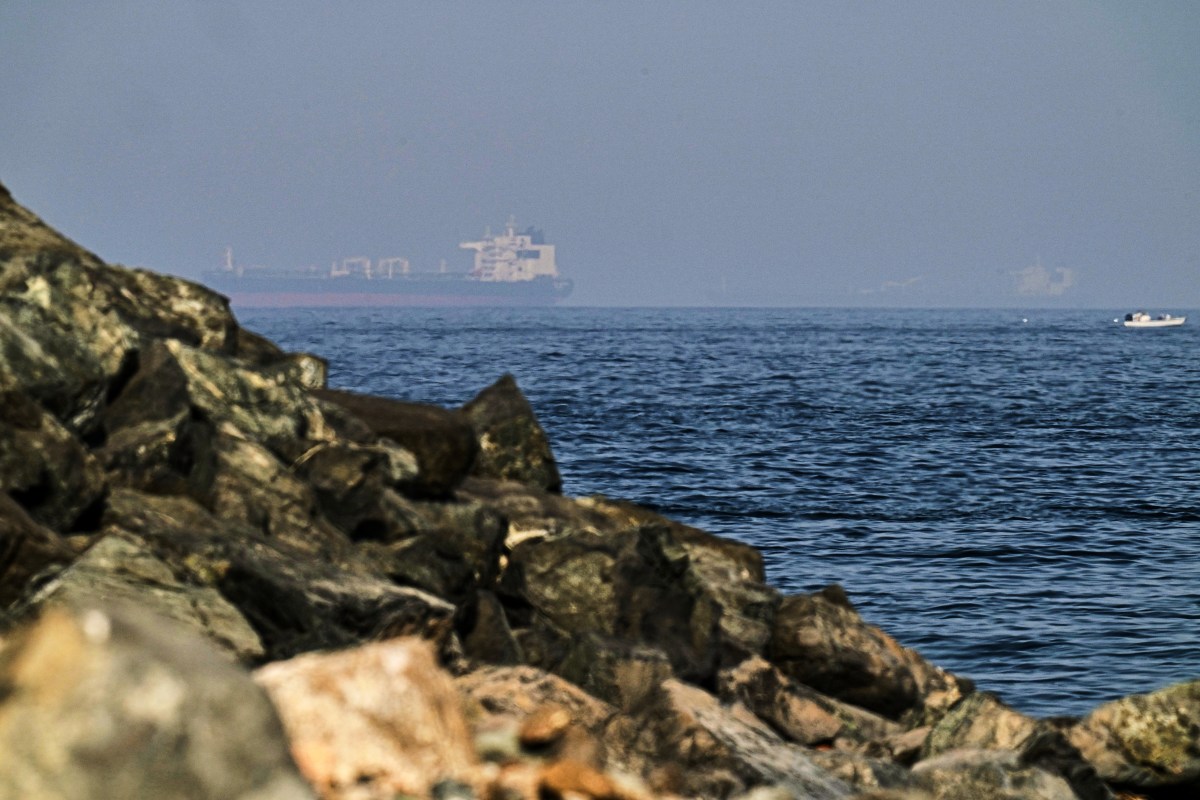
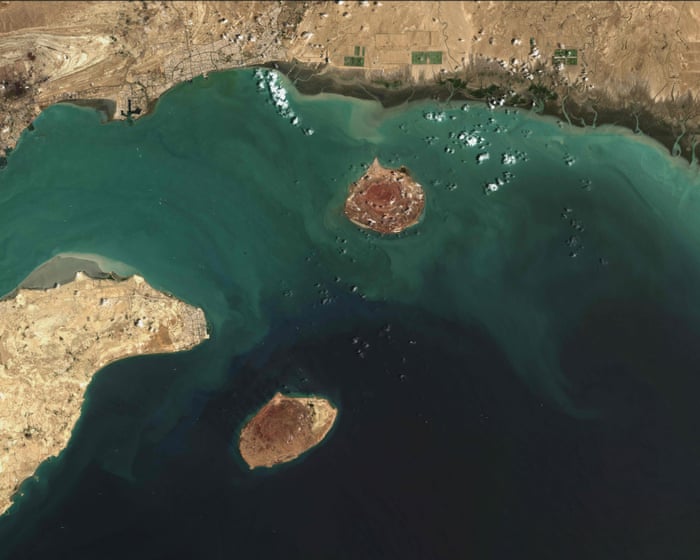
The US military struck Iranian rocket launchers on Larak Island near the Strait of Hormuz, marking the first US attack on Iran in a month. Iran responded by launching ballistic missiles at US military bases in Jordan and promised further retaliation. Meanwhile, oil prices rose, shipping in the Strait of Hormuz slowed down, and the US announced plans for additional sanctions on Iran.
Key Facts
US forces attacked Iranian rocket launchers on Larak Island in the Strait of Hormuz.
This was the first US strike against Iran in about one month.
Iran’s Revolutionary Guards fired missiles at US bases in Jordan in response.
Iran said the US attack caused casualties and promised to retaliate further.
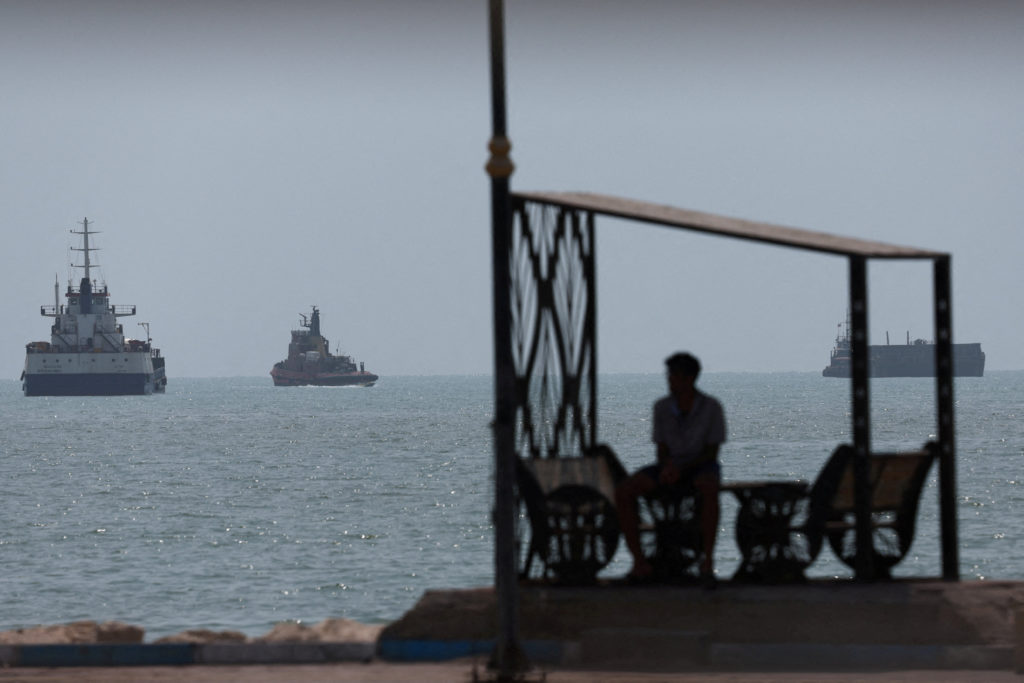
The number of ships passing through the Strait of Hormuz dropped to five per day over the weekend.
Some ships turned off their tracking systems to avoid attacks in the area.
Oil prices increased by over 2%, with Brent crude rising above $90 per barrel after the strike.
The US Treasury plans to sanction another bank to restrict financial transactions with Iran.
Read the Original
Want the full story? Tap a source to open the original
article.
The Kanneh-Mason family includes seven siblings who are all trained classical musicians. They are all under 30 years old and have toured internationally while releasing popular albums.
Key Facts
The Kanneh-Mason family has seven siblings who play classical music.
All seven siblings are under the age of 30.
Each sibling has received formal training in classical music.
They have performed concerts around the world.
The family has released albums that have reached high positions on music charts.
Their story and achievements were featured on the program "60 Minutes."
The feature aired on CBS News and is available on the CBS News app.
Read the Original
Want the full story? Tap a source to open the original
article.
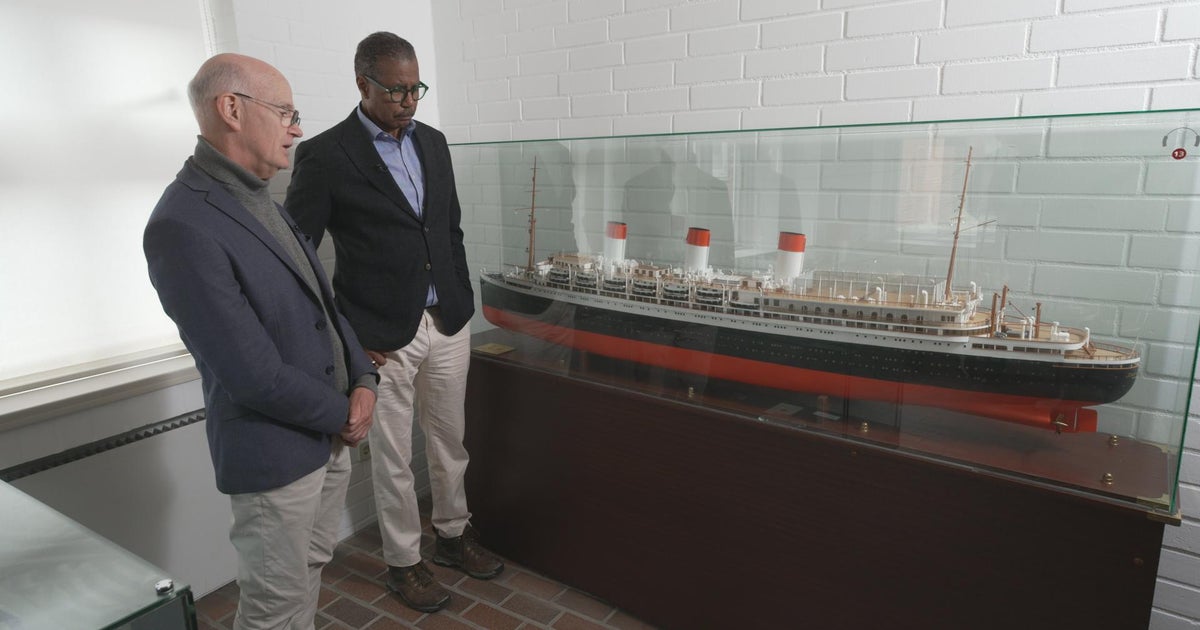
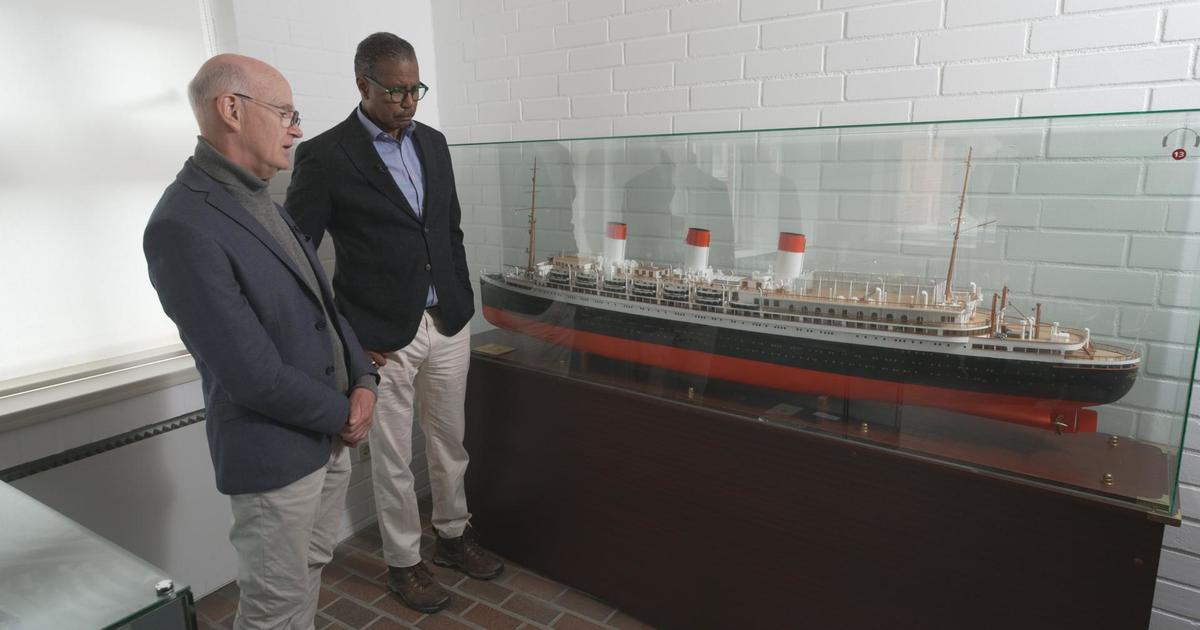
The Cap Arcona was a Nazi ship carrying concentration camp prisoners during World War II. Near the war’s end, British planes attacked the ship, causing it to sink and resulting in the deaths of thousands of prisoners.
Key Facts
The Cap Arcona was used by Nazi Germany during World War II.
It carried a large number of concentration camp prisoners.
British Royal Air Force planes attacked the ship near the end of the war.
The attack caused the Cap Arcona to sink in the sea.
Thousands of prisoners died in this disaster.
The event is not widely known or remembered.
The sinking happened near the conclusion of World War II.
Read the Original
Want the full story? Tap a source to open the original
article.
The Kanneh-Mason family from Nottingham, England, includes seven siblings who are all talented classical musicians. They grew up in a supportive musical environment and have gained international recognition by performing together and separately at top concert venues.
Key Facts
There are seven Kanneh-Mason siblings: Jeneba, Aminata, Sheku, Braimah, Isata, Konya, and Mariatu.
They all play classical music and are considered very skilled musicians.
The siblings often perform together and have toured worldwide.
They have recorded albums that reached music charts and won important awards.
Their musical talent developed in a home filled with music and support from their parents.
Their parents, Kadie and Stuart, did not plan for their children to become musicians but encouraged creativity.
The siblings describe their close relationship as helping them communicate quickly and naturally when playing music together.
They have attracted a young and diverse audience to classical music, a genre often seen as aging.
Read the Original
Want the full story? Tap a source to open the original
article.
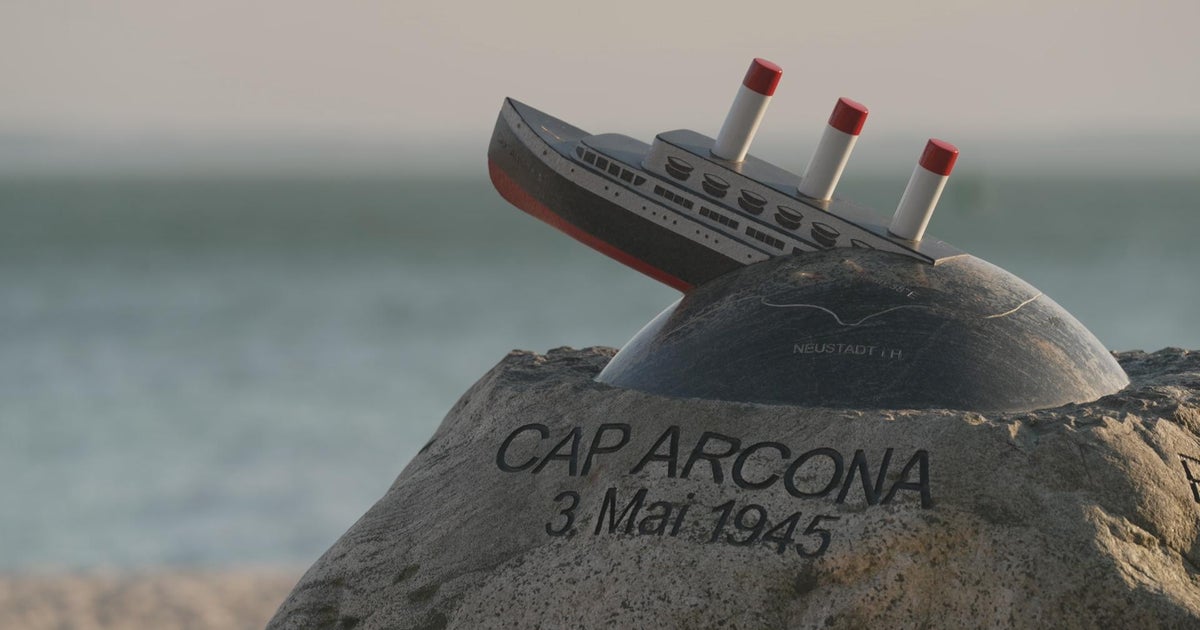
The Cap Arcona was a German luxury cruise ship turned into a prison ship by the Nazis during World War II. On May 3, 1945, it was mistakenly attacked from the air while anchored in Lübeck Bay, leading to the deaths of nearly 7,000 prisoners on board. Today, a memorial at the site honors the victims of this tragic sinking.
Key Facts
The Cap Arcona was launched in 1927 as a luxury ocean liner known as the "Queen of the Atlantic."
Before WWII, it traveled between Europe and South America with rich passengers.
After Hitler came to power, the Nazis converted the ship into a floating concentration camp.
On May 3, 1945, just days before Germany’s surrender, the ship was attacked by Allied aircraft.
Approximately 7,000 prisoners on the Cap Arcona and a smaller ship died in the attack.
Survivors of the sinking were very few, with about 400 rescued.
The victims included people of many nationalities, including Jews, Americans, Greeks, and Italians.
Every year, a ceremony is held at a memorial near the site to remember those who died.
Read the Original
Want the full story? Tap a source to open the original
article.
The news report first covers the sinking of the Cap Arcona, a ship used by the Nazis during World War II. Then, it introduces the Kanneh-Masons, a family of musical siblings.
Key Facts
The Cap Arcona was a ship associated with the Nazi regime.
The ship sank during World War II.
The report includes historical information about the Cap Arcona.
The Kanneh-Masons are a group of siblings.
They are known for their music performances.
The segment introduces the Kanneh-Masons to viewers.
This is part of a CBS News broadcast from August 30, 2026.
Read the Original
Want the full story? Tap a source to open the original
article.
The U.S. military attacked two Iranian rocket launchers on Larak Island, marking the first U.S. strike on Iran in over a month. The attack happened after U.S. forces saw Iranian troops getting ready to launch rockets and sea mines.
Key Facts
The U.S. targeted two Iranian rocket launchers on Larak Island.
This was the first U.S. military attack on Iran since late July.
The Iranian forces belong to the Islamic Revolutionary Guard Corps (IRGC).
U.S. forces observed the Iranian troops preparing to launch rockets and sea mines.
The strike was carried out to prevent the launch of these rockets and sea mines.
The event took place on a Sunday.
The attack reflects ongoing tensions between the U.S. and Iran in the Middle East.
Read the Original
Want the full story? Tap a source to open the original
article.
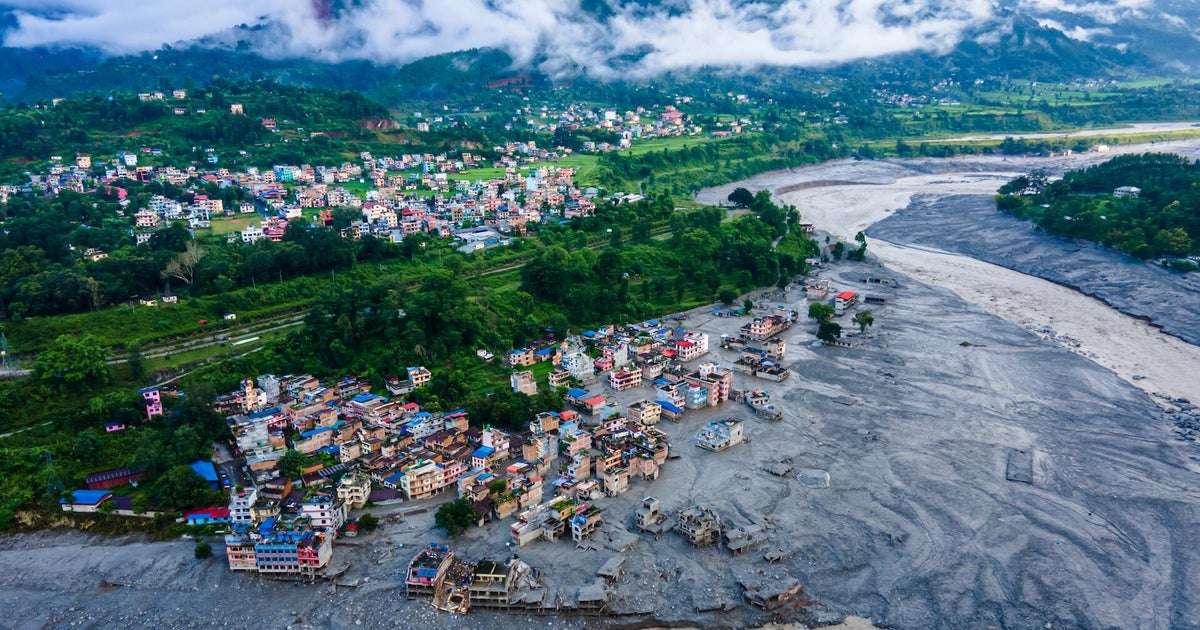
Nepal is warning about new flooding risks as the country deals with ongoing damage from recent floods. President Donald Trump says a new oil agreement with Venezuela will increase U.S. oil supplies.
Key Facts
Nepal is facing threats of additional flooding after serious damage from earlier floods.
The country is currently managing the effects of ongoing flooding.
President Donald Trump announced an oil deal with Venezuela.
The oil deal is intended to increase oil reserves in the United States.
The CBS Weekend News covered these updates on August 30.
Read the Original
Want the full story? Tap a source to open the original
article.
The Trump administration plans to sanction another bank to stop financial dealings with Iran, Treasury Secretary Scott Bessent said. This move aims to pressure countries that still do business with Iran to cut off ties or face U.S. retaliation.
Key Facts
The U.S. will impose sanctions on an additional bank this week to restrict Iran-related transactions.
Treasury Secretary Scott Bessent made these remarks before attending Group of 20 (G-20) meetings in Asheville, North Carolina.
The U.S. wants other countries to join in isolating Iran economically.
A recent proposed rule targets the United Arab Emirates branches of Banque Misr, an Egyptian bank, cutting them off from the U.S. financial system.
The administration avoided sanctioning the Egyptian bank itself to avoid targeting major trading partners like China and India.
Bessent will discuss the issue with Chinese officials at the G-20 and kept open the option of sanctioning Beijing for buying Iranian goods.
The U.S. and China reportedly agree on reopening the Strait of Hormuz and preventing Iran from developing nuclear weapons.
The campaign is described as using "financial violence" to stop Iran's transactions and pressure cooperating countries.
Read the Original
Want the full story? Tap a source to open the original
article.
U.S. military forces struck two Iranian rocket launchers on Larak Island after they were seen preparing to launch sea mines into the Strait of Hormuz. The area is important for global shipping, especially for oil transport, and U.S. forces recently cleared mines from the strait to keep it safe.
Key Facts
U.S. forces targeted two Iranian launchers linked to the Islamic Revolutionary Guard Corps.
The launchers were preparing to deploy sea mines into the Strait of Hormuz.
The strike happened on Larak Island, located near the strait.
Last week, U.S. Central Command finished removing mines from the strait’s shipping routes.
The Iran state media reported casualties but did not give exact numbers.
Iran promised to respond and punish those responsible for the attack.
The Strait of Hormuz is a key route for transporting oil and goods.
The incident occurred after a period of ceasefire between the two countries.
Read the Original
Want the full story? Tap a source to open the original
article.
Flash floods hit the Grand Canyon near Bright Angel Canyon and Phantom Ranch, causing more than 20 people to be missing or unaccounted for. Rescue teams have airlifted 62 people, and park officials warned of more storms and possible flooding in the coming days.
Key Facts
The flash flooding occurred around 2:30 p.m. local time on Saturday.
The affected areas are Bright Angel Canyon and Phantom Ranch in the Grand Canyon.
So far, 62 people have been airlifted to safety.
No injuries have been reported yet.
Flooding caused significant trail damage, leading to closures.
More thunderstorms and heavy rain are expected on Sunday and Monday.
Officials asked anyone knowing hikers in the area to report their whereabouts.
Phantom Ranch can only be reached by hiking, mule, or rafting on the Colorado River.
Read the Original
Want the full story? Tap a source to open the original
article.
U.S. forces attacked Iranian rocket launchers near the Strait of Hormuz, breaking a month-long pause in fighting in a conflict that has lasted over six months. Iran promised to respond, while both sides continue military and economic actions.
Key Facts
U.S. forces hit Iranian rocket launchers on the Strait of Hormuz on Sunday.
The attack stopped a one-month pause in the ongoing conflict that began six months ago.
Iran’s Revolutionary Guard was preparing to launch rockets with sea mines into the strait.
Iran reported casualties from the U.S. attack and vowed military and economic retaliation.
The U.S. recently cleared sea mines from the strait’s international shipping routes.
The U.S. is now focusing more on economic sanctions to pressure Iran rather than military strikes.
President Donald Trump said he is not rushing to negotiate with Iran and claims Iran’s leadership is weakened.
The Strait of Hormuz is an important waterway where 20% of the world’s oil usually passes, but traffic there has dropped significantly.
Read the Original
Want the full story? Tap a source to open the original
article.
US forces struck two Iranian missile launchers on Larak Island, marking the first American attack in Iran since late July. The strike targeted Iranian Revolutionary Guard forces preparing to launch rockets with sea mines into the Strait of Hormuz, a key global shipping route.
Key Facts
US forces attacked two Iranian missile launchers on Larak Island.
The attack was the first US strike in Iran since President Trump paused military actions in late July.
Iran's Revolutionary Guard was preparing to launch rockets with sea mines into the Strait of Hormuz.
The attack reportedly killed two people and injured two others, according to Iranian media.
The Strait of Hormuz is a vital waterway for global oil and gas shipping.
Iran has been inspecting and charging fees to vessels passing near Larak Island.
President Trump stated all mines in the Strait had been cleared or destroyed, warning Iran against laying new mines.
Iran dismissed US claims about mine clearance and faces renewed US sanctions announced in August.
Read the Original
Want the full story? Tap a source to open the original
article.
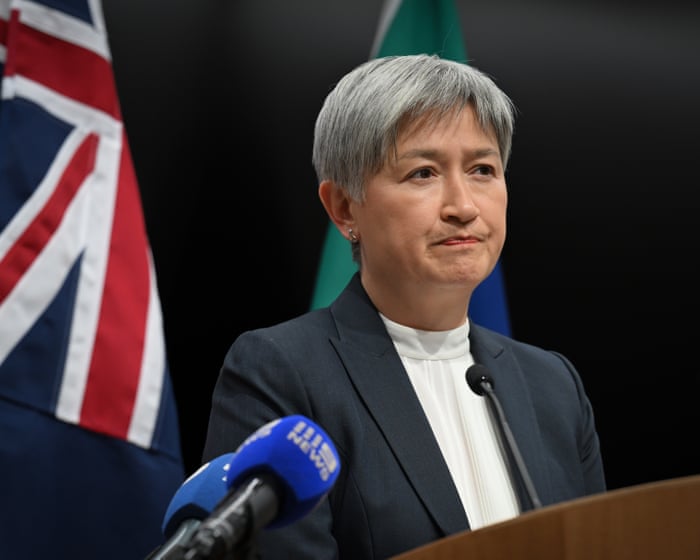
At least 810 people have died and more than 3,000 are missing after flash floods caused by a glacier collapse hit Nepal near the China border. The Australian government is sending an extra $3 million in aid, including emergency supplies, to help with the disaster, while 43 Australians remain missing in the affected area.
Key Facts
A glacier collapse triggered flash floods in Nepal, affecting the Nepal-China border area.
The death toll is confirmed at a minimum of 810 people.
More than 3,000 individuals are reported missing due to the floods.
Forty-three Australians are currently listed as missing in the disaster zone.
Australia is increasing its aid to Nepal by $3 million, adding to a previous $5 million package.
The Australian Defence Force will provide $2 million worth of hygiene kits, solar lights, and other emergency supplies.
The Royal Australian Air Force will deliver some of the emergency supplies from Queensland soon.
Fourteen Australian personnel are on the ground in Kathmandu, with two more planned to be sent, helping with crisis response and consular support.
Read the Original
Want the full story? Tap a source to open the original
article.
US forces attacked two Iranian missile launchers on Larak island because they were preparing to launch rockets carrying sea mines into the Strait of Hormuz. Iran’s Revolutionary Guards said the strike caused casualties and warned of retaliation against the US.
Key Facts
US forces hit two Iranian launchers on Larak island on Sunday.
The launchers were preparing to fire rockets with sea mines into the Strait of Hormuz.
Iran’s Revolutionary Guards reported deaths and injuries from the US attack.
Iran warned that it would respond and punish the US economically and militarily.
The US conducted the strike using a drone, according to Iranian news agencies.
President Trump said all mines in the Strait of Hormuz had been cleared and warned that new mines would lead to destruction of the placing vessels.
The conflict between the US, Israel, Iran, and allied groups has lasted over six months and caused thousands of deaths and millions displaced.
The Strait of Hormuz, a key route for global oil shipments, faces ongoing disruptions due to the conflict.
Read the Original
Want the full story? Tap a source to open the original
article.
An Israeli strike in Deir el-Balah, Gaza, killed two Palestinians, including a 3-year-old child. This happened despite a ceasefire, during which over 1,300 Palestinians have died and more than 4,300 have been injured.
Key Facts
An Israeli airstrike hit Deir el-Balah in Gaza.
Two Palestinians were killed, including a 3-year-old child.
The strike occurred despite a declared ceasefire.
Since the ceasefire began, at least 1,303 Palestinians have died.
Over 4,336 Palestinians have been injured during this period.
Israeli attacks have been occurring nearly every day despite the ceasefire.
Read the Original
Want the full story? Tap a source to open the original
article.
Dolly Parton was privately buried in Nashville three days after she died at age 80 from cancer. A tribute concert was held at the Grand Ole Opry, where artists performed her songs and honored her memory. Tennessee plans to name the Nashville airport after her as a lasting tribute.
Key Facts
Dolly Parton died on August 25, 2026, after a short battle with cancer.
Her burial took place privately in Nashville on August 28, 2026.
Parton’s niece, Lainey Mae, shared emotional memories of her on social media.
The Grand Ole Opry dedicated its August 29 show to Parton with song performances and tributes.
A portion of the concert ticket sales will go to the Imagination Library, a childhood literacy program started by Parton.
Tennessee Governor Bill Lee and Nashville International Airport announced plans to rename the airport in Dolly Parton’s honor.
Artists like Carly Pearce and Jelly Roll performed songs associated with Parton during the tribute.
The tribute included a video of Parton singing “I Will Always Love You” at the Opry.
Read the Original
Want the full story? Tap a source to open the original
article.
A sudden flash flood in the Grand Canyon caused the evacuation of about 50 hikers and damaged trails and bridges near Bright Angel Creek, which flows into the Colorado River. Park officials are searching for over 20 people who may be missing and have closed popular tourist spots while assessing damage.
Key Facts
The flood occurred on Saturday afternoon in Bright Angel Creek at the Grand Canyon.
Large boulders, metal debris, and damaged footbridges were swept into the Colorado River.
Around 50 hikers were airlifted to safety by helicopter.
More than 20 people are unaccounted for, and authorities are seeking information from the public.
Key locations like Bright Angel Campground, Phantom Ranch, and parts of the North Kaibab trail remain closed.
Rafting trips on the Colorado River have been temporarily stopped.
Approximately 0.5 to 1 inch of rain fell within 30 minutes in the affected area.
Additional rain and thunderstorms are expected in the region through Monday.
Read the Original
Want the full story? Tap a source to open the original
article.