President Donald Trump signed an order to rename Lake Ontario as "Lake America" amid a trade dispute with Canada. The U.S. recently imposed tariffs on Canadian goods, and Canada plans to respond with its own tariffs, while rejecting the name change.
Key Facts
President Trump issued an executive order to rename Lake Ontario to Lake America.
This follows a breakdown in trade talks and new U.S. tariffs on Canadian goods worth $20 billion (C$28 billion).
Canada plans to apply matching tariffs ("dollar for dollar") in response.
Canada’s officials have said they will continue to call the lake "Lake Ontario" and do not recognize the U.S. name change.
Trump's administration instructed the U.S. Department of the Interior to update the official U.S. geographic names database with the new name.
In 2025, Trump renamed the Gulf of Mexico to the Gulf of America, which Mexico also rejected.
Trade discussions between the U.S. and Canada ended abruptly, with both sides blaming each other for last-minute demands.
Canada said the U.S. withdrew some demands related to French language and culture in the trade talks, leaving room for future negotiations.
Read the Original
Want the full story? Tap a source to open the original
article.
Six Flags Magic Mountain has closed its X2 roller coaster after two severe brain injury incidents in July. The coaster’s unique design causes riders to spin independently, and the cases have raised questions about the safety of extreme thrill rides.
Key Facts
Two women suffered serious brain injuries after riding the X2 roller coaster in July.
One woman had emergency brain surgery and spent weeks in a coma; the other is in critical condition.
The X2 coaster features seats that rotate 360 degrees independently of the track.
X2 was the world’s first “fourth-dimension” coaster and is called a “fifth-dimension” thrill ride.
The ride reaches speeds up to 76 mph and has a 215-foot drop.
The coaster has been closed since July 12 as California regulators investigate.
Lawsuits claim the coaster caused catastrophic brain injuries and one death.
X2 was refurbished in 2008 with new effects and upgraded trains.
Read the Original
Want the full story? Tap a source to open the original
article.
Ratko Mladić, known for leading violent attacks during the Bosnian war in the 1990s, has died in prison. A BBC correspondent who covered the breakup of Yugoslavia shared memories of meeting Mladić early in the conflict and described the suffering experienced by civilians during the war.
Key Facts
Ratko Mladić was a Bosnian Serb military commander during the Balkan wars.
He is known as the "Butcher of Bosnia" due to his role in severe war crimes.
Mladić died while serving a prison sentence.
Ethnic cleansing, mass murder, rape, and genocide occurred under his command.
The Srebrenica massacre is a particularly infamous example of genocide linked to Mladić.
A BBC reporter met Mladić during the early days of the Bosnian war in 1992.
Civilians suffered greatly, with towns captured suddenly and many people forced to flee.
The war caused deep ethnic divisions and suffering for ordinary people beyond ethnic labels.
Read the Original
Want the full story? Tap a source to open the original
article.
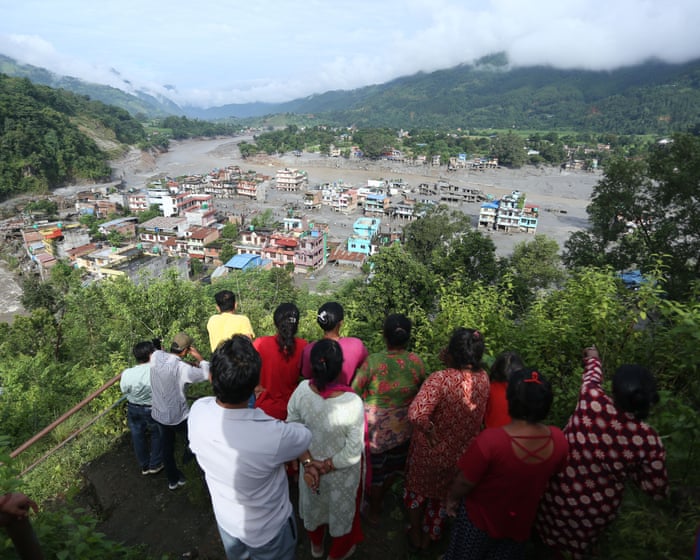
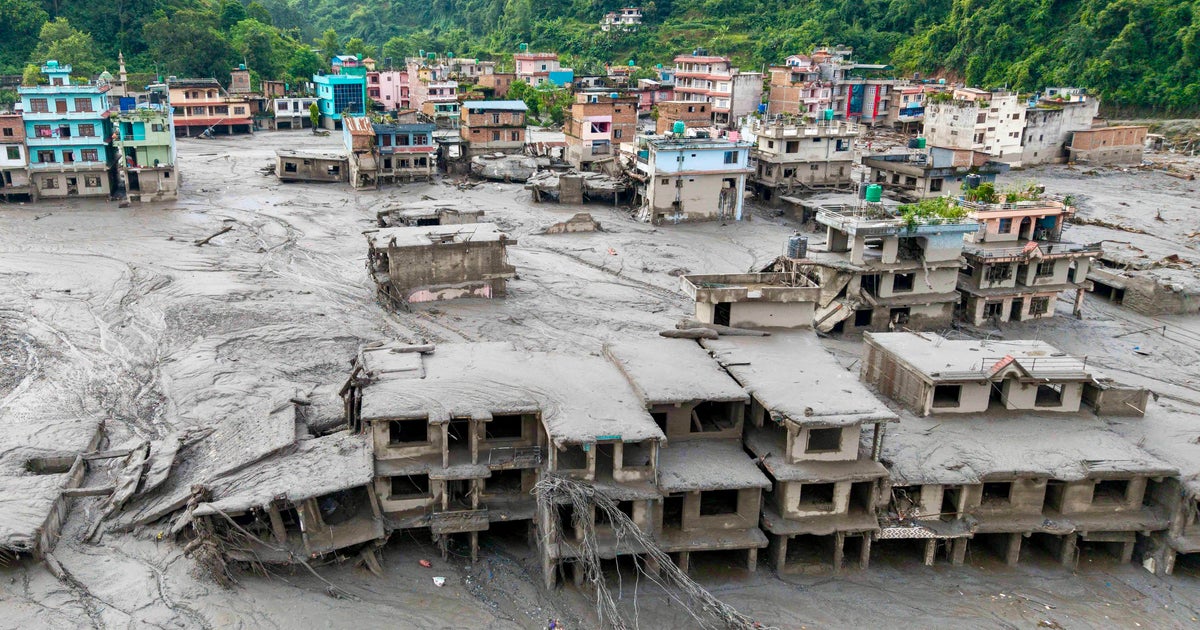
A glacier collapse in the Himalayas caused a deadly flash flood along the Nepal-Tibet border, killing at least 360 people and leaving 1,400 missing. Experts say this disaster shows how climate change is weakening glaciers and mountain permafrost, increasing the risk of such events in mountainous areas.
Key Facts
The flood was caused by a glacier collapse near Langtang Lirung mountain in the Himalayas.
Initial reports blamed an earthquake, but experts confirmed the seismic activity came from the glacier collapse itself.
The flood swept away buildings, roads, and caused at least 360 deaths and 1,400 missing persons.
The glacier collapse pushed rocks and debris into nearby rivers, making water levels rise rapidly by 7 to 9 meters in 30 minutes.
High temperatures and heatwaves melted ice that helped hold the glacier and mountain rock together.
Monsoon rains saturated the soil, adding to the instability that caused the flood.
Scientists warn that warming temperatures are making glaciers and frozen ground (permafrost) unstable worldwide.
The UN and climate experts say these types of disasters will become more common as global temperatures rise.
Read the Original
Want the full story? Tap a source to open the original
article.
A deadly flash flood in Nepal was likely caused by a large piece of a glacier breaking off and blocking a river temporarily, which caused a sudden surge of water downstream. The disaster killed hundreds and left more than a thousand people missing, while researchers continue to study how rising temperatures in the Himalayas may increase such risks.
Key Facts
The flood occurred after a large part of a glacier fell and possibly dammed a river temporarily.
Scientists detected a glacier collapse with a magnitude of 5.2 using seismic and satellite data.
Hundreds of people died, and over a thousand, including foreigners and pilgrims, remain missing.
The Himalayan region is warming faster than many other parts of the world.
The Hindu Kush Himalaya region contains massive ice reserves and is the source of 12 rivers feeding 1.9 billion people.
Rising temperatures due to burning fossil fuels may increase glacier melting and flood risks.
Flood waters rose quickly—up to 9 meters (about 30 feet) in 30 minutes—giving little time to escape.
The flood damaged homes, roads, bridges, hydropower dams, and other important infrastructure.
Read the Original
Want the full story? Tap a source to open the original
article.
A new study found that human-caused global warming is making El Niño events stronger. El Niño is a natural climate pattern that heats parts of the Pacific Ocean every few years and affects weather worldwide. The study shows recent strong El Niños, like the current “Godzilla” event, are linked to rising global temperatures caused by burning fossil fuels.
Key Facts
El Niño occurs every 2 to 7 years when the eastern tropical Pacific Ocean heats up.
This warming affects weather globally, often bringing hotter temperatures and altered rain patterns.
Recent El Niño events have become stronger and more frequent since the late 19th century.
The current El Niño, called a “Godzilla” event, is expected to be the strongest in living memory.
Burning fossil fuels has caused global temperatures to rise, which in turn makes El Niño events more intense.
Scientists studied coral fossils from the Galápagos Islands to track ocean temperatures over 1,000 years.
Since 1982, variability in El Niño events has increased by about 37% compared to preindustrial times.
The findings suggest climate change could make very strong El Niño events more common in the future.
Read the Original
Want the full story? Tap a source to open the original
article.
The Red Cross is responding to a major natural disaster in Nepal where entire villages and communities have been destroyed. Rescue teams are working to find survivors and deliver urgent help, but their efforts are slowed because roads, bridges, and communication lines have been destroyed.
Key Facts
A natural disaster has caused severe damage in Nepal, washing away whole villages.
The Red Cross and Red Crescent Societies are leading rescue and relief operations.
Damaged infrastructure like roads and bridges makes it hard to reach affected areas.
The main focus is on search and rescue and providing life-saving assistance.
Local Red Cross volunteers are helping their own communities despite personal losses.
The disaster has created a complex humanitarian crisis in the region.
Preparations for long-term recovery are beginning alongside emergency efforts.
Over 1,300 people have been reported missing after the floods in Nepal.
Read the Original
Want the full story? Tap a source to open the original
article.
A Russian military officer died and his wife was injured when their car exploded in a suburb of St Petersburg. Russian investigators are examining the scene and have opened a criminal probe, though they have not confirmed if an explosive device was involved.
Key Facts
The explosion happened around 10 a.m. local time in the Pushkinsky suburb of St Petersburg.
The man, identified as a 53-year-old lieutenant colonel, died either instantly or shortly after the blast.
His wife was injured in the incident.
Russian authorities called it a "car fire" but started a criminal investigation.
The man served in Russia’s Air Force and Air and Missile Defence units.
Moscow has previously accused Kyiv of targeting Russian military officials with assassination attempts.
There have been a series of similar vehicle explosions affecting Russian military and pro-war figures since the war in Ukraine began in February 2022.
No group has claimed responsibility for this recent explosion, and Ukraine has not made any comment.
Read the Original
Want the full story? Tap a source to open the original
article.
Qatar’s prime minister met with Iranian leaders in Tehran to discuss ways to reduce tensions and improve security in the Strait of Hormuz, an important shipping route. They talked about creating a temporary safe passage for ships and clearing mines from the area, hoping to resume peace talks involving the United States.
Key Facts
Qatar’s Prime Minister Sheikh Mohammed visited Iran and held talks with Iranian Foreign Minister Abbas Araghchi and other officials.
They discussed a plan for a temporary shipping corridor through the Strait of Hormuz to keep it open and safe.
A joint project to remove mines from the strait, which were laid during the war, was proposed.
The Strait of Hormuz is a key waterway where about 20% of the world’s oil passes.
Qatar and Pakistan have previously helped negotiate ceasefires and agreements between Iran and the US, but those deals collapsed.
US President Donald Trump said he is “not in a hurry” to restart negotiations with Iran.
Iran is also holding talks with Oman and other Gulf countries about managing the waterway and sharing revenues.
Officials emphasized the importance of diplomacy and reducing regional tensions to improve security.
Read the Original
Want the full story? Tap a source to open the original
article.
President Trump told Axios he is not worried that Russia will attack NATO countries. He said a CIA trip to Moscow by Director John Ratcliffe was routine and did not involve delivering a warning to Russia. European leaders remain concerned about potential Russian military actions near NATO.
Key Facts
President Trump said he is not concerned about a Russian attack on NATO members.
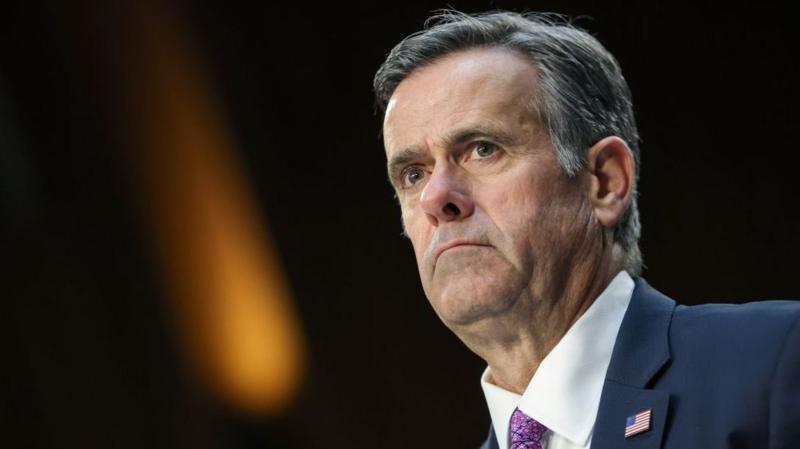
CIA Director John Ratcliffe visited Moscow and met with Russian intelligence chief Sergey Naryshkin.
Trump called the CIA visit "standard business" and denied reports that Ratcliffe warned Russia.
Naryshkin confirmed the visit was normal and involved discussing intelligence matters.
Ukrainian President Zelensky warned that Russia plans to send 500,000 troops and recruit 30,000 fighters from North Korea for an offensive in Ukraine.
Russian drones recently entered airspace of NATO countries like Romania and Poland but were shot down.
Russia accused the UK and France of risking conflict by supplying technology for Ukraine’s long-range attacks.
The Russian Foreign Ministry threatened to strike British military targets in response to UK support for Ukraine.
Read the Original
Want the full story? Tap a source to open the original
article.
A Greek Orthodox priest known for his experimental music clarified his views on homosexuality and political associations. He expressed support for love and acceptance of all people, including homosexuals, while maintaining the church’s traditional view that homosexuality is a sin. He also explained that a blessing he performed for a neo-Nazi-linked political party was part of his official duties, not a political endorsement.
Key Facts
Father Dionysios Tabakis is a Greek Orthodox priest and a cult figure in experimental music.
He supports love and acceptance for all people, including homosexuals, but aligns with the Orthodox Church’s traditional view that homosexuality is a sin.
In 2024, Greece became the first Orthodox-majority country to legalise same-sex marriage.
Tabakis wrote controversial posts calling gay marriage a “sodomitic monstrosity” but later clarified his stance to emphasize empathy and acceptance.
A 2013 video showed him performing a ceremonial blessing for Golden Dawn, a now-criminalised neo-Nazi party.
Tabakis said the blessing was part of official duties ordered by his superiors and did not mean political support.
Greek Orthodox priests often perform blessings for various public and private premises regardless of political affiliations.
Tabakis stated he opposes nationalism and referenced his grandparents’ fight against Nazism in World War II as part of his values.
Read the Original
Want the full story? Tap a source to open the original
article.
BBC director-general Matt Brittin said he did not fully understand how large the budget cuts at the BBC would be when he started his role. The BBC plans to cut around 2,000 jobs and save £160 million by 2028-29 while facing challenges like changing media habits and political pressure.
Key Facts
Matt Brittin, the BBC director-general, was surprised by how severe the budget cuts needed to be.
The BBC aims to save £160 million of a £500 million target by the 2028-29 financial year.
About 2,000 jobs are expected to be cut as part of the savings plan.
Brittin previously worked at Google and wants to use his tech experience to help the BBC adapt faster.
He criticized the BBC for being "inward looking" and too afraid to take risks.
The BBC is facing a $10 billion defamation lawsuit from President Donald Trump over a 2024 Panorama documentary about the US Capitol riots.
The BBC apologized for a mistake in editing the documentary but is trying to have the lawsuit dismissed because the edited version was not shown in the US.
Brittin praised the creativity and talent at the BBC despite the difficulties.
Read the Original
Want the full story? Tap a source to open the original
article.
This week, Japanese artist Yayoi Kusama passed away, Canadian Prime Minister Mark Carney and U.S. President Donald Trump announced new tariffs after trade talks failed, and the Duke and Duchess of Sussex returned to the UK. These events were part of various global news stories over the last seven days.
Key Facts
Japanese artist Yayoi Kusama died recently.
Canadian Prime Minister Mark Carney and President Donald Trump announced tariffs on each other's countries.
The tariffs came after trade discussions between the two countries broke down.
The Duke and Duchess of Sussex traveled back to the United Kingdom.
These events all took place within the past week.
Read the Original
Want the full story? Tap a source to open the original
article.
CIA Director John Ratcliffe made a secret trip to Moscow where he met with Russian intelligence officials. The visit aimed to warn Russia against escalating the conflict around Ukraine, especially actions that might target NATO countries.
Key Facts
Ratcliffe traveled secretly to Moscow on a US military plane.
He met Sergei Naryshkin, head of Russia's foreign intelligence agency.
The visit was the first of its kind in nearly five years by a CIA chief.
US officials say the meeting warned Russia against attacking NATO members like the Baltic states.
Russia has increased threats and attacks related to the Ukraine conflict.
Ukraine’s drone strikes have damaged Russian energy infrastructure, causing shortages in Russia.
Experts believe Russia might respond with more missile attacks or cyber warfare.
There is concern Russia could test NATO’s response by attacking countries like Lithuania.
Read the Original
Want the full story? Tap a source to open the original
article.
Ratko Mladic, a Bosnian Serb military commander convicted of genocide and war crimes during the 1992-1995 war in Bosnia and Herzegovina, died in prison at age 84. He was responsible for the Srebrenica genocide, where more than 8,000 Bosniak men and boys were killed despite the area being declared a UN safe zone.
Key Facts
Ratko Mladic died in prison in The Hague at the age of 84.
He was convicted by international courts for genocide, crimes against humanity, and war crimes during the Bosnia war.
Mladic was known as the “Butcher of Bosnia” because of his role in brutal attacks during the war.
The most notorious crime was the genocide in Srebrenica in July 1995, where over 8,000 Bosniak men and boys were killed.
Srebrenica had been declared a safe area by the United Nations before it was captured by Bosnian Serb forces under Mladic.
Mladic’s forces also besieged Sarajevo for nearly four years, causing widespread suffering to civilians.
He was sentenced to life in prison and was receiving medical care while detained.
Republika Srpska, led militarily by Mladic, was a Serb-controlled entity established during the Bosnian war and remains one of two entities in Bosnia and Herzegovina today.
Read the Original
Want the full story? Tap a source to open the original
article.
UEFA, Europe’s soccer governing group, is preparing to file a criminal complaint in Switzerland against FIFA President Gianni Infantino. The complaint relates to a failed plan to sell future World Cup profits to private investors, which UEFA claims involved possible financial mismanagement and unfair pricing.
Key Facts
UEFA is seeking permission from a U.S. court to get documents and testimony from FIFA in Florida for its complaint.
The complaint will be filed in Swiss courts, accusing Infantino of criminal mismanagement under Swiss law.
Infantino had a plan to create a new FIFA subsidiary to sell commercial rights for World Cup events to investors.
Joshua Kushner’s investment company was involved as a key investor in the plan.
The plan was canceled after opposition from UEFA, Asia’s soccer body, and North America.
UEFA warned FIFA not to destroy or hide any related documents and said it lost trust in Infantino’s leadership.
The $4.2 billion price for the stake was described as unreasonably low and possibly benefiting Infantino personally.
Infantino’s close ties to President Trump and Kushner’s family were noted during the World Cup hosted by the U.S., Mexico, and Canada.
Read the Original
Want the full story? Tap a source to open the original
article.
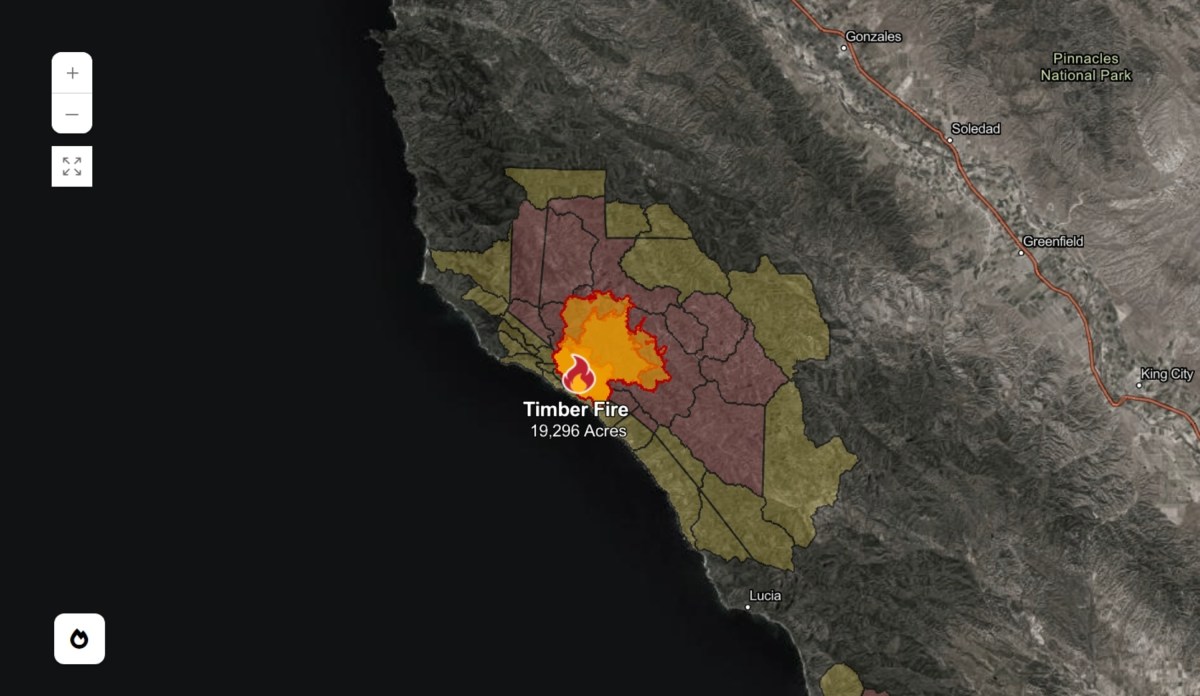
Two wildfires are burning in California's Big Sur region. The Timber Fire has grown to over 19,000 acres with 21% containment, while the newer Plaskett Fire has burned 140 acres and is not yet contained. Firefighters are working in rugged terrain to protect nearby communities and investigate the cause of the Timber Fire.
Key Facts
The Timber Fire started on August 8 in Los Padres National Forest and has spread to more than 19,000 acres.
As of Thursday, the Timber Fire is 21% contained.
The Plaskett Fire began on August 26, south of the Timber Fire, and has burned 140 acres with 0% containment.
Both fires are burning in steep, hard-to-access wilderness areas of Monterey County.
Evacuation orders and warnings are in place for residents near both fires.
Weather conditions such as low humidity, warm temperatures, and gusty winds are helping the fires spread.
Officials have not yet determined the cause of the Timber Fire; the investigation is ongoing.
Fire crews are focusing on slowing the spread and protecting structures in the affected areas.
Read the Original
Want the full story? Tap a source to open the original
article.
The article discusses the urgent need for the United States and China to work together on regulating artificial intelligence (AI) while still competing in technology development. It highlights recent AI developments and challenges that show private companies alone cannot handle AI safety and governance.
Key Facts
The U.S. and China are the two main countries leading AI technology development.
A company named Anthropic released AI tools called Fable and Mythos but limited their use due to hacking concerns.
Private companies cannot manage AI risks and governance alone.
Chinese AI models have quickly improved and are catching up to U.S. AI technology.
Cooperation between the U.S. and China is important to create global rules for AI safety.
Both countries must balance working together on AI rules while competing in their AI innovations.
Read the Original
Want the full story? Tap a source to open the original
article.
Israeli forces have placed three new metal gates near homes in the Palestinian village of Qusra, located in the West Bank. Residents worry these gates might mean a lasting Israeli control and could limit their access to their homes and land.
Key Facts
Israeli forces installed three metal gates near homes in Qusra.
Qusra is a Palestinian village in the West Bank, a territory under Israeli occupation.
The village is currently under siege by Israeli forces.
Palestinians living there fear the gates represent a permanent Israeli presence.
Residents are concerned the gates will further restrict access to their homes and land.
The situation affects daily life and movement for the local Palestinian community.
The report was covered by Al Jazeera journalist Nida Ibrahim.
Read the Original
Want the full story? Tap a source to open the original
article.
A beluga whale named Peekachu died shortly after being moved from a closed park in Ontario, Canada, to the Shedd Aquarium in Chicago as part of a rescue effort. The aquarium was trying to help the whale recover after the long trip but announced her sudden death while providing treatment.
Key Facts
Peekachu was a 23-year-old female beluga whale.
She was moved from Marineland park in Ontario, which closed in 2024.
Marineland kept about 30 beluga whales and four dolphins before closing.
Canada approved moving the whales to new homes in January 2026.
Eight whales were sent to the Shedd Aquarium in Chicago this summer.
Peekachu was blind in one eye and had difficulty socializing with other whales.
She showed some early improvement after the trip but was dehydrated when she died.
Other whales from Marineland will be relocated to aquariums in the U.S. and Spain.
Read the Original
Want the full story? Tap a source to open the original
article.