Yayoi Kusama, a famous Japanese artist known for her colorful polka dot designs, has died at the age of 97. She was admired worldwide for turning her experiences with hallucinations and mental health into unique and vibrant artwork.
Key Facts
Yayoi Kusama was a leading figure in contemporary art.
She was famous for using polka dots, nets, and repeating patterns called infinity motifs.
Kusama used her art to express her mental health struggles and hallucinations.
Her career lasted many decades and had global influence.
She passed away at the age of 97.
Her death was officially announced by her company.
She earned nicknames like "polka dot queen" because of her signature style.
Read the Original
Want the full story? Tap a source to open the original
article.
A flight attendant in France has won a legal case that officially recognizes her breast cancer as caused by her work. This is the first time a cancer case linked to the aviation industry has been accepted as an occupational disease in France.
Key Facts
The flight attendant’s name is Sophie Lainault.
She used to work for Air France.
She often worked night shifts.
She was exposed to passive smoking at work.
Her breast cancer has now been recognized as related to her job.
This ruling is the first of its kind in France’s aviation sector.
Occupational disease means an illness caused by the work environment or job duties.
The case sets a precedent for how cancer linked to flight attendant work is viewed legally.
Read the Original
Want the full story? Tap a source to open the original
article.
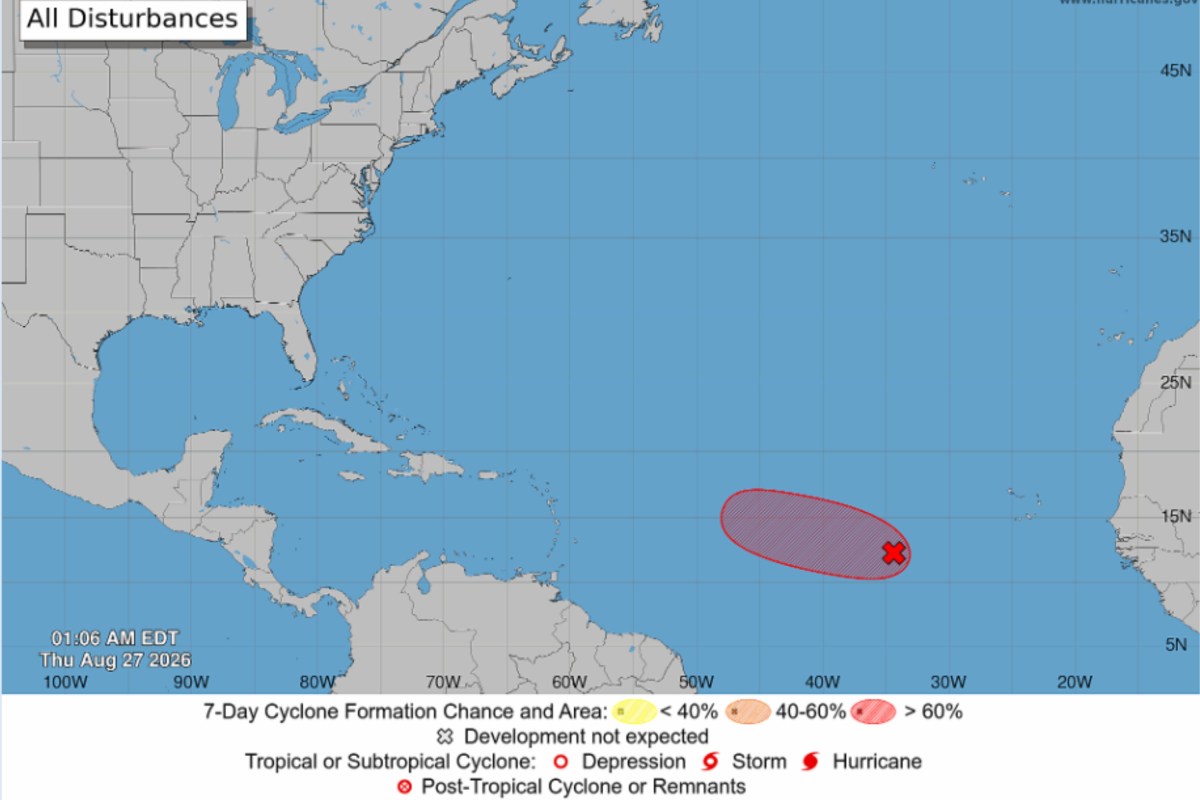
Meteorologists are watching an area of disturbed weather in the Atlantic called Invest 96L. The National Hurricane Center says it has a 70% chance of becoming a tropical storm named Dolly within the next few days.
Key Facts
Invest 96L is a weather disturbance southwest of the Cabo Verde Islands.
The National Hurricane Center (NHC) monitors Invest 96L for tropical development.
Showers and thunderstorms linked to Invest 96L have become more organized.
There is a 70% chance the system will develop into a tropical cyclone in 48 hours and seven days.
If it becomes a tropical storm, it will be named Dolly.
Conditions may become less favorable for development by Friday.
The NHC may issue official advisories if Invest 96L strengthens into a tropical depression or storm.
Forecast models show different possible paths for the storm, signaling a potential threat.
Read the Original
Want the full story? Tap a source to open the original
article.
The Strait of Hormuz, a narrow passage key to global shipping, has seen a drastic drop in vessel traffic from over 100 ships a day to only five since the United States-Israel war on Iran began. This reduction has caused major disruptions in the global movement of oil, gas, and goods, as about 80 percent of world trade depends on ships passing through such routes.
Key Facts
The Strait of Hormuz is a 33 km (21 miles) wide passage important for shipping.
Before the conflict, about 100 vessels passed through it daily; now only about five do.
Around 80% of the world's trade by volume moves through maritime shipping.
The Strait carries more than one-third of the world’s seaborne crude oil and significant amounts of gas products.
Crude oil exports from the Gulf region have dropped by 47%, from 17 million barrels to about 9 million barrels a day.
Direct crude oil exports via the Strait have fallen to an average of 2.2 million barrels per day.
Different types of ships pass through the Strait, including oil tankers, container ships, dry bulk carriers, and Ro-Ro ships (which carry wheeled cargo).
The Strait has no alternative maritime route, making its closure uniquely disruptive to global trade.
Read the Original
Want the full story? Tap a source to open the original
article.
A large piece of ice broke off from a glacier and fell into a river, causing severe floods in Nepal and Tibet. The floods have killed at least 180 people, left more than 1,300 missing, and displaced many others in the Himalayan area.
Key Facts
A glacier collapse triggered the floods in Nepal and Tibet.
The ice fell thousands of meters into a river below.
At least 180 people have died because of the floods.
Over 1,300 people are reported missing, including foreigners and pilgrims.
Hundreds of people have lost their homes in the Himalayan region.
The disaster occurred recently and affects both Nepal and Tibet.
Rescue and recovery efforts are ongoing in the area.
Read the Original
Want the full story? Tap a source to open the original
article.
Floods and mudslides caused by a glacier collapse have hit the border area between Nepal and China, killing at least 270 people and leaving over 1,300 missing. Rescue teams face challenges due to destroyed bridges and roads, and many people have been evacuated or displaced.
Key Facts
A glacier collapse caused floods and mudslides along the Nepal-China border.
At least 270 people have died and more than 1,300 are reported missing.
Hundreds of people are displaced in the Himalayan region.
Dozens of bridges and about 40 km of roads have been damaged, making rescue efforts difficult.
The Nepali army rescued over 100 people by helicopter and evacuated foreign nationals.
Bodies were found 100 km downstream in Nepal’s Chitwan district.
Injured people are being sent to Kathmandu for medical treatment.
In Tibet, mudslides covered roads with up to 2 meters of mud near the border crossing at Gyirong.
Read the Original
Want the full story? Tap a source to open the original
article.
Yayoi Kusama, a famous Japanese artist known for her immersive art using bright colors and polka dots, has died at age 97. She gained worldwide recognition for her unique exhibitions, including Infinity Mirror Rooms and large sculptures, which attracted millions of visitors.
Key Facts
Yayoi Kusama was a Japanese artist who used polka dots, mirrors, and lights in her art.
She became popular during the pop art movement and had shows in cities like Tokyo, New York, London, and Melbourne.
Kusama experienced hallucinations of dots and lights as a child, which inspired her art from the 1960s.
She represented Japan at the Venice Biennale in the 1990s, boosting her global fame.
Kusama had major exhibitions at the Museum of Modern Art (New York), Tate Modern (London), and the National Museum of Modern Art (Tokyo).
Visitors took part in her art by placing over 800,000 stickers on a room at the Hirshhorn Museum in Washington D.C. in 2017.
Her art installations drew large crowds and were extended several times, notably the Infinity Mirror Rooms at Tate Modern from 2021.
She lived voluntarily in a psychiatric hospital for many years and died recently in a Tokyo hospital.
Read the Original
Want the full story? Tap a source to open the original
article.
Norwegian King Harald is in very serious health condition, according to the royal palace. The 89-year-old king, who has hemolytic anemia, was recently hospitalized, and his health has worsened after earlier improvements.
Key Facts
King Harald of Norway is 89 years old.
He has hemolytic anemia, a condition where red blood cells break down too quickly.
The king was admitted to the National Hospital in Oslo earlier in August 2026.
His health had stabilized after a bacterial blood infection but then got worse.
Queen Sonja and Crown Prince Haakon canceled their public events due to his condition.
Crown Prince Haakon is acting as regent while the king is hospitalized.
King Harald has been Norway’s monarch since 1991.
He has been hospitalized multiple times in recent years for various health issues.
Read the Original
Want the full story? Tap a source to open the original
article.
Heavy rain and flooding hit the north-central regions of Japan, especially in Ishikawa and Toyama prefectures. The weather caused roads to close, homes and vehicles to flood, and left many people stranded and needing rescue.
Key Facts
A Level 5 heavy rain warning was issued for parts of Ishikawa and Toyama prefectures by Japan’s weather agency.
More than 380,000 people were advised to move to safer locations due to flooding and landslide risks.
Up to 20 centimeters (7.8 inches) of rain was expected through Friday morning in some areas.
Flooding isolated 270 homes in three municipalities in Ishikawa prefecture.
Rescue workers used rubber boats to help residents stranded in flooded areas.
Several rivers overflowed, causing widespread flooding but no reported injuries.
Over 1,000 homes experienced power outages because of the bad weather.
Earlier in the month, flooding in eastern Japan caused 13 deaths.
Read the Original
Want the full story? Tap a source to open the original
article.
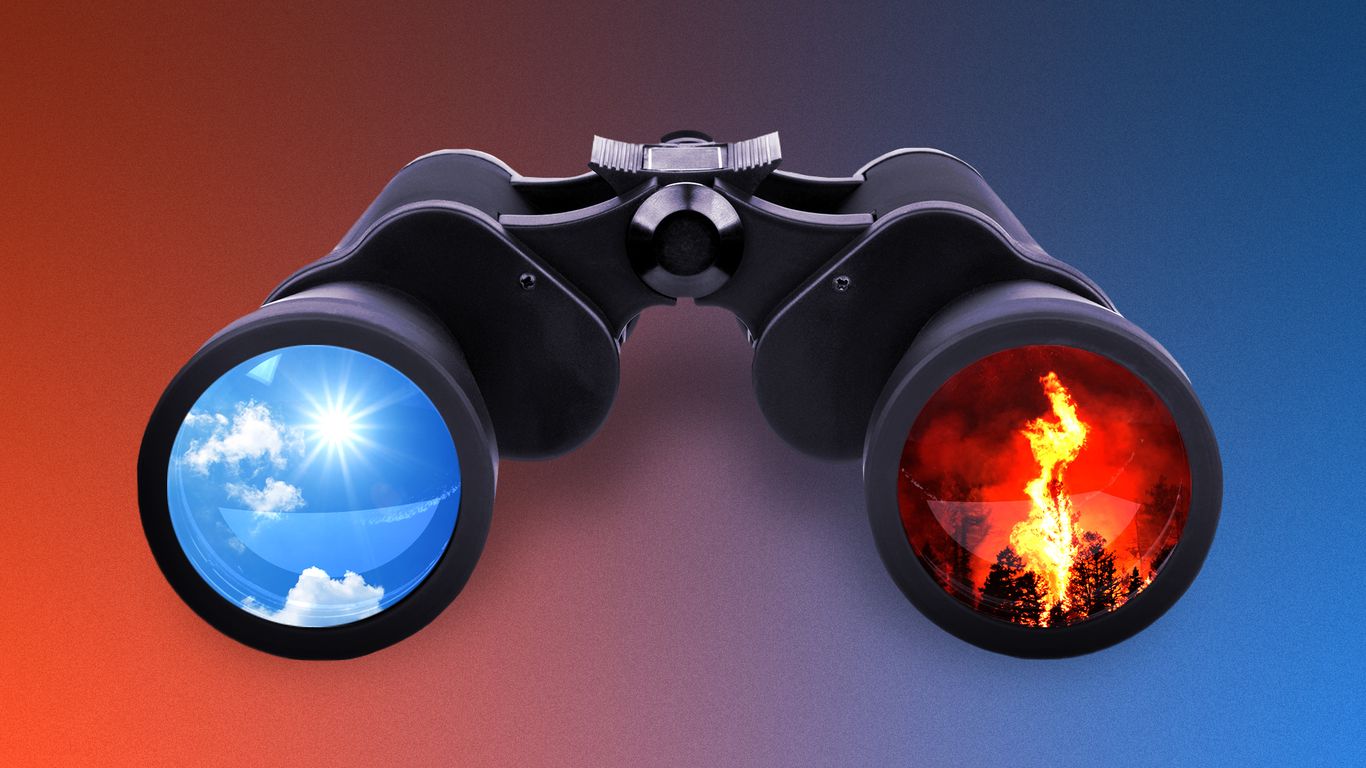
Wildfires are becoming more severe due to climate change, requiring actions during fires, before fire seasons, and over many years. The Pacific Northwest is currently experiencing a record wildfire season, highlighting the need for better evacuation plans, forest management, and climate policies.
Key Facts
The Pacific Northwest, including Washington and Oregon, is having its most active wildfire season in recorded history.
Wildfires need different responses: evacuations during fires, preparing homes and communities before fire seasons, and long-term forest and climate management.
Preparing evacuation plans ahead of time helps people stay calm and act quickly when fires start.
Simple home safety steps include clearing flammable materials near houses and protecting vents from embers.
Community measures include managing nearby fuels and adopting building rules suited for wildfire risks.
A man has been charged with arson for starting a large fire in Spokane that destroyed hundreds of homes.
The cause of fires (arson or natural) does not change the need for preparedness because weather conditions drive fire severity.
Government actions, like cutting greenhouse gas emissions, are key to reducing wildfire risks over decades.
Read the Original
Want the full story? Tap a source to open the original
article.
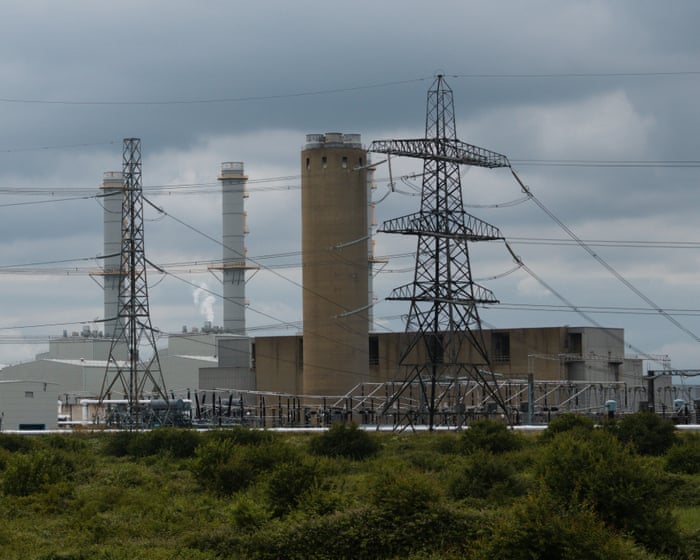
A small gas power plant in the UK was shut down for four days due to a cyber-attack linked to Iran. The UK government plans to improve cybersecurity rules for small power plants by 2030, but experts say this timeline may leave the energy system at risk.
Key Facts
Hundreds of small gas power plants in the UK could be vulnerable to cyber-attacks until new rules take effect in 2030.
An Iran-linked cyber-attack shut down an unnamed small power plant for about four days last month.
The government’s energy regulator, Ofgem, will propose new cybersecurity standards by the end of 2027.
These new standards aim to protect small gas and electricity plants that are currently less secure than large power stations.
Small gas plants are often unmanned and usually idle but can supply extra power when needed.
The attack did not affect the wider UK electricity system, but it showed these plants are targets for hackers.
Experts warn the government should speed up cybersecurity measures to protect national security.
The UK faces an average of four major cyber-attacks weekly, increasing the urgency to improve defenses.
Read the Original
Want the full story? Tap a source to open the original
article.
The US Treasury announced a new sanctions plan called Operation Economic Outcast to punish Iran and any countries, including China, that help Iran. This is President Trump’s latest effort to end conflict involving Iran. Experts worry this move might cause wider global trade problems.
Key Facts
Operation Economic Outcast is a sanctions program targeting Iran and countries assisting it.
The plan was announced by US Treasury Secretary Scott Bessent on August 24, 2026.
China is specifically mentioned as a country that could face punishment under the new sanctions.
This action is part of President Trump’s strategy to end the ongoing conflict related to Iran.
Experts like Vali Nasr from Johns Hopkins University are concerned it might trigger a global trade conflict.
The announcement was made during a press conference at the US Treasury Department in Washington, DC.
Previous sanctions against Iran have been in place, but this operation aims to be more strict.
The issue involves not just Iran but also international relationships and global trade.
Read the Original
Want the full story? Tap a source to open the original
article.
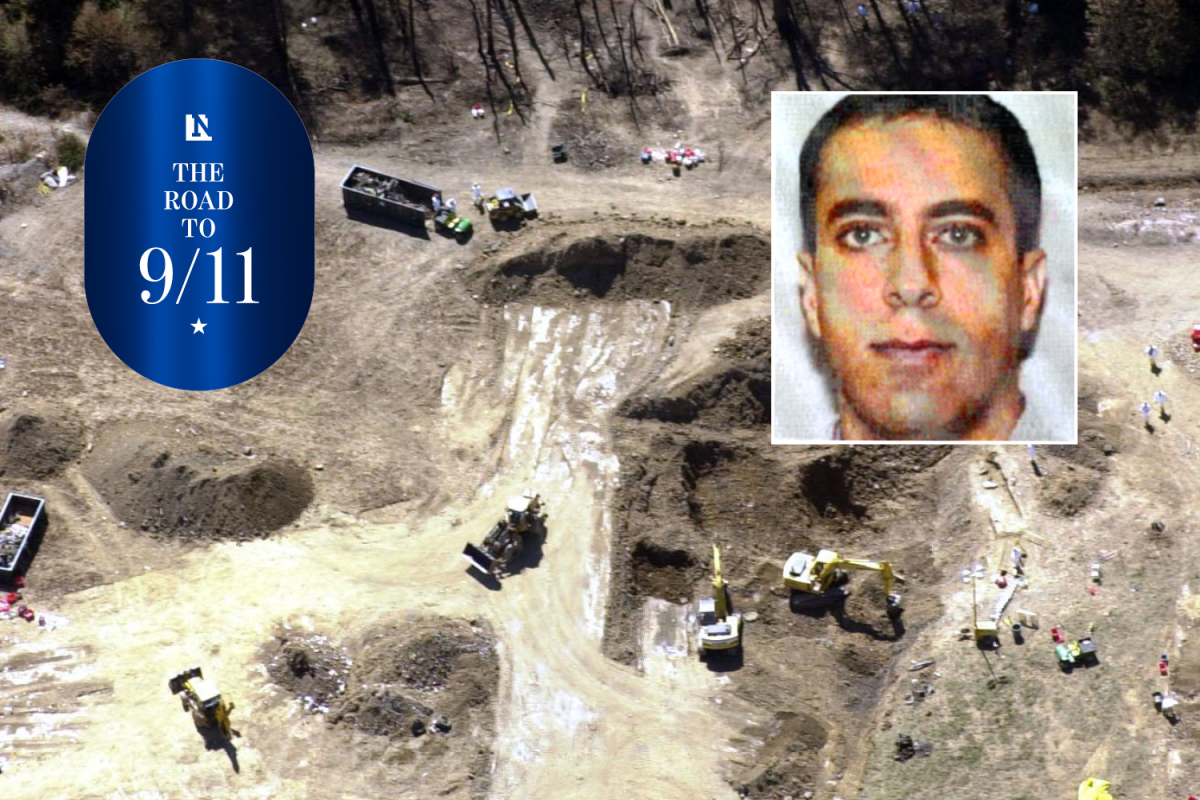
This article describes activities of al-Qaeda members just before the September 11, 2001 attacks. It details how some hijackers bought flight materials and tried to enter the United States but were denied visas for reasons unrelated to terrorism. It also explains the role of financial supporters who helped the hijackers prepare.
Key Facts
Ziad Jarrah, one of the hijackers, bought special flight charts and GPS devices near Fort Lauderdale in late August 2001.
Mohammed Atta and others copied Boeing cockpit diagrams at an office supply store the day after Jarrah’s purchases.
Ali Abdul Aziz Ali, also known as Ammar Al-Baluchi, applied for a U.S. visa in Dubai but was denied due to concerns he might stay illegally.
Ramzi Bin al-Shibh, another al-Qaeda member, was denied a U.S. visa four times over similar immigration concerns.
Five al-Qaeda members failed to get U.S. visas before 9/11, but none were denied due to suspected terrorism.
Ali Al-Baluchi acted as a financial middleman helping the hijackers with money and travel arrangements.
The secret details about what these visa-denied individuals planned to do in the U.S. remain unclear to the public.
This information is part of a series examining the events leading up to 9/11, 25 years after the attacks.
Read the Original
Want the full story? Tap a source to open the original
article.
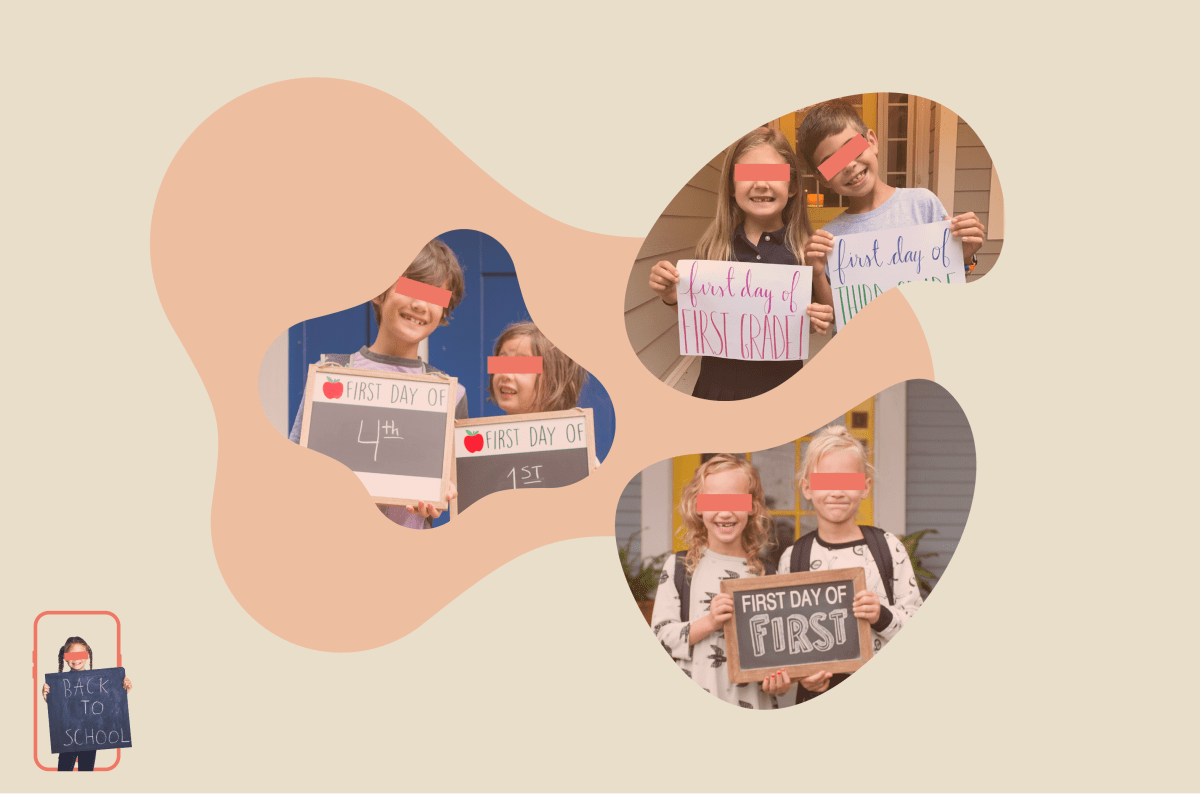
This article discusses the common practice of parents posting photos of their children on the first day of school on Instagram. It explores why parents share these pictures and questions the purpose of sharing them with a large audience versus close family and friends.
Key Facts
Many parents post pictures of their kids on the first day of school on Instagram.
These posts show kids dressed nicely and smiling, marking a new school year.
Parents often post to share their feelings and celebrate this milestone.
Posting can be a way for parents to connect with others and express pride in their children.
There is a difference between sharing photos privately with family and broadcasting them to many Instagram followers.
Parents sometimes feel emotional about their kids growing older and starting new school years.
Some parents take many photos before choosing the best one to share or print.
The article questions the value of posting these photos to a broad audience instead of just close contacts.
Read the Original
Want the full story? Tap a source to open the original
article.
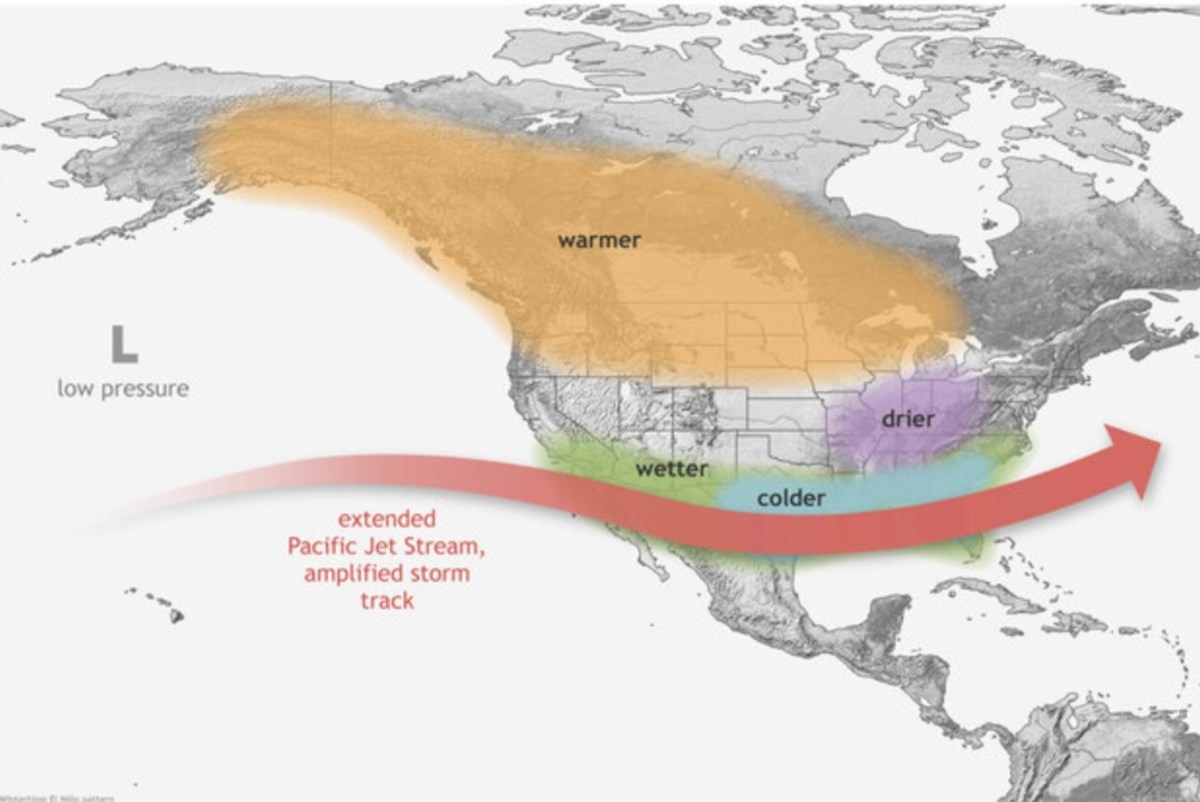
A strong El Niño weather pattern is likely to develop this fall and winter, bringing warmer and wetter conditions to parts of the United States. Scientists warn that these changes may increase the risk of diseases like hantavirus, West Nile virus, and foodborne illnesses in the months following winter.
Key Facts
The National Oceanic and Atmospheric Administration (NOAA) estimates there is over a 90% chance a strong El Niño will form this fall and winter.
El Niño raises Pacific Ocean temperatures at least 2 degrees Celsius above average, affecting weather worldwide.
Wetter and warmer conditions can help rodents and mosquitoes survive, which may increase diseases like hantavirus and West Nile virus.
Cyclospora, a foodborne infection, usually peaks in late spring to early fall and could become more common due to El Niño.
El Niño typically causes wetter conditions in the southern U.S. and drier, warmer weather in the northern U.S.
The Southwest and southern Rocky Mountains might see more snowfall this winter, while some northern areas may see less snow.
These weather changes can affect ecosystems, water, and food systems, influencing how diseases spread.
It is still too early to know exactly which U.S. regions will be most affected or the full impact of this El Niño event.
Read the Original
Want the full story? Tap a source to open the original
article.
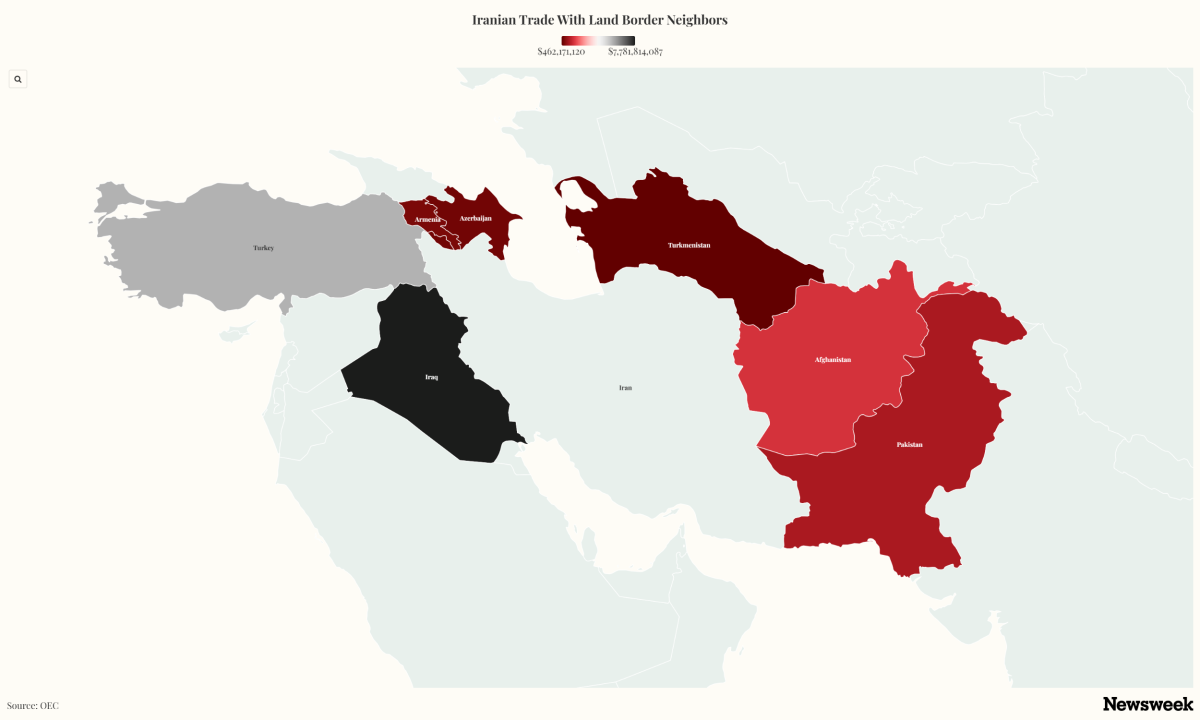
President Donald Trump has imposed a naval blockade on Iran to limit its maritime trade as part of an economic campaign against the country. In response, Iran is relying more on land trade routes through its neighboring countries, especially Iraq and Turkey, to keep its economy running despite U.S. sanctions.
Key Facts
The U.S. naval blockade has reduced Iran’s ability to trade by sea.
Iran is turning to land routes with its seven neighboring countries to maintain trade flows.
Iraq, sharing the longest border with Iran, is Iran’s most important trading partner with trade over $10 billion last year.
Iran supplies Iraq with natural gas and electricity, making the relationship economically significant.
Iraq seeks to remain neutral and has shown reluctance to support U.S. efforts to stop trade with Iran.
Turkey is an important land corridor for Iran’s trade between the Middle East and Europe, with annual trade estimated at $5-6 billion.
These land trade routes help Iran survive economically but cannot fully replace the scale of maritime trade.
Iranian-backed militias in Iraq have increased attacks on U.S., Israeli, Saudi, and UAE targets related to regional conflicts.
Read the Original
Want the full story? Tap a source to open the original
article.
King Harald V of Norway is very sick and in the hospital with a serious blood condition called haemolytic anaemia. His family, including Crown Prince Haakon and Queen Sonja, have come to be with him as his health has worsened.
Key Facts
King Harald V is 89 years old and has been Norway's king since 1991.
He has a rare blood disease called haemolytic anaemia, which lowers red blood cells and causes tiredness and breathing problems.
The king has been treated with cortisone and is in "extremely serious" condition.
His son, Crown Prince Haakon, 53, is acting as regent while the king is on leave.
Other family members, such as Crown Princess Mette-Marit and Princess Astrid, are also at the hospital.
The king recently had a pacemaker fitted after a previous health problem in 2024.
The royal family faced other difficulties in 2026, including a lung transplant for Crown Princess Mette-Marit and legal troubles for her son Marius Borg Høiby.
Crown Princess Mette-Marit previously apologized for her past friendship with Jeffrey Epstein.
Read the Original
Want the full story? Tap a source to open the original
article.
Former Malaysian Prime Minister Ismail Sabri Yaakob has been charged with hiding about $40 million in assets from the country’s anti-corruption agency. He pleaded not guilty and faces up to five years in prison if convicted.
Key Facts
Ismail Sabri was Malaysia’s prime minister from August 2021 to November 2022.
He is accused of not fully declaring assets worth about $40 million, including money in nine currencies and gold and silver bars.
The charge alleges he did not comply with a notice to declare certain assets.
The court set bail at 300,000 ringgit (about $74,500) and allowed him to keep his passport.
Ismail Sabri is the third Malaysian former prime minister to face criminal charges related to corruption.
Najib Razak, another former PM, is serving a prison term related to the 1MDB financial scandal.
Muhyiddin Yassin, also a former PM, is currently on trial for corruption and money laundering.
Ismail Sabri’s next court date is set for September 29.
Read the Original
Want the full story? Tap a source to open the original
article.
More than 100 of the nearly 1,300 people missing after floods in Nepal and China were pilgrims visiting Mount Kailash, a sacred mountain in the Himalayas. The floods have caused at least 168 deaths and displaced many people in the region.
Key Facts
Mount Kailash is a sacred mountain located in southwestern Tibet near Nepal and India.
It rises over 6,400 meters (21,000 feet) above sea level and lies near Lake Manasarovar.
The mountain is important to several religions: Hinduism, Buddhism, Jainism, and the Tibetan Bon tradition.
Hindus believe Mount Kailash is the home of the god Shiva and goddess Parvati.
Tibetan Bon followers view it as a powerful spiritual place connected to their founder Tonpa Shenrab.
Pilgrims travel to Mount Kailash each year, typically walking a 33-mile path around the mountain.
The pilgrimage is believed to cleanse sins, taking about three days to finish the circuit.
Floods caused by heavy rains and glacier collapse have killed at least 168 people and left many missing near this area.
Read the Original
Want the full story? Tap a source to open the original
article.
Countries in the Middle East are trying to find a way to reduce tensions in the ongoing conflict involving Iran. Recently, an oil tanker was attacked in the important Strait of Hormuz, and Tehran rejected new U.S. sanctions. In other news, a Jerusalem court ordered psychiatric care for a man who attacked a Catholic nun.
Key Facts
Regional powers are seeking a peaceful solution to the conflict involving Iran.
An oil tanker was hit by an unknown projectile in the Strait of Hormuz, a major shipping route controlled by Iran.
The tanker caught fire, but the crew was safe and no environmental damage was reported.
Iran and Oman are close to agreeing on a plan to manage ship traffic through the Strait of Hormuz.
Pakistan is working diplomatically to help resolve tensions between the U.S. and Iran and to reopen the Strait of Hormuz.
Tehran dismissed the latest U.S. sanctions amid ongoing conflict.
A Jerusalem court cleared a man charged with attacking a Catholic nun due to insanity and ordered him to psychiatric care.
Reports indicate increasing harassment against Christians in Jerusalem’s Old City by some Jewish religious nationalists.
Read the Original
Want the full story? Tap a source to open the original
article.