World leaders are meeting at the United Nations Security Council to discuss concerns about the dangers of artificial intelligence (AI). This emergency session comes after several warnings about AI’s risks and the need for regulations.
Key Facts
AI leaders will brief the UN Security Council at an urgent meeting.
The session follows weeks of warnings about the risks of AI.
Leaders want to talk about how to control and regulate AI technologies.
The meeting highlights global concern over AI’s potential to be uncontrollable.
The United States and other countries are involved in these discussions.
The aim is to address the challenges AI presents to security and safety.
This is part of an international effort to manage AI’s impact worldwide.
Read the Original
Want the full story? Tap a source to open the original
article.
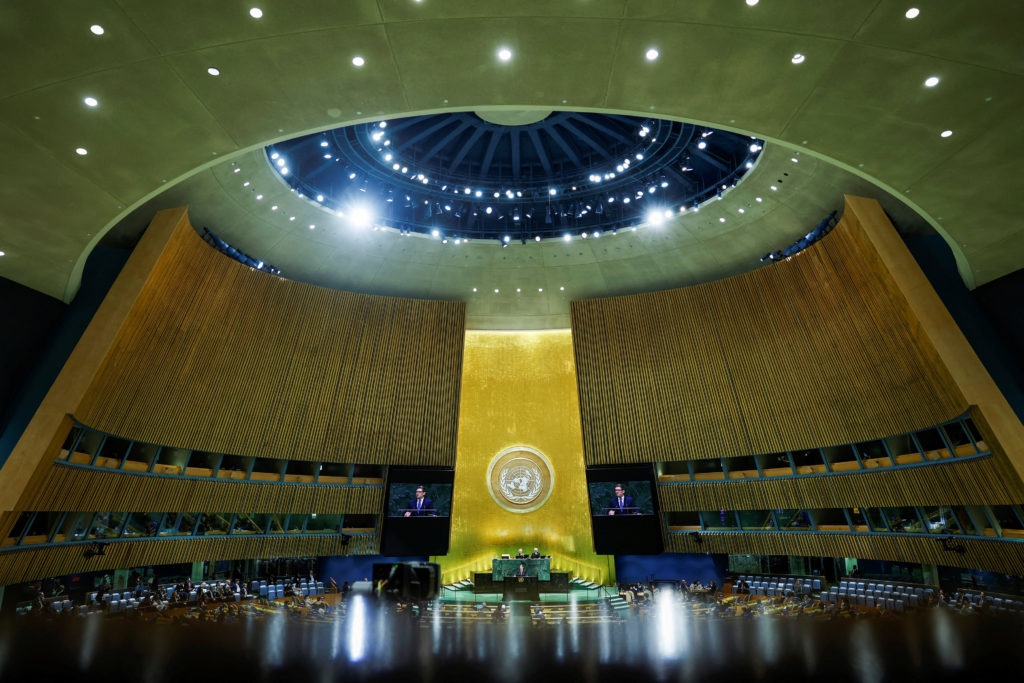
Several world leaders will speak at the United Nations General Assembly in New York on Wednesday. Iranian President Masoud Pezeshkian is scheduled to speak as indirect talks continue between Iran and the United States.
Key Facts
The UN General Assembly is meeting in New York this week.
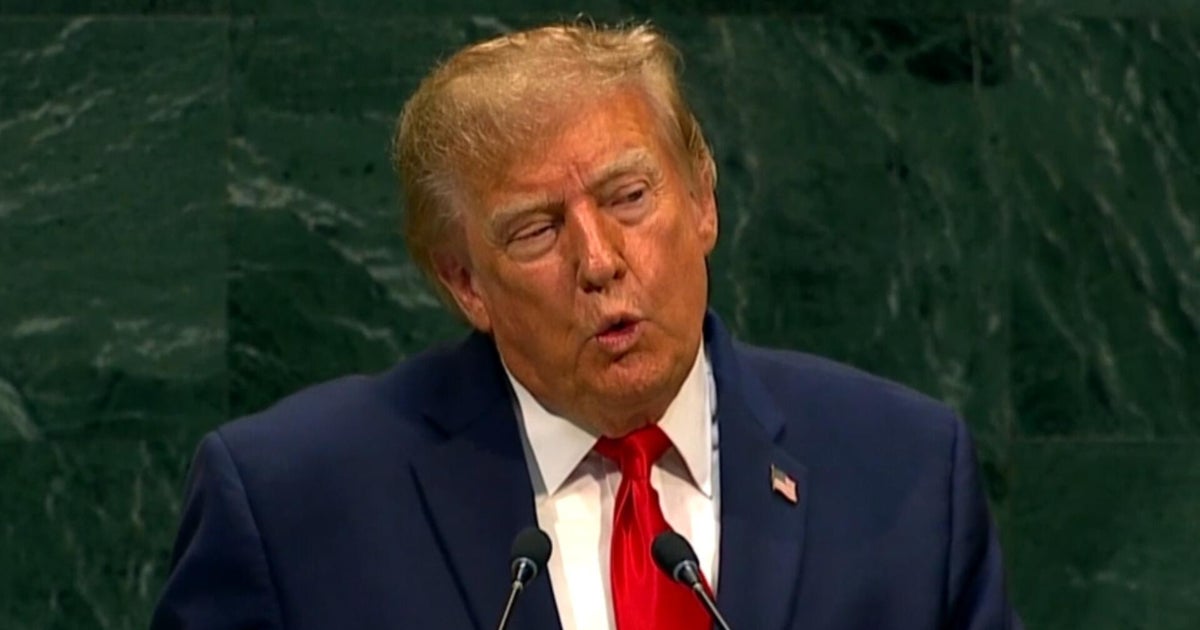
President Donald Trump spoke at the UNGA on Tuesday.
Iranian President Masoud Pezeshkian will speak early Wednesday.
The U.S. has been involved in a war in the Middle East for nearly seven months.
Iran and the U.S. are holding indirect talks during this conflict.
Other leaders, including Ukraine’s President Volodymyr Zelensky and a leader named Rodriguez, will also address the UNGA.
Read the Original
Want the full story? Tap a source to open the original
article.
Powerful storms are threatening millions of people along the East Coast of the United States. At the same time, Hurricane Polo is active near the West Coast.
Key Facts
Strong storms are approaching millions of people living on the U.S. East Coast.
These storms could cause dangerous weather conditions.
Hurricane Polo is currently near the West Coast of the U.S.
The situation affects both coasts with different storm systems.
Weather authorities are monitoring these storms closely.
Read the Original
Want the full story? Tap a source to open the original
article.
Two pilots were hurt after a Royal Air Force (RAF) training plane crashed near RAF Valley on Anglesey. They have minor injuries and are being treated, with no other damage or injuries reported.
Key Facts
The crash involved an RAF training aircraft.
The incident happened in the Pencarnisiog area of Anglesey, near RAF Valley.
Two pilots were injured but their injuries are minor.
Helicopters from the Coastguard and Wales Air Ambulance responded to the scene.
North Wales Police asked people to avoid the area.
The Ministry of Defence is expected to provide more information.
No other injuries or damage have been reported so far.
The situation is still developing, and updates will follow.
Read the Original
Want the full story? Tap a source to open the original
article.
In the UK, there has been a rise in racist incidents, including verbal abuse and attacks, especially targeting Black people and migrants. Groups and activists have urged the government to act as racist violence is becoming more common and linked to political and social issues like immigration and inequality.
Key Facts
Agnes Peters, a care worker in Manchester, was racially abused and attacked while wearing her work uniform.
Racist attacks have increased and become more open in public places in the UK.
Over 150 organizations, including Oxfam and Amnesty International, have demanded government action on rising racist violence.
Racism has been fuelled by political and media narratives that stigmatize migrants and minorities.
Far-right activist Daniel Thomas and his group, Patriot Platform, have been involved in anti-migrant protests and aggressive actions at ports.
Anti-migrant protests, often involving masked men, have occurred in several towns, sometimes leading to random attacks on Black people.
Some politicians and far-right groups are using racist and anti-migrant rhetoric, which experts say normalizes hatred in society.
Experts warn that mainstream politics adopting extreme right ideas helps spread and accept racist views.
Read the Original
Want the full story? Tap a source to open the original
article.
A beluga whale named Osiris died at the Shedd Aquarium in Chicago after being rescued from a closed Canadian marine park. Several other belugas that were moved to aquariums in the US and Spain after the park’s closure have also died due to health problems linked to adjusting to new environments.
Key Facts
Osiris was a 26-year-old female beluga whale rescued from Marineland, a closed marine park in Ontario, Canada.
Shedd Aquarium in Chicago received 10 of the 30 belugas relocated from Marineland.
Osiris died after showing signs of health decline despite efforts to care for her.
Two other belugas, Peekachu and Rain, died earlier at the Shedd Aquarium.
Jelly Bean, a male beluga moved to Oceanogràfic in Spain, also died unexpectedly.
Marineland closed in 2024 due to financial problems and many animals there had died previously.
The Canadian government stopped the sale of the remaining marine animals to China, prompting international rescues.
Other aquariums in the US, including Georgia Aquarium and SeaWorld parks, have taken in belugas from Marineland, with some reports of decreased appetite but generally stable health.
Read the Original
Want the full story? Tap a source to open the original
article.
President Donald Trump said U.S. and Iranian officials met for about three hours during the 2026 United Nations General Assembly. He warned that the U.S. might take strong action against Iran if a deal is not reached soon to end the ongoing war.
Key Facts
President Trump announced a meeting between U.S. and Iranian officials at the U.N. General Assembly.
The meeting lasted around three hours and involved Trump’s envoys Steve Witkoff and Jared Kushner.
The Iranian officials who attended were not the highest-ranking representatives.
Trump described the meeting as "very good" but gave few details about what was discussed.
In his U.N. speech, Trump threatened to "annihilate" Iran if a deal to end the war is not found quickly.
The war mentioned has been ongoing for nearly seven months.
The meeting took place on the sidelines of the annual U.N. gathering of world leaders.
Read the Original
Want the full story? Tap a source to open the original
article.
The International Criminal Court (ICC) has found Mahamat Said Abdel Kani, a militia leader from the Central African Republic, guilty of crimes against humanity, including torture. He was accused of running a detention center where supporters of the former president were cruelly treated during the 2013 civil war.
Key Facts
Mahamat Said Abdel Kani was convicted by the ICC for crimes against humanity related to torture.
He managed a detention facility in Bangui where detainees were whipped, waterboarded, and tied up in painful ways.
Some prisoners were held in underground cells without basic hygiene facilities.
The torture happened during the 2013 civil war after the Seleka coalition overthrew then-President Francois Bozize.
Said was acquitted of three war crime charges because those crimes happened after the conflict ended.
His sentencing will be decided in a separate hearing.
Said is the first member of the Seleka militia convicted by the ICC.
The Central African Republic has seen more peace since a 2019 agreement.
Read the Original
Want the full story? Tap a source to open the original
article.
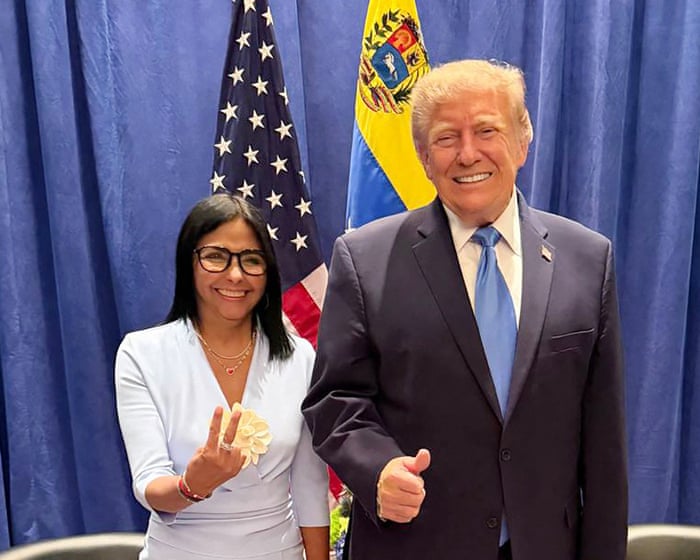
Venezuela’s interim president Delcy Rodríguez met with President Donald Trump in New York during the United Nations General Assembly. The meeting focused on improving relations and cooperation between the US and Venezuela, especially in energy and security, after the capture of Nicolás Maduro, Venezuela’s former leader.
Key Facts
Delcy Rodríguez is Venezuela’s interim president following the capture of Nicolás Maduro.
She met President Donald Trump at a luxury hotel near Trump Tower in New York City.
Their meeting discussed strengthening ties and cooperation in areas such as energy, mining, and security.
Maduro has been held in a Brooklyn prison since a US special forces operation took him from Venezuela.
The meeting took place during the UN General Assembly sessions.
Rodríguez posted about the meeting on Instagram but did not mention Maduro.
Top US officials including Secretary of State Mike Pompeo and Senator Marco Rubio attended the meeting.
The US has made a large oil deal with Venezuela, described by Trump as the largest in history.
Read the Original
Want the full story? Tap a source to open the original
article.
British singer Jorja Smith won an Independent Music Award for her song "The Way I Love You" at a ceremony in London. The awards honor unsigned artists and small labels, highlighting the success of musicians working without major record companies.
Key Facts
Jorja Smith accepted an award for her 2025 song "The Way I Love You."
The Independent Music Awards celebrate artists not signed to big record labels.
Robyn won best independent album for her record "Sexistential."
Pauline Black received an outstanding contribution to music award.
Jalen Ngonda won best breakthrough act for his soulful singing style.
Jim Legxacy earned best EP for black British music.
The event emphasized the benefits of artists working independently and collaborating.
The Association of Independent Music organized the awards to support small labels and unsigned musicians.
Read the Original
Want the full story? Tap a source to open the original
article.
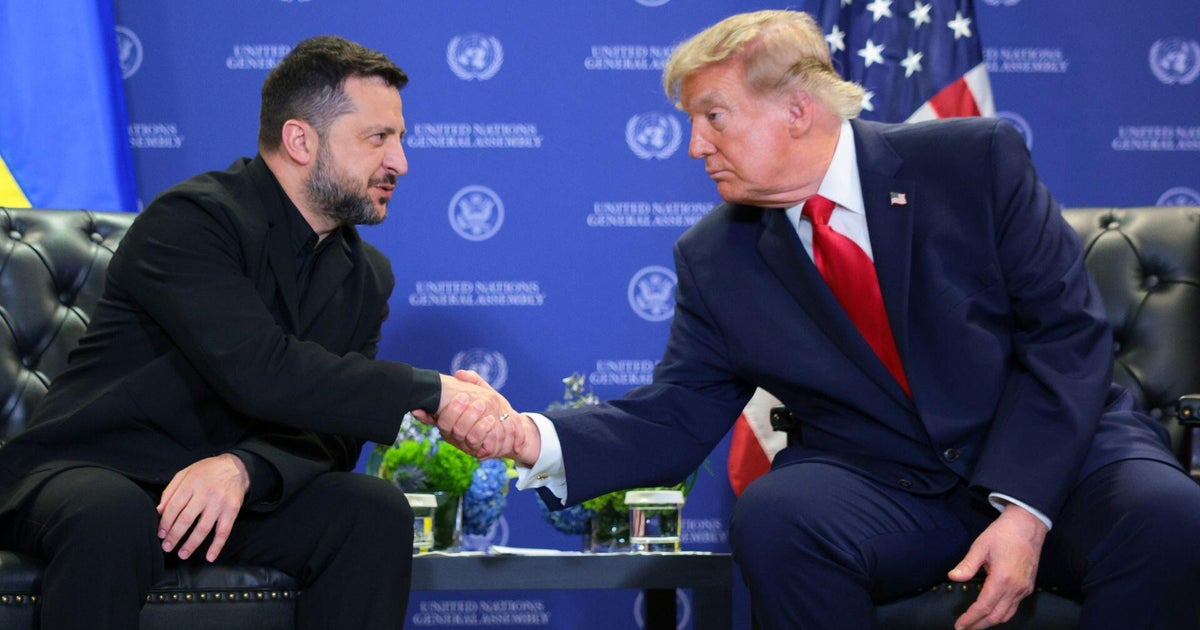
President Donald Trump met with Ukrainian President Volodymyr Zelenskyy at the United Nations. Zelenskyy is asking for a pause in energy attacks between Ukraine and Russia. New information about a U.S. deal to provide drones for defense in Ukraine has also come out.
Key Facts
President Donald Trump and President Zelenskyy met during the United Nations General Assembly.
Zelenskyy wants a ceasefire focused on stopping energy-related attacks between Ukraine and Russia.
The conflict is ongoing, affecting Ukraine's infrastructure and energy supplies.
The U.S. is involved in providing support to Ukraine, including a drone defense deal.
Details of the U.S. drone deal were recently revealed by CBS News.
This meeting highlights continued diplomatic and military interactions in the Russia-Ukraine conflict.
Energy ceasefires aim to reduce damage to power and fuel resources during the war.
Read the Original
Want the full story? Tap a source to open the original
article.
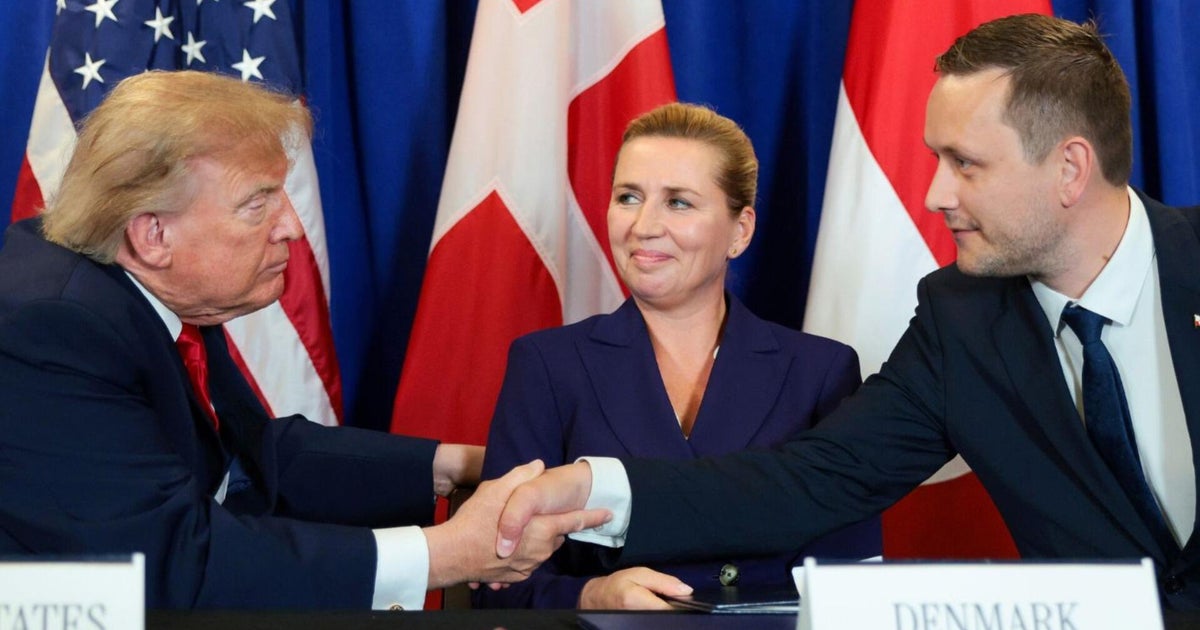
President Donald Trump signed a deal with Denmark and Greenland that allows the United States to open two new military bases in the Arctic region. This agreement strengthens the U.S. military presence in an area that is gaining strategic importance.
Key Facts
The deal involves the U.S., Denmark, and Greenland.
It permits the U.S. to build two military bases in the Arctic.
Greenland is an autonomous territory within the Kingdom of Denmark.
The Arctic region is becoming more important for military and economic reasons.
This agreement helps the U.S. increase its security and influence in the Arctic.
The deal was announced and signed during President Trump’s administration.
Denmark and Greenland agreed to the deal after discussions with the U.S. government.
Read the Original
Want the full story? Tap a source to open the original
article.
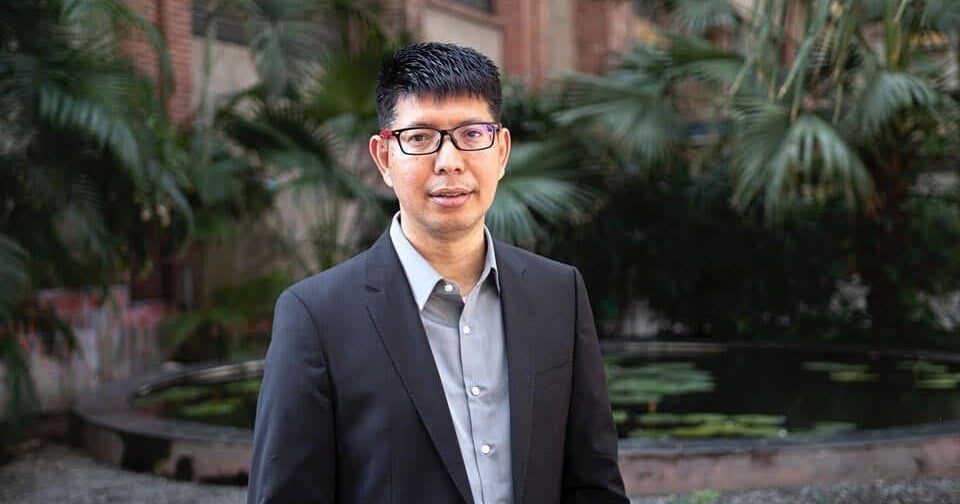
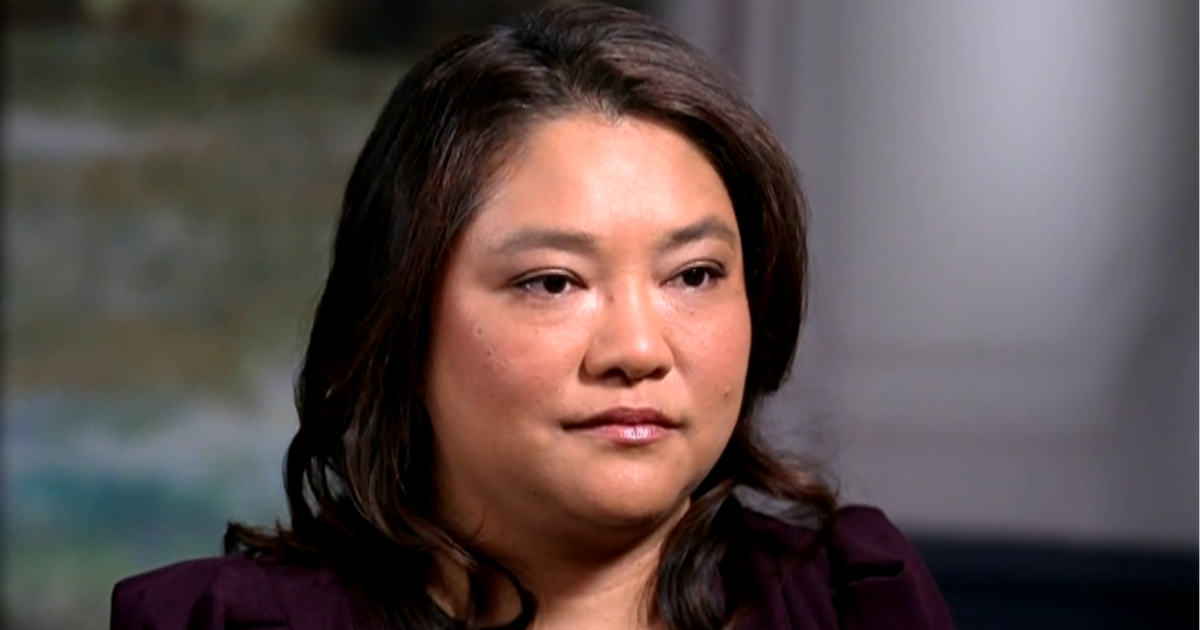
Min Zin, a U.S. scholar focused on Myanmar, has been detained in China for over 100 days without charges or a trial. His wife, Sylvia Zin, says he is held at a secret location called a "black site" and has limited contact with American officials and no access to a lawyer.
Key Facts
Min Zin is an American citizen and scholar studying Myanmar.
He disappeared on June 3 after arriving in Kunming, China, for an academic conference.
Chinese authorities accuse him of "endangering national security" but have not formally charged him.
He is held under a system called "Residential Surveillance at a Designated Location" (RSDL), which allows secret detention without lawyer access.
Human rights groups call RSDL places "black sites" and consider them linked to disappearances or torture.
The U.S. government has been allowed to visit Min Zin briefly once a month at a hotel near his detention site.
Sylvia Zin has had limited contact with her husband, only through monitored meetings and letters read by U.S. officials.
The U.S. State Department warns Americans traveling to China about risks of arbitrary detention and unclear legal processes.
Read the Original
Want the full story? Tap a source to open the original
article.
The wife of an American who is being held in China has not talked to her husband for over 100 days. She hopes that President Trump will ask Chinese President Xi Jinping to release him during their meeting.
Key Facts
An American citizen is detained in China.
His wife, Sylvia Zin, has not had contact with him for more than 100 days.
She spoke publicly to share her hope for his release.
Sylvia Zin wants President Trump to bring up the case with President Xi Jinping.
The hope is that the U.S.-China meeting will help free the detained American.
Read the Original
Want the full story? Tap a source to open the original
article.
World leaders met at the United Nations General Assembly to discuss global issues. The meeting happened while the United States is involved in ongoing conflict in Iran.
Key Facts
The United Nations General Assembly brings together leaders from many countries.
Leaders use the assembly to talk about important global matters.
The first day included speeches and updates on current world events.
At the same time, the U.S. continues military operations in Iran.
CBS News reported live updates from the event.
Read the Original
Want the full story? Tap a source to open the original
article.
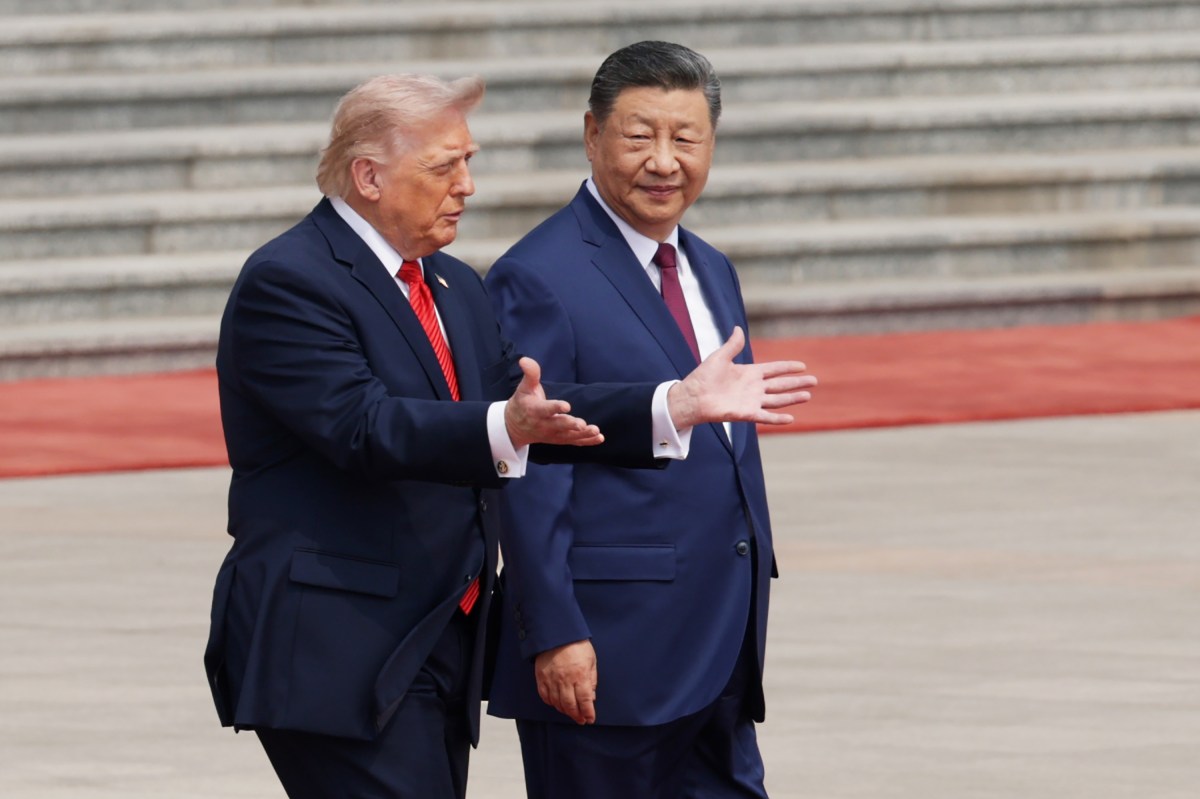
President Donald Trump is scheduled to meet Chinese leader Xi Jinping at Joint Base Andrews in Maryland, marking Xi's first public appearance in 10 days amid health rumors. The meeting will focus on trade, Taiwan, tariffs, and other ongoing issues between the U.S. and China.
Key Facts
Xi Jinping has not been seen publicly since September 13, sparking speculation about his health.
Xi will arrive in the U.S. on Wednesday and meet President Trump before a White House meeting on Thursday.
The meeting agenda includes trade relations, Taiwan, and tariffs.
Some opponents claim Xi was ill during a recent summit, but these claims are unproven.
Experts say Xi's absence could be normal downtime after foreign trips rather than a health problem.
President Trump previously used tariffs to pressure China on trade and fentanyl issues.
The U.S. and China remain in a tough standstill on technology, rare earth minerals, and security topics.
Both leaders aim to make the visit seem successful, but major disagreements are expected to continue.
Read the Original
Want the full story? Tap a source to open the original
article.
An 87-year-old woman named Maricarmen was evicted from her home in Madrid after living there for 70 years. The rent was increased sharply by a company that bought the property, making it too expensive for her pension, and despite legal challenges and public protests, the eviction took place.
Key Facts
Maricarmen was the tenant of a flat in Madrid’s Retiro area for 70 years, originally rented by her father in 1956.
The property was bought in 2018 by a company called Urbagestión, which raised her rent from €500 to €2,650, later lowered to €1,650.
Maricarmen’s monthly pension is €1,350, less than the new rent.
Courts had previously blocked her eviction three times, but this time it happened with police involvement.
Hundreds of protesters and some celebrities gathered to support Maricarmen before the eviction.
The UN called for the eviction to stop and suggested affordable alternative housing, but Maricarmen declined local government offers.
An anonymous donor offered to pay most of her rent, but the company refused and proceeded with eviction.
Spain faces a housing shortage, causing large rent increases, especially in cities like Madrid.
Read the Original
Want the full story? Tap a source to open the original
article.
Pope Leo XIV will visit the town of Lourdes in southern France after his time in Paris. Around 150,000 people are expected to attend a mass led by the Pope, and local businesses hope the visitors will help the local economy by buying food, souvenirs, and other items.
Key Facts
Lourdes will be the second stop for Pope Leo XIV during his visit to France.
The Pope will lead a mass at the Sanctuary of Our Lady of Lourdes.
About 150,000 people are expected to attend the mass.
Many visitors are pilgrims who come for religious reasons.
Local businesses anticipate increased sales because of the large number of visitors.
The visit is part of a larger trip that includes time in Paris.
Lourdes is located in southern France and is known as a religious site.
Read the Original
Want the full story? Tap a source to open the original
article.
The United States completed Operation Absolute Resolve, which disarmed the dictator in Venezuela. Now, the focus is on ending the dictatorship and holding free elections in the country.
Key Facts
The U.S. ran Operation Absolute Resolve in Venezuela.
This operation successfully disarmed the dictator.
The dictator in Venezuela still holds power after disarmament.
There is a call to dismantle the dictatorship in Venezuela.
Free elections are seen as a way to change the government.
The article suggests the U.S. can help make free elections happen in Venezuela.
Read the Original
Want the full story? Tap a source to open the original
article.
Dolly Parton's management company, She's Alive, has accused her nephew, Bryan Seaver, of making threats and using intimidation over control of the late singer's business and legacy. She's Alive filed for a temporary restraining order against Seaver after alleging he tried to damage Parton's brand and pressured the estate for money; Seaver denies threatening anyone and says his messages were misunderstood.
Key Facts
Bryan Seaver, Dolly Parton's nephew and former head of security, is accused of threats and intimidation by the management company She's Alive.
She's Alive filed legal papers seeking a temporary restraining order to stop Seaver's alleged actions.
Seaver was fired last week from his security role without explanation.
The company claims Seaver threatened to ruin Dolly Parton's brand and demanded payment.
Seaver says the messages were private talks during grief and denies making threats.
He is a military contractor with experience selling arms to foreign governments.
Some employees and lawyers connected to Dolly Parton's estate have quit because of the situation.
She's Alive has hired private security for its employees due to concerns about safety.
Read the Original
Want the full story? Tap a source to open the original
article.