Country music singer Dolly Parton has died at age 80, her family announced in a video message. Dolly Parton was a celebrated artist who rose from poverty to become a global music icon known for hits like "Jolene" and "I Will Always Love You."
Key Facts
Dolly Parton died at the age of 80, confirmed by her nephew Bryan Seaver, who was also her head of security.
She was born in a poor, one-room cabin in Tennessee and was the fourth of 12 children.
Dolly started playing music young, performing on local TV at age 10 and recording her first record at 13.
She first moved to Nashville as a songwriter before becoming a successful country singer.
Parton's early country hits included her debut album "Hello, I’m Dolly" and the No. 1 song "Joshua."
Her famous songs include "Jolene," which was a hit in the UK, and "I Will Always Love You."
She married Carl Dean in 1966; he passed away in 2025.
Dolly Parton is remembered for opening doors for many musicians and for her impact on country music worldwide.
Read the Original
Want the full story? Tap a source to open the original
article.
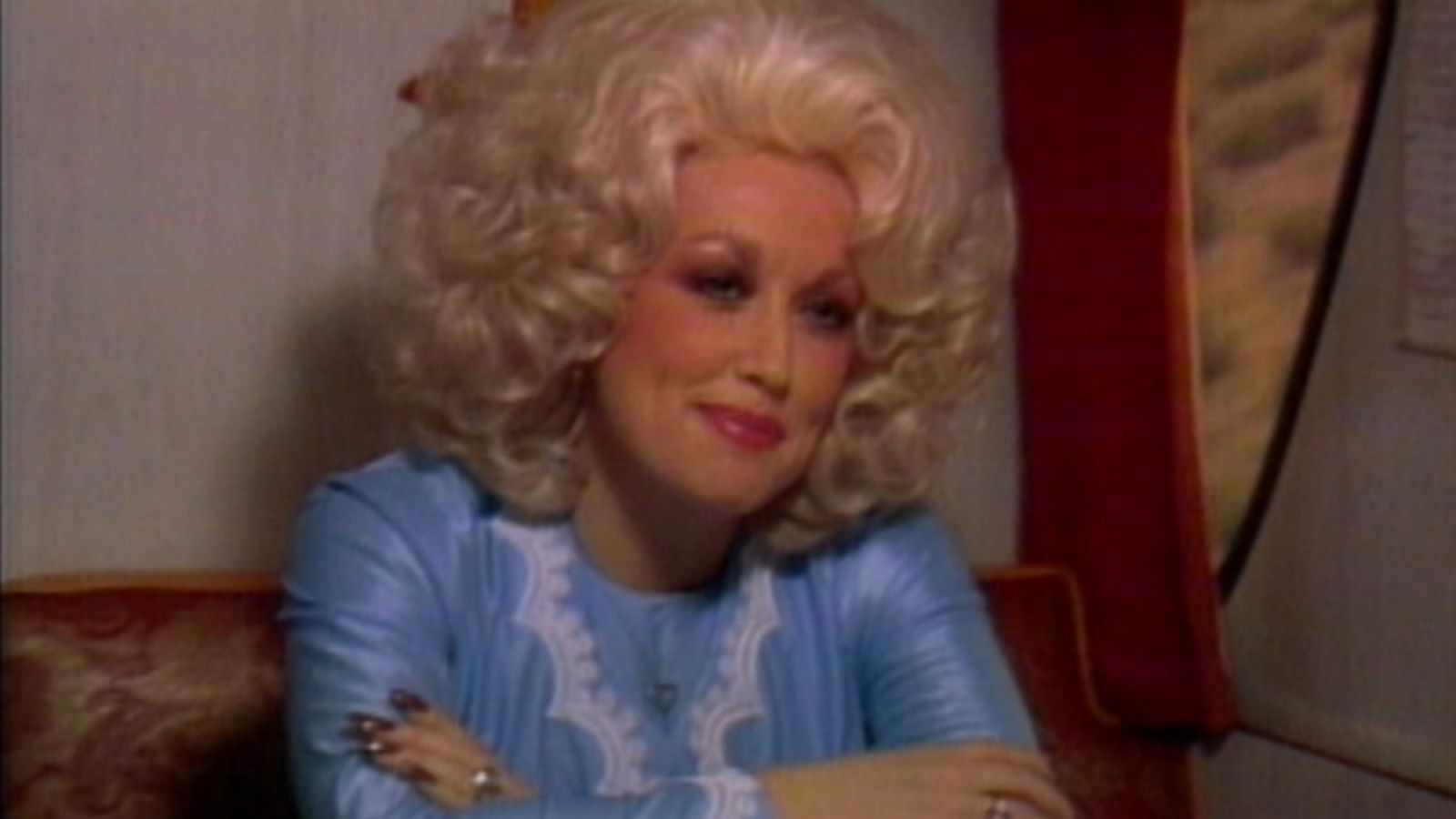
In a 1977 interview, country singer Dolly Parton said she becomes restless and bored if she stays at home for more than two weeks. The article includes various unrelated news updates but mainly features this brief look at Dolly Parton's life during her early career.
Key Facts
Dolly Parton spoke to Barbara Walters in 1977.
She said she gets restless and bored after being home for two weeks.
The article briefly mentions current news unrelated to Dolly Parton.
Dolly Parton is a well-known country music singer and songwriter.
The article includes live updates and headlines from various topics.
No new information about Dolly Parton beyond her 1977 interview is included.
The main focus is on a simple insight into Dolly Parton's personality and lifestyle at that time.
Read the Original
Want the full story? Tap a source to open the original
article.
Dolly Parton, a famous country music singer and actress, died at age 80. She had a long career, releasing many albums and winning awards, and also acted in popular movies.
Key Facts
Dolly Parton passed away at the age of 80.
She started her music career in 1967 with the song "Hello, I'm Dolly."
Parton released nearly 50 studio albums and sold over 100 million records.
She won 10 Grammy Awards and was nominated 55 times.
Her hits include "Jolene" and "I Will Always Love You."
Parton acted in films like "9 to 5," "The Best Little Whorehouse in Texas," and "Steel Magnolias."
She came from a large family and grew up poor in Tennessee.
Parton was known for her distinctive style and many famous music collaborations.
Read the Original
Want the full story? Tap a source to open the original
article.
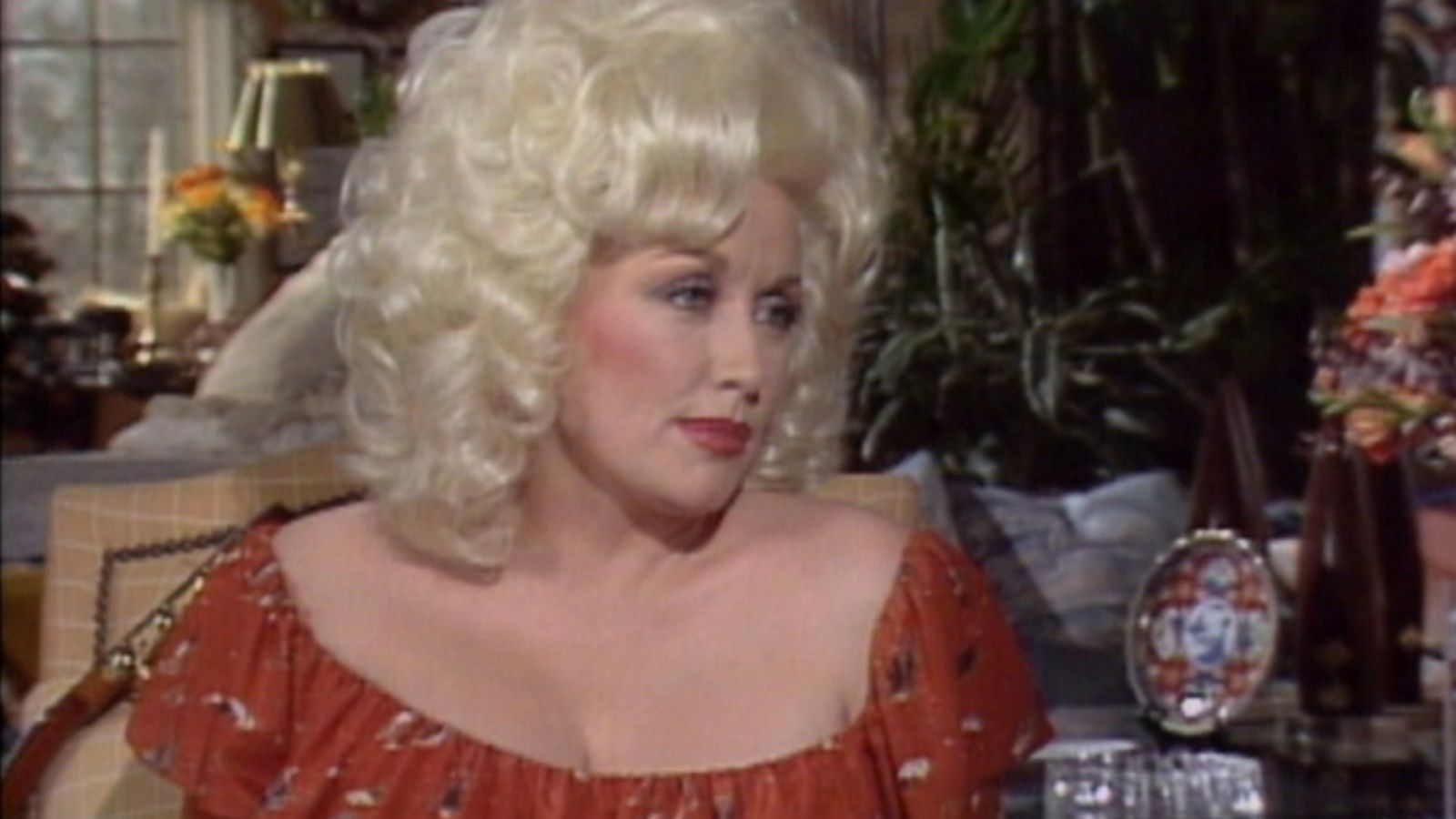
In 1982, Barbara Walters interviewed Dolly Parton at her home near Nashville, Tennessee. The interview gives a look at the country music singer’s life at that time.
Key Facts
The interview took place on December 14, 1982.
Barbara Walters was the interviewer.
Dolly Parton is a well-known country music singer and songwriter.
The interview was recorded at Parton’s home outside Nashville.
The content relates to Dolly Parton’s personal and professional life in 1982.
The article includes related news headlines, but the main focus is the Dolly Parton interview.
Read the Original
Want the full story? Tap a source to open the original
article.
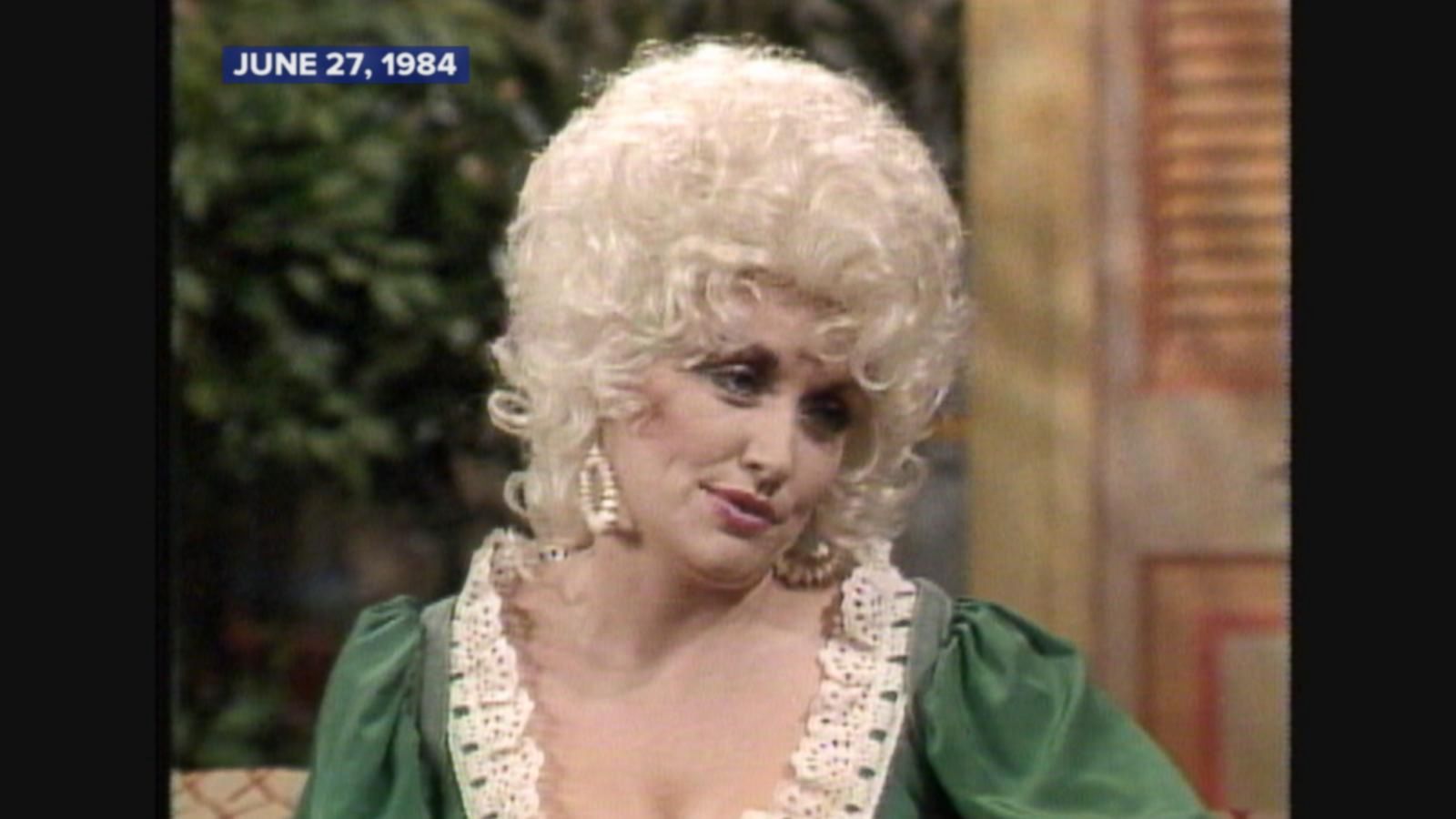
In a 1984 interview, country music singer Dolly Parton explained that she sometimes writes her songs while visiting cemeteries. She said that reading the names and stories on tombstones helps her imagination and inspires her music.
Key Facts
Dolly Parton is a famous country music singer.
She talked about her songwriting process in 1984.
Parton said she sometimes writes music in cemeteries.
She finds inspiration by looking at tombstones.
The environment in cemeteries sparks her creativity.
Read the Original
Want the full story? Tap a source to open the original
article.
Dolly Parton, the famous country music singer and entertainer, has died at 80 years old. She was known for her popular songs, her work in movies, and her Dollywood theme park.
Key Facts
Dolly Parton passed away on Tuesday at the age of 80.
She had been dealing with health issues since 2025 but did not specify the exact problems.
She was grieving the death of her husband, Carl Dean, who died in March 2025.
Parton was born in poverty in Tennessee and became a very successful country music artist.
Some of her most famous songs include "Jolene," "Coat of Many Colors," "9 to 5," and "I Will Always Love You."
Whitney Houston’s 1992 cover of "I Will Always Love You" is one of the best-selling songs by a female artist.
Dolly Parton also acted in movies such as "9 to 5" and "Steel Magnolias."
Forbes estimated her net worth in June 2025, recognizing her as a successful businesswoman.
Read the Original
Want the full story? Tap a source to open the original
article.
Officials in Colombia’s Tolima province said criminal groups may have started some forest fires that burned nearly 30,000 hectares of land this month. Local videos show people setting fires, and authorities believe the fires might distract police from illegal gold mining activities.
Key Facts
Almost 30,000 hectares (74,131 acres) have burned in Tolima province this month.
The governor, Adriana Matiz, suspects criminal groups deliberately caused some fires.
Videos show men on motorcycles starting fires, and gasoline was reportedly used in one.
The fires may serve as a distraction for illegal activities near gold mines.
President Abelardo de la Espriella has asked law enforcement to investigate and sought help from the US and Chile to fight the fires.
Temperatures in Tolima have been unusually high, and rainfall has been 30% lower than normal this month.
Fires have also affected other Colombian provinces, including Cundinamarca, Valle del Cauca, Nariño, and Boyacá.
The fires destroyed 50 homes and nearly 8,000 hectares of farmland, leading to crop losses and economic problems but no deaths so far.
Read the Original
Want the full story? Tap a source to open the original
article.
Pakistan and Iran have made important progress toward ending the conflict between the United States and Iran. Pakistani and Iranian officials met in Tehran to discuss ways to stop the war from spreading and to reopen the Strait of Hormuz, a key shipping route.
Key Facts
Pakistan’s Chief of Defence Forces Asim Munir met with Iranian officials in Tehran.
The talks focused on stopping the conflict between the U.S. and Iran from getting worse.
Both countries aim to reopen the Strait of Hormuz, an important waterway for oil shipping.
The conflict involves the U.S. and Israel against Iran.
Pakistan and Iran are working together to help reduce tensions in the region.
The progress was described as “significant” by Pakistan’s interior minister.
The talks are part of diplomatic efforts to promote peace and stability.
Read the Original
Want the full story? Tap a source to open the original
article.
Dolly Parton, a famous singer, songwriter, actress, and philanthropist, has died at the age of 80. Her family announced her death, and CBS News reported it in a special broadcast.
Key Facts
Dolly Parton was 80 years old when she passed away.
She was known for her singing, songwriting, acting, and charitable work.
Her family made the announcement of her death.
CBS News provided a special report about her passing.
Tony Dokoupil was the anchor for the CBS News special report.
Read the Original
Want the full story? Tap a source to open the original
article.
Dolly Parton, a famous country singer from Tennessee, is known for her honest storytelling in songs like "Coat of Many Colours" and "Jolene." Over a career of more than 70 years, she won 10 Grammy awards and sold over 100 million records worldwide.
Key Facts
Dolly Parton was born in 1946 in Tennessee, into a poor family with 12 children.
She started singing in church at age six and performed on local TV as a teenager.
At 13, she performed at the Grand Ole Opry, a major country music venue, introduced by Johnny Cash.
Parton moved to Nashville after high school in 1964 to pursue her singing career.
She married Carl Dean in 1966 and stayed married until his death in 2025.
Parton worked with country artist Porter Wagoner for several years, which helped boost her career.
She wrote over 3,000 songs and viewed songwriting as a way to express herself and find therapy.
Parton was known for her bright, flashy stage outfits which she said were a form of protection and helped her stand out.
Read the Original
Want the full story? Tap a source to open the original
article.
The United States has removed Syria from its list of "state sponsors of terrorism," lifting decades-old sanctions and allowing Syria to seek more foreign investment for rebuilding. Syrian officials and several countries welcomed the move, seeing it as a step toward stability and economic recovery after years of conflict.
Key Facts
Syria was designated as a "state sponsor of terrorism" by the US in 1979.
The removal of Syria from this list lifts major economic sanctions on the country.
Syrian President Ahmed al-Sharaa thanked President Donald Trump and allied nations for the decision.
The US Treasury said the move encourages investment to promote political and economic stability in Syria.
US officials emphasized the decision does not reduce their efforts to combat terrorism or hold bad actors accountable.
Countries like Turkiye, Qatar, Jordan, and Saudi Arabia expressed support for Syria’s reconstruction and stability.
Syria plans to expand diplomatic efforts and will start regular flights to Copenhagen and Vienna on September 21.
The World Bank estimates rebuilding Syria after the war could cost over $216 billion.
Read the Original
Want the full story? Tap a source to open the original
article.
Dolly Parton, a famous country music singer and songwriter, died peacefully at the age of 80 in Nashville, Tennessee. She was well known for her music and her charitable work that brought together people of many ages and backgrounds.
Key Facts
Dolly Parton was 80 years old when she passed away.
She died peacefully on a Tuesday in Nashville, Tennessee.
Parton was a legendary country music singer and songwriter.
She was famous for songs like “9 to 5.”
She was known for her philanthropy, meaning she gave to good causes.
Her work connected fans of different generations and political views.
Her publicity team announced her death publicly.
Read the Original
Want the full story? Tap a source to open the original
article.
This article is a collection of photographs showing Dolly Parton's life and career from the 1950s to the 1980s. The images highlight key moments including her early years, collaborations with other artists, TV appearances, concerts, and movie roles.
Key Facts
Photos show Dolly Parton from around 1955, starting in Tennessee.
She worked with Porter Wagoner and his band in the late 1960s.
Parton appeared on The Tonight Show in 1977.
She met John Belushi in New York in 1977.
Parton performed at the Grammy Awards in 1977.
She posed as a Playboy bunny in 1978.
Parton acted in the movie 9 to 5, released in 1980.
She worked and performed with other stars like Cher, Carol Burnett, and Kenny Rogers.
Read the Original
Want the full story? Tap a source to open the original
article.
Dolly Parton, a famous American country music singer and songwriter, died at the age of 80. Her nephew announced her death on Instagram just days after she shared that her health was worsening following the death of her husband.
Key Facts
Dolly Parton died at 80 years old, as announced by her nephew on Instagram.
She faced health challenges after her husband, Carl Dean, died in March 2025.
Parton was the best-selling female country artist, selling over 160 million albums.
She wrote more than 3,000 songs, including hits like “Jolene,” “9 to 5,” and “I Will Always Love You.”
Her career lasted over 60 years and included music, movies, TV, Broadway, and philanthropy.
She founded the Imagination Library, a program that provides books to children, and owned Dollywood theme park.
Parton talked openly about aging, grief, and hoped her work would help people after her death.
Tributes poured in from fans and musicians shortly after the public announcement of her death.
Read the Original
Want the full story? Tap a source to open the original
article.
CIA Director John Ratcliffe reportedly visited Moscow for discussions, despite the Kremlin saying no talks with US envoys were planned this week. The visit is the highest-level US trip to Russia since January and comes as negotiations to end Russia’s invasion of Ukraine remain stalled.
Key Facts
US media reported CIA Director John Ratcliffe was in Moscow on Tuesday.
The Kremlin denied any planned talks with US envoys for this week.
A US military plane flew from Riga to Moscow and then left, possibly carrying Ratcliffe.
The CIA declined to comment on the visit.
This is the highest-level US visit to Russia since January, confirmed by Axios.
Washington informed Ukraine about the delegation and asked to pause strikes during the visit.
Ratcliffe has been involved in prisoner exchanges between the US and Russia since President Trump took office in 2025.
Russia-Ukraine peace talks are currently stalled amid ongoing conflict.
Read the Original
Want the full story? Tap a source to open the original
article.
Dolly Parton, a famous American country singer, songwriter, actor, and philanthropist, has died at age 80. She was known for hit songs like "Jolene" and "I Will Always Love You," successful acting roles, and her books program for children.
Key Facts
Dolly Parton died at the age of 80.
She wrote two famous songs, "Jolene" and "I Will Always Love You," in one day.
Parton had 25 number-one country singles and 47 albums in the country top 10.
She also succeeded in pop music with the hit "9 to 5" in 1980.
Parton acted in movies and received Golden Globe nominations.
She created the Imagination Library, which donated over 150 million books to children.
Born in Tennessee in a poor family, she started performing very young and moved to Nashville to pursue music.
She was married to Carl Dean for over 50 years until her death.
Read the Original
Want the full story? Tap a source to open the original
article.
Russian President Vladimir Putin has changed how he talks about Ukraine since before Russia’s invasion in 2022. At first, he emphasized Ukraine’s close historical ties to Russia, but later he described Ukraine as a troubled state that needed to be controlled for Russia’s security. Putin called the military action a "special operation" to protect Russian speakers and accused the Ukrainian government of harmful actions.
Key Facts
In July 2021, Putin wrote that Ukraine is a product of the Soviet Union and exists because of Russia.
He claimed Ukraine’s sovereignty depends on partnership with Russia.
By February 2022, Putin recognized two eastern Ukrainian regions as independent republics.
He said Ukraine never had true statehood and criticized its government.
Putin threatened Ukraine with "real decommunization" after protests removed Soviet-era statues.
Russia launched a military invasion in February 2022 but called it a "special military operation."
Putin said the operation was to defend Russian people and stop NATO’s expansion.
He alleged the Ukrainian government abused people in eastern Ukraine and aimed to "demilitarize and denazify" Ukraine.
Read the Original
Want the full story? Tap a source to open the original
article.
Senior officials from the Fatah movement and Mohammed Dahlan’s Democratic Reform group met in Egypt to discuss reconciliation before upcoming Palestinian elections. The talks come as Dahlan’s group and Hamas explore forming a coalition that could challenge Fatah’s control of the Palestinian Authority.
Key Facts
Fatah leads the Palestinian Authority and is holding talks with Democratic Reform, a group of former Fatah officials led by Mohammed Dahlan.
The meeting took place in Alamein, Egypt, and was described as positive but with no practical agreements yet.
Democratic Reform members have broken away from Fatah due to disagreements with PA President Mahmoud Abbas.
Dahlan’s group, Hamas, and other factions are considering forming a coalition for the November 2024 Palestinian legislative elections.
The last Palestinian elections were held in 2006, making these elections highly significant.
Fatah sees this potential coalition as a threat and aims to prevent it from forming.
Mohammed Dahlan and Hamas were formerly opponents, especially during the 2007 conflict that split Gaza politically.
Analysts say this coalition could increase Hamas’s legitimacy and challenge Abbas, who is 90 years old and faces growing opposition.
Read the Original
Want the full story? Tap a source to open the original
article.
At least 47 people were killed and over 50 kidnapped in a gang attack near Haiti’s capital, Port-au-Prince, in the community of Kenscoff. The attack challenges the belief that security is improving in Haiti, where gangs control large areas and violence has displaced many people.
Key Facts
The attack happened over a weekend, with armed men killing at least 47 people and kidnapping more than 50.
A gang leader named Izo 2 threatened to kill hostages if authorities harm gang members during efforts to secure Kenscoff.
Kenscoff is a community located in the hills above the capital, Port-au-Prince.
The attack shows the gangs’ ability to challenge the government and police while forcing resources to spread thinner.
At least five of the victims were children.
The attack reflects ongoing gang control of about 70% of Port-au-Prince and surrounding areas.
Gang violence has displaced around 1.5 million Haitians and caused thousands of deaths and injuries in the first half of the year.
The incident comes ahead of Haiti’s general elections scheduled for December 13, the first in over ten years.
Read the Original
Want the full story? Tap a source to open the original
article.
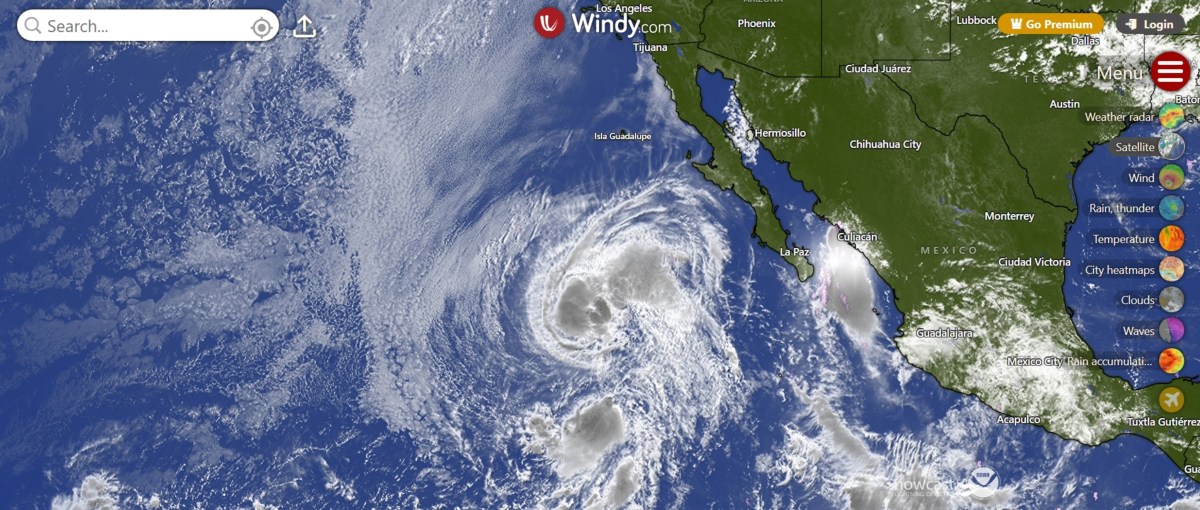
Two tropical storms in the eastern Pacific, named Iselle and Julio, are moving close to each other. Forecasters expect the stronger storm, Iselle, to absorb the smaller storm, Julio, by merging into one storm over open water.
Key Facts
Tropical Storm Julio formed near Mexico's Baja California Peninsula with winds of 50 mph.
Julio is moving faster than Iselle and is expected to be absorbed by Iselle later Tuesday.
Tropical Storm Iselle has stronger winds near 70 mph and a bigger size than Julio.
Both storms remain far from land, so no coastal warnings are in effect.
Iselle could cause dangerous waves and strong currents along the Baja California coast.
The merging of storms like this is called the Fujiwhara effect, where two storms rotate around each other and sometimes combine.
After merging, only the stronger storm, Iselle, will continue to exist.
The National Hurricane Center is monitoring the storms as they interact over the open Pacific Ocean.
Read the Original
Want the full story? Tap a source to open the original
article.