Israel has carried out airstrikes on a key water desalination plant and a mosque in Gaza. These attacks happened even though there was talk of a ceasefire in the area.
Key Facts
Israel targeted a water desalination plant in Gaza.
A mosque in Gaza was also attacked by Israel.
The attacks occurred during ongoing conflict in the Gaza Strip.
There was a reported ceasefire or pause in fighting, which these attacks contradicted.
The desalination plant is important for providing clean water to Gaza residents.
The Gaza Strip continues to experience heavy military action.
The attacks may cause more hardship to civilians in Gaza by limiting their access to water and religious sites.
Read the Original
Want the full story? Tap a source to open the original
article.
Israeli restrictions have led to fuel shortages in the occupied West Bank, affecting many Palestinians. These shortages have lasted for several weeks and have caused difficulties in daily life.
Key Facts
Fuel supplies in the West Bank are being disrupted due to Israeli restrictions.
The fuel shortage has lasted for several weeks.
Palestinians in the West Bank are experiencing challenges because of the lack of fuel.
The restrictions affect the availability and distribution of fuel.
The situation is ongoing and impacting daily activities in the region.
Read the Original
Want the full story? Tap a source to open the original
article.
The U.S. military conducted a strike on a suspicious drug boat in the eastern Pacific Ocean, killing two people described as "narco-terrorists." This was the first known operation of this kind in two months, targeting routes used for drug trafficking near Latin America.
Key Facts
The strike occurred off the coast of Latin America in the eastern Pacific Ocean.
Two individuals killed in the strike were labeled as "narco-terrorists" by the U.S. military.
The vessel was described as "low-profile," meaning it was small and not easily noticed.
It operated along known drug trafficking routes.
The U.S. Southern Command (Southcom) carried out the operation.
Intelligence confirmed the boat's involvement in drug trafficking.
This was the first reported U.S. military drug boat strike in two months.
The operation aims to disrupt drug smuggling in this region.
Read the Original
Want the full story? Tap a source to open the original
article.
Iran’s Strait Authority said it will fine and detain commercial ships that break its rules while passing through the Strait of Hormuz. They listed 45 ships on a blacklist and warned these ships might lose their cargo.
Key Facts
Iran’s Persian Gulf Strait Authority (PGSA) set new rules for ships passing through the Strait of Hormuz.
The PGSA announced fines and detention for ships that do not follow the rules.
45 ships have been blacklisted by Iran.
Blacklisted ships may have their cargo taken away.
The warning was shared on social media by the PGSA.
The Strait of Hormuz is a key waterway for global oil shipping.
This action reflects Iran’s enforcement of control over maritime traffic in the area.
Read the Original
Want the full story? Tap a source to open the original
article.
Israeli settlers have attacked Palestinians in the occupied West Bank. These attacks are organized and sometimes supported by the state, matching the definition of pogroms, which means violent attacks on a minority group.
Key Facts
Israeli settlers have carried out attacks against Palestinians in the West Bank.
These attacks are more than random fights; they are organized.
Sometimes, these attacks have support from the state.
The term "pogrom" refers to planned attacks on a minority group.
The situation is taking place in the area called the occupied West Bank.
Al Jazeera’s Zeina Al Qawasmi explains why these attacks should be called pogroms, not just clashes or riots.
Read the Original
Want the full story? Tap a source to open the original
article.
Prince Harry and Meghan Markle are moving from California to the UK with their two children. Meghan plans to return to acting, possibly in a Netflix series, while Harry will focus on charity work and public events in Britain.
Key Facts
Harry and Meghan will soon become UK residents after leaving California.
Meghan may act in the next season of the Netflix show The Gentlemen, which is filmed mainly in the Cotswolds.
Meghan has expressed that she misses working with a film crew and wants to return to acting.
Harry has completed his last charity visits in the U.S. before returning to Britain.
In Washington DC, Harry visited military veterans and wounded service members.
At Arlington Cemetery, Harry met the family of a soldier who died from war injuries.
Harry has planned charity engagements in the UK, including the WellChild Awards in London.
He aims to be involved with the Invictus Games for wounded servicemen, scheduled for next July in Birmingham.
Read the Original
Want the full story? Tap a source to open the original
article.
Iceland is holding a vote to decide whether to restart talks about joining the European Union (EU). The debate centers on whether joining the EU would protect Iceland’s independence and economy or risk losing control over important resources like fisheries.
Key Facts
Iceland’s vote asks if they should resume talks to join the EU after previous talks stopped in 2015.
Joining the EU could bring economic benefits like using the euro currency and lower inflation.
Iceland already participates in parts of the EU system, like the single market and free-travel zone.
Some Icelanders fear losing sovereignty, or control over their own laws and resources, if they join the EU.
Others believe that being in the EU would make Iceland safer and stronger in a changing world.
President Donald Trump’s interest in Greenland caused concern in Iceland about U.S. trust and regional security.
If the vote is "yes," negotiations with the EU would take years and include many detailed rules Iceland must follow.
Any final deal would require approval by all EU members and a second public vote in Iceland.
Read the Original
Want the full story? Tap a source to open the original
article.
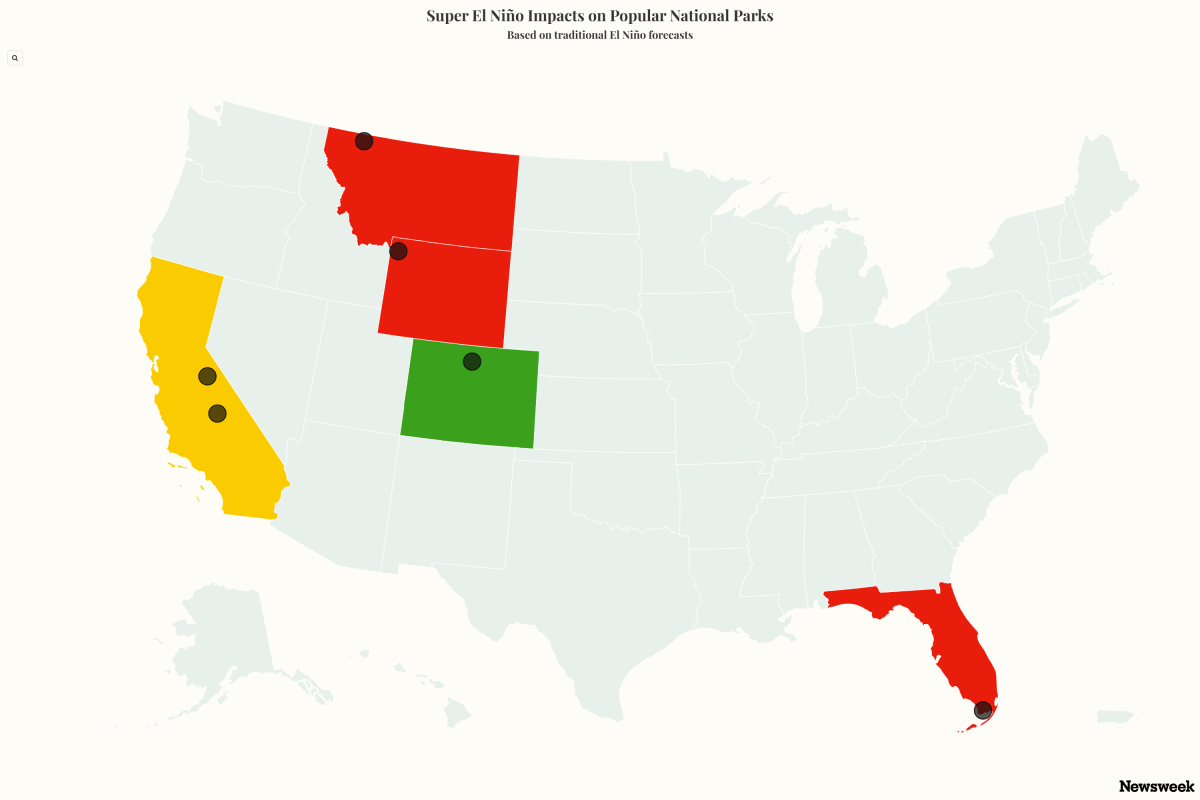
A strong weather event called a Super El Niño is likely to form this fall and winter. It could bring big changes to some U.S. national parks by increasing rain and snow in some places while causing floods, landslides, and other safety risks.
Key Facts
A Super El Niño happens when ocean temperatures in a key Pacific area rise very high, changing weather globally.
This event can shift storms, leading to more rain in the U.S. South and Southwest and warmer temperatures in northern parts.
Yosemite National Park could see heavier rain and snow, boosting waterfalls but also raising flood and mudslide risks.
Sequoia National Park might get wetter winters that help forests but also cause road damage and create future fire risks.
Increased moisture could improve conditions in drought-affected parks and enhance visitor experiences in spring and summer.
Late winter visits to some parks could be dangerous due to strong storms and unstable trail conditions.
Experts advise travelers to watch weather reports closely and plan carefully if visiting affected areas.
Super El Niño events are rare but can cause significant shifts in weather patterns across North America.
Read the Original
Want the full story? Tap a source to open the original
article.
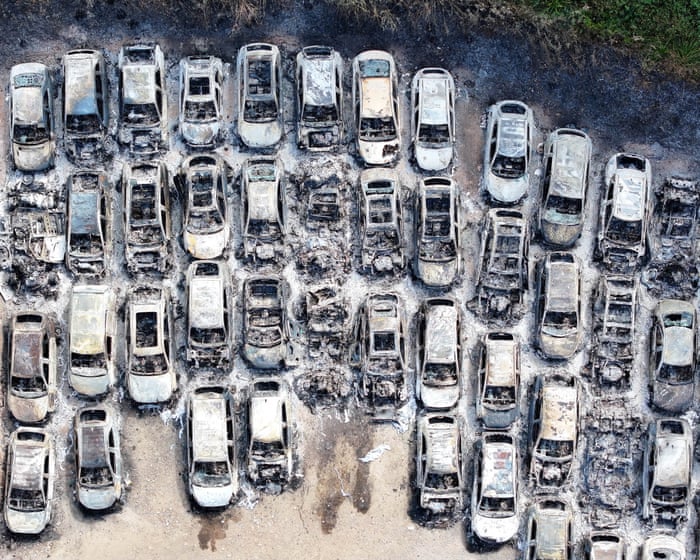
A fire broke out at a car park near Gatwick Airport, destroying about 140 vehicles and causing power cuts for over 2,000 homes and businesses. A 67-year-old man was arrested on suspicion of arson, and emergency services worked to control the blaze.
Key Facts
The fire happened at Caldyne business park, about eight miles from Gatwick Airport, shortly after 9 pm on Saturday.
Around 140 vehicles were damaged, including some parked by holiday travelers using the car park.
No people were hurt in the fire.
The fire caused power outages for more than 2,000 homes and businesses nearby.
Eight fire engines and water carriers fought the fire in a complex operation.
Two vehicle recovery businesses and a local banger racing team suffered significant damage.
The arrested man, aged 67, has been released on bail while police continue their investigation.
Gatwick Airport stated the car park is not operated or endorsed by them and advised passengers to contact their parking operators.
Read the Original
Want the full story? Tap a source to open the original
article.
Israel has said it may increase military attacks and force people to leave their homes in Gaza because of kites flown by children, calling this action a "war act." Palestinian experts say these claims have no proof and worry this could lead to more fighting.
Key Facts
Israel views children’s kites in Gaza as a hostile action.
Israel threatens to increase attacks and cause forced displacement in Gaza.
Palestinian analysts say Israel’s claims are not based on facts.
There is concern these claims could lead to more fighting between Israel and Gaza.
The situation involves tensions between Israel and the Palestinian territory of Gaza.
Read the Original
Want the full story? Tap a source to open the original
article.
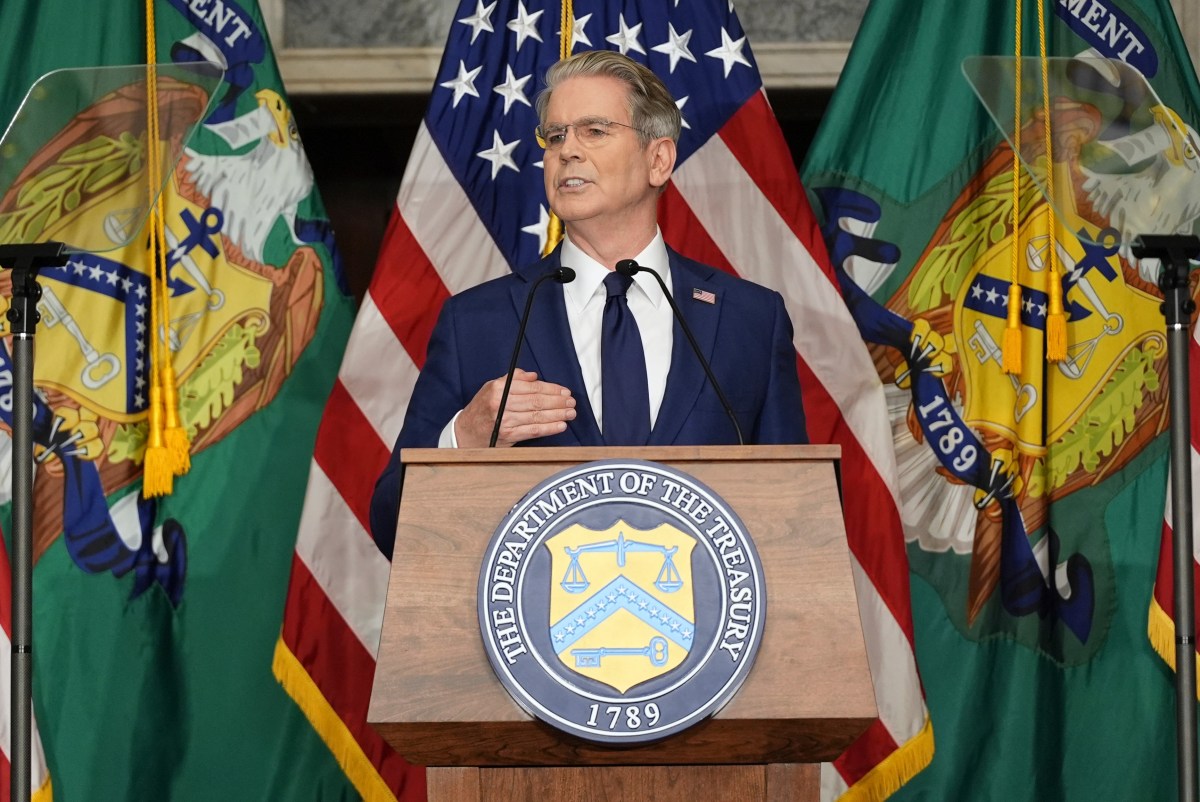
The United States has warned it will impose strong sanctions on any country or business that continues to trade with Iran. This move is part of a campaign to cut off Iran’s financial resources and pressure its government, but some countries like China have resisted these calls.
Key Facts
The US launched "Operation Economic Outcast" to block Iran's financial connections worldwide.
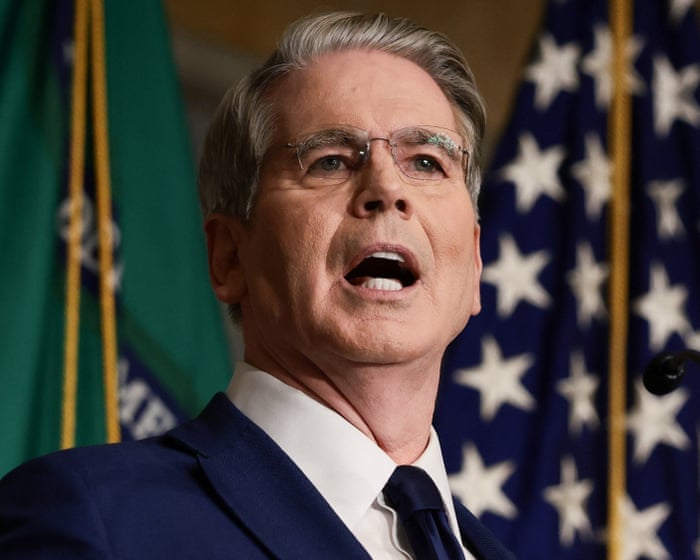
US Treasury Secretary Scott Bessent said no country, including China, is exempt from possible sanctions if they trade with Iran.
China buys about 80% of Iran’s exported oil and opposes sanctions, calling for peaceful diplomatic solutions.
Iran threatened to retaliate with land, sea, air, or cyber actions if targeted by sanctions.
President Trump is directly contacting world leaders to stop trade with Iran, though talks with China’s leader were not confirmed.
The US also blames Iran for attacks in the Strait of Hormuz, a key global oil route.
The UAE has already stopped trading with Iran following the US move; Turkey has not responded.
Six months prior, a US-Israeli attack killed Iran’s supreme leader, but Iran has since resisted US demands on its nuclear program.
Read the Original
Want the full story? Tap a source to open the original
article.
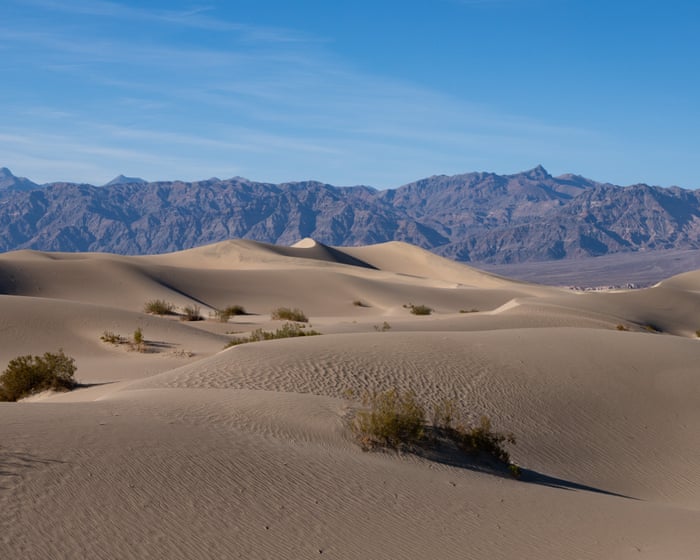
A 68-year-old French tourist died in Death Valley National Park after his car got stuck and he was stranded in extreme heat reaching 116°F (47°C). Despite efforts by his companion and rescue teams, he was found dead about 1.5 miles from a road after walking in harsh conditions.
Key Facts
The tourist, named Pierre Michel Formosa, was traveling with another French man when their car got stuck in mud on a remote road in Death Valley.
They walked about 1.3 miles (2 km) across salt flats looking for help in temperatures over 116°F (47°C).
Formosa became unable to continue, and his companion found help and alerted park authorities.
Rescue teams and a helicopter located Formosa, who was pronounced dead at the scene.
Death Valley is one of the hottest places on Earth, with past temperatures reaching 134°F (56.7°C).
The park covers 3.4 million acres and has limited cell phone service and remote areas.
Visitors are advised to carry water, emergency supplies, and use suitable vehicles due to dangerous heat and rough terrain.
Several heat-related deaths have been reported this summer in US national parks during increasing heatwaves.
Read the Original
Want the full story? Tap a source to open the original
article.
The Trump administration has launched a new, large-scale effort called "Operation Economic Outcast" to impose more sanctions on Iran. These sanctions target key parts of Iran’s economy, including digital assets, gold, aviation, and shipping, with the goal of cutting off Iran’s financial resources. Iran responded by warning it would take strong measures against the expanded U.S. sanctions.
Key Facts
The Trump administration announced a sweeping package of sanctions called "Operation Economic Outcast."
The sanctions focus on five key sectors in Iran: digital assets (like cryptocurrency), technology, gold, aviation, and shipping.
The U.S. aims to stop countries, companies, and individuals from doing business with Iran’s government and military groups.
Nearly 60 entities, individuals, and ships linked to Iran’s oil, cyber, missile, and procurement operations were sanctioned.
Iran’s currency, the rial, has fallen to a record low, making Iranian life more expensive.
The International Monetary Fund expects Iran’s economy to shrink by more than 5% this year.
Iran warned it will respond strongly to the new U.S. economic measures, calling support for them an "act of war."
The sanctions follow other recent setbacks for Iran, including trade suspensions by the United Arab Emirates.
Read the Original
Want the full story? Tap a source to open the original
article.
A court in Istanbul sentenced five mayors from the main opposition party in Turkey on corruption charges related to municipal contracts. Critics say the trial was politically motivated and used secret witnesses to target the Republican People’s Party (CHP), while the government insists its judiciary is independent.
Key Facts
Five opposition mayors were convicted of corruption charges including bribery, bid-rigging, and fraud.
The mayors were from municipalities run by the Republican People’s Party (CHP), Turkey’s main opposition party.
The trial lasted seven months and included 200 defendants, with some sentenced and others acquitted.
Riza Akpolat, mayor of Istanbul’s Besiktas district, received the longest sentence of 23 years and three months.
Businessman Aziz Ihsan Aktas was accused of controlling companies that won municipal contracts through bribes and fraud.
Aktas testified against co-defendants under a law that reduces punishment for cooperating with prosecutors.
The prosecution used secret witnesses whose statements were often based on hearsay (hearsay means secondhand information).
Critics say the trial was politically motivated and that municipalities run by President Erdogan’s party were not investigated as deeply.
Read the Original
Want the full story? Tap a source to open the original
article.
Prince Harry has left an African conservation group called African Parks because some of its rangers were involved in human rights abuses. The organization admitted that some of its staff mistreated local people, leading to the controversy.
Key Facts
Prince Harry was involved with African Parks, a charity focused on wildlife conservation in Africa.
African Parks acknowledged that some rangers working for them committed human rights violations.
These abuses involved mistreatment of local communities near protected areas.
Due to this scandal, Prince Harry decided to quit the organization.
African Parks is responsible for managing national parks and wildlife reserves in Africa.
The issue raised concerns about the balance between conservation efforts and the rights of local people.
Prince Harry’s departure highlights the impact of the human rights violations on the charity’s reputation.
Read the Original
Want the full story? Tap a source to open the original
article.
U.S. Treasury Secretary Scott Bessent warned countries to stop financial dealings with Iran or risk losing access to the U.S. dollar system. This new economic campaign aims to increase pressure on Iran amid a stagnant military conflict.
Key Facts
Treasury Secretary Scott Bessent issued a global warning to nations about financial ties with Iran.
Countries maintaining financial relationships with Iran may be cut off from the U.S. dollar system.
The campaign is named “Operation Economic Outcast.”
This action follows six months of a military stalemate involving Iran.
The U.S. is using economic tools to pressure Iran rather than focusing solely on military action.
Losing access to the U.S. dollar system can severely limit a country's global trade and financial operations.
The campaign aims to isolate Iran financially on a global scale.
Read the Original
Want the full story? Tap a source to open the original
article.
Norway plans to keep developing oil and gas in the Arctic Barents Sea despite the European Union wanting to stop new fossil fuel projects there. Norway says this work supports both its own interests and Europe's energy needs, especially as Europe depends more on Norwegian gas after Russia’s invasion of Ukraine.
Key Facts
Norway will continue developing oil and gas reserves in the Arctic Barents Sea.
The EU currently wants to ban new Arctic fossil fuel projects due to environmental concerns.
The EU is reconsidering this ban because of worries about energy security.
Norway supplies about 30% of natural gas to the EU and the UK.
Norway argues the parts of the Barents Sea it uses are ice-free and less risky for oil spills.
Norway’s Energy Minister says it is up to the EU whether to buy the oil and gas.
Equinor’s CEO said Norwegian oil and gas can be sold anywhere if the EU rejects it.
French company Total plans to explore more projects in Norway to increase its energy supply to Europe.
Read the Original
Want the full story? Tap a source to open the original
article.
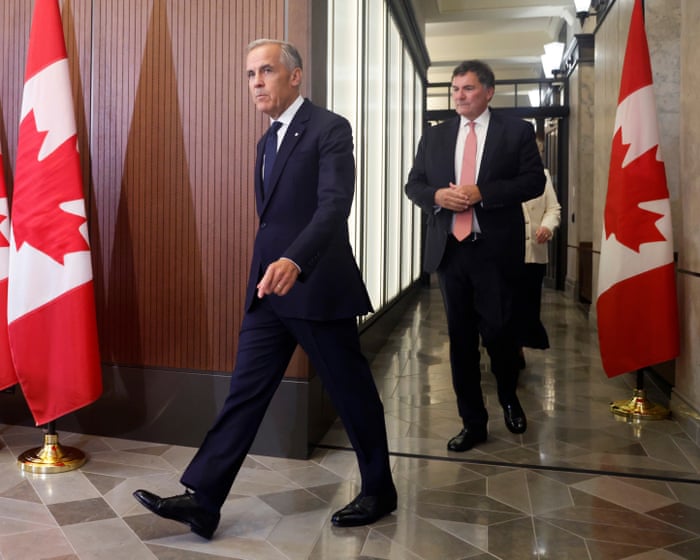
Canada’s Prime Minister Mark Carney said his country cannot accept a U.S. trade deal that weakens protections for the French language in Quebec. After trade talks collapsed, Canada faced new U.S. tariffs and plans to respond with its own, leading to rising tensions between the two countries.
Key Facts
Mark Carney said France’s language rights in Quebec are important and cannot be weakened by a U.S. trade deal.
President Donald Trump accused Canada of unfair trade practices and threatened new tariffs on Canadian cars and trucks.
Canada’s negotiators ended trade talks after the U.S. imposed tariffs on about 5% of Canadian exports.
Quebec has laws like Bill 96 and Bill 109 to protect and promote the French language and culture in the province.
Quebec’s Premier Christine Fréchette supported rejecting the trade deal to protect French language rights.
Polls show strong dislike for President Trump in Quebec, which has seen economic impacts from the trade conflict.
Quebec’s business groups warn that tariffs could harm contracts and companies in the province.
U.S. Trade Representative Jamieson Greer said the French language issue was misunderstood and blamed Canadian rules on streaming services instead.
Read the Original
Want the full story? Tap a source to open the original
article.
The United States Marine Corps canceled a planned large joint amphibious landing exercise with South Korean forces that was scheduled for September. The cancellation is due to limited resources caused by the U.S.-Israeli conflict involving Iran.
Key Facts
The canceled exercise was a joint amphibious landing drill called Ssangyong.
The drill involved the U.S. Marine Corps and South Korean military forces.
The planned exercise was set for September 2024.
The U.S. Marine Corps informed South Korea about the cancellation in June 2024.
The reason given was resource constraints linked to the ongoing conflict between the U.S., Israel, and Iran.
Amphibious landing exercises involve troops landing from ships onto beaches to practice military operations.
South Korea and the U.S. frequently conduct joint drills to maintain military readiness.
The cancellation is an unusual disruption to regular military cooperation between the two countries.
Read the Original
Want the full story? Tap a source to open the original
article.
The Metropolitan Police have sent evidence about a man in his 80s to prosecutors as part of their investigation into allegations linked to Mohamed Al Fayed. This man is suspected of involvement in sexual assaults on two women in London, and the prosecutors will now decide if charges should be made.
Key Facts
Police sent a file with evidence to the Crown Prosecution Service (CPS) concerning a man in his 80s.
The man is suspected of aiding and abetting rape, sexual assault, and other sexual offenses.
Two women, who accuse the man of indecent assault, are central to this case.
Seven suspects have been questioned so far, including a woman also in her 80s.
The investigation relates to claims connected to Mohamed Al Fayed, who died three years ago at age 94.
Earlier this year, three women and one man were also interviewed by police under caution.
The CPS will now decide whether to charge the suspect.
Representatives for survivors expressed support for the women making allegations.
Read the Original
Want the full story? Tap a source to open the original
article.