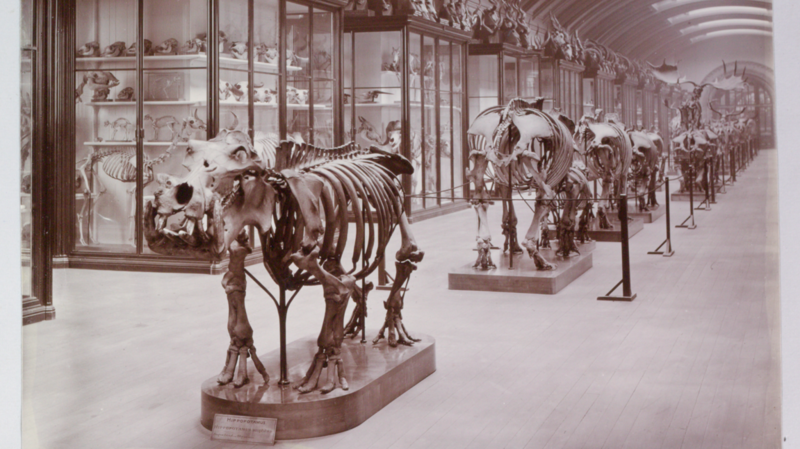
A gallery at London's Natural History Museum that has been closed since World War Two will reopen on September 16. The gallery will display 50 objects exploring how humans' relationship with nature has changed over time.
Key Facts
The gallery has been closed to the public since 1943.
It is called Nature and Us and features 50 objects.
The reopening is part of the NHM150 project, which aims to update or open a new gallery every year until 2031.
Visitors can see historic items like a Crystal Palace dinosaur model and a Victorian skeleton of a monk seal.
The exhibition will be open for 18 months as an experimental display that invites visitor feedback.
Originally, the space was used for osteology (study of bones) and mammal exhibits.
During World War Two, the museum's botanical collections moved into this space after damage elsewhere, resulting in its closure to the public.
The Natural History Museum is free to visit and located in South Kensington, London.
Read the Original
Want the full story? Tap a source to open the original
article.
Wildfires in Europe have uncovered dangerous old bombs and mines from World War I and II buried underground. These explosives sometimes detonate due to the heat, posing risks to firefighters and emergency teams working in affected areas.
Key Facts
Wildfires in France, Belgium, Germany, and the Netherlands have revealed buried bombs and mines from the two world wars.
Some explosives have detonated because of the intense heat during the fires.
A bomb disposal team was sent to Limburg, Netherlands, near a World War II battle site to check for underground bombs.
Climate change is causing more extreme weather, making fires more intense and exposing buried munitions.
Heavy rains earlier in the year led to more vegetation growth, which then fueled the summer wildfires.
The High Fens forest in Belgium, known for remaining wartime explosives, has seen recent detonations.
No firefighters have been harmed so far, but emergency teams are cautious of hidden explosives in fire zones.
Old munitions have killed civilians even years after the end of World War II in affected areas.
Read the Original
Want the full story? Tap a source to open the original
article.
Russian missile and drone strikes killed at least two people in Ukraine on Saturday, following a deadly attack the previous day on a shopping center in Kryvyi Rih that killed 16 civilians. Ukrainian officials reported fires and injuries in Kyiv and Zaporizhzhia, while rescue efforts continue amid increasing missile attacks.
Key Facts
Two people died in early Saturday attacks in Ukraine, with several others injured.
A fire broke out in a warehouse in Kyiv’s Darnytskyi district after a ballistic missile alert.
In Zaporizhzhia, a Russian drone strike killed one man and wounded four others.
The previous day, Russian attacks killed at least 20 people, including 16 at a shopping center in Kryvyi Rih.
Rescue operations found nine people missing, including two children, and 130 wounded, including 23 children.
The United Nations said civilian deaths in Ukraine this year are the highest since the war began.
Kyiv has requested more support from allies to defend against increased Russian missile strikes.
Diplomatic talks have failed as Russia demands large concessions from Ukraine, which President Zelensky refuses.
Read the Original
Want the full story? Tap a source to open the original
article.
Lily Hooper, an 18-year-old athlete and community member from Oakdale, New South Wales, was found deceased eight days after going missing while hiking. The local community held vigils and tributes to honor her memory and support her family.
Key Facts
Lily Hooper was 18 years old and disappeared while hiking in the New South Wales southern highlands.
Her body was found on Thursday, eight days after she went missing.
Lily was active in local sports, including martial arts and netball, and worked as a Sydney BridgeClimb guide.
The Oakdale community held a vigil at Willis Park, which was decorated with flowers and lights in her memory.
Local organizations, including her martial arts academy and sports clubs, paid tribute to her.
The Wollondilly Performing Arts Centre and shire library were illuminated in purple to honor her.
Flags in the region were lowered to half mast as a mark of respect.
The community and local authorities provided support for people affected by the tragedy.
Read the Original
Want the full story? Tap a source to open the original
article.
China plans to launch its Chang’e-7 robotic mission to the moon’s south pole between August 24 and 31. The mission will search for ice water in permanently shadowed craters, using an orbiter, lander, rover, and a small hopping robot to explore areas never visited before.
Key Facts
Chang’e-7 includes four parts: an orbiter, lander, rover, and a solar-powered hopper.
The orbiter will stay in moon orbit to take pictures and send data to Earth.
The lander will set down near Shackleton Crater, a 21 km-wide pit near the moon’s south pole.
The rover will explore the landing site and study rocks and soil.
The hopper will move short distances inside the crater to access hard-to-reach spots.
Past missions have shown water exists on the moon, especially in permanently shadowed craters near the poles.
Water on the moon is important because it could support future astronauts by providing drinking water, cooling, fuel, and oxygen.
The 1967 Outer Space Treaty bans countries from claiming the moon but does not clearly address commercial ownership of moon resources.
Read the Original
Want the full story? Tap a source to open the original
article.
Heavy monsoon rains caused severe flooding in Assam, India, and neighboring Nagaland between July 18 and 20, leading to many deaths and widespread destruction. The floods swept away homes, killed over 100 people, and displaced around 700,000 residents in the region.
Key Facts
Floods affected Assam’s Sivasagar district and parts of Nagaland due to heavy rains and landslides.
More than 100 people died and 700,000 were forced to leave their homes.
Around 1.2 million people were impacted by the floods in the whole state.
Floodwaters destroyed 2,700 villages and damaged rice fields, a key local food source.
Strong currents and debris, including large trees, destroyed many homes.
Some residents used boats to rescue more than 1,000 people during the flooding.
Survivors took shelter on rooftops as floodwaters rose quickly.
Rescue efforts continued despite challenges like lack of food and water.
Read the Original
Want the full story? Tap a source to open the original
article.
Five teenagers died and a family of four was seriously injured in Ireland when a car driving the wrong way on a motorway crashed. The teenagers were involved in a dangerous social media trend where they filmed themselves driving recklessly to gain attention online. This event has raised concerns about youth behavior, social media influence, and public safety.
Key Facts
The crash happened on the M9 motorway near Dublin around 3 a.m. on August 16.
Five boys, aged 15 to 18, died in the crash; all were known to police and some to child welfare services.
The boys were driving a BMW in the wrong direction, trying to provoke police to chase them.
A family of four in a Hyundai was seriously injured; they were on their way to Dublin airport for a family wedding.
The teenagers had posted videos of dangerous driving on social media, especially TikTok.
Experts say social media encourages risky behavior because young people want attention and approval online.
The tragedy sparked fundraising efforts raising over €660,000 for the injured family and plans for a local vigil.
Some online comments were harsh against the teens, causing their families to remove funeral notices.
Read the Original
Want the full story? Tap a source to open the original
article.
Prince Harry and Meghan Markle, the Duke and Duchess of Sussex, moved to California in 2020 after stepping back from royal duties. They signed high-profile media deals with Netflix and Spotify, but as those deals end and their plans change, they are preparing to return to the UK.
Key Facts
Harry and Meghan left the British royal family in 2020 and moved to California.
They signed a reported $100 million deal with Netflix for various media projects.
They also secured a $20 million podcast deal with Spotify.
Their media projects have had mixed success, with some popular and some poorly received.
Harry has expressed a desire to return to the UK, partly due to family reasons and his father King Charles’s health.
Their Netflix documentary series about their royal life broke viewing records.
The media environment is highly competitive, making it hard to succeed even for famous people.
The couple’s future media plans are unclear as major deals have ended or been reduced.
Read the Original
Want the full story? Tap a source to open the original
article.
Communities in Northern Philippines are flooded and want explanations about flood control projects. They say they paid for these flood protections, but the measures are not working during the monsoon season.
Key Facts
Northern Philippine communities are experiencing flooding during the monsoon season.
Residents feel prepared for floods but are upset about ineffective flood control measures.
The communities claim flood control projects were funded but did not prevent flooding.
People are requesting answers from officials about the failed flood protection.
The flooding has seriously affected daily life in these communities.
The report comes from journalist Jamela Alindogan of Al Jazeera.
The issue highlights concerns about disaster preparedness and infrastructure in the region.
Read the Original
Want the full story? Tap a source to open the original
article.
A 17-year-old Palestinian was killed and another person seriously hurt in an attack by settlers near Hebron in the West Bank. The United Nations urged for the protection of Palestinians and for those responsible to be held accountable.
Key Facts
The attack happened in the West Bank, an area under Israeli occupation.
The victim was a 17-year-old Palestinian teenager.
Another person was critically injured in the same attack.
The attack was carried out by settlers living in the area.
So far this year, 22 Palestinians have been killed in attacks by settlers.
The United Nations responded by calling for protection of Palestinians.
The UN also demanded that those who commit such attacks should face justice.
Read the Original
Want the full story? Tap a source to open the original
article.
In December 2025, Burkina Faso detained 11 Nigerian Air Force crew after their plane made an emergency landing without permission but later released them following talks. This event highlights growing political and security tensions between Nigeria and the Sahel countries of Burkina Faso, Mali, and Niger, who formed a new alliance and left the regional economic group ECOWAS.
Key Facts
A Nigerian Air Force C-130 plane made an emergency landing in Burkina Faso in December 2025 due to technical problems.
Burkina Faso detained the 11 crew members for entering its airspace without approval; they were released after diplomatic discussions.
Burkina Faso, Mali, and Niger created the Alliance of Sahel States (AES) in 2023 for mutual defense.
These three countries withdrew from ECOWAS, a West African economic community, in January 2025.
The region faces ongoing security issues from groups like Boko Haram and ISWAP operating across borders.
Niger left a joint regional force fighting armed groups around Lake Chad in March 2025 to protect its oil fields.
Experts warn that the reduced cooperation between Nigeria and AES countries could allow militants to move and operate more freely.
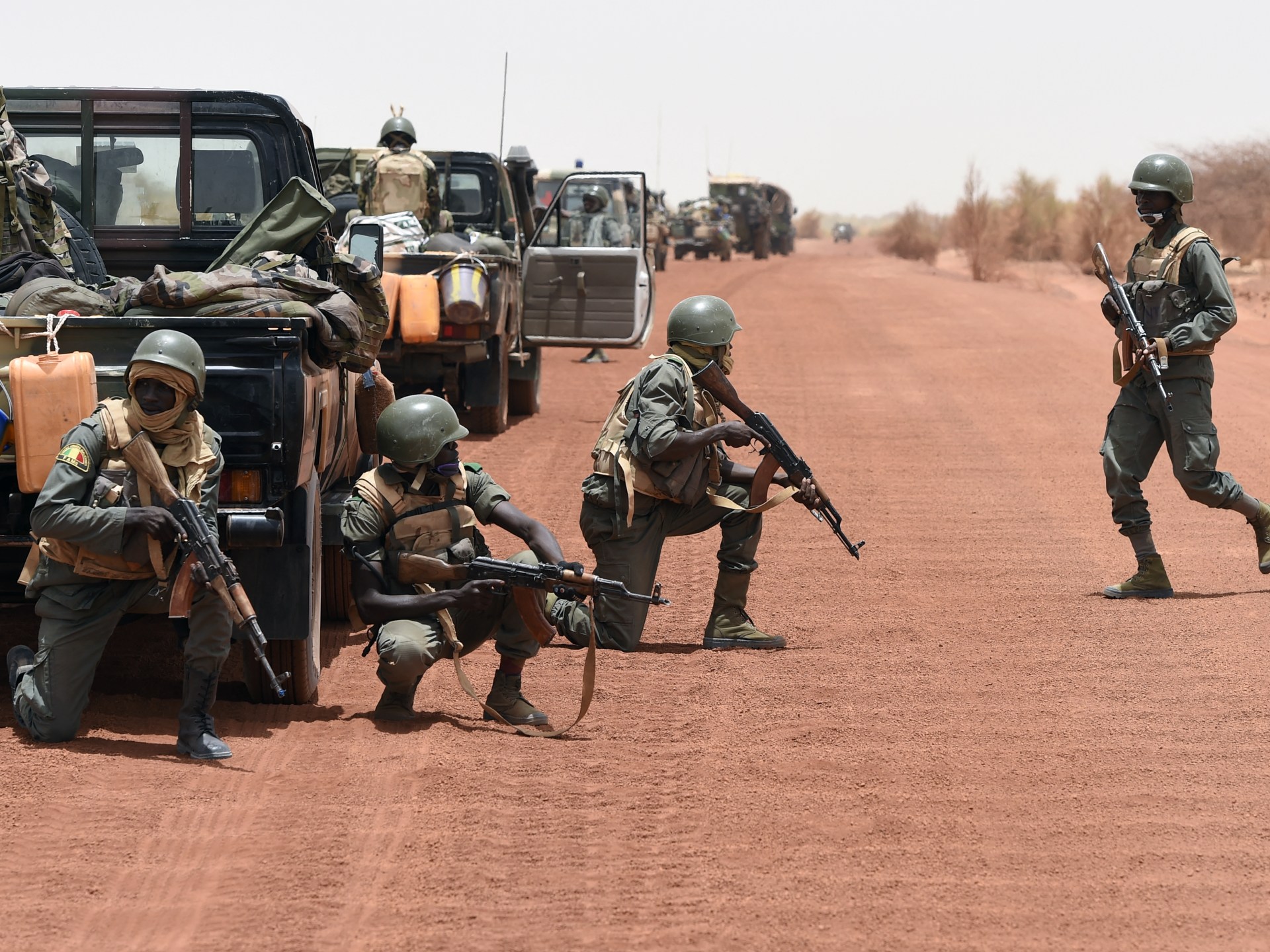
In April 2026, coordinated militant attacks in Mali killed the country's defense minister, showing continued instability in the Sahel.
Read the Original
Want the full story? Tap a source to open the original
article.
Canada will impose tariffs that match U.S. tariffs on Canadian products after trade talks between the two countries failed to reach an agreement. The U.S. started new 50% tariffs on about $20 billion of Canadian goods, and Canada responded to protect its workers and businesses.
Key Facts
The U.S. imposed new tariffs of 50% on some Canadian products worth about $20 billion starting Saturday.
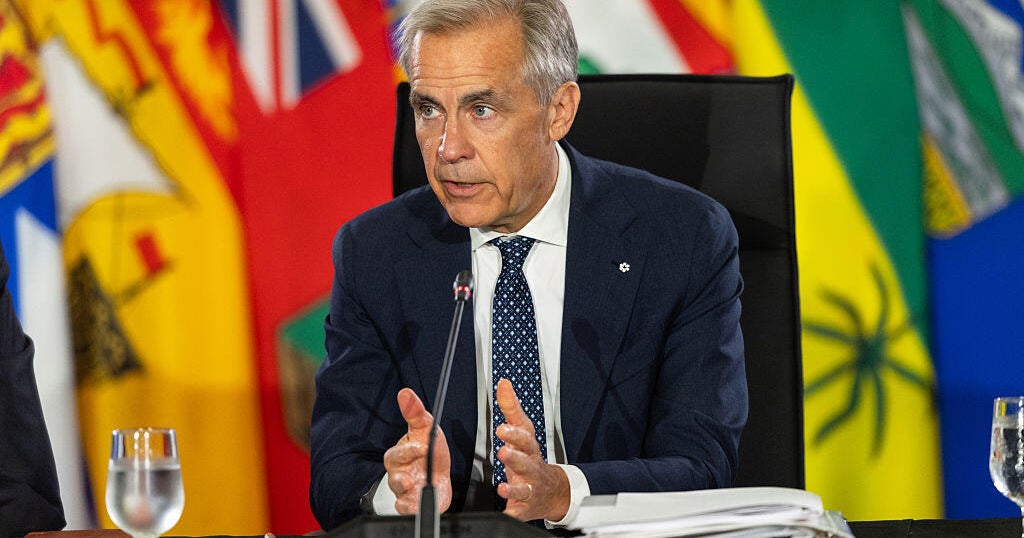
Canada’s Prime Minister Mark Carney said Canada will match the U.S. tariffs "dollar for dollar."
Trade negotiations between Canada and the U.S. did not produce an agreement after last-minute talks.
The U.S. offered tariff reductions on steel, aluminum, autos, and lumber, but Canada found proposed changes unfair.
Canada has retaliated against the U.S., including removing U.S. alcohol and wine from liquor stores.
President Donald Trump delayed the tariffs by three days to give talks more time.
Canada aims to reduce its economic reliance on the U.S., which currently accounts for about 70% of Canadian exports.
The U.S. and Canada still need to finalize changes to the North American trade agreement, USMCA.
Read the Original
Want the full story? Tap a source to open the original
article.
Canada has stopped trade talks with the United States and will match new U.S. tariffs on Canadian goods with equal tariffs on U.S. products. The U.S. imposed 50% tariffs on a variety of Canadian items after talks failed just before a deadline.
Key Facts
The U.S. imposed new 50% tariffs on many Canadian goods starting at midnight on August 22, 2026.
Canadian Prime Minister Mark Carney announced Canada’s plan to impose equivalent tariffs on U.S. goods “dollar for dollar.”
Talks broke down because Canada said last-minute changes by the U.S. were unfair and economically damaging.
Earlier, President Donald Trump had paused tariffs, believing a deal was close.
Negotiators had been trying to reduce existing tariffs on Canadian steel, aluminum, and autos.
Canada was asked to allow U.S. alcohol sales in its provinces as part of the deal.
The tariffs affect products like wine, dairy, cement, clothing, and hockey equipment.
U.S. officials said Canada rejected previously agreed terms and made new demands.
Businesses on both sides warn higher tariffs could harm economies and jobs.
Read the Original
Want the full story? Tap a source to open the original
article.
A boat carrying migrants from Tunisia to Italy sank off the Tunisian coast, leaving at least 13 people missing. Two survivors were rescued, one of whom was in serious condition, while authorities and rights groups criticize European Union support for Tunisia's strict border control measures.
Key Facts
At least 13 Tunisians are missing after their migrant boat capsized near Tunisia.
Two people survived; one survivor reported being stranded at sea for hours.
The incident occurred early Thursday; rescue efforts involved local boats.
Tunisia has seen fewer migrant departures recently due to tighter controls backed by the European Union.
Many migrants from across Africa travel through Tunisia on unsafe boats.
Human rights groups criticize the EU-Tunisia deal for causing violent sea interceptions and rights violations.
Over 35,000 people have gone missing in the Mediterranean Sea since 2014, according to the International Organization for Migration.
The Tunisian Observatory for Human Rights estimates around 10,000 Tunisians have disappeared at sea trying to reach Europe since 2011.
Read the Original
Want the full story? Tap a source to open the original
article.
The Gibbon Conservation Center near Los Angeles has cared for rare and endangered gibbons for 50 years. It is home to about 40 gibbons across five species and is recognized worldwide for its work in gibbon care and research.
Key Facts
The center is located in the hills of Santa Clarita Valley, north of Los Angeles.
It was founded by Alan Mootnick, a self-taught expert on gibbons who ran a home remodeling business.
The center has grown from a small collection to a global institution focused only on gibbons.
Gibbons are known for their loud, distinctive singing, which can be heard from far away.
The center cares for about 40 gibbons from five different species.
Director Gabi Skollar has worked at the center since 2005 and continues the mission after Mootnick’s death in 2011.
The center helps global research by studying gibbon behaviors and sharing knowledge with field conservationists.
Caretakers live on-site and provide daily feeding and care, listening to the gibbons’ calls several times a day.
Read the Original
Want the full story? Tap a source to open the original
article.
The U.S. planned to put a 50% tax (tariff) on $20 billion worth of Canadian goods after trade talks failed. Canada said it would apply the same tariffs back to the U.S. to protect its workers and businesses.
Key Facts
The U.S. wanted to impose 50% tariffs on $20 billion of Canadian products starting early Saturday.
Canada decided to match those tariffs "dollar for dollar."
U.S. Trade Representative Jamieson Greer said Canada did not agree to the latest trade deal terms.
Canadian Prime Minister Mark Carney suspended trade talks and sent negotiators back to Canada.
The tariffs affect about 5% of Canadian goods sent to the U.S., including hockey sticks and tongue depressors.
President Trump delayed the tariff deadline by three days to continue talks, but no agreement was reached.
The current U.S. tariff on Canadian goods is 10%, but most products are exempt under the U.S.-Mexico-Canada trade deal signed during President Trump's first term.
The trade conflict adds tension between two countries that trade $880 billion in goods and services annually.
Read the Original
Want the full story? Tap a source to open the original
article.
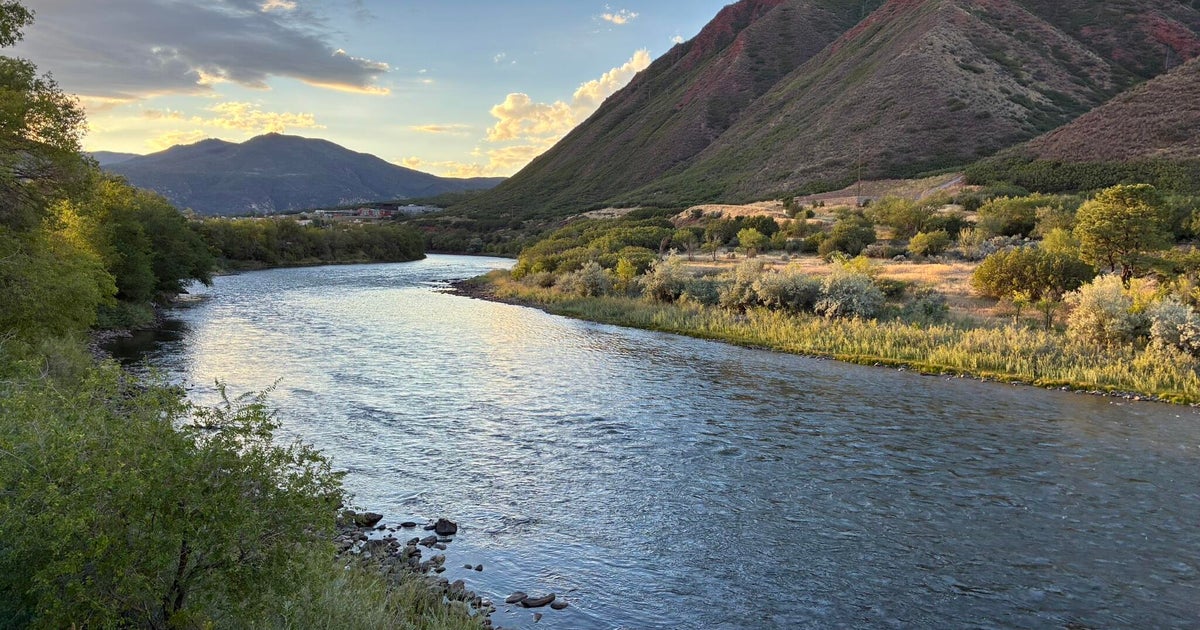
Federal officials announced significant water cutbacks for California, Nevada, and Arizona over the next two years to protect the Colorado River, which is facing severe drought and low reservoir levels. Arizona will have the largest reductions, while upstream states like Colorado and Utah will not have cuts for now. Mexico will also reduce its water use under a treaty.
Key Facts
California, Nevada, and Arizona must cut their water use from the Colorado River by 1.25 million acre-feet annually for two years.
Arizona will face the biggest water reductions among the three states.
Upstream states (Colorado, Utah, Wyoming, New Mexico) are not required to reduce water use at this time.
Mexico will reduce its water intake by 250,000 acre-feet under a U.S.-Mexico agreement.
The Colorado River supplies water to 35 to 40 million people.
The current water-sharing rules expire in October, but the seven states have not agreed on new long-term sharing plans.
Lake Mead and Lake Powell, the two largest reservoirs fed by the Colorado, have dropped to their lowest levels in nearly 70 years.
If Lake Powell falls 33 more feet, it will lose the ability to produce hydroelectric power and move water downstream.
Read the Original
Want the full story? Tap a source to open the original
article.
South Korea is sending its first container ship through the Arctic shipping route to test if it can be a useful alternative path to Europe amid disruptions in Middle Eastern routes. The trip aims to explore faster shipping options, but environmental groups worry the increased Arctic traffic could speed up ice melting.
Key Facts
The container ship "PanStar Acro" will sail from Busan, South Korea, to Europe via the Arctic.
The route could cut about 7,000 kilometers and 10 days from the usual Asia-Europe journey through the Suez Canal.
The voyage will visit ports in Britain, the Netherlands, and Poland, lasting about 45 days.
This follows China’s earlier Arctic route trip with the ship "Dubai Tower."
The Arctic route is seen as a growing alternative due to geopolitical risks in the Middle East.
There are concerns about possible violations of Western sanctions on Russia, since Russian services support navigation on the route.
Environmental groups warn that increased use of the Arctic route could accelerate melting of polar ice caused by global warming.
Major shipping companies have pledged to avoid Arctic routes due to environmental concerns.
Read the Original
Want the full story? Tap a source to open the original
article.
Authorities in Peru’s Arequipa region have started using helicopters to rescue people trapped by landslides on the Southern Coastal Highway. Heavy rains caused the landslides, blocking the road and leaving many people and vehicles stranded for six days.
Key Facts
Heavy rains caused landslides in Peru’s Arequipa region.
Landslides damaged parts of the Southern Coastal Highway.
Dozens of people and vehicles were stranded for nearly a week.
Helicopter evacuations have begun to rescue those trapped.
The highway is an important road along the southern coast of Peru.
Rescue efforts are ongoing to ensure the safety of stranded people.
Read the Original
Want the full story? Tap a source to open the original
article.
Tang Ngok-kwan, a former organizer of Hong Kong’s annual candlelight vigil for the Tiananmen Square crackdown victims, continues to quietly remember the event despite arrests and convictions of fellow activists. Two of Tang’s former colleagues were recently convicted under a national security law and accused of trying to overthrow China’s Communist Party leadership.
Key Facts
Tang Ngok-kwan was part of the Hong Kong Alliance that held candlelight vigils for the 1989 Tiananmen crackdown victims.
The vigil in Victoria Park was once the only large public memorial for the crackdown in China.
Two former colleagues of Tang were convicted under a Beijing-imposed national security law.
The convicted activists were accused of inciting others to overthrow China’s Communist Party.
The vigil organizing group was also found guilty.
The annual vigil has stopped after police and government pressure increased.
Hong Kong’s freedoms have decreased since China took control in 1997.
Tang still visits memorial sites quietly, despite the political risks.
Read the Original
Want the full story? Tap a source to open the original
article.