Neutral summaries of your favorite news sources — just the facts.
Your favorite news sources, one neutral feed — we distill their reporting into fact-first
summaries and always link to the original story. How it works
World News
Comprehensive coverage of international news and global events
Great Britain’s energy system operator warned about tight electricity supplies due to a heatwave causing high demand for cooling. The operator asked power generators to increase output to avoid problems, but the overall electricity supply remains stable, with no blackouts expected.
Key Facts
The National Energy System Operator (Neso) issued a warning about electricity supply tightness on Thursday.
The heatwave is causing many people to use air conditioners and fans, raising electricity demand.
Neso had previously issued a similar warning earlier in the week.
Wind speeds have slowed because of the heat, reducing renewable energy production.
Neso paid about £10 million extra to gas power plants to boost electricity output on Wednesday evening.
Some UK gas power plants have reduced output due to the heat.
In France, four nuclear plants stopped working unexpectedly because river water was too warm to cool reactors.
The French utility EDF plans to spend €80 million to install cooling systems in schools and daycare centers for future heatwaves.
Read the Original
Want the full story? Tap a source to open the original
article.
Europe is experiencing extreme heat causing more medical emergencies, including heart problems, even among young and fit people. Officials advise avoiding outdoor exercise and limiting alcohol to stay hydrated and reduce health risks during the heatwave.
Key Facts
Ambulance services in London and Paris report sharp rises in serious emergencies like cardiac arrests due to the heat.
London saw a 50% increase in life-threatening emergency calls, with cardiac arrests up 30% on the hottest day this week.
Paris will ban public drinking of alcohol for two days to help reduce heat-related health issues.
Alcohol causes dehydration by making you urinate more, which is dangerous during hot weather when you sweat a lot.
Heat exhaustion can quickly develop into heatstroke, a medical emergency where the body cannot cool down.
Experts suggest avoiding strenuous exercise outdoors during high temperatures and choosing cooler times like early morning or late evening.
Officials warn that even young and healthy people are vulnerable to heat-related illnesses.
People are advised to hydrate well by drinking water regularly, especially between alcoholic drinks, to prevent dehydration.
Read the Original
Want the full story? Tap a source to open the original
article.
Highlife is a style of music that started about 100 years ago in the port cities of Ghana. It mixes old colonial brass instruments with traditional African rhythms and was important during West African independence. UNESCO has recognized Highlife as an important cultural heritage, and new musicians are helping the music grow and change.
Key Facts
Highlife music began around 100 years ago in Ghana.
It combines brass instruments introduced during colonial times with local African rhythms.
The genre played a key role during West Africa’s independence movements.
UNESCO has added Highlife to the list of intangible cultural heritage.
A new generation of musicians is updating Highlife to keep it alive and fresh.
The genre is gaining popularity again both in Africa and worldwide.
Highlife is called the "grandfather" of modern African music.
The music reflects the history and culture of West Africa.
Read the Original
Want the full story? Tap a source to open the original
article.
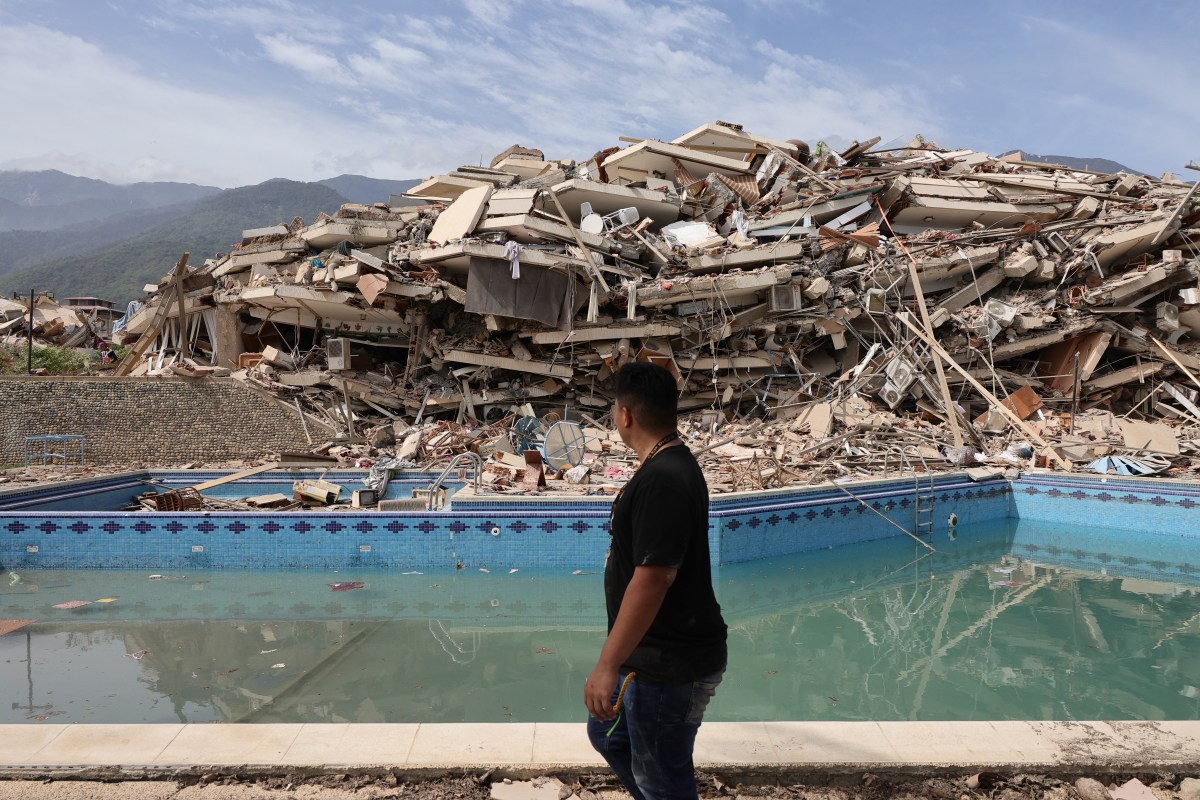
Rescuers in Venezuela found a baby alive under the rubble after a strong earthquake caused buildings to collapse. Teams are still searching for many people who are missing after the disaster.
Key Facts
A powerful earthquake hit Venezuela, causing buildings to fall down.
Rescuers discovered a baby alive under the collapsed building.
Search efforts are ongoing for thousands of missing people.
The earthquake caused widespread damage and fear.
Emergency teams are working to help victims and find survivors.
Read the Original
Want the full story? Tap a source to open the original
article.
The Nigerian Senate approved a bill that lets each of Nigeria's 36 states set up its own police force. This change aims to improve security but also raises worries that powerful state governors might gain too much control, possibly increasing violence.
Key Facts
The Nigerian Senate approved the bill on June 24, 2026.
The bill allows individual states to create their own police forces.
Nigeria has 36 states in total.
Recent events, like a large school kidnapping in the southwest, highlighted security problems.
Experts caution that giving states police control could empower governors in a country where politics can be violent.
The existing national police force has faced criticism over handling conflicts.
Security concerns include threats from groups like Boko Haram.
Read the Original
Want the full story? Tap a source to open the original
article.
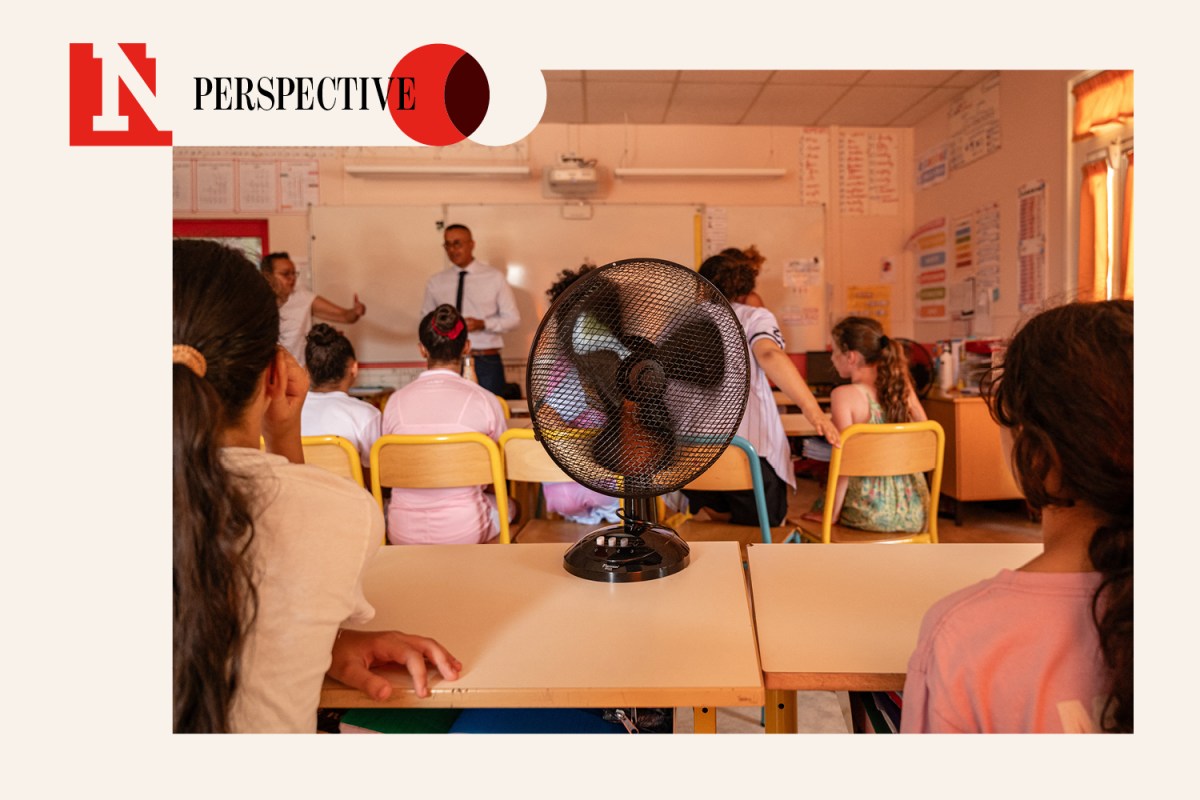
France experienced extreme heat above 104 degrees Fahrenheit that forced closures of schools and public transport in Paris. The country’s long-term climate policies focused on saving energy and cutting emissions but did not prepare buildings or public spaces for very hot weather, leaving people vulnerable during heatwaves.
Key Facts
Paris shut down schools, museums, and public transport during a June heatwave with temperatures over 104°F.
France’s climate policies prioritize energy saving and reducing emissions, focusing on keeping buildings warm in winter rather than cool in summer.
Only about 7% of French households have air conditioning; including fans, about 25% have any cooling.
Public spaces like schools often lack cooling systems, causing closures during extreme heat.
French building rules protect historic looks and limit additions such as external air conditioners.
Many French homes trap heat because they are built to keep warmth inside during winter.
Around 40% of homes lack shutters, which help block solar heat and reduce indoor temperature.
The combination of hot weather and unadapted buildings causes dangerous indoor heat levels, especially in dense cities like Paris.
Read the Original
Want the full story? Tap a source to open the original
article.
Russia said it shot down 660 drones launched by Ukraine in the biggest strike so far. Ukraine’s drone attacks have damaged Russian energy sites and caused fuel shortages, raising concerns that Russia might ask Belarus to join the war. Belarus denies plans to enter the conflict and says it wants peace.
Key Facts
Russia’s Ministry of Defence reported downing 660 Ukrainian drones overnight.
The drone attacks hit 13 Russian regions including Moscow and Crimea.
A house was damaged and a woman injured in the Tula region due to the attacks.
An industrial plant important for Russian explosives production in Novomoskovsk was damaged.
Ukraine targets energy infrastructure to disrupt Russia’s war funding and supply lines.
Ukrainian President Zelenskyy accused Russia of pushing Belarus to help in the war.
Belarus denies plans to join the conflict and says it wants to keep peace.
Belarusian President Lukashenko warned Ukraine not to try to drag Belarus into the war.
Read the Original
Want the full story? Tap a source to open the original
article.
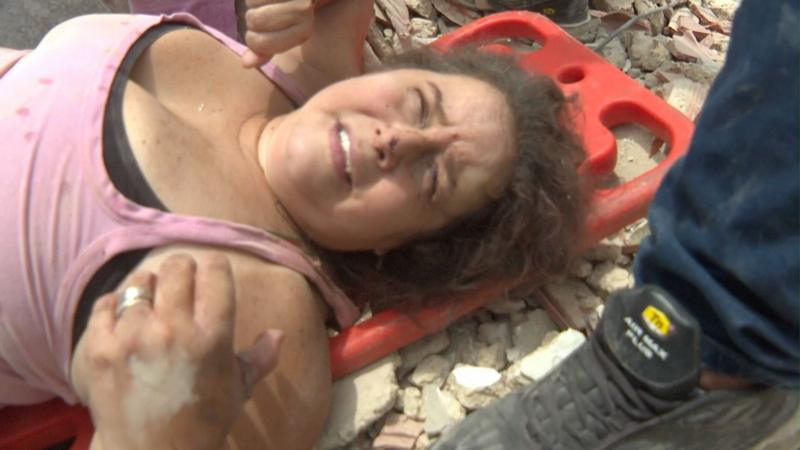
Two strong earthquakes hit Venezuela with magnitudes of 7.2 and 7.5, causing major damage. At least 235 people died, 4,300 were injured, and many are still missing. Rescuers saved a woman named Graciela Mora alive from the rubble in the hard-hit area of La Guaira.
Key Facts
Two earthquakes of 7.2 and 7.5 magnitude struck Venezuela recently.
The quakes are among the strongest in over 100 years in the region.
At least 235 people have died due to the earthquakes.
About 4,300 people were injured.
Many are still trapped under rubble or missing.
Graciela Mora was rescued alive from a collapsed building in La Guaira.
Graciela suffered injuries, including a broken finger.
She held the hand of a friend who died while waiting to be rescued.
Read the Original
Want the full story? Tap a source to open the original
article.
Two strong earthquakes hit Venezuela on Wednesday, causing severe damage and many casualties. Over 50,000 people are reported missing, and the death toll has reached 235, with the number expected to rise.
Key Facts
Two earthquakes measuring 7.2 and 7.5 struck Venezuela in quick succession on Wednesday evening.
The earthquakes caused at least 235 deaths and more than 4,300 injuries so far.
More than 50,000 people have been reported missing since the quakes.
Rescuers are searching collapsed buildings in Caracas and nearby areas for survivors.
The quakes were shallow, less than 20 miles underground, which increased the damage.
This double-earthquake event is unusual because both were strong; normally, aftershocks are smaller.
The earthquakes’ epicenters were near Moron, about 105 miles west of Caracas.
The second quake was the strongest in Venezuela since 1900.
Read the Original
Want the full story? Tap a source to open the original
article.
A Somali woman named Sadia Moalim Ali was sentenced to three years in prison for criticizing the Somali government on social media. Her case has drawn strong criticism from former officials and human rights groups, who say the sentence is unfair and violates freedom of expression.
Key Facts
Sadia Moalim Ali, 27, was jailed after posting critical comments about government issues like youth unemployment, high fuel prices, and corruption.
She was convicted of insulting government institutions but not of incitement to commit a crime.
Her sentence was given on June 25 and caused public outrage in Somalia.
Former Somali president Sharif Sheikh Ahmed and former prime minister Hassan Ali Khaire condemned the sentence.
Human rights groups say this case is part of a wider problem of harassment and discrimination against women activists in Somalia.
Ali has been in custody since April 12 and reported being tortured and threatened by police while detained.
Her lawyers have appealed the verdict, calling the sentence harsh and unjust.
Somali authorities have faced accusations since 2022 of cracking down on journalists and activists through arrests and intimidation.
Read the Original
Want the full story? Tap a source to open the original
article.
Visitors from many countries are enjoying their time in the United States during the 2026 World Cup. These tourists are amazed by everyday things that Americans usually take for granted, like large homes, popular restaurants, and wide shopping stores, showing a different view of America than what some public polls suggest.
Key Facts
The 2026 World Cup is hosted by the United States, Canada, and Mexico.
Many international soccer fans are sharing positive experiences about America on social media.
A German fan named Freddy has become popular for his enthusiastic posts about American culture and places.
Visitors have expressed surprise and delight over common American features such as Waffle House, Taco Bell, and large football stadiums.
Some tourists see American abundance and friendliness, contrasting with negative opinions often shown in polls and media.
The Transportation Security Administration joked about tourists discovering ranch dressing and packing it to take home.
The article suggests that outsiders help Americans appreciate their country’s achievements and lifestyle.
It reminds readers that the United States remains a leading nation in economy, military, and culture.
Read the Original
Want the full story? Tap a source to open the original
article.
Rescuers helped a mother give birth in La Guaira, Venezuela, during the recovery efforts after a strong earthquake struck the area. They are also searching for people who are missing because of the disaster.
Key Facts
A strong earthquake hit La Guaira, Venezuela.
The earthquake caused significant damage in the region.
Rescuers found a mother who was about to give birth during the disaster.
They assisted her in safely delivering the baby.
Rescue teams are looking for people who remain missing after the earthquake.
The event shows how emergency workers continue to help amid crisis.
The situation remains serious due to the earthquake’s effects.
Read the Original
Want the full story? Tap a source to open the original
article.
Two strong earthquakes hit Venezuela, causing severe damage, killing about 235 people, and injuring over 4,300. Many families use social media and online lists to find their missing loved ones since official information and communication are limited.
Key Facts
Two earthquakes measuring 7.2 and 7.5 hit Venezuela on June 24, 2026.
The quakes caused widespread damage, especially in Caracas and La Guaira.
Around 235 people have died and more than 4,300 were injured.
Communication systems were damaged, making it hard to get information.
People are using social media and online missing persons lists to search for relatives.
Independent registries list up to 40,000 people missing, much more than official reports.
Families post photos and details of missing relatives on platforms like WhatsApp, Facebook, and X.
Rescue efforts include people digging through rubble to find survivors.
Read the Original
Want the full story? Tap a source to open the original
article.
Ukraine is using drones to attack key infrastructure in Crimea, a peninsula annexed by Russia in 2014. These attacks are causing fuel and power shortages and forcing Russian-installed leaders to take temporary measures.
Key Facts
Crimea was annexed by Russia in 2014.
Ukraine has increased drone attacks on bridges, ferries, and oil storage in Crimea.
The attacks aim to weaken Russian control over the region.
Fuel and power shortages have become more common in Crimea because of these strikes.
Russian-installed leaders in Crimea have introduced temporary measures to address these shortages.
The situation is causing significant disruption to daily life in Crimea.
Ukraine uses advanced drones, like AI-powered Hornet drones, to launch attacks deep into Russian-controlled areas.
Read the Original
Want the full story? Tap a source to open the original
article.
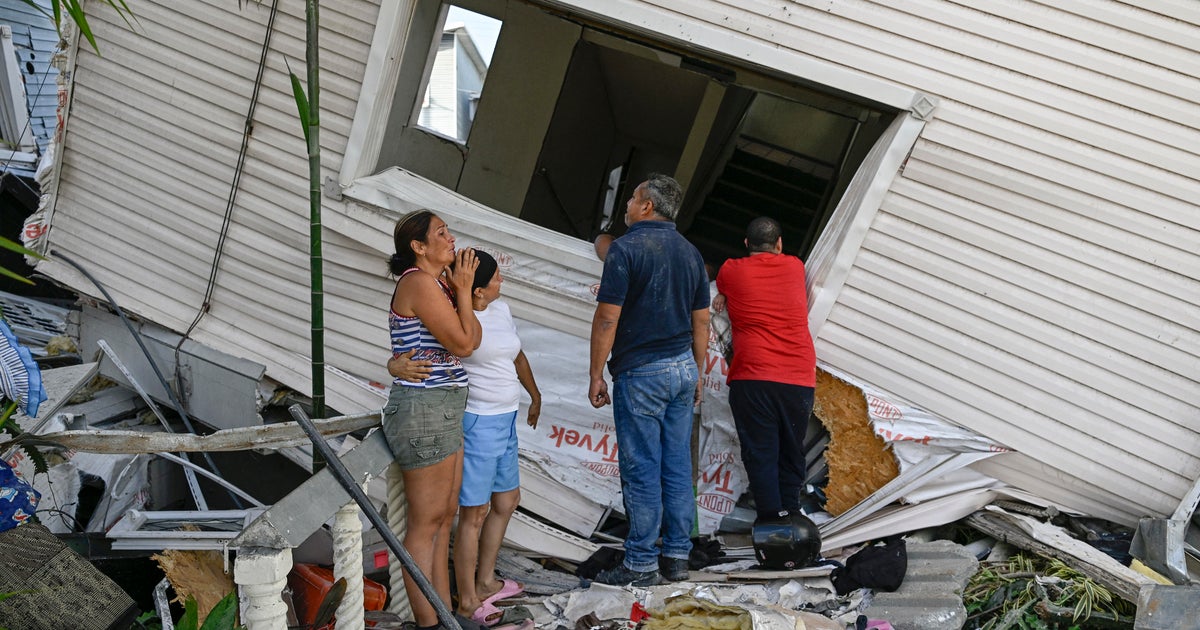
Powerful earthquakes with magnitudes of 7.2 and 7.5 hit northern Venezuela, causing heavy damage and killing over 230 people. Thousands are injured, and many remain missing as rescue efforts continue, especially in the coastal region of La Guaira.
Key Facts
Two strong earthquakes struck northern Venezuela on Wednesday evening.
Official reports show around 235 people dead and at least 4,300 injured.
Thousands are still missing amid ongoing rescue efforts.
La Guaira, a coastal area north of Caracas, suffered heavy damage and many casualties.
The main airport in La Guaira was damaged and closed, making aid delivery harder.
Many buildings were destroyed, and streets cracked open due to the quakes.
Residents and neighbors are helping each other search through rubble for survivors.
Phone services were disrupted, making it hard for Venezuelans abroad to reach family.
Read the Original
Want the full story? Tap a source to open the original
article.
Three-quarters of mainland France is under a highest-level heat warning due to a strong heatwave. However, the southeastern Mediterranean coast, known as the French Riviera or Côte d'Azur, is experiencing cooler temperatures because the Mediterranean Sea helps lower the heat there.
Key Facts
Most of mainland France is on "red alert" for extreme heat.
The southeastern coast of France is not under the highest heat warning.
The Mediterranean Sea cools the air near the French Riviera.
This sea cooling effect keeps temperatures lower than in the northwest parts of France.
France is dealing with record-breaking heat during this heatwave.
Extreme heat is affecting public life and emergency services in some areas.
The heatwave is linked to climate change, according to experts.
Coastal waters in France are also warming due to the heatwave.
Read the Original
Want the full story? Tap a source to open the original
article.
Paris police asked organizers to cancel major public events scheduled for the weekend of June 27 because of a severe heatwave. Emergency services and hospitals are overwhelmed due to record-high temperatures in the city.
Key Facts
Paris police requested the cancellation of events including the pride march and the Solidays music festival.
Organizers risk being banned if they do not comply with the cancellation request.
The heatwave has caused emergency services and hospitals in Paris to become overwhelmed.
Temperatures in Paris have reached record-breaking highs.
Residents living in top-floor apartments are especially affected by the extreme heat.
Authorities also banned public alcohol consumption due to the heatwave.
The heatwave is part of a wider trend linked to climate change in France.
Parts of the French Riviera were spared from this extreme heatwave.
Read the Original
Want the full story? Tap a source to open the original
article.
Two strong earthquakes hit Venezuela on June 24, causing at least 235 deaths and leaving tens of thousands missing. Rescue teams from various countries are helping, and the United States is sending military planes and easing sanctions to support earthquake relief.
Key Facts
Venezuela was struck by two powerful earthquakes on June 24, 2026.
At least 235 people have died due to the quakes.
Tens of thousands of people are still missing after the disaster.
Emergency workers are searching through rubble for survivors.
Rescue teams from around the world have arrived to assist.
The United States is sending military planes to help with logistics.
The U.S. Treasury issued a license allowing transactions for earthquake aid despite existing sanctions.
This license is valid until October 2026 to help ease the delivery of humanitarian assistance.
Read the Original
Want the full story? Tap a source to open the original
article.
Two strong earthquakes struck near Caracas, Venezuela, causing heavy damage and killing at least 235 people. Many buildings collapsed, power outages occurred, and thousands were injured, with rescue efforts ongoing.
Key Facts
Two earthquakes hit west of Caracas on Wednesday, measuring 7.2 and 7.5 in magnitude.
At least 235 people have died and about 4,300 have been injured.
Around 250 buildings were damaged or destroyed nationwide, including hospitals and the Red Cross headquarters.
Caracas is in a valley with soft ground that makes earthquake shaking worse.
Many buildings are not built to withstand earthquakes and are on unstable land.
Venezuela’s economy is weakened and under sanctions, limiting resources for stronger building codes.
Past earthquakes in Caracas have caused major destruction, including deaths and collapsed buildings.
Rescue teams are still searching for people trapped under rubble, especially in the Altamira district.
Read the Original
Want the full story? Tap a source to open the original
article.
Europe is experiencing a severe heatwave that scientists say is definitely caused by human-driven climate change. The current heat is much hotter than similar events in the past, including the deadly 2003 heatwave.
Key Facts
The heatwave is making temperatures much higher than usual for June.
Scientists say climate change caused by humans made this heatwave more intense.
Today’s heatwave is 3.5°C hotter than a similar event in June 1976.
The 2003 European heatwave caused tens of thousands of deaths.
France has recorded its hottest day since temperature records began in 1947.
Paris has restricted public alcohol consumption due to the heat.
Emergency services in France are overwhelmed by the heatwave.
Experts say adapting to climate change means redesigning cities to handle hotter weather.
Read the Original
Want the full story? Tap a source to open the original
article.