Neutral summaries of your favorite news sources — just the facts.
Your favorite news sources, one neutral feed — we distill their reporting into fact-first
summaries and always link to the original story. How it works
World News
Comprehensive coverage of international news and global events
Plan International’s Regional Director for the Americas said that children and young people should be the main focus in responding to Venezuela’s recent earthquakes. While rescuing survivors is urgent, providing mental health support for a long time will also be very important.
Key Facts
Venezuela experienced earthquakes that affected many people.
Plan International is an organization working in the Americas.
Carmen Elena Aleman is Plan International’s Regional Director for the Americas.
She said children and young people need special attention in the earthquake response.
Rescue efforts are the immediate priority after the earthquakes.
Mental health support will be needed for years after the event.
The organization emphasizes focusing on both physical rescue and emotional recovery.
Read the Original
Want the full story? Tap a source to open the original
article.
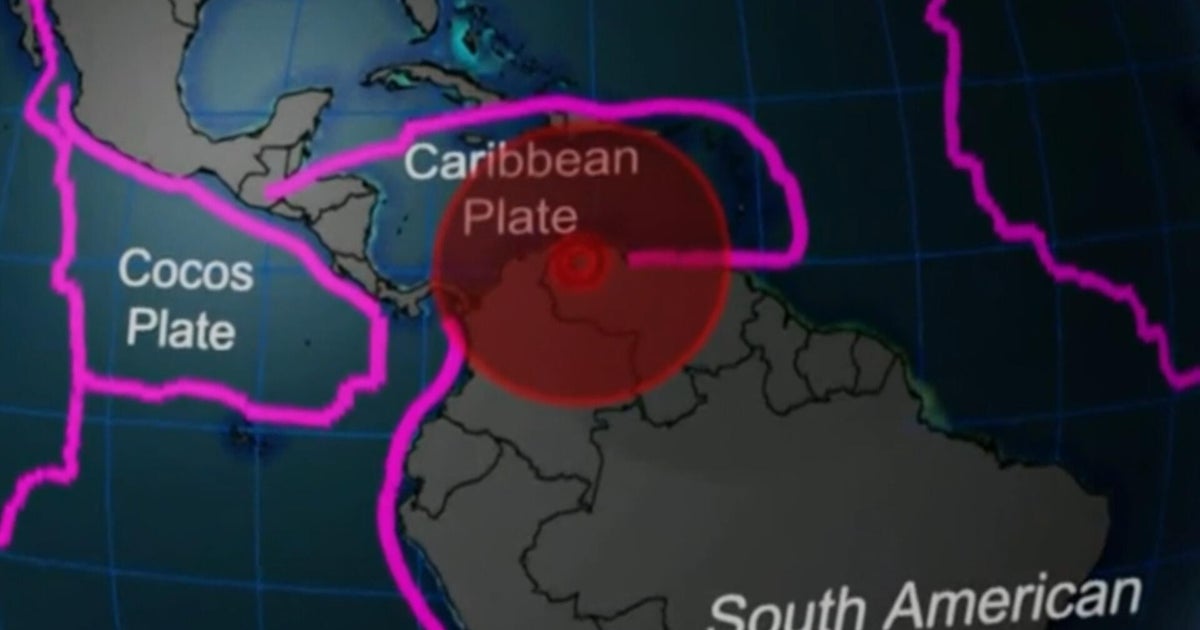
Three strong earthquakes struck different parts of the world within eight hours: northern California, northern Japan, and Venezuela. Experts say these earthquakes are not connected because they happened along separate fault lines far apart and the timing was a coincidence.
Key Facts
A 5.6-magnitude earthquake hit rural northern California on Wednesday.
A 7.2-magnitude earthquake occurred on Japan’s northern coast hours later.
Two deadly earthquakes, measuring 7.1 and 7.5, struck Venezuela in close succession.
All earthquakes happened along known plate boundaries where earthquakes often occur.
Experts say it is uncommon for earthquakes thousands of miles apart to be related.
The Venezuela earthquakes were likely connected because they were close to each other.
At least 188 people died in the Venezuelan earthquakes.
Large earthquakes can sometimes cause smaller ones nearby, but worldwide links are rare.
Read the Original
Want the full story? Tap a source to open the original
article.
At least 30 aftershocks have occurred in Venezuela following two strong earthquakes. These aftershocks happened shortly after the main quakes shook the country on Wednesday.
Key Facts
Venezuela experienced two powerful earthquakes on Wednesday.
Since then, at least 30 smaller tremors, called aftershocks, have been felt.
Aftershocks are smaller earthquakes that follow the largest one in an area.
The aftershocks continue to affect people and areas already shaken.
The events were reported and monitored by CBS News meteorologist Darren Peck.
The information aims to inform the public about ongoing seismic activity.
Read the Original
Want the full story? Tap a source to open the original
article.
A heat wave has been affecting Europe for nearly a week. It has caused many records to be broken, forced some schools to close, and led to hundreds of deaths related to heat exposure and drowning.
Key Facts
The heat wave has lasted for almost seven days.
It has caused temperatures to reach record highs across Europe.
Some hospitals in affected areas do not have air conditioning in certain rooms.
Schools have been closed in response to the extreme heat.
Hundreds of people have died due to heat exposure and drowning during this period.
The report includes observations from Paris.
Read the Original
Want the full story? Tap a source to open the original
article.
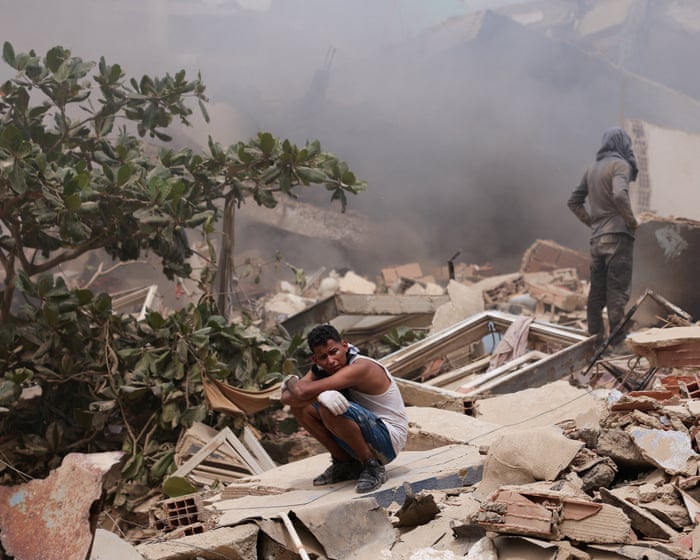
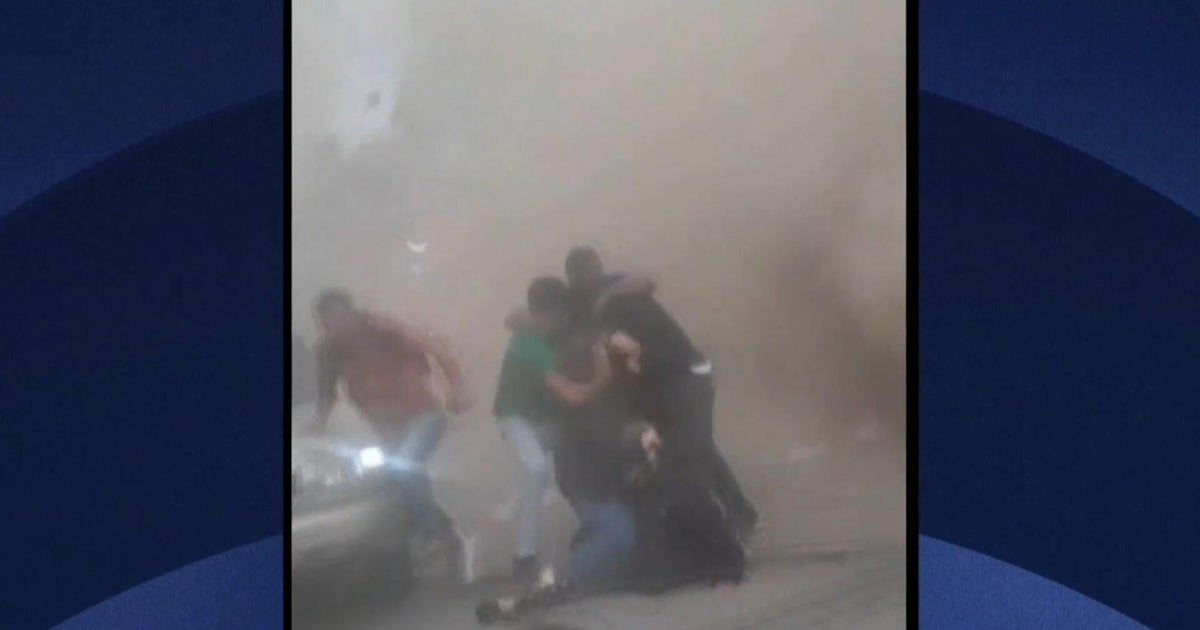
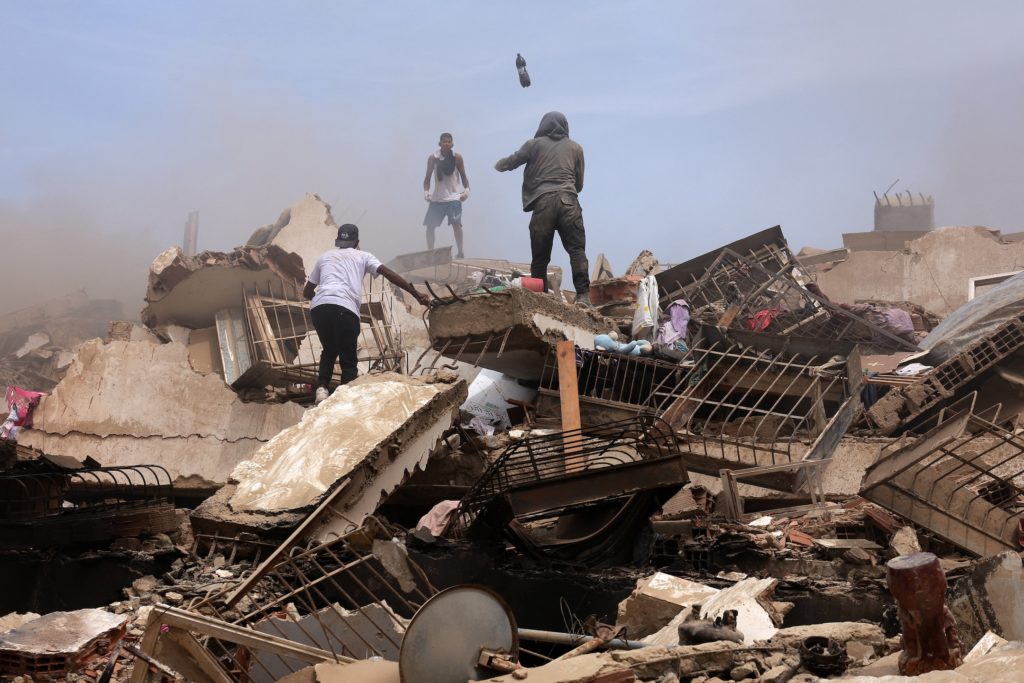
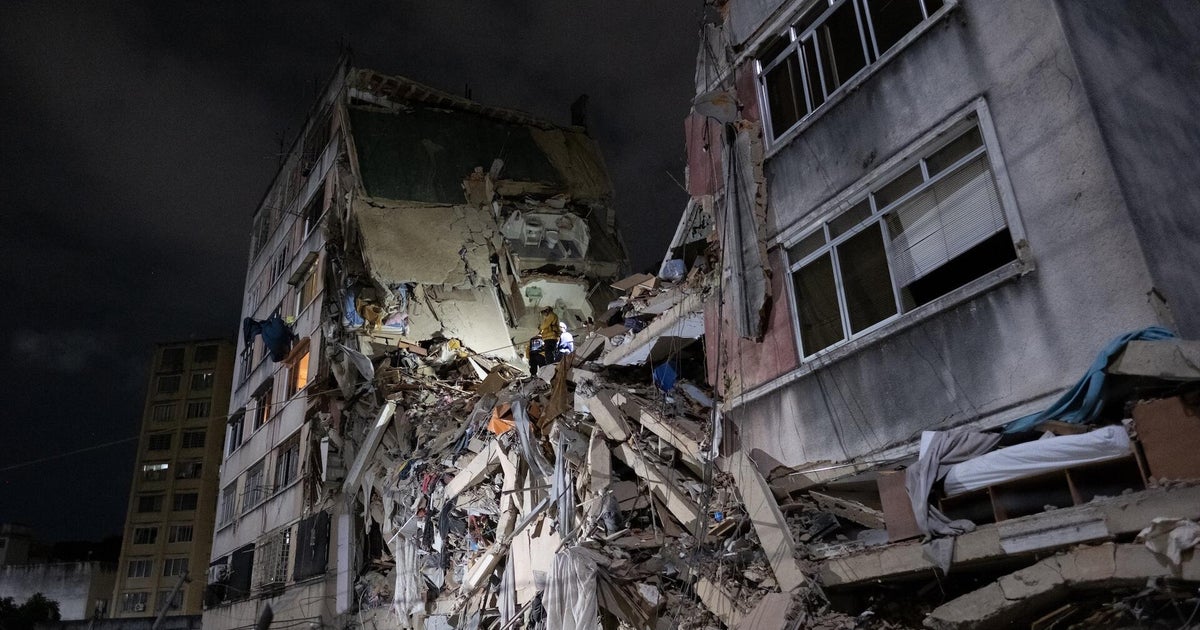
Two earthquakes struck Venezuela, causing heavy damage and fear that thousands of people may have died under the rubble. Rescue teams are working to find survivors and understand what caused the earthquakes.
Key Facts
Venezuela experienced two earthquakes on the same day.
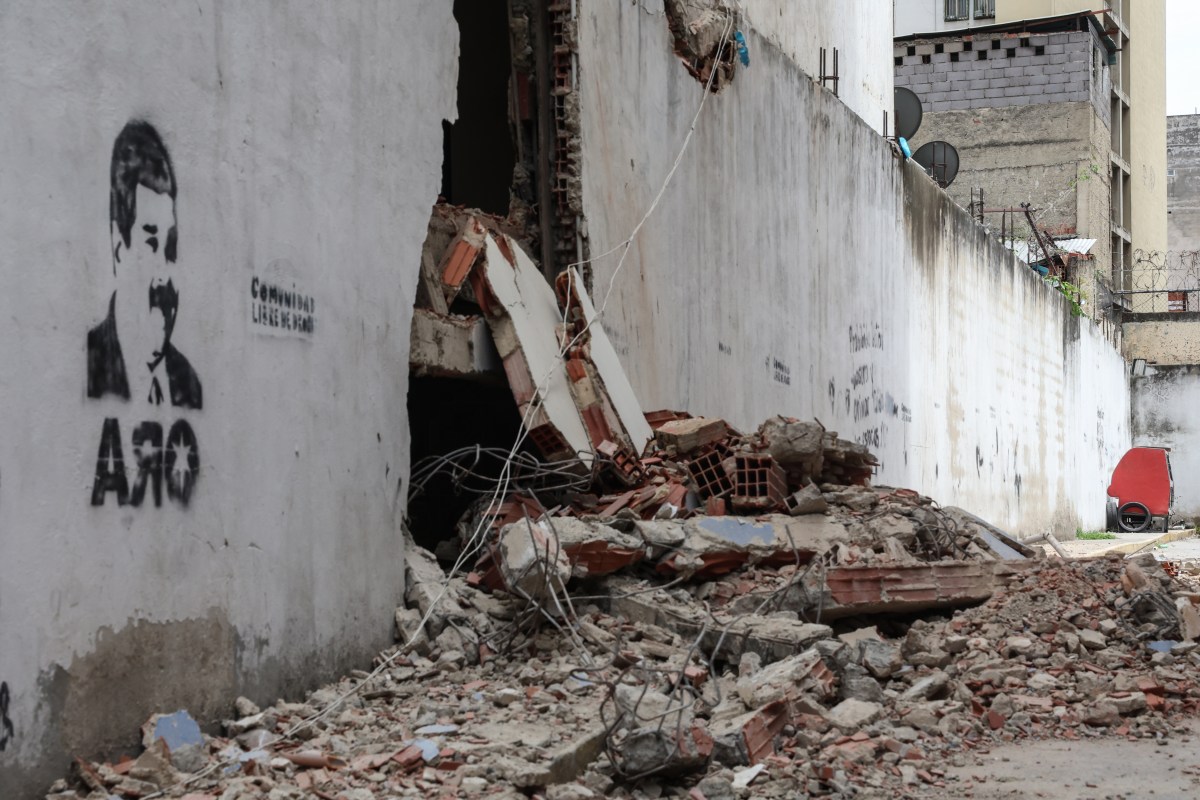
The earthquakes caused severe damage across the country.
Thousands of people are feared to be trapped or dead under collapsed buildings.
Rescue teams are actively searching through the rubble.
Reporters Lilia Luciano and Rob Marciano covered the events and causes.
The situation remains urgent with ongoing rescue efforts.
The earthquakes are linked and are described as a double-earthquake disaster.
Read the Original
Want the full story? Tap a source to open the original
article.
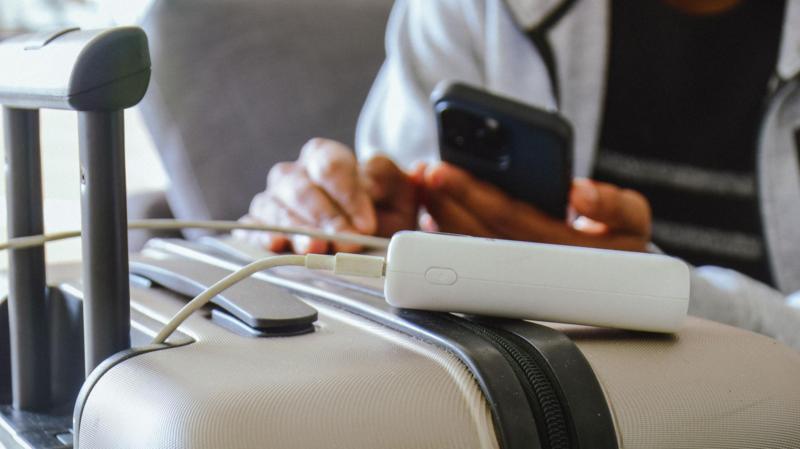
Passengers are being warned not to pack power banks or vape devices containing lithium batteries in their checked luggage due to fire risks. The UK’s aviation regulator says incidents involving these batteries have nearly doubled, and passengers should keep such devices in their carry-on bags.
Key Facts
Lithium batteries can cause fires because they store a lot of energy in a small space.
Fires from these batteries are hard to control and dangerous, especially in checked luggage where crew cannot access them.
The number of lithium battery incidents in checked bags rose from 316 in 2024 to 643 in 2025 in the UK.
Reports of devices overheating or breaking almost doubled from 123 in 2024 to 206 in 2025.
The Civil Aviation Authority says about two lithium battery-related incidents happen every week on flights.
Passengers are advised to carry devices like power banks, vapes, and phones in the cabin, not in checked luggage.
Only two power banks per person are allowed on flights and cannot be charged onboard.
Airlines warn that improper packing can cause flight delays or diversions, as happened recently with an EasyJet flight.
Read the Original
Want the full story? Tap a source to open the original
article.
The United Nations (UN) is increasing its efforts to help Venezuela after two earthquakes caused major damage. The UN warns that the disaster will make the country's already serious humanitarian problems worse, and recovery work may take many months.
Key Facts
Two earthquakes struck Venezuela, causing widespread damage.
The UN is scaling up its response to assist the affected areas.
Hundreds of UN staff are involved in the relief efforts.
The disaster will deepen Venezuela’s existing humanitarian crisis.
Recovery and aid operations are expected to continue for several months.
UN spokesperson Stéphane Dujarric spoke about the situation on Al Jazeera.
The humanitarian crisis in Venezuela was severe before the earthquakes.
Read the Original
Want the full story? Tap a source to open the original
article.
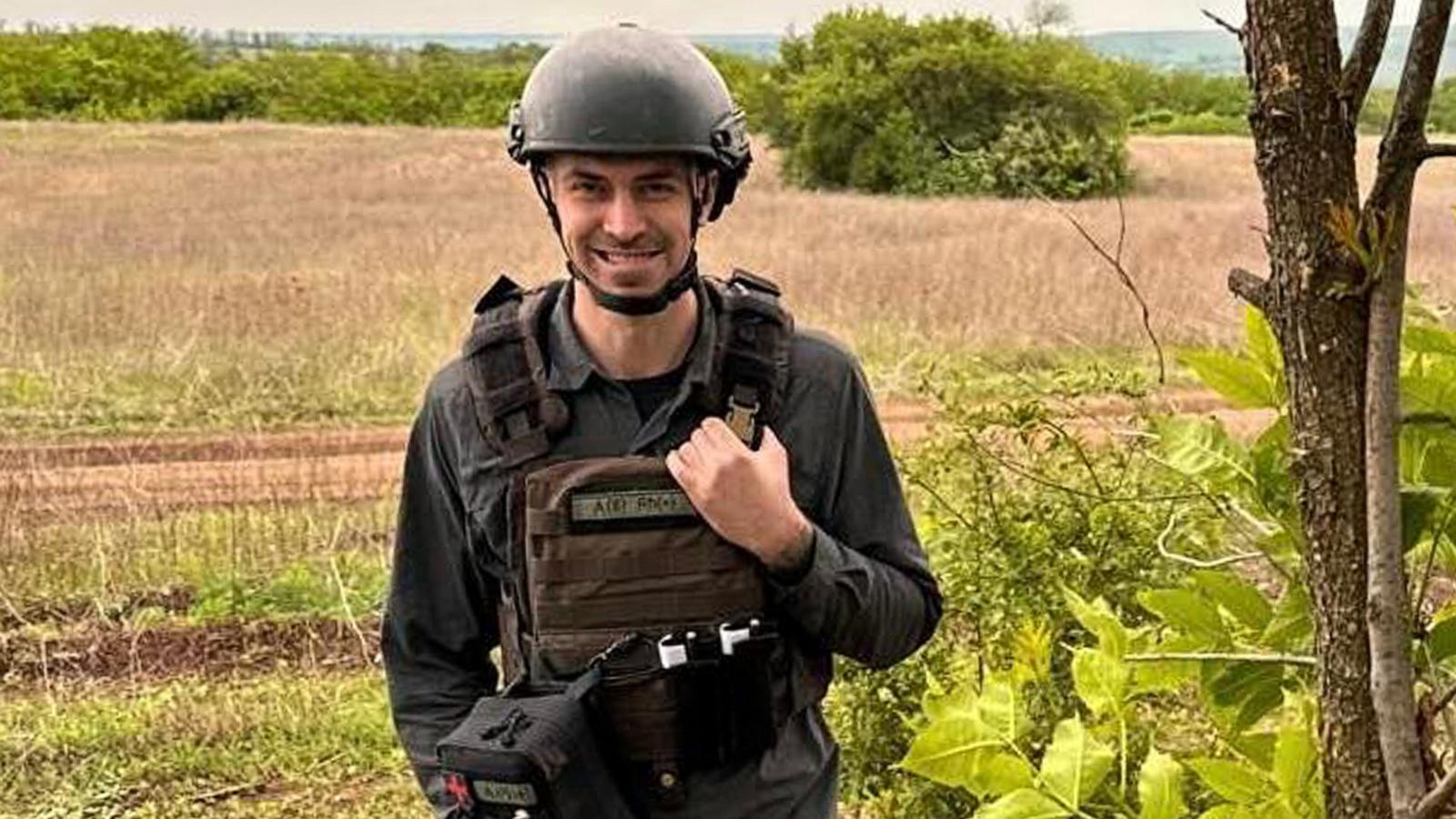
Max Oseredchuk, a former ABC News producer and driver, was killed in a Russian drone strike while serving in Ukraine’s military. He was 30 years old and had worked closely with international journalists reporting on the war in Ukraine.
Key Facts
Max Oseredchuk was born in 1995 in Vuhledar, Ukraine, a city heavily damaged and occupied by Russia.
He held a master’s degree in business economics and initially worked in logistics before joining ABC News after the 2022 Russian invasion.
Max worked as a driver and fixer for ABC News and later the New York Times, often traveling to dangerous frontline areas in Ukraine.
He was known for his deep knowledge of Ukrainian roads and his calm, humorous personality.
Several months ago, he was drafted into Ukraine’s military and served in the 34th Marine Brigade.
Max is survived by his wife Kateryna and their 9-month-old daughter Maria.
His family’s home in Vuhledar was destroyed due to the conflict.
He maintained contact with ABC News colleagues even after joining the military, showing dedication to both his country and journalism.
Read the Original
Want the full story? Tap a source to open the original
article.
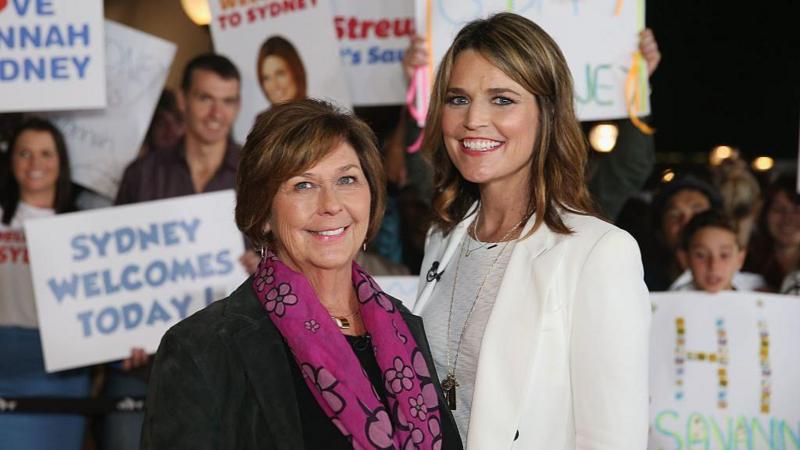
Nancy Guthrie, an 84-year-old woman, was kidnapped from her home in the Catalina Foothills neighborhood of Tucson, Arizona, on January 31. Despite public attention and ongoing investigations, authorities have not identified suspects or located Guthrie, and ransom notes received after the abduction have raised more questions than answers.
Key Facts
Nancy Guthrie was taken from her home overnight on January 31 in an area known for very dark skies to reduce light pollution.
Her daughter is Savannah Guthrie, a well-known US news presenter, which gave the case early public attention.
Law enforcement agencies and private investigators have been actively working on the case but have not found suspects or Guthrie’s location.
Ransom notes were received after the kidnapping, one asking for millions in bitcoin and another claiming Nancy had died.
The notes are believed to be real by the Guthrie family and some investigators.
Experts say if the kidnapping had gone as planned, there might have been a ransom payment and more clues from phone or internet records.
The dark, mountainous terrain around Catalina Foothills makes searching difficult and helps criminals hide.
The case remains open and active as authorities continue searching for answers.
Read the Original
Want the full story? Tap a source to open the original
article.
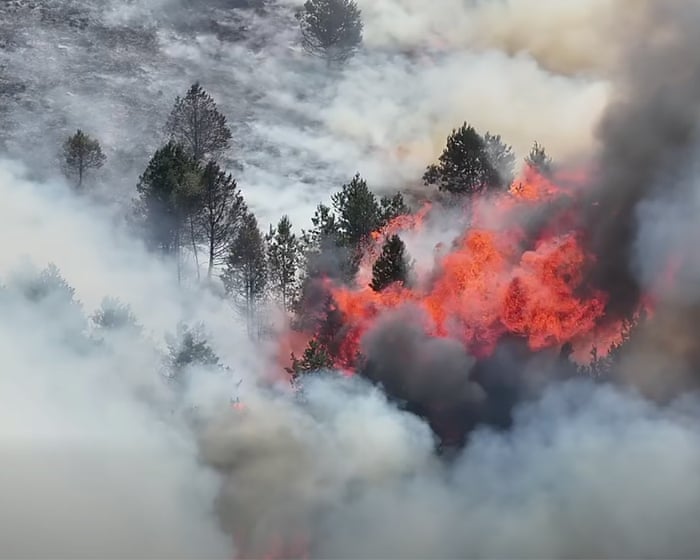
A large wildfire has been burning for over 24 hours on Tintwistle Moor near Greater Manchester, causing road closures and smoke in nearby villages. Firefighters, supported by a helicopter and multiple fire engines, are working to control the fire as hot, dry weather continues in the UK.
Key Facts
The wildfire started around 10 pm on Wednesday and has burned about 500 square meters of moorland and woodland.
Thick smoke affects the villages of Tintwistle, Hollingworth, and Woolley Bridge, and smoke smell has spread to areas like Bolton and Oldham.
The Woodhead Pass (A628), an important road between Manchester and South Yorkshire, is closed in both directions.
Emergency services advise people to avoid the area and keep windows and doors closed due to smoke.
Firefighters are using a water-dropping helicopter and six fire engines in the effort to control the fire.
The fire comes during record high temperatures in June, with severe heat warnings in parts of the UK.
The UK Health Security Agency has extended a rare red heat-health alert until 11 pm Friday.
Authorities warn the dry ground is very flammable and urge people to be careful with fires, barbecues, and cigarettes.
Read the Original
Want the full story? Tap a source to open the original
article.
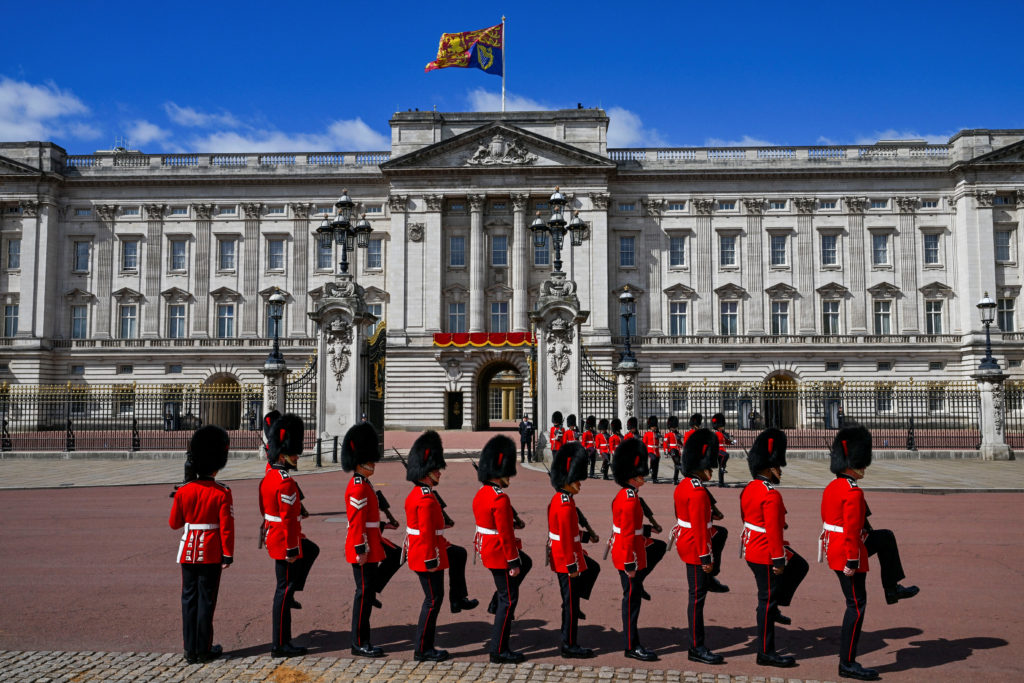
King Charles III will not live in Buckingham Palace after a 10-year, nearly £369 million renovation to update the building. Instead, he and Queen Camilla will stay at nearby Clarence House while Buckingham Palace remains the main working center and opens more to the public.
Key Facts
Buckingham Palace underwent a 10-year refurbishment costing about £369 million ($487 million) to update old plumbing, wiring, and heating.
King Charles III and Queen Camilla will live at Clarence House, near Buckingham Palace.
Buckingham Palace will continue as the monarchy’s ceremonial and operational center.
The renovation will allow more public access and events at Buckingham Palace, which currently sees about 700,000 visitors annually.
King Charles III disclosed paying £12.9 million ($16.1 million) in income and capital gains taxes in 2024-25.
The palace has been home to British monarchs since Queen Victoria in the 1820s and has 775 rooms.
The change aims to modernize the monarchy and increase transparency after past public criticism.
Clarence House was Charles’ residence when he was Prince of Wales before becoming king.
Read the Original
Want the full story? Tap a source to open the original
article.
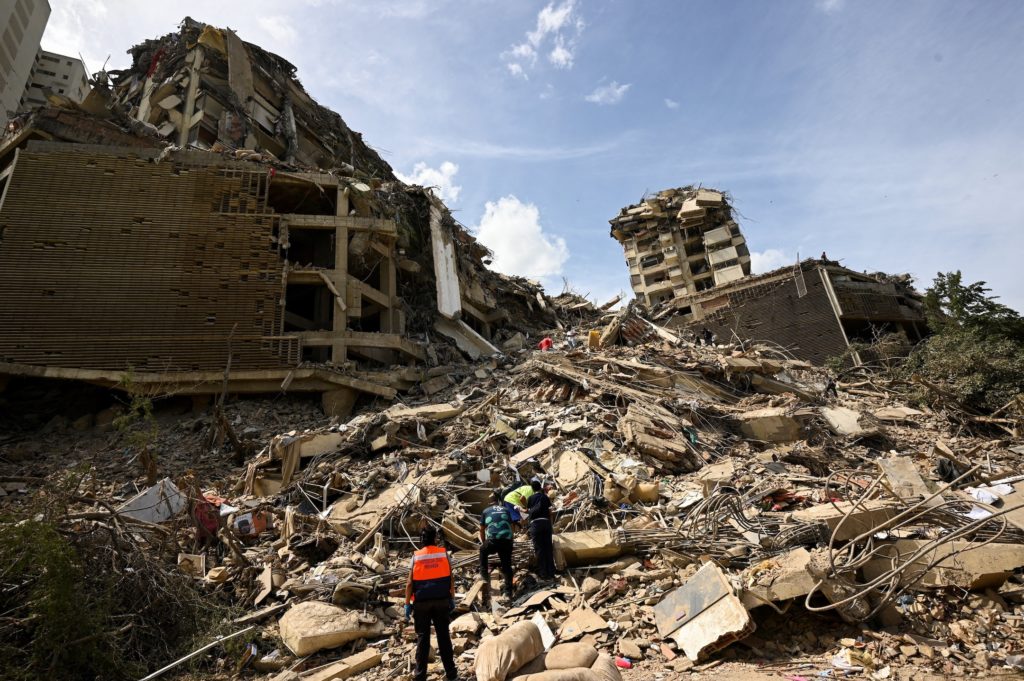
Two strong earthquakes struck near Caracas, Venezuela, causing severe damage and many deaths. Rescue teams are working quickly to help survivors and recover those who died.
Key Facts
Two major earthquakes hit near Venezuela's capital, Caracas.
Buildings were destroyed in many areas.
The damage is very severe, described as catastrophic in some places.
The U.S. Geological Survey estimates up to 10,000 people may have died.
Rescue efforts are ongoing to find survivors and recover bodies.
The situation is urgent and emergency teams are involved.
The earthquakes occurred back-to-back, adding to the severity of the disaster.
Read the Original
Want the full story? Tap a source to open the original
article.
Russia is moving many of its air defense weapons to protect key places like Moscow and important supply routes in response to Ukraine's drone attacks deep inside Russia. Ukrainian President Zelenskyy said Russia’s shift leaves other areas more open to future drone strikes, as Ukraine uses long-range drones to target military and energy sites.
Key Facts
Russia is redeploying air defense missile launchers to Moscow, Valdai, and the Kerch Bridge to protect these important locations.
Ukraine has struck two Russian oil refineries far inside Russia and an oil depot near the front lines with drones.
Ukrainian drones have recently attacked Moscow, St. Petersburg, and Russian sites supporting the military.
Ukraine’s long-range drones can now fly more than 1,500 kilometers (930 miles).
The shifting of Russian defenses may make other parts of Russia more vulnerable to drone attacks.
Zelenskyy says Russia’s defense moves show it prioritizes protecting its leaders and key sites.
Ukraine continues to seek peace talks, which Russia has not accepted.
President Trump praised Zelenskyy for his leadership and said Ukraine is doing well in the war.
Read the Original
Want the full story? Tap a source to open the original
article.
Two strong earthquakes hit Venezuela, killing at least 164 people and injuring many more. President Donald Trump quickly offered U.S. aid, and Venezuela's acting leader, Delcy Rodríguez, thanked him, showing closer ties between the U.S. and Venezuela after recent political changes.
Key Facts
Two earthquakes measuring 7.2 and 7.5 happened within 39 seconds in Venezuela.
The quakes caused at least 164 deaths and over 1,000 injuries.
President Trump promised rapid U.S. government aid to Venezuela.
Acting Venezuelan President Delcy Rodríguez expressed gratitude to President Trump and his administration.
Rodríguez took power after Nicolás Maduro was removed by U.S. forces on narcoterrorism charges earlier this year.
Reports suggest the U.S. government and Rodríguez’s administration have an agreement linking aid with political cooperation.
The U.S. has increased its involvement in Venezuela’s oil, mineral, and defense sectors.
CIA Director John Ratcliffe visited Venezuela shortly after Maduro’s removal, signaling direct engagement with Venezuelan officials and military.
Read the Original
Want the full story? Tap a source to open the original
article.
The United States and other countries are sending help to Venezuela after two earthquakes hit the country. A reporter with experience in Venezuela spoke with a journalist in Colombia about what is happening now.
Key Facts
Venezuela experienced two earthquakes recently.
The U.S. and other nations are providing relief support to Venezuela.
Economic problems in Venezuela are affecting the earthquake response.
Political difficulties in Venezuela also slow down aid efforts.
A correspondent with experience in Venezuela is reporting on the situation.
The discussion about the response took place between reporters in Colombia and via special correspondence.
Read the Original
Want the full story? Tap a source to open the original
article.
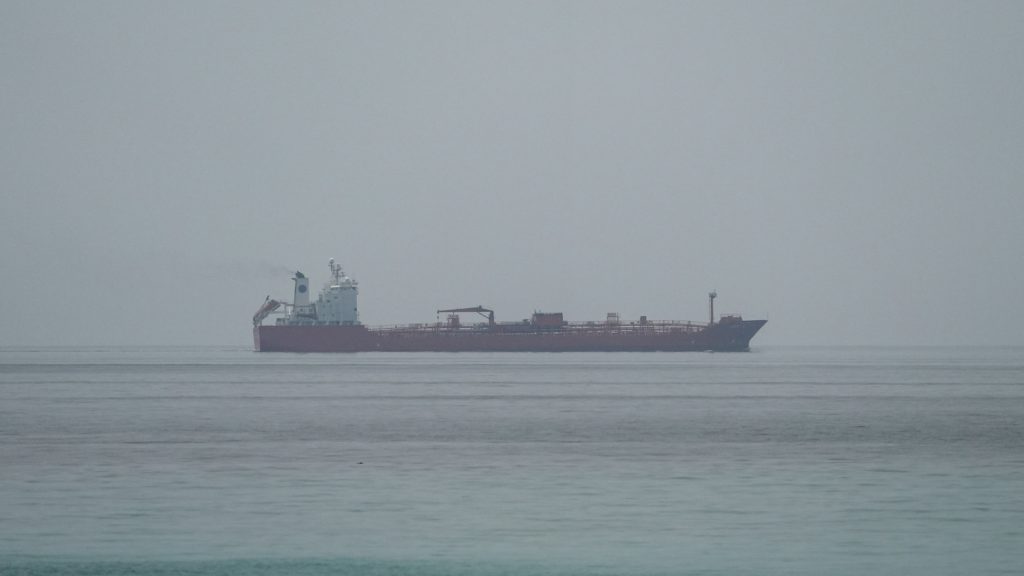
The United States is negotiating a deal with Iran to end conflict and ensure safe shipping through the Strait of Hormuz. U.S. Secretary of State Marco Rubio said they will not accept a deal that lets Iran charge fees on shipping, as this could cause chaos in the region. A recent attack on a ship in the strait led the United Nations to pause efforts to evacuate trapped vessels.
Key Facts
U.S. Secretary of State Marco Rubio is visiting Gulf countries to reassure allies amid Middle East tensions.
The U.S. and Iran have a preliminary agreement to address Iran’s nuclear program, sanctions, and safe shipping through the Strait of Hormuz.
Rubio said the U.S. wants a deal but "not at any price," emphasizing regional security and stability.
Iran wants to introduce maritime fees in the strait, but the U.S. opposes this, fearing it could cause widespread disruption.
A cargo ship was recently hit by an unknown projectile near Oman, causing damage but no injuries.
The International Maritime Organization paused the evacuation of about 600 trapped ships in the region for safety reasons.
Gulf Cooperation Council foreign ministers stressed that Iran’s missile program and support for proxy groups must also be addressed.
A new shipping route near Oman was created to help avoid conflict zones but faced opposition from Iran’s Revolutionary Guards.
Read the Original
Want the full story? Tap a source to open the original
article.
Two strong earthquakes struck Venezuela one after the other, causing many deaths. Meanwhile, Europe is experiencing very high temperatures due to a heat dome, a weather pattern that traps hot air in one area.
Key Facts
Venezuela was hit by back-to-back earthquakes.
The earthquakes caused hundreds of deaths.
Europe is currently facing a heat dome, leading to extreme heat.
A heat dome is a weather condition that keeps hot air in place.
The events are being reported on CBS Evening News on June 25.
Read the Original
Want the full story? Tap a source to open the original
article.
A U.S. official said Iran fired a drone that hit a container ship in the Strait of Hormuz, causing most ship traffic to stop there. Secretary of State Marco Rubio visited the Persian Gulf to reassure Arab countries that any deal with Iran would keep them safe.
Key Facts
Iran fired a drone that struck a container ship in the Strait of Hormuz.
The strike caused most ship traffic in the strait to stop.
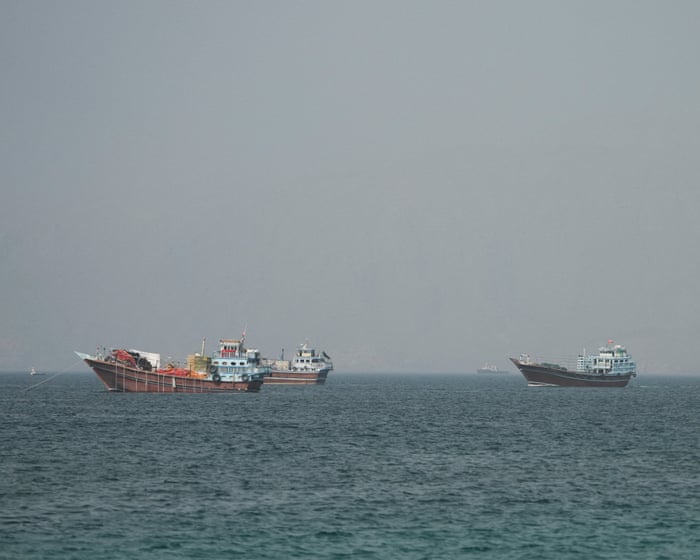
The Strait of Hormuz is a key waterway for global shipping.
Secretary of State Marco Rubio visited the Persian Gulf region.
Rubio’s visit aimed to reassure Arab allies about their security.
Discussions involved how an agreement with Iran would protect Gulf countries.
Nick Schifrin talked with Hussein Ibish about the situation.
Read the Original
Want the full story? Tap a source to open the original
article.
The United Nations has paused its plan to evacuate ships through the Strait of Hormuz after a British military vessel was hit by a projectile near Oman. The UN will wait until it receives safety guarantees before continuing the evacuation amid rising tensions and ongoing peace talks between the US and Iran.
Key Facts
A British vessel was struck by a projectile off the coast of Oman, but no injuries or environmental damage were reported.
The UN's International Maritime Organization paused its ship evacuation plan through the Strait of Hormuz to ensure safety.
It is unclear who launched the projectile or which type of vessel was targeted.
Iran warned ships not to use routes through the strait without its permission and set up a new authority to control shipping there.
The US and Iran are negotiating a temporary peace deal that includes safe ship passage through the strait.
The Strait of Hormuz is a key waterway for the global oil supply, carrying about one-fifth of the world’s oil and gas.
Recent tensions include fighting in Lebanon between Israel and Hezbollah, supported by Iran.
Oil prices briefly fell below prewar levels, showing some market optimism despite the conflict.
Read the Original
Want the full story? Tap a source to open the original
article.
The Chinese film Dear You, made mostly in the Teochew dialect, has become very popular in China and sparked discussions about language and identity in Singapore. Singapore screened the movie mainly in Mandarin, which upset some viewers who wanted to see it in Teochew, a dialect many older Chinese Singaporeans speak. The government has responded by allowing more screenings in Teochew.
Key Facts
Dear You is a Chinese movie filmed almost entirely in Teochew, a dialect from China’s Chaoshan region.
The film was a box office success in China this summer.
In Singapore, most screenings were dubbed into Mandarin, one of the country's official languages.
Older Chinese Singaporeans still speak Teochew, and some wanted the film shown in the original dialect.
Tickets for Teochew screenings in Singapore sold out quickly, showing strong interest.
Singapore's government announced it would take a more flexible approach to allowing dialect films.
The movie tells a story about a man seeking his grandfather who had migrated to Thailand during a Chinese civil war.
The film has prompted a wider conversation about the decline of Chinese dialects in Singapore due to government promotion of Mandarin.
Read the Original
Want the full story? Tap a source to open the original
article.