Neutral summaries of your favorite news sources — just the facts.
Your favorite news sources, one neutral feed — we distill their reporting into fact-first
summaries and always link to the original story. How it works
World News
Comprehensive coverage of international news and global events
Pixar director Brad Bird said he does not want to make a sequel to the movie "Ratatouille" because he believes the story is already complete. He mentioned that Pixar executives have hinted at a sequel, but he has consistently rejected the idea. Bird also stated that the story of his other film, "The Iron Giant," is finished.
Key Facts
Brad Bird is the director of Pixar's "Ratatouille."
Bird said there will be no "Ratatouille" sequel because the story has a satisfying ending.
Pixar executives have indirectly asked him about a sequel, but he declined.
Bird also does not plan a follow-up for "The Iron Giant," another of his films.
Fans have mixed reactions: some want a sequel, while others agree the story should end.
Bird emphasized that not all stories need sequels to remain special.
The discussion happened while Bird promoted his new movie "Ray Gunn."
Read the Original
Want the full story? Tap a source to open the original
article.
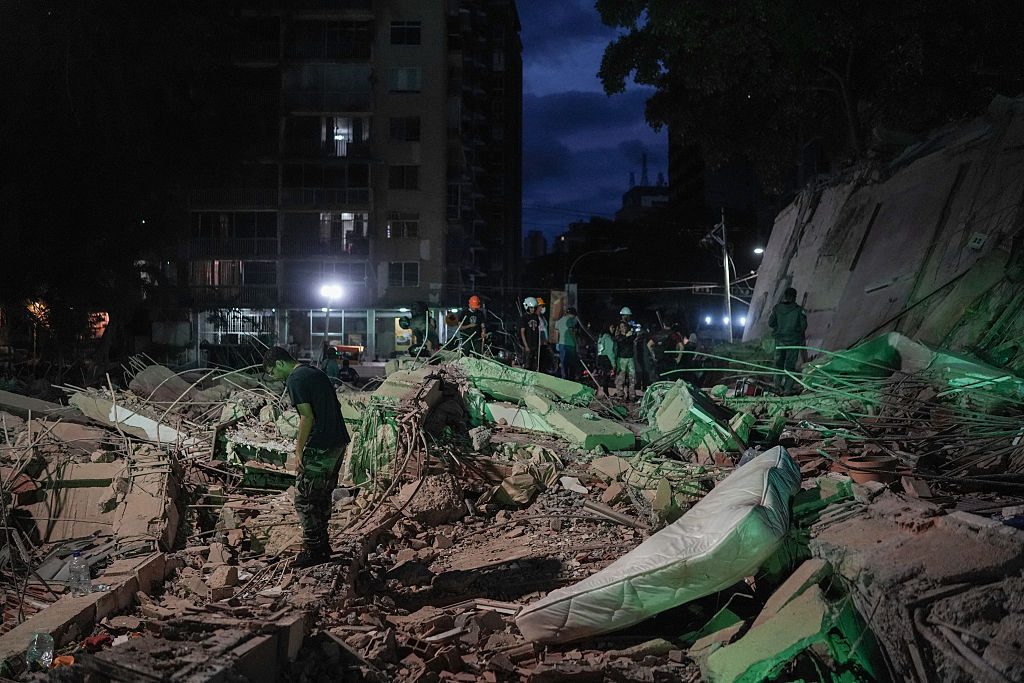
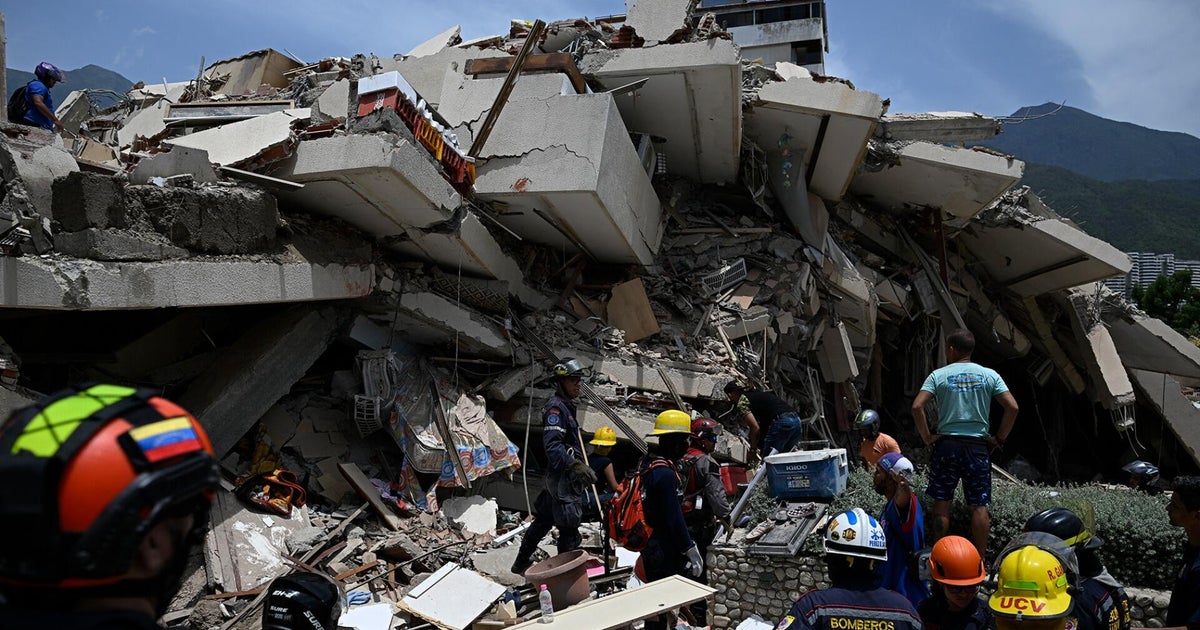
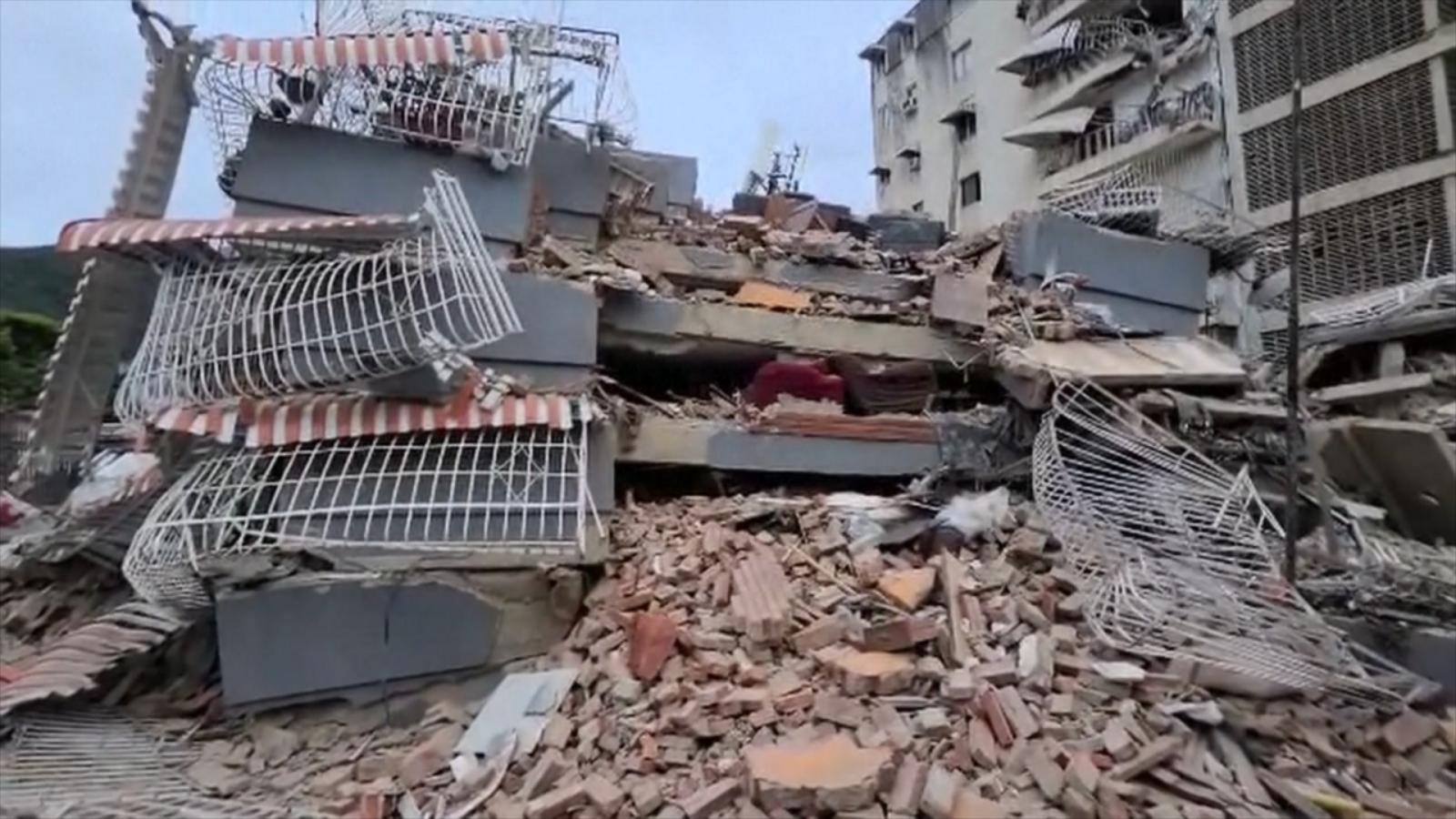
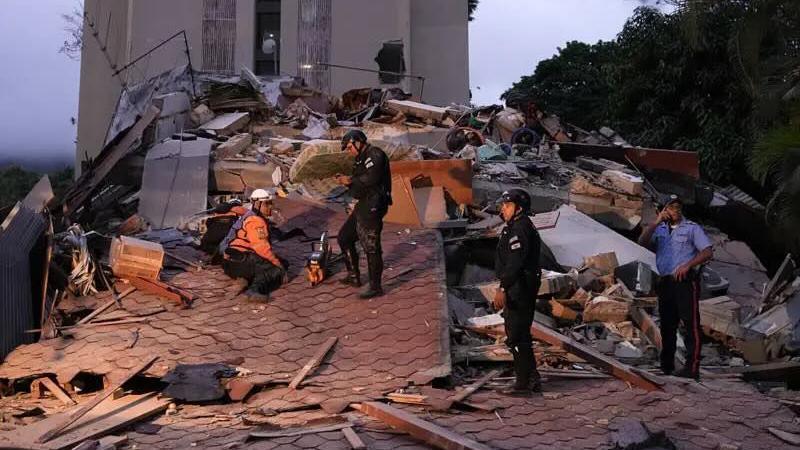
Two powerful earthquakes, measuring 7.2 and 7.5 in magnitude, struck Venezuela’s northern coast within 39 seconds on June 24, 2026. The quakes caused many buildings to collapse, especially in La Guaira and Caracas, resulting in at least 188 deaths, over 1,500 injuries, and many people missing or trapped under rubble.
Key Facts
The earthquakes occurred along the San Sebastian fault near Venezuela’s Caribbean coast.
The first quake (7.2 magnitude) was west of Morón at 22 km deep; the second (7.5 magnitude) was southwest of Morón at 10 km deep.
These two quakes are called a “doublet” because they were close in time, size, and location.
La Guaira, a coastal city north of Caracas, was heavily damaged and declared a disaster zone.
Rescue teams from across Venezuela were sent to help find survivors and assist victims.
The tremors caused power and cellphone outages and forced evacuations as far as the Brazilian Amazon region.
Hundreds of people in Caracas spent the night outside due to damaged or unsafe buildings.
Venezuela’s main airport in Caracas was closed after the earthquakes.
Read the Original
Want the full story? Tap a source to open the original
article.
Two strong earthquakes, measuring 7.2 and 7.5 in magnitude, hit northern Venezuela seconds apart, causing buildings to collapse and widespread damage. At least 164 people died, many were injured, and thousands are missing as rescue teams continue their search amid infrastructure failures.
Key Facts
The earthquakes struck northern Venezuela within 39 seconds of each other, known as a "doublet."
These are some of the strongest earthquakes in Venezuela in more than 100 years.
At least 164 people have died and over 900 were injured according to officials.
Thousands of families have lost their homes, and many areas have lost gas, water, and electricity services.
The earthquakes caused severe damage in Caracas and nearby coastal communities, with large parts of buildings collapsing.
The events triggered a national emergency and a regional aid response.
Venezuela’s earthquakes are classified as "strike-slip" faults, where the ground moves sideways, which tends to cause intense shaking.
They are compared to other recent major earthquakes like those in Turkey-Syria and Haiti, but with different effects due to geography and geology.
Read the Original
Want the full story? Tap a source to open the original
article.
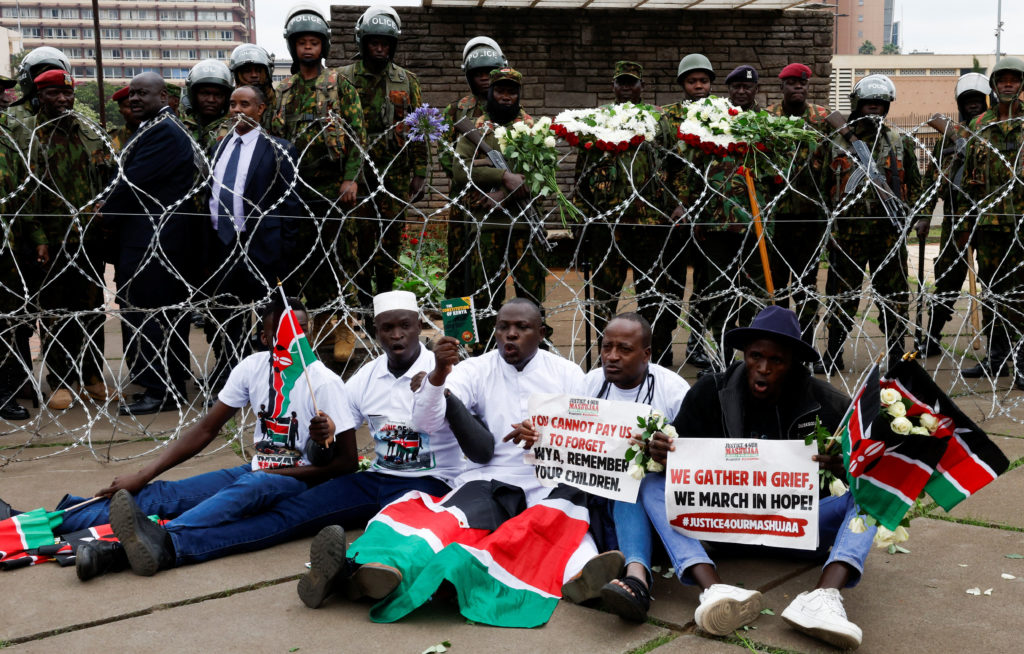
Hundreds of people were arrested in Kenya during protests marking two years since deadly police shootings at anti-government demonstrations in 2024. Families of those killed demanded justice and compensation, while the government enforced heavy security measures around Nairobi to prevent disruptions.
Key Facts
At least 60 people died when police fired on protesters outside Kenya’s Parliament in June 2024.
The protests began due to anger over a tax increase amid a high cost of living.
Families of victims say compensation promised by the government has been slow and unclear.
Police detained 355 people described by officials as criminals, including many ordinary citizens.
Government officials set up roadblocks and closed businesses to maintain order during the protests.
Opposition leaders joined families and activists in peaceful protests calling for transparency.
Only about 20% of families claiming compensation have received payments so far.
Three police officers have been charged in connection with the deaths of some protesters.
Read the Original
Want the full story? Tap a source to open the original
article.
Two strong earthquakes hit Venezuela on Wednesday night, causing damage and leading to rescue efforts. Loyce Pace, a regional director for the International Federation of Red Cross and Red Crescent Societies, spoke about the aid work being done to help those affected.
Key Facts
Venezuela experienced two powerful earthquakes on Wednesday night.
Rescue and aid efforts began immediately after the earthquakes.
Loyce Pace is the regional director for the Americas at the International Federation of Red Cross and Red Crescent Societies (IFRC).
The IFRC is involved in providing help to those impacted by the earthquakes.
CBS News conducted an interview with Loyce Pace to discuss the relief efforts.
The situation is ongoing, with aid organizations working to support victims.
The IFRC focuses on emergency response and disaster aid in many countries, including Venezuela.
Read the Original
Want the full story? Tap a source to open the original
article.
Powerful earthquakes hit Venezuela near its capital, causing at least 188 deaths and heavy damage. The U.S. Geological Survey estimates the economic losses could be up to 7 percent of Venezuela’s economy. International aid and a reconstruction fund from the International Monetary Fund (IMF) are planned to help rebuild.
Key Facts
Two strong earthquakes, measuring 7.2 and 7.5, struck about 160 km west of Caracas on Wednesday.
At least 188 people have died due to the earthquakes.
Estimated economic damage could be between 1 and 7 percent of Venezuela’s $111 billion GDP.
Venezuela’s interim President Delcy Rodriguez announced a $200 million IMF fund for rebuilding infrastructure, hospitals, and housing.
The U.S. is sending rescue teams and aid while assessing the damage.
The main airport near Caracas remains closed, complicating rescue operations.
The United Nations and Switzerland have also sent humanitarian aid and rescue equipment.
More than 20 million Venezuelans already lived in poverty before the earthquake, with limited access to food, medicine, water, and power, making relief efforts challenging.
Read the Original
Want the full story? Tap a source to open the original
article.
A van driver in Margate helped an armed police officer catch a suspect who had been running away after an assault. The driver stopped his van, let the officer in, and followed the suspect until the arrest was made.
Key Facts
The incident happened on 16 June in Margate, Kent.
The suspect was fleeing after an assault on High Street.
The van driver stopped and offered the armed officer a ride during the chase.
The officer directed the driver while still holding his gun on the suspect.
The suspect was caught after the van overtook him.
Kent Police praised the driver for his quick and helpful actions.
The driver said he was glad to help and found the experience exciting.
The police said the arrest may not have been possible without the driver's help.
Read the Original
Want the full story? Tap a source to open the original
article.
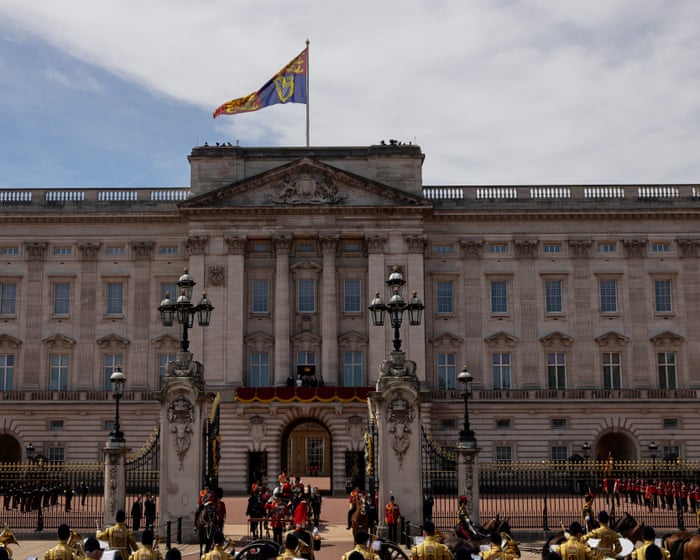
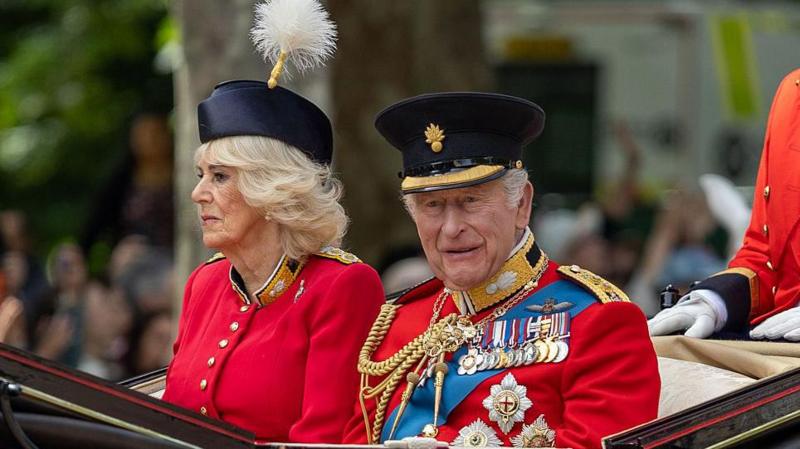
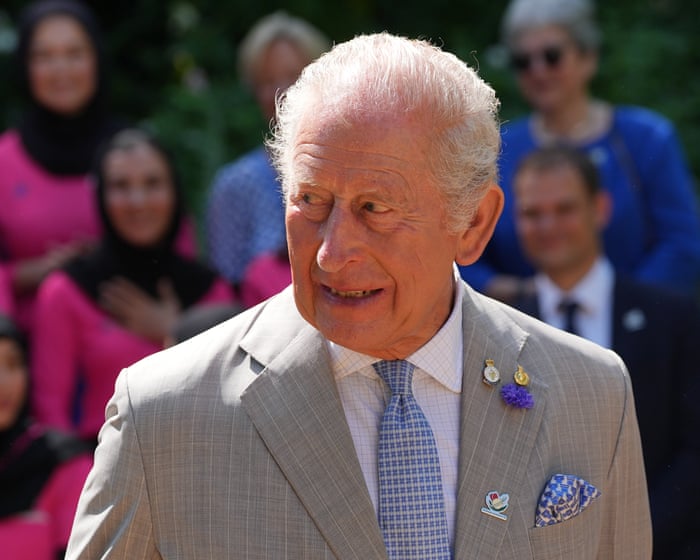
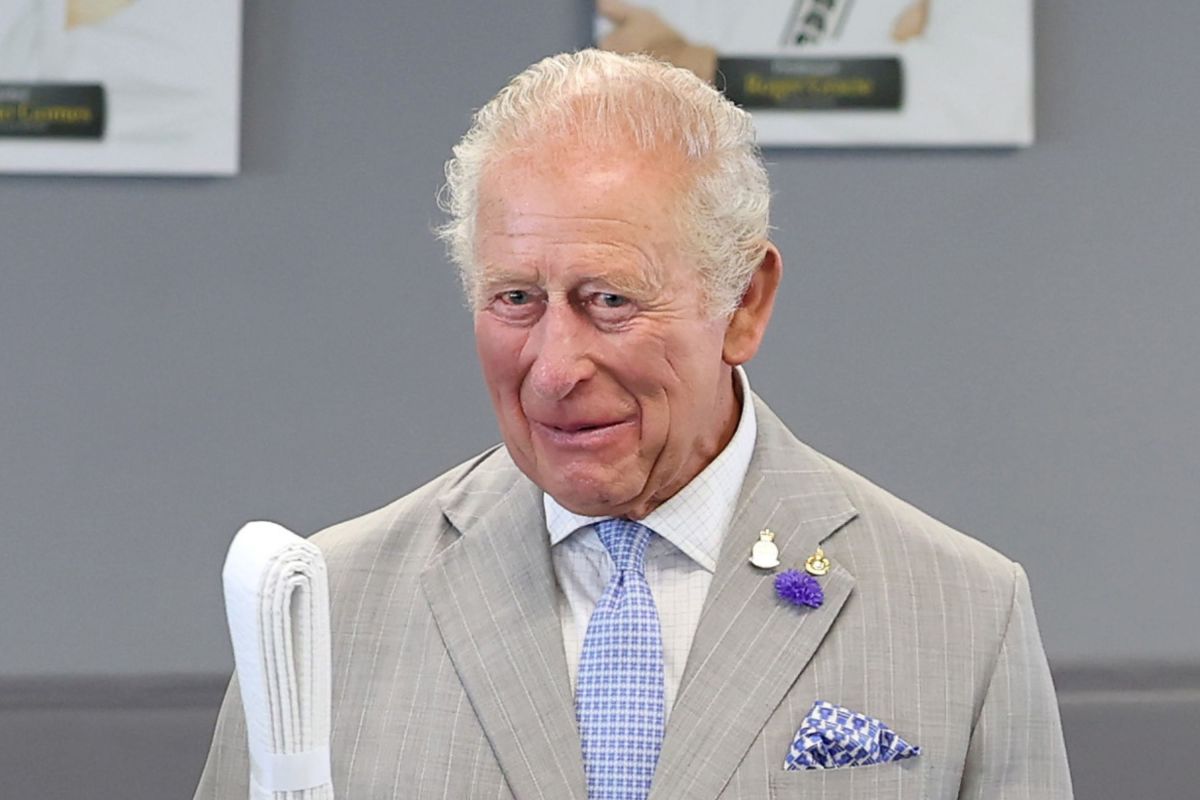
King Charles and Queen Camilla will not live in Buckingham Palace after it is renovated, choosing to stay at Clarence House nearby. The palace will remain the main place for royal events but not their home. The king has paid millions in taxes on his personal income, and the public money given to support royal duties is increasing.
Key Facts
Buckingham Palace is undergoing a £369 million renovation, expected to finish next year.
King Charles and Queen Camilla decided to remain at Clarence House instead of moving into the palace.
Buckingham Palace will still serve as the official royal headquarters and for ceremonies.
King Charles paid £12.9 million in income and capital gains tax in 2024-25 on his personal income.
Prince William paid £7.76 million in taxes for the same period.
The public money (sovereign grant) given to the king to support official duties will nearly double to £99.9 million by 2027-28.
The decision to pay taxes is voluntary; there is no legal rule requiring the monarch to pay them.
Public access to Buckingham Palace continues through seasonal tours and certain parts of the palace open for visitors.
Read the Original
Want the full story? Tap a source to open the original
article.
David Clayton-Thomas, the lead singer of the band Blood, Sweat & Tears, has died at age 84 in Toronto. He was known for his distinctive voice on hits like "Spinning Wheel" and helped the band become very popular in the late 1960s.
Key Facts
David Clayton-Thomas died peacefully at St. Michael's Hospital in Toronto at age 84.
He was the lead singer of Blood, Sweat & Tears, a band famous for mixing rock with brass instruments.
The band won two Grammy Awards and beat the Beatles’ "Abbey Road" for best album in 1969.
Clayton-Thomas grew up in Canada and overcame a troubled youth, including time in a reformatory.
Blood, Sweat & Tears played at the 1969 Woodstock festival and toured Eastern Europe for the U.S. State Department.
Clayton-Thomas left the band in 1972 but later reunited briefly and had a solo music career releasing over a dozen albums.
He was inducted into the Canadian Music Hall of Fame in 1996.
Clayton-Thomas is survived by his daughters Ashleigh Clayton-Thomas and Christine Graham.
Read the Original
Want the full story? Tap a source to open the original
article.
King Charles and Queen Camilla will continue to live at Clarence House rather than Buckingham Palace, even after major renovations to the palace finish next year. Buckingham Palace will remain the main place for royal work and events, but not a permanent home, allowing more public access.
Key Facts
Buckingham Palace has been the official London home of UK monarchs since 1837.
A £369 million renovation of Buckingham Palace is scheduled to finish in March next year.
The palace is getting updated electrical wiring, pipes, and heating systems to prevent fire and water damage.
King Charles and Queen Camilla have lived at Clarence House since 2005 and plan to stay there.
Living at Buckingham Palace would limit visitor access due to security concerns.
Buckingham Palace will still host official events like banquets, receptions, and meetings.
The King will have private rooms in the palace for work and possible future residence.
The renovation is funded by a temporary increase in the Sovereign Grant, government money that pays for royal duties.
After renovations, the Sovereign Grant will decrease but still cover maintenance and upgrades for royal palaces.
Read the Original
Want the full story? Tap a source to open the original
article.
New research shows that Generation Z is not having much less sex than older generations, contrary to past reports. The study found that their sexual satisfaction depends more on emotional connection and shared experiences than just physical aspects like orgasm.
Key Facts
A study from the women’s health app Flo surveyed nearly 28,000 people, mostly women.
Gen Z reported about 87.2% had partnered sex, close to 89.9% for older generations.
Sexual satisfaction is linked more to emotional connection with partners than the frequency of orgasms.
Around 56% of respondents said they were satisfied with their sex lives; 19.5% were dissatisfied.
Stress and anxiety, which are higher among Gen Z, can reduce sexual desire and satisfaction.
Solo sexual activity may feel less pressured but does not lead to higher satisfaction compared to partnered sex.
Experts note evolving ideas about intimacy and sexual activity among younger people.
The study mostly included women who use the Flo app, so the results may not represent all groups equally.
Read the Original
Want the full story? Tap a source to open the original
article.
King Charles has shared that he paid £12.9 million in taxes for 2024-2025, making him the first British monarch to reveal his tax bill. The Prince of Wales also disclosed paying £7.76 million in tax over the same period, and both continue to provide these details voluntarily to increase transparency.
Key Facts
King Charles paid £12.9 million in taxes for the year 2024-2025.
The Prince of Wales (Prince William) paid £7.76 million in taxes for the same period.
King Charles is ranked among the top 100 taxpayers in the UK.
The main funding for the Royal Household, the Sovereign Grant, is set to rise to nearly £100 million by 2027-28.
King Charles and Queen Camilla will stay living in Clarence House, not Buckingham Palace.
Since King Charles became monarch and William became Prince of Wales, together they have paid over £50 million in taxes.
King Charles’ income comes from the Duchy of Lancaster estate, which gave him £25.2 million in 2025-26.
Prince William earns income from the Duchy of Cornwall, which includes the Oval cricket ground and other lands.
Prince William will no longer take the £1.5 million annual rent from the unused Dartmoor Prison; instead, this money will support the nearby community.
The royal accounts detailed costs for overseas visits, including £130,000 for Prince William’s trip to Saudi Arabia and £126,946 for the King and Queen’s visit to Italy.
Read the Original
Want the full story? Tap a source to open the original
article.
King Charles has revealed that he paid £24.6 million in tax on his private income over two years, marking the first time a British monarch has made such a disclosure in modern times. While this move aims to increase openness, many details about the king’s income, expenses, and overall wealth remain undisclosed.
Key Facts
King Charles voluntarily pays tax on his private income, continuing a practice started by his mother in 1993.
He paid £12.9 million in tax for 2024-25 and £11.7 million for 2023-24, totaling over £30 million since becoming king.
The income subject to tax has not been fully revealed; the Duchy of Lancaster provided £25.2 million in 2025-26.
It is unclear how much official expenses, which are tax-exempt, have reduced taxable income.
The king’s exact fortune is unknown, but The Guardian estimated it at about £1.8 billion in 2023.
Buckingham Palace disputes this estimate and does not comment on the family’s personal finances.
Payments made to other working members of the royal family from King Charles’s wealth are not publicly detailed.
Gifts worth millions received by the royals have unclear ownership status, and many royal wills remain secret.
Read the Original
Want the full story? Tap a source to open the original
article.
King Charles III has paid over $40 million in taxes since becoming king in September 2022, a first for a British monarch to disclose such information. The Sovereign Grant, public funding for the monarchy, will be reduced from 2027 to 2032 after a period of increased funding for Buckingham Palace renovations.
Key Facts
King Charles III paid £11.7 million (around $15 million) in taxes in 2023-24 and £12.9 million (about $17 million) in 2024-25.
Since his accession in September 2022 until March 2023, he paid more than £5.4 million in taxes.
The tax amount increased by about 10.3%, higher than the UK average wage growth of 3.4%.
The tax payments come from his income including the Duchy of Lancaster estate, Balmoral, Sandringham, and investments.
The monarchy’s public funding (Sovereign Grant) rose to £137.9 million (about $180 million) for 2026-27, up from £132.1 million in 2025-26.
From 2027 to 2032, the Sovereign Grant will be cut to £99.9 million annually after palace refurbishment ends.
King Charles III and Queen Camilla will not live in Buckingham Palace after renovations, choosing to stay at Clarence House.
The palace disclosed these details amid growing calls for more financial transparency of the royal family, partly due to scandals involving other royals.
Read the Original
Want the full story? Tap a source to open the original
article.
The United Nations’ International Maritime Organization (IMO) has paused its plan to help ships leave the Strait of Hormuz after a cargo ship was attacked near Oman. This pause comes amid warnings from Iran about ship routes and safety concerns in the area.
Key Facts
The IMO started evacuating about 600 ships and 11,000 sailors from the Strait of Hormuz due to a conflict involving the US, Israel, and Iran.
A Singapore-flagged container ship named Ever Lovely was hit by a projectile near Oman's coast but was not part of the IMO evacuation.
The attack may have been from a drone, but no group has claimed responsibility.
Iran warned ships to get permission before using the strait and ordered some vessels to change course.
Iran’s Persian Gulf Strait Authority said ships outside its designated routes will not have guaranteed safe passage.
The evacuation is paused to reassess safety after the attack on the ship.
Oman and other countries, including Denmark, support efforts to safely reopen the strait.
Ship traffic is lower than normal, with operators moving cautiously due to safety risks.
Read the Original
Want the full story? Tap a source to open the original
article.
A series of earthquakes struck Venezuela, causing deaths and damage. Rescue teams are working to help people affected and clear debris. The International Rescue Committee is involved in the humanitarian response.
Two earthquakes in Venezuela caused severe damage in the La Guaira region. Many buildings collapsed, and families are trying to find people trapped under the rubble. Locals say rescue work is slow and there are not enough supplies.
Key Facts
La Guaira was the area most affected by two recent earthquakes in Venezuela.
The earthquakes caused widespread destruction and building collapses.
Families are searching for loved ones trapped under debris.
Residents say rescue efforts are slow.
People report a lack of sufficient resources to help victims.
Authorities are conducting rescue operations in the region.
Read the Original
Want the full story? Tap a source to open the original
article.
Karl Stefanovic is leaving the Nine network immediately after more than 20 years with the company. The decision came after controversy about an interview he conducted on his independent podcast with British far-right activist Tommy Robinson, and an agreement that he could not continue hosting Today while running the podcast.
Key Facts
Karl Stefanovic was a host on the Today show at Nine for over 20 years.
He used his independent podcast to interview Tommy Robinson, a British far-right activist.
Nine Entertainment and Stefanovic agreed he could not keep hosting Today and running the podcast at the same time.
Stefanovic was initially expected to leave Nine at the end of the year but will now leave immediately.
Nine’s CEO Matt Stanton sent an internal email confirming the decision and acknowledging the impact on viewers and the network.
The departure follows days of controversy related to Stefanovic’s podcast content.
Nine stated this was the right moment for Stefanovic to move on from the network.
Read the Original
Want the full story? Tap a source to open the original
article.
Two strong earthquakes hit Venezuela near the capital, Caracas, causing at least 188 deaths and over 1,500 injuries. Rescue teams are searching through rubble in several affected areas, while many buildings were damaged or destroyed and a state of emergency has been declared.
Key Facts
Two earthquakes struck Venezuela on Wednesday: one with magnitude 7.2 and another stronger one with 7.5.
Both earthquakes were shallow, causing more severe damage.
At least 188 people have died and more than 1,500 were injured.
Around 250 buildings were damaged or collapsed, especially in La Guaira and Caracas.
Venezuela’s main international airport near Caracas was closed due to damage.
The government declared a state of emergency to manage the disaster.
The US pledged $150 million in aid to help with rescue efforts.
Aftershocks continue, with at least 30 recorded after the main quakes.
Read the Original
Want the full story? Tap a source to open the original
article.
Israeli Prime Minister Benjamin Netanyahu said that Israeli troops will stay in southern Lebanon, Syria, and Gaza as long as needed. He made this statement during a ceremony for new combat officers in southern Israel.
Key Facts
Netanyahu is the Prime Minister of Israel.
He spoke at a graduation event for combat officers.
Israeli forces have a presence in southern Lebanon, Syria, and Gaza.
Netanyahu said the troops will remain there "as long as required."
This suggests Israel’s military will continue operations in these areas for the foreseeable future.
Read the Original
Want the full story? Tap a source to open the original
article.