Thousands of migrants who crossed from Morocco into the Spanish territory of Ceuta have been living in poor conditions for weeks. Spanish authorities are trying to move them to temporary shelters, but many remain in the area and the exact number of migrants is uncertain.
Key Facts
Over 72,000 migrants entered Ceuta from Morocco during a border surge.
At least 90 people died during the initial border crossing.
Around 9,000 to 10,000 migrants are estimated to still be in Ceuta, including about 2,000 children.
Spanish police cleared migrants from a beach and moved many to makeshift shelters.
Many migrants are still hiding in woods, on beaches, and outside a migrant center.
Most migrants who crossed come from Morocco, but some are from Sudan, Mali, and Yemen.
Spain’s interior ministry estimates about 5,000 migrants remain, while city officials say up to 10,000.
The U.N. refugee agency says there are major challenges in providing shelter, food, and services to the migrants.
Read the Original
Want the full story? Tap a source to open the original
article.
Cameroon's 93-year-old President Paul Biya returned to the country after being away in Geneva for 73 days. His long absence raised concerns about his health and who was running the country during that time.
Key Facts
President Paul Biya has been in power since 1982 and is the world's oldest serving head of state.
He was away from Cameroon for 73 days, staying in Geneva with family and close aides.
Biya’s office described the trip as a short private stay.
Opposition parties criticized the absence, saying the country was left "on autopilot" and lacked leadership.
Government officials said the president continued to manage state affairs during his absence.
Biya was re-elected for an eighth term in October 2025 after term limits were removed in 2008.
His long rule has faced challenges like armed conflicts and a weak economy, leading to frustration especially among young people.
There is no vice-president currently, so if Biya could not serve, the senate president would temporarily take over.
Read the Original
Want the full story? Tap a source to open the original
article.
The Democratic Republic of the Congo (DRC) will receive 70,000 doses of the Ervebo vaccine to help fight its biggest Ebola outbreak. The World Health Organization (WHO) said some doses will be used in a study to see if the vaccine works against the Bundibugyo virus, which is causing this outbreak and has no approved vaccine yet.
Key Facts
The DRC is experiencing its largest Ebola outbreak, caused by the Bundibugyo virus.
So far, there are 5,208 confirmed cases and 2,476 deaths.
The Ervebo vaccine is approved for one type of Ebola virus but not for Bundibugyo.
20,000 doses will be used in a late-stage trial to test if Ervebo protects against Bundibugyo.
The other 50,000 doses will be given to frontline and health workers.
Gavi, a global vaccine alliance, is funding shipping and vaccination efforts with $13 million total.
WHO calls the outbreak a global emergency and says more efforts are underway to control it.
The Congolese government started a program called “Congo River Without Ebola” to strengthen monitoring and response.
Read the Original
Want the full story? Tap a source to open the original
article.
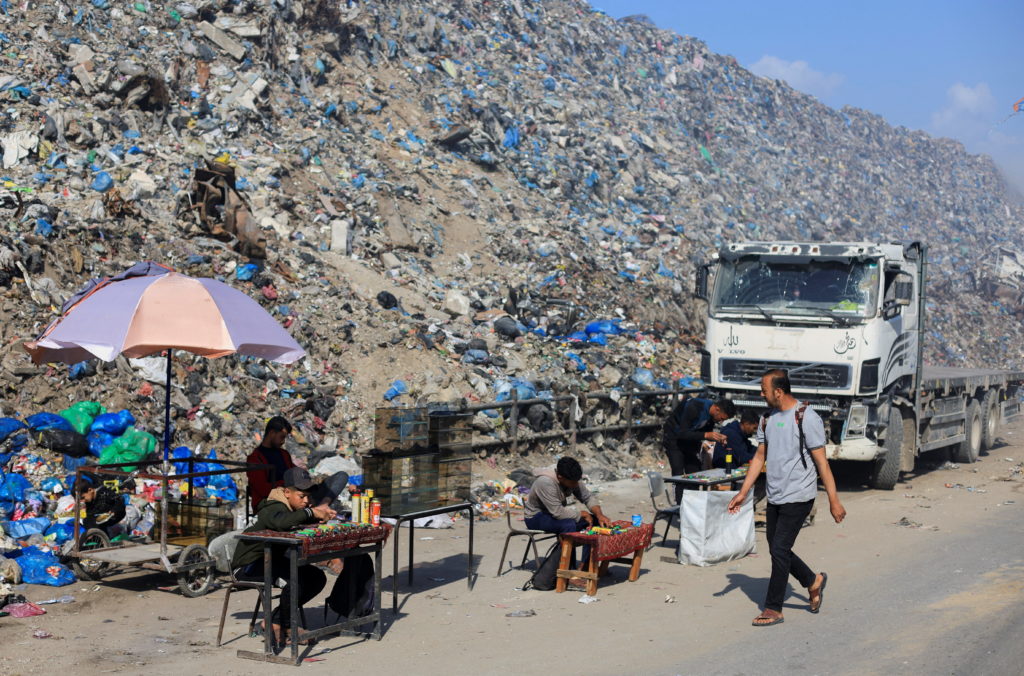
Prices for everyday items in Gaza have increased sharply because many goods are smuggled into the territory due to Israeli restrictions. Israeli soldiers and middlemen are accused of making millions by controlling this illegal trade, which includes items like cigarettes, phones, fuel, and medical supplies.
Key Facts
Israel limits or bans many goods from entering Gaza, calling some "dual use" because they might be used by militants.
Smugglers bring in cigarettes, tobacco, iPhones, solar panels, fuel, anesthetics, and other banned or limited items.
Prices for groceries, batteries, and medicines have risen sharply in Gaza due to these restrictions and smuggling.
Israeli court documents and interviews reveal soldiers and middlemen are involved in profiting from smuggling.
The Associated Press investigation included talks with traders, merchants, truckers, Palestinian officials, U.N. staff, and residents.
Many sources spoke anonymously due to fear of retaliation from Israel, Hamas, or smugglers.
Cigarettes and tobacco generate the highest profits in this smuggling trade.
Hospitals sometimes rely on smugglers to get necessary medicines and equipment.
Read the Original
Want the full story? Tap a source to open the original
article.
Children in Khan Younis, Gaza, who have lost limbs during the ongoing conflict are learning to swim. This program helps them regain confidence and improve their movement after serious war injuries.
Key Facts
Children in Khan Younis, Gaza, have lost limbs due to the conflict in the region.
Gaza has the highest number of child amputees compared to its population worldwide.
About 4,000 children in Gaza have lost limbs since the war began.
A swimming program has been created to support these amputee children.
The program aims to help children build confidence and improve their physical abilities.
Swimming is used as a way to help children recover both physically and emotionally.
Read the Original
Want the full story? Tap a source to open the original
article.
Neutrogena responded to criticism following the death of actress Hayden Panettiere by expressing sadness and regret for not supporting her during a difficult time. The company acknowledged that it ended her contract as a brand ambassador after she spoke publicly about postpartum depression.
Key Facts
Hayden Panettiere died at age 36 and was found in cardiac arrest.
She had a partnership with Neutrogena for over ten years.
Neutrogena chose not to renew Panettiere's contract after she discussed her postpartum depression.
The company issued a statement expressing sadness and regret over its past actions.
Neutrogena said it wants to be known as supportive and that it failed in this case.
Panettiere wrote about her relationship with Neutrogena in her memoir released in May 2026.
The issue sparked public backlash against the company.
Read the Original
Want the full story? Tap a source to open the original
article.
Syria is going through big changes after President Bashar al-Assad’s fall in late 2024, affecting how civil society groups operate. Many organizations that once worked independently during the war are now asked to register with the government, which is trying to control and reshape their role in society.
Key Facts
Bahjat Hajjar, once a supporter of opposition-run councils, is now deputy minister of social affairs and labour in Syria.
Before Assad’s fall, civil society groups were tightly controlled by the intelligence service, making it hard to get official approval.
Since December 2024, many organizations from opposition areas have been asked to register in Damascus, and approvals have become easier.
Founding a civil society organization is now simpler and cheaper than starting a company in Syria.
Experts warn that growing numbers of groups do not necessarily mean civil society is strong or influential.
Civil society in Syria developed during war to fill gaps left by the weakened state, especially in areas like healthcare, education, and shelter.
The government aims to regain control of services that civil society organizations handled, creating uncertainty about the future role of these groups.
The Ministry of Social Affairs and Labour involved civil society in creating a strategy for 2026–2028, showing some cooperation between the state and civil society.
Read the Original
Want the full story? Tap a source to open the original
article.
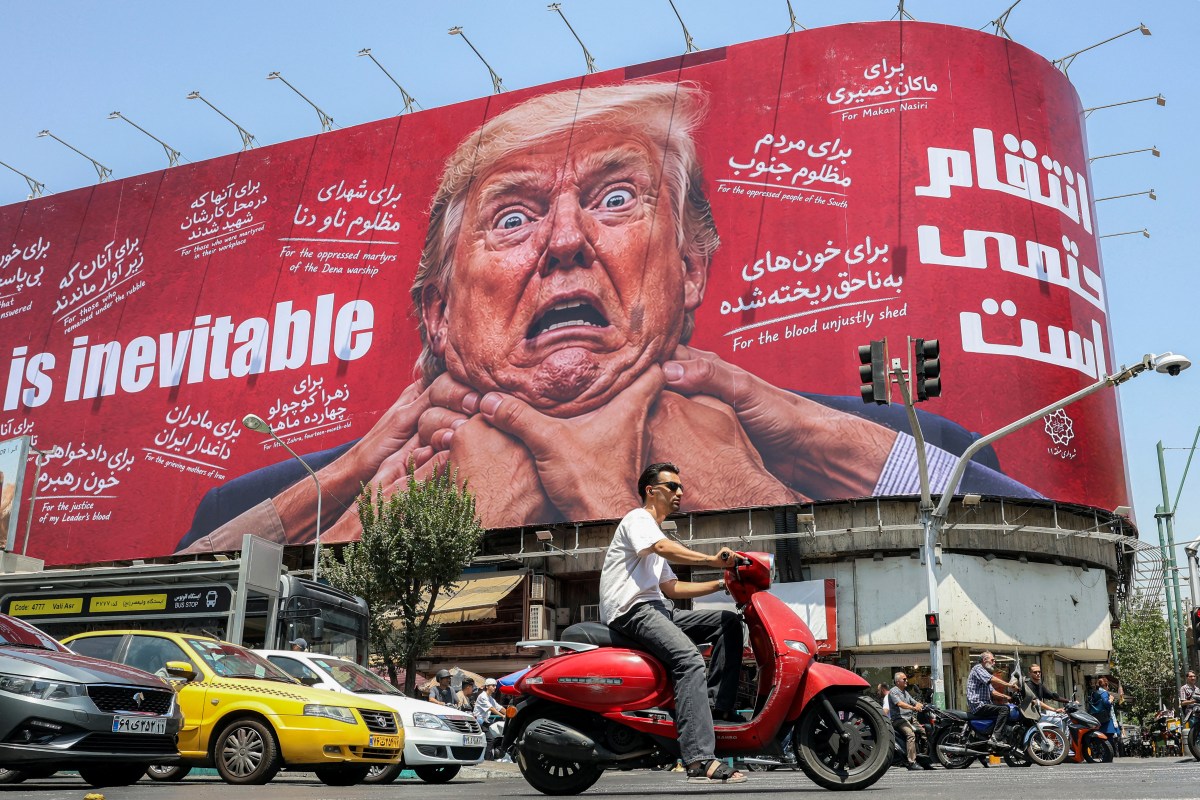
President Donald Trump has made strong threats against Iran, warning of severe economic and military actions. However, these threats have not been carried out, and Iran appears to be dismissing them while some in Iranian leadership consider military escalation as a response to the current stalemate.
Key Facts
President Trump warned of the "most crushing economic operation" against Iran.
Previous Trump threats, including a large attack and severe consequences, were not acted on.
Diplomatic talks with Iran have been inconsistent, with some positive discussions delayed by Trump.
Experts say Iranian leaders do not take Trump’s threats seriously but growing frustration may increase calls for military action.
Trump’s strategy is compared to the "madman theory," aiming to keep opponents uncertain about his intentions.
Iran has successfully used control over the Strait of Hormuz to influence the global economy and targeted regional U.S. bases.
Iran is rebuilding its military and cooperating with allied groups like Hezbollah and the Houthis.
The conflict between the U.S. and Iran has lasted about six months with ongoing tensions and no clear resolution.
Read the Original
Want the full story? Tap a source to open the original
article.
The United States has added new sanctions against the International Criminal Court (ICC). This move has been criticized by the United Nations and the European Union. The sanctions follow the ICC issuing a warrant for Israeli Prime Minister Benjamin Netanyahu over alleged war crimes in Gaza.
Key Facts
The U.S. imposed new sanctions on the ICC.
The ICC had issued a warrant for Israeli Prime Minister Benjamin Netanyahu.
The warrant accused Netanyahu of involvement in war crimes in Gaza.
The United Nations and European Union condemned the U.S. sanctions.
The sanctions are part of ongoing pressure from the U.S. on the ICC.
Experts, including a human rights lawyer and former Human Rights Watch director, have discussed this issue publicly.
The future effectiveness of the ICC is being questioned due to these tensions.
Read the Original
Want the full story? Tap a source to open the original
article.
The USS George Washington aircraft carrier arrived in the Middle East to replace the USS Abraham Lincoln after a long mission. The USS Abraham Lincoln's crew faced challenges such as mental health issues and supply shortages while supporting U.S. efforts related to Iran.
Key Facts
The USS George Washington arrived in the Middle East this week.
It is taking over from the USS Abraham Lincoln aircraft carrier.
The USS Abraham Lincoln had a long deployment in the region.
Reports showed that sailors on the USS Abraham Lincoln experienced mental health struggles.
There were supply shortages during the USS Abraham Lincoln’s mission.
The deployment was part of U.S. military activities connected to the conflict involving Iran.
The U.S. military confirmed the arrival of the USS George Washington on Thursday.
Read the Original
Want the full story? Tap a source to open the original
article.
A Belgian university has suspended an American researcher linked to plagiarism accusations against Jason Arday, a Black former Cambridge professor who died recently. Arday had resigned after facing plagiarism claims and intense public scrutiny, which sparked widespread discussions and protests about racism and media treatment.
Key Facts
Jason Arday was Cambridge University’s youngest Black professor.
He resigned in early August 2026 amid plagiarism accusations related to his doctoral thesis and personal achievements.
Arday denied the claims but said he had reached his limit due to the pressure.
Arday was found dead at age 41 shortly after resigning.
Nathan Cofnas, the American researcher who led plagiarism accusations, was suspended by Ghent University in Belgium.
Cofnas describes himself as a “race realist” and was previously dismissed from Cambridge over his race-related views.
Ghent University is investigating Cofnas and said suspending him was to respect human dignity and oppose discrimination.
Arday’s death caused anti-racist protests in the UK, with many blaming racist media coverage for the intense pressure on him.
Read the Original
Want the full story? Tap a source to open the original
article.
The US Treasury Secretary Scott Bessent announced new, strong economic sanctions aimed at Iran to pressure its government amid an ongoing conflict. He urged other countries to join the effort or face penalties for trading with Iran.
Key Facts
The US plans to impose the toughest sanctions ever on Iran to force a change in its government.
Countries that continue trading with Iran may face US economic penalties.
The US strategy aims to create the largest economic isolation of Iran in history.
Iran has restricted passage through the Strait of Hormuz, a key oil shipping route, since a war started in late February.
President Donald Trump called this the most severe economic action ever against any country.
It is unclear whether major countries like China will be targeted by these sanctions.
The US recently expanded sanctions to include 10 people linked to Hezbollah, a group backed by Iran.
The US hopes these sanctions will help reopen the Strait of Hormuz and lower global energy prices.
Read the Original
Want the full story? Tap a source to open the original
article.
Two fishermen were rescued by Mexico’s Navy after spending five days in the Pacific Ocean holding onto a fish cooler when their boat sank. They were found 240 kilometers off the coast of Chiapas and taken to receive medical care.
Key Facts
Two fishermen’s boat sank in the Pacific Ocean.
The men survived by holding onto a fish cooler for five days.
They were found 240 kilometers from Chiapas, Mexico.
Mexico’s Navy conducted the rescue operation.
The fishermen were brought aboard a ship and then airlifted for medical treatment.
Read the Original
Want the full story? Tap a source to open the original
article.
Jewish-American activist Sam Sherman says Israel blocked him from re-entering the country because of his work with Palestinians facing violence from settlers in the West Bank. Israel has not explained why it made this decision. Sherman says he will continue his activism despite the ban.
Key Facts
Sam Sherman is a Jewish-American activist.
Israel barred him from re-entering the country.
The ban is linked to his work with Palestinians in the West Bank.
Palestinians in the West Bank have been facing violence from settlers.
Israel has not given any official reason for preventing Sherman’s return.
Sherman said the ban will not stop his activism.
The West Bank is a territory occupied by Israel where Palestinians live.
The issue involves tensions between Israeli settlers and Palestinian residents.
Read the Original
Want the full story? Tap a source to open the original
article.
Schools in Thailand are practicing active shooter drills after a teenage gunman killed eight people, including his grandparents and himself, at a school near Bangkok. These drills are meant to help students and staff know what to do during a shooting to stay safe.
Key Facts
A teenage gunman killed eight people, including his grandparents, near Bangkok earlier this month.
The shooting happened at a school on the outskirts of Bangkok.
The gunman also died in the incident.
Schools across Thailand are now doing active shooter drills.
These drills teach how to respond during a shooting to save lives.
The goal is to increase safety and awareness in Thai schools.
Read the Original
Want the full story? Tap a source to open the original
article.
Ahmad Badreddin Hassoun, Syria’s former grand mufti during President Bashar al-Assad’s rule, faces a criminal court verdict in Damascus. Prosecutors have asked for the death penalty in a trial related to his support for the regime and alleged involvement in prison executions.
Key Facts
Hassoun was Syria’s grand mufti from 2005 to 2021, appointed by President Assad.
He supported Assad during the 2011 uprising and blamed foreign countries for Syria’s problems.
He used harsh language against the government’s opponents and had close ties with state officials.
Hassoun was detained in March 2025 at Damascus airport after hiding since the regime fell in December 2024.
He reportedly approved executions of about 13,000 prisoners in Sednaya prison between 2012 and 2017.
His controversial statements included threats to European countries and praise for Iranian and Russian military support.
The Syrian government abolished the grand mufti position in 2021 after Hassoun lost favor.
Hassoun is now on trial in the Fourth Criminal Court in Damascus, which handles cases related to Syria’s transition after Assad’s fall.
Read the Original
Want the full story? Tap a source to open the original
article.
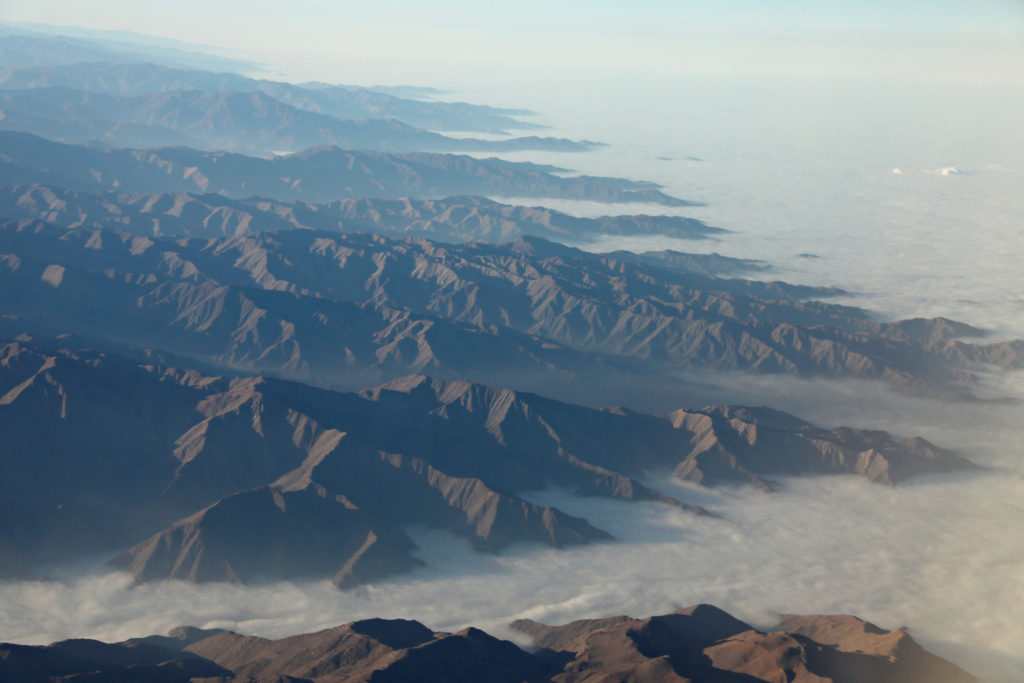
A strong earthquake with a magnitude of 6.7 struck the southern Andes in Peru on Thursday afternoon. The quake was centered near Upahuacho in the Ayacucho region and was felt in several areas, but no damage reports came in immediately.
Key Facts
The earthquake had a magnitude of 6.7.
It occurred at 1 p.m. local time on Thursday.
The quake’s center was 38 kilometers northwest of Upahuacho in Parinacochas province.
The depth of the earthquake was 66.7 kilometers.
It affected several southern Peruvian regions, including Ica and Arequipa.
No immediate damage was reported after the earthquake.
The U.S. Geological Survey provided the information about the earthquake.
The Colombian president requested President Trump to suspend tariffs to support earthquake recovery efforts.
Read the Original
Want the full story? Tap a source to open the original
article.
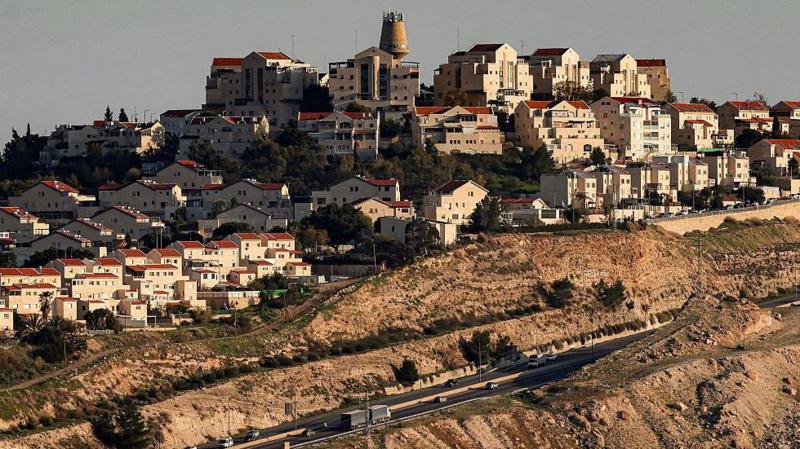
The UK, France, Germany, Italy, and Canada have condemned Israel’s plan to build about 1,200 new homes in the West Bank area called E1, saying it harms peace efforts. The United Nations also warned that this construction threatens the chance of a future Palestinian state.
Key Facts
Israel plans to build 1,234 settlement homes in the E1 area between East Jerusalem and Maale Adumim.
These settlements are considered illegal under international law.
The new project could divide the West Bank and isolate East Jerusalem from Palestinian areas.
The UK, France, Germany, Italy, and Canada called the plan “unacceptable” and asked Israel to stop it.
The UN Secretary-General said the project threatens the existence of a contiguous Palestinian state.
The housing ministry issued tenders on the project despite ongoing legal challenges from Palestinians and Israeli peace groups.
The bid deadline is October 19, close to Israel’s general election on October 27.
Israel has about 160 settlements in the West Bank and East Jerusalem housing approximately 700,000 Jews.
Read the Original
Want the full story? Tap a source to open the original
article.
A magnitude 6.7 earthquake struck the southern Andes region of Peru on Thursday. No damage or injuries were reported soon after the quake, and there was no tsunami threat.
Key Facts
The earthquake happened at 1 p.m. local time in the Parinacochas province of Ayacucho region.
It was located 38 km northwest of Upahuacho city with a depth of 66 km.
The quake was felt in several southern Peruvian regions including Ica and Arequipa.
Civil Defense and local officials reported no damage or injuries so far.
The Peruvian Navy stated there was no risk of a tsunami.
Peru is part of the Pacific “Ring of Fire,” a zone known for frequent earthquakes.
A stronger earthquake in 2007 in the nearby Ica region caused significant deaths and damage.
Read the Original
Want the full story? Tap a source to open the original
article.
France, Germany, the UK, and Italy criticized Israel for starting a project to build new settlements in the West Bank, an area occupied by Israel since 1967. These countries say the project called "E1" is illegal under international law and would separate Palestinian areas in east Jerusalem from the rest of the West Bank.
Key Facts
Israel began accepting bids to build homes in the "E1" settlement area in the West Bank.
The "E1" project plans to build around 3,400 homes for Israeli settlers.
The West Bank has been occupied by Israel since the 1967 war.
International law considers Israeli settlements in this territory illegal.
France, Germany, the UK, and Italy asked Israel to stop expanding settlements there.
The project would further separate Palestinian-majority east Jerusalem from the West Bank.
The tender for over 1,200 housing units opened on August 18, with bids due October 19.
The UN Secretary-General described the project as a major threat to a future Palestinian state.
Read the Original
Want the full story? Tap a source to open the original
article.