Neutral summaries of your favorite news sources — just the facts.
Your favorite news sources, one neutral feed — we distill their reporting into fact-first
summaries and always link to the original story. How it works
World News
Comprehensive coverage of international news and global events
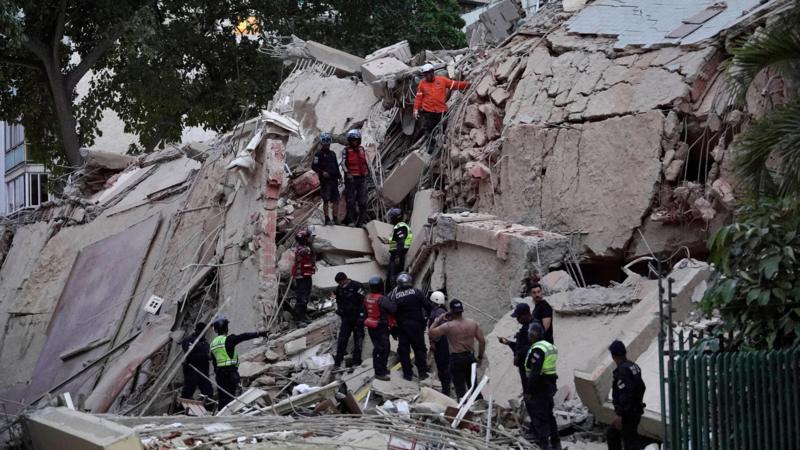
Two strong earthquakes struck Venezuela near its capital, Caracas, causing buildings to collapse and forcing many people to evacuate. The government declared a state of emergency while rescue teams work to find survivors, but no official death toll has been confirmed yet.
Key Facts
The first quake measured magnitude 7.2, and the second, stronger one was magnitude 7.5, both occurring seconds apart near Caracas.
Tremors were felt as far as Bogotá, Colombia, over 1,000 km away.
More than 20 aftershocks have been recorded, mainly along Venezuela’s northern coast.
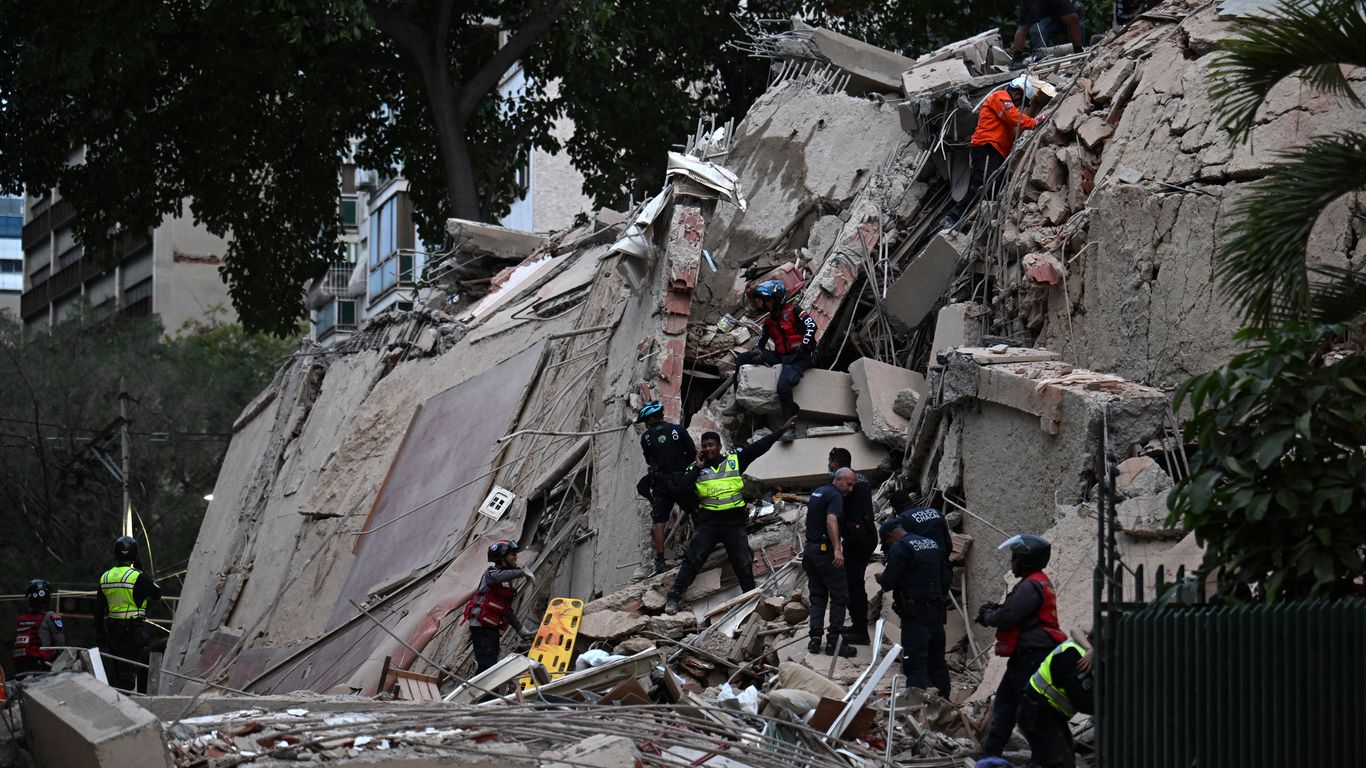
At least two buildings in the Caracas area have completely collapsed.
Over 500 emergency workers are involved in rescue efforts.
Venezuela’s main international airport and public transportation have been closed or paused due to damage.
Internet outages and fuel supply cuts have been reported in Caracas.
Classes in schools are suspended for the rest of the week.
The official number of casualties has not been confirmed, though some deaths have been mentioned.
Read the Original
Want the full story? Tap a source to open the original
article.
Two strong earthquakes hit west of Caracas, Venezuela, with magnitudes of 7.1 and 7.5. The damage is severe, and the government declared a state of emergency as experts expect many deaths.
Key Facts
Two earthquakes struck west of Venezuela's capital, Caracas.
The earthquakes measured 7.1 and 7.5 in magnitude.
The area suffered widespread damage.
Interim President Rodriguez declared a state of emergency.
Officials fear thousands of people may have died because of the earthquakes.
Emergency services are responding to the crisis.
The earthquakes caused disruptions in local communities.
Read the Original
Want the full story? Tap a source to open the original
article.
Thousands of people gathered in Tehran to mark Ashura, an important day in the Shia Muslim calendar. This was the first Ashura since the reported killing of Iran’s Supreme Leader, Ali Khamenei, in the ongoing conflict involving the US and Iran.
Key Facts
Ashura is a significant religious event for Shia Muslims.
Thousands gathered in Tehran to observe the day.
The gathering was the first since the killing of Supreme Leader Ali Khamenei.
Attendees carried flags, banners, and images of Khamenei.
The killing is part of the broader conflict between the US and Iran.
The event took place on the eve of Ashura.
Read the Original
Want the full story? Tap a source to open the original
article.
Papua New Guinea is facing serious food shortages because of the El Niño weather pattern, which has caused frost and drought that damaged crops and water supplies. About 3 million people, especially in the Highlands, may be affected as farms struggle to produce enough food and clean water becomes scarce.
Key Facts
El Niño caused frost and long dry spells in Papua New Guinea’s Highlands, damaging food gardens.
Oxfam PNG says the country is the worst affected in the Pacific by El Niño’s effects, including frost, drought, and pests.
Around 3 million people may be affected nationwide, with 1.9 million in the Highlands region at risk.
Some farming communities have food supplies lasting only two to three months.
Frost damage includes large losses to key crops like potatoes.
Rivers and creeks are drying up, reducing access to clean water.
Schools have reduced hours due to heat and water shortages.
The government is urging local areas to prepare for an extended dry season without causing alarm.
Read the Original
Want the full story? Tap a source to open the original
article.
Hundreds of migrants in Paris are facing very hot weather with little protection or help. Some migrants have been swimming in unsafe places to try to cool down as temperatures reach record highs.
Key Facts
A heatwave is affecting Europe, including Paris.
Many migrants in Paris do not have enough shelter.
The high temperatures are breaking records.
Some migrants swim in unsafe areas to stay cool.
There is little aid available to help migrants during the heatwave.
Read the Original
Want the full story? Tap a source to open the original
article.
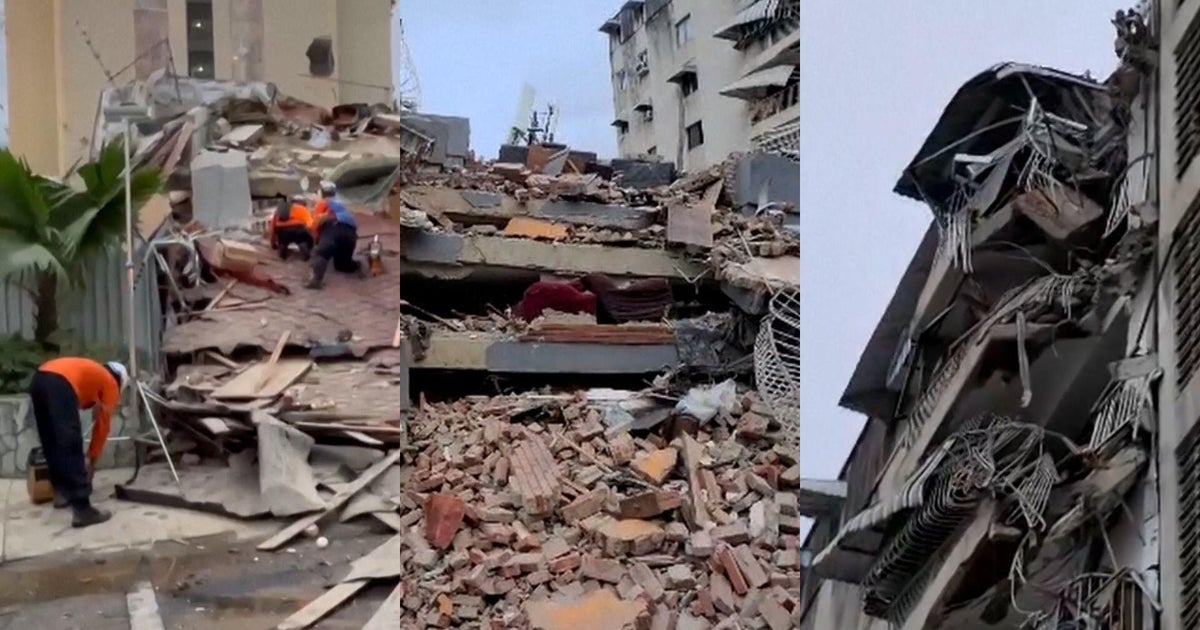
Two strong earthquakes hit Venezuela on Wednesday, measuring 7.2 and 7.5 in magnitude. The acting President Delcy Rodriguez declared a state of emergency as rescue teams searched for survivors and assessed damage, especially in the capital city, Caracas.
Key Facts
Two earthquakes struck Venezuela on the same day.
The first quake had a magnitude of 7.2.
The second quake had a magnitude of 7.5.
Acting President Delcy Rodriguez declared a state of emergency.
Caracas, the capital, suffered heavy damage.
Rescue crews are actively searching for survivors.
Videos show the destruction caused by the earthquakes.
Read the Original
Want the full story? Tap a source to open the original
article.
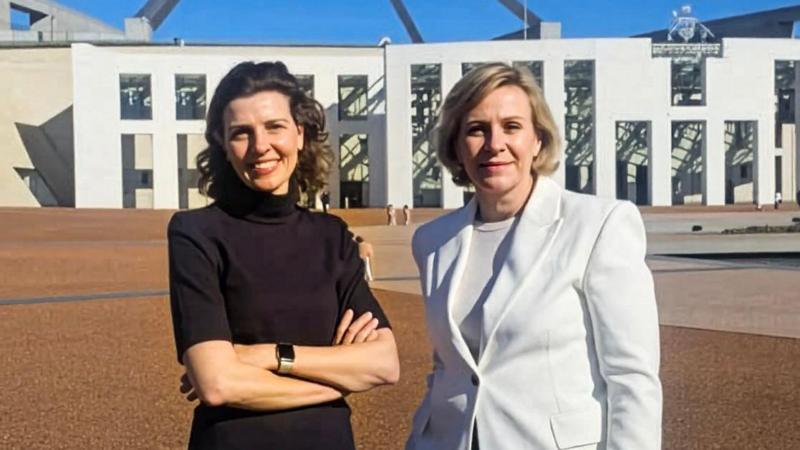
Two independent Australian MPs, Zali Steggall and Allegra Spender, have started a new centrist political party called Community Strong Australia. The party aims to offer an alternative to the two major parties, focusing on unity, climate action, and listening to community concerns without strict party rules.
Key Facts
The new party, Community Strong Australia, was launched in Canberra.
It has no official leader and allows members to vote freely.
Founders Zali Steggall and Allegra Spender are socially liberal independents known as "teal" MPs.
The party wants to move away from division and political in-fighting.
Key issues include housing affordability, cost of living, climate change, childcare, education, and healthcare.
The party was created in response to voter frustration and rising support for the right-wing One Nation party.
Climate 200, an organization that funds independent candidates, is not involved in this new party.
The party is expected to be officially registered by the Australian Electoral Commission in October.
Read the Original
Want the full story? Tap a source to open the original
article.
Kerala, a state in southern India, has the highest number of elderly people in the country, with many living alone due to children moving away for work. The state government has created a new department to help older adults stay in their homes and improve their quality of life through community support and care programs.
Key Facts
Kerala is India’s fastest-ageing state, with almost 23% of its population expected to be over 60 by 2036.
Many elderly people in Kerala live alone because their children move to other parts of India or abroad for jobs.
The government launched a special department for elderly welfare, the first of its kind in India.
The new department focuses on "ageing in place," helping seniors remain in their homes instead of moving to care institutions.
Plans include training professional caregivers, creating elderly parks and day-care centers, and encouraging social activities for older people.
Kerala’s ageing population grew due to better healthcare, longer life lifespans, and lower birth rates.
People working abroad often send money home but cannot provide physical or emotional support to their elderly parents.
The government will conduct a survey of senior citizens to guide future policies for the "Silver Economy," which means economic activities related to older adults.
Read the Original
Want the full story? Tap a source to open the original
article.
The president of Venezuela declared a state of emergency after several earthquakes affected the country. This decision aims to help manage the damage and protect citizens in the affected areas.
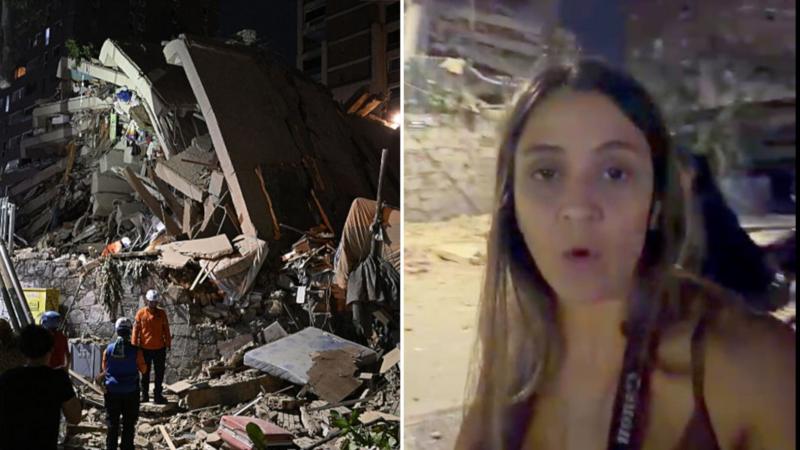
Two strong earthquakes, measuring 7.2 and 7.5, struck Caracas, Venezuela, causing buildings to collapse and people to evacuate onto the streets. The exact number of casualties and overall damage is not yet known, but residents described the tremors as the strongest they have ever felt.
Key Facts
Two earthquakes hit Caracas seconds apart on Wednesday, with magnitudes of 7.2 and 7.5.
The earthquakes occurred on a national holiday celebrating the 1821 Battle of Carabobo.
Buildings collapsed, and many people left their homes to wait outside in case of aftershocks.
Residents reported power outages, broken walls, fallen utility poles, and lack of phone signals.
Some people were unable to save their pets or personal belongings during the evacuation.
The last major earthquake in Caracas was in 1967, with a magnitude of 6.6, which killed over 200 people.
Residents described the current tremors as stronger and more frightening than the 1967 quake.
Emergency calls for help were heard from the rubble of collapsed buildings.
Read the Original
Want the full story? Tap a source to open the original
article.
NATO leader Mark Rutte met with President Donald Trump at the White House to reduce tensions before the upcoming NATO summit. President Trump has criticized NATO for not doing enough and ordered a review of US troops in Europe after saying NATO allies did not support the US war on Iran.
Key Facts
NATO leader Mark Rutte visited the White House before the NATO summit.
The meeting aimed to reduce tensions between NATO and President Trump.
President Trump said NATO was not doing enough.
He ordered a review of US military forces stationed in Europe.
The President criticized NATO allies for not supporting the US war on Iran.
The NATO summit is set to take place next month.
Read the Original
Want the full story? Tap a source to open the original
article.
A 17-year-old teenager was found not guilty of planning a terrorist attack on politician Peter Dutton and a Labor Day march in Brisbane. The court heard the teen had an interest in bombs and extremist material but concluded his actions were not serious plans to commit terrorism.
Key Facts
The teen was charged with preparing a terrorist act but pleaded not guilty.
The trial took place in Brisbane Supreme Court and lasted several days.
The teen had researched materials for making bombs and expressed violent ideas online and in a diary.
He showed a fascination with previous terrorists and violent media, including a film and a video game.
The defense argued the teen was experimenting with dangerous ideas and making “edgy jokes,” not intending to carry out attacks.
The teen had mental health challenges and was affected by his parents’ separation.
The prosecution claimed the alleged plan was to draw attention to opposition to modern industries and technology.
The jury found that the teen did not have the intention to commit the terrorist acts he was accused of planning.
Read the Original
Want the full story? Tap a source to open the original
article.
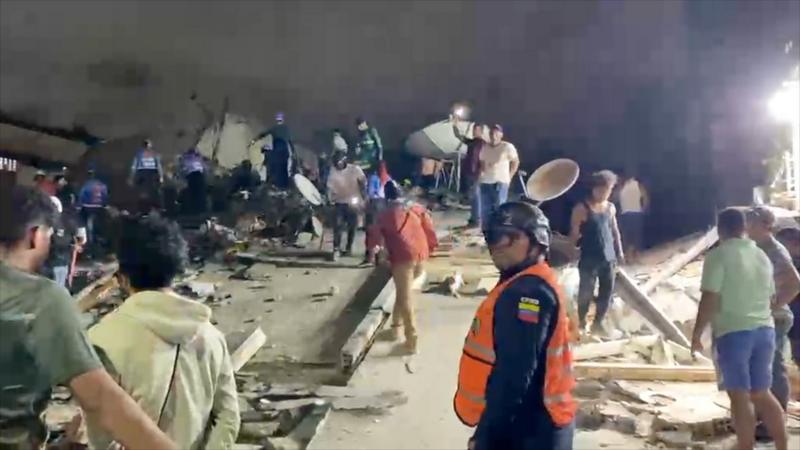
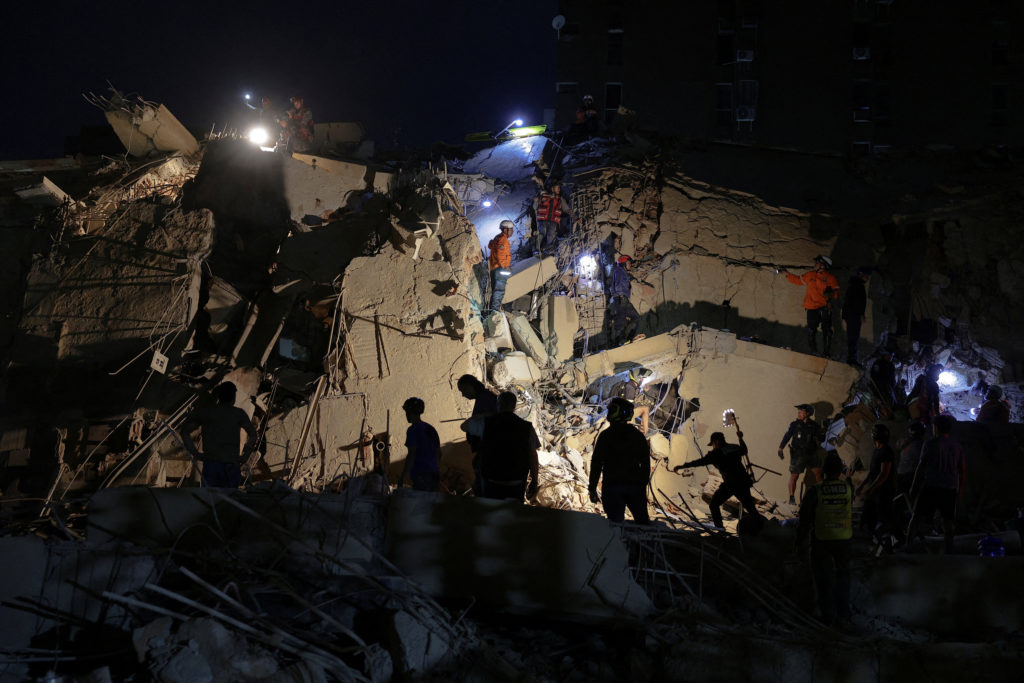
Rescuers in Venezuela are searching through the rubble of a collapsed building to find survivors. This effort is a response to damage likely caused by an earthquake or a similar disaster.
Key Facts
Venezuelan rescuers are currently working at a building collapse site.
They are looking for people who might be trapped under the rubble.
The collapse happened recently, prompting urgent rescue efforts.
The situation is related to a natural event, such as an earthquake.
Authorities and rescue teams are involved in the search and recovery process.
The incident has drawn attention to safety and disaster response in Venezuela.
Updates about the situation are being shared through news and official channels.
The exact cause of the collapse and the number of victims is still being determined.
Read the Original
Want the full story? Tap a source to open the original
article.
A strong earthquake with a magnitude of 6.9 hit off the northern coast of Japan, near Iwate, but officials said there was no tsunami risk. The quake caused some shaking in Tokyo and northeastern towns, but no injuries or damage have been reported so far.
Key Facts
The earthquake struck off Japan’s eastern coast near Iwate at a depth of about 50 kilometers (30 miles).
Both Japan’s Meteorological Agency and the U.S. Geological Survey reported the magnitude as 6.9.
The quake occurred during the morning rush hour in northeastern Japan and was felt mildly in Tokyo.
No injuries or damage have been reported immediately after the quake.
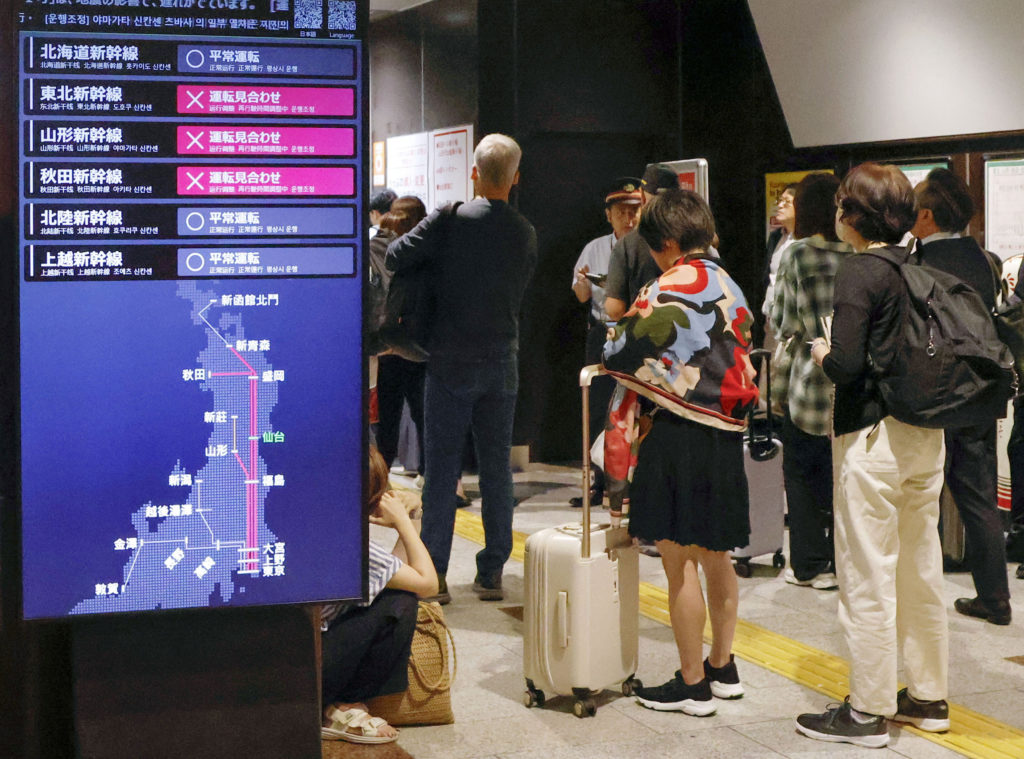
Some bullet trains and local trains were stopped for safety checks in the affected regions.
Nuclear plants, including Fukushima Daiichi, showed no problems after the earthquake.
Officials warned people to be cautious of potential aftershocks.
This area has had repeated strong quakes in recent months and is located on the Pacific Ring of Fire, a region known for frequent earthquakes.
Read the Original
Want the full story? Tap a source to open the original
article.
A strong earthquake measuring 7.2 struck off northern Japan's coast during the morning rush hour, causing shaking in many towns and some minor injuries but no serious damage. Officials said there was no tsunami risk, and safety checks were carried out on trains and nuclear facilities.
Key Facts
The earthquake occurred off the eastern coast of Iwate prefecture.
Its magnitude was upgraded from 6.9 to 7.2, at a depth of about 50 kilometers (30 miles).
Eight people were injured in Aomori and Iwate prefectures, mostly from falling objects.
The shaking was felt as far away as Tokyo and lasted a few minutes in some areas.
No tsunami warning was issued after the quake.
Bullet trains and local train lines in northeastern Japan were temporarily stopped for safety checks.
Nuclear plants, including Fukushima Daiichi, reported no problems.
Schools in affected towns canceled classes, and children returned home safely.
Read the Original
Want the full story? Tap a source to open the original
article.
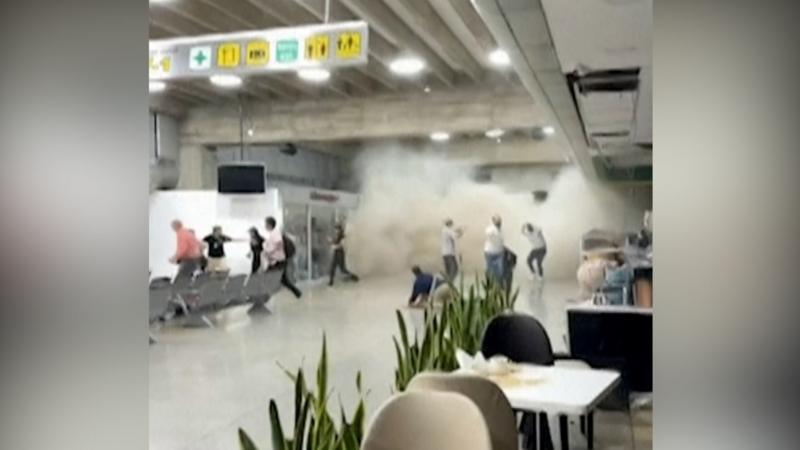
A video shows the moment when an earthquake hit the airport in Maiquetía, Venezuela. The video captures the shaking as the earthquake occurs at the airport.
Key Facts
The earthquake struck Maiquetía airport in Venezuela.
A video recorded the exact moment of the earthquake at the airport.
The news was published about 6 hours ago.
Maiquetía is a location in Venezuela.
The event relates to natural seismic activity.
No information about damage or injuries was provided in the article.
The video requires JavaScript enabled to be viewed online.
Read the Original
Want the full story? Tap a source to open the original
article.
Two strong earthquakes hit Venezuela on Wednesday evening, causing buildings to collapse in Caracas and shaking residents. The first quake measured 7.1 in magnitude, and the second, occurring a minute later, was even stronger at 7.5. Authorities warned of aftershocks and potential injuries, and tsunami alerts were issued for nearby islands.
Key Facts
The first earthquake had a magnitude of 7.1 with its center 168 km west of Caracas near Morón.
The second earthquake, one minute after the first, measured 7.5 in magnitude near Morón.
Both quakes were very strong and among the biggest in Venezuela in over 100 years.
The quakes caused buildings to collapse and people evacuated in Caracas.
Authorities reported injuries and urged people to be careful, especially children and elderly.
A tsunami alert was issued for the Virgin Islands and the Dominican Republic.
Aftershocks are expected, so officials advised people to stay outside for safety.
Venezuela usually has fewer earthquakes because of its location compared to other Latin American countries like Mexico and Chile.
Read the Original
Want the full story? Tap a source to open the original
article.
Two strong earthquakes hit Venezuela near its capital, Caracas, causing damage to buildings. The U.S. Geological Survey warned that many people could be hurt and that the damage might be very serious.
Key Facts
Two earthquakes occurred in Venezuela on Wednesday.
The earthquakes measured magnitude 7.2 and 7.5.
They struck west of Caracas, the capital city.
Buildings in Caracas were damaged by the quakes.
The U.S. Geological Survey issued a red alert.
This alert means there is a high chance of many injuries and big economic losses.
Officials expect heavy casualties and widespread damage.
The situation is still developing, with more updates expected.
Read the Original
Want the full story? Tap a source to open the original
article.
Russian opposition politician Maxim Kruglov was sentenced to seven years in prison for two social media posts about the war in Ukraine in 2022. He denies the charges and says the punishment is meant to stop people from speaking against the government.
Key Facts
Maxim Kruglov is a deputy leader of Russia’s Yabloko party, which is a liberal opposition group.
He posted two messages on Telegram in 2022 related to the war in Ukraine.
Russian authorities sentenced him to seven years in prison for these posts.
Kruglov says he is innocent and calls the case a way to silence opposition.
The case highlights Russia’s strict controls on public speech about the Ukraine conflict.
Read the Original
Want the full story? Tap a source to open the original
article.