Neutral summaries of your favorite news sources — just the facts.
Your favorite news sources, one neutral feed — we distill their reporting into fact-first
summaries and always link to the original story. How it works
Actor Himesh Patel discusses his role as Dr. Watson in the Netflix film "Enola Holmes 3," where Watson helps Enola find her kidnapped brother, Sherlock Holmes. Patel explains how he researched the original stories to create a fresh version of Watson who acts as an emotional support for the characters while discovering himself.
Key Facts
"Enola Holmes 3" is a Netflix movie where Enola Holmes tries to rescue her kidnapped brother, Sherlock.
Himesh Patel plays Dr. Watson, a key character who supports Enola on her mission.
Patel first appeared as Watson in "Enola Holmes 2" (2022) with a smaller role and returns with a larger part in the third film.
Patel read the original Sherlock Holmes books by Arthur Conan Doyle and studied the time period to understand Watson better.
This version of Watson is designed to feel new and different from past portrayals, while still respecting the original character.
Watson acts as an emotional anchor for Enola and Sherlock but remains slightly separate, giving him a unique viewpoint.
Patel relates personally to Watson’s thoughtful and observant nature, which helped him portray the character’s quiet intelligence.
Patel also mentioned working with filmmaker Christopher Nolan on another project called "The Odyssey," but details were limited in the conversation.
Read the Original
Want the full story? Tap a source to open the original
article.
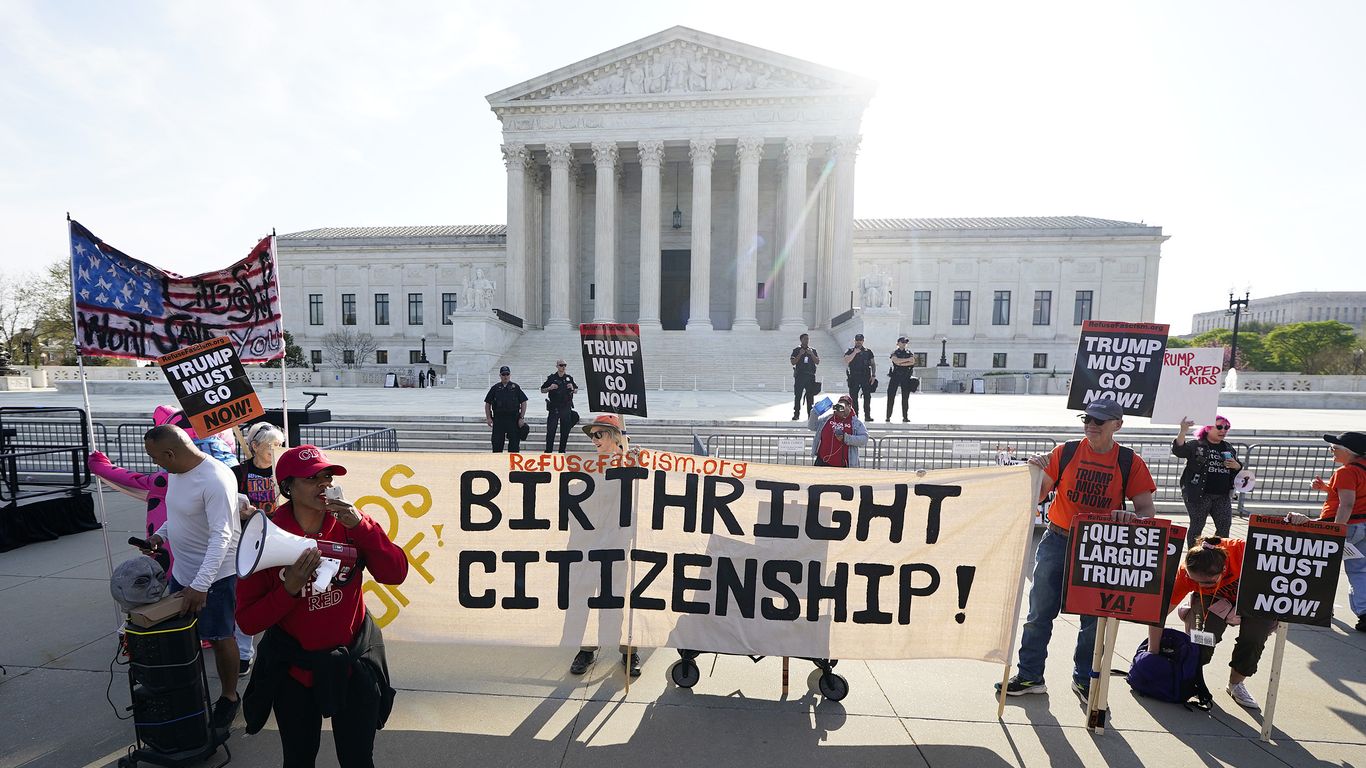
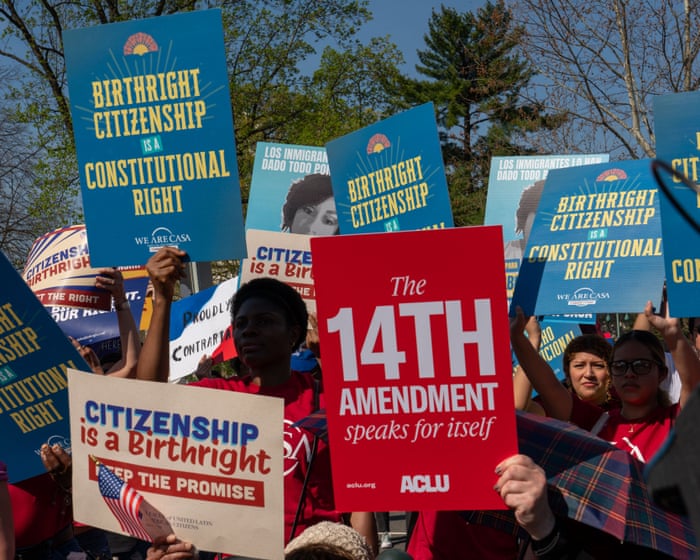
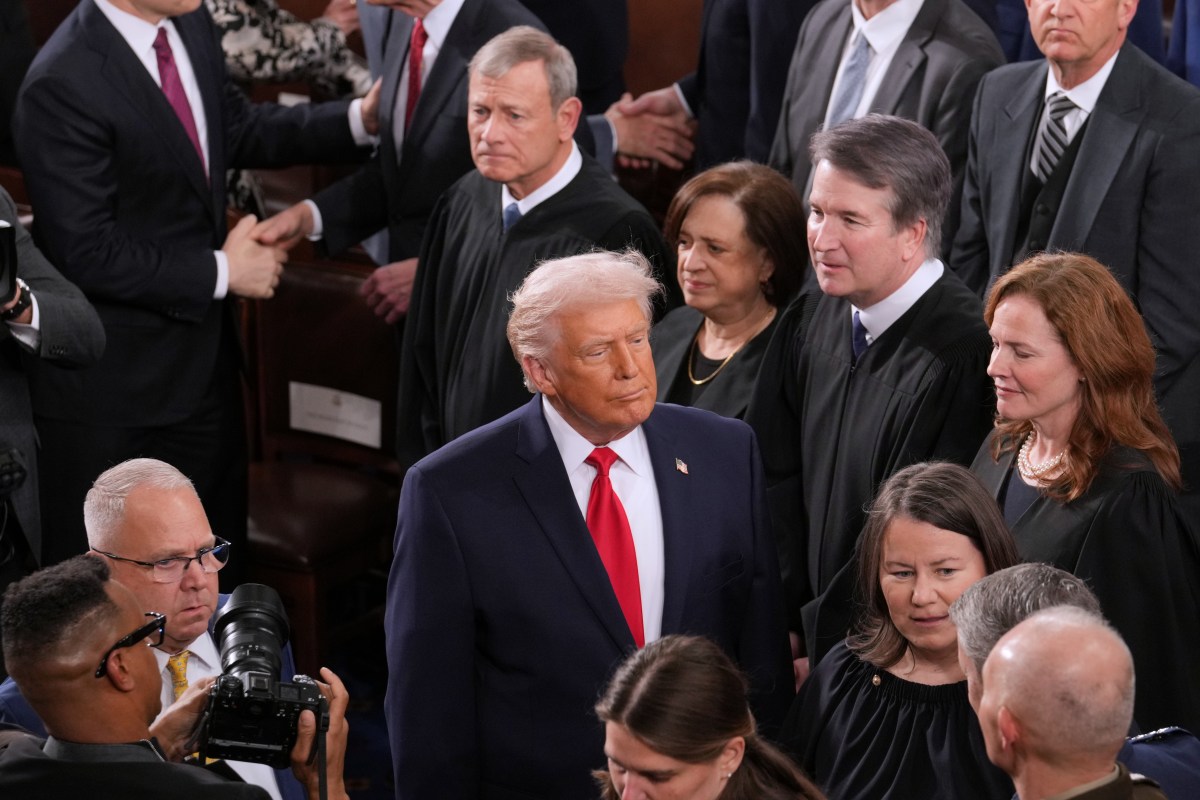
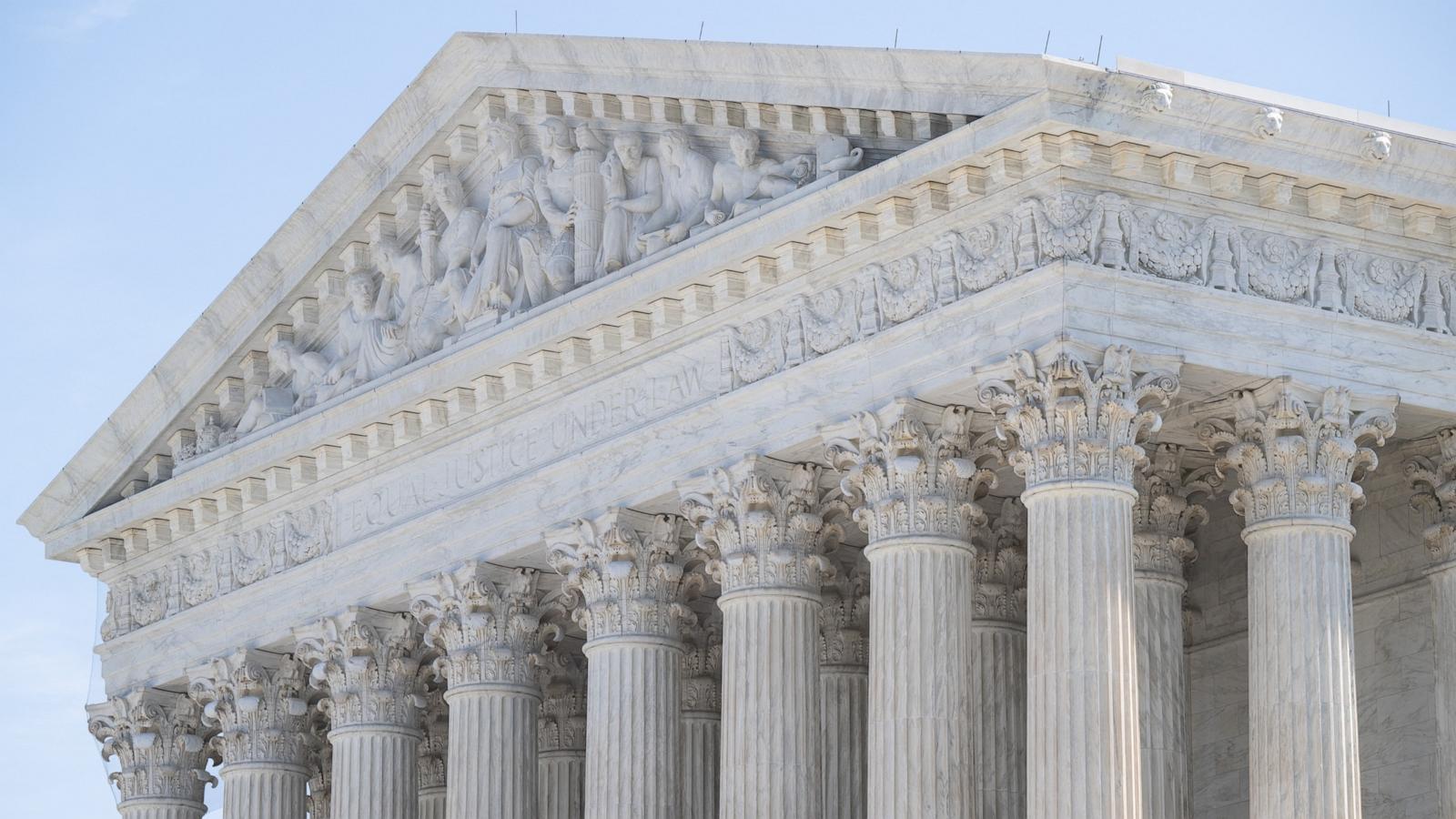
The Supreme Court rejected President Donald Trump’s executive order that aimed to limit birthright citizenship for children born in the United States to parents without legal status. The Court confirmed that the 14th Amendment grants citizenship to almost anyone born on U.S. soil, and changing this rule would likely require a constitutional amendment.
Key Facts
The Supreme Court struck down President Trump’s order limiting birthright citizenship.
The decision was led by Chief Justice John Roberts and supported by four other justices.
The Court ruled that children born in the U.S. are citizens at birth under the 14th Amendment.
The ruling reaffirms the 1898 United States v. Wong Kim Ark precedent about birthright citizenship.
In 2023, about 300,000 babies were born to unauthorized immigrant mothers in the U.S.
President Trump’s order tried to deny citizenship to children with parents in the U.S. illegally or on temporary visas.
Multiple lower courts blocked the order before the Supreme Court ruled on it.
Changing birthright citizenship would most likely require amending the Constitution, a difficult and unlikely process.
Read the Original
Want the full story? Tap a source to open the original
article.
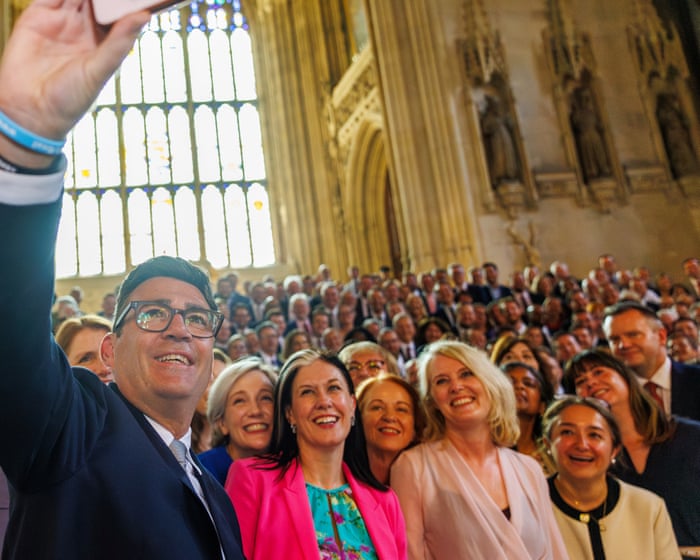
Andy Burnham, a Labour politician, has promised to stop the practice of staff leaking negative information about female ministers in his team. At a meeting with Labour women MPs, he said those who undermine women will be fired and denied ever calling himself the "first female Labour PM."
Key Facts
Burnham will sack any staff who leak negative stories about female ministers.
Female Labour MPs have complained about a “boys club” culture and unfair leaks against them.
Burnham criticized a comment calling him “the first female Labour PM” and denied ever saying it.
Labour women MPs asked Burnham to commit to having equal numbers of men and women in leadership roles.
Some Labour female MPs feel excluded from decision-making rooms, leading to weaker policies.
Burnham praised female leaders like home secretary Shabana Mahmood at the meeting.
Burnham’s close team includes women who played key roles in his election campaign.
Labour women MPs accused the Conservative leader of insulting them by calling them “handmaidens.”
Read the Original
Want the full story? Tap a source to open the original
article.
"Adventure Time: Side Quests" is a new series that feels like lost episodes from the original show, with a new art style and a new voice actor for Finn the Human. John DiMaggio and most of the original cast return, while Sasha Knight replaces Jeremy Shada as the voice of young Finn. All 20 episodes are now available on Hulu and Disney+.
Key Facts
The new series feels like it continues from the early seasons of the original "Adventure Time."
The show features a slightly different art style but resembles the original designs.
Jeremy Shada, the original voice of Finn, was replaced by Sasha Knight because Shada has grown too old to sound like young Finn.
John DiMaggio returns to voice his characters, including Jake the Dog.
Sasha Knight is a fan of the original series and is now the voice of Finn.
The entire "Side Quests" series, with 20 episodes, is available for streaming on Hulu and Disney+.
There is hope for more seasons, but no official announcement has been made.
In an interview, John DiMaggio mentioned interest in reviving another old show, "Kim Possible."
Read the Original
Want the full story? Tap a source to open the original
article.
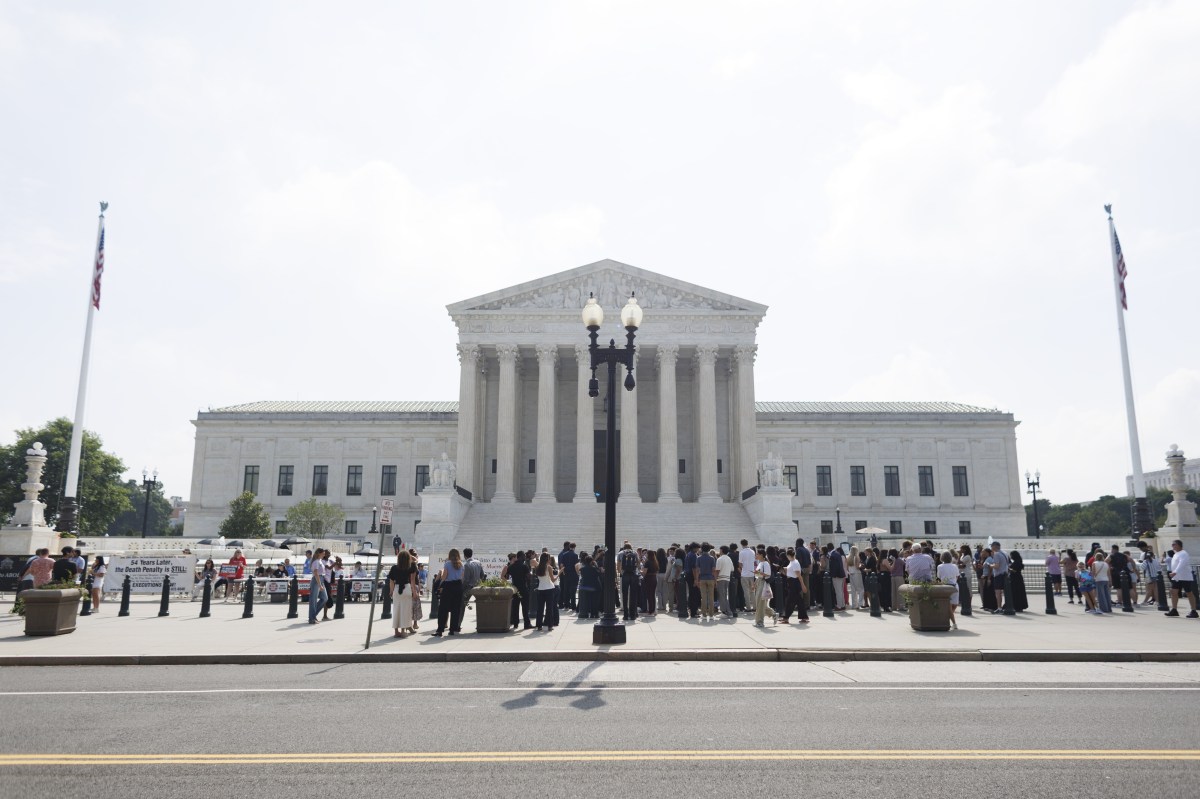
The Supreme Court rejected President Donald Trump’s executive order that tried to limit birthright citizenship to children born in the U.S. only if their parents were legally present. The Court confirmed the 14th Amendment grants citizenship to anyone born on American soil, regardless of their parents’ status.
Key Facts
The Supreme Court’s decision says all children born in the U.S. are citizens by birth under the 14th Amendment.
President Trump aimed to stop children of parents in the country illegally from automatically getting citizenship.
Chief Justice John Roberts wrote the majority opinion supporting birthright citizenship.
Justice Clarence Thomas disagreed in a dissenting opinion, partly supporting the President’s order.
If the order had passed, millions of children could lose citizenship and some risk becoming stateless.
Before the ruling, President Trump criticized two justices he appointed who were expected to oppose his position.
The order challenged the idea that people born in the U.S. illegally are “subject to the jurisdiction” of the country.
Surveys show about two-thirds of Americans support keeping birthright citizenship as guaranteed by the Constitution.
Read the Original
Want the full story? Tap a source to open the original
article.
The Supreme Court ruled 6-3 to remove limits on coordinated spending between political parties and candidates. Justice Elena Kagan and two other justices disagreed, saying this could lead to more political corruption by allowing wealthy donors to bypass existing rules.
Key Facts
The Supreme Court struck down federal limits on spending coordinated between parties and candidates.
The case involved the National Republican Senatorial Committee and the Federal Election Commission.
Before the ruling, coordinated spending was limited based on office and state to prevent corruption.
Justice Kagan wrote the dissent, warning the decision could cause serious harm to election integrity.
The majority argued other rules, like contribution caps and disclosure, are enough to prevent corruption.
Coordinated spending means money spent on activities like joint ads by parties and candidates.
The ruling changes decades of campaign finance law aimed at stopping money-for-favors exchanges.
The decision may let wealthy donors influence elections more by routing funds through political parties.
Read the Original
Want the full story? Tap a source to open the original
article.
Netflix is developing a live-action TV series based on Atlus' popular Persona video game series. Christopher Monfette will write and lead the show, with executive producers from 21 Laps and Story Kitchen working on the project.
Key Facts
Netflix announced plans to create a live-action TV adaptation of the Persona game franchise.
Christopher Monfette is the writer and showrunner (main creative leader) for the series.
Shawn Levy's production companies 21 Laps and Story Kitchen are executive producers.
Persona is a well-known role-playing game series featuring social simulation, teenage stories, and supernatural themes.
It is unclear which Persona game the show will adapt; possible options include Persona 3, 4, or 5.
Netflix has experience adapting video games into successful series like Castlevania and Arcane.
The show might be tied to the upcoming Persona 6 game or could feature a new original story set in the Persona universe.
Persona 5 is considered the most popular game, reaching a wide audience on many platforms.
Read the Original
Want the full story? Tap a source to open the original
article.
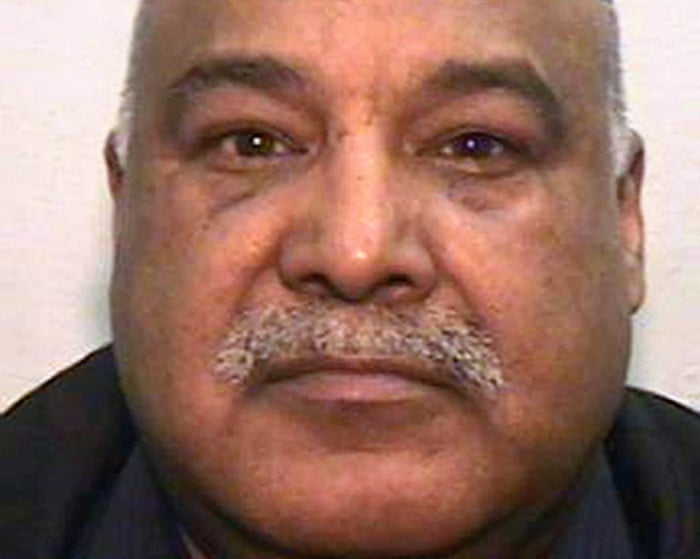
Shabir Ahmed, the leader of the Rochdale grooming gang convicted in 2012, is set to be released from prison but cannot be deported from the UK due to laws protecting long-term residents. He will be on strict license conditions, including 24-hour supervision, electronic monitoring, and exclusion zones.
Key Facts
Shabir Ahmed was convicted of multiple rapes and sexual offenses against girls as young as 12.
He had dual British and Pakistani citizenship but was stripped of his British citizenship after conviction.
Ahmed cannot be deported to Pakistan because he arrived in the UK before 1973 and lived there for at least five years before deportation was considered.
He will be released on July 2 with a 24-hour supervised living arrangement and electronic tagging.
Victims and local politicians want the government to change laws to allow his deportation.
The gang operated by exploiting girls with drugs and alcohol, then abusing them in multiple locations.
A report found police and local authorities failed to act despite concerns about the gang.
Other gang members have also lost citizenship but it is unclear if they have been deported.
Read the Original
Want the full story? Tap a source to open the original
article.
Steve Bannon, a former adviser to President Trump, criticized the FBI and Director Kash Patel’s crime statistics. He said people do not believe the reports that say crime is decreasing.
Key Facts
Steve Bannon spoke on his show called “War Room.”
Bannon expressed doubt about the FBI’s crime statistics.
He also questioned crime numbers released by Director Kash Patel.
Bannon said people do not trust the claim that crime is going down.
Kash Patel is involved in reporting or presenting crime data.
Bannon addressed Patel directly, calling him “brother.”
The discussion took place on a Monday.
Read the Original
Want the full story? Tap a source to open the original
article.
The US Supreme Court ruled 6-3 against President Donald Trump’s order to end birthright citizenship for people born in the United States. The court decided that the order goes against the US Constitution and past Supreme Court decisions.
Key Facts
President Trump signed an executive order to stop some children born in the US from automatically becoming citizens.
The order targeted children born to parents with temporary or no legal status.
The Supreme Court’s majority opinion was written by Chief Justice John Roberts.
The court referred to the 14th Amendment and a 1898 Supreme Court case supporting birthright citizenship.
The ruling confirms that anyone born in the US is a citizen, no matter the parents’ status.
The decision upholds a lower court ruling against Trump’s order.
President Trump said Congress could change birthright citizenship by law, but no strong political support exists for that now.
The ruling marks a significant defeat for Trump’s immigration policy changes.
Read the Original
Want the full story? Tap a source to open the original
article.
The Supreme Court ruled that President Donald Trump’s policy to limit birthright citizenship is unconstitutional. The Court said the 14th Amendment gives automatic citizenship to most children born in the United States.
Key Facts
The Supreme Court made the decision on Tuesday.
The ruling invalidates President Trump’s immigration policy restricting birthright citizenship.
Chief Justice John Roberts wrote the main opinion.
The decision was supported by the three liberal justices and Justice Amy Coney Barrett.
The 14th Amendment guarantees citizenship to almost all children born on U.S. soil.
The policy aimed to change automatic citizenship for children born in the U.S.
The Court’s ruling protects the rights of children born in the United States regardless of their parents’ status.
Read the Original
Want the full story? Tap a source to open the original
article.
Representative Thomas Kean Jr. from New Jersey returned to the U.S. Capitol after missing more than 100 House votes because of a medical issue. He has served in Congress since 2023, representing a district considered competitive in elections.
Key Facts
Thomas Kean Jr. is a Republican congressman from New Jersey.
He represents New Jersey’s 7th Congressional District.
Kean missed over 100 House votes due to a medical condition.
His last recorded vote was on March 5.
He has been in office since 2023.
The district he represents is considered a "toss up," meaning it could be won by either party.
The medical condition causing his absence was not explained in detail.
Read the Original
Want the full story? Tap a source to open the original
article.
The US Supreme Court has ruled that nearly everyone born in the United States is automatically a citizen, rejecting President Donald Trump’s effort to end this rule. The decision supports the citizenship clause of the 14th Amendment, which grants citizenship to children born on US soil regardless of their parents’ legal status.
Key Facts
The Supreme Court confirmed that children born in the US to parents who are unlawfully or temporarily present are US citizens at birth.
Chief Justice John Roberts wrote the main opinion, joined by three liberal and one conservative justice.
President Trump issued an executive order to end birthright citizenship, but it was challenged in court as unconstitutional.
The American Civil Liberties Union and state attorneys general filed lawsuits against Trump’s order.
The 14th Amendment, adopted in 1868, guarantees citizenship to people born or naturalized in the US.
The Trump administration argued that “subject to the jurisdiction” means children of non-lawful residents should not be citizens.
The court rejected this interpretation, maintaining that birthright citizenship under the 14th Amendment remains valid.
The ruling overturns a key part of President Trump’s anti-immigration policy aimed at restricting citizenship automatically given at birth.
Read the Original
Want the full story? Tap a source to open the original
article.
The Supreme Court ruled against President Donald Trump’s order that limited birthright citizenship for children born in the U.S. to parents who are in the country illegally or temporarily. The Court confirmed that almost everyone born in the U.S. is a citizen based on the 14th Amendment and federal laws.
Key Facts
The Supreme Court upheld a broad interpretation of birthright citizenship.
President Trump had issued an order saying some children born in the U.S. should not get citizenship.
The Court based its decision on the 14th Amendment, which was adopted after the Civil War.
Federal laws also support the rule that most people born in the U.S. are citizens.
Lower courts had blocked President Trump’s order before it could take effect anywhere.
The decision means the order will not change current citizenship rules.
The ruling affects children born to parents who are in the U.S. illegally or temporarily.
Read the Original
Want the full story? Tap a source to open the original
article.
The US Supreme Court ruled that President Donald Trump's executive order to limit birthright citizenship is unconstitutional. This executive order sought to change a policy that has been in place for over 100 years.
Key Facts
The Supreme Court struck down President Trump's order on birthright citizenship.
The order aimed to stop granting automatic citizenship to children born in the US.
Birthright citizenship has been a US policy for more than a century.
The ruling means the current policy remains unchanged.
This decision affects immigration rules related to citizenship.
President Trump had pushed to limit who qualifies for US citizenship by birth.
The ruling is seen as a legal setback for President Trump’s immigration agenda.
The case was closely watched given its impact on US immigration policy.
Read the Original
Want the full story? Tap a source to open the original
article.
The U.S. Supreme Court ruled 6-3 against President Donald Trump’s executive order aimed at limiting birthright citizenship. The Court confirmed that the Constitution’s 14th Amendment guarantees citizenship to almost all children born in the country, rejecting the President’s attempt to change this rule by executive order.
Key Facts
The case, Trump v. Barbara, involved President Trump's 2025 order restricting birthright citizenship for children born to noncitizen parents.
The Supreme Court’s majority opinion was written by Chief Justice John Roberts and joined by Justices from both conservative and liberal wings.
The decision reaffirmed that the 14th Amendment grants citizenship to nearly all U.S.-born children, regardless of their parents’ immigration status.
The Court said changing citizenship rules requires a constitutional amendment, not just an executive order.
President Trump had expressed doubts that his policy would survive court challenges but said he would accept the ruling.
Lower courts had already blocked the policy before it reached the Supreme Court, calling it likely unconstitutional.
Justices Kavanaugh, Barrett, and others had varying opinions, with some concurring in part and others dissenting.
The ruling affects immigration policy and the status of hundreds of thousands of children born in the U.S. each year.
Read the Original
Want the full story? Tap a source to open the original
article.
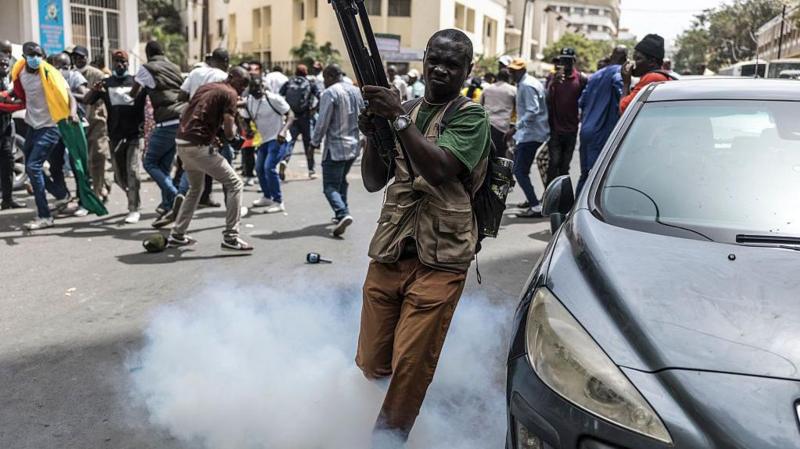
Senegal's parliament passed a constitutional reform that reduces the president’s powers and increases those of lawmakers, causing protests outside the parliament. The government plans to hold a national vote on the changes, but no date has been set yet.
Key Facts
The reforms give parliament more power to investigate and require the government to share natural resource agreements with lawmakers.
A new Constitutional Court with nine members will replace the current Constitutional Council of seven members.
The reforms stop a sitting president from leading a political party, affecting President Bassirou Diomaye Faye, who is no longer an official party leader but remains a member.
Presidents would be barred from approving certain laws between an election and the inauguration of their successor.
The ruling Pastef party, controlling most seats in the National Assembly, supports the reforms to balance government powers.
Opposition parties and civil groups say the changes are motivated by political revenge against President Faye.
Protests occurred with police using tear gas to clear demonstrators outside parliament during debates.
President Faye intends to hold a referendum on the reforms, but the parliamentary speaker questions the president’s authority to do so.
Read the Original
Want the full story? Tap a source to open the original
article.
The Supreme Court decided to remove federal limits on how much money political parties can spend when working with their candidates. This change allows party committees to spend unlimited funds alongside candidates, affecting future election campaigns.
Key Facts
The Supreme Court ruled 6-3 that spending limits on party coordination with candidates violate the First Amendment.
The decision overturns a 25-year-old rule that had set these limits.
This ruling lets party committees spend unlimited amounts with their candidates during campaigns.
The case was National Republican Senatorial Committee v. Federal Election Commission.
The ruling was supported by Justice Brett Kavanaugh and opposed by Justice Elena Kagan.
Supporters say the limits made parties weaker compared to outside groups like super PACs.
Critics worry this change could increase corruption by allowing big donors more influence.
The decision may make party committees more attractive to wealthy donors in close races.
Read the Original
Want the full story? Tap a source to open the original
article.
The U.S. Supreme Court ruled that federal limits on the amount of money political parties can spend with candidates for federal office violate the First Amendment. This decision removes long-standing restrictions on campaign spending, potentially increasing political spending before upcoming elections.
Key Facts
The Supreme Court made the ruling on June 25, 2026.
The ruling concerns limits on campaign spending coordinated between political parties and federal candidates.
The Court said these spending limits violate free speech rights under the First Amendment.
This decision overturns previous limits that had been in place for many years.
The ruling may lead to increased spending by political parties before the 2026 midterm elections.
The case affects federal elections, not state or local elections.
The decision is expected to impact how campaigns raise and use money going forward.
Read the Original
Want the full story? Tap a source to open the original
article.
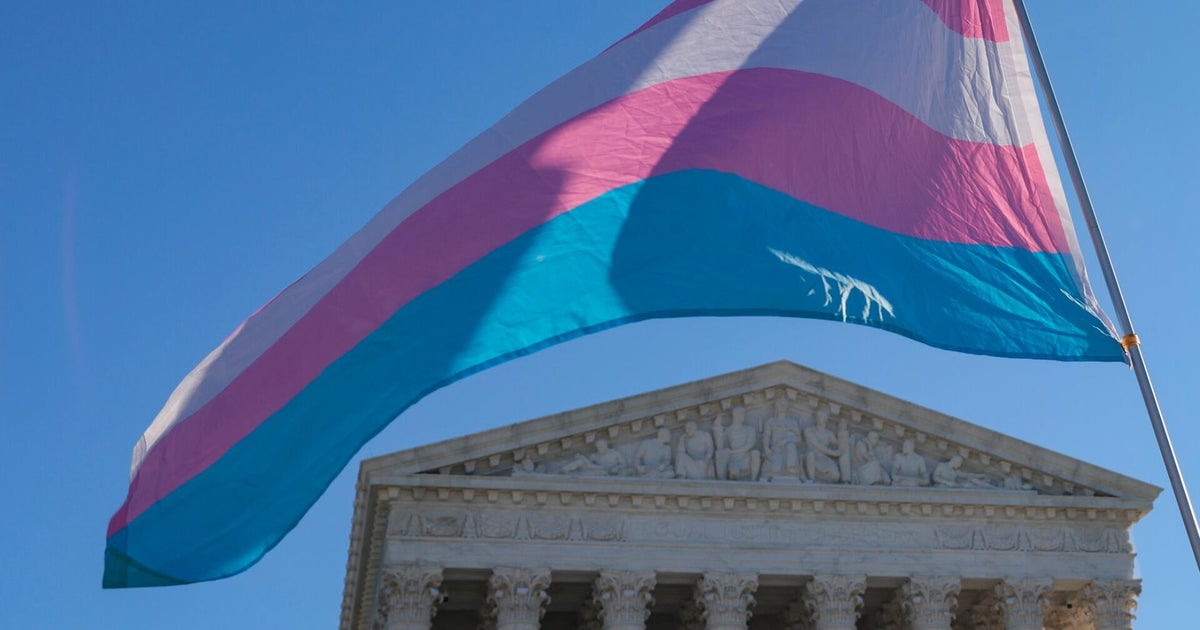
The U.S. Supreme Court agreed to allow states to enforce bans that stop transgender athletes from playing in girls' and women's sports. This ruling means states can decide not to let transgender girls and women compete in female sports teams.
Key Facts
The Supreme Court approved state laws banning transgender athletes from competing in girls' and women's sports.
The decision supports state rules that restrict transgender participation based on gender identity.
This ruling affects high school and college sports where these bans are in place.
The court did not overturn federal laws but allowed states to set their own policies.
The ruling was covered in a CBS News Special Report anchored by Tony Dokoupil.
This case is part of ongoing debates about transgender rights and sports participation in the U.S.
Read the Original
Want the full story? Tap a source to open the original
article.