Neutral summaries of your favorite news sources — just the facts.
Your favorite news sources, one neutral feed — we distill their reporting into fact-first
summaries and always link to the original story. How it works
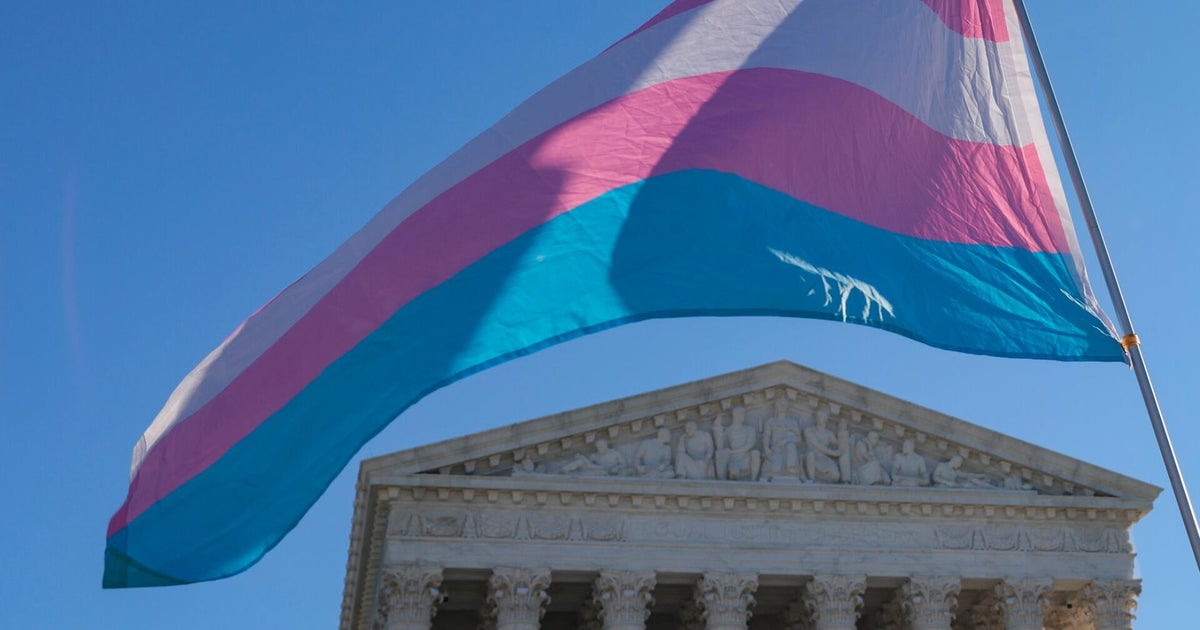
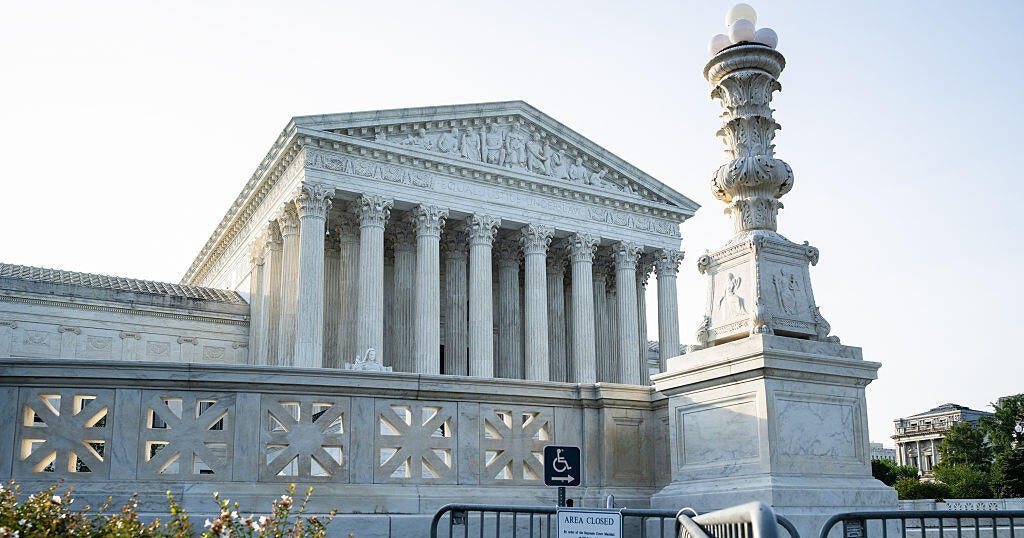
The U.S. Supreme Court agreed to allow states to enforce bans that stop transgender athletes from playing in girls' and women's sports. This ruling means states can decide not to let transgender girls and women compete in female sports teams.
Key Facts
The Supreme Court approved state laws banning transgender athletes from competing in girls' and women's sports.
The decision supports state rules that restrict transgender participation based on gender identity.
This ruling affects high school and college sports where these bans are in place.
The court did not overturn federal laws but allowed states to set their own policies.
The ruling was covered in a CBS News Special Report anchored by Tony Dokoupil.
This case is part of ongoing debates about transgender rights and sports participation in the U.S.
Read the Original
Want the full story? Tap a source to open the original
article.
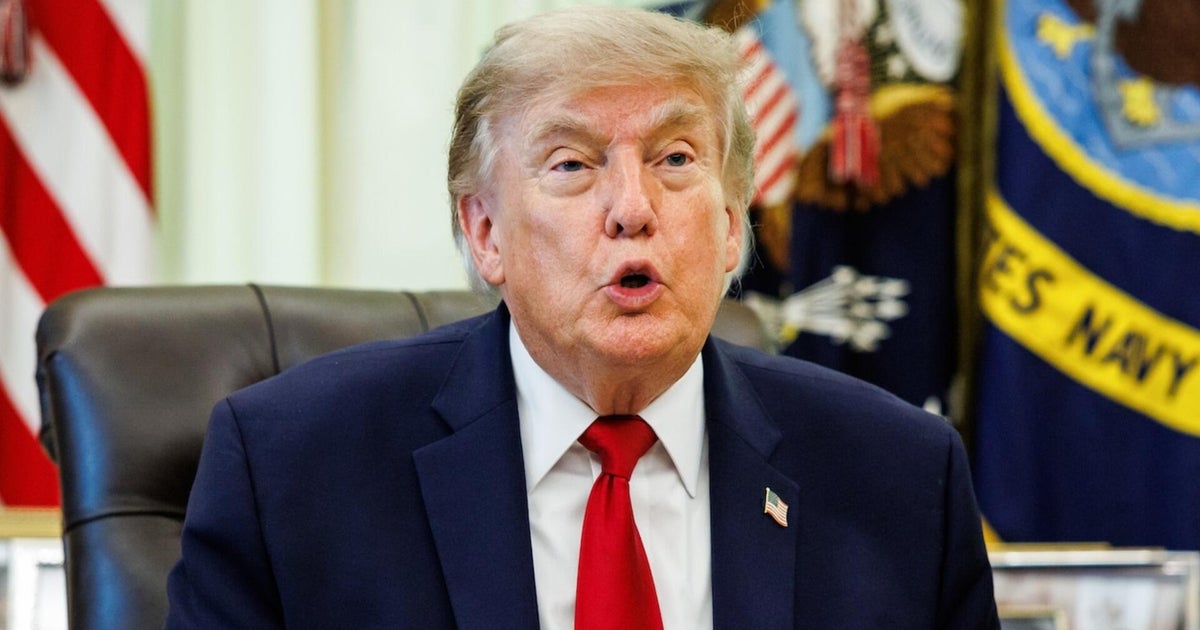
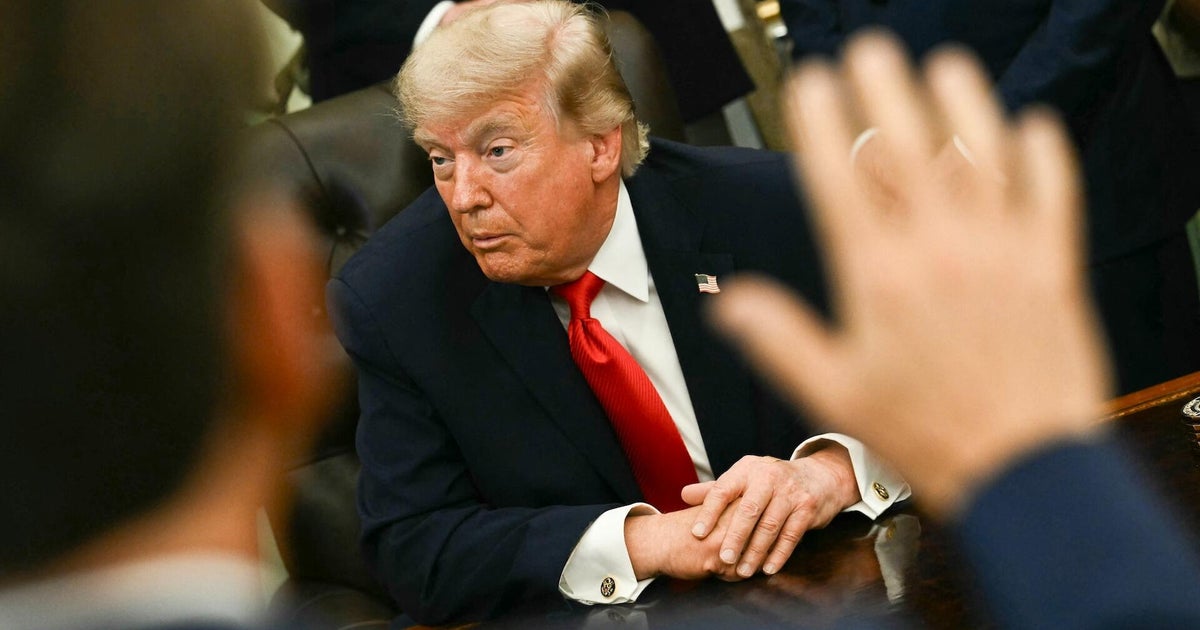
President Donald Trump called a bipartisan housing affordability bill "a big yawn" and expressed stronger support for the SAVE America Act. He made these comments while speaking to reporters in the Oval Office.
Key Facts
President Trump was expected to sign a bipartisan housing affordability bill last week.
He described that bill as unexciting compared to the SAVE America Act.
The SAVE America Act is a separate legislative proposal favored by President Trump.
Trump made these remarks during a press interaction in the Oval Office.
The bipartisan housing bill aims to address housing costs.
The SAVE America Act's details or goals were not explained in the article.
The article was reported by CBS News.
Read the Original
Want the full story? Tap a source to open the original
article.
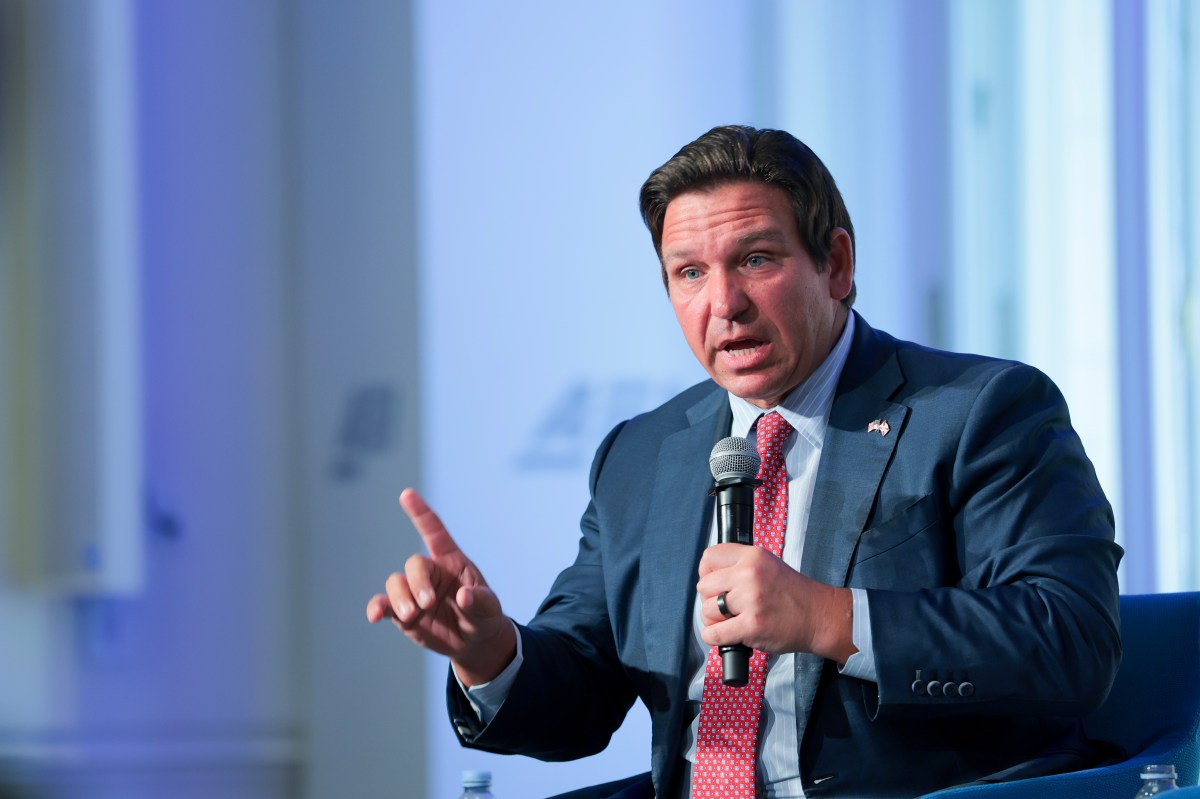
Florida Governor Ron DeSantis said he will not actively support the property tax cut measure on the November ballot because it is different from his original plan. The ballot measure proposes raising the homestead exemption on property taxes but faces criticism from local leaders who worry about funding cuts for public services.
Key Facts
Governor DeSantis proposed increasing the homestead exemption from $50,000 to $250,000, aiming to almost eliminate property taxes for 60% of Florida residents.
DeSantis wanted a future exemption increase to $500,000 to nearly end property taxes entirely.
The ballot measure (Amendment 3) raises the homestead exemption to $150,000 in 2027 and $250,000 in 2028, without the $500,000 goal.
Amendment 3 lowers the yearly allowed increase in taxable value of non-homestead properties from 10% to 5%, except for school taxes.
The measure limits how local governments can spend property tax funds, focusing on core services like education and public safety.
DeSantis criticized the legislature’s version, saying it was not his original proposal.
Local officials oppose the measure, fearing it will reduce money for schools, infrastructure, and other public services.
Amendment 3 requires 60% voter approval to pass in November.
Read the Original
Want the full story? Tap a source to open the original
article.
The Supreme Court removed federal limits on how much political parties can spend when working together with candidates in congressional and presidential elections. This decision overturns a law that has been in place for over 50 years and was challenged by a Republican-led lawsuit.
Key Facts
The Supreme Court struck down limits on coordinated spending between political parties and candidates.
The removed law had limited party spending in federal elections for more than 50 years.
The case was brought by Republicans, including Vice President JD Vance.
Conservative justices formed the majority in this decision.
The Court’s 2010 Citizens United ruling had already allowed unlimited independent spending in elections.
The original spending limits aimed to stop donors from bypassing individual contribution caps by giving large sums to parties instead.
The ruling affects spending in federal congressional and presidential campaigns.
Read the Original
Want the full story? Tap a source to open the original
article.
Senator John Fetterman from Pennsylvania said he will open investment accounts for his three children under President Trump’s new program. Although his children do not qualify for the $1,000 starting funds from the Treasury, they can still receive money from parents, employers, and certain charity gifts through these “Trump accounts.”
Key Facts
Senator John Fetterman announced he will open Trump investment accounts for his three children.
His children do not qualify for the initial $1,000 seed funds provided by the Treasury.
The accounts can receive additional contributions from parents, employers, and approved charities.
The program is part of an investment initiative started by President Trump.
These accounts aim to help families build savings and investments for their children.
Read the Original
Want the full story? Tap a source to open the original
article.
The US Supreme Court has removed a limit on how much political parties can spend to support their candidates. This decision follows a legal challenge arguing that party spending limits are unnecessary given existing rules on outside groups called Super PACs.
Key Facts
The ruling struck down a lower court's limit on political party spending linked to candidates.
The case was brought by JD Vance, Steve Chabot, and Republican Senate and House committees against the Federal Election Commission (FEC).
The Supreme Court has previously eased restrictions on political spending in important cases like Citizens United (2010) and McCutcheon (2014).
Super PACs can spend unlimited money independently but cannot coordinate directly with candidates.
The plaintiffs argued that political parties should also be able to spend without limits to support their candidates fully.
The Trump administration supported the side seeking to remove spending limits on parties.
The FEC currently lacks a quorum and cannot take enforcement action.
Opponents of the ruling warn it may increase the risk of vote-buying and corruption in politics.
Read the Original
Want the full story? Tap a source to open the original
article.
The Supreme Court ruled that federal limits on how much political parties can spend in coordination with their candidates are unconstitutional. This decision supports Vice President Vance and the Republican Party, saying such limits violate free speech rights protected by the First Amendment.
Key Facts
The Supreme Court decided in a 6-3 vote.
The ruling affects federal rules on campaign spending by political parties.
The Court sided with Vice President Vance, a Republican.
The decision says spending limits violate the First Amendment, which protects free speech.
This case was part of an ongoing conflict between the two major U.S. political parties over campaign finance.
The ruling allows parties to spend more money directly with their candidates.
The issue centers on how money influences political campaigns and elections.
This decision could change rules for future campaign financing in the U.S.
Read the Original
Want the full story? Tap a source to open the original
article.
The U.S. Supreme Court ruled 6-3 to remove federal limits on how much political party committees can spend in coordination with federal candidates. The court said these limits violate the First Amendment right to free speech, allowing parties to spend more money together with their candidates in campaigns.
Key Facts
The case is National Republican Senatorial Committee v. Federal Election Commission.
The court’s conservative majority found that coordinated spending limits restrict political speech.
The decision affects spending rules on coordination between party committees and federal candidates.
Current limits set by Congress range from about $65,000 to $4 million depending on the office.
The Federal Election Campaign Act regulates these spending limits.
The case was brought by Republican candidates and committees arguing limits violate free speech.
The Federal Election Commission (FEC) and Democratic committees supported keeping the limits.
This ruling continues a trend of the Supreme Court striking down campaign finance restrictions since 2010.
Read the Original
Want the full story? Tap a source to open the original
article.
The Chinese government is pressuring Catholics to leave underground churches and join state-approved groups. The Vatican has not publicly responded to this situation.
Key Facts
China wants Catholics to stop worshipping in underground churches.
The government prefers Catholics to join official, state-controlled churches.
Underground congregations are Catholic groups that meet secretly.
The Vatican, the central authority of the Catholic Church, has remained quiet about this issue.
The Chinese government controls religious groups to align them with its policies.
Read the Original
Want the full story? Tap a source to open the original
article.
U.S. envoys Steve Witkoff and Jared Kushner are in Doha, Qatar, holding discussions about Iran. These talks are happening while tensions between the U.S. and Iran remain very high, and the messages from both sides have been unclear.
Key Facts
Two U.S. envoys, Steve Witkoff and Jared Kushner, are in Qatar for meetings.
The talks focus on issues related to Iran.
Tensions between the U.S. and Iran are currently very high.
Both sides have given mixed or unclear messages about their intentions.
The discussions are part of ongoing diplomatic efforts to address the situation.
The meetings are being reported by CBS News and covered by contributor Aaron MacLean.
Doha, Qatar, is serving as the location for these talks.
Read the Original
Want the full story? Tap a source to open the original
article.
Dave Portnoy, the founder of Barstool Sports, said he is thinking about running for political office. He may run against New York City Mayor Zohran Mamdani, a Democrat. Portnoy previously said he didn’t want to join politics but now feels more action is needed.
Key Facts
Dave Portnoy founded Barstool Sports, a sports and pop culture company.
He is considering a political run, possibly against NYC Mayor Zohran Mamdani.
Mamdani is a member of the Democratic Party.
Portnoy told Fox News he once believed politics wasn’t his path.
He now thinks change might need to happen through political office.
No formal announcement of his candidacy has been made yet.
Read the Original
Want the full story? Tap a source to open the original
article.
Extreme heat waves are expected to affect cities across the United States this week. Dr. Reed Caldwell, an emergency doctor at NYU Langone Health, advises that drinking enough water is important to stay safe during very hot weather.
Key Facts
Cities across the U.S. will experience very high temperatures this week.
The heat waves may cause discomfort and health risks.
Drinking plenty of water helps prevent heat-related illness.
Dr. Reed Caldwell works at NYU Langone Health’s emergency center.
Staying hydrated is the main recommendation to survive extreme heat.
CBS News reported these tips to help people stay safe during the heat.
Read the Original
Want the full story? Tap a source to open the original
article.
Gasoline prices in the United States have started to fall, giving some relief to drivers after recent disruptions, but the decrease is slower than expected. President Donald Trump has ordered gas stations to lower their prices quickly and said the Justice Department will investigate claims that oil companies are keeping prices high unfairly.
Key Facts
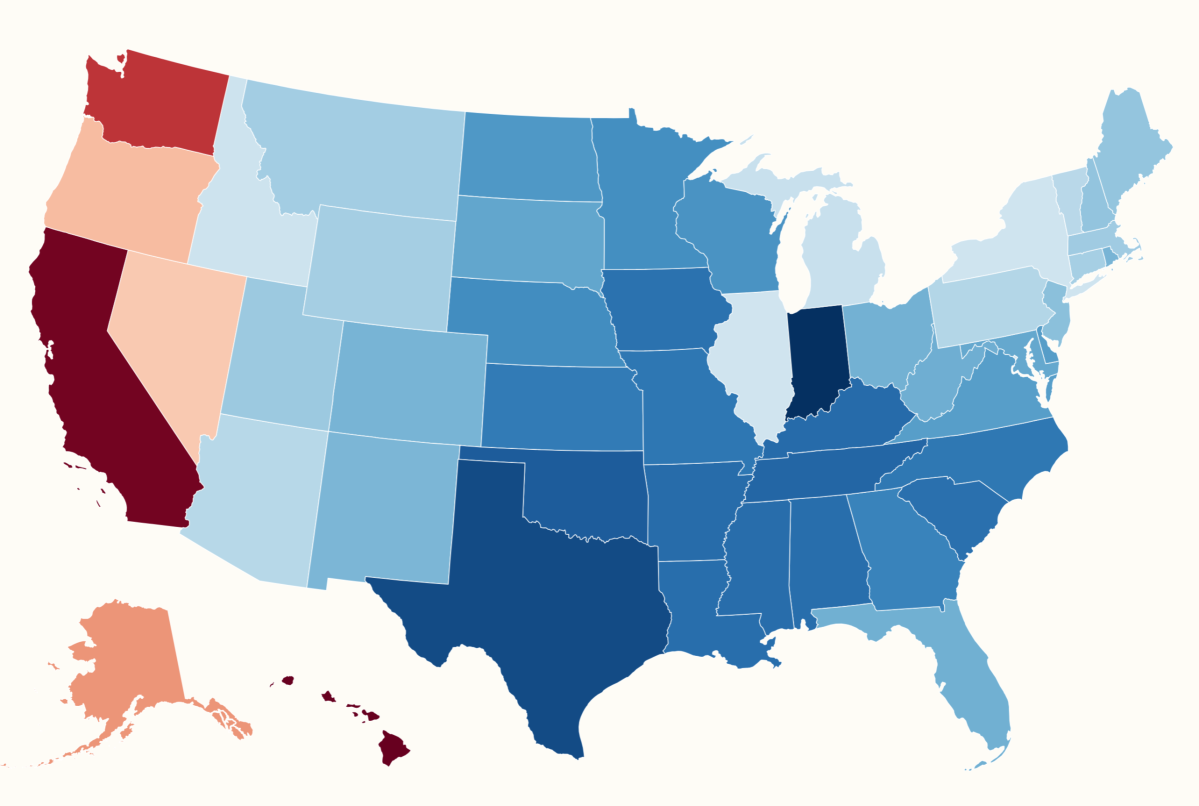
National average gas price dropped to $3.85 per gallon, down from $4.36 a month ago.
Indiana currently has the lowest gas prices in the U.S. at $3.18 per gallon.
Hawaii and California have the highest prices, at $5.47 and $5.43 per gallon respectively.
Gas prices vary widely by state due to taxes, demand, and proximity to refineries.
Recent increases in global oil prices followed supply disruptions caused by conflicts involving Iran.
President Trump accused oil companies of price gouging by not lowering pump prices in line with falling oil costs.
The Justice Department will investigate these price gouging claims.
California is increasing fuel taxes despite some states suspending theirs during the conflict period.
Read the Original
Want the full story? Tap a source to open the original
article.
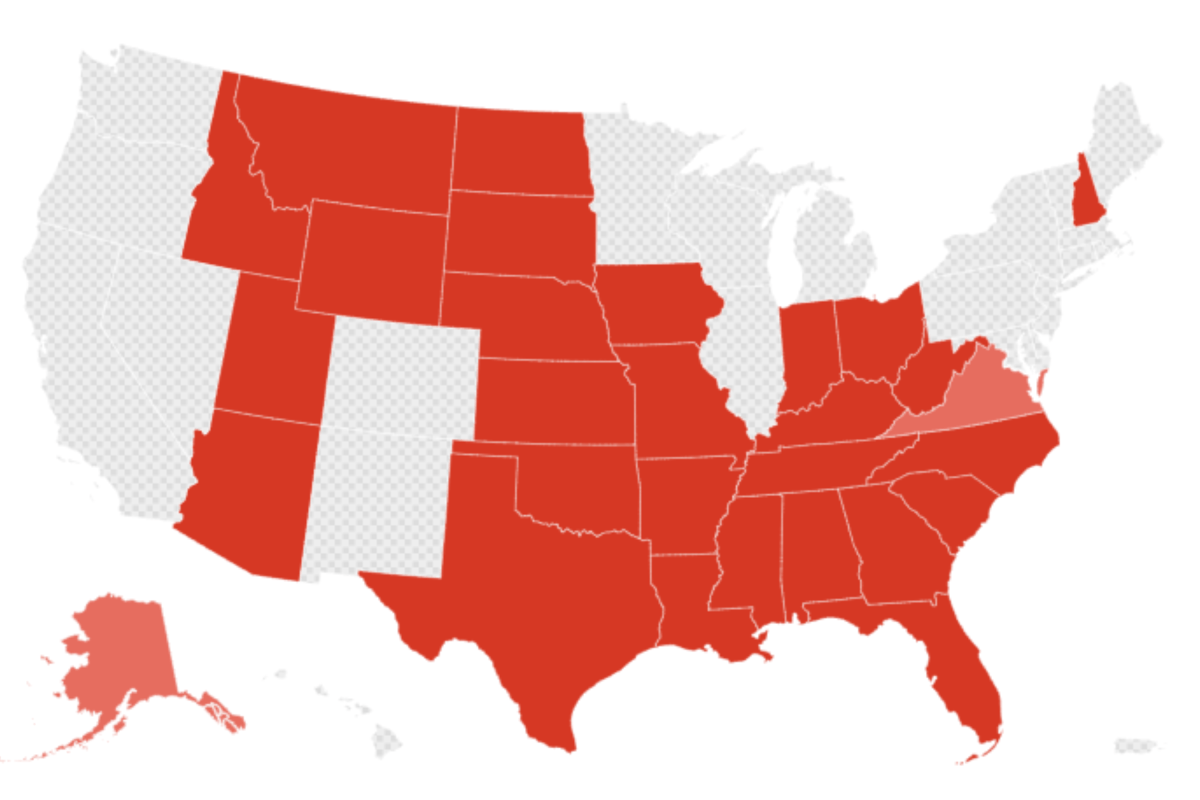
The U.S. Supreme Court ruled that schools can restrict participation in girls' and women's sports based on biological sex, upholding bans on transgender athletes in Idaho and West Virginia. This decision supports laws in about 27 states that limit transgender athletes' participation and aligns with policies promoted by President Donald Trump's administration.
Key Facts
The Supreme Court ruled that schools may decide sports eligibility using biological sex, not gender identity.
The ruling involved two cases: Idaho’s and West Virginia’s bans on transgender girls playing on female sports teams.
Justice Brett Kavanaugh wrote the court’s opinion, joined by four conservative justices.
Some liberal justices dissented, expressing disagreement with parts of the ruling.
Around 27 states have laws restricting transgender athletes from competing on teams matching their gender identity.
President Trump signed an executive order stating gender identity cannot replace biological sex for legal purposes.
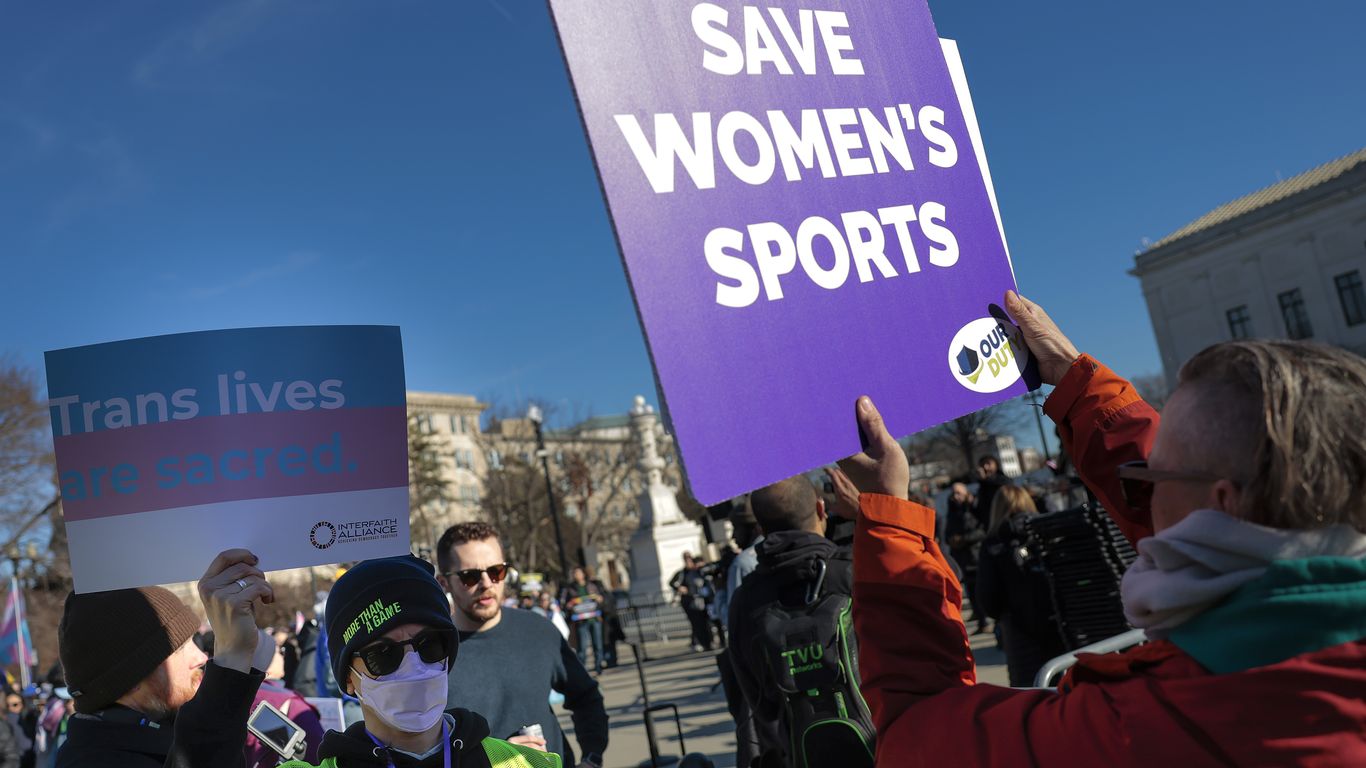
Supporters of the bans argue they protect fairness and safety in girls' sports.
Opponents say the bans unfairly discriminate against transgender athletes and harm their rights.
Read the Original
Want the full story? Tap a source to open the original
article.
The Supreme Court ruled 6-3 to allow states to ban transgender girls from competing in girls' sports teams. This decision reverses earlier court rulings and supports laws in 29 states that restrict transgender female athletes from participating based on their gender identity.
Key Facts
The decision was written by Justice Brett Kavanaugh and came on June 30, 2026.
It upholds bans from West Virginia, Idaho, and 27 other states.
The Supreme Court rejected arguments that these bans violate Title IX and the 14th Amendment, which protect against sex discrimination.
Medical research shows males usually have physical advantages such as more muscle and larger hearts after puberty, which is used to justify the bans.
Some transgender athletes, like Becky Pepper Jackson in West Virginia, oppose the bans because they have not gone through male puberty.
21 states allow transgender girls to compete on girls' teams and have laws protecting their rights to do so.
The ruling affects about 122,000 transgender teenagers who play sports in the U.S.
The decision marks the first time the Supreme Court has ruled on the issue of transgender participation in sports.
Read the Original
Want the full story? Tap a source to open the original
article.
Special envoy Steve Witkoff and President Donald Trump’s son-in-law Jared Kushner will meet with Qatari leaders in Doha to continue talks related to Iran. They will meet with Qatar’s Prime Minister, Sheikh Mohammed bin Abdulrahman bin Jassim Al Thani, but will not have direct talks with Iran on Tuesday.
Key Facts
Steve Witkoff is a special envoy involved in talks about Iran.
Jared Kushner, President Trump’s son-in-law, is part of the delegation.
The meeting takes place in Doha, the capital of Qatar.
Qatar’s Prime Minister Sheikh Mohammed bin Abdulrahman bin Jassim Al Thani will attend the meeting.
Discussions focus on ongoing issues involving Iran.
There will be no direct meetings with Iranian officials on this day.
Qatar is acting as a mediator in the regional dialogue.
The talks are part of broader efforts to address regional tensions.
Read the Original
Want the full story? Tap a source to open the original
article.
The Supreme Court ruled that states can ban transgender girls from participating in girls' school sports teams. The court said these bans do not break federal laws like Title IX or the Equal Protection Clause.
Key Facts
The case is called West Virginia v. B.P.J.
The court's decision was 6-3 in favor of allowing the bans.
Justice Brett Kavanaugh wrote the majority opinion.
The court also upheld a similar Idaho law in Little v. Hecox.
All justices agreed the bans are allowed under Title IX, but some disagreed on their constitutionality.
Justice Sonia Sotomayor and two others dissented, saying the court made the decision without all facts.
Supporters say separate sports teams by sex protect fairness for girls.
Opponents say the bans discriminate against transgender students.
Read the Original
Want the full story? Tap a source to open the original
article.
The US Supreme Court decided that states can stop transgender women from playing on female school and college sports teams. This ruling supports laws in states like Idaho and West Virginia that require sports teams to be based on the sex listed at birth.
Key Facts
The Supreme Court allowed states to ban transgender women from female school and college sports.
Idaho and West Virginia passed laws making sports teams follow birth sex.
One legal challenge argued the ban breaks US Constitution equal rights protections.
Another challenge said the ban conflicts with civil rights laws.
Over 25 states have made similar bans since 2020.
Lindsay Hecox, a transgender long-distance runner, challenged the Idaho law in court.
Earlier courts had blocked the Idaho law, saying the state lacked proof the ban supports fairness for women athletes.
President Donald Trump has made banning transgender women in women’s sports a focus of his 2024 campaign and signed an executive order on this issue.
Read the Original
Want the full story? Tap a source to open the original
article.
Texas Democrats say new polls show their candidate, James Talarico, is tied with Republican Ken Paxton in the Senate race. Texas has not chosen a Democratic senator since 1988.
Key Facts
James Talarico is the Democratic candidate for the Texas Senate seat.
Ken Paxton, the current Republican Attorney General of Texas, is running for the Senate seat.
Recent polls suggest a close contest between Talarico and Paxton.
Texas has not elected a Democratic senator in over 30 years (since 1988).
Kendall Scudder is the chair of the Texas Democratic Party.
Scudder spoke about the race on CBS Morning News.
Democrats believe they are making important progress in this election.
Read the Original
Want the full story? Tap a source to open the original
article.
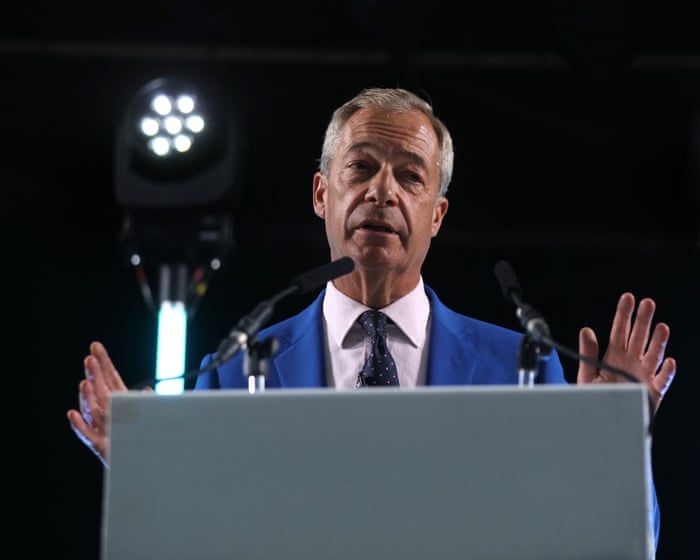
Nigel Farage, leader of the Reform UK party, received £270,000 in May from Direct Bullion, a gold company he promotes as a brand ambassador. He is under investigation by the parliamentary watchdog over this payment and other financial gifts linked to his political work.
Key Facts
Nigel Farage received £270,000 from Direct Bullion, his largest payment as an MP.
Direct Bullion sells physical gold and promotes investing it through pension plans.
Farage has previously earned £91,200 and £135,000 from Direct Bullion for shorter work periods.
He claimed the £270,000 payment was a gift and initially said it did not need to be declared.
Farage is facing a formal investigation over why he received the money and its disclosure.
The payment works out to an hourly rate of about £22,500.
Farage also earns money from presenting on GB News and doing social media work for companies like Google and X.
Other Reform party members have registered social media work for platforms like X (formerly Twitter).
Read the Original
Want the full story? Tap a source to open the original
article.