Neutral summaries of your favorite news sources — just the facts.
Your favorite news sources, one neutral feed — we distill their reporting into fact-first
summaries and always link to the original story. How it works
New research shows that how much you sleep may affect your risk of Alzheimer’s disease, especially if you have certain genes linked to the illness. The study found that poor sleep and specific gene variants can work together to cause brain changes years before any symptoms appear.
Key Facts
The study focused on the AQP4 gene, which helps clear waste from the brain during sleep.
Researchers studied 351 adults in their mid-70s who showed early signs of Alzheimer’s-related protein buildup.
People with some AQP4 gene variants lost brain volume faster if they slept less or had poor sleep quality.
Sleep problems, like taking longer to fall asleep, were linked to changes in brain structure and thinking abilities.
The study suggests sleep can change how genetic risk affects Alzheimer’s development over time.
Experts say this research supports the idea that both genes and lifestyle play roles in disease risk.
The research was published in the June 2026 issue of Alzheimer’s & Dementia.
Scientists caution that genetic testing for Alzheimer’s based on these findings is not yet ready for medical use.
Read the Original
Want the full story? Tap a source to open the original
article.
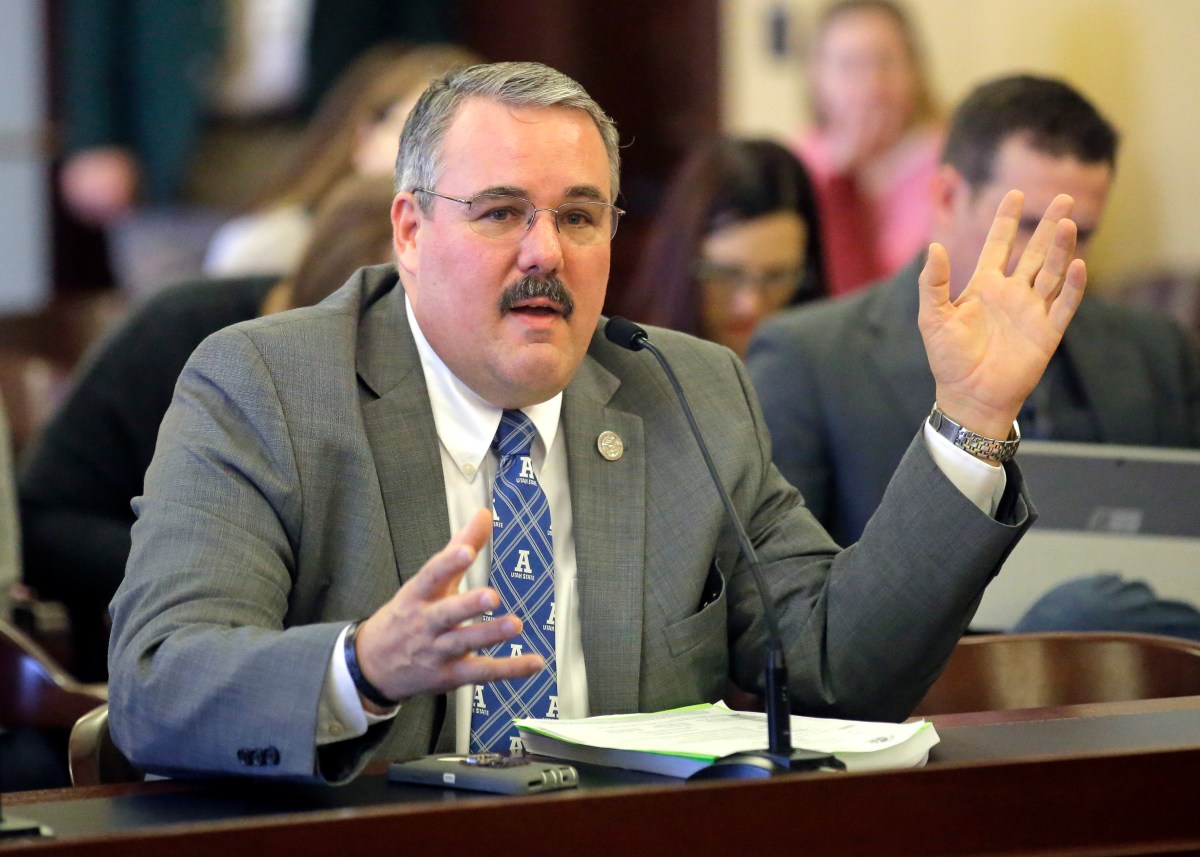
Voter opposition to large data center projects is influencing local and state elections in the U.S. In Utah, several elected officials lost their primary races after supporting the proposed Stratos data center near the Great Salt Lake, reflecting widespread public concerns about these developments.
Key Facts
Utah State Senate President J. Stuart Adams lost his primary election after backing a major data center project called Stratos.
The Stratos project would be one of the largest data centers in the world and require more electricity than Utah currently uses.
Local officials who supported the project in Box Elder County also lost their elections.
Many Americans oppose data centers near their communities due to concerns about water use, energy demand, land use, and government subsidies.
Surveys show that around 57-70% of Americans oppose building new data centers close to where they live.
Data centers were once seen as economic benefits but are now creating political challenges for politicians nationwide.
Some cities, like Festus in Missouri, have seen local officials voted out after supporting large data center proposals.
The issue reflects a growing conflict between the demand for AI infrastructure and local environmental and resource concerns.
Read the Original
Want the full story? Tap a source to open the original
article.
JD Vance, the US vice-president, is leading a delicate peace deal with Iran amid ongoing conflict. This role risks his political future as the deal faces criticism and pressure from President Donald Trump’s remarks and hawkish members of his party.
Key Facts
JD Vance is the US vice-president and the main negotiator in a ceasefire deal with Iran.
His involvement in the Iran deal marks the highest-level US-Iran engagement since 1979.
Vance opposes “forever wars” but supports the current Middle East military intervention.
The Iran deal includes sanctions relief and release of frozen Iranian assets.
Some members of Vance’s party criticize him for being too trusting of Iran.
President Trump has threatened to resume attacks on Iran, complicating diplomatic efforts.
Vance tries to manage Trump’s harsh statements about Iran during negotiations.
Vance hopes the deal will help restore his image and political standing ahead of a possible 2028 presidential run.
Read the Original
Want the full story? Tap a source to open the original
article.
The United States has proposed a plan to use $12 billion of Iran’s frozen assets to buy American agricultural products, which would then be sent to Iran. Negotiations between the US and Iran are ongoing, but Iran has not agreed to conditions that limit how it can spend the funds.
Key Facts
The US wants Iran’s frozen money to be used to buy food like corn, wheat, and soybeans from American farmers.
The money will be kept in a controlled account overseen by the US and used only for food and medical supplies.
Iran’s officials say they have not agreed to US conditions and want the freedom to decide how to spend their funds.
Iran’s foreign ministry insists purchases will be based on fair prices and not terms dictated by the US.
The two countries have had a difficult relationship for decades, with very limited trade mostly for humanitarian needs.
Any agreement over how Iran’s money is spent may require long and complex negotiations.
Some US lawmakers and companies are cautious about restarting trade with Iran due to political risks.
President Donald Trump stated that the deal would help American farmers and address a humanitarian crisis in Iran.
Read the Original
Want the full story? Tap a source to open the original
article.
A woman in New York City woke up several times unable to breathe and found an oyster mushroom growing under her bed. The mushroom’s spores can cause breathing problems and lung inflammation if inhaled for a long time. She removed the mushroom and is working with her landlord to resolve the issue.
Key Facts
Amelia Axelrod woke up at night unable to breathe and felt chest tightness.
She went to urgent care but did not get a medical solution.
She discovered a large oyster mushroom growing out of the floorboard under her bed.
Oyster mushrooms release tiny spores that can cause asthma-like symptoms when inhaled.
Long exposure to these spores can cause a lung condition called hypersensitivity pneumonitis.
The mushroom likely grew from spores entering through open patio doors or leaks.
Axelrod has removed the mushroom and her landlord is assisting her.
She is monitoring the situation to avoid further health problems.
Read the Original
Want the full story? Tap a source to open the original
article.
Tech companies like Google, Amazon, Microsoft, and Nvidia are addressing concerns about their data centers’ water use as part of the growing AI industry. They are promoting efforts to reduce and manage water consumption, such as recycling water and using new cooling methods. Public worries about water and energy use are influencing policies and debates worldwide.
Key Facts
Major tech companies are working to explain and reduce water use in AI data centers.
Google, Amazon, and Microsoft have water replenishment projects and use recycled water for cooling.
Nvidia says its new technology can greatly reduce water concerns.
About 70% of U.S. people oppose data centers in their communities mainly due to water and energy use.
Virginia lawmakers are moving to restrict water-heavy cooling methods in data centers.
Data centers use less water overall than many other big industries.
Experts warn that local water use matters most, especially in drought areas.
Water cooling uses less electricity than air cooling, but uses more water, creating a tradeoff.
Read the Original
Want the full story? Tap a source to open the original
article.
Inspectors found several bodies in poor condition at Nottingham University Hospitals NHS trust’s mortuary because they were not put in freezers on time. The trust, facing a large investigation into maternity care failures, admitted it lacks enough storage and is working on fixing these problems.
Key Facts
Eight bodies were found in advanced decay during a March inspection at Nottingham’s NHS trust mortuary.
The bodies were not transferred to freezers quickly enough, causing decomposition.
Identification wristbands were sometimes not checked, risking the wrong body being given to families.
The trust is central to the NHS’s biggest maternity care investigation, involving more than 500 mothers and babies harmed or died between 2012 and 2025.
A report by midwife Donna Ockenden highlighted systemic failings at the trust and detailed poor treatment of families.
The trust’s chief executive apologized and accepted responsibility for the mortuary issues.
The trust has created an action plan with independent oversight to improve mortuary services and maintain its regulatory license.
Two men were arrested and bailed on suspicion of misconduct related to mortuary practices as part of a police inquiry called Operation Perth.
Read the Original
Want the full story? Tap a source to open the original
article.
A UK report has revealed a major scandal in maternity care within the National Health Service (NHS), called the Nottingham maternity care scandal. The report found long-term failures in care that caused serious harm or death to over 500 mothers and babies, especially affecting women of color and teenagers.
Key Facts
The report reviewed 2,500 childbirth cases from 2012 to 2025.
There were “deeply rooted and systemic” failures in the NHS maternity services.
Women and families raising concerns were often ignored.
Women of color and teenage mothers were particularly affected.
Chronic understaffing was a key problem contributing to poor care.
More than 500 babies and mothers died or suffered serious harm.
NHS leaders knew about the problems but did not take action for over ten years.
Calls are being made for a public inquiry to hold those responsible accountable.
Read the Original
Want the full story? Tap a source to open the original
article.
US Secretary of State Marco Rubio visited Gulf countries to reassure them that the United States will protect their interests while negotiating a peace deal with Iran. The Gulf states have been concerned because Iran attacked them with missiles and drones during a recent conflict and blocked important oil and gas routes.
Key Facts
Marco Rubio is the US Secretary of State.
He is on a tour in the Gulf region to meet with local governments.
The talks with Iran aim to end the Middle East war.
Iran used missiles and drones against Gulf states during the conflict.
Iran blocked the Strait of Hormuz, a key path for oil and gas transport.
Gulf countries rely heavily on oil and gas shipments through this area.
The US wants to assure Gulf allies that their safety and interests are a priority during the negotiations with Iran.
Read the Original
Want the full story? Tap a source to open the original
article.
Even though big U.S. economic numbers like GDP and unemployment look good, many Americans feel their daily costs, such as food and gas, are too high and unpredictable. A new Democratic-led project is studying how these price changes affect families to help shape policies that address these everyday struggles.
Key Facts
Overall U.S. economy indicators like GDP and unemployment are strong.
Many Americans feel economic conditions are poor because day-to-day costs are high and unstable.
The "Kitchen Table Project" is led by White House economic adviser Lael Brainard and former Consumer Financial Protection Bureau chief Rohit Chopra.
The project studies how families with median incomes handle changes in prices for food, gas, and health care.
Even with slower overall inflation, key items have become less affordable for many households.
Rising wages and tax cuts have not fully balanced out increased living costs.
Over half of survey respondents said beef prices caused the most stress when shopping for groceries.
Factors raising beef prices include droughts, industry consolidation, tariffs, and a parasite affecting cattle.
Read the Original
Want the full story? Tap a source to open the original
article.
A car drove into a crowd of people celebrating Mexico's 3-0 World Cup win over Czechia in Los Cabos, Mexico. At least 17 people were hurt, including the driver, who is now in custody.
Key Facts
The incident happened around 9:05 p.m. local time in Cabo San Lucas, on Lázaro Cárdenas Boulevard.
A black car accelerated into a crowd of Mexican soccer fans celebrating the win.
At least 17 people were injured and taken to local hospitals, including the driver.
The driver is in custody, and the reasons for the incident are not yet known.
The Mexican Football Federation expressed support for the injured and their families.
Local authorities are handling the investigation and medical care.
This incident occurred during celebrations for Mexico’s victory over Czechia in the World Cup.
Read the Original
Want the full story? Tap a source to open the original
article.
Two strong earthquakes, measuring 7.2 and 7.5 in magnitude, hit northern Venezuela near Caracas on June 24, 2026. The quakes caused many deaths and injuries, destroyed homes and buildings, and led to rescue efforts and a state of emergency declaration.
Key Facts
The earthquakes struck Yaracuy state, west of Caracas.
The first quake was magnitude 7.2 at a depth of 22 km (14 miles).
The second quake followed less than a minute later, magnitude 7.5 at about 10 km (6 miles) deep.
Nearly two dozen aftershocks happened after the main quakes.
Many buildings collapsed, especially in Caracas and La Guaira.
At least dozens of people were killed and hundreds injured.
Acting President Delcy Rodriguez declared a state of emergency.
La Guaira, a port city on the Caribbean coast, was called a “disaster zone” with ongoing rescue efforts.
Read the Original
Want the full story? Tap a source to open the original
article.
Two strong earthquakes struck western Venezuela, killing at least 32 people and causing widespread damage. Many countries have expressed condolences and offered help as Venezuela deals with this disaster.
Key Facts
Two earthquakes measured magnitude 7.2 and 7.5 hit near Moron, Venezuela, about 168 km west of Caracas.
The US Geological Survey warned of likely high casualties and extensive damage.
Venezuelan authorities declared a state of emergency and closed the Simon Bolivar International Airport.
Argentina, Bolivia, Brazil, Colombia, Cuba, Ecuador, El Salvador, Italy, Mexico, Panama, and Pakistan have all offered support or aid.
Colombia confirmed no damage in its capital after feeling the earthquake.
Cuba’s health workers in Venezuela are providing medical help to those affected.
Several countries are sending or preparing to send humanitarian aid and rescue teams to Venezuela.
Read the Original
Want the full story? Tap a source to open the original
article.
President Donald Trump started the 16-day celebration of the United States’ 250th anniversary with a political rally on the National Mall in Washington, D.C. The event doubled as a campaign-style rally and highlighted ongoing debates about his leadership and plans for the government.
Key Facts
The celebration marks 250 years since the founding of the United States.
The kickoff event lasted 16 days.
President Trump led the opening event on the National Mall.
The event resembled a political campaign rally.
The celebration included controversy due to President Trump’s political style and policies.
The event reflects President Trump’s efforts to change Washington’s political landscape.
The National Mall is a key location for national events in Washington, D.C.
The anniversary is a significant national milestone celebrated with various festivities.
Read the Original
Want the full story? Tap a source to open the original
article.
Senator Ron Wyden and 14 Democrats are proposing a bill to put a $5,000 cap on how much people in traditional Medicare must pay out of their own pockets. The bill aims to help Medicare enrollees avoid very high costs, especially for expensive medical conditions, but it faces challenges in Congress.
Key Facts
The bill would limit out-of-pocket costs for traditional Medicare enrollees to $5,000 per year.
Currently, traditional Medicare has no cap on out-of-pocket spending, which can lead to very high expenses for some patients.
About 43% of traditional Medicare users buy extra insurance called Medigap to help cover costs.
Medigap insurance premiums have been rising quickly and can be expensive, especially for couples.
Medicare Advantage plans have a $9,250 out-of-pocket limit and offer extra benefits like eyeglasses and hearing aids.
Medicare Advantage plans are supported by Republicans for using private companies to manage care and control costs.
The bill also includes help for lower-income older adults by removing some financial tests for assistance programs.
Democrats see this bill as a way to address healthcare costs ahead of the November election, but passage is uncertain.
Read the Original
Want the full story? Tap a source to open the original
article.
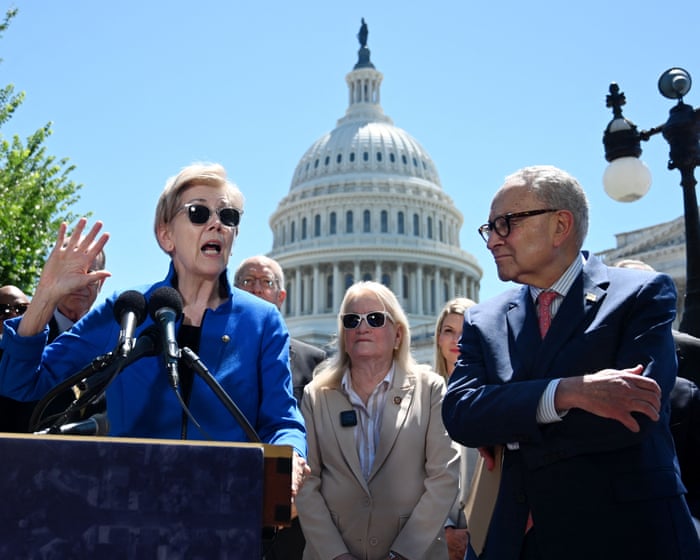
Senator Elizabeth Warren criticized the wave of large corporate mergers approved by the Trump administration, especially a recent deal merging two major U.S. news companies controlled by a family close to President Trump. She warned that future administrations after the 2028 election might reverse these mergers because of concerns about media bias and the effects of big corporations on consumers.
Key Facts
Senator Elizabeth Warren expressed concern about mergers approved under President Trump’s administration.
A $111 billion merger involving Warner Bros Discovery (owner of CNN and HBO) and Paramount Skydance (owner of CBS News) was recently approved.
The Ellison family, allies of President Trump, control Paramount Skydance and could influence news coverage.
There are fears the mergers might reduce independent, unbiased news reporting.
Some state attorneys general are considering lawsuits against the media merger but have not yet acted.
Other large mergers approved under President Trump include Nippon Steel buying US Steel and Omnicom merging with Interpublic.
Warren suggested the Trump administration favored big corporations that support it politically.
Other Senate Democrats, like Senator Chris Murphy, have also vowed to challenge these mergers if their party regains power.
Read the Original
Want the full story? Tap a source to open the original
article.
AI tools called Codex are being used more for doing tasks automatically at work and home. While most people still talk to chatbots, some users are increasingly letting these AI agents handle complex jobs like managing calendars and writing code.
Key Facts
Codex is an AI platform by OpenAI designed to perform work tasks automatically.
OpenAI employees use Codex for nearly all their AI tasks, while outside groups and individuals use it less.
The share of non-OpenAI organizations using Codex rose from almost zero in August 2025 to about 17% in early 2026.
Among individual Codex users, many delegate work equal to over 30 minutes to more than eight hours of human work.
Non-developers (people who don't code professionally) are the fastest-growing users of Codex, though coding remains the main use.
Since early 2026, agents like Codex have started managing desktop files, calendars, browsers, and running scripts for users.
Less than 1% of daily active users on ChatGPT or Codex plans currently use Codex.
Users report that AI agents reduce mental effort, helping them start tasks sooner and worry less about unfamiliar work.
Read the Original
Want the full story? Tap a source to open the original
article.
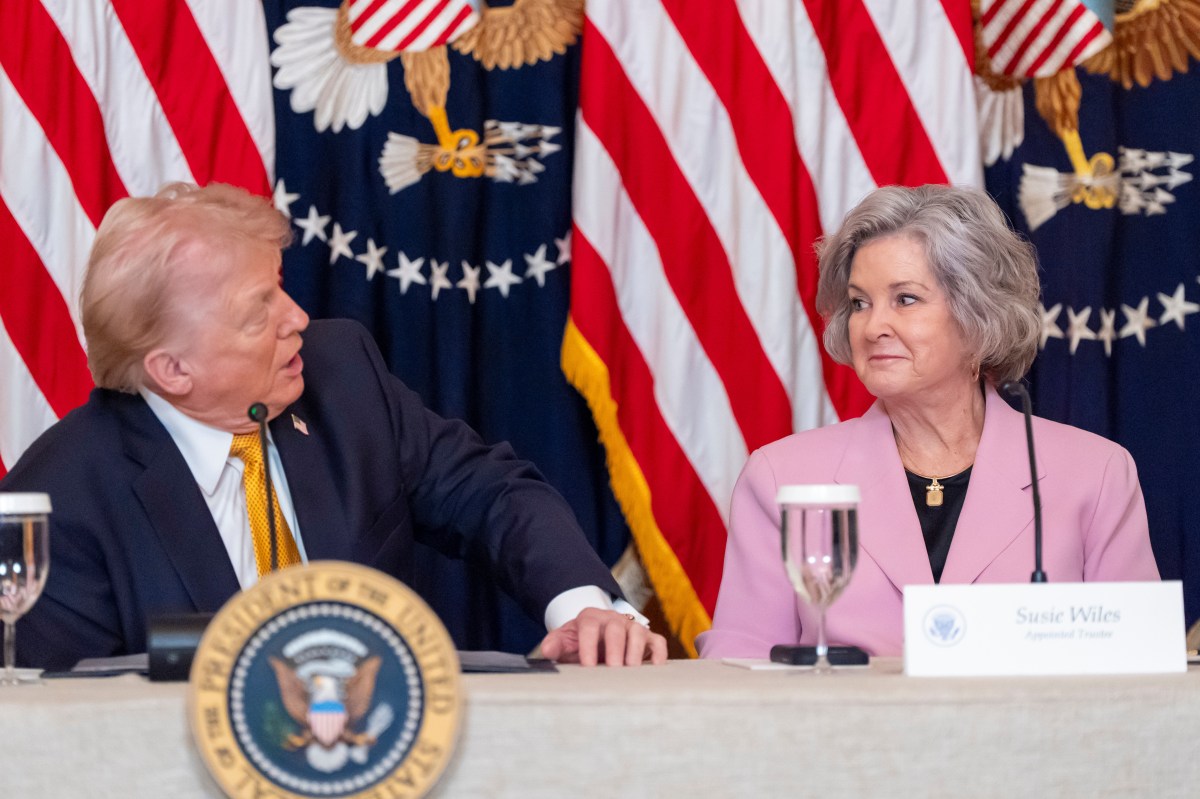
Susie Wiles has served as President Donald Trump’s White House chief of staff since January 2025, becoming the longest-serving person in that role across both of Trump’s terms. Her time in office reflects a more stable second term compared to the high staff turnover in Trump’s first presidency.
Key Facts
Susie Wiles became chief of staff on January 20, 2025.
She has served longer than John Kelly, the longest-serving chief of staff in Trump’s first term.
Trump’s first term had four chiefs of staff and high senior staff turnover of about 92%.
In Trump’s second term, cabinet turnover through 2025 was zero, and senior staff turnover was 29%, lower than the first term but still above historical norms.
Wiles helped manage Trump’s 2024 presidential campaign and worked on Ron DeSantis’s 2018 Florida governor campaign.
She is seen as loyal to Trump and has a strategy of letting him lead while managing issues quietly.
Experts say Wiles has reduced internal conflicts compared to the first term.
Trump called Wiles “one of the best White House chiefs of staff ever in history.”
Read the Original
Want the full story? Tap a source to open the original
article.
President Donald Trump has warned Germany and Japan to change their practices of controlling drug prices, which he says unfairly shift the costs of new medicine development onto American patients and companies. The U.S. recently made a deal with the United Kingdom to pay more for medicines but plans to investigate Germany and Japan if they do not change their policies.
Key Facts
Germany and Japan use government price controls to keep payments for new U.S. drugs low.
Germany sets drug prices based on whether a medicine offers an added benefit compared to older treatments, often lowering prices.
Japan lowers prices on innovative drugs every year, even during patent protection, sometimes by up to 50%.
These pricing methods reduce profits for U.S. drug companies and shift the cost of research onto Americans.
Biopharmaceutical companies earn around 75% of their global profits in the U.S., despite it being only 25% of the world economy.
President Trump’s administration made a deal with the U.K. to increase drug spending and reduce rebate policies.
Germany is moving forward with stricter drug price rules that include more rebates and limits on innovation payments.
Japan is also planning tighter price controls and more frequent price cuts on innovative medicines.
The U.S. is threatening formal trade investigations if Germany and Japan do not change their drug pricing policies.
Read the Original
Want the full story? Tap a source to open the original
article.
A strong heatwave is hitting Europe, with over 100 million people experiencing very high temperatures above 35°C (95°F). In France, tourists on the Champs-Élysées and workers are seeking ways to stay cool as the heat records continue to break.
Key Facts
More than 101 million people in Europe will face temperatures over 35°C on Thursday.
Around 50 million people in France will experience these high temperatures.
The heatwave is described as intense and is affecting many parts of the continent.
Tourists in Paris are going into air-conditioned shops to avoid the heat.
Workers are adjusting their routines to cope with the extreme temperatures.
France recently had its hottest day since weather records began in 1947.
The Champs-Élysées, a famous street in Paris, is one of the places affected by the heat.
The weather situation is causing concern and changes in daily life across Europe.
Read the Original
Want the full story? Tap a source to open the original
article.