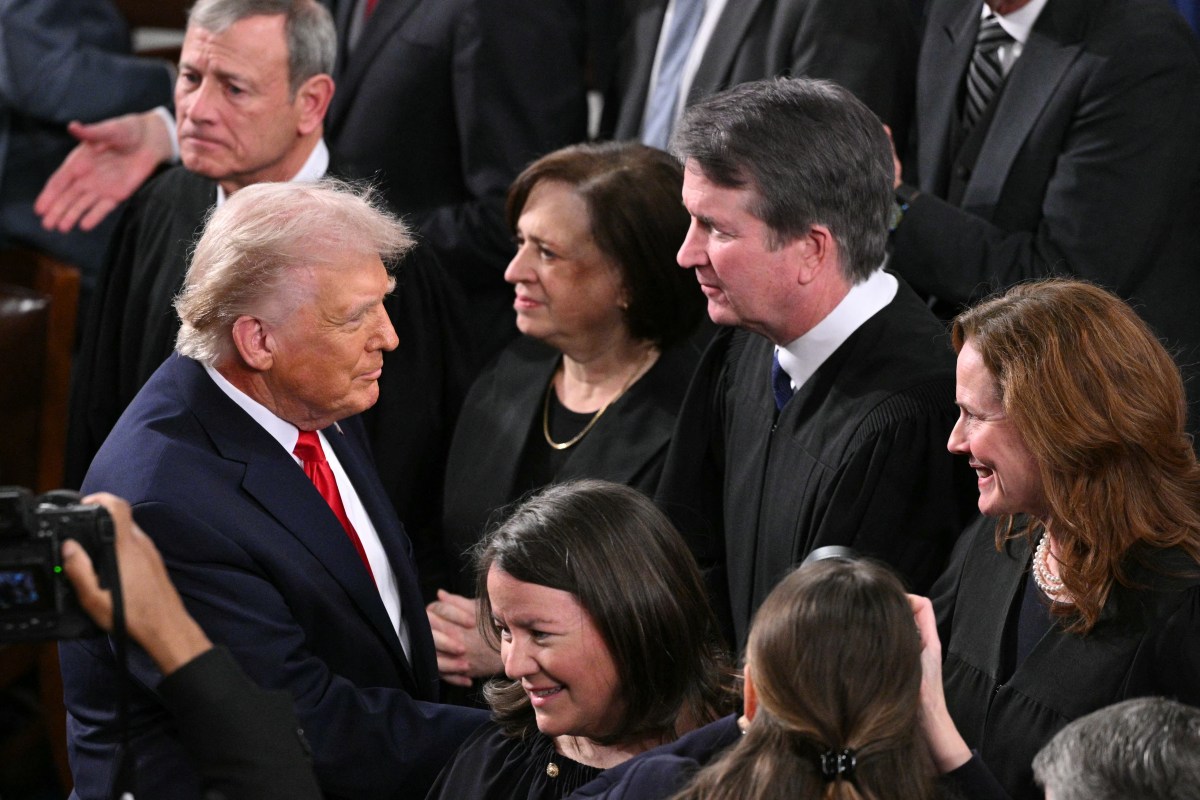
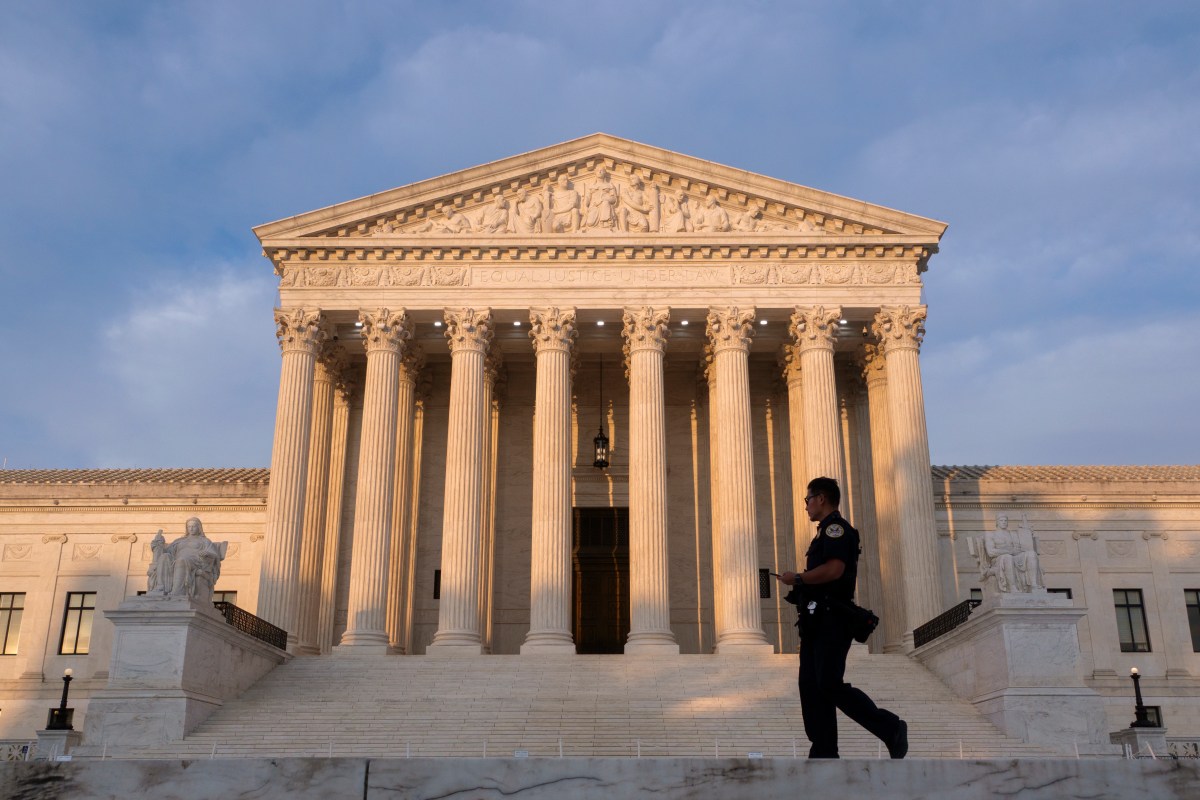
The Supreme Court decided that President Trump's administration can end temporary legal protections for many Haitians and Syrians living in the U.S. The court ruled that lower federal judges cannot stop this decision by reviewing the challengers’ claims.
Key Facts
The Supreme Court voted 6-3 in favor of the Trump administration.
The ruling allows ending temporary protected status (TPS) for Haitians and Syrians.
TPS is a program that gives temporary legal status and protection from deportation.
Federal judges do not have the power to block the administration’s decision in this case.
The decision supports President Trump’s efforts to reduce immigration.
Thousands of Haitians and Syrians currently benefit from TPS.
Ending TPS could force these people to leave the United States.
The case involved legal challenges against the administration's plan to end these protections.
Read the Original
Want the full story? Tap a source to open the original
article.
New York Assembly member Claire Valdez, running for Congress in New York’s 7th District, responded to criticism from Senator John Fetterman. She emphasized that the Democratic Party welcomes many different views and highlighted her recent election victory.
Key Facts
Claire Valdez is a New York State Assembly member and Democratic nominee for the 7th Congressional District.
Senator John Fetterman criticized her campaign and some democratic socialist candidates.
Valdez said the Democratic Party is a “big-tent party,” meaning it includes a wide range of ideas and members.
She focused on her recent win as a sign of strong support from voters.
The exchange highlights differing opinions within the Democratic Party.
Read the Original
Want the full story? Tap a source to open the original
article.
Poland and Ukraine opened the annual Ukraine Recovery Conference in Gdansk with a friendly tone despite recent disagreements over historical issues. Ukraine’s Prime Minister Yulia Svyrydenko attended instead of President Zelensky, and leaders called for strong Western support to help rebuild Ukraine after the war with Russia.
Key Facts
The conference focuses on rebuilding Ukraine’s economy after damage from the Russian invasion.
President Zelensky did not attend due to a dispute with Poland over a military naming decision linked to historical conflicts.
Ukrainian Prime Minister Yulia Svyrydenko represented Kyiv and spoke in a conciliatory manner without addressing the historical tensions.
Polish Prime Minister Donald Tusk emphasized hope for Ukraine’s recovery and called for Western investment.
Poland has taken in over one million Ukrainian refugees since the war began in 2022 and supports Ukraine joining the European Union.
Anti-Ukrainian sentiment has grown in Poland, with nearly 60% of Poles opposing Ukraine’s EU membership according to a recent poll.
Security was very tight in Gdansk due to concerns about possible provocations connected to the ongoing conflict.
Ukraine estimates that it needs over $500 billion for reconstruction and is seeking international support and investment.
Read the Original
Want the full story? Tap a source to open the original
article.
This article compares how much interest you can earn on $45,000 placed in either a certificate of deposit (CD) or a high-yield savings account over one year. Both have similar interest rates and federal insurance, but the CD offers a fixed rate while the savings account’s rate can change.
Key Facts
Both CDs and high-yield savings accounts currently offer around 4% interest.
Both types of accounts are insured by the FDIC up to $250,000.
A 3-month CD at 3.95% would earn about $437.94 in interest on $45,000.
A high-yield savings account at 4.10% after three months would earn $454.32, slightly more than the CD.
At six months, both accounts would earn the same interest, about $913.23.
Over nine months, the high-yield savings account earns $33.42 more than the CD.
After one year, the CD at 4.15% would earn $22.50 more than the savings account.
If interest rates rise, a savings account could earn more since its rate changes; if rates fall or stay the same, a CD might be better because its rate is fixed.
Read the Original
Want the full story? Tap a source to open the original
article.
Iran’s Islamic Revolutionary Guard Corps (IRGC) has told commercial ships to use only Iran-approved routes when passing through the Strait of Hormuz. This warning came after Oman announced a new shipping route through the strait, coordinated with the International Maritime Organization, causing tensions during ongoing peace talks between the US and Iran.
Key Facts
The IRGC insists that ships use only routes through the Strait of Hormuz approved by Iran.
Oman announced a new shipping transit route through the strait, coordinated with the International Maritime Organization (IMO).
The dispute covers control and safety of shipping routes in the Strait of Hormuz, a key waterway for global oil and gas transport.
The US and Iran recently signed a memorandum of understanding that paused hostilities and started negotiations regarding the strait.
The strait sees about 20 million barrels of oil and petroleum products shipped daily, which is about one-fifth of the world’s supply.
The strait is bordered by Iran to the north, and Oman and the UAE to the south, and is a narrow but vital route for energy exports.
Iran objects to Oman’s new route, saying it was announced without Iranian approval and threatens safety.
Iran previously issued a map directing ships to pass closer to its coast than before, asserting greater control over the shipping lanes.
Read the Original
Want the full story? Tap a source to open the original
article.
The U.S. Supreme Court ruled 6-3 to allow the Trump administration to end Temporary Protected Status (TPS) for Haitian and Syrian migrants. This decision lets the government remove legal protections and work permits from about 350,000 people while legal challenges continue.
Key Facts
The Supreme Court decision blocks a lawsuit on jurisdictional grounds, meaning courts cannot review the case right now.
The case, Mullin v. Doe, tests whether the Trump administration can end TPS protections for certain groups.
TPS is a program that temporarily protects people in the U.S. from deportation when their home countries have crises like wars or natural disasters.
TPS allows people to live and work legally in the U.S. while the unsafe conditions continue but does not offer a path to citizenship.
To qualify for TPS, people must be from a designated country and have lived continuously in the U.S. during the designation period.
The Department of Homeland Security decides which countries get TPS and can end the program if conditions improve.
Critics argue ending TPS for Haitians and Syrians is unlawful and discriminatory, but the administration says courts have limited ability to review these decisions.
Read the Original
Want the full story? Tap a source to open the original
article.
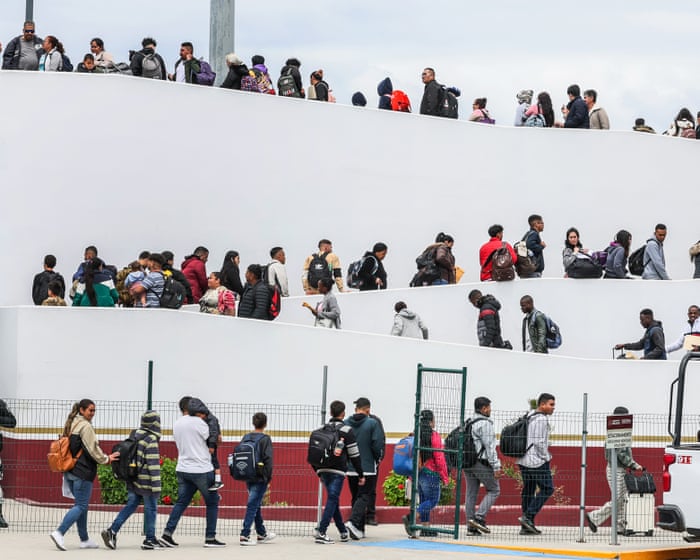
The Supreme Court has allowed the Trump administration to continue turning away asylum seekers at the US-Mexico border, changing how asylum law is applied. The court ruled 6-3 that migrants must physically enter US soil to claim asylum, overturning protections that had allowed them to apply while still at the border.
Key Facts
The Supreme Court ruled 6-3 to let the Trump administration turn back asylum seekers at the border.
The ruling means migrants must set foot on US soil to claim asylum rights.
Justices Kagan, Jackson, and Sotomayor dissented, warning the decision harms people fleeing persecution.
The case started in 2017 and challenges the practice of sending migrants back before they can apply for asylum.
The Biden administration had ended this policy in 2021 but it was reinstated after President Trump’s 2024 election.
The decision focuses on the interpretation of the word “arrive” in immigration law.
Lower courts had previously ruled that turning away asylum seekers before entry was illegal.
The Trump administration sees limiting asylum as key to controlling the southern border.
Read the Original
Want the full story? Tap a source to open the original
article.
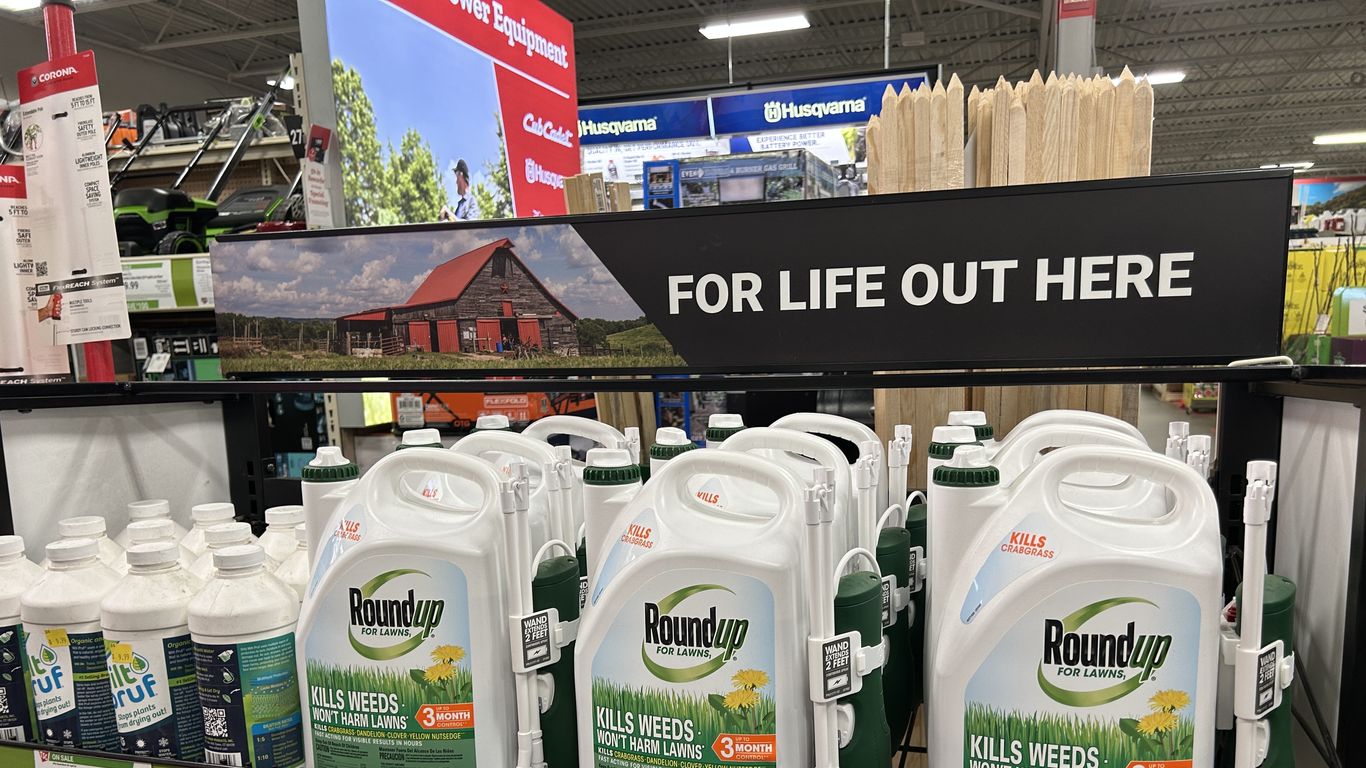
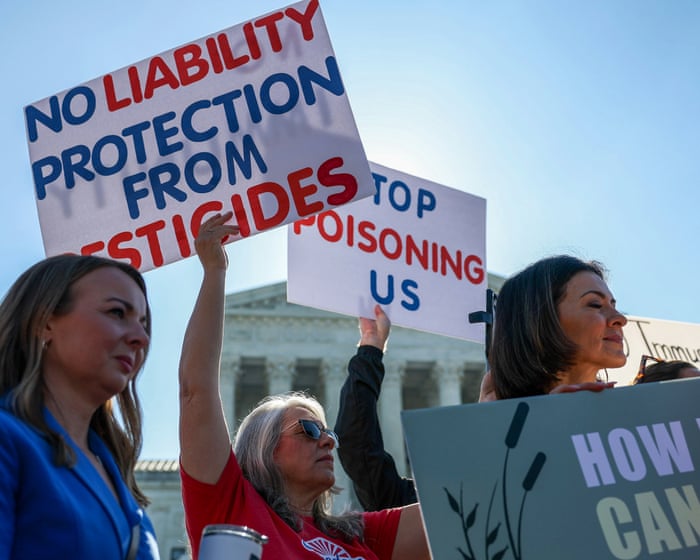
The U.S. Supreme Court ruled that consumers cannot file state court lawsuits claiming manufacturers failed to warn about dangers of their products if federal pesticide law covers the issue. The court blocked a case against Monsanto for not warning about cancer risks linked to its weedkiller Roundup.
Key Facts
The Supreme Court decided 7-2 that federal pesticide law overrides state "failure-to-warn" claims.
The case involved Monsanto, the maker of Roundup, a weedkiller containing glyphosate.
The lawsuit claimed Monsanto should have warned consumers about cancer risks from Roundup.
The Environmental Protection Agency (EPA) regulates pesticides like Roundup and has not labeled glyphosate as harmful.
Justice Brett Kavanaugh wrote the majority opinion supporting the EPA-approved label without cancer warnings.
Justices Ketanji Brown Jackson and Neil Gorsuch disagreed with the decision.
Monsanto stated the ruling supports science, farmers, and industry innovation.
The decision is important for activists concerned about chemical safety in food and the environment.
Read the Original
Want the full story? Tap a source to open the original
article.
The article suggests that people’s support should depend on results, meaning votes should be based on who effectively solves problems. It connects this idea to how democracy works in the United States.
Key Facts
Popularity should come from achieving good results.
Voting should focus on problem-solving abilities.
The idea relates to how democracy functions in the U.S.
The article uses the Knicks’ victory as a metaphor or example.
It emphasizes outcomes rather than just popularity in elections.
Read the Original
Want the full story? Tap a source to open the original
article.
A father of three was deported by U.S. Immigration and Customs Enforcement (ICE) after attending a FIFA World Cup match last summer at the same stadium where the final will be held. He warns other immigrant fans about the risks of attending World Cup games in the United States under current immigration policies.
Key Facts
The man was taken by ICE during a FIFA match in the U.S. last summer.
The stadium where he was seized will also host the World Cup final.
He has three children and remains anonymous for safety reasons.
He is speaking out to warn immigrant fans about potential deportation.
ICE enforcement has increased, causing fear among immigrant communities.
Current U.S. immigration policies are affecting attendance at international sports events.
The story highlights immigrant concerns about attending major public events in the U.S.
The report is by FRANCE 24 journalists and focuses on U.S. immigration enforcement.
Read the Original
Want the full story? Tap a source to open the original
article.
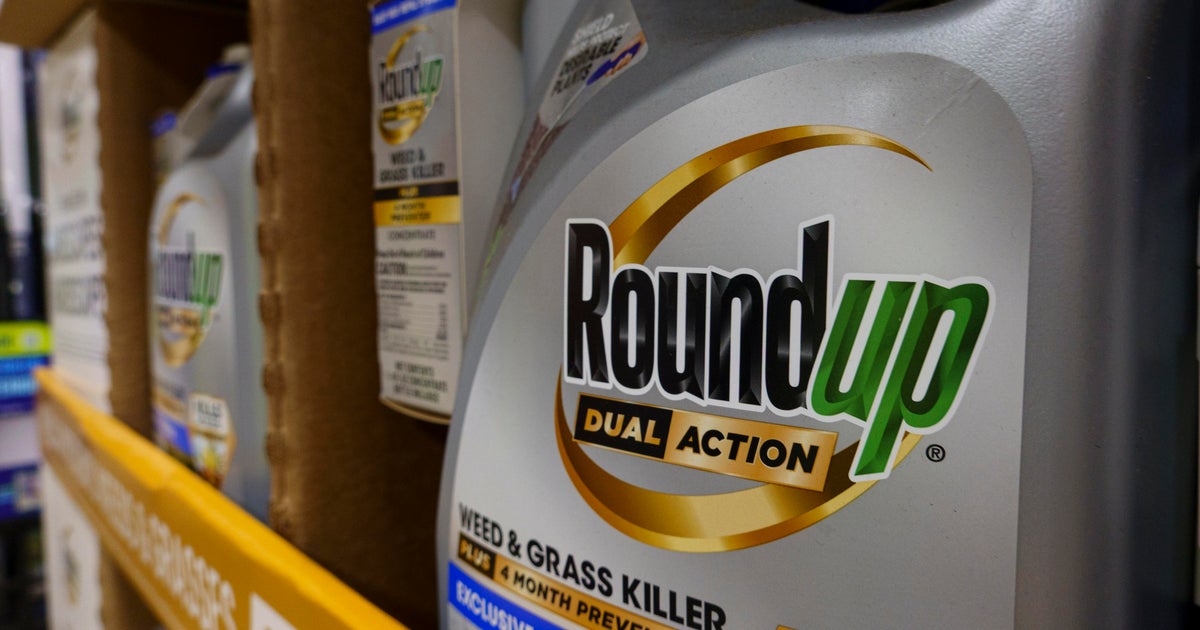
The U.S. Supreme Court ruled 7-2 that Monsanto is not responsible under state laws for not warning consumers about cancer risks on its weedkiller Roundup’s label. The court said federal law controls pesticide labeling and requires using the EPA-approved label, which does not include a cancer warning.
Key Facts
The case is Monsanto Co. v. Durnell.
The ruling says federal pesticide laws prevent state lawsuits about missing cancer warnings on Roundup.
The EPA requires Monsanto to use a label approved by the agency, which does not mention cancer.
Seven justices, including Justice Kavanaugh and Chief Justice Roberts, voted in favor of Monsanto.
Two justices, Ketanji Brown Jackson and Neil Gorsuch, disagreed with the decision.
Bayer owns Monsanto since 2018 and proposed a $7.25 billion settlement for current and future Roundup claims.
The settlement would involve payments over up to 21 years if approved by a Missouri court.
Thousands of users allege Roundup caused non-Hodgkin’s lymphoma, a type of blood cancer.
Read the Original
Want the full story? Tap a source to open the original
article.
A 16-year-old boy was found not guilty of murder and manslaughter in the death of nine-year-old Aria Thorpe. The court heard the fatal injury happened during playfighting, and the boy did not intend to hurt her.
Key Facts
The incident happened on December 15, 2025, in Weston-super-Mare.
Aria Thorpe died from a single stab wound to the chest.
The accused boy was 16 years old and cannot be named because of his age.
The boy said they were playfighting and accidentally stabbed Aria.
He left the house after the injury because he was scared and panicked.
The boy had been expelled from school earlier that day and lost phone access as punishment.
Emergency services found Aria and stopped resuscitation efforts at 18:58 GMT.
Aria’s family described her as lively and bubbly and remembered her last moments with her mother.
Read the Original
Want the full story? Tap a source to open the original
article.
The U.S. Supreme Court ruled 6-3 to strike down a Hawaii law that required people to get permission before carrying guns into stores and hotels. This means people can carry guns on private property open to the public unless the owners specifically ban them.
Key Facts
The Supreme Court decision supports Second Amendment rights, which protect gun ownership.
The 2023 Hawaii law required people to get permission before bringing guns into certain private businesses, sometimes called the “vampire rule.”
The Court ruled that private business owners can still ban guns if they choose to.
The case was supported by President Donald Trump’s Republican administration.
This ruling follows a 2022 Supreme Court decision expanding gun rights in public places.
Hawaii still has other gun restrictions for places like parks, beaches, and bars, but those were not part of this case.
The suit was filed by a gun rights group and three residents from Maui.
This case is one of several recent Supreme Court cases about gun ownership and restrictions.
Read the Original
Want the full story? Tap a source to open the original
article.
The U.S. Supreme Court ruled 7-2 in favor of Bayer, the maker of Roundup weedkiller, blocking thousands of lawsuits that claimed the product caused cancer without proper warning. The Court said federal rules that found little cancer risk override state laws, stopping many cases from moving forward.
Key Facts
The Supreme Court decision prevents many lawsuits against Bayer over Roundup’s cancer risks.
Bayer bought Monsanto, the original maker of Roundup, in 2018.
The ruling is linked to a case from Missouri where a man with cancer won $1.25 million in damages.
The World Health Organization called glyphosate, Roundup’s key ingredient, “probably carcinogenic” in 2015, but the U.S. Environmental Protection Agency (EPA) disagrees and says cancer is unlikely if used properly.
Bayer set aside $16 billion for lawsuits and recently offered a $7.25 billion settlement.
About 200,000 claims related to Roundup have been filed, mostly by home users.
Bayer stopped selling Roundup with glyphosate for home use in the U.S. but may stop selling it for farming if lawsuits continue.
The ruling aligns with President Donald Trump’s administration’s stance but conflicts with advocates seeking restrictions on pesticides.
Read the Original
Want the full story? Tap a source to open the original
article.
The U.S. Supreme Court allowed the Trump administration to potentially restart a U.S.-Mexico border policy that limited how many people could request asylum each day. This policy, called "metering," was previously used during the Obama and Trump administrations but was ended under President Biden.
Key Facts
The Supreme Court voted 6-3 to overturn a lower court blocking of the metering policy.
Metering limits the number of asylum seekers allowed to apply daily at U.S. border crossings.
The policy was first used during President Obama’s time and expanded during President Trump’s first term.
Critics say metering caused unsafe conditions for migrants waiting in shelters near the border.
The Trump administration called the policy necessary to manage high numbers of asylum seekers.
The policy ended in 2020 during the coronavirus pandemic and was formally canceled by President Biden in 2021.
Federal law requires people arriving in the U.S. to be screened for asylum eligibility.
The Justice Department says people who are stopped before entering are not yet "arrived" and do not have to be allowed to apply.
Read the Original
Want the full story? Tap a source to open the original
article.
Apple is raising the prices of some MacBooks and iPads around the world because the cost of memory and storage chips has gone up sharply. The increase is linked to high demand for chips used in AI data centers, which is affecting prices across the electronics industry.
Key Facts
Apple raised prices on certain MacBooks and iPads by up to 20%.
The price increase is due to rising costs for memory and storage chips.
Demand for chips used in artificial intelligence (AI) data centers has surged.
This surge has created a supply and demand imbalance, pushing prices higher.
The MacBook Pro with 1 terabyte of storage rose from $1,699 to $1,999 in the US.
The Neo laptop price in the UK increased from £599 to £699 shortly after launch.
Apple’s CEO Tim Cook said price hikes were “unavoidable” given memory chip issues.
Other companies, like Valve, are also increasing product prices due to higher costs.
Read the Original
Want the full story? Tap a source to open the original
article.
The U.S. Supreme Court ruled 6-3 against a Hawaii law that required gun owners to get permission before carrying concealed firearms on private property open to the public. The Court said this law violated the Second Amendment right to carry guns for self-defense, blocking the law and putting similar restrictions in other states at risk.
Key Facts
The Supreme Court decision was 6-3 along ideological lines.
Hawaii's law required licensed gun owners to get property owners' permission before carrying concealed guns in places like stores and restaurants.
The Court found this law placed an unconstitutional burden on the right to carry firearms for self-defense.
This ruling affects similar laws in states such as New York, California, and New Jersey.
The case, Wolford v. Lopez, tested the limits of state power to regulate carrying guns after the 2022 Bruen decision.
The Trump administration supported the challengers, arguing the law violated the Second Amendment.
Justices debated whether the issue was mainly about gun rights or property rights.
No U.S. state outright bans concealed carry but some restrict it heavily in public.
Read the Original
Want the full story? Tap a source to open the original
article.
CBS Mornings is offering special discounts on various products aimed at improving daily life. Viewers can visit cbsdeals.com to access these deals, and CBS earns a commission from purchases made through the site.
Key Facts
CBS Mornings features exclusive discounts on selected products.
The deals are intended to help improve everyday lifestyle.
Customers can find these offers on the website cbsdeals.com.
CBS earns commissions when people buy items through the website.
The promotions are highlighted during CBS Mornings broadcasts.
The deals are available for a limited time, typically linked to the show.
Read the Original
Want the full story? Tap a source to open the original
article.
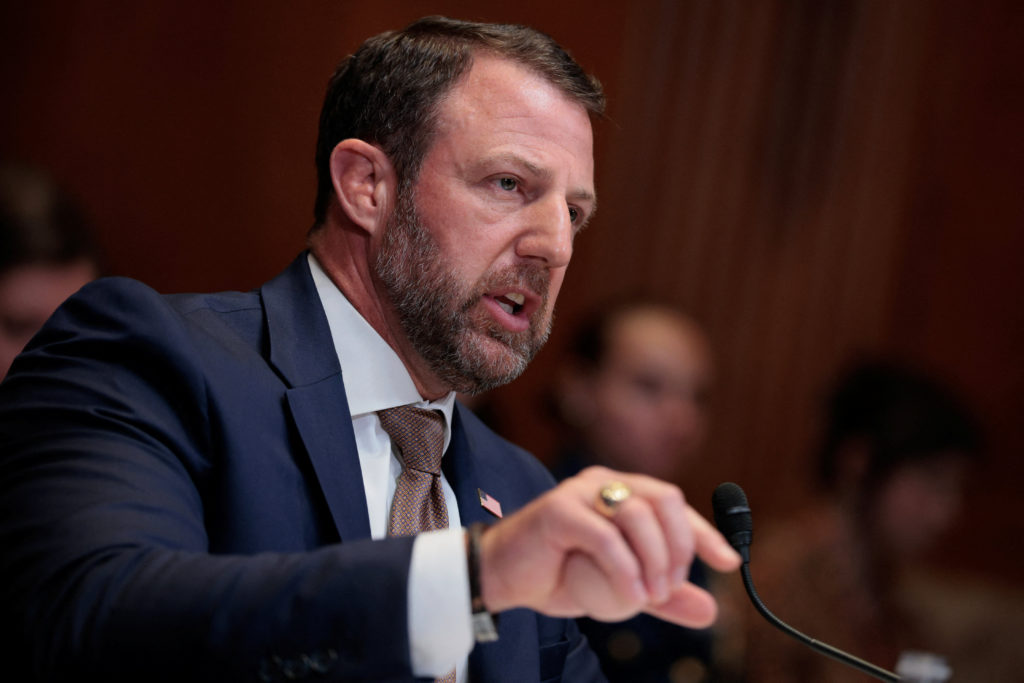
Homeland Security Secretary Markwayne Mullin testified before the House Appropriations Committee about the Department of Homeland Security’s work. He answered questions on how the department is enforcing President Donald Trump’s immigration policies. This hearing happened one day after a judge ruled against arrests at immigration courts.
Key Facts
Markwayne Mullin is the Secretary of Homeland Security.
Mullin testified at a House Appropriations Committee hearing.
The hearing focused on DHS operations and immigration enforcement.
The hearing started at 10:10 a.m. Eastern time.
Mullin was expected to answer questions about President Trump’s immigration policies.
A federal judge recently ruled that DHS cannot make arrests at immigration courts.
This ruling challenges a practice that started after President Trump returned to office.
The testimony was part of congressional oversight of the DHS.
Read the Original
Want the full story? Tap a source to open the original
article.
The US Supreme Court ruled 7-2 in favor of the former Monsanto company, blocking many lawsuits that claimed Roundup’s main chemical causes cancer. The court decided that federal law overseeing pesticides prevents state lawsuits about failing to warn users when the EPA has not required such warnings.
Key Facts
The case is Monsanto v Durnell and centers on whether federal pesticide law stops state claims about warning labels.
The court referenced the Federal Insecticide, Fungicide and Rodenticide Act (Fifra) for its decision.
Justice Brett Kavanaugh wrote the majority opinion; Justice Ketanji Brown Jackson dissented.
Glyphosate, the main chemical in Roundup, was labeled a probable cancer risk by the World Health Organization in 2015.
Bayer, which owns Monsanto, faces over 100,000 lawsuits claiming glyphosate caused cancer but argues the EPA’s approval means no warning was needed.
The EPA says glyphosate is unlikely to cause cancer and has not required cancer warnings on labels.
The ruling also affects similar lawsuits against Syngenta, accused of causing Parkinson’s disease with a different pesticide.
Environmental groups disagree with the decision, saying it protects companies instead of people and the environment.
Read the Original
Want the full story? Tap a source to open the original
article.