A memorandum of understanding (MOU) between the U.S. and Iran has caused mixed reactions and doubts about its terms and structure. The agreement involves lifting a blockade, resuming oil exports, and sanction relief, but questions remain about security issues and Iran's intentions.
Key Facts
The MOU has 14 points covering sanctions relief, oil trade, and regional security.
The blockade on Iran will be lifted, allowing oil to move again.
There are concerns about how both sides interpret the terms differently.
Issues remain about freedom of navigation in the Strait of Hormuz.
Iran's regime is seen as hostile to Israel, Gulf states, and U.S. interests.
Israel and Gulf countries had more input in this negotiation than in past deals.
Hard-line groups within Iran's Revolutionary Guard may oppose the agreement.
Some officials believe there could be a pragmatic group in Iran seeking change.
Read the Original
Want the full story? Tap a source to open the original
article.
President Donald Trump has stopped new offshore wind energy projects and ended four existing wind leases by paying $765 million to the company Invenergy. His administration aims to focus more on energy sources like natural gas and geothermal power, arguing that offshore wind is expensive and slow to develop.
Key Facts
On January 20, 2025, President Trump’s administration withdrew all areas on the Outer Continental Shelf from new or renewed offshore wind leasing.
The government agreed to pay Invenergy $765 million to cancel four offshore wind leases off New Jersey, Maine, and California.
The total government spending to buy back offshore wind leases under Trump’s administration is nearly $2.6 billion.
Invenergy plans to use the money to invest in natural gas plants in the Midwest and geothermal projects in the West.
Interior Secretary Doug Burgum stated the deal aims to move toward more reliable and secure energy sources.
Several states, including New York, sued the government, calling the lease buybacks a misuse of taxpayer money and a way to favor oil and gas over renewable energy.
Offshore wind faces challenges like high costs, supply chain problems, and regulatory delays, but it still has mandates to provide significant capacity by 2040.
The Department of Energy and the National Renewable Energy Laboratory warned that offshore wind requires large investments in infrastructure to grow.
Read the Original
Want the full story? Tap a source to open the original
article.
Many restaurants and stores in the United States are offering discounts and free items to celebrate Father’s Day on June 21, 2026. These promotions include free drinks, discounted meals, and special deals that often require a purchase or app membership.
Key Facts
Father’s Day 2026 is on Sunday, June 21.
Restaurants across the U.S. are providing various deals like free coffee, discounted burgers, and buy-one-get-one offers.
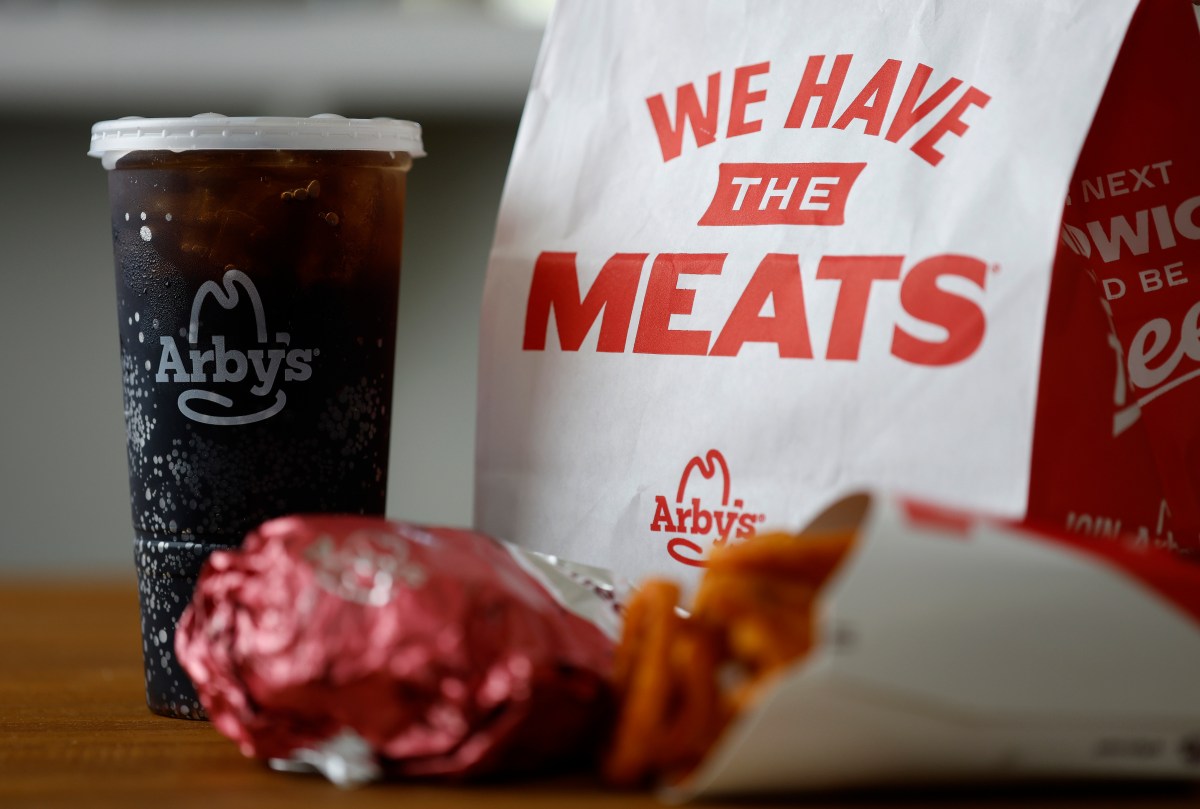
Examples include Arby’s $1.99 sliders, Aroma Joe’s free large drink for dads, and TGI Fridays’ $19.99 ribs meal.
Some deals require a purchase, others are free with no purchase, and some need app membership or promo codes.
Americans spend nearly $30 billion yearly on Father’s Day, with food and experiences making up most of the spending.
Offers may vary by location and could be limited in quantity or time.
Shoppers should check restaurant websites or apps before going to confirm details.
Some promotions may be extended beyond Father’s Day or announced last-minute.
Read the Original
Want the full story? Tap a source to open the original
article.
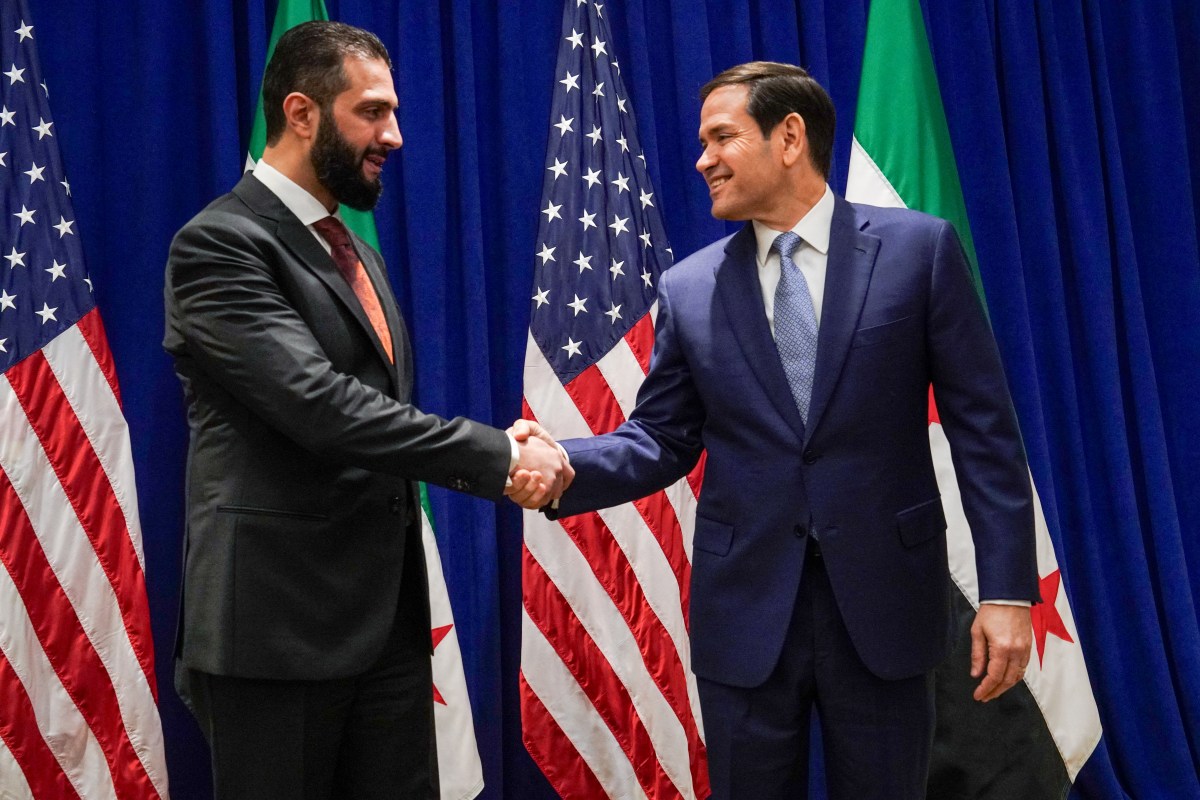
The U.S. has changed its policy toward Syria following the fall of Bashar al-Assad's regime in December 2024. The new Syrian government, led by President Ahmed al-Sharaa, is working with the U.S. and regional partners to fight terrorism and promote stability. Efforts include removing sanctions and building partnerships in the region.
Key Facts
Assad’s regime fell in December 2024, opening a new chapter in Syria-U.S. relations.
The Trump administration lifted most Syria sanctions in June 2025 and removed Hayat Tahrir al-Sham from the terrorism list.
Syria’s new government is cooperating with U.S. counterterrorism goals and working against remnants of the old regime.
In April 2026, Syrian authorities arrested Amjad Youssef, linked to a 2013 massacre, showing progress toward justice.
Regional countries like Saudi Arabia, Qatar, Turkey, Jordan, and Iraq support Syria’s financial and border stability efforts.
Syria is trying to protect minority groups better than before, including Christians and the Druze community.
The U.S. is reviewing Syria’s designation as a state sponsor of terrorism, which could end due to new government changes.
Removing Syria from this terrorism list depends on clear evidence of government change and policy shifts.
Read the Original
Want the full story? Tap a source to open the original
article.
An Israeli drone strike in the Bureij refugee camp in central Gaza killed Ahmed Wishah, an Al Jazeera journalist. The Israeli military said Wishah was involved with Hamas militants but did not provide proof.
Key Facts
Ahmed Wishah, an Al Jazeera cameraman, was killed in a drone strike in Gaza.
The strike targeted a house in the Bureij refugee camp.
The Israeli military claimed Wishah was a Hamas militant and involved in attacks against Israeli troops.
Israel said Wishah acted as a sniper operative and worked with his brother, Mohammed Wishah, who was also killed earlier in April.
Al Jazeera has lost several journalists in Gaza since October 7, 2023.
Reporters Without Borders says over 220 journalists have been killed in the conflict, with at least 70 killed while doing their job.
Israel says it does not deliberately target journalists but says some militants disguise themselves as media workers.
The Gaza war began after Hamas attacked Israel on October 7, 2023.
Read the Original
Want the full story? Tap a source to open the original
article.
Colombians are voting in a presidential runoff between Abelardo de la Espriella, a conservative businessman and lawyer, and Iván Cepeda, a progressive lawmaker and political heir of outgoing leftist President Gustavo Petro. Both candidates aim to prevent a return to past violence in Colombia, though they propose different approaches to peace, security, health care, public debt, and corruption.
Key Facts
The runoff election features Abelardo de la Espriella and Iván Cepeda after nine other candidates were eliminated in the first round.
De la Espriella supports a hardline approach to security and has the endorsement of U.S. President Donald Trump.
Cepeda wants to continue President Petro’s efforts, including talks with illegal armed groups, despite past failures.
Colombia faces challenges like guerrilla violence, kidnappings, bombings, and forced displacements from prior decades.
The election follows a 2016 peace agreement with guerrilla groups, which has not fully ended rebel violence.
In the first round, de la Espriella received 44% of the vote, and Cepeda got 41%.
President Petro questioned the election results without providing evidence after Cepeda did not win outright.
Many Colombians are concerned about political division and want the election outcome to be accepted peacefully.
Read the Original
Want the full story? Tap a source to open the original
article.
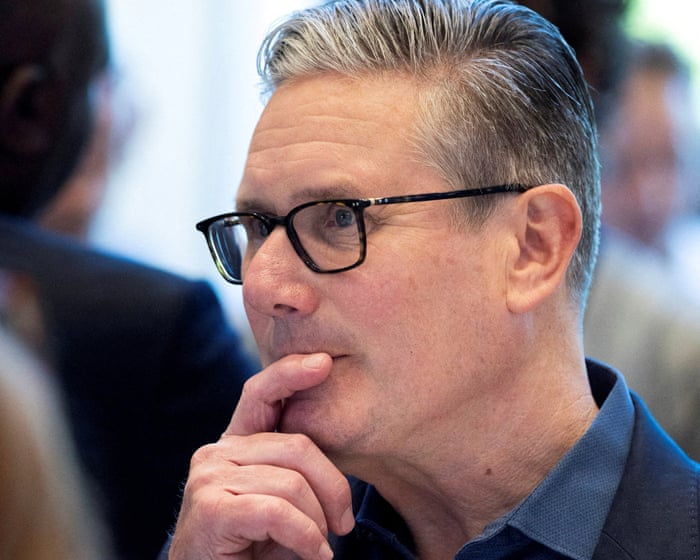
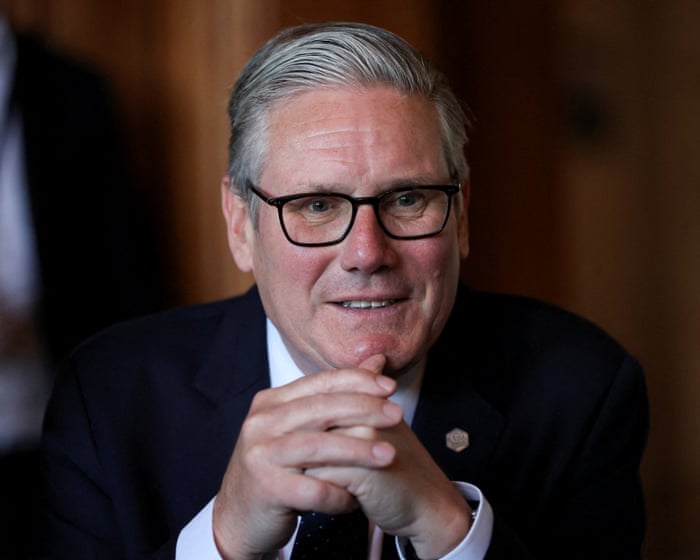
British Prime Minister Keir Starmer is facing pressure to resign after Labour Party rival Andy Burnham won a recent special election. Starmer has said he will stay, but many in his party want a leadership change as Labour struggles with public support and political challenges.
Key Facts
Keir Starmer is the Prime Minister of the United Kingdom and leader of the Labour Party.
Andy Burnham recently won a special election in Makerfield, England, becoming a member of Parliament.
Burnham plans to challenge Starmer for leadership of the Labour Party.
Labour Party colleagues are increasingly critical of Starmer’s leadership.
Starmer’s government has faced problems with economic growth, public services, and cost of living.
Starmer made a controversial appointment of Peter Mandelson as UK ambassador to the US.
Labour is losing some voters to the Green Party and Reform UK, a party led by Nigel Farage.
Starmer is spending time reflecting on his position and may announce plans for resignation soon.
Read the Original
Want the full story? Tap a source to open the original
article.
A large tent near Taylor Swift’s home in Watch Hill, Rhode Island, sparked widespread rumors that she was planning a wedding there. However, the wedding rumors were not confirmed, and the tent was part of regular local events unrelated to Swift.
Key Facts
Taylor Swift owns a home in Watch Hill, Rhode Island, where rumors of a wedding began after a large tent appeared nearby.
Fans, photographers, and curious visitors gathered in the village due to these rumors.
No confirmation has been made that Taylor Swift is having a wedding at this location.
A local wedding planner said the tent was for other weddings happening throughout the month, not for Swift’s event.
Many visitors asked locals and police officers about Swift’s presence and the wedding rumors.
There was also online speculation about Swift and her fiancé, Travis Kelce, holding a celebration at Madison Square Garden, but no details have been confirmed.
Watch Hill has limited luxury lodging, which may make it impractical for a large wedding event.
Local authorities are used to answering questions from visitors curious about Swift and her activities in the area.
Read the Original
Want the full story? Tap a source to open the original
article.
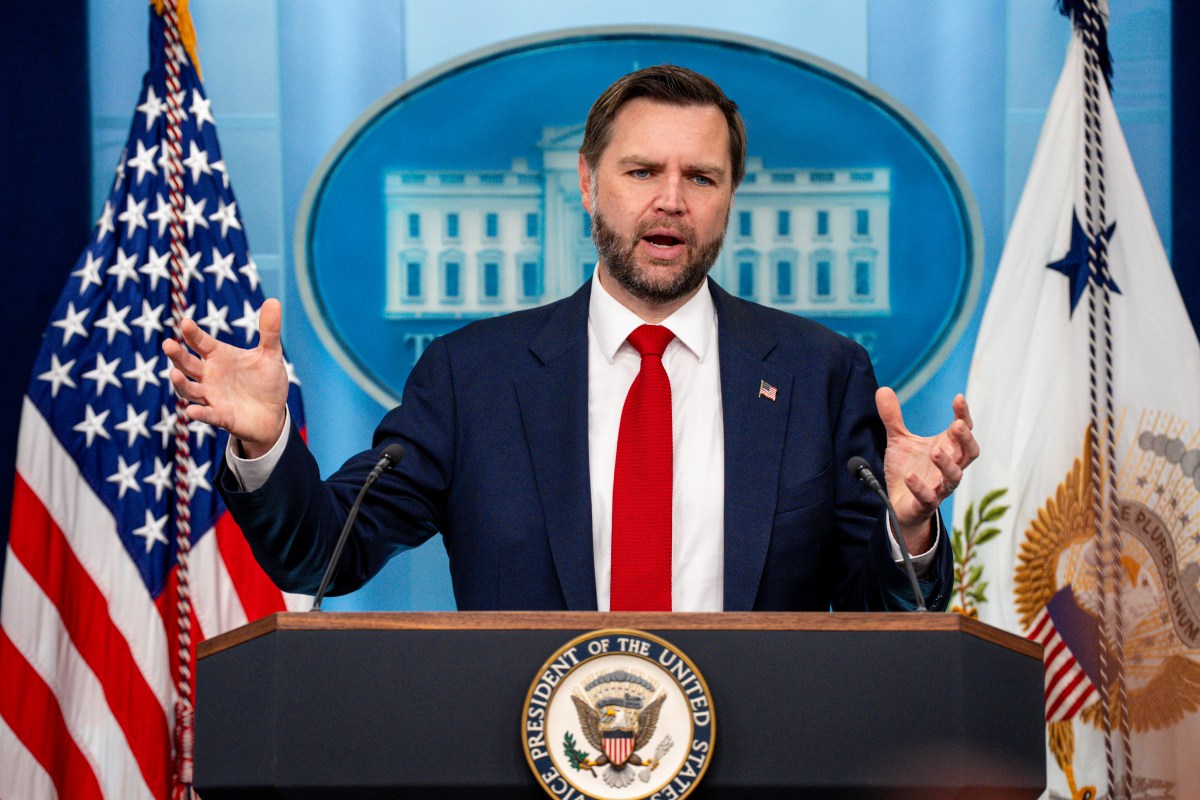
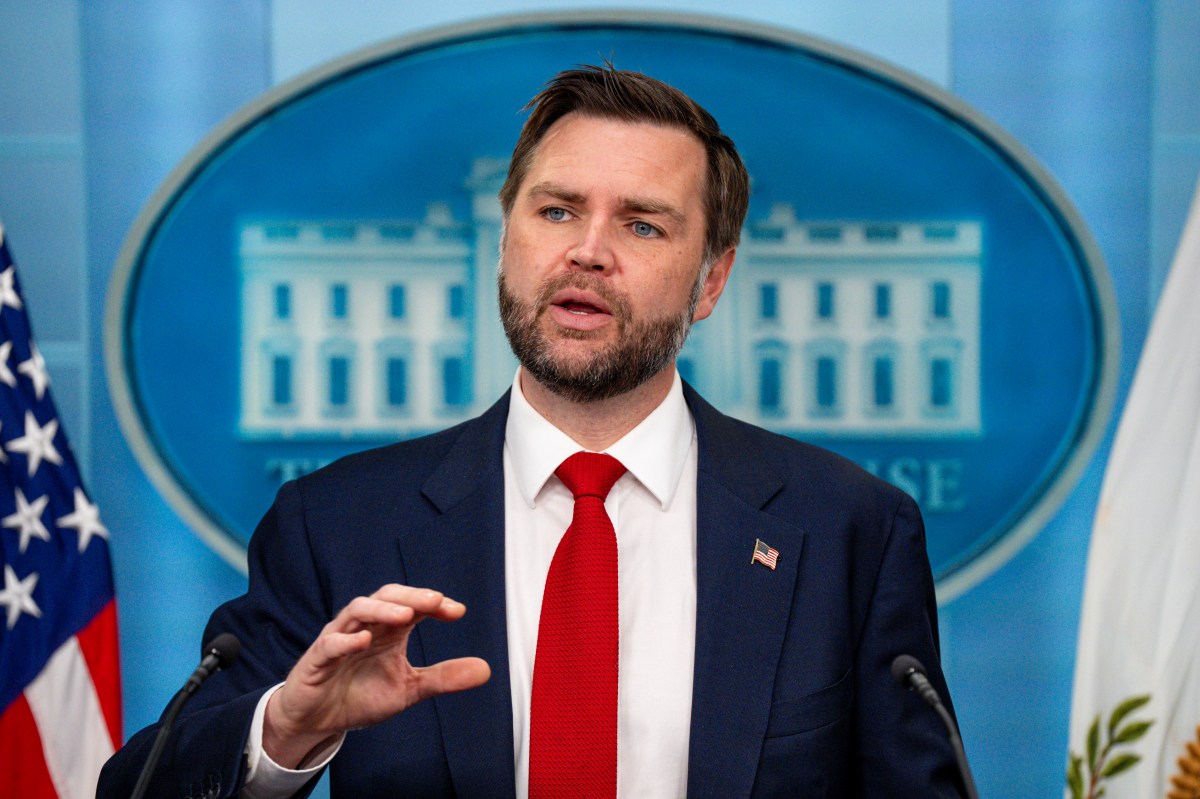
U.S. Vice President JD Vance arrived in Switzerland to start talks with Iran about controlling its nuclear program and finalizing details of a recent temporary agreement. The talks come amid tensions, including Iran closing the Strait of Hormuz in response to Israeli attacks in Lebanon.
Key Facts
Vice President JD Vance traveled to Switzerland to join negotiations with Iranian leaders.
The negotiations focus on limiting Iran’s nuclear program and finalizing a recent interim deal.
The current talks have a 60-day period to work out technical details of the agreement.
Iran closed the Strait of Hormuz, a key route for about 20% of the world's oil and gas trade, due to recent conflicts.
Fighting increased in Lebanon between Israel and Hezbollah, an Iranian-backed group, complicating the talks.
The temporary agreement was signed last week, aiming to help end the ongoing conflict.
Pakistani Prime Minister Shehbaz Sharif and military officials also arrived in Switzerland to participate in related discussions.
Iranian Foreign Minister Seyyed Abbas Araghchi arrived at the same Swiss resort for the talks.
Read the Original
Want the full story? Tap a source to open the original
article.
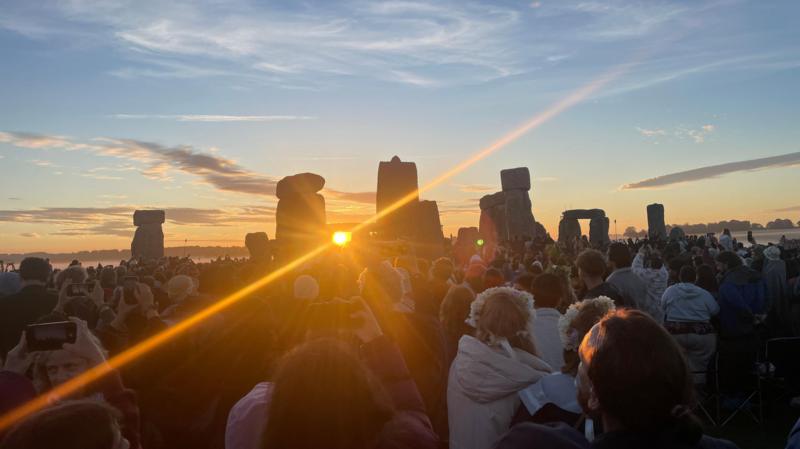
The summer solstice, marking the start of astronomical summer in the northern hemisphere, occurred on 21 June at 09:24 BST this year. People across the UK celebrated by gathering at places like Stonehenge, taking part in walks, and enjoying outdoor activities such as swimming and hiking.
Key Facts
The summer solstice happens when the northern hemisphere's pole is tilted closest to the Sun.
This year, the exact solstice time was 21 June at 09:24 British Summer Time (BST).
The solstice is the longest day of the year in the northern hemisphere.
People gathered in large numbers at Stonehenge in Wiltshire to watch the sunrise.
More than 200 people joined a solstice walk in Worcestershire.
The word "solstice" comes from the Latin word meaning "sun standing still."
The date of the solstice changes slightly each year due to the Earth's orbit taking about 365.25 days.
A leap day is added every four years to keep our calendar aligned with the Earth's orbit.
Read the Original
Want the full story? Tap a source to open the original
article.
France is dealing with a severe heat wave by limiting public alcohol drinking, canceling some outdoor sports, and putting emergency and military forces on wildfire alert. Around one-third of the country is under a high heat warning, with temperatures reaching up to 40°C (104°F), and authorities have taken extra steps to protect vulnerable people during the annual Fête de la musique celebration.
Key Facts
About one-third of France is under a heat red alert due to very high temperatures.
Temperatures are expected to reach 40°C (104°F) in some areas, with even hotter weather forecast for the next day.
Public alcohol consumption is banned in the heat alert zones to help emergency services focus on vulnerable people.
Some outdoor sports events have been canceled to reduce health risks from the heat.
Emergency services and the military are on wildfire alert to respond to possible fires caused by the heat.
The Eiffel Tower and other locations in Paris have set up misting stations to help cool people down.
The heat wave affects not only France but also parts of Italy and other European countries.
The government is monitoring water supplies for nuclear reactors and may rearrange school exam schedules to avoid the hottest times of the day.
Read the Original
Want the full story? Tap a source to open the original
article.
Vice President JD Vance traveled to Switzerland to join U.S.-Iran talks on a nuclear agreement signed by President Trump and Iranian President Masoud Pezeshkian. The talks aim to finalize a deal to limit Iran’s nuclear program, but regional conflict and Iran’s closure of the Strait of Hormuz have complicated the negotiations.
Key Facts
Vice President JD Vance arrived in Lucerne, Switzerland, to participate in nuclear negotiations with Iran.
The discussions follow a framework agreement signed by President Trump and Iranian President Masoud Pezeshkian.
The agreement starts a 60-day period to work out the final details of the deal.
Fighting between Israel and Hezbollah in Lebanon and Iran’s announcement of closing the Strait of Hormuz have added tension.
U.S. military officials said the Strait of Hormuz remained open for oil and gas shipments despite Iran’s claims.
Iran’s negotiating team includes key officials from its parliament, foreign ministry, central bank, and oil sector.
Pakistani and Qatari leaders are also involved to help mediate the talks.
Some Republican leaders have criticized the deal, comparing it unfavorably to the earlier Obama-era nuclear agreement.
Read the Original
Want the full story? Tap a source to open the original
article.
Keir Starmer is expected to announce that he will step down as the UK prime minister, following growing pressure from Labour MPs who support Andy Burnham as the new Labour leader. Burnham won a recent election, boosting his chances to take over leadership, while Starmer's position has weakened amid political challenges.
Key Facts
Keir Starmer may announce his resignation as prime minister on Monday.
Labour MPs are pressuring Starmer to let Andy Burnham become leader.
Andy Burnham won the Makerfield by-election by a large margin.
Burnham’s supporters claim to have backing from about half of Labour MPs.
Starmer had said he would run if there was a leadership contest.
Some ministers loyal to Starmer urged him to decide quickly or risk being forced out.
Any leadership challenger needs support from at least 20% (81) of Labour MPs.
Starmer’s time as prime minister included controversies and falling popularity.
Read the Original
Want the full story? Tap a source to open the original
article.
The article explains that income inequality in the United States has been a persistent problem across several presidencies. While President Obama made efforts to reduce inequality, tax policies under President Trump increased the income share of the richest households, and the overall distribution of wealth remains uneven.
Key Facts
By 2016, taxes and government money helped reduce income for the richest 1% by over 20%, raising income for the poorest 20% to the highest level since 1979.
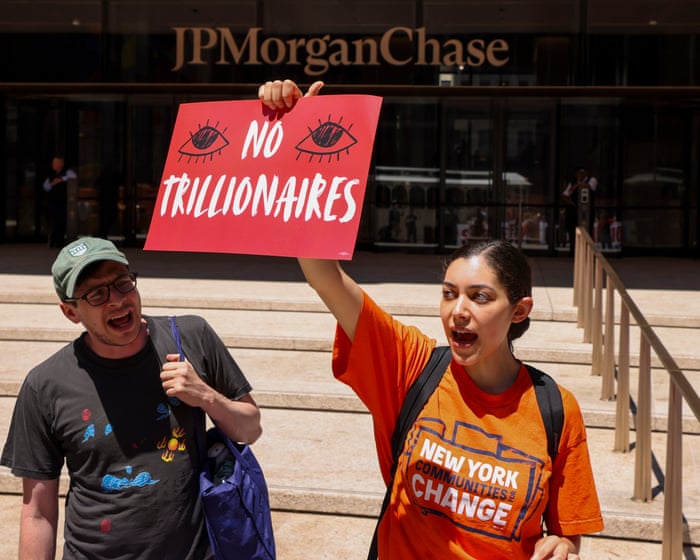
Elon Musk recently became the world’s first trillionaire after SpaceX shares were sold publicly.
President Trump's 2017 tax law gave big tax cuts to wealthy Americans and increased the income share of the richest 1% to 13.2% by the end of his first term.
The 2020 CARES Act helped poor households during the Covid pandemic, temporarily raising their income share to 8.2%.
By 2022, the income share for the poorest fifth dropped to 7.4% under President Biden.
Trump’s later tax changes reduced the income of the poorest 10% by an average of $1,200 yearly and increased the richest 10% by $13,600 on average.
The US has a long history of low taxes on the wealthy and little political will to reduce income inequality.
Research shows the richest 400 Americans pay a smaller share of their income in taxes than the average worker, due to legal tax avoidance strategies.
Read the Original
Want the full story? Tap a source to open the original
article.
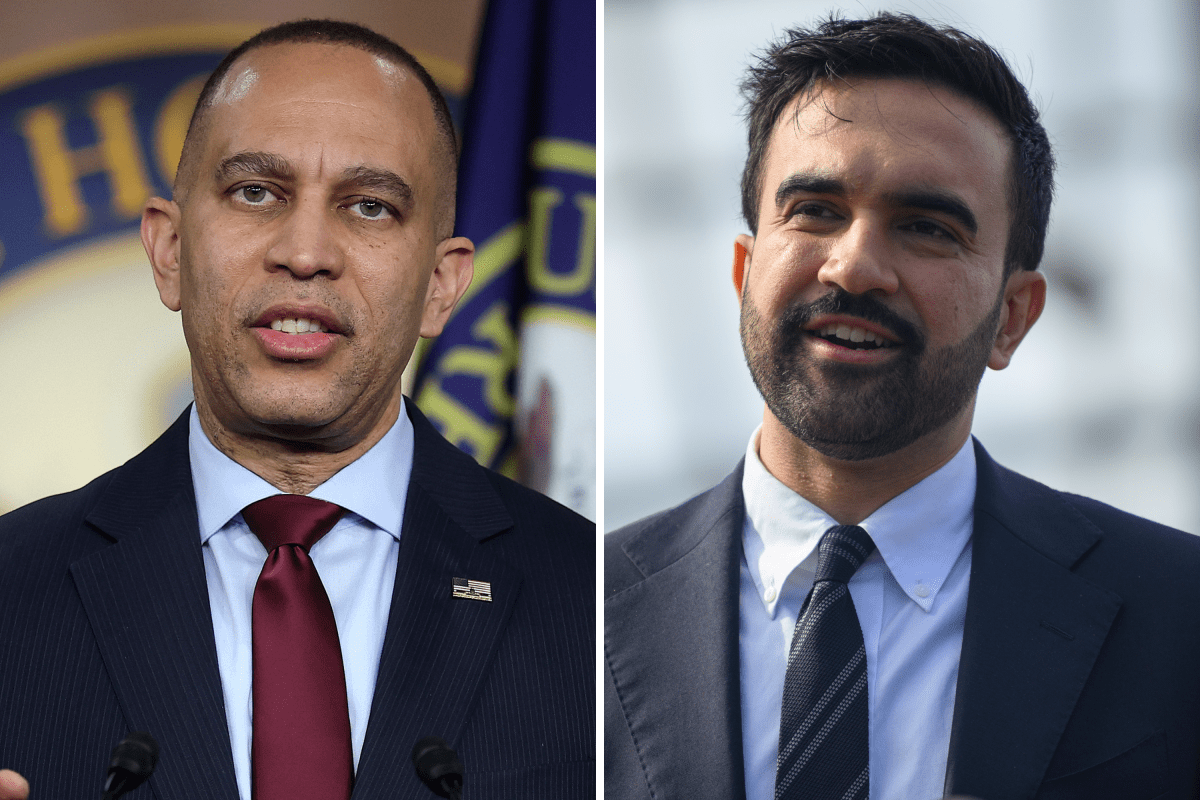
Two important Democratic primary races in New York City are highlighting a split between progressive Mayor Zohran Mamdani and Democratic House Minority Leader Hakeem Jeffries. Mamdani supports progressive challengers backed by the Democratic Socialists of America, while Jeffries supports the more moderate incumbent representatives.
Key Facts
Zohran Mamdani is the mayor of New York City and identifies as a Democratic socialist.
Hakeem Jeffries is the House Minority Leader and a moderate Democrat.
Two congressional primaries in New York are seen as a contest between Mamdani’s progressive movement and Jeffries’ Democratic establishment.
Mamdani supports challengers Brad Lander and Darializa Avila Chevalier, both linked to left-wing or socialist groups.
Jeffries supports incumbents Dan Goldman and Adriano Espaillat in these races.
The Democratic Socialists of America have grown in New York City over the past decade.
Jeffries focuses on uniting a broader, moderate Democratic coalition to retake the U.S. House majority.
Jeffries and Mamdani have a tense political relationship and have agreed to disagree publicly on these primaries.
Read the Original
Want the full story? Tap a source to open the original
article.
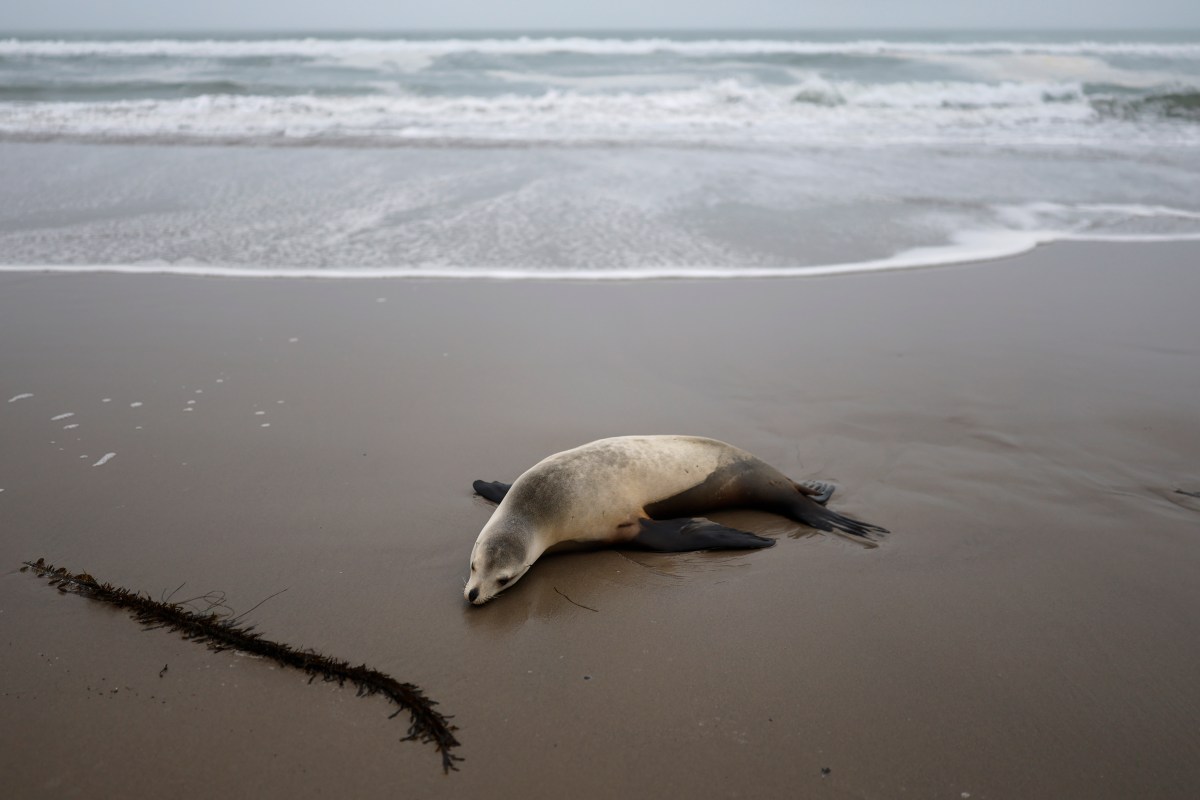
Marine animals like seabirds, sea lions, and whales are at higher risk due to rising ocean temperatures linked to El Niño and marine heatwaves. These warm conditions reduce food supply, increase disease, and cause harmful algal blooms that can poison marine life, threatening their survival.
Key Facts
El Niño is a natural climate cycle that warms parts of the Pacific Ocean every 2 to 7 years and changes weather patterns.
Warm ocean waters during El Niño reduce the rise of nutrient-rich cold water, lowering the amount of microscopic plants (phytoplankton) that support marine food chains.
Fish and marine species may move to new areas as the water gets warmer, disrupting normal ecosystems.
Scientists warn that longer exposure to marine heatwaves worsens harm to marine animals’ survival and reproduction.
Harmful algal blooms produce toxins like domoic acid, which accumulate in the food chain and cause poisoning in top predators like sea lions and whales.
Recent tests found this toxin in dead juvenile humpback whales in Monterey Bay, indicating ongoing risks.
Past heatwave events caused mass starvation and strandings of various marine animals along the US West Coast.
Researchers are watching for increased conflicts between humans and wildlife as animal movements change with ocean conditions.
Read the Original
Want the full story? Tap a source to open the original
article.
Iranian and US officials are meeting in Switzerland to continue talks about the Memorandum of Understanding. The discussions aim to strengthen the agreement, but important disagreements still need to be solved.
Key Facts
The talks are happening in Switzerland.
Officials from Iran and the US are involved.
The goal is to reinforce the Memorandum of Understanding (an agreement framework).
Diplomatic efforts have helped keep the talks moving forward.
Some key issues have not yet been resolved.
The discussions are considered very important and high stakes.
Al Jazeera reporter Osama Bin Javaid is covering the talks.
Read the Original
Want the full story? Tap a source to open the original
article.
U.S. Vice President JD Vance has arrived in Switzerland to meet with Iranian officials for talks aimed at implementing a recent deal to stop the war between the U.S. and Iran. The talks come as tensions remain high, with ongoing conflicts in Lebanon and Iran closing the Strait of Hormuz, an important route for global oil shipping.
Key Facts
Vice President JD Vance arrived in Switzerland early Sunday for talks with Iranian officials.
An Iranian delegation including parliamentary speaker Mohammad Bagher Ghalibaf and Foreign Minister Abbas Araghchi also arrived in Switzerland.
Pakistan is acting as a mediator, with its Prime Minister and army chief participating in the talks.
The talks follow an interim deal signed by President Trump and Iran’s President Masoud Pezeshkian to extend a ceasefire and discuss Iran’s nuclear program.
Despite the ceasefire deal, Israel continued attacks in Lebanon, causing dozens of deaths.
Iran’s Islamic Revolutionary Guard Corps closed the Strait of Hormuz, a key passage for oil shipments.
The U.S. military stated commercial ships are still allowed through the strait and will protect their passage.
Iran demands full implementation of the ceasefire and wants U.S. sanctions lifted and frozen Iranian assets released.
Read the Original
Want the full story? Tap a source to open the original
article.
Keir Starmer is expected to announce on Monday that he will resign as the leader of the UK Labour Party and prime minister amid growing support for Andy Burnham to take over. Starmer has been reflecting on political challenges after Burnham won a recent election and gained backing from many MPs.
Key Facts
Keir Starmer is likely to resign as Labour leader and prime minister on Monday.
Labour MPs are increasingly supporting Andy Burnham to become the new leader.
Burnham recently won the Makerfield by-election, boosting his political standing.
Starmer spent the weekend at Chequers, reflecting on his political situation.
Business Secretary Peter Kyle described Starmer as focused on the country's interests during a private conversation.
Burnham plans to ask Starmer to step down and present a list of up to 200 supporters.
No 10 officials denied immediate plans for Starmer's resignation and said he is continuing his work.
The story shows unrest and leadership challenges within the UK Labour Party.
Read the Original
Want the full story? Tap a source to open the original
article.
The United States and Iran are holding high-level talks in Switzerland to discuss a deal aimed at ending the war involving the US, Israel, and Iran. The talks come amid ongoing violence in Lebanon and efforts by Pakistan and Qatar to mediate peace.
Key Facts
US Vice President JD Vance leads the US delegation in Switzerland for talks with Iran.
Iran’s delegation includes parliament Speaker Mohammad Bagher Ghalibaf and Foreign Minister Abbas Araghchi.
The meeting aims to implement a recent memorandum of understanding (MoU) signed by President Trump and an Iranian official.
The talks focus on Iran’s nuclear program and stopping violence in Lebanon.
Pakistan and Qatar are mediating the negotiations and supporting the deal’s implementation.
Iran’s Islamic Revolutionary Guard Corps announced it was closing the Strait of Hormuz, blaming Israel for breaking a ceasefire.
Iran demands full US commitment and Israeli compliance with the agreement before moving forward.
Egypt, Saudi Arabia, Turkiye, and Pakistan are holding related regional meetings to support diplomatic efforts.
Read the Original
Want the full story? Tap a source to open the original
article.