Andy Burnham’s plan proposes reversing decades of privatisation by bringing essential utilities like water and energy under more public control through a long-term process. The plan suggests ways for the government to step in when private companies fail, aiming to make basic services more affordable and reliable for people.
Key Facts
The policy is called The Productive State and aims to reverse 40 years of privatisation.
It focuses on taking control of failing private utility companies through legal and financial tools like “bonds for shares.”
The plan targets essential services such as water, energy, and transport to reduce costs for households.
It argues that privatisation has increased everyday bills by adding a “privatisation premium.”
The plan seeks to create public competitors and increase state ownership without full nationalisation of all utilities.
The author, Mathew Lawrence, worked closely with Andy Burnham and the Labour group Mainstream.
Burnham may seek wider political leadership in Westminster soon.
The approach aims to protect the public from rising costs and risks of private company failures.
Read the Original
Want the full story? Tap a source to open the original
article.
A woman experienced a nosebleed and swelling without injury and later found out she had a serious bone infection. After treatment, further scans revealed a cancer called sinonasal squamous cell carcinoma, which required multiple surgeries including partial removal and reconstruction of her nose.
Key Facts
The woman got a nosebleed and soreness after jumping into a pool but had no injury.
Doctors initially suspected a broken nose but found a severe bone infection called osteomyelitis via a CT scan.
She had emergency surgery and antibiotics to treat the infection.
Despite treatment, swelling increased, and a biopsy revealed sinonasal squamous cell carcinoma (a type of cancer beginning in the sinuses).
She was 35 years old and worried about her children when diagnosed with cancer.
Surgery removed most of her nose and septum, but her nostrils were saved.
Reconstruction used rib cartilage to rebuild her nose.
She faced a long recovery with multiple operations and treatments following the diagnosis.
Read the Original
Want the full story? Tap a source to open the original
article.
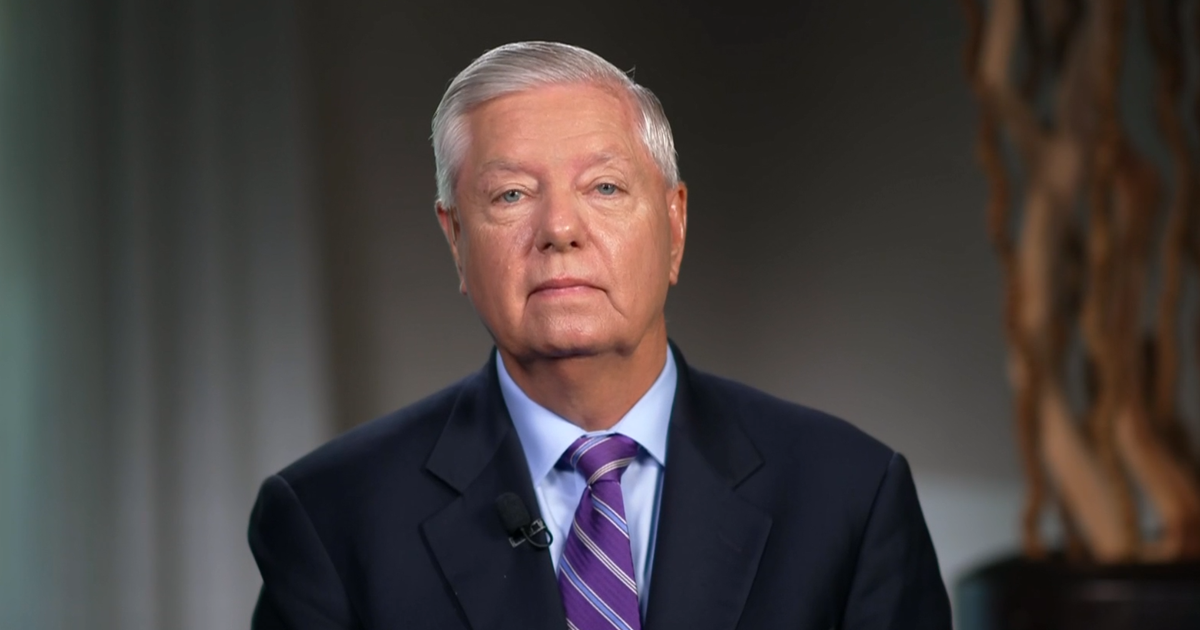
Senator Lindsey Graham said he supports trying diplomacy with Iran, but he believes the talks will not work. He said President Donald Trump’s backup plan might be to take control of the Strait of Hormuz, an important shipping route.
Key Facts
Senator Lindsey Graham spoke about talks with Iran on CBS News.
He said he supports giving diplomacy a chance.
He expressed doubt that the diplomatic talks will succeed.
Graham predicted that if talks fail, President Donald Trump might act to control the Strait of Hormuz.
The Strait of Hormuz is a key passage for oil shipments.
This statement was made during the TV program "Face the Nation with Margaret Brennan."
The discussion reflects ongoing concerns about U.S.-Iran relations.
Read the Original
Want the full story? Tap a source to open the original
article.
The PLAN for School Safety Act is a bipartisan bill aimed at making schools safer. It offers grants to create or improve state-based centers that provide expert advice to help schools develop safety plans suited to their local needs.
Key Facts
The bill is called the PLAN for School Safety Act.
It has support from both political parties.
The act offers special grants (money) to states.
Grants help set up or strengthen School Safety Centers.
These centers are led by experts.
The centers help schools create and improve safety plans.
Safety plans are based on evidence and fit the specific community.
The focus is on protecting children in schools.
Read the Original
Want the full story? Tap a source to open the original
article.
New York City Mayor Zohran Mamdani is using his political influence to support candidates in the upcoming House primaries in New York. He has endorsed several challengers, including progressive candidates running against current Democratic congressmen.
Key Facts
Zohran Mamdani is the mayor of New York City and a Democrat.
He took office less than six months ago.
Mamdani is endorsing candidates in New York’s House primaries.
Some endorsed candidates are challenging sitting Democratic congressmen.
The primaries are scheduled for Tuesday.
Mamdani aims to help change New York’s congressional delegation.
Read the Original
Want the full story? Tap a source to open the original
article.
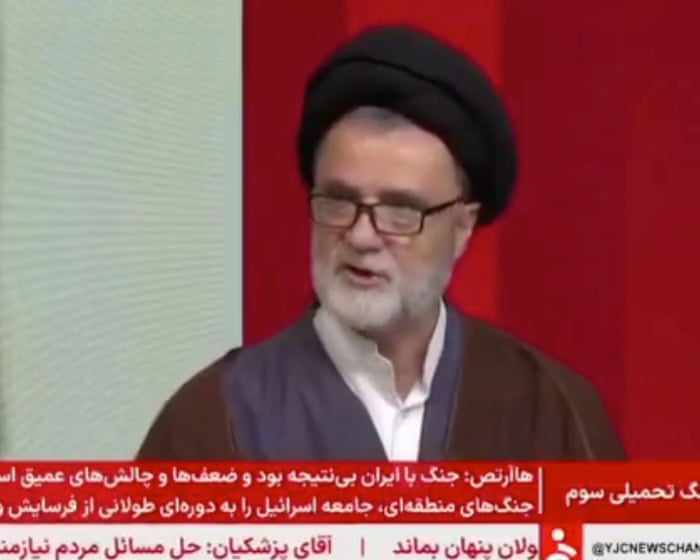
A former member of Iran’s negotiating team, Mahmoud Nabavian, revealed alleged secret letters from Iran’s supreme leader, Mojtaba Khamenei, criticizing the negotiation team’s actions and setting strict conditions on talks with the US. This caused a major controversy, including a censored TV interview, calls for legal action, and resignations within Iran’s state media.
Key Facts
Mahmoud Nabavian, deputy chair of Iran’s national security council, disclosed secret letters he said were from Mojtaba Khamenei during a state TV interview.
The interview was cut off and later removed from the broadcaster’s archive; a senior official resigned afterward.
Nabavian claimed Khamenei said the negotiating team went beyond its authority and demanded 11 conditions for talks to continue, including compensation from the US and control over the Strait of Hormuz.
Iran’s negotiating team dismissed Nabavian’s claims as old and distorted.
Hardliners and reformists in Iran are divided over the situation; state media called Nabavian’s actions a legal violation.
The supreme leader has taken a direct role in the nuclear negotiations, often communicating through written statements rather than public appearances.
Nabavian said Khamenei wants Iran to charge tolls on ships passing through the Strait of Hormuz and use that money to support veterans and families of martyrs.
The controversy highlights tensions within Iran’s government about the direction and control of international talks.
Read the Original
Want the full story? Tap a source to open the original
article.
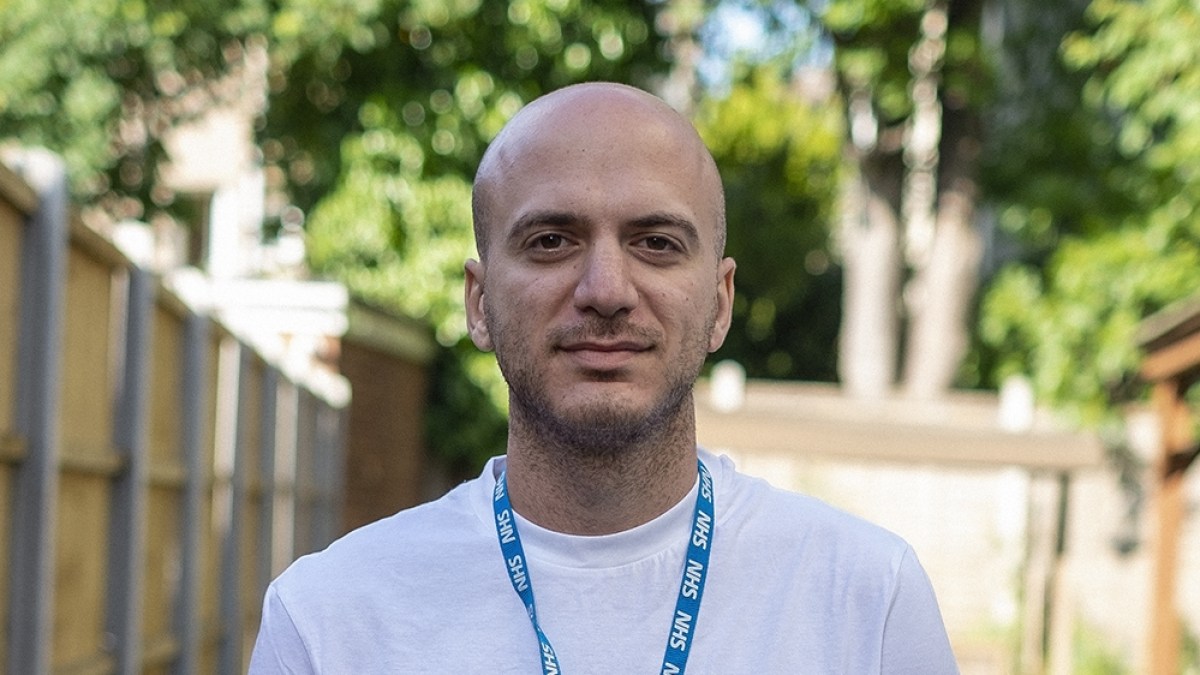
British Syrian activist Hassan Akkad was held in a Damascus prison for four days after being detained for his social media comments criticizing a journalist. He was released after the journalist withdrew a legal complaint against him related to the criticism.
Key Facts
Hassan Akkad is a British Syrian activist and filmmaker.
He was detained in Damascus on Wednesday evening and released four days later.
Akkad criticized Syrian journalist Mousa al-Omar for not fulfilling financial pledges made during a Syria reconstruction campaign.
Al-Omar filed a legal complaint leading to Akkad’s detention but later withdrew it.
The Public Prosecutor said Akkad was held on charges related to not responding to a cybercrime investigation.
Akkad previously spent time in prison under President Bashar al-Assad for documenting protests in 2011.
He fled Syria and traveled through Europe to reach the UK in 2015.
Akkad’s journey was part of a BAFTA-winning documentary series about migration.
Read the Original
Want the full story? Tap a source to open the original
article.
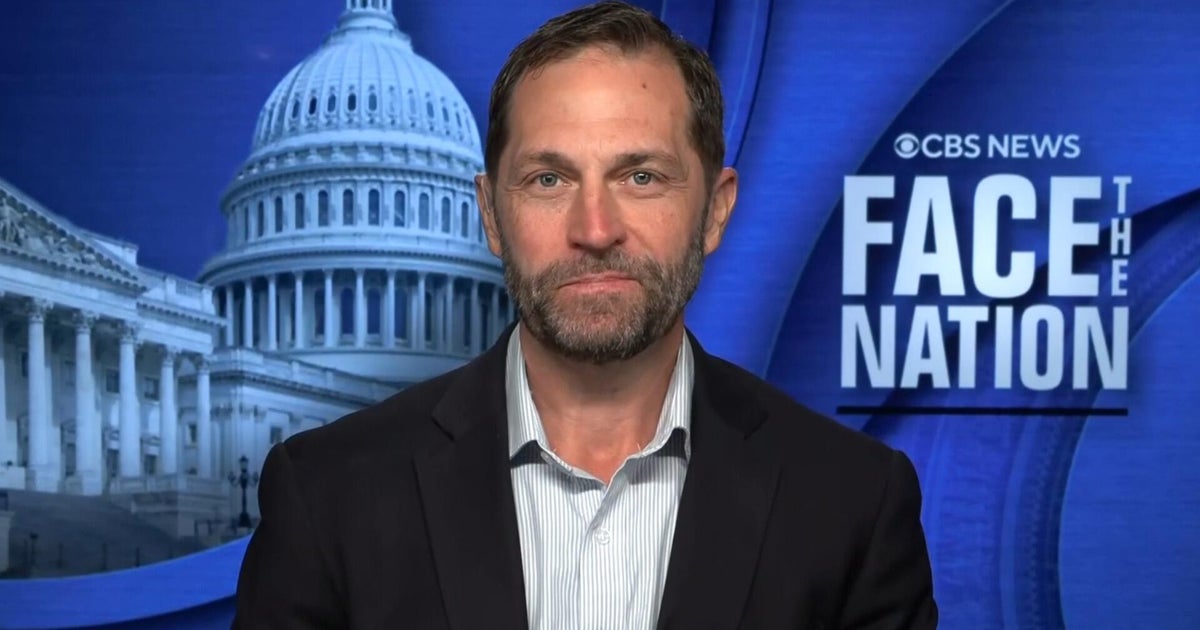
Representative Jason Crow expressed concerns about acting Director of National Intelligence Bill Pulte, calling him "incompetent" and a "political attack dog." Crow also said he does not support extending certain surveillance powers under the FISA law because of constitutional rights issues.
Key Facts
Jason Crow is a Democratic member of the U.S. House of Representatives.
Bill Pulte is the acting Director of National Intelligence.
Crow described Pulte as incompetent and having a political agenda.
Crow appeared on the program "Face the Nation with Margaret Brennan" to share his views.
Crow opposes extending FISA spying powers that allow government surveillance.
He emphasized protecting Americans' constitutional rights over extending these powers.
FISA stands for Foreign Intelligence Surveillance Act, which permits certain spying activities for national security.
Read the Original
Want the full story? Tap a source to open the original
article.
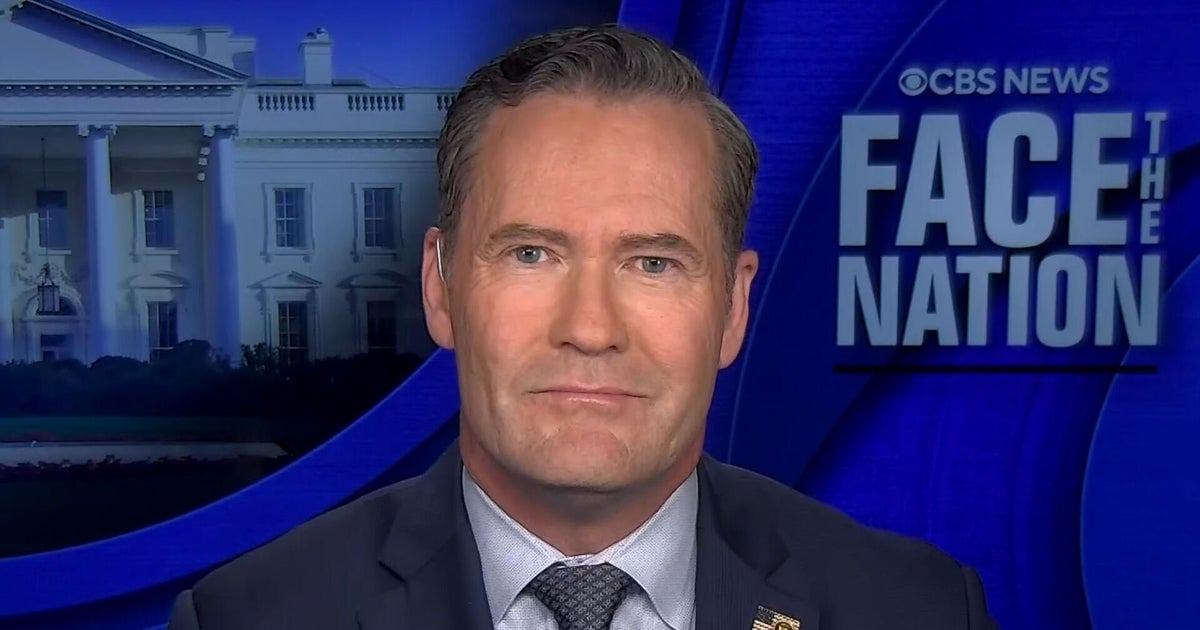
U.S. Ambassador to the United Nations Mike Waltz discussed the Iran situation on "Face the Nation" on June 21, 2026. He said President Trump aims to prevent Iran from getting nuclear weapons while working toward peace, even though some of Trump's national security team doubts Iran will follow the agreement.
Key Facts
Ambassador Mike Waltz spoke on "Face the Nation" about U.S. policy on Iran.
Some senior members of President Trump’s national security team, including Secretary Rubio, doubt Iran will keep its promises in the deal.
The CIA director showed President Trump intelligence pointing out inconsistencies in Iran's commitments.
Waltz said Americans agree with President Trump that Iran must not get a nuclear weapon.
Waltz highlighted that gas prices have fallen to below $4 per gallon, lower than under the Biden administration.
The U.S. government is holding direct talks with Iranian officials despite their controversial past actions.
Waltz emphasized that the Trump administration is focused on stopping Iran from getting nuclear weapons and giving peace a chance.
The administration refers to past UN resolutions saying Iran cannot have nuclear weapons and hopes to improve the Middle East, similar to President Trump’s Abraham Accords.
Read the Original
Want the full story? Tap a source to open the original
article.
Senator Lindsey Graham expects U.S. efforts to reach a diplomatic deal with Iran to fail, but supports trying diplomacy first. He said if talks fail, President Donald Trump will take control of the Strait of Hormuz by force and charge fees for its use, warning Iran would face serious consequences if it opposes this.
Key Facts
Senator Lindsey Graham spoke about U.S.-Iran diplomacy on "Face the Nation" on June 21, 2026.
U.S. negotiators, including Vice President JD Vance, are meeting Iranian officials in Switzerland during a 60-day negotiation period after signing a memorandum of understanding.
Conflict between Israel and Iran-backed Hezbollah has threatened the U.S.-Iran ceasefire.
Iran announced it will close the Strait of Hormuz again, accusing the U.S. and Israel of breaking the agreement.
Graham predicts President Trump will seize control of the Strait of Hormuz if diplomacy fails and will charge fees for passage.
Graham hopes Saudi Arabia will join the Abraham Accords, which aim to normalize Arab-Israeli relations by 2026.
Graham said if Iran challenges U.S. control of the strait, the U.S. will respond with strong military action.
Graham changed his view on reconstruction funds for Iran, thinking Gulf Arab states will provide money, indicating a possible change in regional relations.
Read the Original
Want the full story? Tap a source to open the original
article.
Usha Vance traveled internationally when she was about eight months pregnant, raising questions about the safety of flying late in pregnancy. Medical experts in the U.S. say air travel can be safe in uncomplicated pregnancies but advise consulting a doctor, especially in the third trimester.
Key Facts
Usha Vance flew to Switzerland in her late pregnancy, with a due date in late July.
The U.S. CDC says most pregnant women can fly safely if the pregnancy has no problems but should check with a doctor first.
The American College of Obstetricians and Gynecologists agrees that occasional air travel is usually safe for healthy pregnancies.
Airlines often allow travel up to about 36 weeks, sometimes requiring a doctor’s note after 28 weeks.
Eight months pregnant is considered higher risk for preterm labor and blood clots during flights.
Long flights can cause swelling, tiredness, and circulation issues like deep vein thrombosis (DVT).
Experts recommend moving regularly, staying hydrated, and using compression stockings on long flights.
Traveling abroad requires extra planning to ensure access to medical care and insurance coverage.
Read the Original
Want the full story? Tap a source to open the original
article.
Managers at the UK’s largest children’s prison, HMYOI Wetherby, allowed pet ferrets used for therapy to hunt and kill rats because of a rat problem. This led to concerns about the safety and well-being of both children and animals after a rat was killed in a violent way that upset those who witnessed it.
Key Facts
HMYOI Wetherby is the UK’s largest children’s prison, holding boys aged 15 to 18.
Ferrets had been used for therapy to help traumatised children for over ten years.
Due to a rise in rats in prison offices and grounds, managers allowed ferrets to be used for pest control.
A visible incident involved a ferret killing a rat in a staff office, witnessed by a boy who cares for the ferrets.
After the ferret caught the rat, a staff member reportedly stomped on the rat to kill it.
Prison officers’ union called for the policy to be ended, noting health, safety, and animal welfare concerns.
The complaints highlighted risks of infection, trauma for children, and breaches of animal welfare and workplace safety laws.
The National Ferret Welfare Society said ferret hunting should be done only by experienced adults in controlled ways and condemned stamping animals to death.
Read the Original
Want the full story? Tap a source to open the original
article.
Susan Rice, who was national security adviser during the 2015 Iran nuclear deal, criticized a new preliminary agreement between the Trump administration and Iran. She said the new deal gives Iran many benefits too soon and does not have clear limits on its nuclear activities.
Key Facts
Susan Rice served as national security adviser when the 2015 Iran nuclear deal was made.
The 2015 deal stopped Iran from making nuclear weapons by limiting uranium enrichment and allowing inspections.
The new 2026 agreement is a short, two-page memorandum with fewer clear restrictions on Iran’s nuclear program.
Iran will regain the ability to sell all its oil and access billions of dollars of frozen assets soon.
Unlike the 2015 deal, there are no limits on how Iran can use its money now.
The memorandum mentions working on a plan involving $300 billion for Iran’s reconstruction and development with U.S. and Gulf partners.
Rice called the deal a "strategic blunder" because it gives Iran concessions without a full, comprehensive agreement.
The agreement briefly states Iran will not develop nuclear weapons but leaves key nuclear issues open for future talks.
Read the Original
Want the full story? Tap a source to open the original
article.
At the VivaTech event in Europe, the rise of AI companions like chatbots and robots is raising new questions about human connection and loneliness. While many people use AI for companionship, some experts worry that these AI relationships may replace or harm real human bonds.
Key Facts
One in six people worldwide experience persistent loneliness, according to the World Health Organization.
The AI companion market, including chatbots and companion robots, is expected to be worth over $400 billion by 2034.
Some users prefer talking to AI because it listens without judging and says what they want to hear.
Experts warn that AI companions might encourage self-centered relationships and reduce real human interaction.
Companion robots at VivaTech focus on friendly, non-threatening designs, like animated faces, to make users feel comfortable.
French companies like Enchanted Tools and Maxtronics develop robots aimed at environments like care homes and hospitals, emphasizing that robots should not replace human contact.
There is ongoing debate about whether AI companionship can truly support deep, meaningful relationships.
Read the Original
Want the full story? Tap a source to open the original
article.
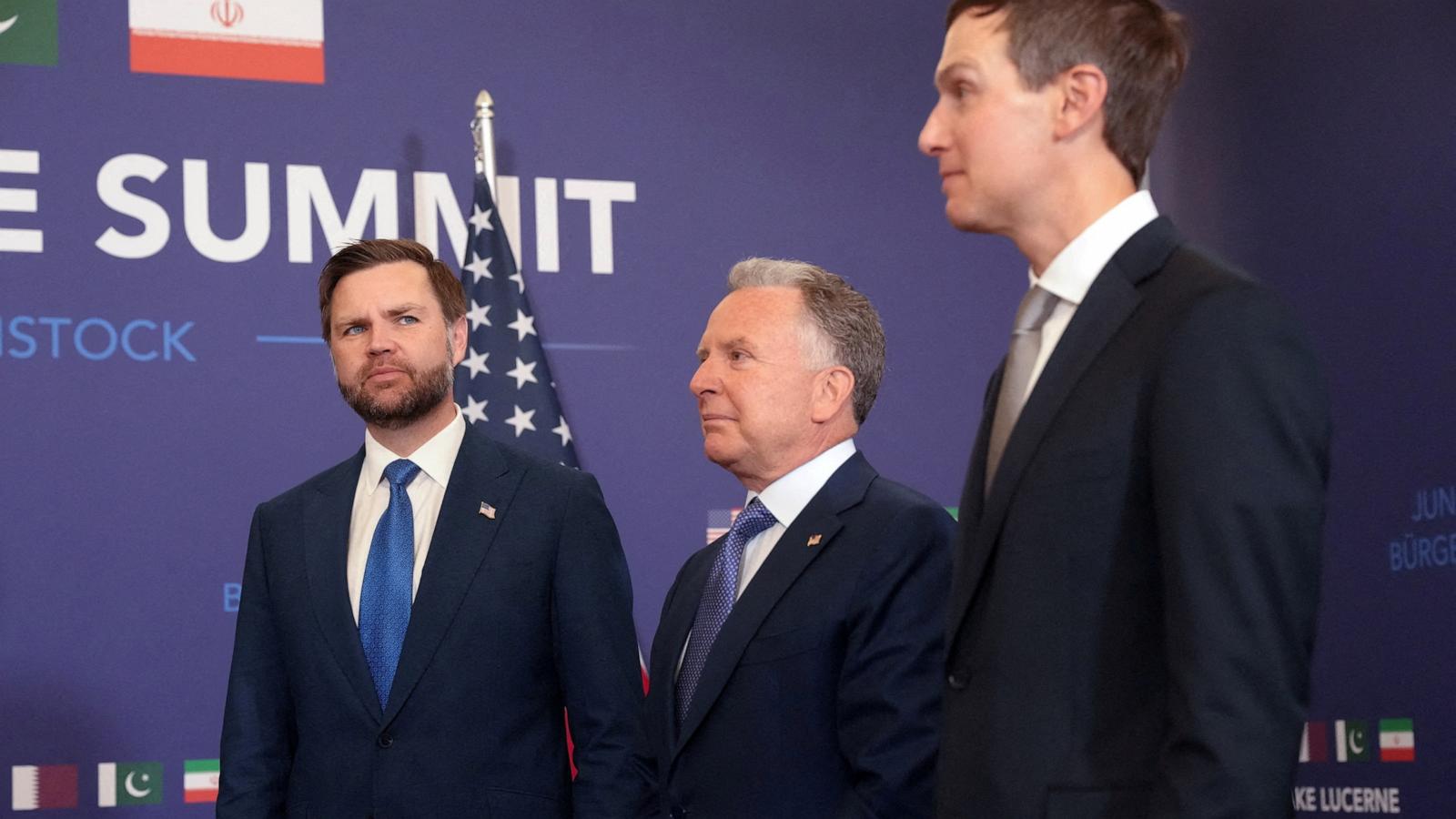
U.S. Vice President JD Vance is meeting with top Iranian officials in Switzerland to continue talks on an interim deal aimed at ending the conflict involving Iran. The discussions include Iran's parliamentary speaker and foreign minister, with mediators from Pakistan and Qatar also present.
Key Facts
Vice President JD Vance is in Switzerland for talks with Iranian leaders.
He is meeting Mohammad Bagher Qalibaf, Iran’s parliamentary speaker, and Abbas Araghchi, the foreign minister.
The talks aim to build on an interim deal reached last week to end the war involving Iran.
The meeting takes place near Lake Lucerne, at a mountainside resort.
Pakistan and Qatar are serving as mediators in the negotiations.
The focus is on improving relations and progressing the peace process with Iran.
Read the Original
Want the full story? Tap a source to open the original
article.
U.S. Vice President JD Vance met with top Iranian officials in Switzerland to discuss expanding a recent temporary deal aimed at ending the war in Iran. The talks included mediators from Pakistan and Qatar and lasted about 80 minutes.
Key Facts
The meeting took place near Lake Lucerne, Switzerland.
U.S. Vice President JD Vance met with Iran's parliamentary speaker, Mohammad Bagher Qalibaf, and Foreign Minister Abbas Araghchi.
The discussions focused on building out an interim deal made last week to stop the war in Iran.
Mediators from Pakistan and Qatar were present during the talks.
The U.S. and Iran also held separate private talks with Pakistani and Qatari officials.
The direct negotiations lasted approximately 80 minutes.
Vice President Vance expressed hope for Iran to "turn over a new leaf," indicating a chance for improved relations.
This meeting is part of ongoing efforts to reduce conflict and improve diplomacy between the two countries.
Read the Original
Want the full story? Tap a source to open the original
article.
U.S. Vice President JD Vance met with top Iranian officials in Switzerland to discuss expanding a recent deal aimed at ending conflict involving Iran. At the same time, President Donald Trump warned Iran against supporting Hezbollah militants or closing a key waterway, the Strait of Hormuz, with threats of military strikes.
Key Facts
JD Vance, U.S. Vice President, held talks with Iranian officials in Switzerland.
The talks focused on building on a recent interim deal to stop the war involving Iran.
Vance expressed hope to improve relations and "turn over a new leaf" with Iran.
President Donald Trump issued threats to restart strikes on Iran if it supports Hezbollah in Lebanon.
Trump also threatened action if Iran tries to close the Strait of Hormuz, a vital shipping route.
The interim deal between the U.S. and Iran was made just last week.
The Strait of Hormuz is a strategic waterway important for global oil transport.
Read the Original
Want the full story? Tap a source to open the original
article.
Energy Secretary Chris Wright reported that oil shipments through the Strait of Hormuz are returning to normal after concerns about a possible closure by Iran. This statement came one day after Iranian officials warned they might close the waterway due to Israeli attacks in Lebanon.
Key Facts
The Strait of Hormuz is an important and busy route for global oil shipments.
Iranian officials suggested closing the strait because of Israeli strikes in Lebanon.
Energy Secretary Chris Wright said on Sunday that oil flow is moving back toward normal levels.
On Saturday, 67 ships passed through the strait, showing continued activity.
The information was shared by an official from the Trump administration.
The concern about closure affected global energy market attention and security.
Strait of Hormuz closure could disrupt worldwide oil supply.
Read the Original
Want the full story? Tap a source to open the original
article.
President Donald Trump said that British Prime Minister Keir Starmer will resign soon. Trump said Starmer did not do well on immigration and energy issues, including the decision not to drill for oil in the North Sea.
Key Facts
President Trump said British Prime Minister Keir Starmer will resign.
Trump criticized Starmer’s handling of immigration policies.
Trump also mentioned Starmer’s approach to energy, especially stopping North Sea oil drilling.
The statement was made by President Trump on a Sunday morning.
Trump expressed good wishes to Starmer despite his criticism.
The article does not provide confirmation or details about Starmer’s resignation plans.
Keir Starmer is the current Prime Minister of the United Kingdom.
Read the Original
Want the full story? Tap a source to open the original
article.
The Dutch prime minister, Rob Jetten, apologized for the harsh treatment of Moluccan soldiers who fought for the Dutch during Indonesia's independence struggle and were later moved to the Netherlands in 1951. These soldiers and their families were not treated well, faced discrimination, and never got the independence they hoped for. A monument in Rotterdam honors their history.
Key Facts
About 12,500 Moluccan soldiers who served in the Dutch colonial army moved to the Netherlands with their families in 1951.
They believed this move was temporary after Indonesia gained independence.
The soldiers were discharged against their will, banned from working and voting, and housed in poor conditions like a former Nazi transit camp.
The Moluccan group hoped to form their own republic, but this never happened.
Descendants of the Moluccan soldiers now number about 70,000 in the Netherlands.
In the 1970s, some descendants took part in protests including hostage-taking and a train hijack, which ended in a police raid.
The 1986 government agreement included cultural funding and jobs, but formal recognition of the past injustices was lacking until now.
A national monument was unveiled in Rotterdam, with an official apology from the Dutch prime minister to acknowledge the wrongs done.
Read the Original
Want the full story? Tap a source to open the original
article.