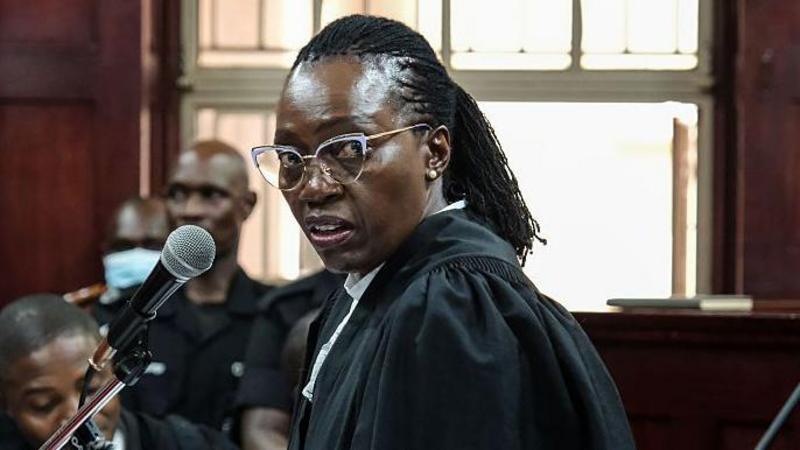
Martha Karua, a former justice minister from Kenya, was stopped from entering Uganda without any explanation. She was traveling to help defend a Ugandan lawyer and opposition leader who face treason charges.
Key Facts
Martha Karua is a former Kenyan justice minister and lawyer.
She was blocked from entering Uganda at Entebbe airport.
Karua was going to support the defense of Ugandan opposition leader Kizza Besigye.
Besigye is on trial for treason and has been jailed since being brought back from Kenya against his will.
Ugandan authorities gave no reason for blocking Karua.
Another Kenyan lawyer traveling with her, Charles Kanjama, was allowed into Uganda.
Erias Lukwago, the Ugandan lawyer Karua was helping, was charged in the treason case and is in prison.
Karua was previously stopped from entering Tanzania for a similar reason.
Read the Original
Want the full story? Tap a source to open the original
article.
The article discusses the Global War on Terrorism Memorial and how it reflects the reasons given by the Bush administration for the Iraq War. It suggests that these reasons have been questioned or found to be unfair.
Key Facts
The article focuses on the Global War on Terrorism Memorial.
It connects the memorial to the Bush administration’s explanations for the Iraq War.
The Bush administration’s reasons for the war have been challenged or criticized.
The memorial symbolizes the Global War on Terrorism.
The Iraq War was a major part of this broader conflict.
Read the Original
Want the full story? Tap a source to open the original
article.
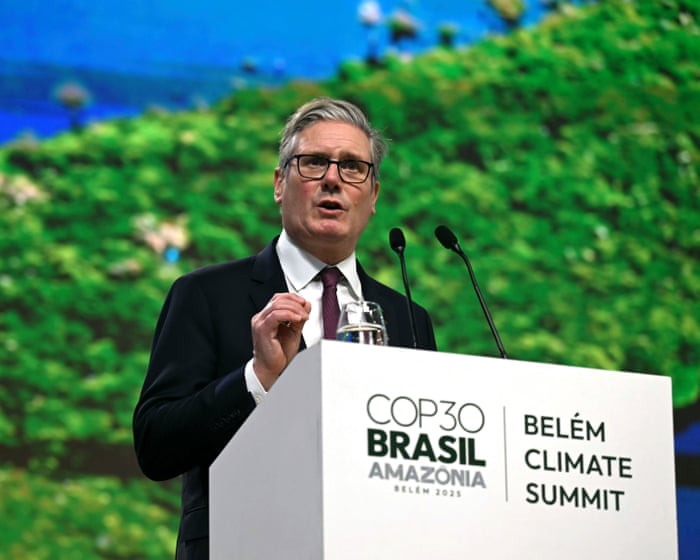
British Prime Minister Keir Starmer announced his resignation as Labour Party leader after less than two years in office. His government faced criticism over corruption allegations, policy reversals, and controversy surrounding his appointment of a US ambassador linked to Jeffrey Epstein.
Key Facts
Keir Starmer became Prime Minister on July 4, 2024, ending 14 years of Conservative rule.
His Labour Party won a large majority in Parliament but had only 34% voter support.
Problems during his term included accepting free gifts and reversing welfare spending policies.
Starmer faced backlash after cutting winter fuel subsidies for 10 million pensioners, then reversing the decision.
Public opinion was divided, with many expecting higher standards from Labour than from the Conservatives.
Labour lost badly in May 7, 2026, local and regional elections, increasing pressure on Starmer’s leadership.
The controversy around his appointment of Peter Mandelson as UK ambassador to the US, who had links to Jeffrey Epstein, intensified criticism.
Starmer will remain as caretaker Prime Minister until a new Labour leader is selected.
Read the Original
Want the full story? Tap a source to open the original
article.
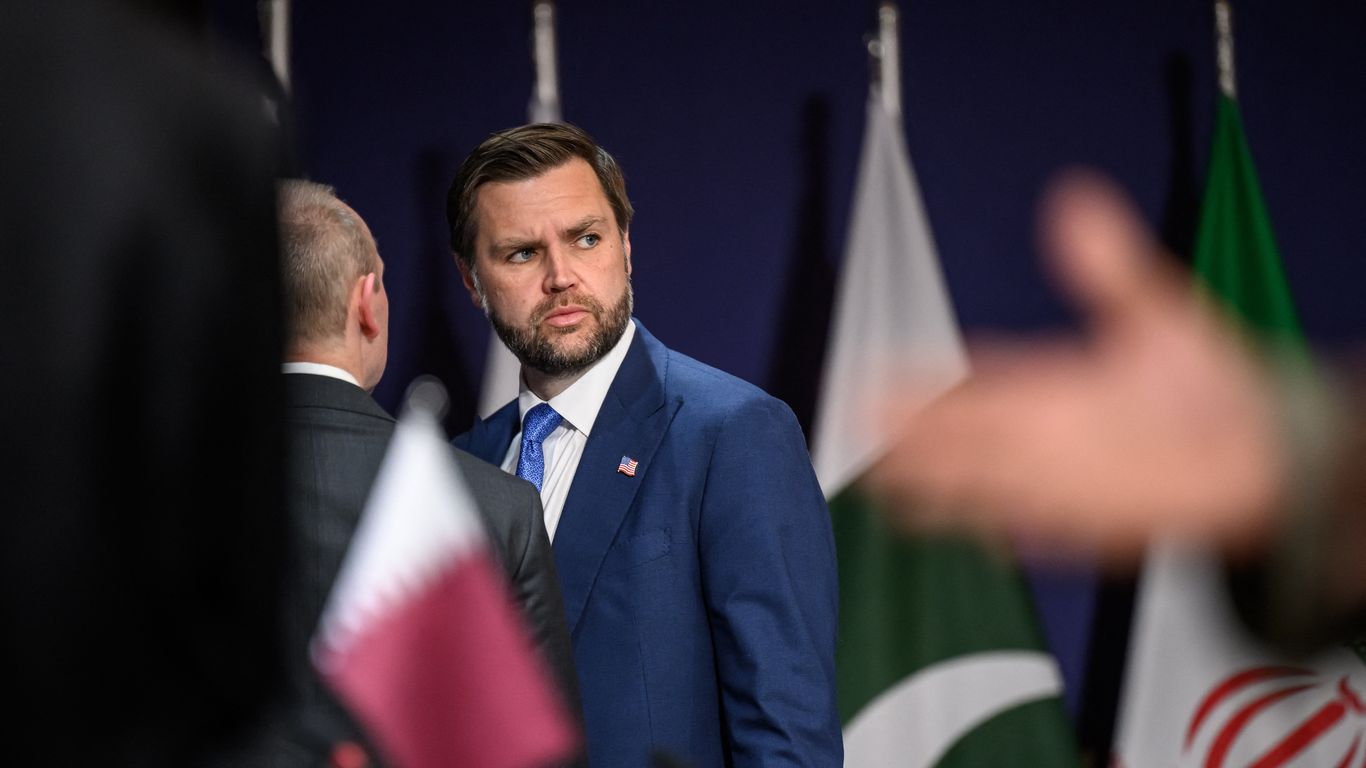
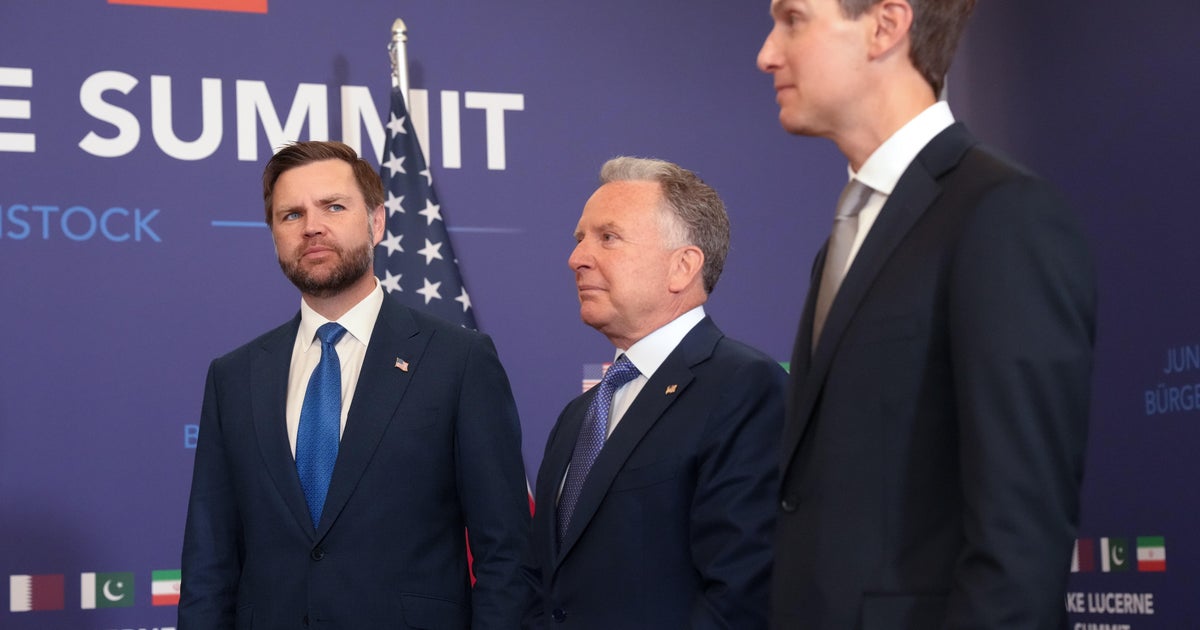
Iran has agreed to invite inspectors from the United Nations’ International Atomic Energy Agency (IAEA) to visit its nuclear sites. This announcement came after a meeting between U.S. and Iranian officials in Switzerland, where further talks are planned.
Key Facts
Iran agreed to allow IAEA inspectors into the country.
The announcement was made by U.S. Vice President JD Vance.
The talks took place in Switzerland and involved U.S. and Iranian officials.
The U.S. had pushed for Iran to invite inspectors to its main nuclear sites.
These sites were previously targeted in attacks by the U.S. and Israel.
The last IAEA inspection before this was before a war that began in June 2025.
Coordination for the inspection visit is expected to happen soon, possibly within the week.
Details about the type of access inspectors will have have not yet been shared.
Read the Original
Want the full story? Tap a source to open the original
article.
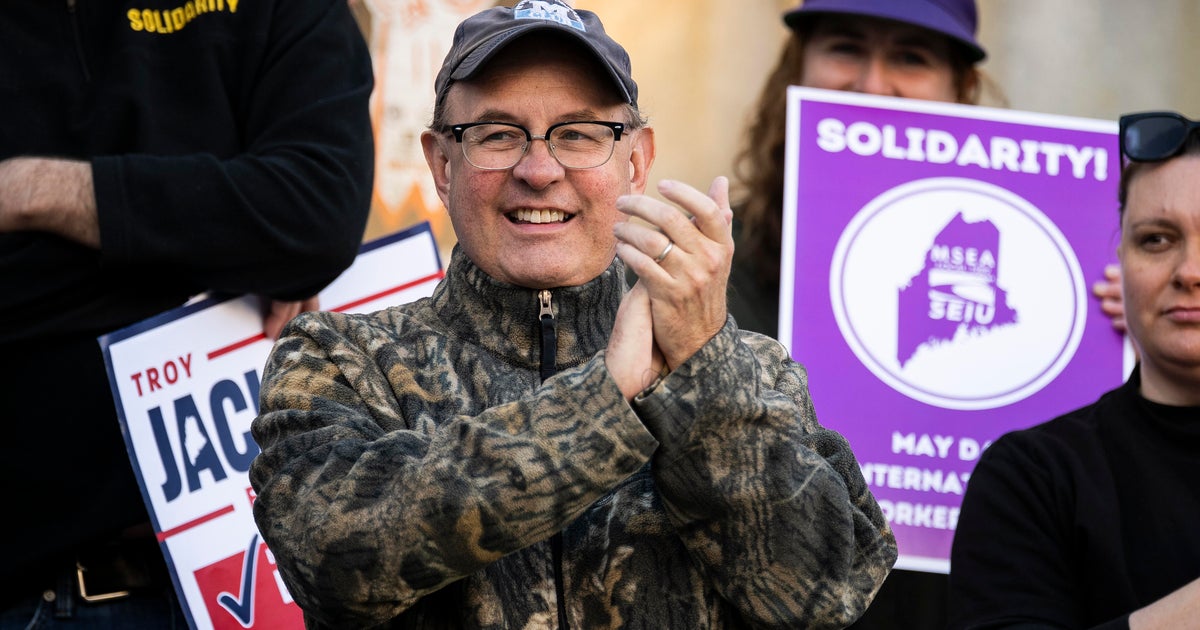
Matt Dunlap won the Democratic primary for Maine’s 2nd Congressional District after three rounds of ranked-choice voting. He will run against Republican Paul LePage in the November general election for a seat currently held by retiring Democrat Jared Golden.
Key Facts
Matt Dunlap won the Democratic primary in Maine’s 2nd Congressional District after three rounds of ranked-choice voting.
Ranked-choice voting means voters rank candidates by preference, and votes are counted in rounds, eliminating the lowest candidates.
State Sen. Joe Baldacci led the first two rounds but was overtaken by Dunlap after other candidates were eliminated.
Democratic Rep. Jared Golden, a moderate, is retiring after four terms and did not seek reelection.
Golden won his seat even though President Trump carried the district in the last three elections.
Dunlap, the state auditor, will face Paul LePage, a former two-term governor, in November.
LePage had $1.2 million in campaign funds by May 20, while Dunlap had less than $100,000.
The Democratic Congressional Campaign Committee had endorsed Joe Baldacci but he finished second after ranked-choice voting.
Read the Original
Want the full story? Tap a source to open the original
article.
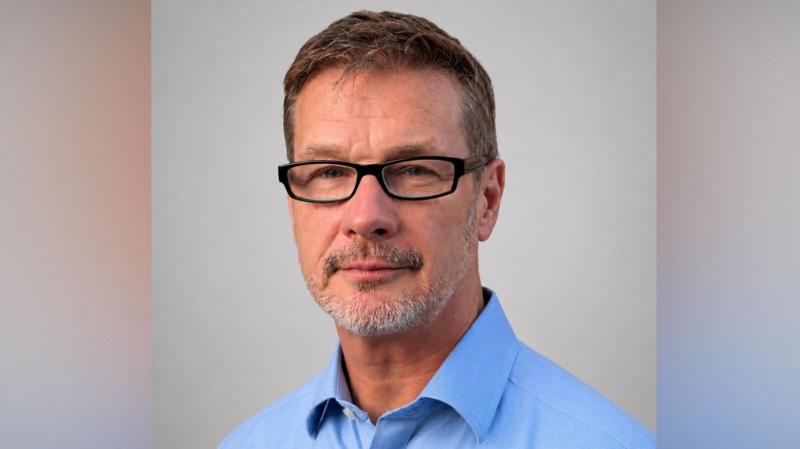
South East Water has named John Halsall as its new chief executive after the previous CEO, David Hinton, resigned. Halsall plans to focus on fixing immediate water supply problems and leading a £2.1 billion investment program to improve the company’s reliability.
Key Facts
John Halsall will become South East Water’s new chief executive, pending regulatory approval.
Halsall has worked before for Thames Water, South West Water, and Network Rail.
David Hinton, the former CEO, resigned in May and will leave after a handover.
South East Water has faced criticism for repeated water shortages in Kent and Sussex.
Regulator Ofwat proposed a £22 million fine for the company due to supply issues affecting 286,000 people from 2020 to 2023.
Halsall aims to deliver South East Water’s largest-ever investment program of £2.1 billion to improve water service.
The company reported £1.3 billion in debt and raised prices by an average of 7% in April, making the average yearly bill £324.
Halsall said he wants to rebuild trust with customers, partners, regulators, and staff while improving the business.
Read the Original
Want the full story? Tap a source to open the original
article.
JD Vance spoke about the talks between the United States and Iran held in Switzerland, aimed at ending the conflict in the Middle East. These discussions took place amid ongoing fighting in Lebanon and threats of military strikes from President Donald Trump.
Key Facts
The US and Iran held their first round of talks in Switzerland to seek peace in the Middle East.
JD Vance addressed these talks publicly.
Fighting between Israel and Hezbollah in Lebanon continued during the talks.
President Donald Trump threatened to strike Iran over its support for Hezbollah.
Iran closed the Strait of Hormuz, a key shipping route, during this period.
Iranian officials said Lebanon was a main topic of discussion in the peace talks.
The talks were described as strained and uneven by some observers.
Israeli air strikes resumed after a short pause amid the ongoing negotiations.
Read the Original
Want the full story? Tap a source to open the original
article.
The UK Met Office has issued a rare red weather warning for parts of southern England and southern Wales due to an extreme heatwave with temperatures possibly reaching up to 44°C (111°F). Officials warn that this heat, combined with high humidity, could cause serious health risks and disrupt daily life, including travel and energy supplies.
Key Facts
The red warning covers areas from southern Wales near Swansea through southern and central England, including London and Birmingham.
Temperatures are expected to exceed 37°C for two to three days, reaching between 38°C and 40°C in some places.
High humidity will make the heat feel more intense and make it harder for people to cool down at night.
The red warning means dangerous weather is expected and immediate safety measures are needed.
Health services, energy, and transport systems in the UK are not designed for these extreme heat conditions.
Experts warn of potential power outages, transport failures, and increased health problems, especially for vulnerable groups like the elderly and young children.
An amber warning covers most of the rest of England and Wales, signaling serious heat risks as well.
The heatwave happens during discussions in the UK Parliament about cutting emissions to reach net zero and combat climate change.
Read the Original
Want the full story? Tap a source to open the original
article.
Keir Starmer, leader of the British Labour Party, has a strong record on climate and energy policies, aiming to decarbonize the UK’s electricity by 2030. However, opposition parties and some voices within his party have pushed back against these plans, creating political challenges and causing Labour to reduce some of its green ambitions.
Key Facts
Labour’s climate and energy policies are key to addressing the UK’s cost of living crisis.
Opposition parties, including the Conservative Party and Nigel Farage’s Reform Party, are actively challenging Labour’s green agenda.
Conservatives propose abandoning the net zero emissions target and increasing oil and gas drilling.
Starmer initially pledged £28 billion investment and a target to decarbonize electricity by 2030, but these goals were reduced after internal pressure.
Polls show most UK voters still support meeting net zero climate targets despite political debates.
The Green Party and Liberal Democrats have gained some voters as Labour softened its climate commitments.
Starmer has supported government climate actions, such as protecting home insulation programs and ensuring legal compliance with climate plans.
Political disagreement over climate policy is unusual in UK politics, as there had been a long-standing cross-party agreement on environmental issues.
Read the Original
Want the full story? Tap a source to open the original
article.
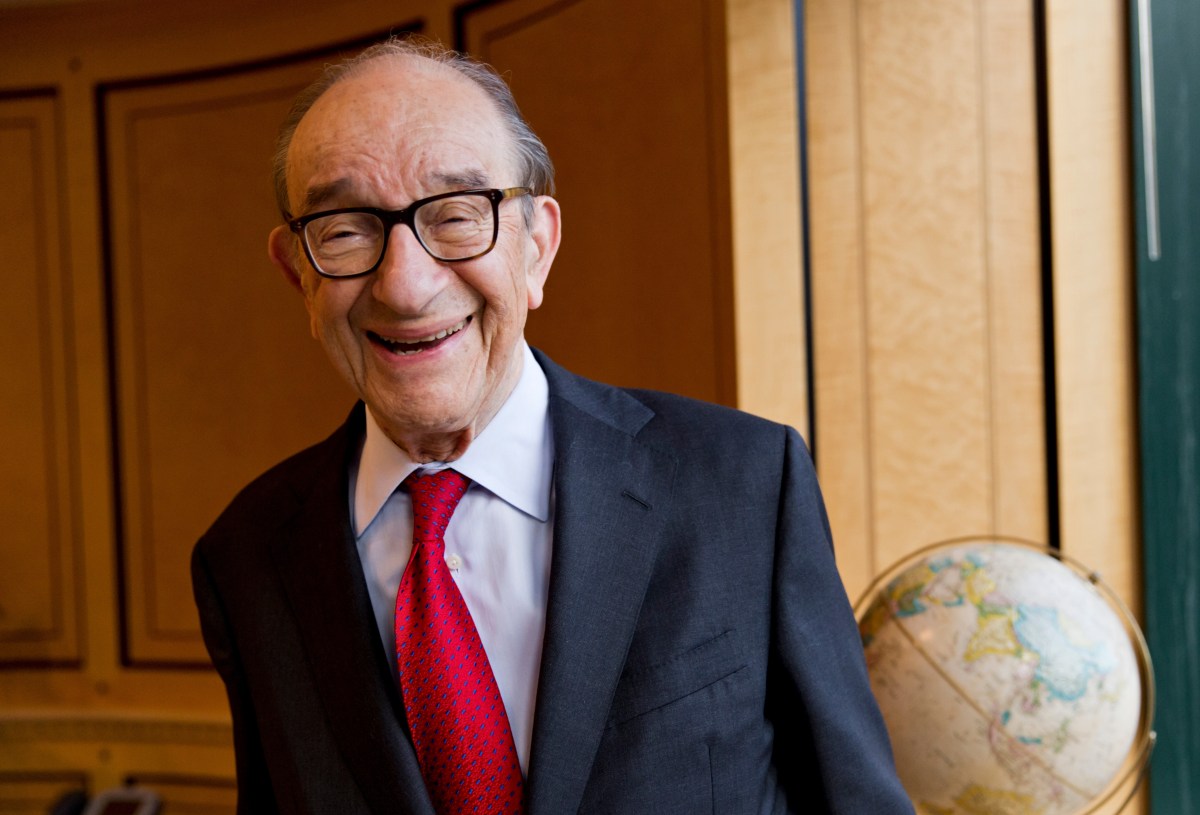
Alan Greenspan, who led the U.S. Federal Reserve for almost 20 years, has died at age 100. He was known for guiding the U.S. economy through many years and served as Fed chairman from 1987 to 2006.
Key Facts
Alan Greenspan died at home due to complications from Parkinson's disease.
He was 100 years old at the time of his death.
Greenspan was chairman of the Federal Reserve from 1987 to 2006.
He was appointed by President Ronald Reagan.
Greenspan influenced U.S. economic policy under presidents from both political parties.
He was married to NBC journalist Andrea Mitchell for 29 years.
He had strong personal interests in baseball, the Washington Commanders, tennis, golf, and jazz music.
His wife described him as honest about his mistakes in economic decisions.
Read the Original
Want the full story? Tap a source to open the original
article.
Rising costs for memory chips, driven by increased demand from artificial intelligence (AI) data centers, are causing smartphone prices to rise. Apple plans to increase its prices, and experts expect price hikes for most smartphone makers, especially affecting lower-end phones the most.
Key Facts
Apple’s CEO Tim Cook said higher memory and storage chip costs make price increases “unavoidable.”
AI data centers are using more memory chips, reducing supply for smartphones and pushing chip prices up.
Analysts predict the average global smartphone selling price could rise by about 20%.
Entry-level Android phones might see price increases as high as 40%.
Premium brands like Apple and Samsung may raise prices by around 10%.
Memory shortages are expected to last at least until 2027 due to ongoing AI demand.
Earlier forecasts predicted smaller price increases, around 3-8%, before these memory cost rises.
Price increases will vary by device type, with lower-cost phones hit hardest because memory costs are a bigger part of their total cost.
Read the Original
Want the full story? Tap a source to open the original
article.
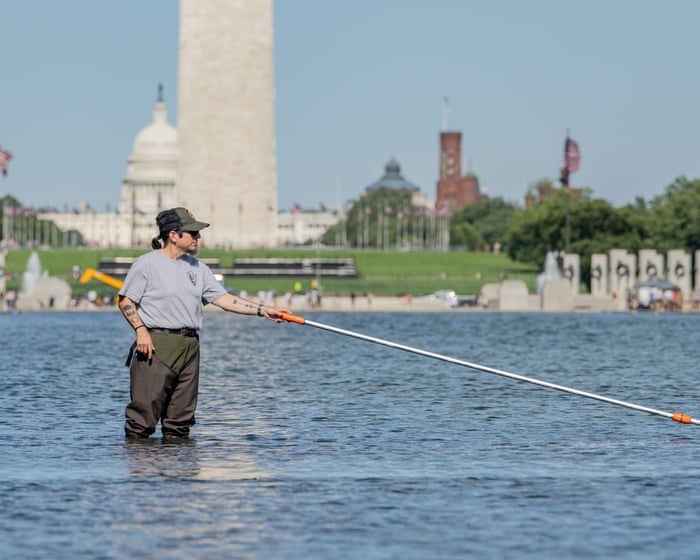
Five people were arrested for vandalizing the Lincoln Memorial reflecting pool in Washington, D.C. President Donald Trump said repair work on the damaged pool will start immediately, while local officials warned that vandals will face prosecution.
Key Facts
Five people were arrested for vandalizing the Lincoln Memorial reflecting pool.
Another five people received federal citations for related acts.
President Trump inspected the reflecting pool and described the damage as serious.
Trump said the pool might be drained to carry out repairs.
The reflecting pool had issues before, such as algae and peeling paint, after recent renovations for the 250th anniversary of U.S. independence.
The U.S. attorney for D.C., Jeanine Pirro, stated vandals will be prosecuted fully.
A three-time Olympian was arrested on a misdemeanor for touching peeling paint at the pool.
Repair work on the reflecting pool is set to begin immediately according to President Trump.
Read the Original
Want the full story? Tap a source to open the original
article.
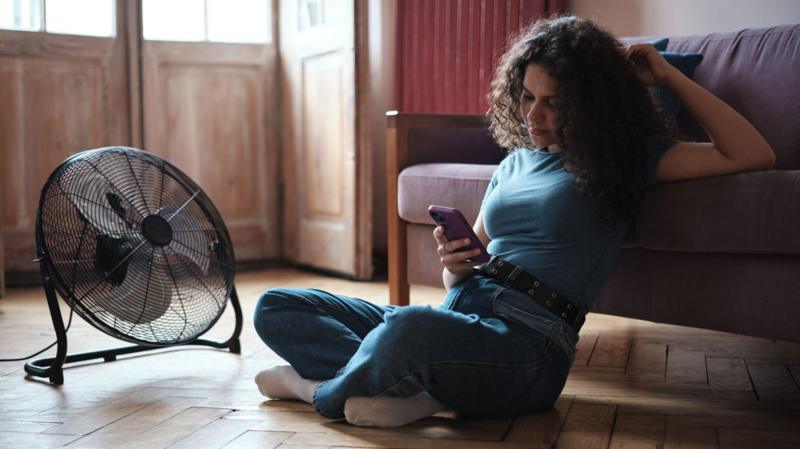
The article gives six simple tips to keep yourself and your home cool during hot weather. It explains how to use airflow, fans, and other methods to reduce heat inside homes and suggests ways to cool the body safely.
Key Facts
Open windows on opposite sides of the house when outside air is cooler to create airflow and let hot air escape.
Keep windows closed and curtains drawn on sunny sides during the hottest part of the day to block heat.
Fans help move air and cool you down but can make things worse if temperatures are above 35°C by blowing hot air on you.
Use ice cubes in front of fans to cool the air and place multiple fans to create cross currents.
Avoid using ovens, cookers, and other heat-producing appliances during peak heat hours.
Cool your body with tepid showers and ice packs wrapped in towels; avoid very cold water that restricts blood flow.
Reducing indoor humidity by shortening showers, wiping water off surfaces, and moving plants outside can help prevent heat exhaustion.
Heat exhaustion is treatable, but heatstroke is serious and requires immediate medical help by calling 999.
Read the Original
Want the full story? Tap a source to open the original
article.
This article gives six simple tips to keep your home and yourself cool during very hot weather. It explains how to use airflow, fans, shading, and other methods to reduce heat indoors and stay comfortable.
Key Facts
Open windows on opposite sides of your home to create airflow and let cooler air in, especially during the night or early morning.
Keep windows and curtains closed during the hottest part of the day to block warm air and sunlight.
Fans help move air and can make you feel cooler, but they may not help if the temperature is above 35°C (95°F).
Putting ice cubes in front of a fan can help cool the air.
Avoid using ovens, cookers, and other heat-producing appliances during the hottest times.
Taking tepid (not cold) showers can help cool your body without using too much energy.
Heat exhaustion can be managed by cooling down, but heatstroke is an emergency and needs immediate medical help.
Reducing humidity indoors by wiping water from surfaces and moving plants outside can help avoid feeling hotter.
Read the Original
Want the full story? Tap a source to open the original
article.
This article gives simple tips to help people sleep better during very hot weather. It suggests keeping a regular schedule, staying cool, drinking enough water, and avoiding things that can make sleep harder like caffeine, alcohol, and phone use before bed.
Key Facts
Avoid napping during the day to make sure you feel sleepy at night.
Keep your usual bedtime routine even if the weather is hot.
Close curtains and windows during the day to keep heat out, then open windows before bed to cool the room.
Use thin cotton sheets and wear loose natural-fiber clothes to stay cooler.
Use a fan, ice-cold water bottles, or chilled socks to help lower body temperature.
Drink enough water throughout the day but not too much before bed.
Avoid caffeine and alcohol close to bedtime as they can disrupt sleep.
If you can't sleep, do something calm without using your phone to avoid blue light stimulating your brain.
Read the Original
Want the full story? Tap a source to open the original
article.
Keir Starmer has announced he will resign as leader of the UK Labour Party, which will trigger a race to choose the UK's seventh prime minister in 10 years. The leadership contest starts on July 9 and will finish before the parliament’s summer break.
Key Facts
Keir Starmer is stepping down as Labour Party leader amid internal party pressure and poor election results.
The UK has had six prime ministers since 2016, each serving about 1.5 to 2 years on average.
David Cameron resigned in 2016 after losing the Brexit referendum.
Theresa May resigned in 2019 because she could not get parliamentary approval for her Brexit agreement.
Boris Johnson resigned in 2022 following scandals and many minister resignations.
Liz Truss resigned in 2022 after only 49 days due to market problems from her economic plans.
Rishi Sunak resigned after the Conservative Party lost heavily in the 2024 general election.
Andy Burnham, Greater Manchester Mayor, is the favorite to become the next Labour leader and prime minister, but others like Wes Streeting may also run.
Read the Original
Want the full story? Tap a source to open the original
article.
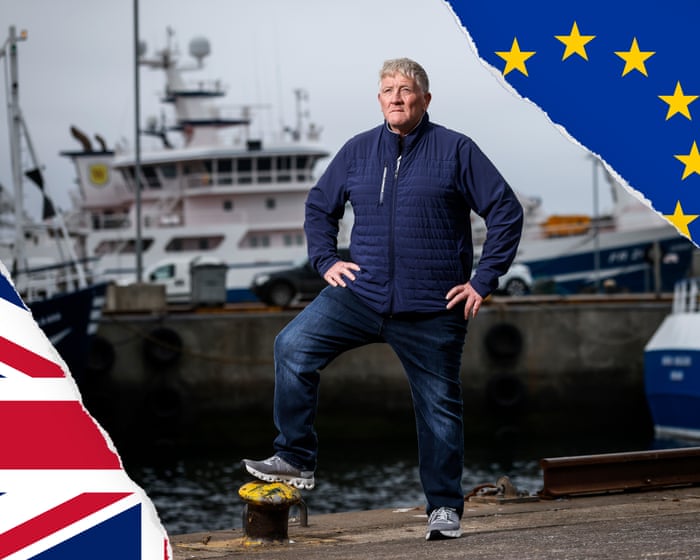
This article revisits five key areas in the UK that were closely watched during the 2016 Brexit referendum. It describes how people in these places feel about Brexit ten years later, focusing on challenges in fishing and farming industries caused by new rules and extra costs after the UK left the EU.
Key Facts
Torridge and West Devon voted 57% to leave the EU in 2016.
Tony Rutherford, a local fish business owner, says Brexit has been very difficult for the fishing industry, with little benefit from government agreements.
Exporting fish to the EU became complicated and expensive, requiring VAT registration in France, hiring French accountants, health certificates, and extra customs paperwork.
Rutherford says delays and mistakes in paperwork have caused losses of tens of thousands of pounds on several shipments.
Many local exporters in southwest England have stopped exporting due to these costs and difficulties.
Ceredigion voted 54.6% to remain in the EU.
The area’s economy depended heavily on EU funding, and local farming now struggles with shorter subsidy cycles and new health and safety checks for exports.
Political changes followed Brexit, including the loss of the local Liberal Democrat MP, with Brexit being a factor in election results.
Read the Original
Want the full story? Tap a source to open the original
article.
Some schools in the UK face high indoor temperatures during heatwaves, making it hard for students and teachers to stay comfortable and concentrate. There is no official maximum temperature limit for schools, but some groups want one set to protect health and learning.
Key Facts
Temperatures in some UK schools have reached as high as 33C (91F) during exams.
Children and teachers have experienced heat-related illness, including passing out.
One child mentioned has dysautonomia, a condition affecting body temperature regulation.
The UK Department for Education is considering setting temperature rules based on advice from the Climate Change Committee.
Unions recommend a maximum indoor temperature of 26C (79F) for schools.
Schools have tried measures like planting trees for shade and changing building materials to reduce heat.
Local councils provide heatwave guidance but rarely close schools due to heat.
Teachers have called for flexible dress codes and adjusted school hours during hot weather.
Read the Original
Want the full story? Tap a source to open the original
article.
The first round of talks between the U.S. and Iran made promising progress toward ending their conflict. Both sides agreed to set up communication channels to prevent clashes and ensure safe passage for ships in the Strait of Hormuz. They also agreed to work with Lebanon to stop fighting involving Iran-backed groups.
Key Facts
U.S. and Iran held 18-hour talks in Switzerland, aiming for a lasting peace deal.
Pakistan and Qatar acted as mediators, describing the progress as encouraging.
A communication line will help avoid accidents and misunderstandings in the Strait of Hormuz, a key shipping route.
A “deconfliction cell” involving Iran, the U.S., and Lebanon will oversee the halt to fighting in Lebanon.
The agreement attempts to end hostilities on all fronts, including conflicts involving Iran-backed Hezbollah in Lebanon.
Iran’s foreign minister called the Lebanon ceasefire a critical test for the talks.
Oil prices dropped after the talks, reflecting optimism that the conflict might cool down.
Future discussion dates and formats have not yet been decided.
Read the Original
Want the full story? Tap a source to open the original
article.
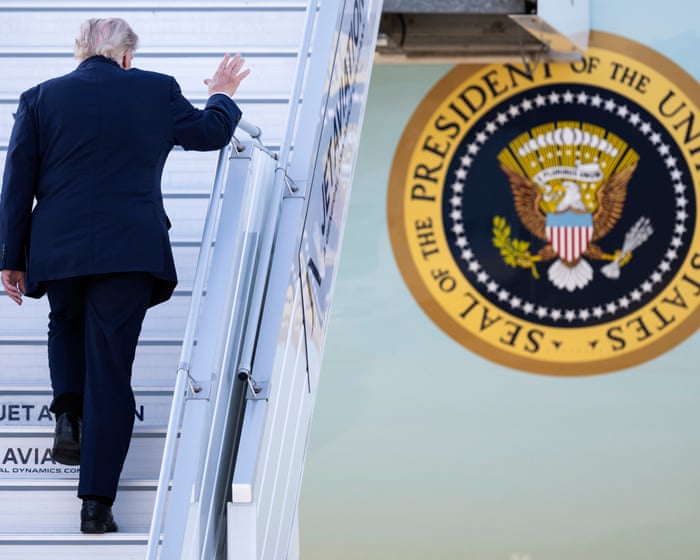
President Donald Trump’s support among white, blue-collar voters has dropped significantly due to concerns over inflation, rising gas prices, and his military actions in Iran. This shift in opinion could hurt Republican chances in the upcoming midterm elections.
Key Facts
Trump won 66% of white voters without a college degree in 2024 but 54% now disapprove of his performance.
Disapproval increased after Trump began bombing Iran, which raised gas and grocery prices.
Blue-collar voters feel Trump failed to lower prices, boost manufacturing jobs, or avoid new foreign wars.
Since Trump returned to office, the number of factory jobs has decreased by 68,000.
Trump's immigration crackdown has grown unpopular following deaths caused by his agents.
Inflation is at 4.2%, the highest in three years, affecting everyday costs like food and gas.
Many working-class voters from different racial groups are also upset with Trump’s policies.
Tax cuts helped the very rich, while cuts to Medicaid and food assistance hurt working-class Americans.
Read the Original
Want the full story? Tap a source to open the original
article.