Supreme Court tells lower courts to take new look at 2 voting rights cases
Summary
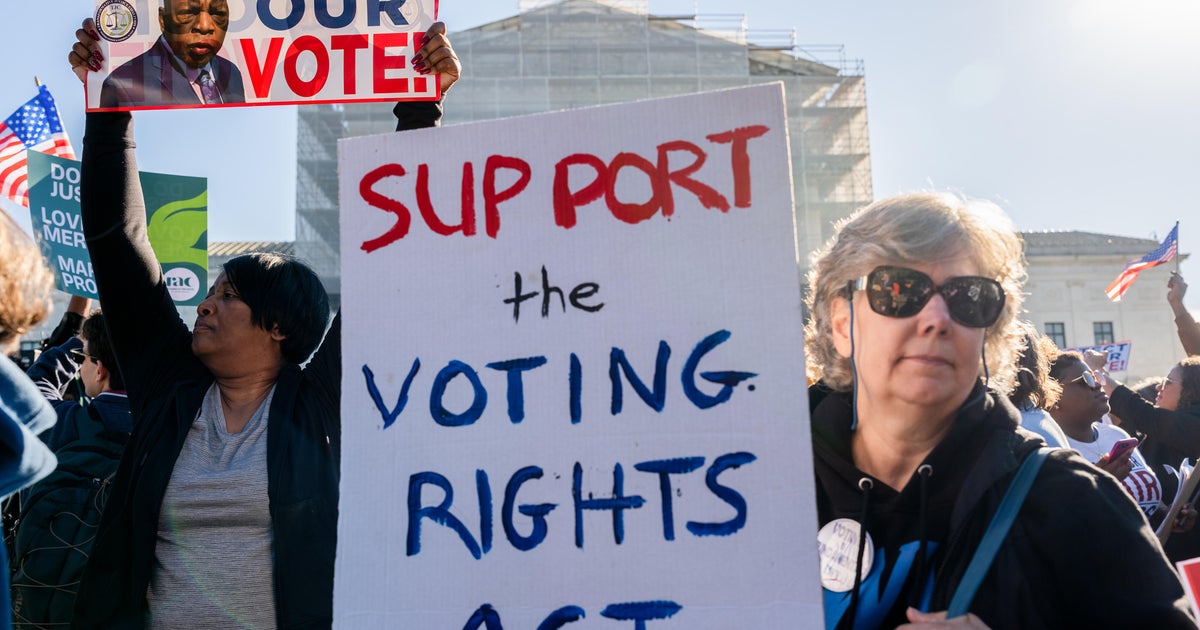
The U.S. Supreme Court asked lower courts to review two cases about who can sue to stop discriminatory voting practices under the Voting Rights Act. These cases question whether private individuals and groups can enforce a key part of the law after a recent Supreme Court decision that weakened it.Key Facts
- The Supreme Court sent two voting rights cases back to lower courts for reconsideration due to a recent ruling affecting Section 2 of the Voting Rights Act.
- Section 2 bans voting rules that discriminate against certain groups.
- The main question is whether private people and groups can sue to enforce this law or if only the attorney general can do so.
- One case involves Mississippi and was brought by the NAACP and 14 voters, the other is from North Dakota and involves Native American tribes and voters.
- Lower courts ruled in favor of the plaintiffs, but the 8th Circuit Court limited private lawsuits, saying only the attorney general can enforce Section 2 in its region.
- Private lawsuits have made up most Section 2 cases nationally for over 40 years, with more than 400 cases since 1982 brought by private parties.
- The Supreme Court’s decision could restrict the ability of individuals and groups to challenge voting discrimination in court.
- Justice Ketanji Brown Jackson disagreed with the Supreme Court’s order (she dissented).
Read the Full Article
This is a fact-based summary from The Actual News. Click below to read the complete story directly from the original source.