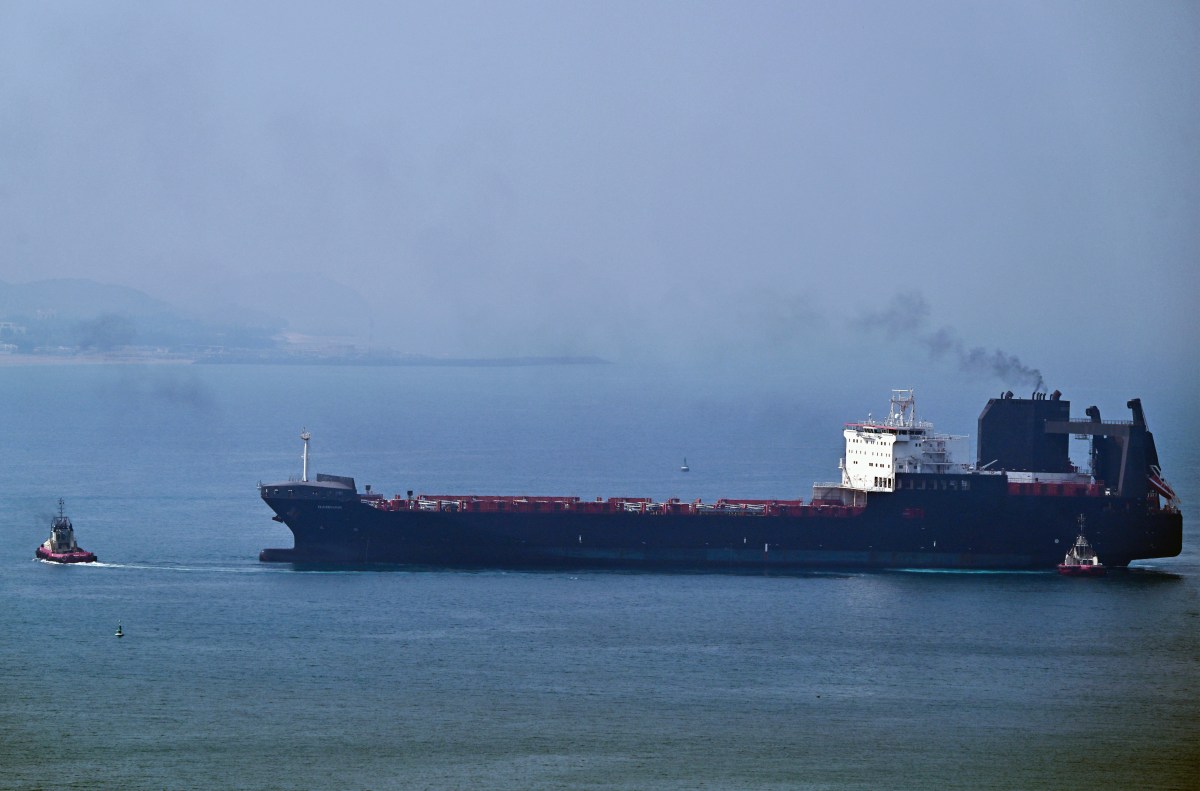
Other Routes: How Shipping Is Circumventing the Strait of Hormuz War Zone
Summary
Fighting near the Strait of Hormuz has made the area unsafe for shipping oil and gas. Countries in the Gulf region are creating new routes and building ports to avoid the strait and keep oil exports moving. Shipping companies are using land and alternative sea routes, but these options are slower and more complicated.Key Facts
- The Strait of Hormuz is a key route for about 20% of the world's oil and gas but has become dangerous due to recent conflicts.
- The U.S. military launched strikes to reduce Iran’s threat to ships in the area.
- The International Maritime Organization declared the strait unsafe for commercial vessels.
- The United Arab Emirates plans to build a new port and container terminal on its east coast to bypass the strait.
- Shipping company Hapag-Lloyd reroutes vessels to ports like Salalah, Jeddah, and Sharjah to avoid the strait.
- Saudi Arabia uses a 750-mile pipeline to move crude oil to the Red Sea, but tankers face risks passing through the Bab el-Mandeb Strait.
- These new routes and methods are less efficient and can cause longer shipping times and added costs.
- Kuwait, Iraq, and Qatar still rely heavily on the Strait of Hormuz for their exports.
Read the Full Article
This is a fact-based summary from The Actual News. Click below to read the complete story directly from the original source.