Map Shows Where Growing Seasons Getting Longer: What it Means for Gardeners
Summary
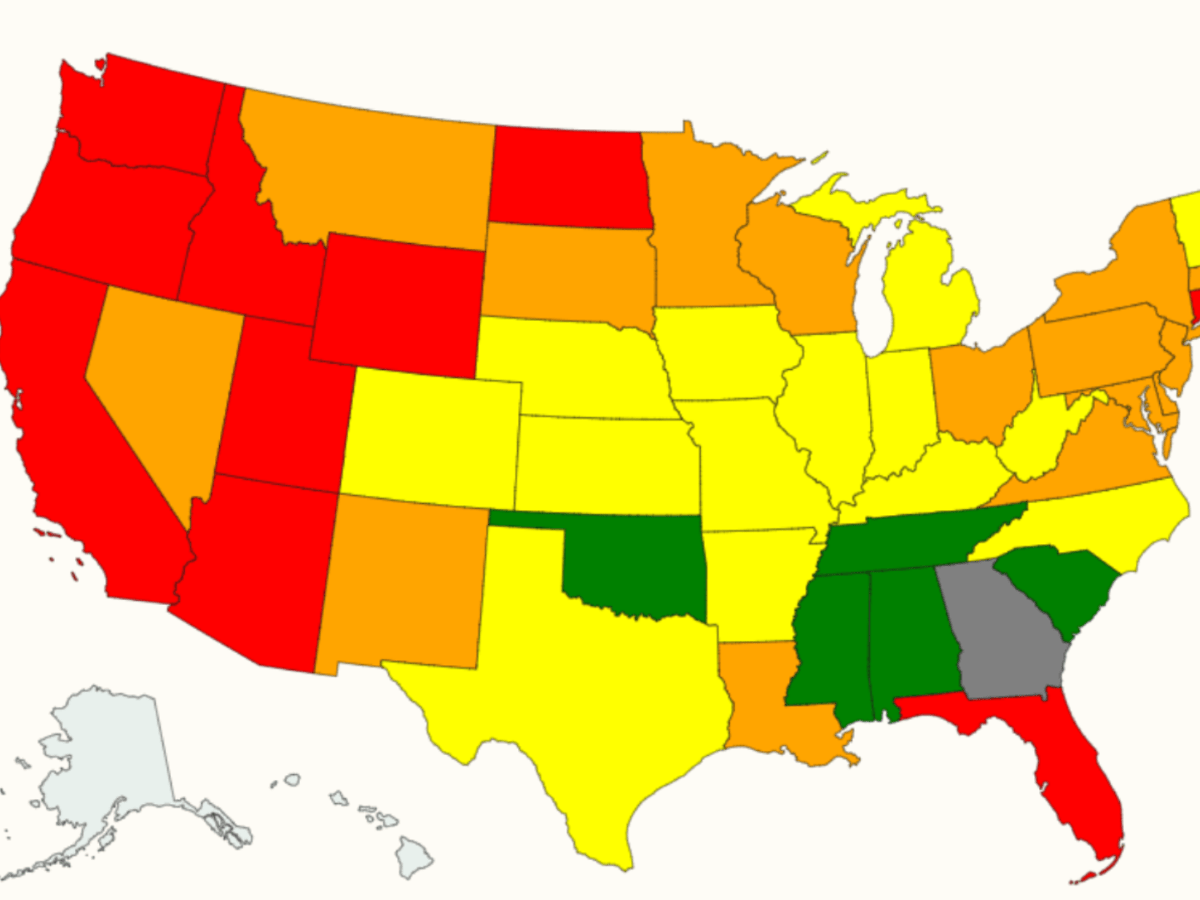
Growing seasons in most parts of the United States have gotten longer since 1895, meaning plants have more time to grow between the last spring frost and the first fall frost. This change benefits gardeners by allowing longer harvests but also means pests have more time to cause problems. The longest increases happened in states like California, Washington, and Arizona, and the trend is linked to rising global temperatures.Key Facts
- Growing seasons are the time between the last spring frost and the first fall frost when plants grow.
- Since 1895, most U.S. states have experienced longer growing seasons.
- California gained nearly 47 more growing days; Washington about 40; Arizona about 35; Utah about 33.
- Some states like Georgia saw no increase or a decrease in growing season length.
- The lengthening is related to climate change causing higher temperatures and changing weather.
- Longer seasons help gardeners grow more crops and flowers, including those that need warm weather.
- More growing time also means pests can survive longer, creating challenges for gardeners.
- Extreme weather like hurricanes continues to pose risks, especially in places like Florida.
Read the Full Article
This is a fact-based summary from The Actual News. Click below to read the complete story directly from the original source.