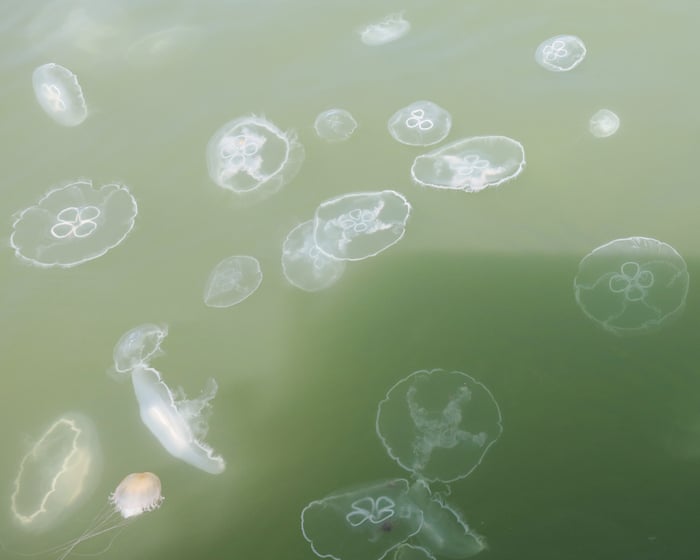
‘Its pretty much a guarantee you’ll get stung’: jellyfish keep swimmers out of Delaware beaches
Summary
An unusually large number of jellyfish have appeared along Delaware’s beaches this summer, causing many swimmers and lifeguards to avoid the water. Warmer water, dry weather, and specific water movements have helped jellyfish populations grow, leading to hundreds of stings each day.Key Facts
- Hundreds of jellyfish stings are reported daily at Delaware beaches like Rehoboth, Lewes, and Dewey.
- Lifeguards and swimmers are avoiding the water due to frequent jellyfish stings.
- Jellyfish stings this summer last longer and cause more severe reactions, including vomiting in children.
- The main jellyfish species present are lion’s mane, Atlantic sea nettle, moon jellyfish, and sea walnut.
- Experts advise rinsing stings with vinegar and warm water and warn against urinating on them as it can worsen pain.
- Environmental factors like warmer air and water temperatures, drought increasing salt levels, and calm weather conditions have helped jellyfish thrive.
- Fewer storms this season have allowed jellyfish to gather near the shore rather than being dispersed.
- Rising temperatures and more frequent droughts in the future may lead to even more jellyfish during summers.
Read the Full Article
This is a fact-based summary from The Actual News. Click below to read the complete story directly from the original source.


