Why does the New York Times keep calling the left ‘divisive’?
Summary
The New York Times has frequently used the word "divisive" to describe recent progressive and democratic socialist candidates and political events. Critics say this reflects a bias toward moderate Democratic leaders and a preference for unity that aligns with centrist party strategies.Key Facts
- The New York Times called several left-leaning candidates and primaries "divisive" or "polarizing" in recent reports.
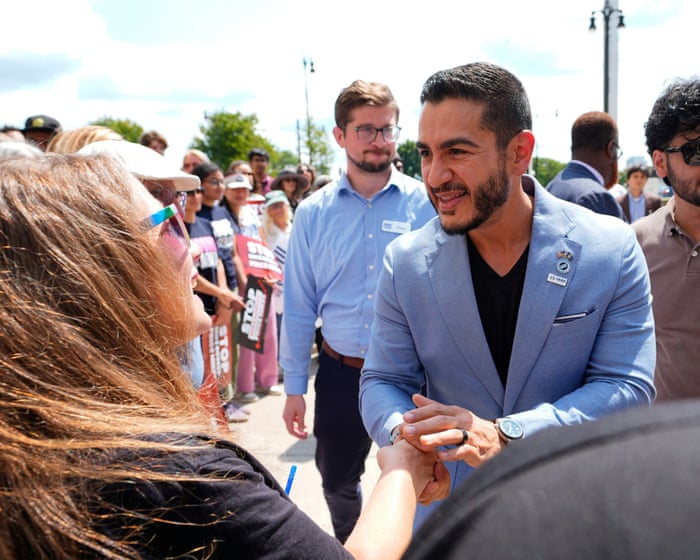
- Democratic socialist Abdul El-Sayed was described as winning a "divisive" primary in Michigan.
- The Times used similar language for Wisconsin gubernatorial and New York political races involving progressive candidates.
- The newspaper labeled historian Howard Zinn as "divisive" in a book review headline, despite debate among historians.
- Critics argue the Times’s use of "divisive" suggests a preference for centrist Democratic campaigns and downplays genuine political differences.
- The term "divisive" is less frequently applied to far-right Republicans but still shapes perceptions of the left as extreme or threatening.
- Debate and disagreement have been central to American politics historically, contradicting the paper’s assumed ideal of unity.
- Some say the Times’s language supports maintaining existing power structures within the Democratic Party rather than embracing progressive change.
Read the Full Article
This is a fact-based summary from The Actual News. Click below to read the complete story directly from the original source.