Researchers swap in human brain cells for a mouse's cortex
Summary
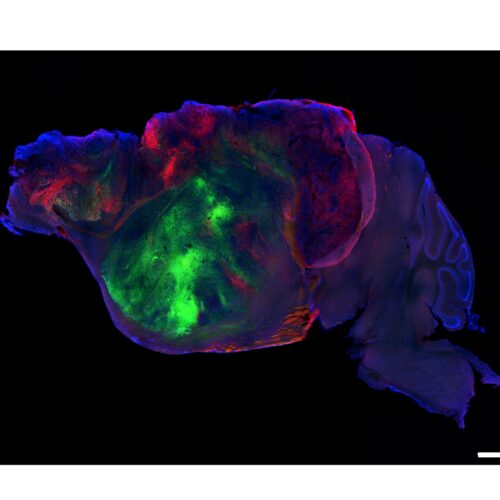
Researchers at Stanford University removed a large part of a mouse’s brain cortex and replaced it with human brain organoid cells. This method aims to create a better model to study human brain diseases by combining human brain tissue with a living animal's brain.Key Facts
- Brain organoids are small 3D tissues made from stem cells that mimic some features of real organs but lack full brain connections.
- The cortex is the brain area responsible for complex functions like memory and decision-making.
- Researchers deleted most of the mouse’s cortical brain cells by targeting a necessary gene for cell division.
- Mice without a cortex survived by receiving extra care, including extended nursing and high-calorie food.
- This approach helps study brain diseases by allowing human brain cells to integrate into a living brain environment.
- Traditional organoids lack blood flow and immune system interactions found in real brains.
- Implanting some human brain cells into normal mouse brains is common, but replacing the cortex is a more advanced step.
- Human neurons develop slower than mouse neurons, which presents challenges in brain integration.
Read the Full Article
This is a fact-based summary from The Actual News. Click below to read the complete story directly from the original source.