Scientists develop new method for deciphering ancient scrolls
Summary
Scientists developed a new way to identify which ancient scrolls from Herculaneum were written with lead-based ink. This method uses digital scans and machine learning to find the most promising scrolls for virtual reading without unrolling the fragile originals.Key Facts
- The Herculaneum scrolls are 2,000 years old and were damaged by the eruption of Mount Vesuvius in 79 AD.
- The scrolls are too fragile to be physically opened because they might crumble.
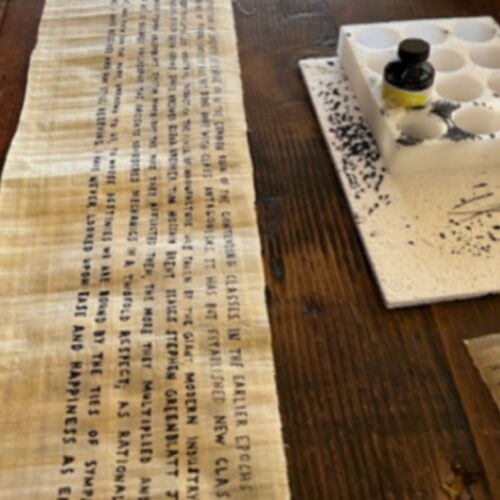
- Researchers created modern model scrolls and burned them to test their scanning method.
- Lead-based ink in some scrolls helps X-ray imaging detect the writing because lead shows up clearly in scans.
- Most scrolls use carbon-based ink, which is harder to detect using X-rays.
- Scientists trained an artificial intelligence program to spot small differences in texture to read texts in carbon ink scrolls.
- A retired inventor and a team worked to identify which scrolls have lead-based ink to prioritize them for further virtual unrolling.
- This project combines advanced scanning, machine learning, and software tools to digitally unroll and read ancient texts without damage.
Read the Full Article
This is a fact-based summary from The Actual News. Click below to read the complete story directly from the original source.