Adapting to extreme heat takes more than changing the clock
Summary
Schools, sports teams, and outdoor employers in the U.S. are changing their schedules to protect people from extreme heat. These changes include working early or late to avoid the hottest times of day and improving access to cooling, but they also create challenges like longer workdays and strain on electricity systems.Key Facts
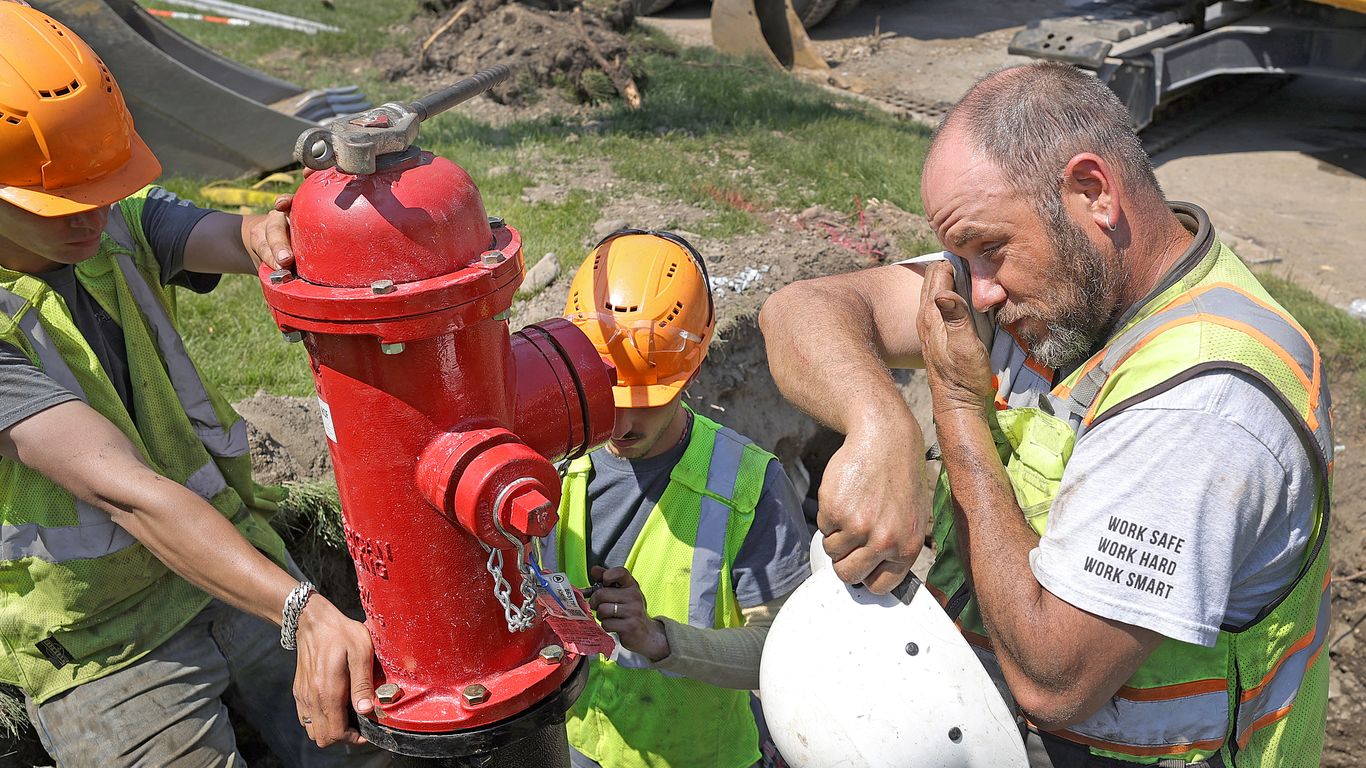
- The federal Occupational Safety and Health Administration advises employers to move work to cooler parts of the day, shorten shifts, and provide rest breaks.
- California has an Extreme Heat Action Plan focusing on protecting vulnerable groups and strengthening energy systems to prevent outages.
- Oregon requires water, shade, and rest breaks when the heat index reaches 80°F, with stricter rules at 90°F.
- Oregon OSHA conducted over 3,000 inspections and issued fines totaling more than $650,000 from 2022 to 2025 for heat-related violations.
- Texas schools are shifting sports practices to early morning or late evening hours to avoid dangerous heat, which extends coaches’ workdays.
- Extreme heat increases demand on power grids, risking outages that affect air conditioning and cooling.
- Workers produce body heat during hard labor, so rest and slower work can reduce heat stress but may lower productivity.
- In very hot places like Phoenix, safe hours to work outside are shrinking due to heat that stays high even overnight.
Read the Full Article
This is a fact-based summary from The Actual News. Click below to read the complete story directly from the original source.