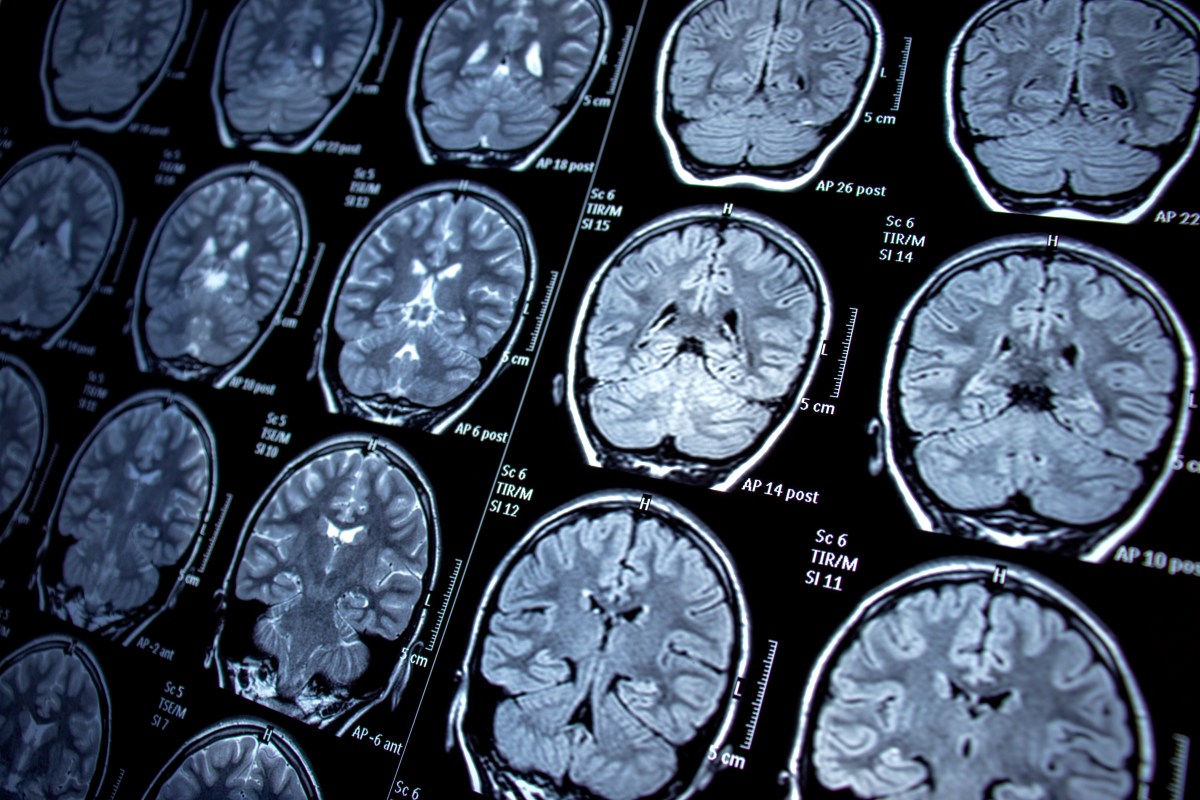
New Study Shows Promise in Restoring Brain's Defenses Against Alzheimer's
Summary
Scientists have discovered a way to restore the brain’s immune cells and reduce nerve cell problems linked to Alzheimer’s disease in mice. By blocking a protein called PD-L1 in the brain, they helped the immune cells work better and lowered harmful nerve activity.Key Facts
- The brain’s immune cells, called microglia, help protect and maintain brain health.
- In Alzheimer’s disease, microglia do not respond properly, and nerve cells become overactive.
- Researchers found changes in immune proteins PD-1 and PD-L1 in brain cells of mice with Alzheimer’s-like symptoms.
- Injecting an antibody to block PD-L1 directly into the brains of these mice restored microglial function and reduced nerve cell activity.
- This study suggests immune system problems may contribute to Alzheimer’s disease.
- The research was done in mice, so it is not yet a proven treatment for humans.
- Delivering these antibodies safely to human brains is a major challenge for future research.
- The study supports growing interest in immune-related treatments for Alzheimer’s beyond current drug approaches.
Read the Full Article
This is a fact-based summary from The Actual News. Click below to read the complete story directly from the original source.