Selena Gomez and her mental health company Wondermind Global are being sued by five investors. They claim Gomez and the founders did not keep promises about building the brand and managing the company, leading to financial problems.
Key Facts
Five investors sued Selena Gomez and Wondermind Global over alleged fraud.
Investors say Gomez promised to lead marketing but did not fulfill this role.
The lawsuit asks to recover about $1.2 million invested, plus costs and damages.
Wondermind was founded five years ago by Gomez, her mother Mandy Teefey, and Daniella Pierson.
The company aimed to provide mental health content through a digital platform.
Investors claim Wondermind failed to pay employees and vendors on time.
Promised projects like ad deals, celebrity covers, and an app never happened.
Investors first learned about the company’s troubles from a news story in September 2025.
Read the Original
Want the full story? Tap a source to open the original
article.
Research shows that U.S. companies that kept their diversity, equity, and inclusion (DEI) policies after President Trump's 2025 executive orders performed just as well financially as those that dropped them. Some companies, like Apple and Costco, maintained DEI efforts and even saw better stock results shortly after the orders.
Key Facts
In January 2025, President Trump ended DEI policies within the federal government and pressured companies to stop supporting DEI.
Companies such as Google, Goldman Sachs, McDonald’s, and Walmart publicly ended their DEI policies after the orders.
Companies like Apple, Costco, and Delta Air Lines kept their DEI policies and performed equally well or better in the stock market compared to others.
The research measured company performance using "abnormal returns," which compare expected vs. actual stock results.
Some companies may have continued DEI policies because they knew their customers supported them.
The “go woke, go broke” movement gained strength in 2023 with conservative boycotts hitting companies like Bud Light and Target.
Legal setbacks, like the Supreme Court ruling against race-conscious admissions in 2023, increased pressure on corporate DEI efforts.
Many companies adjusted or rebranded their DEI initiatives to cope with legal and political challenges rather than completely abandoning them.
Read the Original
Want the full story? Tap a source to open the original
article.
Christopher Nolan’s movie adaptation of Homer’s The Odyssey earned $264 million worldwide in its opening weekend. This success led to a big increase in sales of the original book in the UK, with purchases rising over 1,400% in early July.
Key Facts
Nolan’s film version of The Odyssey made $264 million in its first weekend globally.
Sales of Homer’s The Odyssey book in the UK rose by more than 1,400% in the first four weeks of July.
The movie’s strong box office performance likely caused the boost in book sales.
The information was shared by Miles Osgood from Stanford University.
The article was published by France 24 on August 14, 2026.
The topic relates to culture, art, and cinema.
The news highlights a connection between a film’s success and increased interest in the related book.
Read the Original
Want the full story? Tap a source to open the original
article.
The Australian government plans to make big changes to the National Disability Insurance Scheme (NDIS) to control costs. The changes include cutting budgets for some participants and introducing stricter eligibility rules, but some politicians and disability advocates say these cuts are too fast and will hurt disabled people.
Key Facts
The NDIS supports over 770,000 Australians with disabilities and costs $52 billion a year.
The government aims to save $37.8 billion over four years by tightening rules and reducing budgets.
From 2028, all participants will face independent functional assessments to check eligibility.
The NDIS minister can cut individual funding by up to 99%, with a planned 50% cut for social participation budgets.
About 241,000 people will be removed from the NDIS by 2031, with others prevented from joining.
New state and territory programs are expected to support those no longer in the NDIS.
Some crossbench senators and disability groups warn the changes are too harsh and will shift care responsibilities to families, especially affecting women.
The government is expected to reach a deal with opposition parties to approve the changes in parliament soon.
Read the Original
Want the full story? Tap a source to open the original
article.
New data shows that property investors in Australia are lending less money for buying established homes but are investing more in new houses. This shift is partly due to recent interest rate increases and government tax changes aimed at making housing more affordable.
Key Facts
Lending to property investors dropped by nearly 9% in the three months to June.
Total new home loans fell by 5.4% during the same period.
Investor loans for established homes decreased by 14.8%.
Loans to investors for new homes increased by 4.4%, reaching a record high.
Interest rate hikes and tax changes have contributed to reduced mortgage applications.
Loans to first home buyers fell by 2.9% in the quarter but stayed flat over the year.
Experts say these changes may reduce competition from investors for existing homes, helping first home buyers.
Increased investment in new homes could improve rental supply.
Read the Original
Want the full story? Tap a source to open the original
article.
Asian stock markets mostly dropped while U.S. stock futures remained nearly steady after news showed U.S. inflation improved more than expected in July. Oil prices stayed stable after recent decreases, and Wall Street indexes reached high levels following the inflation data.
Key Facts
Tokyo’s Nikkei index rose slightly by 0.3%, while South Korea’s Kospi climbed 1.3%.
Hong Kong’s Hang Seng dropped 1%, Shanghai’s Composite fell 0.5%, Australia’s S&P/ASX 200 decreased 1.1%, Taiwan’s Taiex lost 0.2%, and India’s Sensex fell 0.5%.
U.S. S&P 500 reached a record close at 7,798.99, the Dow Jones gained 0.1%, and Nasdaq went up 0.8%.
U.S. wholesale inflation rose 4.7% in July from a year earlier, better than June’s 5.5% and economists’ expectations.
Improving inflation might lead the Federal Reserve to pause interest rate increases, which affect borrowing costs and economic growth.
President Donald Trump has been pushing for lower interest rates.
Brent crude oil prices eased by 2.1% but were stable at around $87 per barrel early Friday.
Oil price movements have been affected by tensions in the Middle East and concerns about supply routes through the Strait of Hormuz.
Read the Original
Want the full story? Tap a source to open the original
article.
Searches for homes with air conditioning in the UK have more than doubled this summer due to heatwaves making cool homes more important for buyers. Many people are now considering air conditioning to stay comfortable as hotter weather becomes more common.
Key Facts
Searches for UK homes with air conditioning rose 104% compared to last summer.
61% of people would consider installing air conditioning, but only 12% have it now.
A report says 92% of UK homes may overheat by 2050, needing air conditioning.
About 4 million UK homes currently have air conditioning, twice as many as three years ago.
Heatwaves in the UK have reached temperatures as high as 40C and even 50C in some loft rooms.
Air conditioning uses a lot of energy and creates about 4% of global greenhouse gas emissions.
Some UK homes with heat pumps can both heat and cool, making air conditioning more appealing.
Estate agents report that the ability to stay cool in summer and warm in winter is now a key factor in buying decisions.
Read the Original
Want the full story? Tap a source to open the original
article.
Brazil has started discussions about possible actions to respond to new U.S. tariffs that tax some Brazilian exports by 25%. These tariffs were introduced because the U.S. government believes Brazil has unfair trade practices, and Brazil may take measures like taxes or import limits on American goods in return.
Key Facts
The U.S. imposed 25% tariffs on certain Brazilian products like sugar, clothing, paper, and steel.
The tariffs were put in place because the U.S. claims Brazil has unfair trade practices and weak enforcement of forced labor bans.
Brazil has opened talks to consider retaliatory steps, which could include tariffs or restricting U.S. goods and services.
Retaliatory options might also include removing trade exemptions or suspending patents on pharmaceuticals and agriculture.
In 2026, the U.S. exported $26.5 billion worth of goods to Brazil but imported only $17 billion in return, so the U.S. has a trade surplus with Brazil.
The new tariffs replace a previous set called “Liberation Day” tariffs, which were blocked by U.S. courts.
The U.S. has increased tariffs on imports under President Donald Trump’s administration as part of a policy to reduce trade deficits.
Read the Original
Want the full story? Tap a source to open the original
article.
The Productivity Commission (PC) says the 2018 GST deal with Western Australia (WA) was a costly mistake that should be reversed. The deal gave WA a fixed minimum share of GST payments, costing taxpayers billions and benefiting mostly WA while making the system unfair for other states.
Key Facts
The 2018 GST deal was requested by WA and implemented under the Morrison government, supported by Labor.
The deal set a minimum GST share for WA, ensuring it would not get less per person than larger states like New South Wales or Victoria.
Initial cost estimates for the deal were about $5 billion by 2024-25, but actual costs have reached nearly $23 billion and may total $60 billion by 2029-30.
The deal has benefited only WA while other states like New South Wales have lost out on GST funds.
The Productivity Commission says the system is now less fair and doesn’t meet its goals.
Economists criticize the deal as bad public policy, causing unintended outcomes like WA gaining more GST even if other states face disasters.
Most states and territories want a major overhaul of the GST system, but WA supports keeping the deal.
The PC suggests, if no change happens, the government should at least make the current payments permanent to acknowledge the cost.
Read the Original
Want the full story? Tap a source to open the original
article.
The White House reported that over 40 countries helped China avoid US tariffs by sending Chinese goods through countries with lower import taxes. This practice, called transshipping, cost the US billions of dollars and jobs. The report was released ahead of a planned meeting between President Donald Trump and Chinese leader Xi Jinping.
Key Facts
More than 40 countries, including Canada, India, Mexico, Japan, and South Korea, were named as helping China avoid US tariffs.
Transshipping means sending goods through a third country to reduce import taxes.
China reportedly repackages goods and changes paperwork to hide their origin and lower tariffs.
The US claims this practice resulted in tens of billions of dollars lost in tariffs.
The White House described this as a large and complex smuggling network.
The US uses artificial intelligence (AI) to detect efforts to evade tariffs.
The report comes just before a scheduled meeting between President Donald Trump and President Xi Jinping.
Despite some tariff pauses, the US and China continue to impose sanctions on each other's goods.
Read the Original
Want the full story? Tap a source to open the original
article.
Many people sign up for free trials of subscription services but then face unexpected charges because they forget to cancel or the cancellation process is difficult. Some users shared their experiences of how they handled unwanted subscription fees and gave advice on how to avoid these problems.
Key Facts
Subscriptions often start with free or discounted trials but continue billing if not canceled.
Sophie Branscombe was charged £89.99 after a free trial and got a refund through Apple by reporting a problem.
Hussein Zaaiter faced repeated charges and found it extremely hard to cancel his software trial subscription.
Hussein had to freeze his bank card to stop the charges.
Rosalinda Kwafo-Akoto thought her free trial ended automatically but was still charged; it took 1.5 hours to contact customer service and cancel.
Experts advise setting reminders to cancel before trials end, carefully reading terms and conditions, and getting confirmation emails for cancellations.
UK officials, including Prime Minister Andy Burnham, are working to stop subscription traps that confuse consumers.
Read the Original
Want the full story? Tap a source to open the original
article.
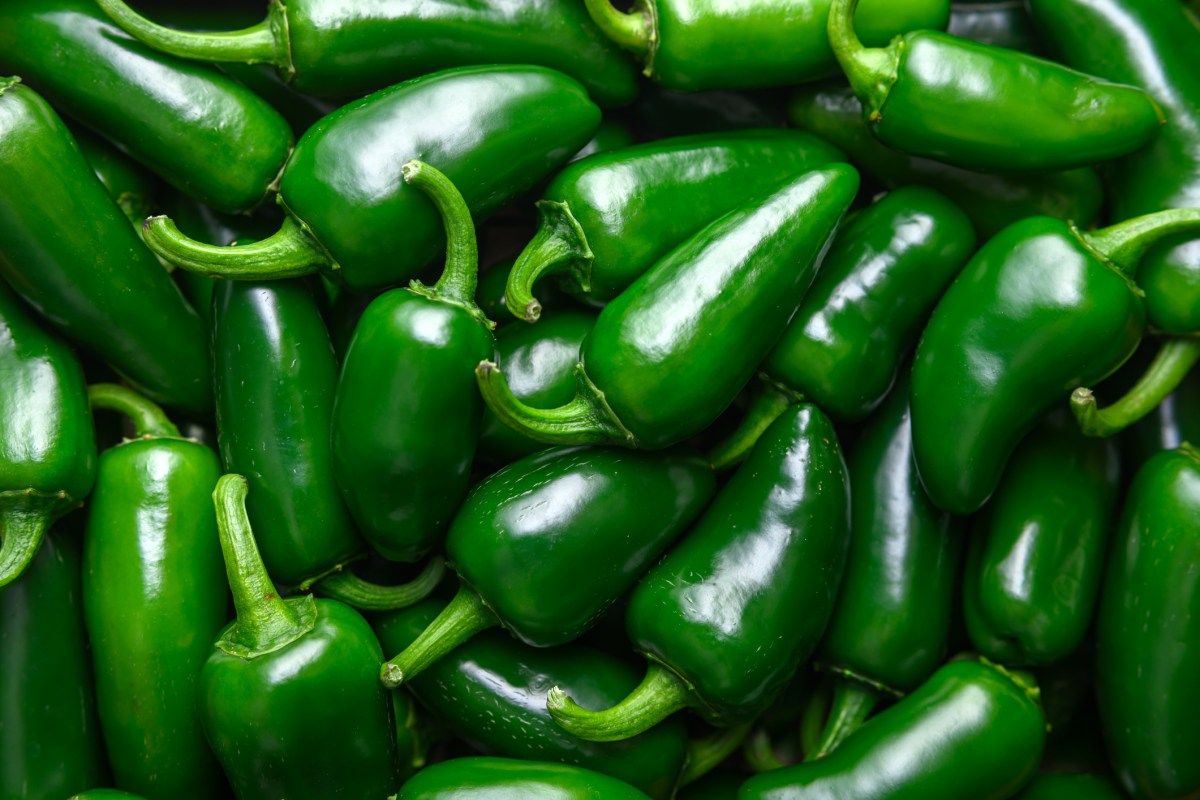
A Pennsylvania chef plans to remove some popular dishes rather than use jalapeños supplied by Taylor Farms, following recent food recalls and sickness outbreaks linked to the company. Taylor Farms said it is taking strong steps to ensure food safety and is cooperating with health authorities after outbreaks of Cyclospora and Salmonella connected to its products.
Key Facts
Joe Gera, chef and owner of Keystone 'Cue, may remove dishes like cornbread and jalapeño sausages due to concerns over Taylor Farms' jalapeños.
His business faced over $21,000 in costs from product recalls, event cancellations, and lost contracts, mostly covered by insurance.
Taylor Farms recalled iceberg lettuce and other products after a Cyclospora outbreak sickened at least 6,358 people in 15 states, causing two deaths in Michigan.
A Salmonella outbreak linked to Taylor Farms jalapeño peppers also led to voluntary recalls, though the company said no illnesses have been reported from these jalapeño products.
Taylor Farms invests over $200 million annually in food safety measures and temporarily suspended production at its central Mexico facility as of July 2026.
The company is working with health officials and independent experts to review and improve safety protocols.
Taylor Farms is a major U.S. produce supplier to grocery stores, restaurants, and food-service distributors nationwide.
The FDA reported no positive Cyclospora test results in Taylor Farms products as of early August 2026 but continues monitoring the situation.
Read the Original
Want the full story? Tap a source to open the original
article.
Apple's CEO Tim Cook talked about the company's new effort to make more products in the United States. He also shared his thoughts on the work he has done while leading Apple.
Key Facts
Tim Cook is the CEO of Apple.
Apple is increasing its manufacturing in the United States.
This shift represents a change in the company's production strategy.
Cook discussed his legacy as the leader of Apple.
The conversation was with CBS News journalist Jo Ling Kent.
Tim Cook is stepping down as CEO soon.
The discussion was featured on CBS News.
Read the Original
Want the full story? Tap a source to open the original
article.
Many South Korean investors have lost significant amounts of money due to sharp drops in the country’s tech-heavy stock market index, the Kospi. The recent swings are linked to excitement and concerns around artificial intelligence investments, causing big gains and steep losses for personal investors.
Key Facts
Yongjoon Kim lost about $14,000 last month on South Korea’s stock market, which he had planned to use to buy a home.
The Kospi index, which focuses heavily on technology companies, saw very rapid changes, doubling in value by mid-June and then dropping sharply from over 9,000 points to about 5,500.
This recent drop is considered one of the steepest corrections in the history of the Kospi, similar to falls during major past crises.
High spending and hype around artificial intelligence have caused the stock prices of major chipmakers to rise and fall quickly.
Many personal investors bought tech stocks using borrowed money (called leverage), increasing their risk and leading to margin calls demanding repayment.
By the end of July, about 1.2 million South Korean investors—about one in every 30 working-age adults—had experienced margin calls.
Investors like Woongsa Kim and Chanyong Park have seen their investments drop significantly, threatening personal financial plans.
Experts note that the use of leverage in stock investing is increasing in Asia and other regions, raising the risks connected to fast-changing tech stocks.
Read the Original
Want the full story? Tap a source to open the original
article.
Companies in the U.S. are spending a lot on artificial intelligence (AI), which is making consumer prices go up. This is because AI needs expensive computer chips and more energy, raising the costs of electronics and utilities for people.
Key Facts
AI requires powerful computer chips, leading to higher demand and costs for these chips.
Increased chip prices cause manufacturers to raise prices on smartphones, computers, and software.
Consumers notice price increases in everyday devices like phones, which affects how they view the cost of living.
The Consumer Price Index showed a 3.4% annual inflation rate in July, with technology goods prices rising faster than others.
Higher demand for tech components means consumers compete with businesses, pushing prices up.
Energy use by AI data centers increases electric bills, with electricity costs rising 4.2% compared to last year.
Economists expect AI-related price increases to continue for the next two years.
In the long run, AI might help lower prices by improving business efficiency, but prices will likely stay high for now.
Read the Original
Want the full story? Tap a source to open the original
article.
Lovina Hershberger Zook, who left the Amish faith five years ago, shares Amish recipes and stories with over six million followers on social media. She published a cookbook with more than 230 Amish recipes and recently demonstrated how to make Amish Peanut Butter Pie.
Key Facts
Lovina Hershberger Zook is a former Amish schoolteacher and now a social media influencer.
She has more than six million followers on platforms like TikTok, YouTube, Instagram, Facebook, and X/Twitter.
Lovina self-published a cookbook called "Lovina's Amish Cookbook" with over 230 authentic Amish recipes.
She shared a recipe for Amish Peanut Butter Pie on CBS Sunday Morning.
The Amish Peanut Butter Pie recipe includes milk, egg yolks, peanut butter, sugar, flour, vanilla, and a whipped topping.
The recipe involves making a filling, crumb mixture, and assembling these layers in a baked pie shell.
The pie can be served immediately or chilled in the refrigerator for up to four hours.
Lovina’s work connects Amish culture with a broad online audience through food and storytelling.
Read the Original
Want the full story? Tap a source to open the original
article.
A federal judge in Missouri agreed to dismiss a legal action against Nike after the Equal Employment Opportunity Commission (EEOC) said Nike followed its investigation into the company’s diversity, equity, and inclusion (DEI) policies. The judge accepted the EEOC’s request to end the case.
Key Facts
The case involved a subpoena enforcement action against Nike.
The EEOC is a government agency that investigates workplace discrimination issues.
The investigation focused on Nike’s diversity, equity, and inclusion (DEI) policies.
Nike complied with the EEOC’s investigation.
Judge Cristian M. Stevens dismissed the enforcement action.
The decision happened in a federal court in Missouri.
The EEOC requested the dismissal of the legal action.
This means Nike is no longer facing this lawsuit related to its DEI policies.
Read the Original
Want the full story? Tap a source to open the original
article.
KPMG has apologized to the whistleblower who revealed problems with its audit practices. The company faces an inquiry to examine its ethical mistakes. Meanwhile, some Australian lawmakers are calling for stronger protections for whistleblowers.
Key Facts
KPMG apologized to the person who exposed its audit leaks scandal.
There is an ongoing inquiry into KPMG’s ethical failures.
Labor members of parliament want the government to improve rules protecting whistleblowers.
The scandal involves problems in how KPMG handled auditing, which means checking company finances.
The issue has attracted public and government attention in Australia.
NSW police are investigating a separate incident involving a man barricaded in a home who started a fire.
The article focuses mainly on KPMG and whistleblower issues related to business ethics.
Read the Original
Want the full story? Tap a source to open the original
article.
Big Issue magazine vendors in the UK are selling fewer magazines because extreme heatwaves have reduced the number of people outside. This drop in sales means the vendors, many of whom face homelessness or financial struggles, are earning less money during very hot weather.
Key Facts
Big Issue sales dropped by about 20% during UK heatwave weeks compared to last year.
The West Midlands and Wales saw sales fall by 34% and 33% respectively during June’s heatwave.
On the hottest day, a vendor near London’s BBC building said fewer people were outside to buy magazines because of the heat.
Vendors rely on magazine sales for essential items like rent and food, so lower sales affect their income severely.
The UK had its fifth heatwave this summer, with temperatures reaching 37.7°C (99.9°F).
Big Issue staff are giving vendors sunscreen, caps, and water bottles to help them cope.
In extreme heat, it becomes unsafe for vendors to work outside, forcing shorter workdays and less earnings.
Vendors also face difficulties like sleeping well during hot nights and staying hydrated in the sun.
Read the Original
Want the full story? Tap a source to open the original
article.
A federal court ruled that President Trump can keep blocking cheap imports valued at $800 or less from entering the U.S. without tariffs. This decision allows the continuation of Trump’s suspension of the "de minimis" exemption, which stopped many inexpensive shipments from avoiding tariffs, especially from Chinese retailers like Temu and Shein.
Key Facts
The Court of International Trade decided that President Trump can continue suspending the de minimis exemption.
The de minimis exemption allowed packages worth $800 or less to enter the U.S. without tariffs.
Trump’s suspension of this exemption aimed to stop tariff loopholes used by some foreign sellers and to improve public safety.
U.S. Customs and Border Protection said suspending the exemption brought in about $1 billion in duties in 2025.
Congress passed a law to permanently end the de minimis exemption by July 2025.
The exemption was created in 1938 to avoid collecting duties on low-cost packages, but it became more widely used with the rise of online shopping.
The policy initially targeted shipments from China and Hong Kong before expanding globally.
Europe is also ending its own exemption for cheap imported packages, showing a global trend.
Read the Original
Want the full story? Tap a source to open the original
article.