Travel expert Emily Kaufman says it is still possible to book affordable summer trips in August. Many people can find good deals on vacations even later in the summer season.
Key Facts
Emily Kaufman is a travel expert who advises on affordable vacations.
She spoke to ABC News about summer travel options in August.
Booking trips in August can still be affordable for many travelers.
Summer vacation bookings are not only done in advance but can happen late in the season.
Travelers should consider looking for deals on flights and hotels in August.
The article encourages people not to give up on summer travel plans yet.
This advice comes amid a busy travel season for summer vacations.
Read the Original
Want the full story? Tap a source to open the original
article.
Amazon reported strong profits and sales in its second quarter, mainly due to fast growth in its cloud computing unit called AWS. The company plans to spend a lot on artificial intelligence and technology this year but gave a careful forecast for the next quarter.
Key Facts
Amazon’s cloud unit AWS grew sales by 37% in April-June, its fastest growth in 18 quarters.
Amazon’s CEO said AWS, AI, and chip businesses each have run rates over $25 billion.
The company improved delivery speeds, with 40% more items arriving same-day or overnight for Prime members.
Investors watch Amazon’s $200 billion planned spending on AI, robots, chips, and satellites, which is 60% higher than last year.
Other tech companies like Google and Microsoft also showed strong cloud growth but have different spending plans on AI.
Rising shipping and tariff costs due to trade policies and global events may reduce Amazon’s e-commerce profits.
Amazon expanded partnerships with AI companies OpenAI, Anthropic, and Meta in April.
Despite cautious sales outlook, Amazon’s stock rose more than 7% after the earnings report.
Read the Original
Want the full story? Tap a source to open the original
article.
Investors bought large amounts of unpaid property tax debts from Ohio counties, allowing them to collect the owed amounts plus up to 18% interest. Some counties sold record high amounts of these debts, which can lead to financial hardship for property owners and even foreclosure in rare cases.
Key Facts
Ohio law allows counties to sell unpaid property tax debts to investors.
Investors pay for these debts and then collect what property owners owe, plus up to 18% interest.
In 2025 and 2026, several Ohio counties like Cuyahoga and Franklin sold record amounts of tax debt certificates.
The system gives investors rights to additional debts if the property falls behind on taxes again.
County treasurers say selling liens helps collect money efficiently and encourages payment.
Some treasurers add protections, like limiting interest or excluding low-income households.
Critics say high interest rates trap property owners in a cycle of debt, risking loss of homes.
Lawmakers are working on bills to stop these sales for homes and farms, supported by mortgage lenders.
Read the Original
Want the full story? Tap a source to open the original
article.
This article explains the differences between Certificates of Deposit (CDs) and high-yield savings accounts as options for saving money in August 2026. CDs have fixed interest rates and lock your money for a set time, while high-yield savings accounts offer flexible access and rates that can change, especially if the Federal Reserve raises rates.
Key Facts
CDs offer a fixed interest rate that stays the same throughout the term, providing predictability.
High-yield savings accounts have variable rates that can increase if the Federal Reserve raises interest rates.
CDs may require you to keep your money locked in for months or years or pay a fee to withdraw early.
High-yield savings accounts allow you to access and move your money freely.
As of August 2026, CD rates are around 4%, which is significantly higher than rates in recent years.
There is about a 60% chance the Federal Reserve will raise interest rates in September 2026.
CDs work well for those who want stable returns, while high-yield savings suits those seeking flexibility and potential rate increases.
Some savers may benefit from having both types of accounts to balance rate security and access to funds.
Read the Original
Want the full story? Tap a source to open the original
article.
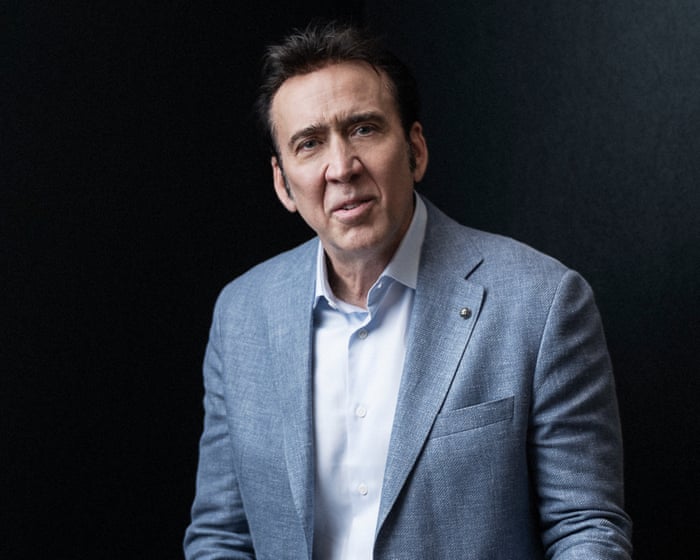
Netflix is being sued for $105 million after a hard drive with an unreleased Nicolas Cage war movie was stolen from its Los Angeles office. The filmmakers say the theft and Netflix’s handling have harmed the film’s release and value.
Key Facts
A hard drive containing the film *Fortitude*, a World War II spy thriller starring Nicolas Cage, was stolen from Netflix’s Los Angeles office.
The film has a $45 million budget and had been given to Netflix for internal screening with instructions to delete the copy afterward.
The filmmakers sued Netflix for $105 million, claiming the theft and Netflix’s response damaged the film’s chances of release and awards opportunities.
Netflix denies responsibility for the loss, says it takes security seriously, and has investigated and monitors piracy sites.
The filmmakers say Netflix did not disclose whether police were initially informed and later refused to involve the LAPD after the filmmakers filed a report.
*Fortitude* is set in London and follows British spies during World War II, starring Nicolas Cage, Matthew Goode, Michael Sheen, and Ben Kingsley.
The director is Simon West, known for *Tomb Raider* and *The General’s Daughter*.
Martin Scorsese was once linked to the project but was involved in a separate legal dispute with the original screenwriter, which was settled.
Read the Original
Want the full story? Tap a source to open the original
article.
Mortgage rates for 30-year home loans in the U.S. reached their highest level in a year, averaging 6.66% as of late July. This rise is linked to inflation worries, ongoing conflicts in the Middle East, and uncertainty over possible interest rate hikes by the Federal Reserve.
Key Facts
The average 30-year mortgage rate hit 6.66%, the highest since July 2025.
Inflation concerns and recent Fed decisions influenced mortgage rate increases.
The Federal Reserve recently kept its main interest rate unchanged, but some members voted to raise it.
Inflation remains above the Fed’s target of 2% despite some signs of slowing.
Tensions and conflicts involving Iran and the Middle East are causing oil prices and Treasury yields to rise.
Rising oil and fuel prices from shipping disruptions in the region contribute to inflation fears.
Deutsche Bank predicts the Fed may raise interest rates twice more in 2026.
Stability in the Middle East, especially reopening the Strait of Hormuz, could help lower rates.
Read the Original
Want the full story? Tap a source to open the original
article.
The cost of school supplies and lunch items has increased significantly this year. Families are paying about 7.7% more for supplies like notebooks and scissors, and lunch prices have risen by 11%, making the total back-to-school expenses nearly $4,000 annually.
Key Facts
Prices for common school supplies are up 7.7% on average.
Parents spend around $173.45 on school supplies each year.
Lunch-related items have increased by 11%, contributing to overall higher costs.
Specific items rising sharply include lunch boxes (27% increase) and notebooks (about 20%).
Fruit and snacks like blueberries and bread have also risen, with blueberries up 48%.
Tariffs on imports and the war in Iran have made materials and shipping more expensive.
Many school supplies are imported from countries like Brazil, China, Mexico, and India.
Rising fuel costs increase transport and production expenses for food and supplies.
Read the Original
Want the full story? Tap a source to open the original
article.
The average interest rate for a 30-year fixed mortgage in the U.S. has increased for the fourth week in a row, reaching its highest point in a year. This rise makes borrowing more expensive and slows down home buying.
Key Facts
The average 30-year fixed mortgage rate rose from 6.58% last week to 6.66%.
This is the highest mortgage rate level seen in a year.
One year ago, the rate was slightly higher at 6.72%.
Higher mortgage rates mean borrowers pay more each month on their home loans.
Increased costs reduce how much buyers can afford when shopping for homes.
Rising rates have contributed to slower home sales in the U.S. this year.
Freddie Mac, a company that tracks mortgage rates, provided this data.
Read the Original
Want the full story? Tap a source to open the original
article.
The Federal Reserve recently paused interest rate changes, which is a good time for Americans to review how they save money. Keeping savings in traditional accounts with low interest means losing money to inflation, so savers are advised to switch to higher-yield accounts, certificates of deposit (CDs), or money market accounts to earn more.
Key Facts
The Federal Reserve paused interest rate changes but may raise rates again in September.
Traditional savings accounts have very low interest rates around 0.38%, which do not keep up with inflation.
Certificates of deposit (CDs) now offer about 4% interest, higher than the current inflation rate of 3.5%.
CDs require locking money for a set time but provide fixed rates, giving predictable earnings.
High-yield savings and money market accounts offer rates near or above 4% and allow easy access to funds.
Money market accounts often include check-writing features for convenience.
Savers are encouraged to close traditional savings accounts and move money to better options to avoid losing value.
Taking these steps can help savers earn more interest despite economic challenges like inflation and debt.
Read the Original
Want the full story? Tap a source to open the original
article.
The U.S. Department of Commerce announced it will provide over $870 million in federal incentives to support semiconductor manufacturing. In return, the government will take small ownership stakes in seven private companies.
Key Facts
The Department of Commerce is investing more than $870 million in semiconductor makers.
These investments come as part of federal incentives to boost chip manufacturing in the U.S.
The government will receive minority equity stakes, meaning partial ownership, in seven companies.
The announcements were made quietly this week, without wide public attention.
The National Institute of Standards and Technology (NIST) shared details on its blog.
The CHIPS Research and Development Office within Commerce signed letters of intent for these investments.
The move aims to strengthen U.S. semiconductor production and technology.
Read the Original
Want the full story? Tap a source to open the original
article.
Lettuce prices went up earlier this year because of hot weather in Arizona, a major lettuce-growing area. Now, many people have gotten sick from a parasite linked to shredded lettuce, causing some restaurants like Taco Bell to lose customers and make less money.
Key Facts
Arizona grows about one-third of the lettuce in the United States.
Hot weather in Arizona caused lettuce prices to rise sharply in early 2026.
A parasite called cyclospora, found in shredded lettuce, has made thousands of Americans sick.
The cyclospora outbreak has affected restaurant sales, especially those serving lettuce.
Yum Brands owns Taco Bell, which is seeing fewer customers due to worries about the outbreak.
Taco Bell’s sales in the U.S. dropped by 2% from July to September 2026.
This decline contrasts with a 7% sales increase in the previous quarter (April to June 2026).
Read the Original
Want the full story? Tap a source to open the original
article.
The U.S. Department of Education is offering a bigger interest rate discount on federal student loans for borrowers who sign up for automatic monthly payments by September 30. This discount lowers the loan interest rate by 1% instead of the usual 0.25% and lasts until June 30, 2028, helping borrowers reduce their payments.
Key Facts
Borrowers with federal student loans issued after July 1, 2012, can get a 1% interest rate discount by enrolling in automatic payments before September 30.
Automatic payments take money directly from a bank account every month at no extra cost.
Currently, about 40% of borrowers use automatic payments; the government wants to increase this to 80%.
The discount reduces interest rates, for example, from 6.39% to 5.39% until mid-2028.
To enroll, borrowers must log into their loan servicer website, provide bank details, and set up automatic payments.
Risks include overdraft fees if there is not enough money in the bank account when payments are taken.
The savings from the discount may be small for loans around $5,000 but bigger for average loan amounts near $40,000.
About 9.5 million federal student loan borrowers are in default, meaning they are behind on payments by nine months or more.
Read the Original
Want the full story? Tap a source to open the original
article.
More than 437 million people worldwide had vision problems in 2019, and this number has nearly doubled since 1990. Poor vision causes an estimated $411 billion loss in global work productivity every year, but simple solutions like glasses and cataract surgery can help. Experts say eye care should be treated as a key part of economic development, not just as charity.
Key Facts
In 2019, over 437 million people had visual impairments worldwide.
The number of people with vision problems has almost doubled since 1990.
Poor vision leads to a $411 billion loss in global productivity yearly.
At least 1 billion people have vision issues that could be prevented or treated.
Simple treatments like glasses and cataract surgery are affordable and effective.
Investing $1 in eye health can generate about $36 in social and economic benefits.
Countries with good eye care systems see increased worker productivity and better education outcomes.
Experts say eye care should be part of national infrastructure and development plans, like roads and electricity.
Read the Original
Want the full story? Tap a source to open the original
article.
A 6-month certificate of deposit (CD) for $50,000 lets savers earn about $1,000 in interest at current rates around 4%. These CDs offer fixed interest, meaning the return is guaranteed for six months, and they provide a way to benefit from high interest rates while keeping money safe for a short period.
Key Facts
The Federal Reserve recently paused interest rate changes, keeping borrowing costs high.
A $50,000 6-month CD can earn between $990 and $1,027 in interest depending on the rate (around 4.00% to 4.15%).
CD interest rates vary by bank, with online banks often offering higher rates than local branches.
CDs have fixed rates, so the return does not change during the 6-month term.
After 6 months, savers can access their principal and interest without risk to their earnings (if they don’t withdraw early).
Early withdrawal penalties can cancel out interest earned, so it’s important to keep money in the CD until it matures.
Using online marketplaces can help find the best CD rates currently available.
CDs are a good option for savers who want to benefit from high rates but may want to change plans relatively soon.
Read the Original
Want the full story? Tap a source to open the original
article.
Homeowners insurance may cover HVAC system replacement only if damage is caused by specific covered events like fire, lightning, or storms. Insurance usually does not cover replacement due to normal wear and tear, mechanical failure, or lack of maintenance.
Key Facts
HVAC replacement can be expensive, often costing thousands of dollars including installation.
Homeowners insurance protects against sudden and accidental damage, not gradual wear and tear.
Damage caused by covered perils such as fire, lightning, windstorms, hail, or falling objects may be covered.
Insurance might cover repairs or replacement if a covered water event like a burst pipe damages the HVAC system.
Insurance generally excludes coverage for failure due to age, normal use, mechanical breakdown, rust, or poor maintenance.
Mechanical failures from overuse during hot weather usually are not covered.
Homeowners should check their policy details to understand coverage limits and exclusions.
Maintenance neglect could cause insurance claims to be denied.
Read the Original
Want the full story? Tap a source to open the original
article.
A new study estimates that depression could cost the United States over $4 trillion between 2025 and 2050. Globally, depression is expected to impose a $12 trillion economic burden, mainly due to reduced work participation and productivity.
Key Facts
The study covers 154 countries and estimates economic losses from depression between 2025 and 2050.
The U.S. faces the largest national cost at about $4.087 trillion.
China and the United Kingdom are second and third, with $2.072 trillion and $475 billion respectively.
North America has the highest economic impact relative to regional GDP at 0.599%.
The biggest economic losses come from fewer people working and lower productivity, not just treatment costs.
Depression rates in the U.S. remain historically high, with over 18% of adults affected in 2024 and 2025.
Depression rates have increased most sharply among younger adults (under 30) and low-income households.
Depression in workers causes an estimated $23 billion in lost productivity annually due to unplanned absences.
Read the Original
Want the full story? Tap a source to open the original
article.
The average 30-year fixed mortgage rate in the U.S. rose to 6.66%, the highest in a year, making home loans more expensive for buyers. This increase in rates is linked to economic factors like inflation, oil prices, and investor expectations, and it has contributed to slow home sales in 2025.
Key Facts
The average 30-year fixed mortgage rate rose from 6.58% last week to 6.66%.
One year ago, the average rate was slightly higher at 6.72%.
The average 15-year fixed mortgage rate increased from 5.96% to 6.04%.
Mortgage rates generally follow the 10-year Treasury yield, which rose from about 3.97% in February to 4.66% in June.
Rising oil prices due to the conflict in Iran have pushed inflation expectations higher, contributing to higher mortgage rates.
The Federal Reserve kept its short-term interest rate unchanged recently but does not directly set mortgage rates.
Higher mortgage rates add more monthly costs for borrowers, reducing their ability to buy homes.
U.S. home sales remain sluggish, with annual sales near 4 million, below the usual 5.2 million and a continuation of a market slump since 2022.
Read the Original
Want the full story? Tap a source to open the original
article.
Situational Awareness, a hedge fund focused on artificial intelligence investments, sold all its stocks to Citadel, a large financial firm. The fund faced heavy losses due to a recent drop in AI-related stocks and has tried to get more investments from new backers.
Key Facts
Situational Awareness is an AI-focused hedge fund started by Leopold Aschenbrenner, a former OpenAI researcher.
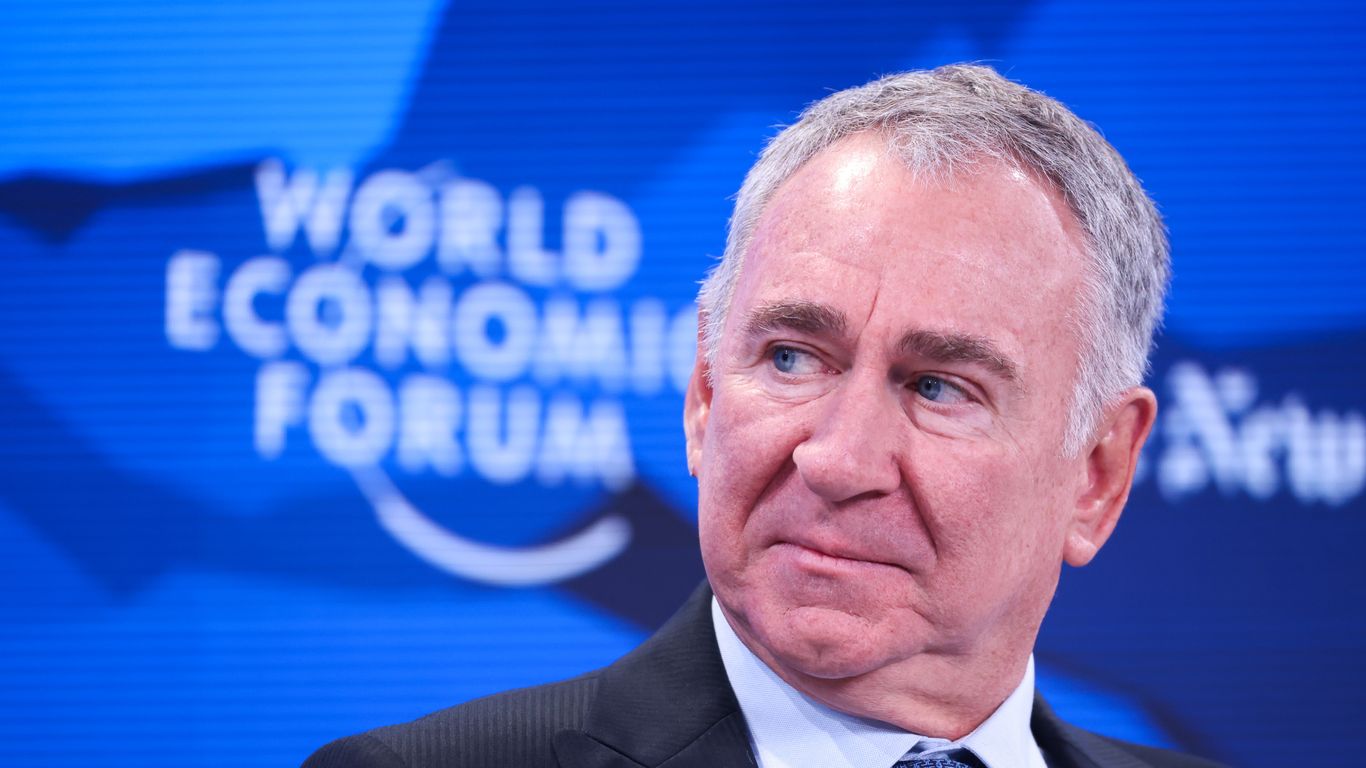
The hedge fund sold its entire public stock portfolio to Ken Griffin’s Citadel.
The sale happened during a market decline affecting AI companies, especially chipmakers.
The fund once managed about $20 billion in assets.
Early investors included Stripe founders Patrick and John Collison and former tech leaders Nat Friedman and Daniel Gross.
The fund tried to raise new money after losing a lot during the AI stock downturn.
Leopold Aschenbrenner was fired from OpenAI in 2024 amid claims of an information leak, which he denies.
Read the Original
Want the full story? Tap a source to open the original
article.
The IRS is starting a new system to report cryptocurrency transactions using Form 1099-DA, but it often collects incomplete information. This could cause ordinary Americans to receive tax bills they do not actually owe because the IRS cannot always see the full history of their digital asset activity.
Key Facts
The IRS requires crypto exchanges to report transactions through Form 1099-DA, starting with gross sales amounts.
Full cost-basis reporting (showing purchase price and value) will be required starting in 2026.
The IRS expects about 8 billion 1099-DA forms to be filed every year by 2027.
Digital crypto assets can be moved between wallets and exchanges, which may erase important transaction details.
Without complete records, the IRS may think taxpayers have gains when they actually have losses.
Tax software depends on accurate data but cannot fill in missing transaction details.
Many investors try to follow tax rules but face challenges because their records are incomplete.
Unlike stock brokerage systems, crypto platforms are not yet equipped to share detailed, linked cost information automatically.
Read the Original
Want the full story? Tap a source to open the original
article.
The CBS News program "Sunday Morning" aired a special report called "The Money Issue," exploring how money affects daily life. Segments included challenges in the housing market, a feature on art made from money, the rise of Chinese electric car company BYD, new twists on the game Bingo, fights against insurance claim denials, and innovations in roller coaster design.
Key Facts
Young people increasingly see themselves as renters because they cannot afford homes due to supply limits and rising costs.
Artist Stacey Lee Webber creates sculptures and jewelry entirely from coins and bills.
Chinese company BYD became the world's top seller of fully electric vehicles last year, surpassing Tesla.
Bingo remains popular because it allows many players at once and raises money for charities.
Many Americans face delays and denials in health insurance claims, and companies like Sheer Health help fight these denials.
New roller coasters, including the Tormenta Rampaging Run at Six Flags Over Texas, are setting records for height and speed using advanced designs.
The program aired on CBS and streamed on the CBS News app.
Read the Original
Want the full story? Tap a source to open the original
article.