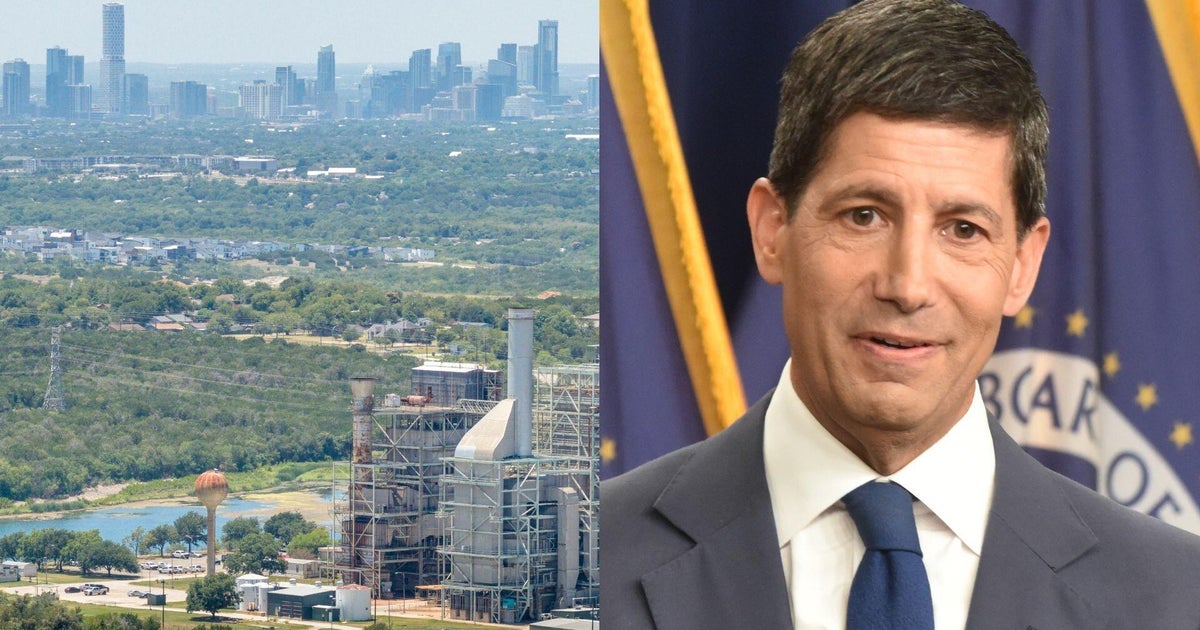
Foreign buyers purchased fewer homes in the U.S. between April 2025 and March 2026, dropping by 14 percent to one of the lowest levels since 2009. However, this decrease does not significantly help American buyers because many Americans are still struggling to afford homes due to high prices and mortgage rates.
Key Facts
Foreign buyers bought 67,100 U.S. homes from April 2025 to March 2026, which is 1.7% of all home sales and 14% less than the previous year.
These buyers spent $45.3 billion on homes, making up 2.0% of all U.S. home sales value, down 19% from the year before.
Homes bought by foreigners were more expensive on average ($465,000) than those bought by Americans ($413,600).
Nearly half (48%) of foreign home purchases were paid entirely in cash, compared to 28% overall.
Most foreign buyers came from Canada (16%), Mexico (14%), China (11%), India (9%), and the United Kingdom (4%).
Popular states for foreign buyers were Florida (20% of purchases), California (19%), Texas (12%), New Jersey (4%), and Georgia (4%).
The decline in foreign buyers reflects lower numbers of international visitors and geopolitical uncertainties, despite a slightly weaker U.S. dollar.
Experts say foreign buyers make up a small part of the housing market, so their drop in buying does not greatly affect American housing affordability, which depends more on factors like home supply and mortgage rates.
Read the Original
Want the full story? Tap a source to open the original
article.
Medical bills often arrive unexpectedly after care, making it hard to pay them all at once. Patients can negotiate their medical debt with providers before it goes to collections by asking for an itemized bill, seeking financial help, requesting discounts, or setting up payment plans.
Key Facts
Medical debt usually appears after unexpected illness or treatment, not as a planned loan.
Bills may be high due to deductibles, coinsurance, or out-of-network charges, even with good insurance.
Providers often prefer negotiating with patients to avoid sending bills to collection agencies.
Patients should ask for an itemized bill to check for errors or duplicate charges.
Many hospitals have financial assistance programs based on income and family size.
Patients can try to negotiate discounted payment amounts or prompt-pay discounts.
Setting up an interest-free payment plan can help manage bills without extra charges.
Any new agreement should be confirmed in writing before paying.
Read the Original
Want the full story? Tap a source to open the original
article.
A recall has been issued for lithium-ion hand warmers after one person died and more than 300 people suffered burn injuries. The recall comes following reports of fires linked to these products.
Key Facts
An 83-year-old person died due to issues related to lithium-ion hand warmers.
Over 300 consumers reported burn injuries from these hand warmers.
Several incidents of fires were connected to the use of these products.
The problems led to an official recall of the lithium-ion hand warmers.
Lithium-ion refers to a type of rechargeable battery used in these hand warmers.
Read the Original
Want the full story? Tap a source to open the original
article.
When debt collectors buy your unpaid debt, they cannot add new fees that were not in your original loan or credit agreement. They can only collect what the original contract and state laws allow, such as existing interest or certain legal charges. If your debt balance grows after being sold, you have the right to ask for a detailed breakdown to check if the added amounts are correct.
Key Facts
Debt collectors often buy unpaid debts from the original lenders for less than the full amount owed.
When debt is sold, the new owner can collect under the original terms but cannot create new fees.
Federal law stops collectors from charging extra fees unless your original contract or state law allows them.
Some contracts let interest or collection costs keep growing even after you stop paying.
State laws vary on what extra costs can be added after a debt is sold.
Debt collectors may not charge fees just because you pay online or by phone unless allowed by the contract or law.
You can request a detailed statement showing the original debt, interest, fees, and legal reasons for changes.
Even if your debt has increased, it might be possible to settle for less than the full amount owed.
Read the Original
Want the full story? Tap a source to open the original
article.
The article discusses how college sorority recruitment, known as 'rush,' has become a big business. Some students take advantage of social media to share their rush experiences and make money.
Key Facts
'Bama rush' refers to the sorority recruitment process at the University of Alabama.
Sorority recruitment is a significant event on many college campuses.
Some future sorority members are earning money by posting about rush on social media.
These posts attract attention and can turn into a business opportunity.
The article explores the financial side of this collegiate tradition.
Social media plays a key role in changing how students experience and promote rush.
This trend shows how college social events are becoming more commercialized.
Read the Original
Want the full story? Tap a source to open the original
article.
CBS Mornings Deals offers special discounts on products that can help improve daily life. Customers can find these deals on the website cbsdeals.com, where CBS earns a commission from sales made through the site.
Key Facts
CBS Mornings Deals features products with exclusive discounts.
The deals aim to improve everyday lifestyle.
Customers can visit cbsdeals.com to access the offers.
CBS earns commissions on purchases made through the website.
The promotion is part of the CBS News programming.
The deals cover various items relevant to daily use.
Read the Original
Want the full story? Tap a source to open the original
article.
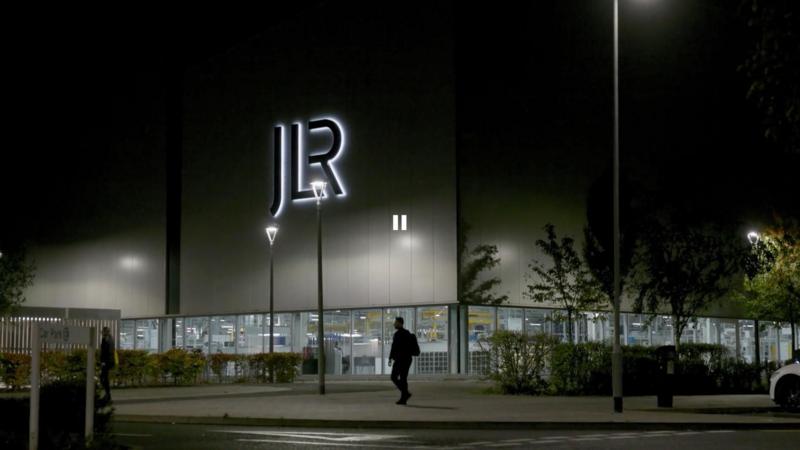
Jaguar Land Rover plans to cut fewer than 300 jobs as part of a program to restructure the company. The cuts mainly affect salaried and management staff and come after a cyberattack in 2025 halted production for five months and caused big losses.
Key Facts
Jaguar Land Rover (JLR) employs about 30,000 people in the UK and 10,000 overseas.
A cyberattack in September 2025 stopped all manufacturing for five months.
The cyberattack caused a 27% drop in JLR's production and cost the company about £1.9 billion.
JLR is stopping Jaguar car production to prepare for new all-electric models.
The job cuts are part of a "limited redeployment and displacement programme."
The job losses will mainly affect salaried and management roles, not factory workers.
JLR is changing its business to improve decision-making and performance.
The company supports affected employees by helping them find other roles or offering early exit options.
Read the Original
Want the full story? Tap a source to open the original
article.
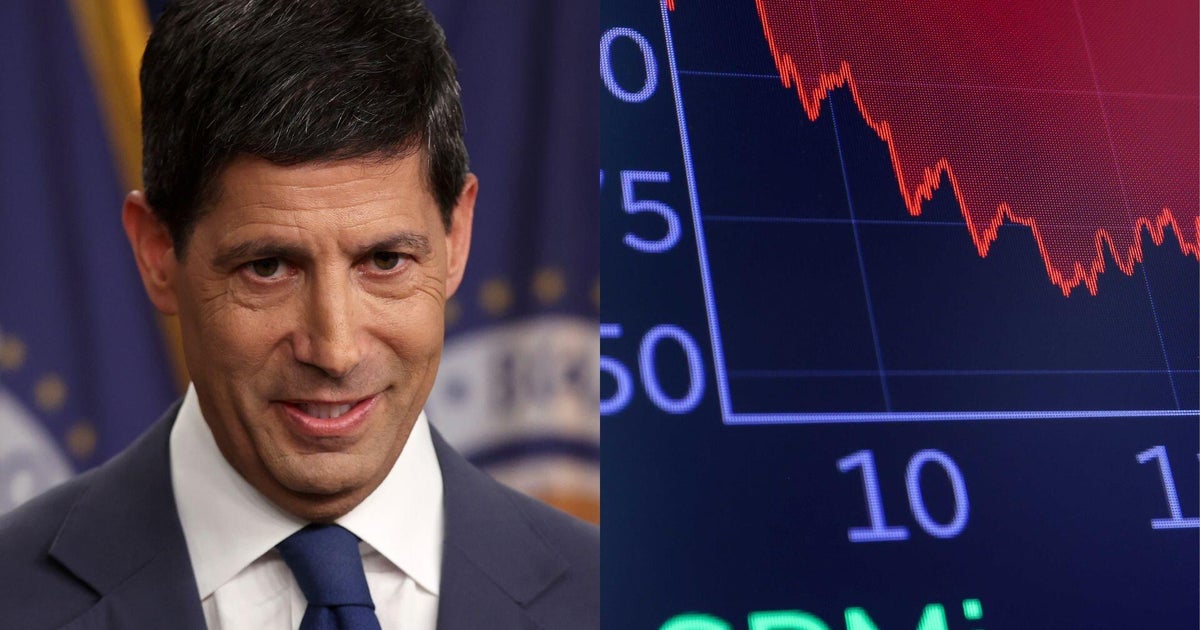
Wall Street had its worst day of 2026 after the Federal Reserve decided to keep interest rates unchanged. The decision came despite some members of the Fed's committee wanting a different approach.
Key Facts
The stock market fell sharply on the day of the announcement.
The Federal Reserve is the U.S. central bank that sets interest rates.
Interest rates were kept steady, with no increase or decrease.
Some members of the Federal Open Market Committee (FOMC) disagreed with the decision.
The decision affects borrowing costs for individuals and businesses.
Lower or steady rates can influence investment and spending in the economy.
This was the most significant market drop so far in 2026.
Read the Original
Want the full story? Tap a source to open the original
article.
UK officials searched homes and businesses linked to five companies accused of sending spam texts about car finance claims. The crackdown follows millions of complaints about unwanted marketing related to compensation for drivers mis-sold car loans in a large industry scandal.
Key Facts
The UK Information Commissioner’s Office (ICO) raided locations in London, Liverpool, Bolton, Burnley, and Swansea.
Officials seized laptops, phones, and documents during the searches.
Over 12 million complaints about spam texts have been made since September 2025.
The Financial Conduct Authority (FCA) announced a £7.5 billion compensation plan for victims of car loan mis-selling.
The FCA had to partly pause the payout scheme due to legal challenges, delaying payments until at least December or February.
Companies involved reportedly sent about 170 million unsolicited texts between September 2025 and May 2026.
The ICO collaborates with the FCA and other regulators to address poor practices by claims companies, law firms, and lead generation firms.
The FCA advises people they can claim compensation for free using a letter template available on its website and is running a public info campaign until September 6.
Read the Original
Want the full story? Tap a source to open the original
article.
The UK faces a threat of higher inflation mainly because of the war in the Middle East, which could keep oil prices high. The Bank of England kept interest rates at 3.75% because inflation pressures in the UK economy are currently low, but it may need to raise rates if the conflict continues and prices rise further.
Key Facts
The Bank of England’s monetary policy committee paused interest rate hikes at 3.75%.
Inflation in the UK is currently near the Bank’s 2% target without the Middle East conflict.
Rising oil prices due to the war could push inflation higher, possibly above 4.1%.
So far, companies and workers have not increased prices or wages in response to cost rises.
The UK economy has lost about £28 billion in growth in 2024 because of the Middle East crisis.
The Bank is monitoring inflation closely and may raise interest rates if the war and oil prices worsen.
Rising mortgage and commercial lending rates have occurred through financial markets, not Bank action.
The report links the inflation risk to President Donald Trump’s actions related to the Middle East conflict.
Read the Original
Want the full story? Tap a source to open the original
article.
Airbus has been fined £6.4 million by the UK tax authority, HM Revenue and Customs (HMRC), for breaking rules on exporting sensitive military technology. The company admitted to not keeping proper records of these exports before November 2022 and cooperated with the investigation.
Key Facts
Airbus breached UK export rules designed to control sensitive military goods.
The fines total £6.4 million, the largest out-of-court settlement for export offences by HMRC.
The violations involved failure to keep accurate records of exported or transferred controlled technology.
These breaches happened before November 2022 and were self-reported by Airbus.
Export controls aim to prevent military items from reaching banned countries or individuals.
Airbus Operations Limited, the UK branch of Airbus, received the fine.
Airbus said it worked with authorities and took corrective steps after the investigation.
The fine highlights the importance of strict compliance with export licensing and record-keeping rules.
Read the Original
Want the full story? Tap a source to open the original
article.
The Federal Reserve decided to keep interest rates the same in its recent meeting. However, some officials wanted to raise the rates, suggesting a possible increase later this year.
Key Facts
The Federal Reserve did not change interest rates in the latest decision.
Three Fed officials voted to increase rates instead of keeping them steady.
Keeping rates steady means borrowing costs stay the same for now.
A rate hike would make loans more expensive for consumers and businesses.
The possibility of a rate increase later this year remains open.
Interest rates affect things like credit cards, mortgages, and savings.
The Fed’s decisions aim to balance economic growth and control inflation.
Read the Original
Want the full story? Tap a source to open the original
article.
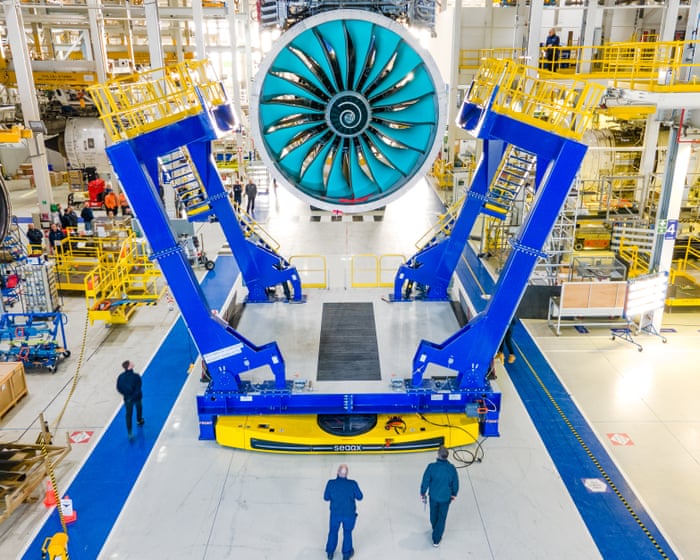
Rolls-Royce and BAE Systems both expect higher profits because many governments are spending more on defense. This rise in spending is helping Rolls-Royce sell more jet engines and power systems, and BAE Systems is getting bigger orders for weapons and military equipment.
Key Facts
Rolls-Royce raised its forecast for operating profit to £4.7bn-£4.9bn, up from £4bn-£4.2bn.
Rolls-Royce also increased its free cashflow forecast to £3.8bn-£4bn.
Higher defense spending since Russia’s invasion of Ukraine is a big factor in Rolls-Royce’s growth.
Rolls-Royce benefits from military projects like Saab GlobalEye and MQ-4C Triton, both using its engines.
BAE Systems raised its profit forecast to a 10%-12% rise, up from 9%-11% previously.
BAE makes tanks, fighter jets, and weapons for the UK and sells to the US, Gulf countries, and Turkey.
BAE has a £5.9bn UK contract to build the HMS Dreadnought nuclear submarine.
Both companies see steady growth due to increased government military budgets worldwide.
Read the Original
Want the full story? Tap a source to open the original
article.
The Bank of England kept its key interest rate at 3.75% for the fifth time this year after inflation in the UK dropped more than expected. The rate decision reflects concerns about ongoing inflation and recent conflicts in the Middle East affecting oil prices and the economy.
Key Facts
The Bank of England’s monetary policy committee voted 6-3 to keep the interest rate at 3.75%.
The rate has been at 3.75% since December after four rate cuts expected in 2025.
UK inflation fell to 2.6% in June from 2.8% in May, above the bank’s target of 2% for 21 months straight.
Fighting between the US and Iran caused oil prices to rise sharply, raising economic concerns.
Brent crude oil prices jumped over $100 a barrel in late July but later dropped to about $92.
The US Federal Reserve also kept its interest rate steady at 3.5%-3.75%, signaling caution on inflation.
UK economists are watching new Prime Minister Andy Burnham’s policies on taxes and spending that might affect inflation and growth.
Read the Original
Want the full story? Tap a source to open the original
article.
Taco Bell has been linked to a multi-state outbreak of cyclosporiasis caused by contaminated lettuce, leading to thousands of infections and several lawsuits. Despite declining restaurant visits, Taco Bell has increased app usage through special deals, and its parent company’s stock has fallen due to the outbreak’s impact.
Key Facts
The CDC identified Taco Bell’s shredded iceberg lettuce as a source of cyclosporiasis infections in several states.
Over 6,700 lab-confirmed cases and about 11,500 suspected cases have been reported nationwide since May.
The outbreak is linked to lettuce supplied by Taylor Farms from central Mexico, which was recalled in July.
Taco Bell removed the affected lettuce from its restaurants on July 17.
The company is facing lawsuits from customers who became ill after eating at Taco Bell.
Foot traffic at Taco Bell locations dropped by 21% on July 23 compared to the year’s average.
Taco Bell used $1 deals to promote purchases through its app, which rose in popularity during the outbreak.
Yum! Brands, the parent company, saw its shares fall about 8% in July before reporting quarterly earnings.
Read the Original
Want the full story? Tap a source to open the original
article.
The Bank of England has decided to keep interest rates at 3.75% due to worries that the ongoing conflict in Iran could push inflation above 4% next year. The bank highlighted that higher oil prices caused by the war might increase the cost of living, but it aims to keep inflation temporary and close to its 2% target.
Key Facts
The Bank of England’s monetary policy committee voted 6-3 to keep interest rates at 3.75%.
Inflation in the UK is expected to peak at about 3.2% later this year but could rise to 4.5% by mid-2027 if the Iran war worsens and oil prices stay above $100 a barrel.
Brent crude oil prices recently rose above $100 a barrel but were trading above $90 at the time of the report.
UK inflation fell to 2.6% in June, down from a peak of 3.8% last year.
The Bank noted the UK’s weak economic growth and rising unemployment might limit inflation growth despite the war.
The UK government plans to lower electricity bills by £45 a year and remove VAT on them, which may reduce inflation by 0.1 percentage points.
Three members of the Bank’s committee wanted to raise rates to 4% immediately due to inflation concerns.
Financial markets expect borrowing costs to rise to 4% later in the year.
Read the Original
Want the full story? Tap a source to open the original
article.
Many young adults feel that having children is too expensive and worry they cannot afford to start a family soon. Financial expert Jill Schlesinger and guest Kayla Sabbagh explain why, despite these concerns, raising children today can be more manageable than people think.
Key Facts
Most Gen Z and millennials say the cost of raising children seems too high.
Many young people do not believe they can start a family within the next five years.
Jill Schlesinger offers advice to help people overcome fear about the financial challenges of having kids.
Kayla Sabbagh from Greenspring Advisors co-hosted and shared insights during the discussion.
They explain how current economic conditions may allow more people to afford children than commonly believed.
A 23-year-old caller named Brianna, still living with her parents, asked for personal financial guidance.
The program was part of CBS News’ Reality Check series on financial topics.
Read the Original
Want the full story? Tap a source to open the original
article.
Delta and United Airlines have created new rules that do not allow humanoid and animal-like robots to fly on their planes. These robots cannot be in the passenger area or the cargo space.
Key Facts
Delta and United Airlines introduced new policies for robot travel.
Humanoid robots look like humans; animal robots look like animals.
These robots are not allowed in passenger cabins.
They also cannot be placed in the cargo holds.
The ban applies to all flights operated by these airlines.
The new rules aim to address safety or operational concerns.
Passengers cannot bring these robots aboard or check them in as cargo.
Read the Original
Want the full story? Tap a source to open the original
article.
Lloyds Banking Group plans to cut £2 billion in costs over the next four years by using new technology and artificial intelligence (AI) to grow. The bank will invest £13 billion by 2030 to improve services, expand internationally, and increase shareholder returns.
Key Facts
Lloyds will launch a new strategy in January focusing on AI and technology to attract customers and improve efficiency.
The bank aims to provide AI-powered advice for pensions and personalized offers based on customer behavior.
Lloyds plans to reduce costs by £2 billion, possibly affecting jobs and office spaces, but details remain unclear.
The bank will expand its corporate banking in the US and Europe, shifting from past retrenchment after the 2008 crisis.
AI and blockchain are expected to speed up mortgage approvals to around three days.
Lloyds will strengthen its car loan business with a new app for drivers to buy, insure, and charge electric vehicles.
Second-quarter profits rose 14% to £2.3 billion, allowing for higher dividends and a £1 billion share buyback.
Lloyds’s share price increased by 1.7% after the announcement.
Read the Original
Want the full story? Tap a source to open the original
article.