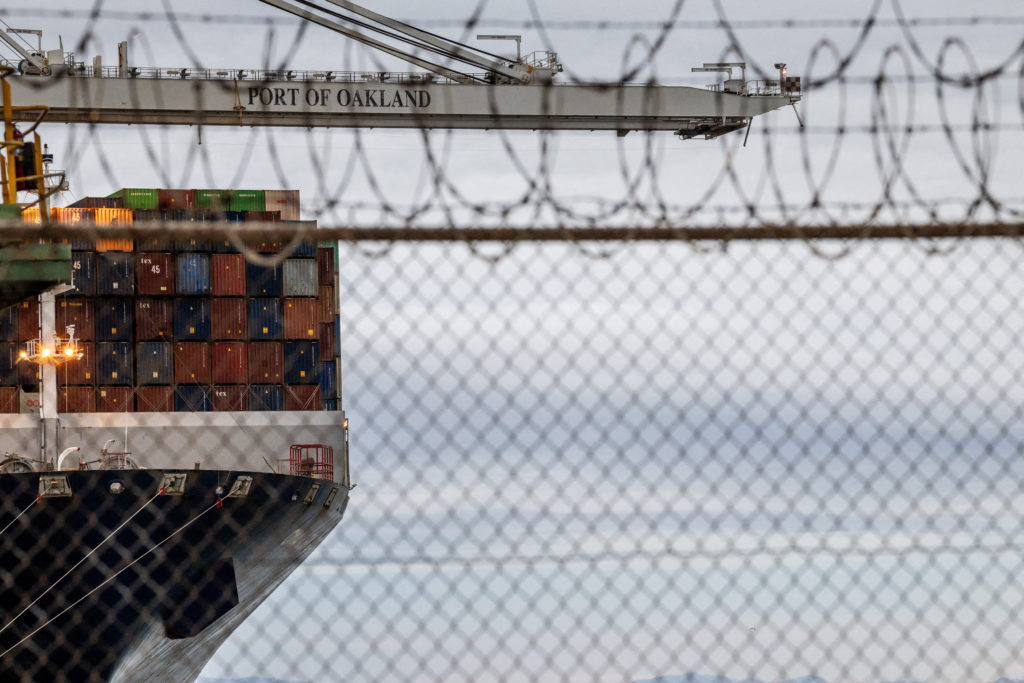
President Donald Trump has imposed new tariffs ranging from 10% to 12.5% on goods from 60 countries, citing concerns over forced labor in their supply chains. Several countries, including China, Japan, and Australia, have criticized these tariffs, calling the claims of forced labor unfair and the tariffs unjustified.
Key Facts
The U.S. announced tariffs on imports from 60 countries due to alleged use of forced labor in making those goods.
The tariff rates are between 10% and 12.5%.
These new tariffs replaced previous temporary tariffs that expired early Friday.
Australia’s Trade Minister Don Farrell strongly opposed the tariff increase on Australian goods from 10% to 12.5%.
Australia exports beef, gold, and copper to the U.S., and disputes claims linking Australian products to forced labor.
Australia plans to continue efforts to persuade the U.S. to remove these tariffs.
Other countries affected, such as China and Japan, have also voiced objections to the tariffs.
Read the Original
Want the full story? Tap a source to open the original
article.
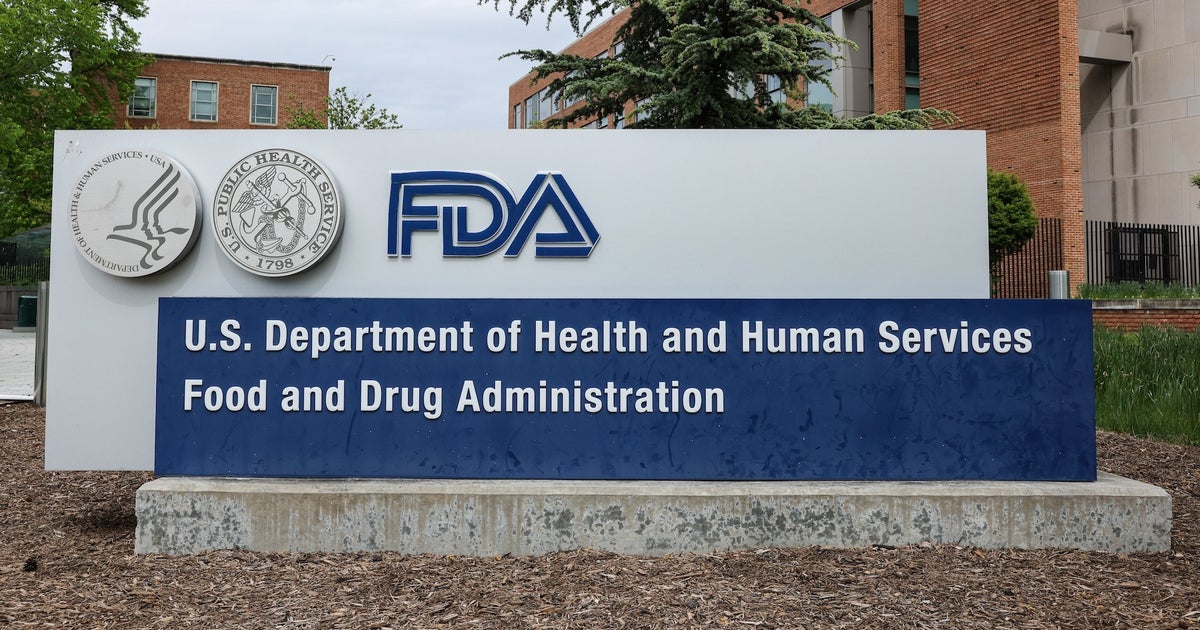
The Food and Drug Administration (FDA) advisory panel met to discuss easing rules on some peptide drugs that are not yet officially approved. On Thursday, the panel voted to allow more access to four specific peptides.
Key Facts
The FDA advisory panel is reviewing rules on unapproved peptide drugs.
The meeting lasted for two days.
On Thursday, the panel voted to expand access to four peptides.
Peptides are small chains of amino acids used in medicines and supplements.
These peptides currently have restrictions because they are not fully approved by the FDA.
The change would let more patients or doctors use these peptides under looser regulations.
The FDA panel advises but does not make the final decision.
Read the Original
Want the full story? Tap a source to open the original
article.
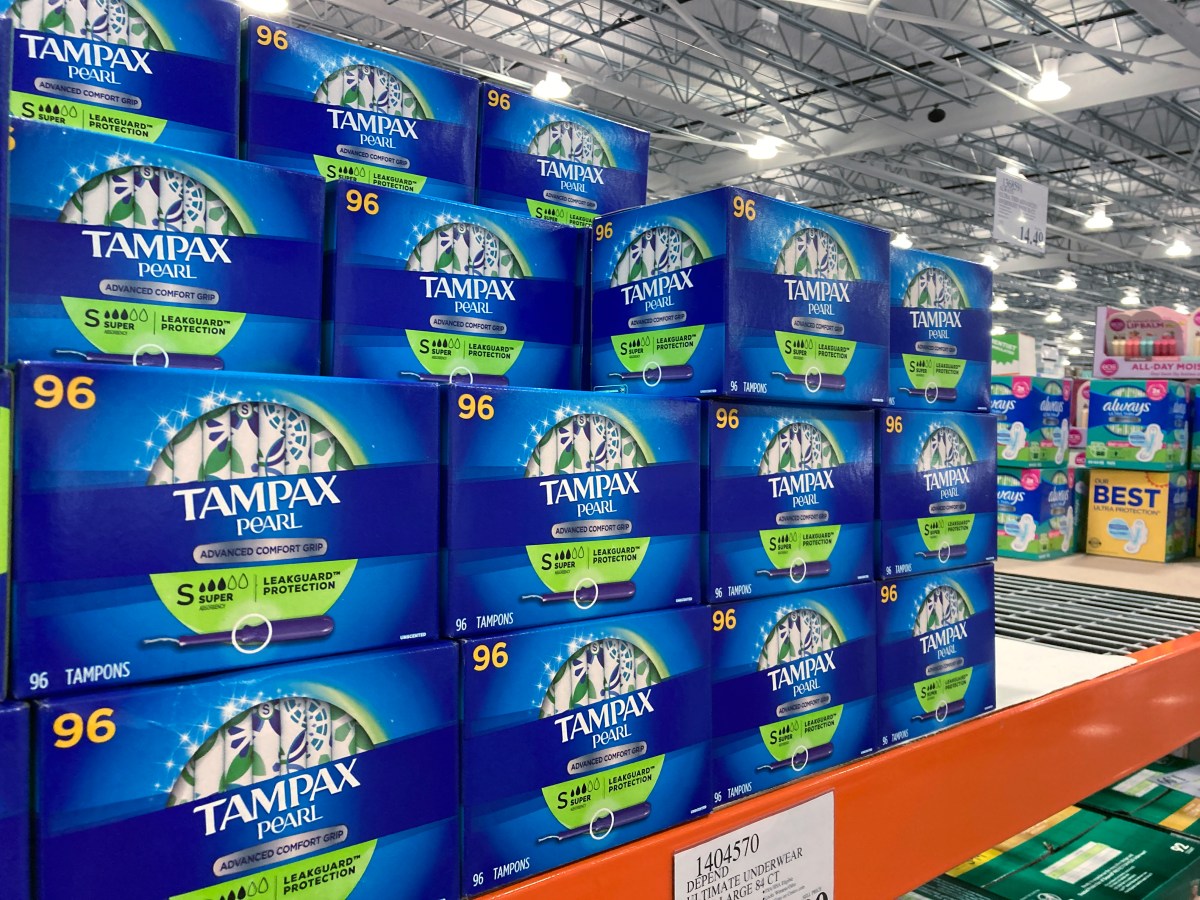
Seven women in California have sued major feminine hygiene companies, claiming their products contain harmful "forever chemicals" that caused serious reproductive health problems. The lawsuit accuses the companies of not testing or warning consumers about these chemicals' risks.
Key Facts
The lawsuit alleges that tampons, pads, and other menstrual products contain PFAS, known as "forever chemicals," plus endocrine disruptors and carcinogens.
Seven women filed the suit, reporting health issues like miscarriages, ovarian syndrome (PMOS), heavy bleeding, and pelvic pain.
The companies sued include Procter & Gamble, Kimberly Clark, Prestige Consumer Healthcare, Essity, Edgewell Personal Care, and The Honey Pot Company.
One company, Kimberly Clark, requested to move the case from California state court to federal court.
A Harvard study linked higher PFAS blood levels during pregnancy to daughters developing PMOS and acne.
The women allege the companies failed to properly test products, warn users, or monitor safety.
Health conditions described include endometriosis, ovarian cysts, pelvic inflammatory disease, anemia, and severe chronic pain.
The lawsuit is part of a trend with similar legal claims about toxic chemicals in feminine hygiene products made in recent years.
Read the Original
Want the full story? Tap a source to open the original
article.
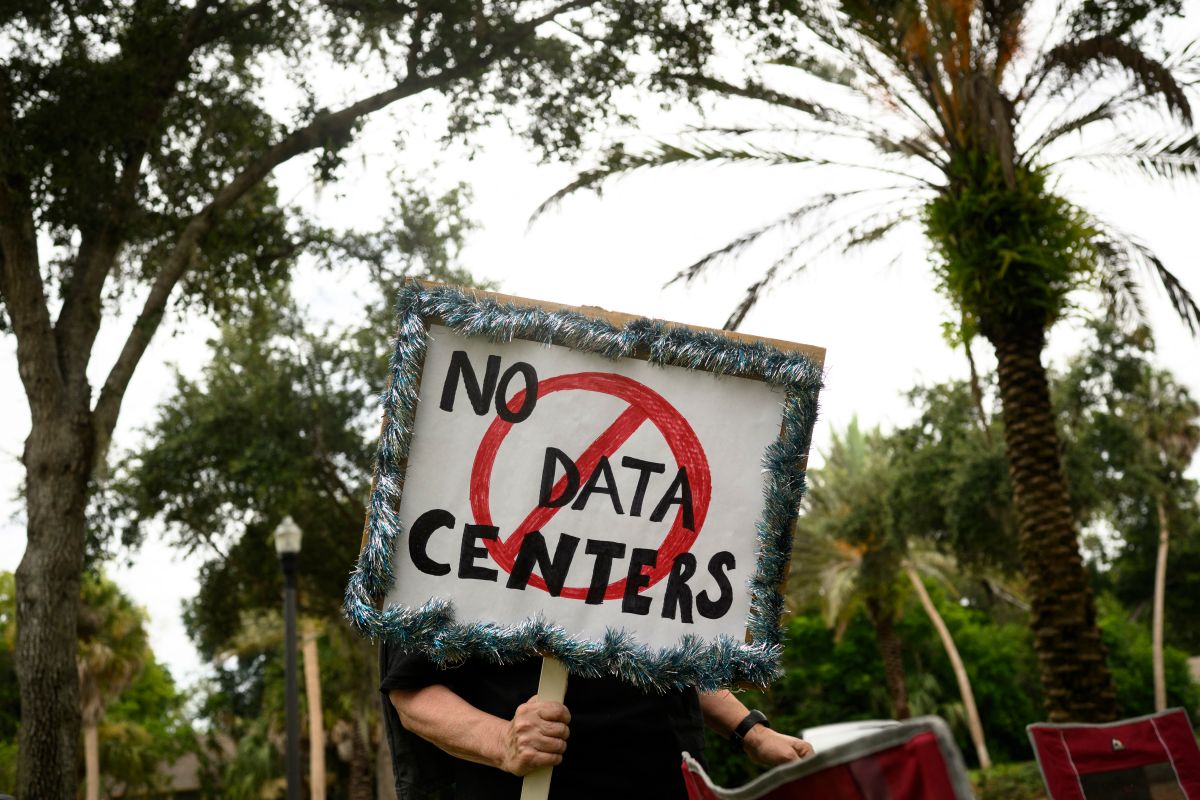
Data center projects in the U.S. faced a high number of delays and blocks in early 2026, with about 75 projects worth $130 billion affected in just three months. Opposition to these projects has grown quickly, spreading to nearly all states and focusing on concerns like energy use and community impacts.
Key Facts
At least 75 data center projects were blocked or delayed in the first quarter of 2026.
These projects represent about $130 billion in investment.
Opposition groups against data centers increased from 396 at the end of 2025 to 833 by March 2026.
Opposition groups exist in 49 states across the U.S.
More than 300 state-level bills related to data centers were introduced in early 2026.
14 states proposed statewide moratoriums to pause new data center construction.
Communities have raised issues about electricity use, water demand, noise, and local benefits of data centers.
New York paused the building of large data centers for one year due to concerns including energy costs and environmental impacts.
Read the Original
Want the full story? Tap a source to open the original
article.
Losing a job can make it hard to pay bills and debt on time. Debt relief programs can help by negotiating smaller payments on certain debts, but you should carefully think about your situation before enrolling.
Key Facts
A layoff can disrupt budgets and make regular payments difficult.
Unemployment benefits usually don’t cover all living expenses.
Creditors still expect payments even with reduced income.
Debt relief programs often focus on unsecured debts like credit cards.
Participants usually pay into a special account while the company negotiates with creditors.
Debt relief can help if job loss lasts a long time or minimum payments are already hard.
It doesn’t cover secured debts like mortgages, car loans, or student loans.
Debt relief has benefits and drawbacks, so understanding them before enrolling is important.
Read the Original
Want the full story? Tap a source to open the original
article.
The United States, under President Donald Trump, has imposed new tariffs on goods from over 80 countries, aiming to block imports made with forced labor. Several affected countries, including Australia, New Zealand, Japan, and China, have criticized the tariffs and denied the forced labor claims.
Key Facts
The US imposed tariffs of 10 to 12.5 percent on goods from more than 80 countries.
These tariffs were justified under Section 301 of the Trade Act of 1974, citing failure to restrict forced labor goods.
Many countries targeted by the tariffs have denied involvement in forced labor.
Australia plans to lobby the US to remove the tariffs and says it takes modern slavery seriously.
New Zealand’s Prime Minister described the tariffs as disappointing and lacking strong evidence.
The UK said the tariffs will not negatively affect its exports due to prior trade agreements.
Japan expressed regret over the tariffs but confirmed rates will not exceed a previous agreement limit.
China condemned the tariffs, calling trade wars harmful, and noted upcoming talks between President Trump and President Xi Jinping.
Read the Original
Want the full story? Tap a source to open the original
article.
Sinéad O’Dwyer held a fashion show at London’s Victoria and Albert Museum that featured models of all sizes, promoting body diversity. While most fashion shows use very thin models, O’Dwyer’s brand creates clothes starting at a size 18 and sells affordable tickets to make the event open to everyone.
Key Facts
The fashion show took place at the Victoria and Albert Museum and was open to the public for £5.
O’Dwyer uses sample sizes starting at UK size 18, larger than the usual size 4-8 in fashion.
Her work challenges the fashion industry's preference for thin models and promotes inclusivity.
Vogue Business reports that 97.6% of models for autumn/winter 2026 fashion shows were sizes 4-8.
London Fashion Week shows more body diversity than others, but still mostly use thinner models (92.7% straight-size).
Experts link the current trend toward thinner models partly to cultural shifts around weight and the popularity of weight-loss drugs.
Changing manufacturing to produce larger sizes is expensive and difficult, slowing progress on inclusivity.
O’Dwyer and a few other designers are leading efforts to make fashion more inclusive, especially in London.
Read the Original
Want the full story? Tap a source to open the original
article.
A raccoon named Jimothy with a rare spinal deformity has become very popular on the internet. Big companies like Google and Goodyear are using Jimothy’s fame to promote their brands and make money.
Key Facts
Jimothy is a raccoon with a rare spinal deformity.
The raccoon has become an internet sensation.
Brands like Google and Goodyear are involved.
These companies are using Jimothy’s popularity to advertise.
The trend shows how viral animals can influence business.
The article highlights how companies benefit from online fame.
Read the Original
Want the full story? Tap a source to open the original
article.
President Donald Trump has introduced new tariffs of 10 to 12.5 percent on products imported from over 80 countries, including Canada, China, and the European Union. The tariffs aim to target goods made using forced labor but apply broadly, affecting most U.S. trading partners and potentially raising import costs.
Key Facts
New tariffs began at 12:01 a.m. on a Friday and affect more than 80 countries.
Tariff rates are set at either 10 percent or 12.5 percent depending on whether countries have agreed to enforce forced labor bans.
The tariffs include major U.S. trade partners such as Canada, China, and the EU’s 27 member countries.
The official reason for the tariffs is to stop imports made with forced labor, an issue under investigation for several months.
Critics say the tariffs closely resemble a previous tariff system that the Supreme Court ruled illegal earlier in the year.
U.S. Trade Representative Jamieson Greer supports the tariffs and praises countries adopting forced labor import bans.
Some trading partners, including Canada, Japan, and Australia, have expressed frustration or regret about the tariffs, citing existing measures against forced labor.
The U.S. has started an additional investigation into 16 countries suspected of dumping goods to undercut American manufacturers.
Read the Original
Want the full story? Tap a source to open the original
article.
Ford is recalling over 565,000 Bronco and Bronco Raptor vehicles from 2021 to 2026 because of a wiring problem that can cause fires. The company will fix the issue for free by adding protective covers to the wiring, and vehicle owners will be notified starting August 24, 2026.
Key Facts
The recall affects about 565,691 Bronco and Bronco Raptor vehicles from model years 2021 to 2026.
The problem is a wiring harness in the engine compartment that can short-circuit if damaged.
A short circuit might cause smoke or start a fire, which could lead to serious injury or death.
Only about 1% of the recalled vehicles actually have the wiring defect.
Ford dealers will install protective sheathing on the wiring at no cost to owners.
Notifications to owners will begin on August 24, 2026, via mailed letters.
Vehicle Identification Numbers (VINs) for affected vehicles were made searchable on the NHTSA website as of July 23, 2026.
Owners can contact Ford customer service at 1-866-436-7332 using recall number 26S55 for more information.
Read the Original
Want the full story? Tap a source to open the original
article.
A high-yield savings account offers much higher interest rates than traditional savings accounts, making it a better place to keep money like $65,000. With interest rates around 4.10%, such an account could earn over $2,600 in one year if rates stay the same.
Key Facts
Traditional savings accounts currently pay an average interest rate of about 0.38%.
High-yield savings accounts can offer rates around 4.10%, much higher than traditional accounts.
On $65,000, a high-yield savings account could earn about $656 in 3 months.
The same $65,000 could earn approximately $2,665 in interest over one year if rates remain constant.
Interest rates for these accounts can change based on market conditions.
High-yield savings accounts often can be opened and managed online.
These accounts keep funds accessible while offering better returns than standard savings.
Savers should compare rates and terms carefully before choosing an account.
Read the Original
Want the full story? Tap a source to open the original
article.
Life insurance payouts usually go directly to named beneficiaries and are often protected from the deceased's creditors. However, if the estate is the beneficiary or depending on state laws and certain debts like taxes or child support, creditors may be able to claim the proceeds.
Key Facts
Life insurance money generally goes straight to the people named as beneficiaries, bypassing the deceased person's estate.
Creditors of the deceased usually cannot take life insurance payouts to pay off debts.
If the life insurance policy lists the estate as the beneficiary, the money becomes part of the estate and may be used to pay debts.
State laws vary, and some states protect life insurance proceeds more than others.
Certain debts like taxes and child support may have different rules allowing creditors to access proceeds.
It is important for beneficiaries to know their state's laws and possibly get legal advice.
Beneficiaries' own creditors might be able to claim the money after they receive it.
Read the Original
Want the full story? Tap a source to open the original
article.
Oil prices went over $100 per barrel because of new fighting in the Middle East. This rise in oil costs may cause higher prices for gas, food, and school supplies for shoppers.
Key Facts
Oil prices passed $100 a barrel on Thursday.
The increase is linked to renewed conflict and military attacks in the Middle East.
Higher oil prices follow a brief period of lower costs since June.
Brent crude, a global oil price benchmark, last hit $100 in May.
Rising oil prices can lead to more expensive gas, groceries, and back-to-school goods for consumers.
Read the Original
Want the full story? Tap a source to open the original
article.
Florida’s property insurance lawsuits have dropped after lawmakers introduced new rules to reduce legal claims. However, homeowners in Florida still pay the highest insurance rates in the U.S., partly because the state faces frequent and severe hurricanes.
Key Facts
Florida's insurance lawsuits decreased from about 79% of national cases in 2020 to just over 41% in 2025.
Lawmakers passed reforms that removed incentives for excessive lawsuits, such as banning one-way attorney fees for claimants.
Despite fewer lawsuits, Florida still has the highest average home insurance premiums, with estimates ranging from $3,750 to over $6,000 annually.
Florida accounts for a small portion of total U.S. insurance claims but had a large share of lawsuits before reforms.
The state has experienced five major hurricanes since 2020, including Hurricane Ian, which caused $100 billion in damage.
Natural disasters in Florida are becoming more frequent and severe due to rising global temperatures.
Since 2024, many insurance companies in Florida have requested rate decreases or kept rates flat.
The reforms aim to stabilize the insurance market and protect consumers from costly litigation.
Read the Original
Want the full story? Tap a source to open the original
article.
Australian households may soon face higher interest rates from the Reserve Bank and petrol prices above $2 per litre because of rising global oil costs. The Middle East conflict and supply issues have pushed crude oil prices above $100 a barrel, increasing fuel prices in Australia and adding pressure on the economy.
Key Facts
The Reserve Bank of Australia may increase interest rates again at its meeting on 11 August.
Global crude oil prices have risen above $100 a barrel due to Middle East tensions and supply disruptions.
Petrol prices in Australia have recently climbed to $1.80 per litre and are expected to surpass $2 per litre soon.
Diesel prices have increased by about 50 cents, reaching around $2.20 per litre in major eastern cities.
The Australian government is reducing its fuel tax relief, which is contributing to higher fuel costs.
Higher fuel prices make it harder for the Reserve Bank to control inflation and support the economy.
Some economists believe the economy is slowing, so another rate hike could be challenging for many households.
Inflation is still high but slightly lower than earlier forecasts, while unemployment has risen somewhat.
Read the Original
Want the full story? Tap a source to open the original
article.
The U.S. government has made changes to its approach in the trade dispute with Canada. These changes affect how the U.S. applies tariffs, which are taxes on imported goods, in this conflict.
Key Facts
The U.S.-Canada trade conflict involves tariffs, which are taxes on goods that cross the border.
The administration has altered the legal and political reasoning behind its trade actions.
The changes are not widely announced and happened quietly.
These adjustments could influence how tariffs are applied and justified.
The shift reflects new strategies in managing trade disputes with Canada.
Read the Original
Want the full story? Tap a source to open the original
article.
CBS Mornings Deals offers special discounts on products that can improve daily life. Customers can visit cbsdeals.com to find these deals and make purchases.
Key Facts
CBS Mornings Deals features discounts on lifestyle products.
These deals are exclusive and available at cbsdeals.com.
CBS earns commissions when users buy items through the website.
The offers are promoted on CBS News and its app.
The main goal is to help customers save money on useful products.
Read the Original
Want the full story? Tap a source to open the original
article.
Student loan interest rates vary widely based on a borrower's credit and financial situation. Fixed rates under 5% are excellent but rare, while rates above 9% can significantly increase the total repayment amount over time.
Key Facts
Private student loan interest rates can range from about 2% to over 16%, depending on credit and risk factors.
Fixed rates under 5% are considered excellent and usually reserved for borrowers with strong credit and stable income or a creditworthy co-signer.
Rates between 5% and 7% remain very good for many borrowers with solid credit histories.
Rates from 7% to 9% are still competitive, especially for younger borrowers with limited credit.
Rates between 9% and 12% are common but increase the total repayment amount, so borrowers should think carefully before accepting them.
Rates above 12% are high and should prompt borrowers to consider options like co-signers or improving credit before taking the loan.
Variable-rate loans often start in the low-to-mid 3% range but can rise significantly over time.
Comparing rates and loan terms carefully is important to manage the overall cost of borrowing for college.
Read the Original
Want the full story? Tap a source to open the original
article.
The White House has decided to add tariffs on imports from 60 countries. They said the reason for these tariffs is to address concerns about forced labor in those countries. This action follows a Supreme Court ruling that the government must have clear legal reasons to impose such tariffs.
Key Facts
The White House announced new tariffs on goods from 60 different countries.
The tariffs are meant to respond to problems with forced labor used to make products in those countries.
The Supreme Court ruled that the U.S. government needs proper legal justification to set these tariffs.
The tariffs are part of President Donald Trump’s administration policies, updated after the court ruling.
Forced labor means people are made to work against their will, often in poor conditions.
Tariffs are taxes on imports, which can increase the price of goods from other countries.
This move aims to promote fair labor practices in international trade.
Read the Original
Want the full story? Tap a source to open the original
article.
Fidelity Investments estimates that retirees will need about $185,000 to cover healthcare costs in retirement. This amount is 7.5% higher than last year’s estimate.
Key Facts
Fidelity Investments provided the new healthcare cost estimate for retirees.
The estimated amount needed is $185,000.
This estimate increased by 7.5% compared to the previous year.
The estimate covers healthcare expenses during retirement.
Rising healthcare costs are a concern for people planning their retirement budgets.
Read the Original
Want the full story? Tap a source to open the original
article.