BuzzBallz, a popular pre-mixed cocktail brand among young drinkers, has packaging that cannot be recycled because it mixes plastic and metal, which cannot be separated. The company previously claimed on its UK website that the packaging was recyclable, but experts and recycling authorities have confirmed this is not true.
Key Facts
BuzzBallz packaging combines a plastic ball (PET) with an aluminum lid that cannot be separated for recycling.
UK recycling facilities do not accept BuzzBallz packaging, and it can contaminate other recyclable materials if processed.
The company’s UK website incorrectly stated the packaging was recyclable and partnered with TerraCycle, a scheme only available in the US.
BuzzBallz was founded by Merrilee Kick and bought by the Sazerac Company in 2024.
The product is popular because it is strong, affordable, and convenient for younger drinkers.
Recycling experts say mixing materials like plastic and metal in one package creates a “villain” for current recycling systems.
Recycling aluminum helps protect the environment by reducing mining impacts, but mixed materials in BuzzBallz packaging prevent proper recycling.
The shape of the BuzzBallz container also causes problems at recycling plants because they roll on conveyor belts and are hard to sort correctly.
Read the Original
Want the full story? Tap a source to open the original
article.
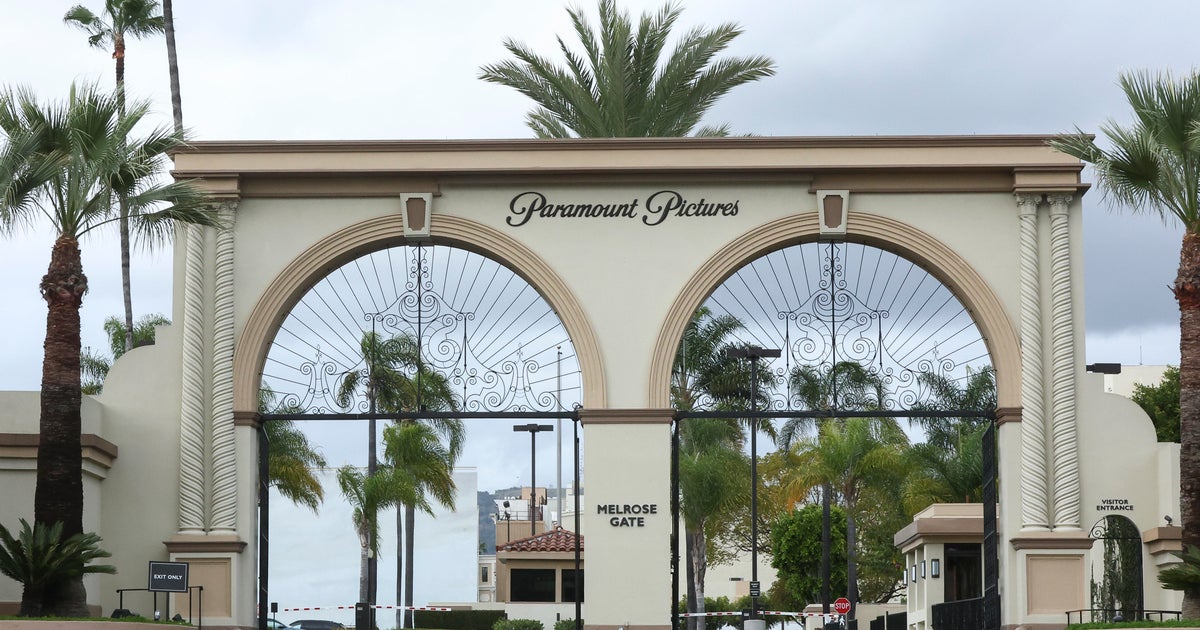
Paramount and Warner Bros. Discovery have agreed to delay their $111 billion merger until a court case by 12 states and the Writers Guild of America is decided or until June 1, 2027. A judge previously blocked the merger, saying it could reduce competition and violate antitrust laws.
Key Facts
The merger between Paramount and Warner Bros. Discovery is delayed by months due to legal challenges.
Twelve states, led by California, and the Writers Guild of America sued to stop the merger.
A judge issued a temporary restraining order blocking the merger, citing concerns about reduced competition.
The merger was initially approved during the Trump administration.
The delay means the companies cannot combine operations until after the court case resolves or June 2027, whichever is sooner.
The states argue the deal would reduce the number of major Hollywood studios and cable TV channel owners from five to fewer.
Both sides agreed to the delay to avoid a preliminary injunction hearing.
Paramount says the court trial is the best way to show the merger benefits customers, creators, and competition.
Read the Original
Want the full story? Tap a source to open the original
article.
The United States has introduced a new 10% tariff (a tax on imports) on goods from Canada, with plans to increase the tariff to 50% in August. This move has raised trade tensions between the two countries. Ontario Premier Doug Ford spoke about the situation, calling the decision unfortunate.
Key Facts
The U.S. placed a 10% tariff on Canadian imports starting on a Friday.
The tariff will increase to 50% later in August.
This action has increased trade tensions between the U.S. and Canada.
Ontario Premier Doug Ford commented on the tariffs during an interview.
Premier Ford described the decision as "unfortunate."
The new tariffs affect trade between Canada and the U.S.
These tariffs are part of a dispute over trade policies between the two countries.
Read the Original
Want the full story? Tap a source to open the original
article.
Paramount Skydance and Warner Bros Discovery have paused their $110 billion merger until June 2027 because of a legal challenge from 12 US states and the Writers Guild of America. The companies say the merger is needed to compete with streaming and tech companies, but opponents worry it will reduce competition and hurt writers and consumers.
Key Facts
Paramount and Warner Bros paused their $110 billion merger until June 2027.
The pause follows lawsuits from 12 US states and the Writers Guild of America.
Opponents say the merger would reduce competition and increase prices for viewers.
European regulators approved the deal with conditions on a film distribution partnership.
The US Department of Justice approved the merger in June.
Paramount and Warner Bros say the merger will help them compete with streaming and tech giants.
The Writers Guild of America fears the merger will lower wages and reduce job opportunities for writers.
Until the judge decides, the two companies will stay separate and continue to compete.
Read the Original
Want the full story? Tap a source to open the original
article.
Paramount has agreed to delay finalizing its $81 billion purchase of Warner Bros. Discovery until either a court ruling on a lawsuit or June 1, 2027. Twelve states have sued to block the merger, saying it would reduce competition in the entertainment industry.
Key Facts
Paramount plans to delay closing its buyout of Warner Bros. Discovery until a court decision or June 1, 2027.
The deal is worth $81 billion.
A judge recently issued a temporary order to pause the merger for several weeks.
The judge said the states’ lawsuit raised serious questions about reduced competition.
Twelve states, led by California, filed the lawsuit to stop the merger.
The states argue the merger will hurt competition and reduce choices for consumers.
New York’s Attorney General said the merger is bad for workers, artists, and families.
Paramount views the delay as a way to have a clear court trial about the merger’s effects.
Read the Original
Want the full story? Tap a source to open the original
article.
Paramount Skydance has agreed to delay its $110 billion deal to buy Warner Bros Discovery until a federal judge decides on a lawsuit by twelve states challenging the merger. The deal pause could cost Paramount millions in fees if the merger does not close by a set date.
Key Facts
Paramount Skydance plans to acquire Warner Bros Discovery for $110 billion.
Twelve states, led by California, sued to stop the merger, saying it would reduce competition and choices for consumers.
A federal judge recently issued a temporary order pausing the merger.
Paramount agreed to delay the deal until five days after the judge's ruling or until June 1, 2027, whichever comes first.
The delay may cost Paramount about $7 million each day in fees to Warner Bros shareholders if the deal misses the September 30 deadline.
If the delay lasts until June 2027, Paramount could owe up to $1.7 billion in fees.
The merger would combine Warner Bros’ CNN with Paramount’s CBS network.
Some concerns exist about media influence, especially related to political bias issues involving CBS and connections to President Donald Trump.
Read the Original
Want the full story? Tap a source to open the original
article.
Paramount Skydance will delay its planned merger with Warner Bros. Discovery until as late as June 2027 due to lawsuits from state attorneys general and the Writers Guild of America (WGA). The merger will only move forward after a federal judge decides on these legal challenges.
Key Facts
Paramount Skydance and Warner Bros. Discovery planned a $110 billion merger to combine their studios.
The merger is delayed until June 2027 or until a judge rules on the lawsuits against it.
Twelve state attorneys general sued to block the merger, citing concerns it would reduce competition in the film industry.
The Writers Guild of America also sued, saying the deal would lower pay and job opportunities for writers.
A judge ordered the merger to be put on hold until the legal cases are resolved.
Paramount says the merger will increase competition and create more opportunities for writers.
The delay might cost Paramount money, as they have agreed to pay Warner Bros. shareholders $650 million every three months if the deal is not completed by September 30.
Attorneys general from New York and California support stopping the merger to protect the industry and consumers.
Read the Original
Want the full story? Tap a source to open the original
article.
This article explains how artificial intelligence (AI) helps companies understand risks in their supply chains that they might not see otherwise. AI can connect information about suppliers several steps removed from a company and match it with outside events like tariffs, sanctions, or bankruptcies to help businesses manage their operations better.
Key Facts
Many large companies have thousands of direct and millions of indirect suppliers, making it hard to track risks beyond direct vendors.
AI can uncover hidden risks from suppliers several levels down the chain that might affect production.
Events like tariffs, sanctions, financial troubles, or cyberattacks can disrupt supply chains, and AI helps identify which parts are affected.
Interos.ai created software to trace supply chain relationships and connect them to political, financial, or environmental changes.
The technology can simulate how new tariffs or policies might impact costs and find alternative suppliers.
AI helps estimate the financial effects of different supply chain decisions, improving business responses to disruptions.
Geopolitical risks, such as changing trade restrictions, are among the hardest for companies to predict or handle.
Read the Original
Want the full story? Tap a source to open the original
article.
Paramount has agreed to pause its $111 billion plan to buy Warner Bros. Discovery. This delay comes because twelve state attorneys general are suing to stop the merger, and both sides agreed to wait for a judge's decision.
Key Facts
Paramount plans to acquire Warner Bros. Discovery for $111 billion.
Twelve state attorneys general filed a lawsuit to block the merger.
Paramount and the attorneys general agreed to delay the merger process.
The merger will be on hold until a judge rules on the lawsuit.
The agreement to wait was made public in a court filing on Friday.
The case involves concerns from state legal officials about the merger.
This is a major deal in the media and entertainment industry.
Read the Original
Want the full story? Tap a source to open the original
article.
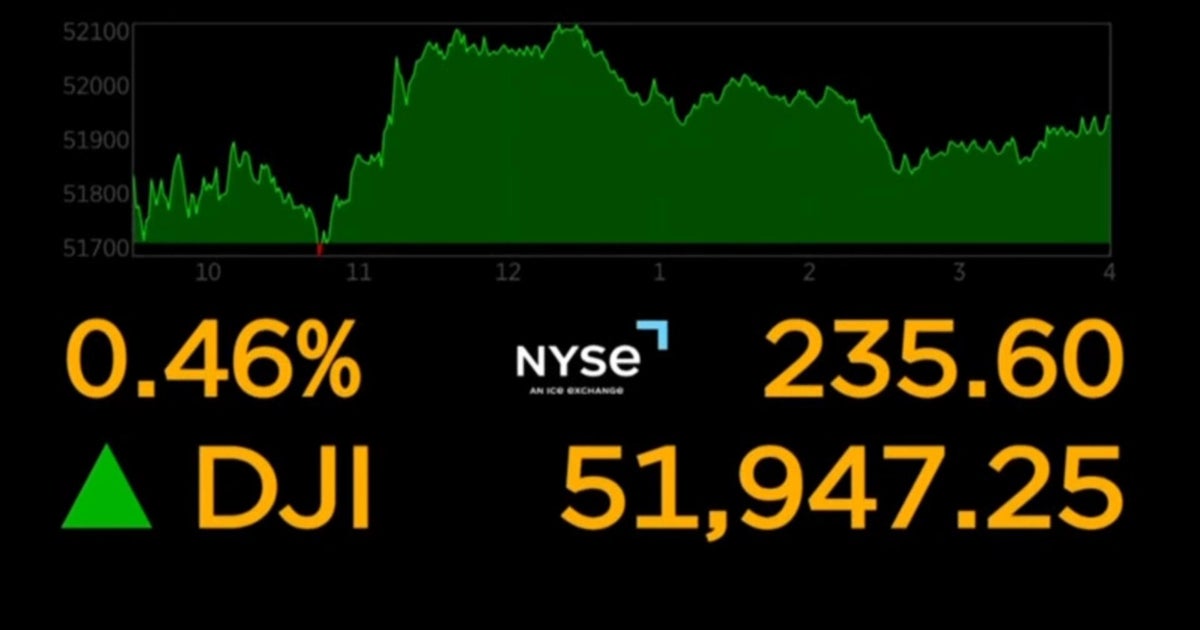
Stock markets ended the day with mixed results as the ongoing conflict between the U.S. and Iran affected energy prices. At the same time, President Donald Trump introduced new tariffs, which also influenced the market.
Key Facts
Wall Street markets showed mixed closing results on Friday.
The fighting between the U.S. and Iran is continuing.
This conflict has caused energy prices to change unexpectedly.
President Donald Trump announced new tariffs.
The tariffs had an impact on stock market performance.
The news was reported by CBS News MoneyWatch correspondent Kelly O'Grady.
The situation is causing uncertainty in financial markets.
Read the Original
Want the full story? Tap a source to open the original
article.
Paramount has agreed to postpone completing its $81 billion purchase of Warner Bros Discovery until at least June 1, 2027. This delay comes as a judge reviews a lawsuit from 12 states trying to stop the deal over concerns about reducing competition in the movie and cable markets.
Key Facts
Paramount, owned by Skydance, plans to buy Warner Bros Discovery for $81 billion.
Twelve states, led by California, sued to block the merger.
The states argue the deal would reduce competition and limit choices for consumers.
A judge granted a temporary order to pause the deal while the case is reviewed.
Paramount agreed to delay closing the purchase until at least five days after the court decides on the merits or June 1, 2027.
Paramount says the states’ claims have no strong basis and will defend the merger vigorously.
The lawsuit focuses on the potential impact on Hollywood and cable customers.
Read the Original
Want the full story? Tap a source to open the original
article.
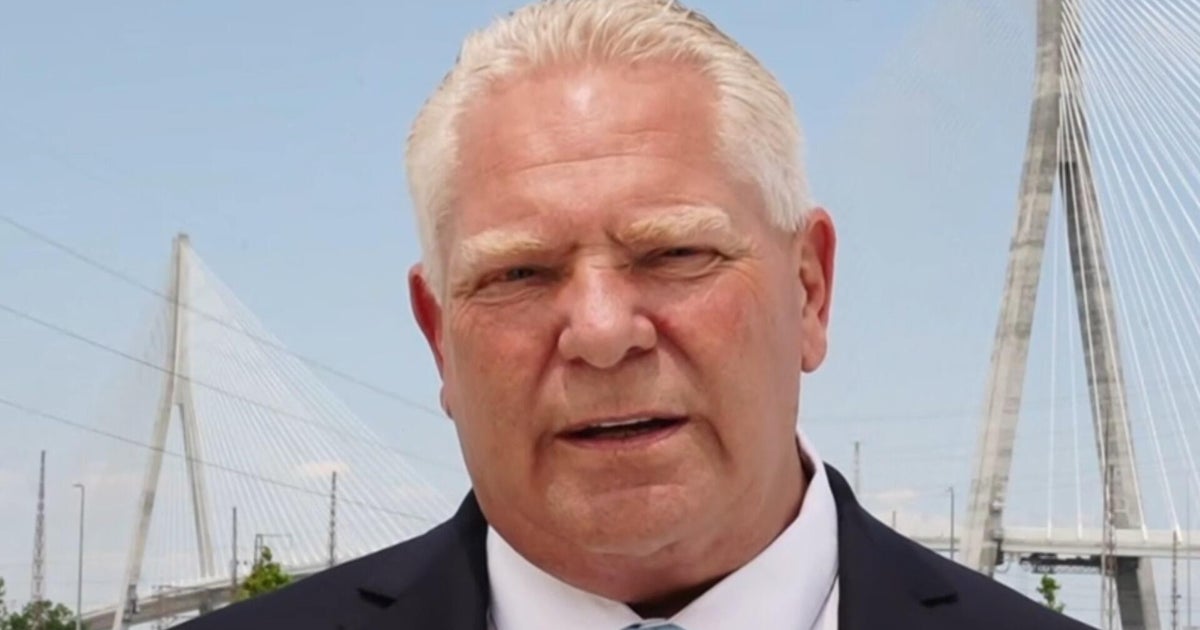
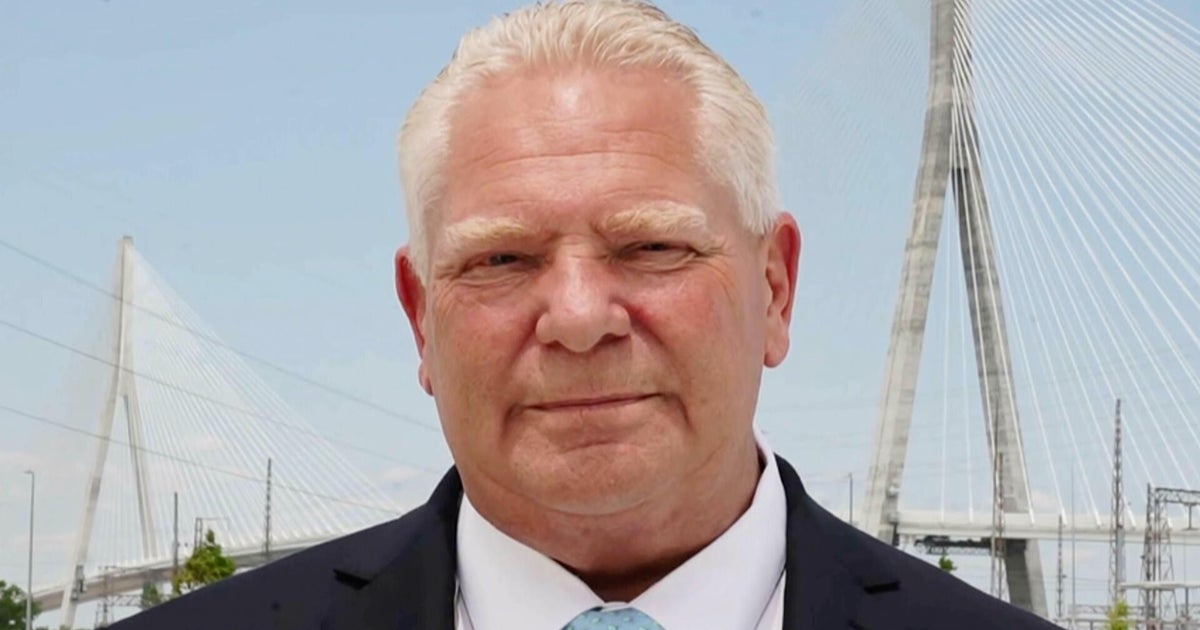
Ontario Premier Doug Ford discussed new U.S. tariffs on Canada with CBS News. He said Canada did not begin the trade conflict and highlighted that President Trump imposed these tariffs on a close ally and major customer.
Key Facts
Ontario Premier Doug Ford spoke with CBS News about U.S. tariffs on Canada.
President Trump introduced new tariffs targeting Canada.
Ford said Canada did not start the trade dispute.
He called the U.S. a close ally and Canada its number one customer.
The interview also mentioned the upcoming opening of the Gordie Howe Bridge.
The trade conflict involves tariffs, which are taxes on imported goods.
Ford’s statements respond to economic actions between Canada and the U.S.
Read the Original
Want the full story? Tap a source to open the original
article.
President Trump’s new tariffs on imported goods from 60 countries face a legal challenge from two small businesses. These businesses are represented by lawyers who previously helped overturn Trump’s earlier tariffs at the Supreme Court.
Key Facts
The new tariffs add between 10% and 12.5% extra cost on imports.
They apply to goods from 60 different trading partners.
Two small businesses have filed a lawsuit against these tariffs.
The businesses are using part of the legal team that won the Supreme Court case against previous Trump tariffs.
This is the Trump administration’s latest attempt to raise tariffs without broader approval.
The legal challenge was filed on a Friday.
Tariffs are taxes that make imported products more expensive to protect local industries or influence trade.
Read the Original
Want the full story? Tap a source to open the original
article.
The U.S. business world often solves problems by merging companies or buying out smaller ones, especially family-owned businesses. This trend toward bigger companies may reduce competition, limit choices for consumers, and hurt communities. The rise of new technologies like artificial intelligence (AI) makes it more expensive for small businesses to compete, but the article argues that technology should help more businesses succeed independently, not fewer.
Key Facts
More than 36 million small businesses make up 99.9% of U.S. businesses and employ about 46% of private-sector workers.
The U.S. economy depends heavily on independent, family-owned businesses.
Consolidation means companies merge or get bought out, reducing the number of independent businesses.
Consolidation can lead to fewer choices for consumers and less local decision-making.
Artificial intelligence and other tech advances require big investments that small businesses often can’t afford.
The author believes that technology should help more businesses compete, not push them out.
The current business culture often sees growth only by acquiring others or being acquired.
A new approach is needed to help businesses grow and compete without losing their independence.
Read the Original
Want the full story? Tap a source to open the original
article.
Elon Musk, CEO of Tesla and SpaceX, said he supports "normal people" and denied supporting the "far right." He also criticized the media for how it covers conservatives in a recent interview with The Economist.
Key Facts
Elon Musk is the CEO of Tesla and SpaceX.
He was asked if he supports the "far right."
Musk replied that he supports "normal people" instead.
He expressed frustration with how the media reports on conservatives.
The interview was published by The Economist.
Zanny Minton Beddoes is the Editor-in-Chief of The Economist.
Musk pushed back against the idea that he supports extremist political views.
Read the Original
Want the full story? Tap a source to open the original
article.
President Donald Trump announced a new set of tariffs targeting imports linked to forced labor. The markets showed only a small reaction to this announcement. The tariffs aim to address labor rights concerns but could affect businesses and shoppers.
Key Facts
President Trump introduced new tariffs on Thursday.
The tariffs focus on goods made using forced labor.
Financial markets reacted mildly to the news.
The tariffs may increase costs for companies that import these goods.
Consumers could face higher prices because of these tariffs.
The move is part of efforts to address human rights issues in supply chains.
Details on specific products or countries affected were not given in the summary.
The announcement was covered by CBS News and reported by Kelly O’Grady.
Read the Original
Want the full story? Tap a source to open the original
article.
An outbreak of cyclosporiasis linked to lettuce from Mexico has caused people to avoid eating lettuce and visiting some restaurants in the U.S. Foot traffic has dropped at several food chains, and sales of lettuce in grocery stores have declined as consumers try to avoid getting sick.
Key Facts
The cyclosporiasis outbreak has spread to nine U.S. states.
The parasite is linked to lettuce from Mexico and possibly another unknown food product.
Visits to fast casual restaurants like Taco Bell, Chipotle, and Panera have decreased, with Taco Bell down nearly 30%.
Consumers are buying less lettuce, causing sales drops of about 11% at stores like Stew Leonard’s.
Sweetgreen stated it is not connected to the outbreak and is monitoring food safety closely.
Taco Bell promoted $1 lettuce-free menu items during the outbreak.
Experts recommend buying hydroponic lettuce, which is grown in controlled and clean conditions.
Some lettuce sales have started to improve as people become less cautious.
Read the Original
Want the full story? Tap a source to open the original
article.
Water company chief executives in England and Wales received higher pay in the past year despite a government ban on bonuses and public anger over water bills and pollution. Some companies used loopholes to increase executive pay, with the highest being £2.5 million paid to the head of United Utilities.
Key Facts
Total pay for water company CEOs and CFOs rose by 1.5% to £25.3 million in the last year.
The government banned bonuses in 2025 for companies responsible for serious pollution or financial problems.
Mark Thurston, CEO of Anglian Water, earned £1.9 million, including a £500,000 “retention payment” not classified as a bonus.
Louise Beardmore, CEO of United Utilities, received £2.5 million, which was £1.1 million more than the previous year.
Some pay increases were made with “non-performance-related payments” which companies say are not bonuses.
Water companies face criticism for rising bills, pollution incidents, and poor infrastructure.
Andy Burnham, a government official, supports stronger public control and possibly government ownership of troubled water companies.
Customers in many areas face droughts and hosepipe bans amid concerns about water supply and pollution.
Read the Original
Want the full story? Tap a source to open the original
article.
The 99 Restaurants ran a promotion where kids eat free when the Boston Red Sox won a game during the team’s 15-game win streak. Although some reports said the streak cost the restaurant chain thousands of dollars, the promotion actually helped the business by attracting more paying customers and boosting overall sales.
Key Facts
The 99 Restaurants offered free kids meals with the purchase of an adult meal whenever the Red Sox won.
The Red Sox had a 15-game winning streak during this promotion in July.
Some reports estimated the giveaway cost the chain between $16,000 and $60,000.
Free meal promotions usually attract more paying customers, increasing sales of adult meals, drinks, and appetizers.
The loss from free kids meals is often made up by higher overall revenue from other purchases.
Marketing expenses like promotions can sometimes be tax-deductible for businesses.
The chain also benefited from free advertising by publicizing the promotion and the Red Sox connection.
The promotion gave families an affordable dining option during the Red Sox winning streak.
Read the Original
Want the full story? Tap a source to open the original
article.
President Donald Trump has imposed new tariffs ranging from 10% to 12.5% on goods from 60 countries, citing concerns over forced labor in their supply chains. Several countries, including China, Japan, and Australia, have criticized these tariffs, calling the claims of forced labor unfair and the tariffs unjustified.
Key Facts
The U.S. announced tariffs on imports from 60 countries due to alleged use of forced labor in making those goods.
The tariff rates are between 10% and 12.5%.
These new tariffs replaced previous temporary tariffs that expired early Friday.
Australia’s Trade Minister Don Farrell strongly opposed the tariff increase on Australian goods from 10% to 12.5%.
Australia exports beef, gold, and copper to the U.S., and disputes claims linking Australian products to forced labor.
Australia plans to continue efforts to persuade the U.S. to remove these tariffs.
Other countries affected, such as China and Japan, have also voiced objections to the tariffs.
Read the Original
Want the full story? Tap a source to open the original
article.