The board of Tata Sons, a large Indian company, reappointed N Chandrasekaran as chairman and supported making the company public, against the wishes of its biggest owner, Tata Trusts. This disagreement has caused uncertainty and may lead to a long legal dispute over the company’s future leadership and plans to list on the stock market.
Key Facts
Tata Sons is a 158-year-old Indian business group owning brands like Jaguar Land Rover and Tetley Tea.
Tata Trusts owns 66% of Tata Sons and opposed the recent board decision to reappoint N Chandrasekaran as chairman.
The board also supported a plan to make Tata Sons public by selling shares on the stock market, which Tata Trusts opposes.
Tata Trusts called the reappointment decision “illegal” based on company rules and governance codes.
N Chandrasekaran received a five-year extension as chairman and will turn 65 in 2028.
India’s central bank classified Tata Sons as an important financial company, requiring it to list on the stock market.
Tata Sons tried to avoid listing by repaying debt and arguing it doesn’t borrow publicly, but the central bank rejected this.
The dispute may lead to legal battles, and Tata Trusts is considering options besides listing the company publicly.
Read the Original
Want the full story? Tap a source to open the original
article.
Sir Jim Ratcliffe, a wealthy businessman and owner of part of Manchester United, says he has lost trust in the UK because of high taxes and immigration. He warns that the UK might face gas shortages this winter and criticizes the government for not investing enough in North Sea oil and gas.
Key Facts
Sir Jim Ratcliffe is the founder of Ineos and owns a large part of Manchester United.
He describes the UK economy as declining due to high taxes and immigration.
Ratcliffe says not investing more in North Sea oil and gas is a bad decision.
He warns that gas stores in the UK are low, which could cause shortages in a cold winter.
The government says business investment is rising and gas supply is secure.
Ratcliffe moved his tax residence to Monaco in 2020 and supports Brexit.
Other rich people like Lakshmi Mittal and Chris Rokos have also left the UK.
The government is still deciding on new North Sea oil projects but wants to transition to clean energy over time.
Read the Original
Want the full story? Tap a source to open the original
article.
Marks & Spencer (M&S), a well-known UK retailer, is becoming popular again, especially with shoppers under 35. The company held its first London Fashion Week show to reveal new clothing inspired by its past collections, aiming to attract younger customers while keeping loyal, older shoppers.
Key Facts
M&S is gaining popularity among women under 35, shaking off its old "fusty" reputation.
The brand hosted its first London Fashion Week show, showcasing 43 womenswear and 10 menswear looks.
The new collection features warm, trendy clothes like faux fur jackets, satin dresses, and sequined outfits.
M&S focuses on newer styles that follow current fashion trends but keeps its usual high quality.
The fashion show included diverse models of different ages, sizes, and genders.
Younger shoppers are buying fewer, better-quality staple clothes rather than fast fashion items.
Influencers support M&S’s approach as they promote wearing clothes multiple ways and choosing natural fabrics.
After a drop during the Covid pandemic, M&S has grown again in 2022-2023, supported by its fashion and home product lines.
Read the Original
Want the full story? Tap a source to open the original
article.
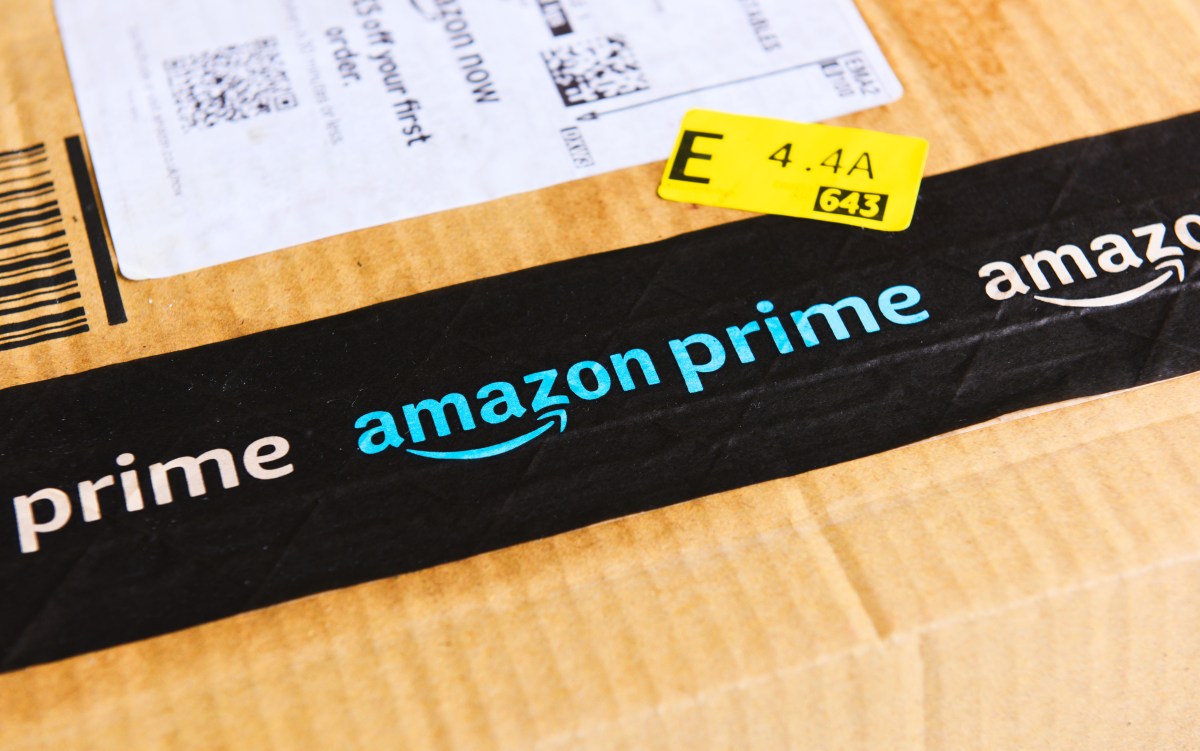
The Federal Trade Commission (FTC) has updated its settlement with Amazon, increasing the maximum refund for Prime customers from $51 to $200. Millions more Prime members in the U.S. may receive automatic payments because of expanded eligibility related to enrollment and cancellation issues.
Key Facts
Amazon agreed to a $2.5 billion settlement with the FTC over Prime subscription practices.
The FTC accused Amazon of signing up customers without clear consent and making cancellations hard.
Previously, refunds were limited to users who used fewer than 10 Prime benefits in a year; now users with up to 20 benefits can qualify.
The refund maximum increased from $51 to as much as $200 per eligible customer.
Over $845 million has already been paid out to consumers so far.
Customers do not need to apply for the refund; payments will be sent automatically by mail.
Eligibility covers U.S. customers who signed up or tried to cancel between June 23, 2019, and June 23, 2025.
Amazon denies wrongdoing but settled to resolve the case without admitting fault.
Read the Original
Want the full story? Tap a source to open the original
article.
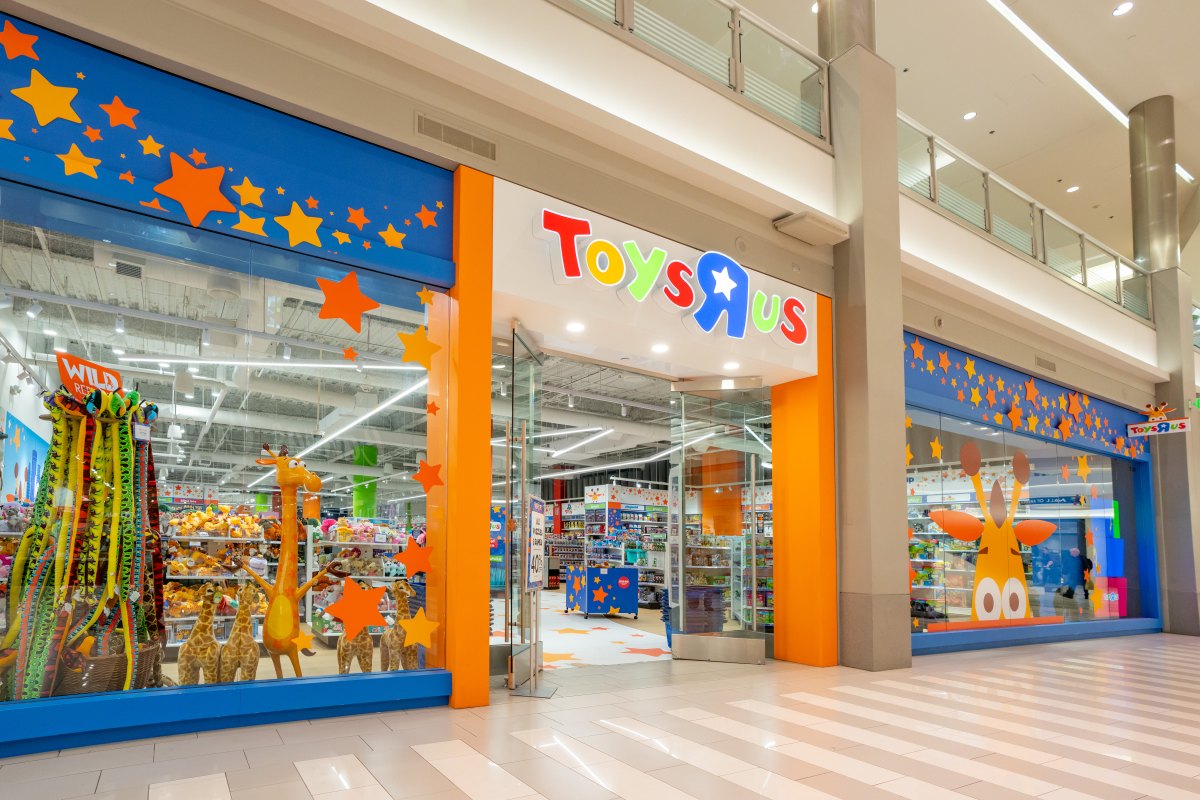
Toys “R” Us plans to open 120 new stores across the U.S. by the 2026 holiday season, increasing their total from about 40 to 160 stores. This growth is driven by rising demand for toys and collectibles, especially from adults who buy toys as hobbies or investments.
Key Facts
Toys “R” Us will open 120 new standalone stores around the U.S. during the 2026 holiday season.
This expansion will raise the total number of U.S. stores to around 160.
The company is partnering with Go! Retail Group for this growth.
Adult buyers now make up 55% of toy sales and are driving industry growth.
Toy sales increased 17% in the first half of 2026, the strongest growth in six years.
Some new stores will include special features like Creator Studios for influencers and cafés to encourage longer visits.
Popular brands at the stores will include LEGO, Barbie, Hot Wheels, Pokémon, and K-pop Demon Hunters.
Toys “R” Us aims to attract both nostalgic adults and collectors as well as traditional children’s shoppers.
Read the Original
Want the full story? Tap a source to open the original
article.
President Trump criticized the Federal Reserve for raising interest rates, but several Republican senators defended the Fed’s decision. These senators said the rate increases help control inflation and keep the economy stable.
Key Facts
President Trump sharply criticized the Federal Reserve for raising interest rates.
Some Republican senators responded by supporting the Federal Reserve’s decision.
The senators argued that raising rates helps to manage inflation.
Inflation means prices for goods and services are going up.
Higher interest rates can slow down borrowing and spending, which helps control inflation.
The Federal Reserve is an independent agency that manages U.S. monetary policy.
There is tension within the Republican Party over how to handle economic policy.
The discussion is important because interest rate changes affect loans, mortgages, and the overall economy.
Read the Original
Want the full story? Tap a source to open the original
article.
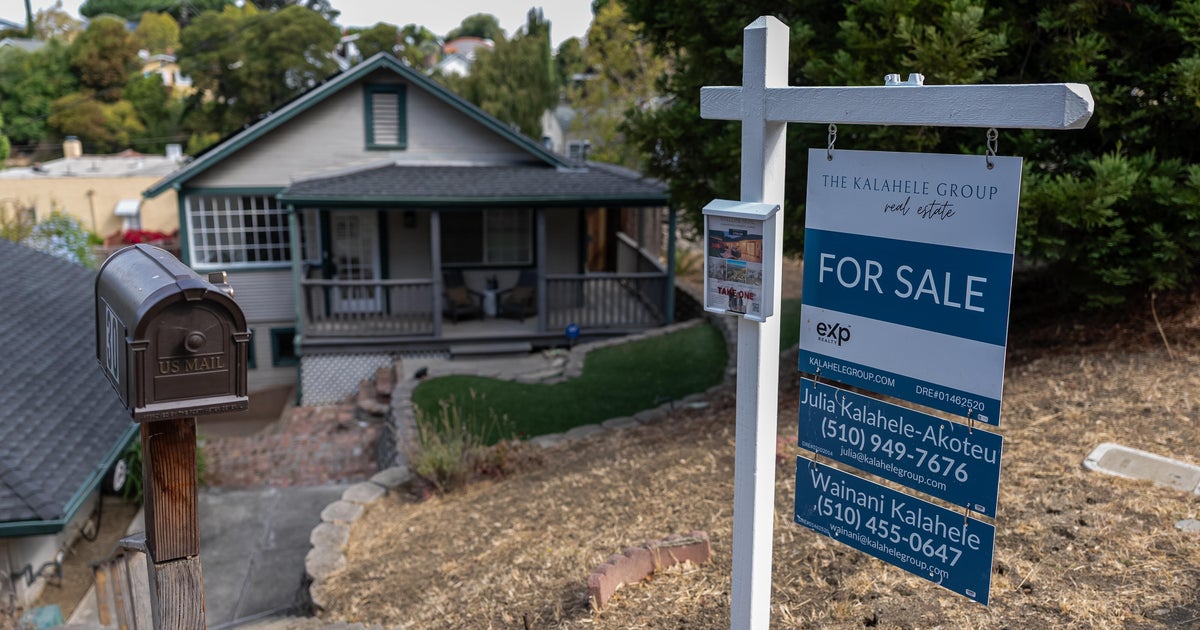
Mortgage rates are rising, nearing 7%, making it harder for people to afford homes. This increase comes as inflation and global events affect borrowing costs, leading to fewer home sales and more challenges for buyers and sellers.
Key Facts
Mortgage rates reached 6.95%, the highest since January 2025.
Rates have increased for 11 straight weeks, influenced by inflation and geopolitical tensions.
Higher mortgage costs make homes less affordable for many buyers.
The 10-year Treasury note yield largely drives mortgage rate changes.
The Federal Reserve recently raised interest rates by 0.25 percentage points and may raise them more this year.
Home sales have dropped for four months in a row, with August sales at their lowest since June 2025.
Rising borrowing costs are causing sellers to lower prices or remove homes from the market.
Many potential buyers have given up or delayed purchasing a home due to high prices and rates.
Read the Original
Want the full story? Tap a source to open the original
article.
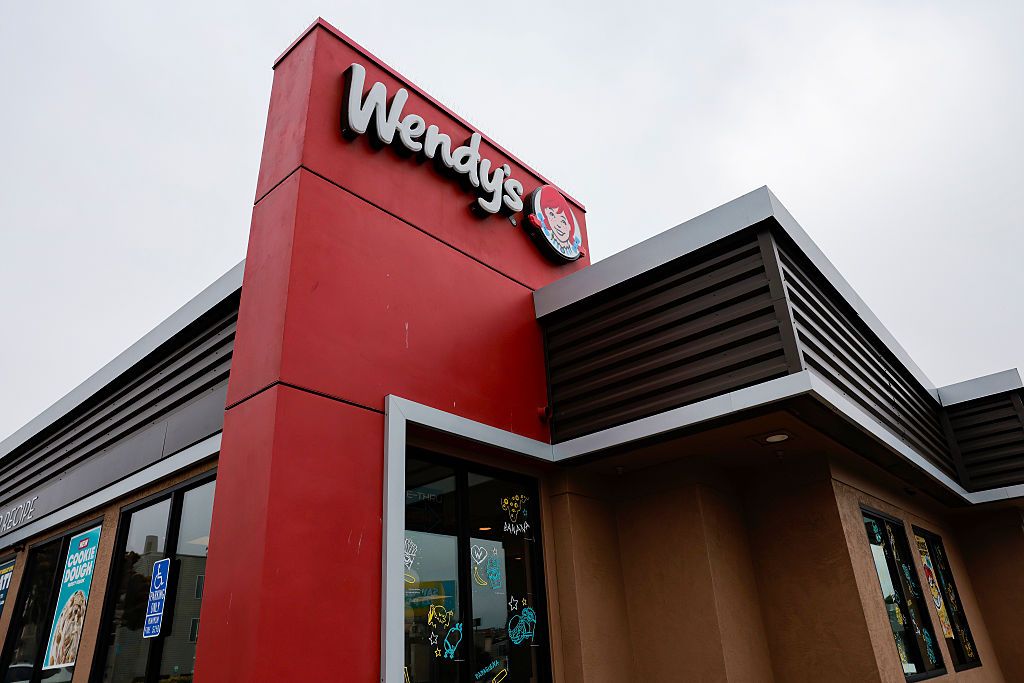
Meritage Hospitality Group, a major Wendy’s franchise operator, has filed for Chapter 11 bankruptcy due to financial difficulties caused by declining sales and rising costs. Despite the filing, Meritage plans to keep its Wendy’s restaurants open while restructuring its debts.
Key Facts
Meritage Hospitality Group operates 314 Wendy’s restaurants in 15 states.
The company filed for Chapter 11 bankruptcy in the U.S. Bankruptcy Court for the Western District of Michigan.
Meritage cited declining sales, higher food and labor costs, and increased promotional discounts as reasons for financial trouble.
The company’s assets and debts are estimated between $10 million and $50 million.
Wendy’s corporate is its largest creditor, owed about $24.9 million in unpaid franchise fees.
Meritage employs around 9,000 people and plans to continue paying wages during bankruptcy, with court approval.
The bankruptcy does not mean all Meritage Wendy’s restaurants will close; they expect to keep operating throughout the process.
Chapter 11 lets companies reorganize debt while staying open to customers and employees.
Read the Original
Want the full story? Tap a source to open the original
article.
A company that runs 314 Wendy’s restaurants in 15 states has said it will file for bankruptcy. This move means the company is facing financial problems and is seeking legal protection while it reorganizes its debts.
Key Facts
The company operates 314 Wendy’s restaurants.
These restaurants are spread across 15 states in the U.S.
The company announced on a Friday that it will file for bankruptcy.
Filing for bankruptcy helps a company manage its debts and continue operating.
The company is a franchisee, meaning it runs Wendy’s restaurants under a contract with the main Wendy’s company.
Read the Original
Want the full story? Tap a source to open the original
article.
A new review found that Federal Reserve staff responsible for overseeing banks likely knew or should have known about the risks at Silicon Valley Bank before it failed. The bank's collapse is the largest in the U.S. since the 2008 financial crisis.
Key Facts
The review focused on the failure of Silicon Valley Bank.
The Federal Reserve’s supervisory staff had a role in monitoring the bank.
The staff “knew or should have known” about the bank’s financial risks.
The failure of Silicon Valley Bank is the biggest bank failure since 2008.
Michelle Bowman, the Fed’s vice chair for supervision, announced the findings.
The review was done by an outside consulting firm, independent from the Fed.
The bank collapse has raised questions about regulatory oversight and risk awareness.
Read the Original
Want the full story? Tap a source to open the original
article.
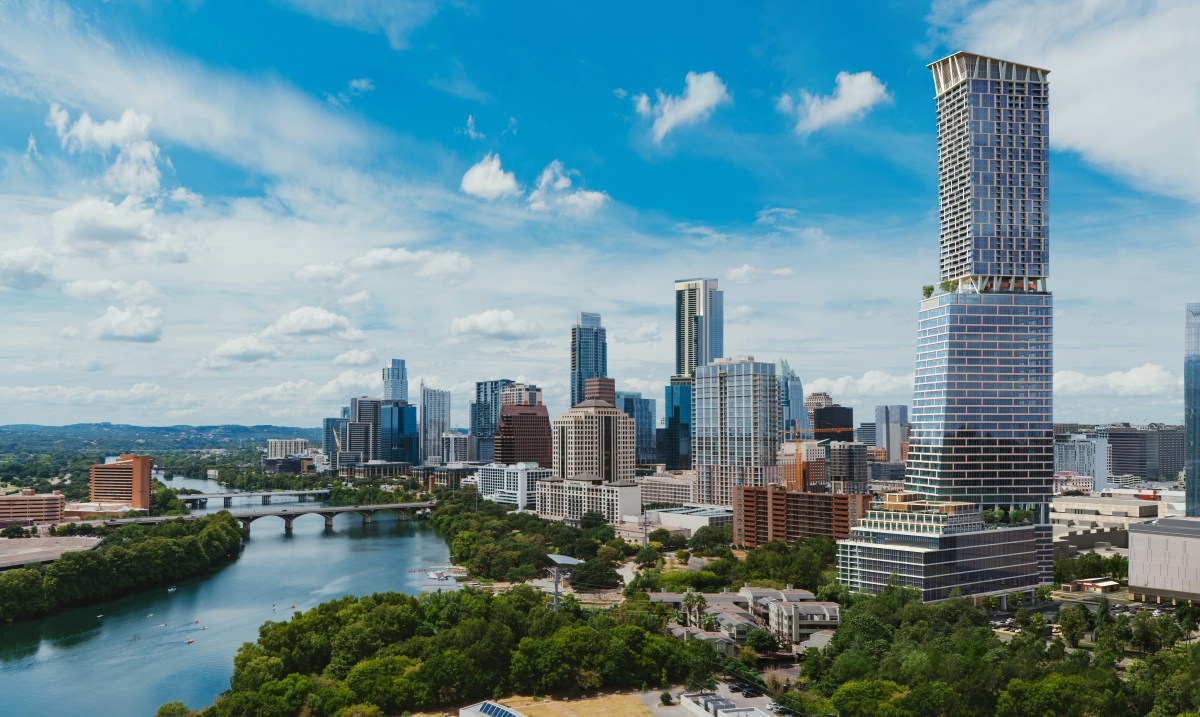
A new skyscraper called Waterline in Austin, Texas, has become the tallest building in the state at 1,025 feet tall. The mixed-use tower includes apartments, a hotel, and office space and was completed two months early.
Key Facts
Waterline is 1,025 feet tall and has 74 floors.
It is the tallest building in Texas and the Southern United States for now.
The tower has 352 apartments, a 252-room hotel called 1 Hotel Austin, and 24 floors of office space for lease.
The building was completed at the end of August, ahead of schedule.
Austin currently faces a high office vacancy rate of 25.2 percent.
Reusing old buildings can reduce carbon emissions compared to building new ones.
Waterline will soon be surpassed by the Waldorf Astoria Miami tower, planned to be 1,049 feet tall.
The developers hope the building will have a positive impact on downtown Austin beyond just its height.
Read the Original
Want the full story? Tap a source to open the original
article.
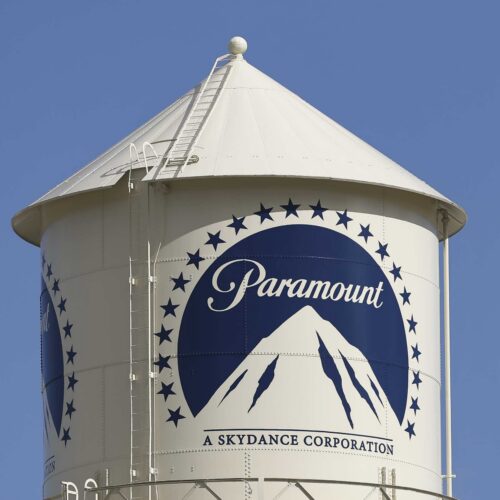
The Federal Communications Commission (FCC) approved Paramount Skydance’s plan to sell nearly half (49.5%) of its company shares to investment funds from Saudi Arabia, the United Arab Emirates, and Qatar. This decision allows foreign investors to own a significant part of Paramount, which owns CBS and is trying to complete a large merger with Warner Bros. Discovery.
Key Facts
Paramount Skydance will sell 49.5% of its equity (company shares) to sovereign wealth funds from Saudi Arabia, UAE, and Qatar.
U.S. law normally limits foreign ownership in broadcast companies to 25%, but Paramount asked for and received a waiver from the FCC.
Paramount owns CBS and its 28 local TV stations, which require FCC licenses to operate.
Paramount is in the process of buying Warner Bros. Discovery in a $111 billion deal.
Funding for the merger partly comes from the foreign investment approved by the FCC.
Foreign investors will hold non-voting shares, meaning they cannot directly control company decisions.
The family that owns Paramount’s voting shares and others will maintain control over editorial and operational decisions.
Some government officials and Democrats raised concerns about influence since the foreign governments involved have poor records on press freedom.
The FCC’s approval was a staff-level decision without a full commission vote.
Read the Original
Want the full story? Tap a source to open the original
article.
Investment bank JP Morgan says it cannot predict how the US-Iran war will affect oil prices. The usual economic limits assumed at the start of the war have been crossed, but the future outcome remains unclear, making it difficult to model how the conflict will end.
Key Facts
JP Morgan admitted it is struggling to forecast oil prices due to uncertainty around the US-Iran war.
The bank initially expected "economic red lines" like oil above $100 a barrel or inflation above 4% would lead to a resolution.
These limits have been crossed, but there is no clear plan for ending the conflict.
Oil prices have recently risen back above $100 a barrel.
Inflation and US borrowing costs (interest rates on government bonds) have also increased above earlier thresholds.
US President Donald Trump expects the war to continue past the November midterm elections, with oil prices falling afterward.
The conflict has caused supply risks in key shipping routes like the Strait of Hormuz and Bab al-Mandab Strait.
The ongoing war between Russia and Ukraine adds further pressure on global oil markets.
Read the Original
Want the full story? Tap a source to open the original
article.
Uber has been ordered to pay $40 million in a lawsuit because a woman was killed after an Uber driver made her and her friend get out of his car on a freeway. The victim's family filed a wrongful death case against Uber.
Key Facts
A woman died after being hit on a freeway.
The Uber driver forced her and her friend out of the car.
The victim’s family sued Uber for wrongful death.
A court ordered Uber to pay $40 million.
The case highlights legal responsibility in ride-share incidents.
Read the Original
Want the full story? Tap a source to open the original
article.
Ticket prices for Ed Sheeran’s upcoming U.S. tour shows have dropped significantly after the removal of rapper Macklemore from the tour. The price drop follows backlash related to Macklemore’s pro-Palestinian comments and has impacted fan demand for the concerts.
Key Facts
Ticket resale prices dropped for 9 of the 10 remaining Ed Sheeran tour dates, with some declines up to 45 percent.
The Philadelphia concert resale price fell to $75 as of midday Friday before the show.
Macklemore was removed as the opening act after making public comments supporting Palestinians.
Ed Sheeran said the decision to remove Macklemore was made by tour organizers and promoters, not by him personally.
Typically, ticket prices fall as event dates near, but the recent price drop is larger than usual for this tour.
Ticket prices for Macklemore’s solo show in Colorado increased by 35 percent during the same period.
The controversy began after Macklemore’s speeches supporting Palestine, which led to a petition from the Israeli American Council calling for his removal.
Macklemore accused New England Patriots owner Robert Kraft of pressuring the tour to remove him.
Read the Original
Want the full story? Tap a source to open the original
article.
Warren Buffett has stepped down as chairman of Berkshire Hathaway at age 96 and will become chairman emeritus, taking an advisory role while staying on the board. Leadership has passed to his son Howard Buffett as chairman and Greg Abel as CEO, continuing a planned transition to maintain the company's culture and operations.
Key Facts
Warren Buffett controlled Berkshire Hathaway since 1965 and turned it into a $1.1 trillion global company.
He stepped down as chairman after six decades but remains on the board in an advisory role.
Greg Abel has been CEO since nine months ago and handles strategy and capital decisions.
Howard Buffett, Warren’s son, is the new chairman responsible for protecting the company’s culture and values.
Howard Buffett has over 30 years of experience on the Berkshire Hathaway board.
Berkshire Hathaway owns brands like GEICO, Dairy Queen, and BNSF Railway and holds large stakes in Apple and Coca-Cola.
Warren Buffett is famous for "value investing," buying companies with strong fundamentals at fair prices and holding them long-term.
The leadership change is a planned and smooth transition to keep the company stable.
Read the Original
Want the full story? Tap a source to open the original
article.
Ryanair CEO Michael O'Leary apologized for calling rival airlines "high-fare rapists," a phrase he used to criticize their expensive ticket prices. He said his words upset many people, including survivors of sexual violence, and promised not to repeat the mistake.
Key Facts
Michael O'Leary called other airlines "high-fare rapists" while talking about their high ticket prices.
The Dublin Rape Crisis Centre (DRCC) asked O'Leary to apologize, saying his words hurt rape survivors.
O'Leary first refused to apologize or accept training about the impact of sexual violence.
After reflecting, O'Leary apologized sincerely to victims and survivors of sexual violence.
He called his language careless and said he will try to do better in the future.
The DRCC's chief executive said many rape victims were distressed by O'Leary’s words.
O'Leary has a history of using strong, offensive language in business.
Recently, Ryanair stopped charging parents extra to sit next to their children after a government review.
Read the Original
Want the full story? Tap a source to open the original
article.
An expert witness in a Texas lawsuit involving a factory explosion used AI to help write most of his report. The plaintiffs argued the AI-assisted report was biased in favor of 3M, the company sued for its role in the explosion. Legal experts say this case highlights risks of using AI in court, such as biased or inaccurate testimony.
Key Facts
The lawsuit concerns a 2020 explosion at a 3M-supervised factory in Houston that killed three people.
Expert witness Jason Autenrieth used ChatGPT to generate over 80% of his expert report.
Plaintiffs’ attorneys found the AI was asked to create content defending 3M’s lack of fault.
Autenrieth said he used AI only to help draft and format the report after reviewing materials.
Experts warn AI tools tend to favor what users want rather than stay neutral.
There have been over 1,300 known instances of AI providing false or misleading information in U.S. legal cases since 2023.
3M stated Autenrieth is an independent witness retained by outside lawyers, not a company employee.
This case raises concerns that AI use in legal proceedings may affect the reliability of evidence and testimony.
Read the Original
Want the full story? Tap a source to open the original
article.
An advertisement featuring actress Sydney Sweeney promoting a sports betting app has gone viral. The ad showed her in revealing clothing and sparked strong criticism from female athletes who said it hurts progress in women’s sports. Some believe the controversy may be part of a marketing strategy to attract attention.
Key Facts
Sydney Sweeney appeared in a viral ad for a sports betting app.
The ad showed her nearly naked, which caused public outrage.
Female athletes criticized the ad for undermining women's sports achievements.
Critics say the ad’s controversy might be intentional to get more views and clicks.
The campaign used "feminist-baiting," meaning it tried to provoke feminist reactions.
The article also mentions stories about women in traditionally male sports and roles globally.
The controversy highlights debates about advertising ethics and marketing tactics.
Read the Original
Want the full story? Tap a source to open the original
article.