A court has ordered Uber to pay $40 million to the family of a woman who was killed after a driver left her on a highway in California. The woman was hit by a car after being forced out of the Uber vehicle following an incident involving her friend becoming sick inside the car.
Key Facts
Emily Normandin-Parker, 23, died after being struck by a car on a California highway in August 2023.
The Uber driver pulled over and forced Normandin-Parker and her friend, who were intoxicated, out of the car.
The driver did not help the women or call for assistance but instead contacted Uber about a cleaning fee.
Uber argued the driver was an independent contractor and not the company’s responsibility.
A judge ordered Uber to pay $40 million to Emily’s family after a five-day arbitration hearing.
The driver could have taken safer actions, such as driving to an exit to drop off the women safely.
Uber stated it has improved safety policies and disagreed with being held responsible for the accident.
The family rejected Uber’s initial $10 million settlement offer that included a gag order.
Read the Original
Want the full story? Tap a source to open the original
article.
Wall Street has placed about $350 billion worth of assets on blockchain technology by turning them into digital tokens. However, most of these tokenized assets are not actively traded or used outside the issuer’s control, limiting the technology’s potential benefits.
Key Facts
Tokenization means creating a digital token on a blockchain to represent ownership of an asset.
About $359 billion in assets have been tokenized and placed on blockchains.
Only around $31.5 billion of these tokenized assets can be freely traded, moved, or used as collateral.
Most tokenized assets today can only be bought from and sold back to their issuers, not traded openly.
The European Central Bank (ECB) now accepts some blockchain-issued securities as collateral for loans to commercial banks.
This acceptance by the ECB marks the first time tokenized securities are used beyond their issuer’s platform.
Despite the increase in tokenized assets, actual usage and market activity remain low.
Industry reports often focus on total tokenized value instead of how actively these tokens are used.
Read the Original
Want the full story? Tap a source to open the original
article.
Marks & Spencer (M&S) held its first London Fashion Week catwalk show to celebrate 100 years of selling fashion. The collection focused on affordable, practical styles with many items priced under £50, aiming to bring catwalk fashion to everyday customers.
Key Facts
The show took place at the Design Museum with 310 guests, including celebrities like Ian Wright and Jamie Carragher.
M&S aimed for "fashion with a small f," mixing current trends with comfort and affordability.
Half of the collection’s pieces were priced below £50, with the most expensive item (a leather coat) at £450.
The collection included items for men and women, such as classic grey office suits and chore jackets.
Models represented different ages and body types to reflect the brand’s 23 million customers.
M&S is now ranked second in style perception in the UK, behind Zara.
The show was part of M&S’s ongoing effort to increase its fashion appeal after successful product launches.
Other major designers like McQueen and Christopher Kane also boosted London Fashion Week’s profile this season.
Read the Original
Want the full story? Tap a source to open the original
article.
Ben Delo, a major donor to Reform UK, loaned £350,000 to Nina Power, a writer involved in a legal case over online bullying and defamation. The case ended with Power declared bankrupt and a judge finding that while some conduct hinted at antisemitism, it was not illegal.
Key Facts
Ben Delo loaned £350,000 to Nina Power to help pay for legal fees before her 2023 defamation and harassment trial.
Power and Daniel DC Miller sued Luke Turner for defamation but their case failed because Turner’s online reach was not large enough to harm their reputations.
Turner counter-sued Power and Miller for harassment; the judge ruled their behavior was not unlawful but noted some posts had a “whiff of threat and antisemitism.”
The judge found no clear antisemitism but recognized problematic social media behavior that was not legally actionable.
Turner was awarded £1 million in legal costs, about 80% of the total, after the cases failed.
Power was declared bankrupt during the court process, revealing the loan was secured against her London property and had to be repaid.
Ben Delo is a billionaire supporter of Reform UK and has also donated £36 million to Nigel Farage’s party and funded anti-woke causes.
Nina Power is a former left-wing academic who has recently shifted toward conservative ideas and written about masculinity and social issues.
Read the Original
Want the full story? Tap a source to open the original
article.
Air France is focusing on luxury services like caviar and champagne in its first-class cabins to attract wealthy travelers. Despite higher fuel costs and travel disruptions caused by the Iran war, Air France has seen growth in premium bookings and revenue this year.
Key Facts
Air France offers luxury items such as caviar and champagne in first-class cabins.
The airline’s premium bookings and revenue have increased in 2026.
Rising fuel costs and the Iran war have affected airlines worldwide.
Air France leverages Paris's reputation for luxury, including Michelin-starred restaurants and fashion.
The airline upgraded its menus and invested heavily in premium cabins.
Some former private jet users choose Air France first class to avoid criticism of private flight emissions.
Revenue from first-class and premium travel rose by 11 percent according to Air France data.
Air France raised ticket prices but did not see a drop in demand for premium seats.
Read the Original
Want the full story? Tap a source to open the original
article.
Gas prices in the Great Lakes states are expected to rise soon, with Ohio likely to face the largest increase. The price hikes are linked to global events and problems at a major refinery in Illinois.
Key Facts
Gas prices are forecasted to increase in Ohio, Wisconsin, Indiana, Michigan, and Illinois.
Ohio has the highest risk of a large gas price jump.
Diesel prices in these states are also expected to rise.
Current average gas prices range from about $4.00 in Indiana to nearly $4.90 in Michigan.
Gas prices have risen sharply compared to last year and earlier in 2024.
Rising prices are due to global oil supply disruptions from conflicts in Iran and Yemen.
A flood and power outage have caused problems at ExxonMobil’s Joliet refinery in Illinois, reducing fuel supply.
The refinery’s issues contribute to higher wholesale gasoline prices in the Midwest.
Read the Original
Want the full story? Tap a source to open the original
article.
About 195,000 heated blankets and pads sold on Amazon are being recalled due to risks of overheating, which caused burn injuries and fire hazards. The company JKMax received 577 reports of the blankets melting or burning, leading to 53 burn injuries.
Key Facts
The recalled products are heated blankets and pads sold online between September 2022 and July 2026.
The blankets come in blue, gray, brown, or red and are made of polyester fabric.
Model numbers affected include JKMAX-002, JKMAX-7284B, JKMAX-6284B, JKMAX-10090B, and JKMAX-8490B.
Overheating heating elements inside the blankets caused them to smoke, melt, or burn.
There have been 577 reports of these problems and 53 cases of burn injuries.
Customers are advised to stop using the blankets immediately and can get a full refund from JKMax.
The recall is managed by the U.S. Consumer Product Safety Commission (CPSC) under recall number 26-778.
Read the Original
Want the full story? Tap a source to open the original
article.
Publishing is changing from just printing books to building broader influence through various media and platforms. Authors now need to use books as tools for creating communities, visibility, and business opportunities beyond the traditional publishing model.
Key Facts
Traditionally, publishers controlled who could publish and distribute books widely.
Self-publishing technology allowed authors to control their own work and remove many barriers.
Now, success depends on building influence, not just publishing a book.
People get information from many sources like audiobooks, podcasts, and social media, not just books.
Publishing involves more than printing; it also includes strategy, marketing, and audience engagement.
Many new books are published daily, so authors must work hard to stand out.
Modern publishers act as media partners to help authors with publicity and audience building.
Successful authors often use books as part of a larger career that includes public speaking and business growth.
Read the Original
Want the full story? Tap a source to open the original
article.
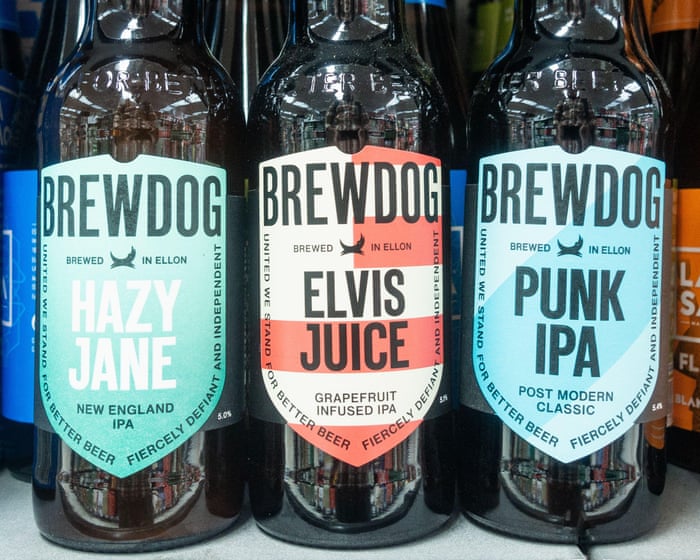
BrewDog, a beer company that collapsed earlier this year, owes its creditors about £190 million but does not have enough money to pay them in full. A US company, Tilray, bought some parts of BrewDog including its brand and UK breweries for £33 million, but many bars closed and hundreds of staff lost their jobs.
Key Facts
BrewDog owes around £190 million to creditors but cannot repay it all.
Tilray, a US cannabis and drinks company, bought BrewDog’s brand, intellectual property, UK breweries, and 11 bars for about £33 million.
38 BrewDog bars closed, and 440 employees lost their jobs.
200,000 small investors, called “equity punks,” have lost their investments in BrewDog.
Some creditors, including the UK government, will not be fully repaid.
Staff owed nearly £489,000 have been paid through a government scheme for redundancy.
British businesses such as Lord’s Cricket Ground and Manchester University will receive a very small part of what they are owed.
BrewDog co-founder James Watt has started new business ventures after BrewDog’s collapse and offered former investors shares in a new beer company.
Read the Original
Want the full story? Tap a source to open the original
article.
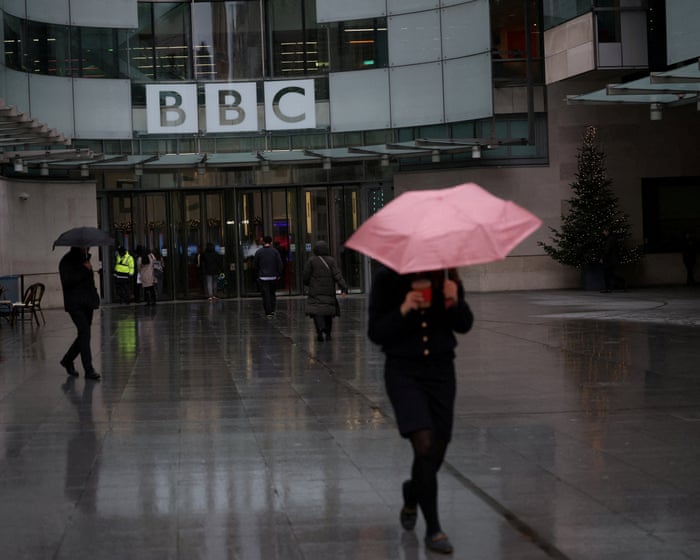
The BBC spent a large part of its cash reserves last year, dropping its savings from £369 million to £125 million, the lowest in ten years. This financial strain is causing job cuts and changes as the BBC tries to adapt to new ways people watch media and deal with rising costs.
Key Facts
The BBC’s cash reserves fell by 66% in one year, from £369 million in 2025 to £125 million.
The BBC plans to cut up to 2,000 jobs to save £500 million.
The value of the BBC licence fee has dropped by about £1.3 billion since 2017 due to fee freezes and fewer people paying.
The BBC faces increasing competition from streaming giants like Netflix and YouTube.
Several top BBC executives have left recently, including the CFO, CTO, COO, and soon the chief people officer.
The BBC is negotiating with the government on changing its licence fee system to include streaming viewers.
The BBC received £197 million in dividends from its commercial arm last year, but experts say this amount may not continue.
The corporation reported a financial loss of £121 million last year, worsening from previous years.
Read the Original
Want the full story? Tap a source to open the original
article.
Many families in the United States will soon transfer huge amounts of wealth to the next generation, but most do not prepare the heirs well enough to manage it. The main challenge is not just taxes or legal plans, but making sure the people who inherit money or businesses are ready and able to handle them.
Key Facts
An estimated $36 trillion to over $100 trillion will be transferred between generations in the coming years.
Preparing heirs to manage inherited wealth is often overlooked compared to focusing on taxes and legal planning.
Estate plans can fail if heirs have conflicts or are unprepared to make decisions.
Treating all children equally in inheritance decisions can cause deadlock and family disputes.
Sometimes a clear leader or outside neutral party is needed to manage family wealth or businesses.
Many heirs do not want to run family businesses, so alternatives like professional management or selling might preserve value better.
Wealth transfer issues affect not just billionaires but families with homes, savings, insurance, and businesses of all sizes.
Different laws and rules across states and countries add complexity to wealth transfers for families spread out geographically.
Read the Original
Want the full story? Tap a source to open the original
article.
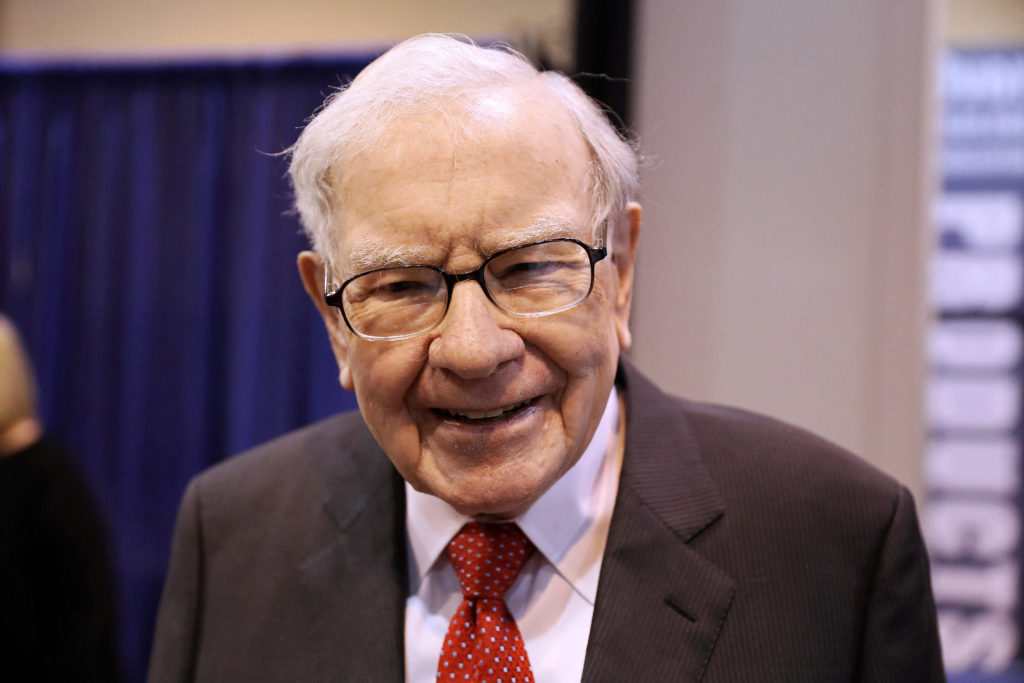
Warren Buffett is stepping down as chairman of Berkshire Hathaway after more than 50 years in the role. His son, Howard Buffett, will take over as chairman, while Greg Abel continues as CEO, marking a planned leadership transition at the $1 trillion company.
Key Facts
Warren Buffett served as Berkshire Hathaway chairman since 1970 and joined the company in 1965.
At 96 years old, Buffett will become chairman emeritus and remain a director.
Howard Buffett, Warren’s son, will be the new chairman and has been on the board since 1993.
Greg Abel became CEO earlier in 2024 but Buffett remains influential.
Berkshire Hathaway is a $1 trillion conglomerate, one of the first non-tech companies to reach that value.
Under Buffett’s leadership, the company’s returns almost doubled the S&P 500 index rate.
Buffett has donated about $66 billion in stock to charity since 2006.
The succession plan aims to keep the company’s culture and values intact while adapting to future markets.
Read the Original
Want the full story? Tap a source to open the original
article.
The article discusses the cause of rising prices (inflation) and questions whether increasing interest rates is the right way to fix it. It suggests that understanding why prices go up is more important than just focusing on inflation being high.
Key Facts
Inflation means prices for goods and services are increasing.
Central banks often raise interest rates to try to slow inflation.
The article questions if higher interest rates fix the main reason prices rise.
It implies that the root causes of inflation need to be identified.
Simply fighting inflation by raising rates may not solve underlying problems.
Read the Original
Want the full story? Tap a source to open the original
article.
The article discusses a negotiation attempt made by someone nicknamed "Dragon Deborah" that started poorly. It mentions that her initial method in a business negotiation was ineffective.
Key Facts
The article focuses on a person called Dragon Deborah.
Deborah used a negotiation tactic at the start of a business deal.
The tactic she used was described as very bad or ineffective.
The article is related to business and entrepreneurship.
It was published recently, about 9 minutes ago.
The article comes from a business news source connected to Dragons' Den, a business TV show.
The content mentions the need to enable JavaScript to watch a related video.
Read the Original
Want the full story? Tap a source to open the original
article.
The World Trade Organization (WTO) should change its role from creating its own trade agreements to collecting and managing trade deals made by other groups and countries. This idea is linked to renewed interest sparked by President Donald Trump’s trade policies.
Key Facts
The WTO currently creates international trade agreements.
There is a proposal for the WTO to focus on combining agreements made outside the organization.
This change could make trade negotiations more flexible and faster.
President Donald Trump’s trade actions have influenced new discussions about the WTO’s role.
The WTO would act more as a platform to organize existing trade deals rather than negotiating new ones itself.
Read the Original
Want the full story? Tap a source to open the original
article.
The UK's National Air Traffic Services (Nats) said a software defect caused a system failure that disrupted thousands of flights earlier this month. This problem led to flight cancellations and major travel delays at several big UK airports.
Key Facts
Over 2,000 flights were canceled due to the Nats system failure.
Hundreds of thousands of passengers were affected by delays and cancellations.
Main UK airports impacted included Heathrow, Gatwick, Luton, and Glasgow.
The issue was caused by a software defect in the system managing UK airspace.
The defect happened very quickly, within a millisecond, and caused corrupted data.
Air traffic controllers had less information and put limits on flights to keep safety.
The government ruled out a cyber attack as the cause.
The Ministry of Defence denied that a military aircraft caused the problem.
Read the Original
Want the full story? Tap a source to open the original
article.
MPs say the government does not have a clear plan to make British Steel profitable after it was taken into public ownership. They are worried that new steel import tariffs could increase costs and drive some companies out of business or cause them to move abroad.
Key Facts
British Steel was nationalised (taken into public ownership) in July after years of uncertainty.
The Public Accounts Committee (PAC) says the Department for Business, Innovation, Science and Trade (DBIST) has no clear plan for British Steel’s future profitability.
The government initially estimated nationalisation costs could reach £642 million but later said the costs were £555 million.
The steel strategy aims for 50% of steel used in the UK to be made in Britain, focusing on electric arc furnaces instead of traditional blast furnaces.
The move to electric arc furnaces has caused job losses at some steelworks, such as Port Talbot.
New tariffs on steel imports aim to protect UK steelmakers but may increase costs for small businesses that rely on imported steel types not made in the UK.
MPs warn that higher costs from tariffs could force some firms out of business or cause relocation of production overseas.
The government plans to review the PAC recommendations and supports a “sustainable, competitive and decarbonised steel sector.”
Read the Original
Want the full story? Tap a source to open the original
article.
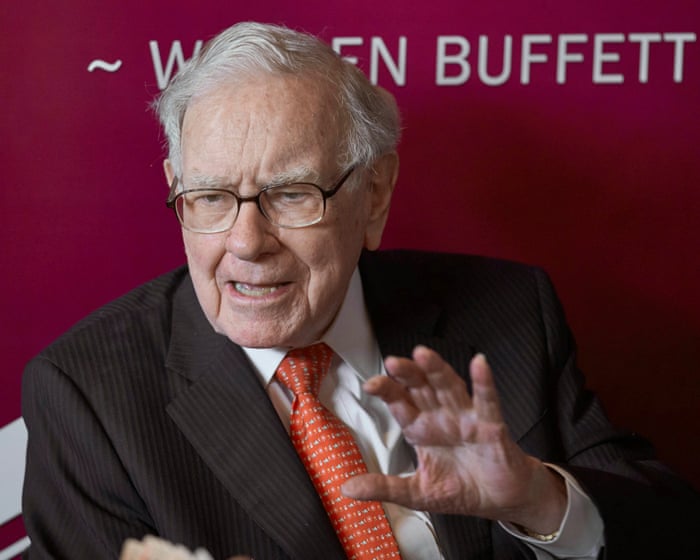
Warren Buffett is stepping down as chair of Berkshire Hathaway after more than 50 years and will become chair emeritus. His son, Howard Buffett, will take over as chair, while Greg Abel remains CEO of the company.
Key Facts
Warren Buffett served as Berkshire Hathaway’s chair from 1970 until now.
He will become chair emeritus immediately, a newly created honorary role.
Howard Buffett, Warren’s son, will become the new chair of Berkshire Hathaway.
Howard Buffett has been on the company’s board since 1993.
Greg Abel became CEO of Berkshire Hathaway earlier this year.
Buffett remains a director and influential investor.
Berkshire Hathaway has nearly doubled the returns of the S&P 500 during Buffett’s leadership.
Warren Buffett’s personal fortune comes mainly from Berkshire Hathaway stock and was valued at over $140 billion in July 2026.
Read the Original
Want the full story? Tap a source to open the original
article.
A new report shows that private jets in the US pollute up to 14 times more per passenger than commercial planes but pay very little tax. The use of private jets has increased a lot, benefiting wealthy owners while contributing significantly to climate pollution.
Key Facts
Private jets produce 10 to 14 times more carbon emissions per passenger than commercial flights.
Private jet flights account for about 16% of flight operations managed by the Federal Aviation Administration (FAA).
Private jets represent 7% of US airspace activity but contribute less than 0.6% of aviation taxes to the Airport and Airway Trust Fund.
The average private jet owner has a median wealth of $190 million.
The number of private jet flights has risen sharply, increasing their climate impact by 50%.
Fractional jet ownership, where people buy parts of jets for flight hours, grew by 6% from 2019 to 2025.
The National Business Aviation Association spent around $2 million lobbying for tax breaks for private jet owners in 2025.
The increase in private jet use is driving demand for more airport infrastructure like hangars and runways.
Read the Original
Want the full story? Tap a source to open the original
article.
Warren Buffett, who has led Berkshire Hathaway for over 60 years, will step down as the company’s chair. He will stay on as chair emeritus, and his son Howard Buffett will take over as chair immediately.
Key Facts
Warren Buffett is 96 years old.
He has been the chair of Berkshire Hathaway for more than 60 years.
Buffett will step down as chair but remain on the board as chair emeritus.
Howard Buffett, Warren’s son, is the new chair of Berkshire Hathaway.
The leadership change takes effect immediately.
Read the Original
Want the full story? Tap a source to open the original
article.