The World Cup 2026 has boosted beer sales in the United States, especially in cities hosting games, where bars and stadiums saw significant increases. However, beer sales have been falling globally over the past decade due to health concerns, economic worries, and changing social habits.
Key Facts
During six matches in Philadelphia, fans consumed 290,000 beers at the stadium.
Beer sales rose 14% in U.S. World Cup host cities during the first four weeks compared to last year.
National beer sales in the U.S. increased by 4% during the same period.
Beer consumption in the U.S., Canada, and Europe has been declining steadily for about ten years.
More people are drinking less beer and choosing health-focused beverages or cutting back on alcohol for health reasons.
In 2025, 53% of Americans said drinking one or two drinks a day is bad for health, according to a Gallup poll.
Economic concerns and competition from entertainment like smartphones and streaming services also reduce beer drinking.
AB InBev, the official World Cup beer sponsor, increased marketing during the tournament.
Read the Original
Want the full story? Tap a source to open the original
article.
A new report from Visa shows that the wealth passed down from baby boomers to their heirs will mostly go to already wealthy younger Americans. The total amount expected to be inherited is about $36 trillion after debts, taxes, and spending, much lower than previous high estimates.
Key Facts
Baby boomers hold about $93 trillion in assets.
After subtracting debts, taxes, retirement costs, and charitable giving, about $36 trillion is expected to be inherited.
The top 1% of wealthiest households were excluded from the study because their habits are different.
On average, heirs will receive about $515,000.
Only $8 trillion of the inheritance will likely be spent while most of it will be saved or invested.
This inheritance will increase annual consumer spending growth by about 0.1 percentage points over the next 20 years.
Wealthy heirs are expected to spend money mainly on home improvements, travel, and transportation-related expenses.
Businesses like airlines, cruise lines, and home improvement stores will benefit from this spending.
Read the Original
Want the full story? Tap a source to open the original
article.
The article explains what rights you have if you buy a product that stops working or breaks. It covers how consumers can handle such situations and what protections are available.
Key Facts
The article focuses on consumer rights related to faulty or broken products.
It discusses what you can do if something you bought does not work properly.
The content is intended to help consumers understand their protections.
It is relevant to personal finance and customer service topics.
The article is published under the business section.
Read the Original
Want the full story? Tap a source to open the original
article.
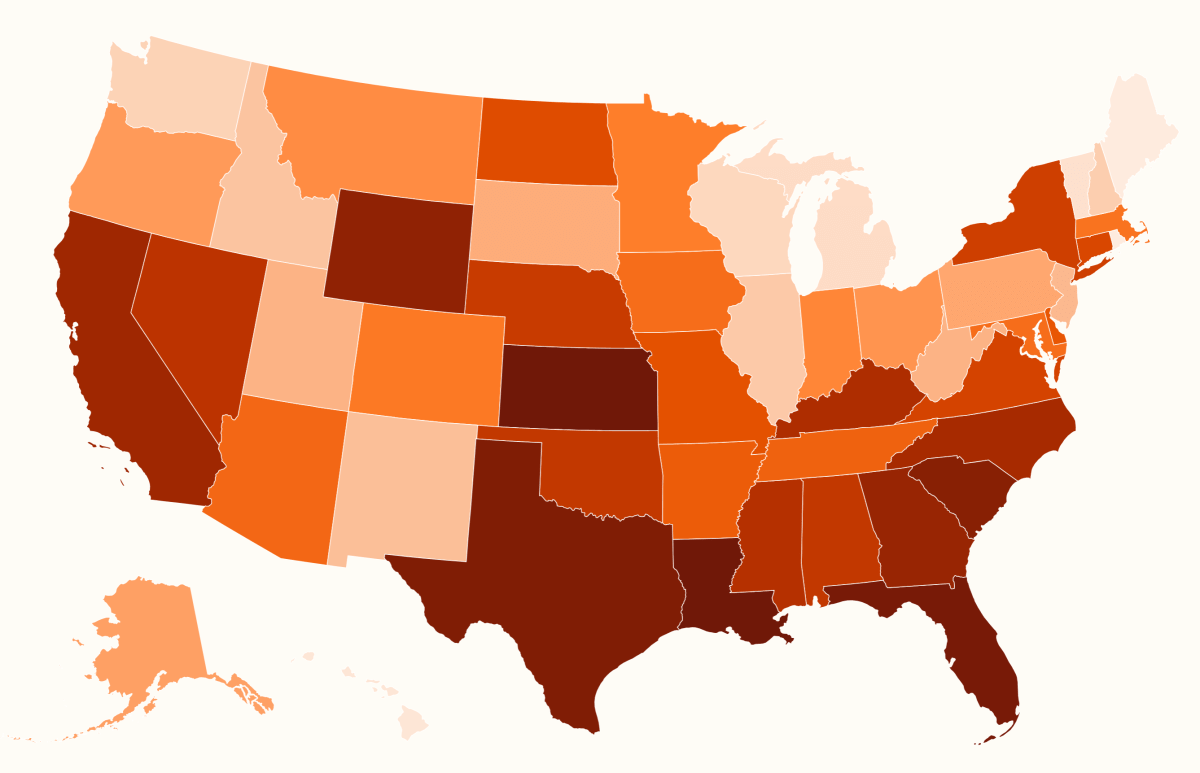
A new study by WalletHub ranks states by how many residents are in financial trouble, based on credit scores, bankruptcies, and other signs. The list shows that most of the states with the highest financial distress voted for President Trump in 2024.
Key Facts
Nine of the top 10 states with the most financial distress voted Republican in the 2024 presidential election.
Financial distress includes poor credit scores, more bankruptcies, and higher searches for debt-related terms.
Kansas is now the most financially distressed state, rising from 43rd place in 2024 to 1st in 2026.
Other states with high distress include Louisiana, Florida, Texas, and South Carolina.
States with the least financial distress include Maine, Rhode Island, Hawaii, and Vermont.
Michigan improved the most, moving from 1st (most distressed) in 2024 to 46th in 2026.
Increases in financial distress relate to factors like inflation, unemployment, and natural disasters.
Some changes in rankings are also due to updated data methods used by WalletHub.
Read the Original
Want the full story? Tap a source to open the original
article.
The owner of Ribena is investing £200,000 to help blackcurrant bushes survive extreme weather that is reducing this year’s UK harvest. The project includes research on improving soil health and developing new blackcurrant varieties to cope with changing climate conditions like heatwaves, frost, and drought.
Key Facts
The current UK blackcurrant harvest is about 10% below average due to extreme weather.
Problems include a very wet winter, spring frost and hail, summer heatwaves, and drought.
Some fruits like blueberries benefit from extra heat, but others like strawberries suffer.
Suntory Beverage & Food, Ribena's owner, works with growers and the National Institute of Agricultural Botany on solutions.
Research focuses on improving soil using organic materials to help plants hold moisture and nutrients better.
New blackcurrant varieties are being developed to grow well without long cold winters.
Growers are preparing for climate changes by possibly adding irrigation systems in wetter regions.
The goal is to keep British blackcurrant farming strong despite unpredictable weather caused by climate change.
Read the Original
Want the full story? Tap a source to open the original
article.
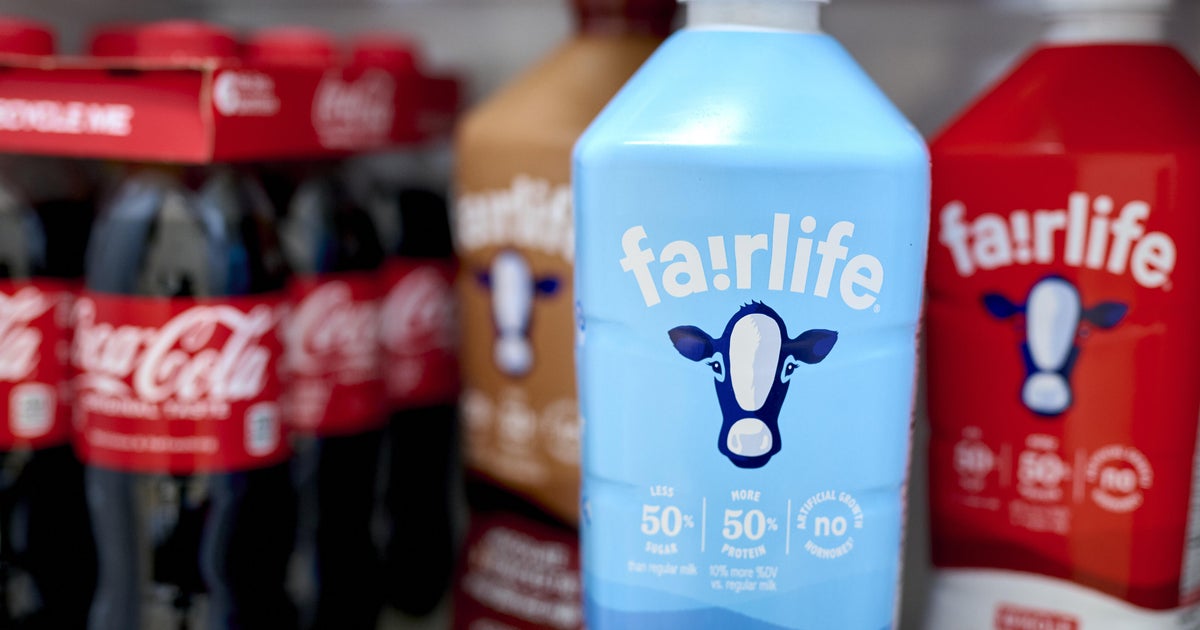
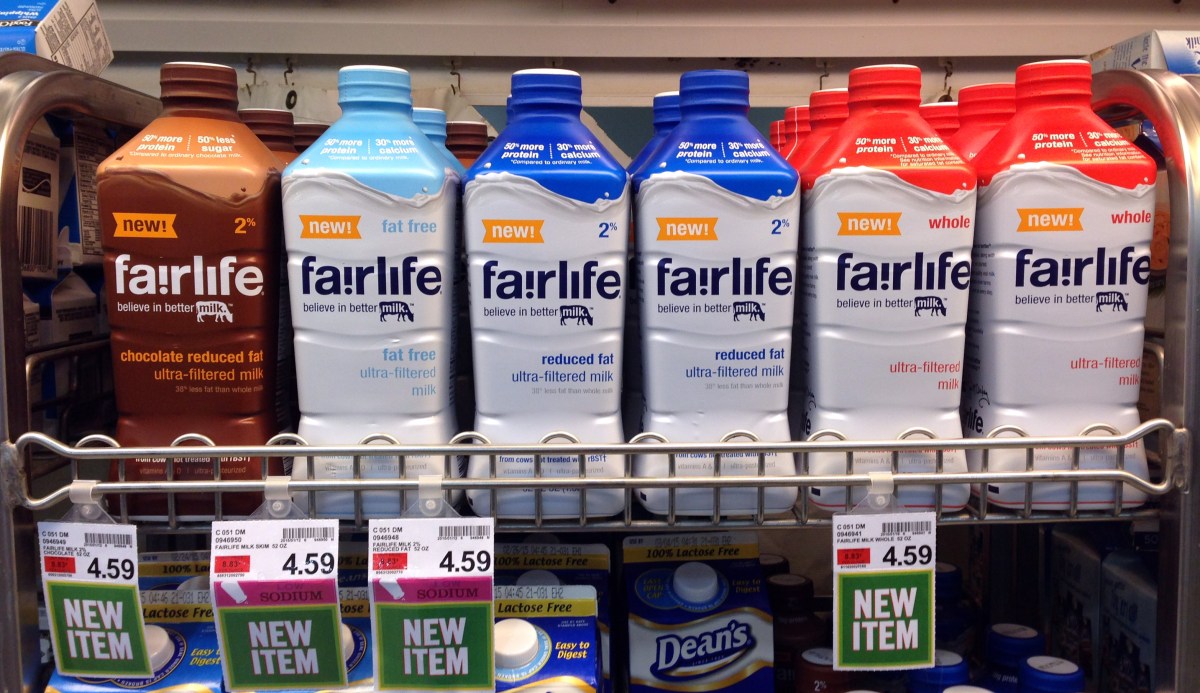
Coca-Cola stopped making Fairlife milk in the U.S. because of a cyberattack. The company is investigating the incident and working to fix the problem while milk production in Canada continues as usual.
Key Facts
Coca-Cola experienced a cyberattack on Fairlife milk’s production systems in the U.S.
The attack involved unauthorized access and is believed to be a ransomware event, where hackers demand payment to unlock systems.
Coca-Cola began investigating with outside cybersecurity experts and informed law enforcement.
The company does not yet know the full details or impact of the attack.
The safety and quality of Fairlife products were not affected.
U.S. Fairlife production is temporarily paused, but Canadian operations continue normally.
Coca-Cola bought Fairlife in 2020 for about $7 billion.
Fairlife’s annual sales exceed $3 billion and include milk and protein shakes.
Read the Original
Want the full story? Tap a source to open the original
article.
A debt forgiveness agreement lets borrowers pay less than they owe and have the rest forgiven. Creditors usually cannot change their minds once they agree to forgive debt if all terms are met, but problems can occur if payments are missed, agreements aren’t written down, or debts are sold to other companies.
Key Facts
Debt forgiveness means a creditor agrees to accept less than the full amount owed.
If the borrower meets all conditions in the agreement, the creditor usually cannot demand more money later.
Missing a payment or failing to meet conditions can void the settlement and let the creditor seek full payment again.
Verbal agreements without written proof can cause confusion and problems.
Debt that is sold to another company may lead to attempts to collect already forgiven amounts due to record errors.
Saving all settlement documents and payment receipts helps solve disputes.
Fraud or giving false information during the settlement process can make agreements legally invalid.
Read the Original
Want the full story? Tap a source to open the original
article.
Debt relief companies help negotiate with creditors to lower the amount of money people owe, especially on high-interest credit cards. While these services charge fees, they may be helpful for borrowers struggling with large debts or unmanageable monthly payments.
Key Facts
Many Americans carry high-interest credit card debt, often around 22% interest.
Minimum monthly payments usually only cover interest, not reducing the main debt.
Debt relief companies negotiate with creditors to reduce the total debt amount by 30% to 50%.
Fees for debt relief services can be high, so they work best when they save more money than they cost.
Professional help is useful for people with large amounts of unsecured debt like credit cards and personal loans.
Debt relief may help those who cannot afford monthly payments or who do not qualify for loans with lower interest.
These services can simplify managing multiple debts and reduce stress from delinquent accounts.
Negotiating directly with creditors is possible but many people prefer expert negotiators.
Read the Original
Want the full story? Tap a source to open the original
article.
A $10,000 deposit in a certificate of deposit (CD) can earn significantly more interest than a regular savings account, depending on the CD’s term length. Current CD rates range from about 4.1% for six months to 4.3% for ten years, offering much higher returns than typical savings accounts.
Key Facts
CDs offer different interest rates depending on how long you lock in your money.
A $10,000 deposit in a 6-month CD at 4.10% can earn about $203 in interest.
A 1-year CD at 4.11% pays roughly $411 in interest on $10,000.
Longer terms like 3, 5, and 10 years offer even higher returns, up to $5,235 in interest for a 10-year CD at 4.30%.
CD money must stay untouched until the term ends to avoid penalties.
Regular savings accounts typically pay less than 1% interest, earning about $38 per year on $10,000.
Many savers lose potential earnings by keeping money in low-rate accounts.
The Federal Reserve’s recent interest rate changes have kept CD rates higher than many expected.
Read the Original
Want the full story? Tap a source to open the original
article.
More women are choosing to live together like the characters in the TV show "Golden Girls" to save money as living costs rise. This trend helps them share expenses and reduce their overall financial burden.
Key Facts
Rising living costs are causing more women to live with roommates.
The lifestyle is compared to the "Golden Girls," a group of older women sharing a home.
Sharing housing helps lower individual expenses for rent, utilities, and other bills.
This approach is becoming more popular as a way to manage high costs.
Women living together can provide social support as well as financial benefits.
The "Golden Girls" living style is seen as a modern solution to economic challenges.
This change reflects broader shifts in how people adapt to increasing expenses.
Read the Original
Want the full story? Tap a source to open the original
article.
The EB-5 Immigrant Investor Program, which allows foreign investors to gain U.S. residency by funding projects that create American jobs, is increasingly being applied to manufacturing projects. This change comes as America is seeing a rise in reshoring manufacturing jobs and increasing investment in domestic industries.
Key Facts
In 2024, 244,000 manufacturing jobs returned to the U.S., with over two million recovered since 2010.
The EB-5 program was created in 1990 to encourage foreign investment in American businesses that create at least 10 full-time jobs.
Traditionally, EB-5 investments have focused on commercial real estate, but now more attention is shifting to manufacturing.
Manufacturing expansion supports supply chain resilience, closeness to customers, and access to a large consumer market.
Southeast Regional Center (SRC) has financed manufacturing projects through EB-5 for over 15 years.
Manufacturing projects often involve ongoing operations rather than one-time developments, offering different investment benefits.
A current SRC project finances a key supplier for Hyundai, showing real-world examples of manufacturing-focused EB-5 investment.
The EB-5 program aligns with legislative and executive priorities to boost domestic production and job creation.
Read the Original
Want the full story? Tap a source to open the original
article.
South East Water, which supplies water to 2.4 million customers in southeast England, says it may not survive without new loans after a tough year with big losses and fines. The company has enough money to last until mid-2027 but will need to secure more funding soon, which is not yet guaranteed.
Key Facts
South East Water serves areas including Kent, Sussex, Surrey, Hampshire, and Berkshire.
The company reported losses of £33 million, up from £14 million the previous year.
Revenue rose from £285 million to £352 million after a 7% price increase allowed by the regulator Ofwat.
South East Water must pay a £30.5 million penalty related to water supply failures.
The chief executive, David Hinton, resigned after customer outages and criticism; his total pay was £488,000 despite foregoing a bonus.
The company has funds to operate until July 2027 but needs new loans after that to continue.
New funding discussions with lenders are expected to finish by summer 2026 but are not legally committed.
South East Water’s credit rating was downgraded to junk status, indicating a higher risk of failing to pay debts.
Owners include NatWest Group Pension Fund (UK), Utilities Trust of Australia, and Desjardins (Canada), who invested £275 million in total in 2024-2025.
Read the Original
Want the full story? Tap a source to open the original
article.
The Jackdaw gasfield in the North Sea will create only 27 direct full-time jobs, according to a report by its owner, Adura, a joint venture between Shell and Equinor. While the project is expected to support thousands of jobs during construction and some after, environmental groups say the economic benefits and job creation are much smaller than claimed.
Key Facts
Jackdaw gasfield will create 27 direct full-time jobs specific to the site.
The gasfield is operated by Adura, a partnership between Shell and Norway’s Equinor.
Including related jobs on a nearby platform, about 300 direct jobs exist, but only 27 are new for Jackdaw.
The project is expected to support up to 3,500 jobs during peak construction.
Adura estimates the projects (Jackdaw and Rosebank) will add over £28 billion to the UK economy.
Greenpeace and other green groups say fossil fuel companies benefit most, not the workers or economy broadly.
The drilling platform will be mostly unstaffed during operation.
Tax reliefs on these projects may reduce actual tax revenue, meaning the public could bear much of the cost.
Read the Original
Want the full story? Tap a source to open the original
article.
A New Yorker shares her experience of shopping for home essentials by visiting local stores rather than buying online. Caroline Weaver, a local shop owner, helps guide her through the process and promotes shopping at small, independent stores in the city.
Key Facts
The author needed to furnish a new Brooklyn apartment and initially considered shopping online.
Caroline Weaver owns several local stores in New York City and promotes shopping locally.
Weaver created the Locavore Guide, a digital directory to help people find and support local stores.
The Locavore Variety Store sells products made by independent sellers in and around New York.
Shopping locally offers personal customer service and some items are less expensive than online.
Local stores can order products for customers if they don’t have them in stock.
The author visited several local stores, including S Feldman Housewares, Nuthouse hardware, and Fishs Eddy home goods.
Weaver believes local shops need support from neighbors to survive and thrive.
Read the Original
Want the full story? Tap a source to open the original
article.
A new study shows that Republican-led states have experienced more economic growth than Democratic-led states from 2020 to 2024. This growth is linked to policies like lower taxes and less government spending, which attract people and businesses from higher-tax states.
Key Facts
Republican-dominated states saw about 25% more personal income growth from 2020 to 2024 compared to Democratic states.
The study accounted for factors like climate, industry type, and urbanization and still found higher growth in Red states.
Red states generally have lower taxes, including some with no state income tax, encouraging people and businesses to move there.
Many productive workers and companies have left high-tax Blue states like California and Illinois for Red states like Texas and Florida.
Texas recently became home to the most Fortune 500 corporate headquarters, surpassing California.
Migration to Red states is not mainly because of warmer weather; even colder Red states attracted residents from Blue states.
Manufacturing-heavy states in the Midwest faced challenges due to global competition, which affected their growth.
The study challenges a CNBC ranking that labeled many Red states as the worst places to live.
Read the Original
Want the full story? Tap a source to open the original
article.
Coca-Cola's dairy brand Fairlife has stopped its production in the U.S. after hackers attacked its computer systems. The company said no products were harmed, and it is working with experts and the police to investigate and fix the problem.
Key Facts
Fairlife is a dairy brand owned by Coca-Cola.
The brand faced a ransomware cyberattack, meaning hackers locked some systems and demanded payment.
The attack allowed outsiders to access parts of Fairlife's computer systems, including production processes.
Fairlife temporarily stopped its U.S. production because of the attack.
The company says the safety and quality of its products are not affected.
Fairlife’s Canadian operations continue to run and were not affected.
Coca-Cola is working with outside experts and law enforcement to investigate the attack.
The company is trying to restore systems and restart production as soon as possible.
Read the Original
Want the full story? Tap a source to open the original
article.
Mortgage rates in the U.S. rose to 6.55% in mid-July 2026, the highest level in nearly a year, partly due to renewed tensions between the U.S. and Iran. Although inflation eased in June, rising oil prices and geopolitical conflict have pushed mortgage rates and Treasury yields higher again, affecting homebuyers.
Key Facts
The national average 30-year fixed mortgage rate reached 6.55% as of July 16, 2026, up from 6.49% the previous week.
This is the highest mortgage rate since August 2025 and the peak rate so far in 2026.
Inflation cooled to 3.5% in June 2026, down from 4.2% in May.
Conflict between the U.S. and Iran escalated after Iran attacked ships in the Strait of Hormuz, leading the U.S. to block the waterway again.
Rising oil prices due to Middle East tensions contribute to higher mortgage rates.
Mortgage application volume dropped by 2.7% last week, with a 7% decline in purchase applications.
Experts expect mortgage rates to ease modestly later in 2026, but near-term rates depend on how the Iran conflict develops.
President Donald Trump warned he would target Iran’s infrastructure if peace talks do not resume.
Read the Original
Want the full story? Tap a source to open the original
article.
Two Federal Communications Commission (FCC) commissioners accepted expensive tickets from Paramount while the company sought approval for major business deals. Ethics experts say this creates a conflict of interest because the FCC regulates the company.
Key Facts
Paramount gave tickets worth over $12,000 to FCC Commissioner Olivia Trusty for a gala hosted by President Donald Trump.
FCC Chair Brendan Carr and his wife attended the same gala from a private skybox with tickets valued at $125,000 each.
Both commissioners had recently voted to approve Paramount’s $8 billion merger with Skydance Media.
Paramount was also trying to complete a large $110 billion merger with Warner Bros. Discovery, requiring FCC approval.
Federal ethics rules forbid government employees from accepting gifts from companies they regulate.
Experts said accepting these tickets damages the fairness and trust in the FCC’s decisions.
Carr has accepted costly tickets from CBS or Paramount several times since 2017, totaling over $63,000.
The gala tickets were connected to a fundraising event that favored wealthy donors.
Read the Original
Want the full story? Tap a source to open the original
article.
The real estate market is shifting focus from looks to health, with wellness-focused homes becoming more popular and expected to reach a $2 trillion market value soon. Builders and buyers, especially in the luxury market, are now prioritizing features that improve health, like special lighting that supports sleep and mental well-being.
Key Facts
Wellness-focused real estate is predicted to be worth about $2 trillion in the near future.
Traditional homes focused on looks, convenience, and resale, not health benefits.
People spend about 90% of their time indoors, making home health important.
New technologies, like circadian lighting, help improve sleep and mental health.
Interest in health-related home technologies has grown quickly in the past year.
Wearable devices now measure sleep quality and cognitive health, increasing awareness.
Luxury homebuyers ask for wellness features, with developers guiding their choices.
Homes are increasingly seen as environments that actively affect physical and mental health.
Read the Original
Want the full story? Tap a source to open the original
article.
Twelve Democratic state attorneys general have filed a lawsuit to stop the $111 billion merger between Paramount Skydance and Warner Bros Discovery (WBD), arguing it breaks antitrust laws by reducing competition in film and cable TV. The lawsuit will face a key hearing to decide if the merger should be paused, even though the Department of Justice has already approved it.
Key Facts
The merger between Paramount Skydance and Warner Bros Discovery is valued at $111 billion.
Twelve Democratic attorneys general are leading the legal challenge, claiming it violates federal antitrust law called the Clayton Act.
The DOJ approved the merger in June, but the lawsuit asks a judge to pause it while the case is decided.
The lawsuit argues the merger will reduce competition in film and cable TV markets and raise prices for consumers.
California Attorney General Rob Bonta leads the lawsuit and notes no Republican attorneys general signed the challenge.
New Jersey and Washington state attorneys general highlighted concerns about higher prices, fewer choices, and media consolidation.
The merger could also lead to less investigative journalism and fewer news sources, according to some officials.
New Jersey is currently seeing growth in its film industry with investments from Netflix, Lionsgate, and Paramount, which could be affected by less competition.
Read the Original
Want the full story? Tap a source to open the original
article.