A new federal study warns that Lake Powell, a large reservoir on the Colorado River, could drop to dangerously low water levels by March 2027. These low levels may affect the reservoir’s ability to produce hydroelectric power.
Key Facts
Lake Powell is a reservoir on the Colorado River.
It provides water for generating hydroelectric power.
The Bureau of Reclamation released the study.
The study projects that by March 2027, the lake’s water level could fall below 3,492 feet.
This low level is near historic lows for the reservoir.
Such water levels can reduce or stop power production.
The study highlights concerns about water supply and energy from the reservoir.
Lake Powell’s condition affects water and energy for several states in the region.
Read the Original
Want the full story? Tap a source to open the original
article.
Gen Z, known for preferring flat shoes, is now showing interest in kitten heel flip-flops, which are small heels about 1.5 inches high. These shoes have become popular through celebrities, fashion brands, and social media, making sales rise sharply this year.
Key Facts
Gen Z generally avoided heels but is now trying kitten heel flip-flops.
Kitten heels are about 1.5 inches tall, offering a small lift without discomfort.
The shoes have appeared on celebrities like Hailey Bieber, Kaia Gerber, and Lily Collins.
Sales of kitten heel flip-flops increased by 300% at stores like John Lewis this year.
Luxury fashion brands such as Chloé and Bottega Veneta have included kitten heel flip-flops in their collections.
Online searches and sales for these shoes jumped over 200% on platforms like Depop, Vinted, and Lyst.
Experts say the shoes combine casual style with comfort, making them a good choice for daytime and evening wear.
The shift reflects Gen Z’s focus on comfort and practicality compared to the high heels favored by millennials.
Read the Original
Want the full story? Tap a source to open the original
article.
President Donald Trump announced a 25% tax on products imported from Brazil. In response, Brazil plans to take action against these tariffs. This dispute may affect Brazil’s upcoming election.
Key Facts
The U.S. put a 25% tariff (a tax on imports) on goods from Brazil.
Brazil has promised to respond with its own measures against U.S. products.
These tariffs create a trade conflict between the two countries.
The trade tensions could influence voters in Brazil’s election.
This is a recent decision announced by President Trump.
Trade wars happen when countries raise taxes on each other’s goods to protect their own businesses.
Such conflicts can affect prices and availability of products for consumers.
The situation is being closely watched by both governments and economic experts.
Read the Original
Want the full story? Tap a source to open the original
article.
Diesel fuel prices have risen to $5 a gallon following renewed clashes between Iran and the United States. This increase reflects growing tensions that have affected fuel markets.
Key Facts
Diesel prices have reached $5 per gallon.
The price increase is linked to fresh hostilities between Iran and the United States.
Rising fuel costs can impact transportation and goods prices.
The article was published on July 17, 2026.
The news highlights the effect of international conflicts on energy prices.
The price spike occurred overnight alongside renewed Iran-US tensions.
Fuel price changes can influence the broader economy and consumers.
Read the Original
Want the full story? Tap a source to open the original
article.
Airlines for America, a group representing U.S. airlines, opposes making daylight saving time permanent right now. They want any change to be delayed by up to two years before it starts.
Key Facts
Airlines for America is a group that represents U.S. airlines.
The group does not support switching to permanent daylight saving time immediately.
They suggest delaying the change for up to two years.
Daylight saving time moves clocks forward by one hour in spring.
Making it permanent means skipping the usual return to standard time in fall.
Airlines are concerned about how immediate changes could affect their schedules and operations.
Read the Original
Want the full story? Tap a source to open the original
article.
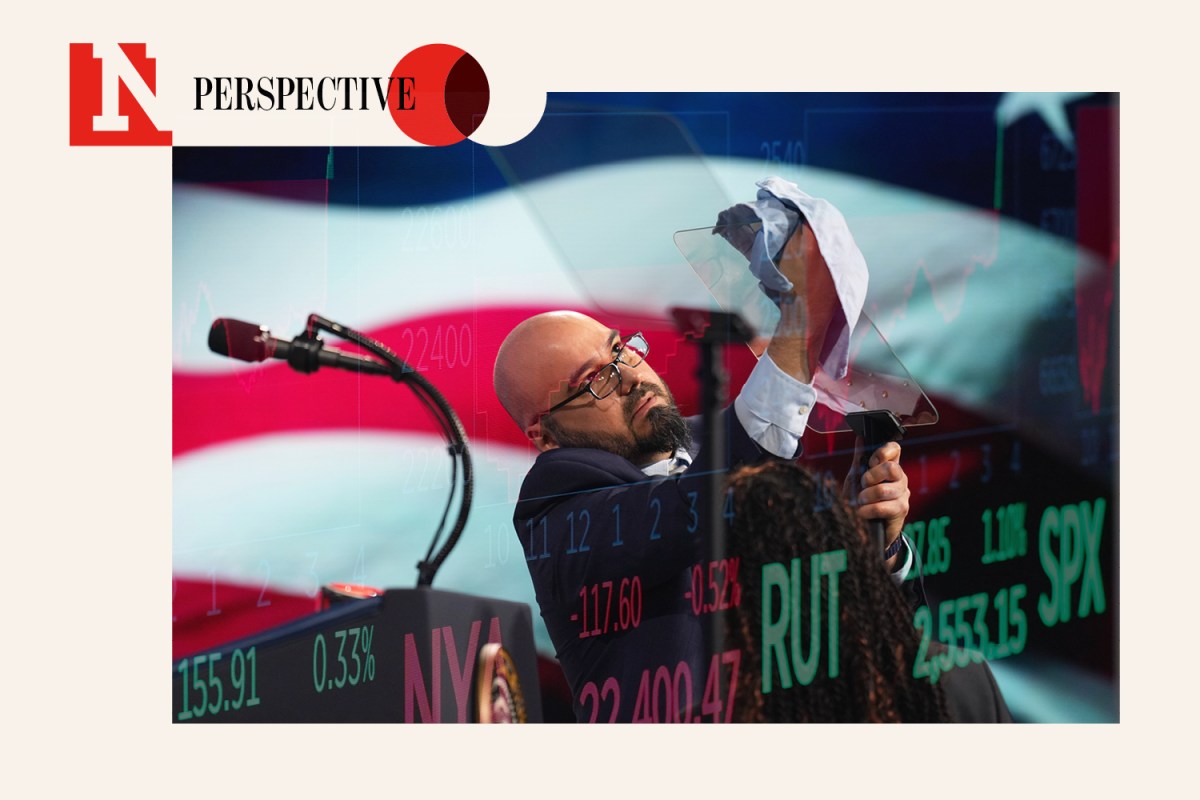
Prediction markets allow people to bet on future events, including political speeches and secret operations. While these markets have faced criticism for enabling insider trading, they also make hidden information more visible to the public and could offer insights into real-world events faster than traditional opinion polls.
Key Facts
A White House employee was put on unpaid leave for allegedly betting on President Donald Trump’s speeches.
Prediction market platforms like Kalshi and Polymarket are often seen as gambling venues but can reveal hidden information.
Insider trading using secret information is illegal and not supported by the article.
Prediction markets make certain insider moves more public because every bet leaves a record.
Example: A U.S. special forces soldier was charged with insider trading after betting on a secret mission involving Venezuelan President Nicolás Maduro.
Prediction markets differ from polls since they show what people are willing to risk money on, not just their opinions.
Polls are slower in responding to rapid changes compared to prediction markets, which operate quickly in a digital world.
These markets can highlight events or decisions that governments or organizations may want to keep secret.
Read the Original
Want the full story? Tap a source to open the original
article.
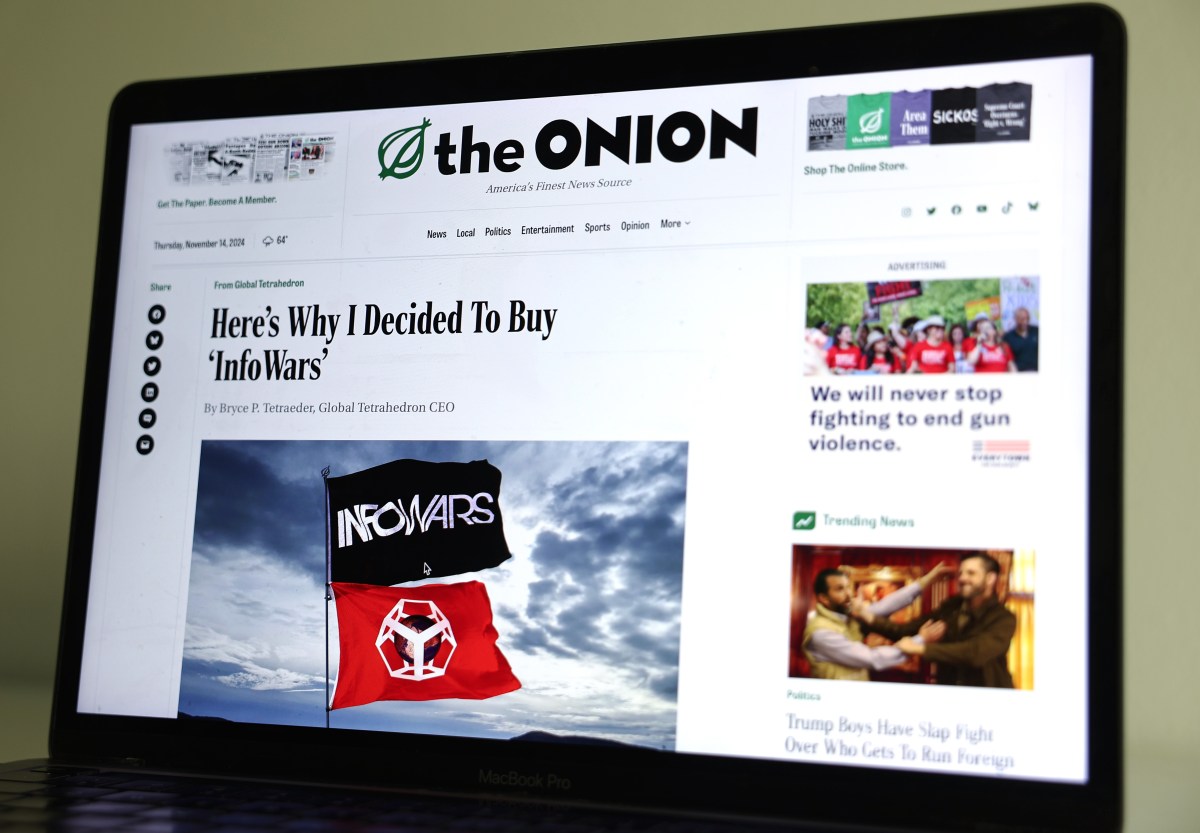
The Onion, a satirical news outlet, is trying to take control of the Infowars website, which was owned by Alex Jones, a conspiracy theorist. This move aims to help the Sandy Hook victims’ families recover money from lawsuits against Jones and to turn Infowars into a satire site. Legal battles are still ongoing, and The Onion does not yet fully own the platform.
Key Facts
Alex Jones, founder of Infowars, was ordered to pay over $1 billion to families of Sandy Hook shooting victims.
Jones falsely claimed the Sandy Hook shooting was a hoax but later admitted it was real.
The Onion won a bankruptcy auction for Infowars’ website, social media, video archives, and trademark.
The purchase aims to help Sandy Hook families receive money from Jones’ judgments.
Texas courts have paused the full transfer of Infowars to The Onion amid ongoing legal proceedings.
The Onion has started parodying Infowars while waiting to fully own it.
Tim Heidecker is leading the creative parody effort and hosts a weekly show on the new Infowars platform.
The legal process has been difficult and slow, but The Onion remains optimistic about taking control.
Read the Original
Want the full story? Tap a source to open the original
article.
Apple has become the world’s most valuable company again, with a market value of $4.88 trillion, surpassing Nvidia’s $4.86 trillion. This change happened after Nvidia’s value dropped by 3.5 percent, and Apple recently improved its AI assistant, Siri.
Key Facts
Apple’s market value is $4.88 trillion, higher than Nvidia’s $4.86 trillion.
Nvidia’s market value fell by 3.5 percent, causing Apple to regain the top spot.
Apple has not been the most valuable company for more than a year before this.
Apple updated Siri with better AI features like understanding context and accessing live web data.
Apple’s third-quarter earnings report is due on July 30, with expected sales growth of 14 to 17 percent.
Apple’s CEO Tim Cook will hand over leadership to John Ternus in September.
The semiconductor industry is becoming more competitive, with new companies reaching high market values.
Despite Apple’s gain, major stock market indexes like Nasdaq and S&P 500 went down.
Read the Original
Want the full story? Tap a source to open the original
article.
Residents in cities hosting the 2026 FIFA World Cup in the U.S. say their living costs have gone up since the event began. While many people report spending more money each month, most local businesses say they have tried not to raise prices despite higher demand.
Key Facts
A survey found 76% of residents in 11 American World Cup host cities felt life got more expensive after the tournament started.
43% said they spent an extra $100 a month, and 10% said their costs rose by $300 or more.
Businesses reported trying to keep prices steady, with some saying they avoided price increases entirely.
Some businesses had to raise prices due to higher demand, comparing it to price spikes seen during holidays.
A Bank of America report showed consumer spending increased by 5.4% in host cities during early June.
Visitors traveling for the World Cup caused increased demand for groceries, services, and other goods.
Many residents managed the higher costs by cutting spending, using credit cards, dipping into savings, or working extra hours.
Local businesses welcomed the boost in customers but recognized residents had to be careful with money.
Read the Original
Want the full story? Tap a source to open the original
article.
James Watt, co-founder of Brewdog, is facing complaints to the UK data watchdog after contacting former shareholders during his attempt to buy back the company. The Information Commissioner's Office (ICO) is investigating whether data privacy rules were broken, as some shareholders said they did not know how Watt got their contact details.
Key Facts
Brewdog was taken over by US drinks company Tilray earlier this year for about £33 million.
Before the takeover, Brewdog had debts of over £500 million and closed 36 bars, causing hundreds of job losses.
Tilray acquired Brewdog's brand, intellectual property, UK breweries, and 11 bars.
James Watt stepped down as Brewdog’s CEO in 2024 and now calls himself the company’s "captain and co-founder."
Watt made a recent bid to buy back Brewdog through his new beer company called Second Best.
Around 43,000 crowdfunding investors, called "equity punks," were involved in the bid.
Some former investors said they were surprised Watt had their contact information, raising concerns about possible data privacy breaches under GDPR rules.
Tilray said it did not share any data with Watt or support his communications with former shareholders and confirmed it takes data privacy seriously.
Read the Original
Want the full story? Tap a source to open the original
article.
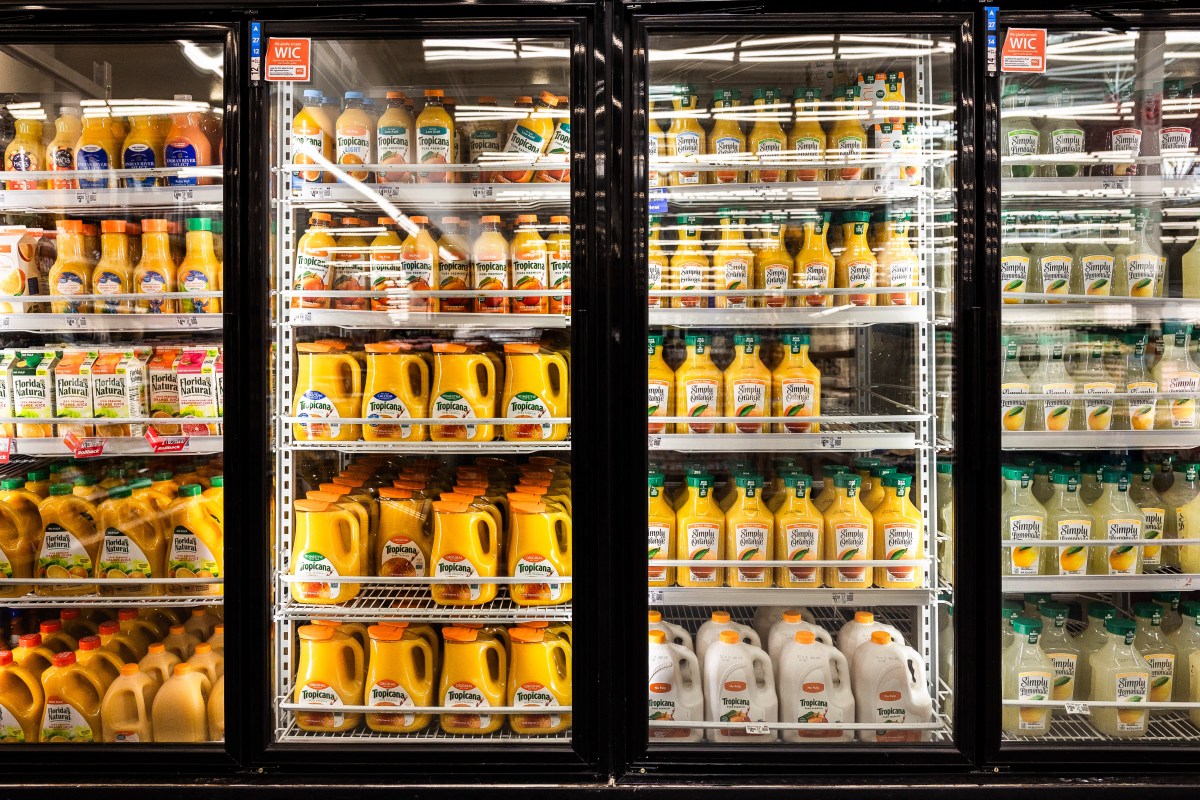
The FDA is lowering the required sugar content standard for pasteurized orange juice from 10.5% to 10% Brix to help U.S. citrus growers and juice makers cope with crop losses from disease and bad weather. This change aims to reduce costs and supply problems without significantly changing the juice's taste or nutrition.
Key Facts
The FDA’s new rule lowers the minimum sugar content in pasteurized orange juice from 10.5% to 10% Brix.
Brix measures the amount of natural sugars and other solids in juice.
This is the first update to the standard since 1963.
The USDA has updated its grading standards to match the FDA’s new standard.
The update helps juice producers use more domestic fruit without needing imports from countries like Brazil.
The rule may reduce production costs and ease supply shortages that caused orange juice prices to rise.
The FDA also raised the allowed amount of certain citrus varieties (like mandarins and tangerines) in orange juice from 10% to 15%.
Health Secretary Robert F. Kennedy Jr. will officially announce this change in Florida, where citrus growers have faced disease and storm damage.
Read the Original
Want the full story? Tap a source to open the original
article.
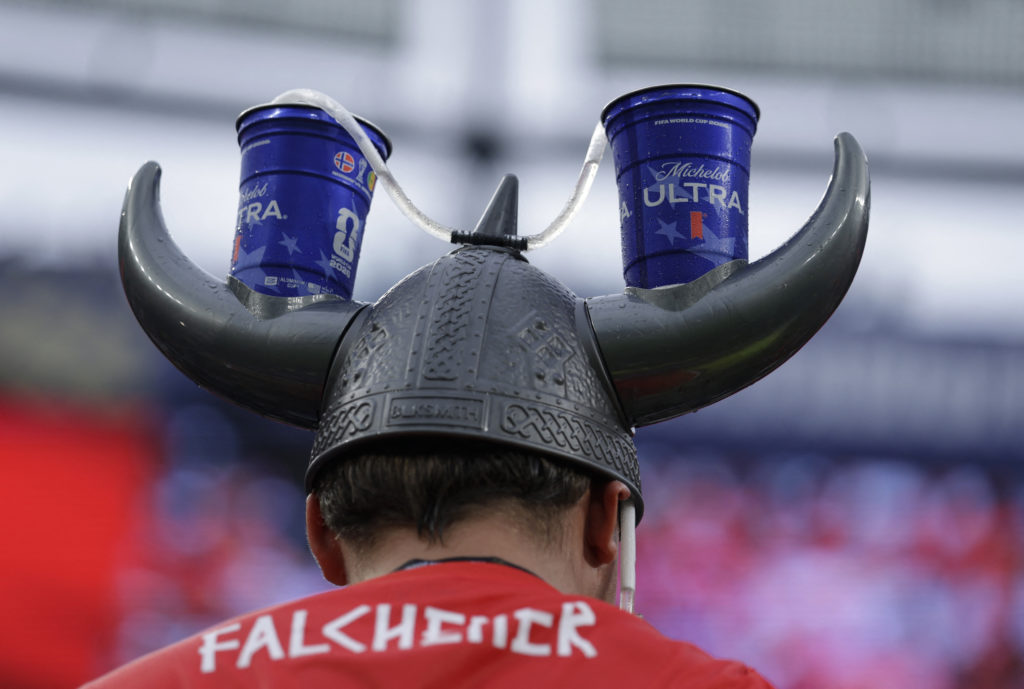
The World Cup 2026 has boosted beer sales in the United States, especially in cities hosting games, where bars and stadiums saw significant increases. However, beer sales have been falling globally over the past decade due to health concerns, economic worries, and changing social habits.
Key Facts
During six matches in Philadelphia, fans consumed 290,000 beers at the stadium.
Beer sales rose 14% in U.S. World Cup host cities during the first four weeks compared to last year.
National beer sales in the U.S. increased by 4% during the same period.
Beer consumption in the U.S., Canada, and Europe has been declining steadily for about ten years.
More people are drinking less beer and choosing health-focused beverages or cutting back on alcohol for health reasons.
In 2025, 53% of Americans said drinking one or two drinks a day is bad for health, according to a Gallup poll.
Economic concerns and competition from entertainment like smartphones and streaming services also reduce beer drinking.
AB InBev, the official World Cup beer sponsor, increased marketing during the tournament.
Read the Original
Want the full story? Tap a source to open the original
article.
A new report from Visa shows that the wealth passed down from baby boomers to their heirs will mostly go to already wealthy younger Americans. The total amount expected to be inherited is about $36 trillion after debts, taxes, and spending, much lower than previous high estimates.
Key Facts
Baby boomers hold about $93 trillion in assets.
After subtracting debts, taxes, retirement costs, and charitable giving, about $36 trillion is expected to be inherited.
The top 1% of wealthiest households were excluded from the study because their habits are different.
On average, heirs will receive about $515,000.
Only $8 trillion of the inheritance will likely be spent while most of it will be saved or invested.
This inheritance will increase annual consumer spending growth by about 0.1 percentage points over the next 20 years.
Wealthy heirs are expected to spend money mainly on home improvements, travel, and transportation-related expenses.
Businesses like airlines, cruise lines, and home improvement stores will benefit from this spending.
Read the Original
Want the full story? Tap a source to open the original
article.
The article explains what rights you have if you buy a product that stops working or breaks. It covers how consumers can handle such situations and what protections are available.
Key Facts
The article focuses on consumer rights related to faulty or broken products.
It discusses what you can do if something you bought does not work properly.
The content is intended to help consumers understand their protections.
It is relevant to personal finance and customer service topics.
The article is published under the business section.
Read the Original
Want the full story? Tap a source to open the original
article.
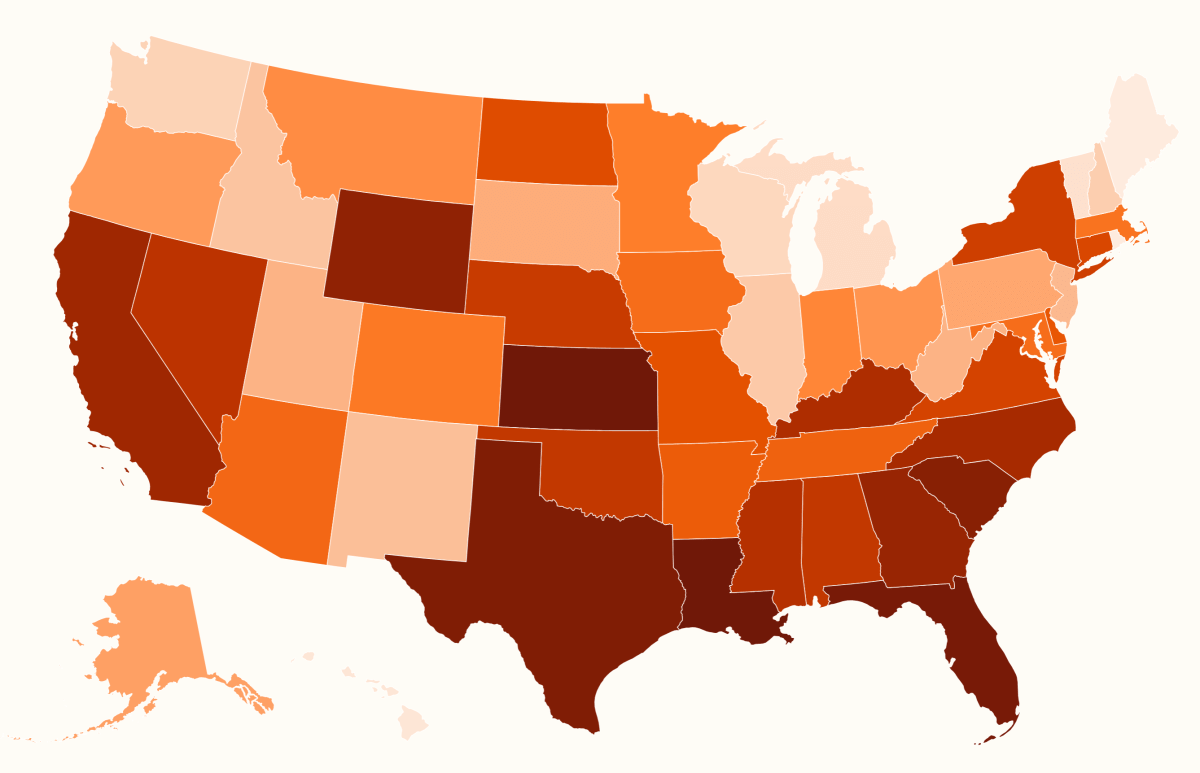
A new study by WalletHub ranks states by how many residents are in financial trouble, based on credit scores, bankruptcies, and other signs. The list shows that most of the states with the highest financial distress voted for President Trump in 2024.
Key Facts
Nine of the top 10 states with the most financial distress voted Republican in the 2024 presidential election.
Financial distress includes poor credit scores, more bankruptcies, and higher searches for debt-related terms.
Kansas is now the most financially distressed state, rising from 43rd place in 2024 to 1st in 2026.
Other states with high distress include Louisiana, Florida, Texas, and South Carolina.
States with the least financial distress include Maine, Rhode Island, Hawaii, and Vermont.
Michigan improved the most, moving from 1st (most distressed) in 2024 to 46th in 2026.
Increases in financial distress relate to factors like inflation, unemployment, and natural disasters.
Some changes in rankings are also due to updated data methods used by WalletHub.
Read the Original
Want the full story? Tap a source to open the original
article.
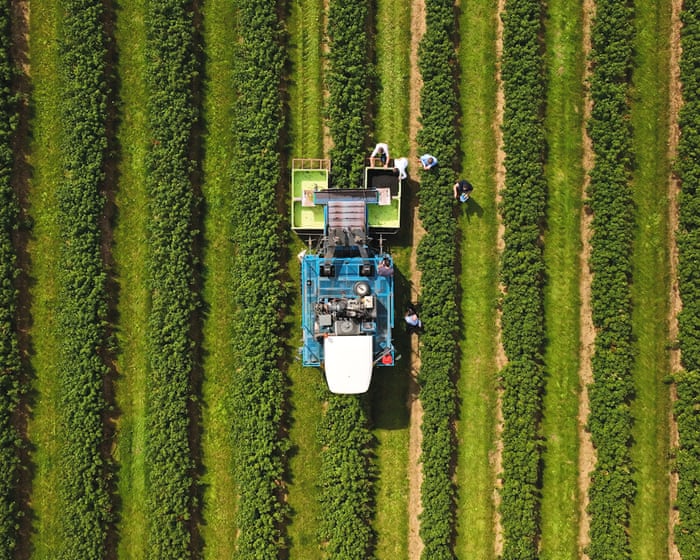
The owner of Ribena is investing £200,000 to help blackcurrant bushes survive extreme weather that is reducing this year’s UK harvest. The project includes research on improving soil health and developing new blackcurrant varieties to cope with changing climate conditions like heatwaves, frost, and drought.
Key Facts
The current UK blackcurrant harvest is about 10% below average due to extreme weather.
Problems include a very wet winter, spring frost and hail, summer heatwaves, and drought.
Some fruits like blueberries benefit from extra heat, but others like strawberries suffer.
Suntory Beverage & Food, Ribena's owner, works with growers and the National Institute of Agricultural Botany on solutions.
Research focuses on improving soil using organic materials to help plants hold moisture and nutrients better.
New blackcurrant varieties are being developed to grow well without long cold winters.
Growers are preparing for climate changes by possibly adding irrigation systems in wetter regions.
The goal is to keep British blackcurrant farming strong despite unpredictable weather caused by climate change.
Read the Original
Want the full story? Tap a source to open the original
article.
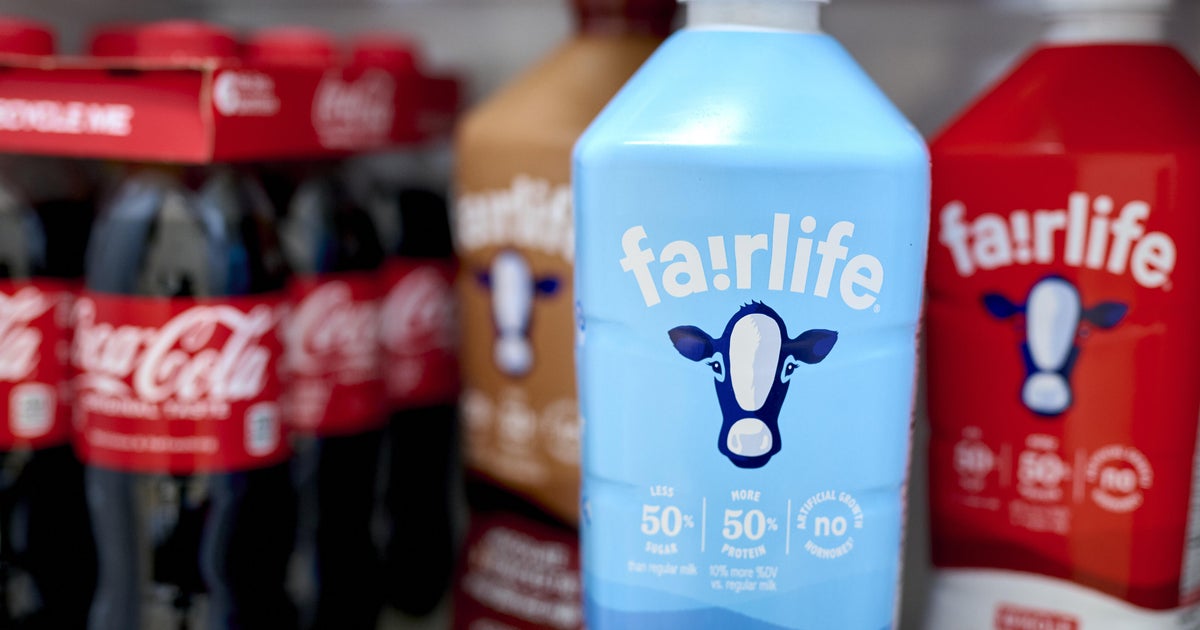
Coca-Cola stopped making Fairlife milk in the U.S. because of a cyberattack. The company is investigating the incident and working to fix the problem while milk production in Canada continues as usual.
Key Facts
Coca-Cola experienced a cyberattack on Fairlife milk’s production systems in the U.S.
The attack involved unauthorized access and is believed to be a ransomware event, where hackers demand payment to unlock systems.
Coca-Cola began investigating with outside cybersecurity experts and informed law enforcement.
The company does not yet know the full details or impact of the attack.
The safety and quality of Fairlife products were not affected.
U.S. Fairlife production is temporarily paused, but Canadian operations continue normally.
Coca-Cola bought Fairlife in 2020 for about $7 billion.
Fairlife’s annual sales exceed $3 billion and include milk and protein shakes.
Read the Original
Want the full story? Tap a source to open the original
article.
A debt forgiveness agreement lets borrowers pay less than they owe and have the rest forgiven. Creditors usually cannot change their minds once they agree to forgive debt if all terms are met, but problems can occur if payments are missed, agreements aren’t written down, or debts are sold to other companies.
Key Facts
Debt forgiveness means a creditor agrees to accept less than the full amount owed.
If the borrower meets all conditions in the agreement, the creditor usually cannot demand more money later.
Missing a payment or failing to meet conditions can void the settlement and let the creditor seek full payment again.
Verbal agreements without written proof can cause confusion and problems.
Debt that is sold to another company may lead to attempts to collect already forgiven amounts due to record errors.
Saving all settlement documents and payment receipts helps solve disputes.
Fraud or giving false information during the settlement process can make agreements legally invalid.
Read the Original
Want the full story? Tap a source to open the original
article.
Debt relief companies help negotiate with creditors to lower the amount of money people owe, especially on high-interest credit cards. While these services charge fees, they may be helpful for borrowers struggling with large debts or unmanageable monthly payments.
Key Facts
Many Americans carry high-interest credit card debt, often around 22% interest.
Minimum monthly payments usually only cover interest, not reducing the main debt.
Debt relief companies negotiate with creditors to reduce the total debt amount by 30% to 50%.
Fees for debt relief services can be high, so they work best when they save more money than they cost.
Professional help is useful for people with large amounts of unsecured debt like credit cards and personal loans.
Debt relief may help those who cannot afford monthly payments or who do not qualify for loans with lower interest.
These services can simplify managing multiple debts and reduce stress from delinquent accounts.
Negotiating directly with creditors is possible but many people prefer expert negotiators.
Read the Original
Want the full story? Tap a source to open the original
article.
A $10,000 deposit in a certificate of deposit (CD) can earn significantly more interest than a regular savings account, depending on the CD’s term length. Current CD rates range from about 4.1% for six months to 4.3% for ten years, offering much higher returns than typical savings accounts.
Key Facts
CDs offer different interest rates depending on how long you lock in your money.
A $10,000 deposit in a 6-month CD at 4.10% can earn about $203 in interest.
A 1-year CD at 4.11% pays roughly $411 in interest on $10,000.
Longer terms like 3, 5, and 10 years offer even higher returns, up to $5,235 in interest for a 10-year CD at 4.30%.
CD money must stay untouched until the term ends to avoid penalties.
Regular savings accounts typically pay less than 1% interest, earning about $38 per year on $10,000.
Many savers lose potential earnings by keeping money in low-rate accounts.
The Federal Reserve’s recent interest rate changes have kept CD rates higher than many expected.
Read the Original
Want the full story? Tap a source to open the original
article.