Kalshi, a prediction market platform, alerted federal regulators about unusual trades linked to President Trump’s speeches. These trades appear connected to Gabriel Perez, the person who manages President Trump’s teleprompter and is in talks to settle with the Commodity Futures Trading Commission.
Key Facts
Kalshi is a prediction market platform where people can bet on future events.
It noticed suspicious trading activity related to bets on President Trump’s speeches.
These trades seem connected to Gabriel Perez, who handles President Trump’s teleprompter since 2016.
Gabriel Perez is currently in settlement discussions with the Commodity Futures Trading Commission (CFTC).
The CFTC is a federal agency that regulates markets involving futures and options.
Kalshi informed federal regulators about these suspicious trades.
The matter concerns trading worth about $100,000 on President Trump’s speeches.
Read the Original
Want the full story? Tap a source to open the original
article.
The article explains that younger workers are not lazy but face difficult financial pressures that weaken their motivation to work. It highlights that many in essential, in-person jobs struggle with attendance because the rewards of working hard, like homeownership and financial security, feel out of reach today.
Key Facts
More than half of the global workforce experiences financial strain.
Employers often blame younger generations for staffing problems and unreliable attendance.
Essential jobs like teaching and caregiving cannot be done remotely, making attendance critical.
In the past, missing work was rare, but now it happens frequently.
Many workers feel that hard work no longer guarantees financial progress or stability.
Rising housing costs and financial challenges reduce workers’ motivation.
The shift toward valuing flexible work cannot apply to many essential, in-person roles.
The labor market is showing signs of stress due to these growing economic and motivational challenges.
Read the Original
Want the full story? Tap a source to open the original
article.
Kalshi, an online prediction market platform, is starting to offer bets on drug trial results and FDA decisions to provide more public information about clinical trials. The company is also considering contracts on flight delays and has filed a notice for flight cancellation betting while working to prevent insider trading.
Key Facts
Kalshi will allow bets on the outcomes of clinical drug trials and FDA regulatory decisions.
The goal is to provide continuously updated public probabilities reflecting drug trial results.
Kalshi requires employment verification to reduce insider trading risks.
The drug trial contracts will be listed only after trial enrollment closes to avoid affecting recruitment.
Kalshi partnered with AI firm AppliedXL for this pilot program.
The platform filed with the Commodity Futures Trading Commission to offer flight cancellation contracts based on FlightAware data.
Kalshi reached $1 billion in trading volume earlier this year and has about 5 million monthly users.
The company donated $2 million to the National Council on Problem Gambling to support trader safety.
Read the Original
Want the full story? Tap a source to open the original
article.
Mass production and fast fashion have made handmade goods less common as people focus on quick and cheap buying. However, some artisans like Greg Seitz keep craftsmanship alive by creating meaningful, personalized items that tell important stories and last for generations.
Key Facts
Global markets favor mass-produced, affordable products over time-consuming handmade goods.
Consumers now expect fast delivery and easy online shopping.
Greg Seitz creates shadow boxes that preserve memories and honor personal stories, such as military service and law enforcement careers.
Seitz’s work involves clients closely in the design to ensure each piece reflects a person’s life and legacy.
He has made many memorial shadow boxes for police officers who died on duty, often donating his time and resources.
This craftsmanship approach highlights care, meaning, and connection, contrasting with disposable mass markets.
Handmade products with stories can offer lasting value beyond immediate convenience.
Craftsmanship adapts with technology but keeps its core purpose of honoring and preserving human experiences.
Read the Original
Want the full story? Tap a source to open the original
article.
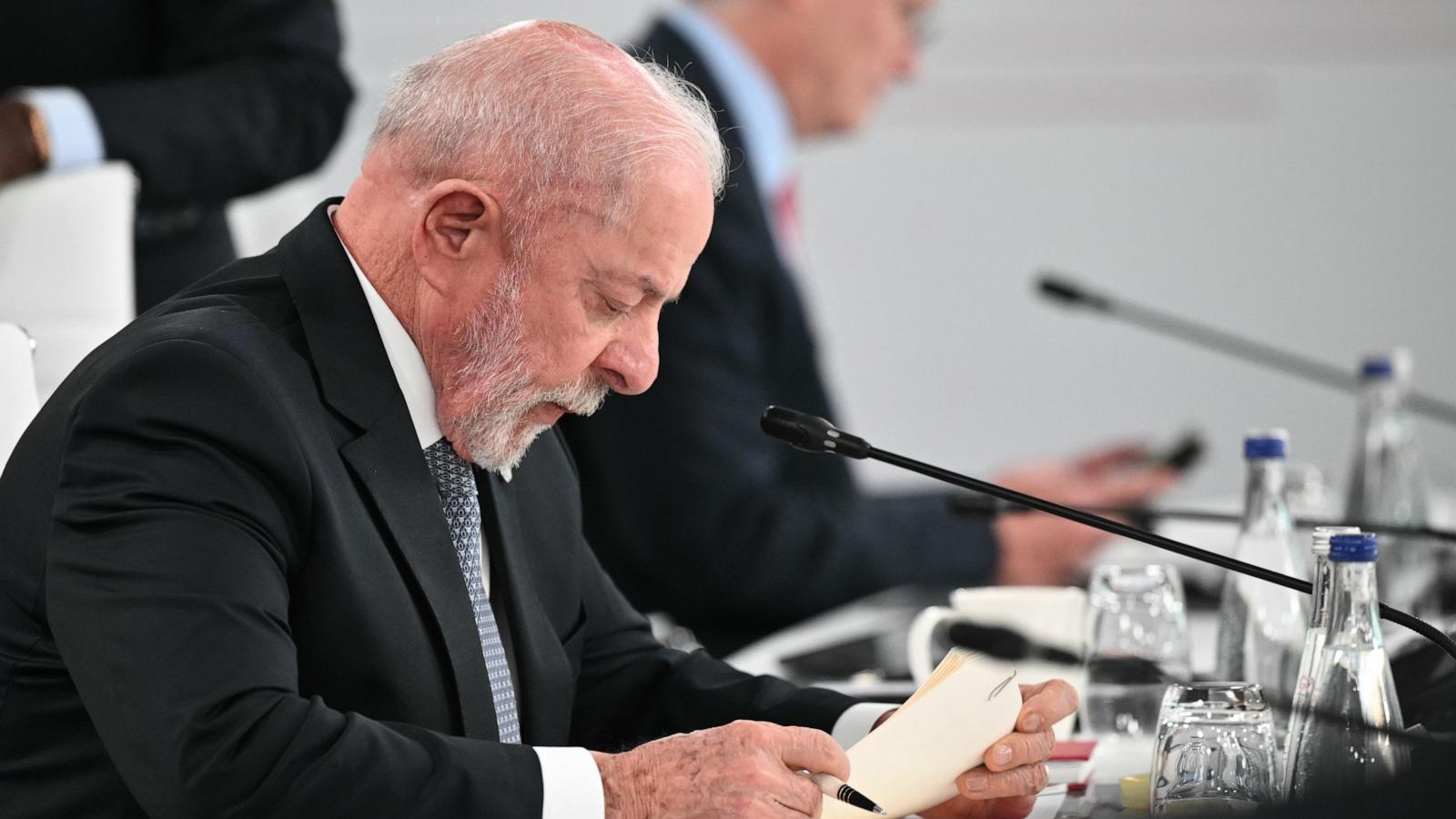
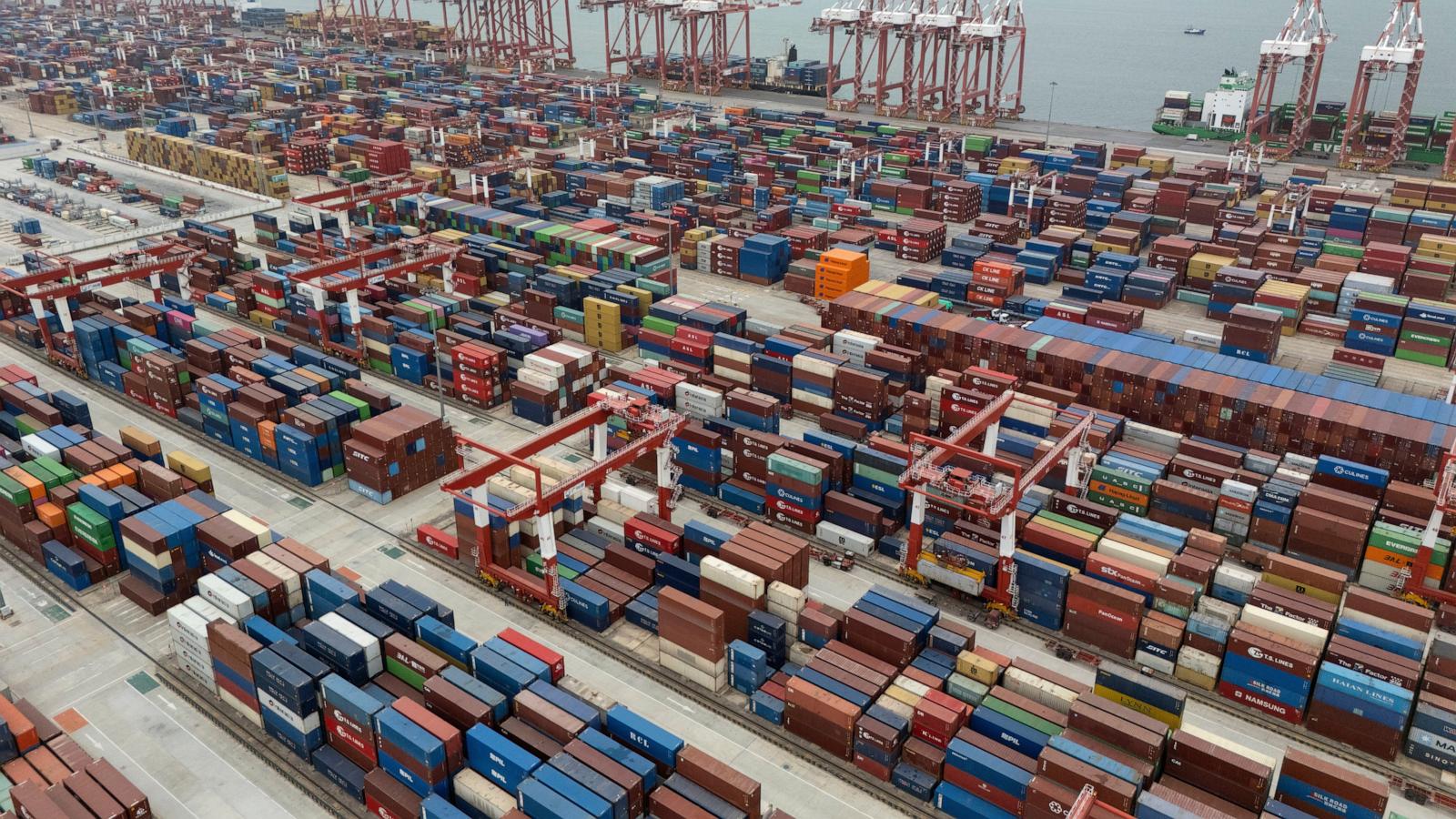
The U.S. government announced a new 25% tariff on certain Brazilian imports, citing unfair trade practices. Brazil called the tariff unjustified and said it would respond with its own tariffs and take the issue to the World Trade Organization.
Key Facts
The U.S. will start a 25% tariff on some Brazilian products on July 22, 2026.
Some Brazilian goods like coffee, beef, oranges, orange juice, and aircraft parts are exempted from the tariff.
Brazil says 76% of U.S. imports entered Brazil without any tax in 2025, with an average tariff of 3.1% on U.S. products.
Brazil plans to apply reciprocal tariffs on U.S. goods and pursue a dispute through the World Trade Organization.
The U.S. has a large trade surplus with Brazil, exporting nearly $42 billion more than it imports from Brazil last year.
The Trump administration previously imposed a 50% tariff on Brazilian imports in 2025 but later removed some of these tariffs.
Brazil’s President Luiz Inácio Lula da Silva blamed the tariffs on the previous Bolsonaro government and criticized the U.S. investigation's legitimacy.
U.S. Secretary of State Marco Rubio accused Lula of not negotiating in good faith, a claim Brazil denied.
Read the Original
Want the full story? Tap a source to open the original
article.
The British government has taken ownership of British Steel’s operations in Scunthorpe to protect jobs and preserve steel production in the UK. The move aims to keep the plant’s blast furnaces running, which produce new steel directly from iron ore, a capability important for national defense and the economy.
Key Facts
British Steel in Scunthorpe has been nationalised, meaning the government now controls it.
The Scunthorpe site has been producing steel since 1890.
Nationalisation allows the government to decide the plant’s future and keep steel production going.
The plant’s two blast furnaces produce “virgin” steel, a type made directly from iron ore.
Closing the plant would make the UK the only major economy in the G7 without this steel-making ability.
Employment at the steelworks has dropped from 22,000 in the 1970s to under 3,000 today.
The plant is important to the local community’s economy and supply chain.
The UK government currently spends about £1.3 million per day to support the steelworks.
Read the Original
Want the full story? Tap a source to open the original
article.
President Donald Trump’s tariffs on imports brought a lot of money into the U.S. Treasury last year. However, after the Supreme Court stopped the largest tariffs in February, tariff revenue dropped sharply. The administration is now working to replace the lost revenue by using other legal authorities to impose new tariffs before the current ones expire in late July.
Key Facts
Last year, tariffs set by President Trump on imports from many countries raised over $31 billion in revenue for the U.S. Treasury.
The Supreme Court ruled in February that the president could not use emergency powers to impose some of these tariffs.
After the ruling, importers were refunded some tariffs, causing a sharp drop and eventual loss in tariff income by June.
The current 10% tariffs imposed under Section 122 of the Trade Act will expire on July 24.
Congress is unlikely to extend these tariffs due to voter dissatisfaction before the November midterm elections.
The administration plans to replace the expiring tariffs by using Section 301 of the Trade Act, which targets unfair trade practices by other countries.
President Trump recently announced 25% tariffs on some imports from Brazil under Section 301.
The process to impose Section 301 tariffs includes collecting public comments and holding hearings before they can be fully enforced.
Read the Original
Want the full story? Tap a source to open the original
article.
John R. Dearie suggests that the United States can better handle its growing national debt by increasing economic growth to 3.5 percent, a rate seen after World War II. He believes this can be done by supporting new businesses, investing in technology and science programs, passing the INVEST Act, and improving immigration rules for skilled workers.
Key Facts
The U.S. is facing a rising national debt problem.
John R. Dearie recommends faster economic growth as a solution.
The target growth rate is 3.5 percent, similar to the post-World War II period.
Strengthening entrepreneurship means helping new businesses start and grow.
The CHIPS and Science Act funds technology and science development.
The INVEST Act is new legislation aimed at supporting innovation.
Reforming high-skilled immigration rules means making it easier for skilled workers from other countries to live and work in the U.S.
Read the Original
Want the full story? Tap a source to open the original
article.
The United States will start charging a 25 percent tariff on many Brazilian imports such as sugar, clothes, paper, and steel starting July 22. This is part of a new US trade policy using a law called Section 301, which targets unfair trade practices after a year-long investigation into Brazil's trade and environmental issues.
Key Facts
The US plans 25 percent tariffs on thousands of Brazilian products, excluding some items like beef, coffee, rare-earth materials, aircraft parts, and certain oil and gas products.
The tariffs are based on findings that Brazil engaged in unfair trade practices, including concerns about digital trade and illegal deforestation.
US beef and coffee prices have increased significantly, so these products are exempted to avoid further price rises.
Brazil’s President Luiz Inacio Lula da Silva opposes the tariffs, calling the US claims politically motivated.
US Secretary of State Marco Rubio criticized Lula, saying Brazil was not negotiating sincerely.
The tariffs follow over 30 meetings between US and Brazilian officials but no agreement was reached.
These tariffs are the first actions under Section 301 after the US Supreme Court ruled against the former global tariffs method.
The US is also conducting similar trade investigations with countries like the EU, India, Japan, and South Korea.
Read the Original
Want the full story? Tap a source to open the original
article.
President Donald Trump earned at least $2.2 billion last year, with about $1.4 billion coming from his cryptocurrency businesses. Much of this success is believed to have involved help from Chinese crypto billionaire Justin Sun, who invested heavily in Trump’s crypto ventures, but their relationship has recently led to lawsuits.
Key Facts
President Trump made $2.2 billion in one year, with $1.4 billion from crypto businesses.
Justin Sun, a Chinese crypto billionaire, invested nearly $200 million in Trump’s digital asset ventures.
Sun is known for creating the TRX crypto coin and the Tron blockchain, a platform for cryptocurrency trading.
The Tron blockchain has been linked to criminal and terrorist use, including groups like Hezbollah, Hamas, and North Korean hackers.
Sun has defended his technology, comparing blockchain to the internet and cash, saying misuse by criminals is not the technology’s fault.
Sun and Trump’s crypto companies are currently involved in legal disputes over frozen assets and defamation claims.
The Tron platform helped start the T3 Financial Crime Unit to fight illegal crypto activities and has reportedly helped freeze over $450 million in illicit assets.
Justin Sun is known in crypto circles for pushing technological boundaries and sometimes bending rules.
Read the Original
Want the full story? Tap a source to open the original
article.
Energy companies are raising large amounts of money through stock market offerings faster than any time this century. This surge is driven by investors wanting to support the growing demand for electricity needed by AI data centers.
Key Facts
Energy firms raised $12.6 billion in initial public offerings (IPOs) in the first half of 2026, the highest level since 1999.
This amount is much higher than the total $4.3 billion raised in all of 2025.
AI data centers use a large amount of power, similar to the electricity use of cities like Glasgow or Salt Lake City.
US electricity demand is expected to grow by 39% between 2026 and 2035, mainly because of data center growth.
Investors who benefited from AI chip companies are now interested in energy companies that provide power infrastructure.
New investment funds have launched to focus on power generation and grid infrastructure related to AI.
Several energy companies with technologies like nuclear, geothermal, and on-site power generation are going public.
Some firms are developing next-generation geothermal energy by using oil and gas drilling methods to access underground heat.
Read the Original
Want the full story? Tap a source to open the original
article.
General Mills is recalling nearly 736,000 frozen Pillsbury bread rolls because they might have pieces of glass in them. The recalled products were sent to many U.S. states and are mainly used by businesses, not individual customers.
Key Facts
The recall affects about 554,400 "Hard Roll Dough" and 181,440 "Kaiser Roll Dough" bread rolls.
These rolls were distributed in 17 states including California, Texas, New York, and Florida.
The affected products are frozen and intended for easy preparation in food businesses.
The recall started on June 19, 2024.
The "Hard Roll Dough" has a best-by date of October 12, 2026, and the "Kaiser Roll Dough" has a best-by date of October 13, 2026.
General Mills owns other popular brands like Betty Crocker and Cheerios.
The recall notice warns about possible glass contamination as foreign material in the rolls.
Recall numbers are H-1154-2026 for Hard Roll Dough and H-1155-2026 for Kaiser Roll Dough.
Read the Original
Want the full story? Tap a source to open the original
article.
The article explains that focusing on people's skills instead of their wages is important for helping both workers and the economy do well. It suggests that knowing what skills people have and can use will lead to better success for learners and the workforce.
Key Facts
Skills refer to what people know and can do in their jobs.
Wages are the amount of money people earn for working.
Measuring skills can give a clearer idea of a worker’s abilities than just looking at wages.
Understanding skills helps match workers with the right jobs.
Focusing on skills supports economic growth and workforce success.
Education and training should target skill development.
Skill-based assessment can improve job opportunities for learners.
Read the Original
Want the full story? Tap a source to open the original
article.
Merck announced that the FDA approved a new daily pill called Lipfendra to help lower bad cholesterol (LDL). This pill is an alternative to statins and can be taken alone or with statins, with fewer side effects reported.
Key Facts
Lipfendra is a pill version of a PCSK9 inhibitor drug that lowers LDL cholesterol.
Statins have been the main treatment for high cholesterol but can cause muscle aches and may not lower LDL enough.
About 70% of patients do not reach their recommended LDL cholesterol goals with current treatments.
The new pill showed minimal side effects in clinical trials, similar to a placebo.
The American College of Cardiology and American Heart Association recommend LDL levels below 100 mg/dL for most people.
Lipfendra was previously available only as an injection, but the pill form is expected to increase its use.
Merck plans to price the pill at $10.50 per day or over $300 per month, with hopes that patients pay less out-of-pocket.
High LDL cholesterol contributes to heart disease, which is the leading cause of death in the US.
Read the Original
Want the full story? Tap a source to open the original
article.
Foreclosures in the U.S. rose by 21% in the first half of 2026 compared to last year, showing more homeowners are facing money problems. Some states like Idaho, Colorado, and Georgia saw the biggest increases, while Florida had the most foreclosures overall.
Key Facts
There were nearly 228,000 foreclosure filings from January to June 2026.
Foreclosure filings increased 21% from 2025 and 28% from 2024.
Foreclosures happen when homeowners miss mortgage payments, often due to job loss or other financial troubles.
Idaho saw a 59% increase in foreclosures; Colorado 57%; Georgia 52%.
Florida had the highest rate of foreclosures, with one in every 2,106 homes affected in June.
Foreclosure rates are returning to the levels seen before the pandemic in 2019.
Short sales, where homes sell for less than what is owed to avoid foreclosure, rose 16% in early 2026.
Rising foreclosures and short sales indicate increasing financial pressure on homeowners.
Read the Original
Want the full story? Tap a source to open the original
article.
Uber agreed to buy Delivery Hero, a German food delivery company, in a deal worth nearly $15 billion. This purchase will make Uber the largest food delivery company outside of China and expand its services to many more countries.
Key Facts
Uber is buying Delivery Hero for about $15 billion.
Delivery Hero is based in Germany and offers food delivery services.
The deal will create the biggest food delivery group outside of China.
Uber's CEO is Dara Khosrowshahi.
After the acquisition, Uber will operate in twice as many markets for both mobility (rides) and delivery.
The combined company aims to offer more delivery options in more places.
The transaction will increase Uber’s reach in the global food delivery market.
This move signals Uber’s focus on growing its delivery services alongside ride-hailing.
Read the Original
Want the full story? Tap a source to open the original
article.
A $5,000 deposit in a no-penalty certificate of deposit (CD) can earn significantly more interest than a traditional savings account. No-penalty CDs allow you to withdraw money early without a fee while still earning higher fixed interest rates over different terms.
Key Facts
No-penalty CDs pay higher interest rates than typical savings accounts.
A 6-month no-penalty CD at 4.10% interest can earn about $101 on $5,000.
A 1-year no-penalty CD at 4.11% interest can earn about $205.50 on $5,000.
Longer CD terms, like 5 or 10 years, offer higher returns—up to $2,617 on $5,000 at 4.30%.
Traditional savings accounts earn around 0.38% interest, which would pay about $19 on $5,000 for a year.
No-penalty CDs let savers access their money early without losing interest, unlike traditional CDs.
Higher interest rates on no-penalty CDs mean potentially hundreds or thousands of dollars more in earnings compared to savings accounts.
The no-penalty feature provides flexibility similar to savings accounts but with much better returns.
Read the Original
Want the full story? Tap a source to open the original
article.
Taiwan Semiconductor Manufacturing Company (TSMC) announced it will invest an additional $100 billion in the United States to build more factories for making computer chips. The new facilities will be located in Arizona to meet growing demand from its U.S. customers.
Key Facts
TSMC is a company from Taiwan that makes semiconductor chips.
The company plans to spend $100 billion more in the U.S. for new factories.
The factories will focus on semiconductor and advanced packaging production.
All new plants will be built in Arizona.
The investment aims to meet strong demand from major U.S. customers.
The announcement was made on a Thursday by TSMC’s CEO, C.C. Wei.
TSMC is one of the world’s largest chipmakers.
This move supports expanding U.S. chip manufacturing capacity.
Read the Original
Want the full story? Tap a source to open the original
article.
Heroes & Villains, a lifestyle brand focused on pop culture collectibles, will feature an immersive booth at San Diego Comic-Con 2026 inspired by the upcoming Marvel movie Avengers: Doomsday. The brand is known for creating quality merchandise that tells stories and appeals to dedicated fans who appreciate detailed and meaningful designs.
Key Facts
Heroes & Villains is a pop culture merchandise brand operated by Bioworld Merchandising.
The brand will present a special booth at San Diego Comic-Con in 2026 based on the Avengers: Doomsday movie.
The booth design includes elements from the X-Mansion seen in the movie trailer.
Doug Johnson, the brand’s creative director, credits Comic-Con as the place where the brand found its direction.
The brand aims to create everyday wearable items with high quality that reflect deep knowledge of the characters and stories.
Heroes & Villains has worked with major franchises like Star Wars, Marvel, DC Comics, and Dungeons & Dragons.
Their previous Comic-Con setups included immersive experiences featuring Marvel’s Xavier Institute and Weapon X with interactive elements.
Marvel recognized Heroes & Villains for their ability to create merchandise that connects emotionally with fans through experiences.
Read the Original
Want the full story? Tap a source to open the original
article.
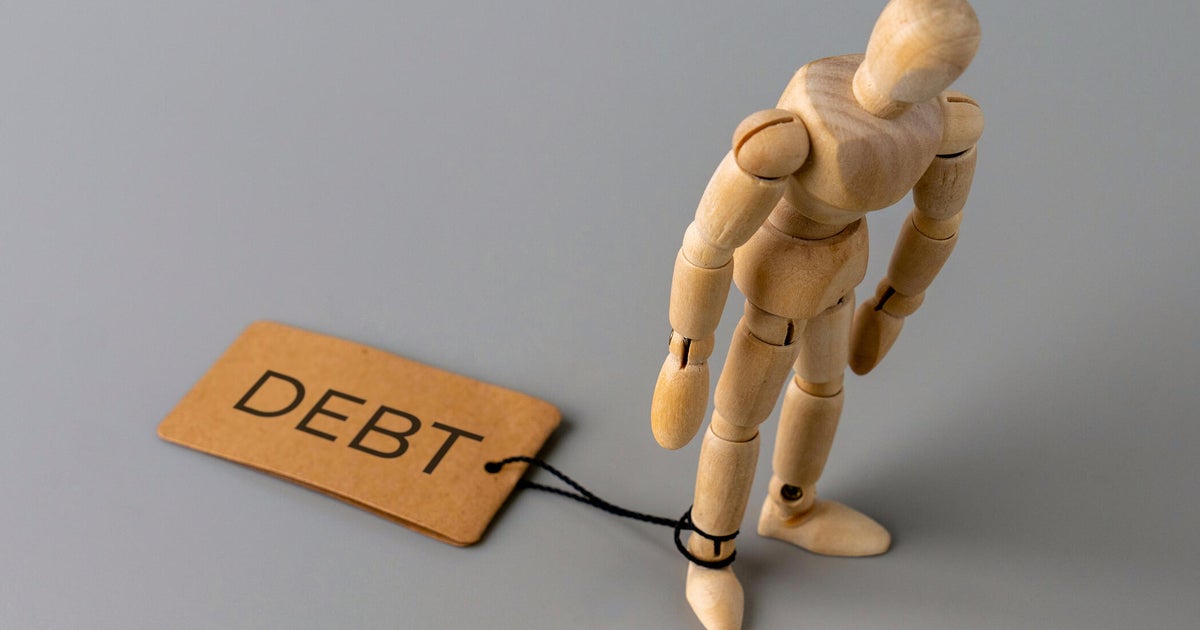
Creditors decide whether to accept a debt settlement offer by weighing the benefits of the offer against the chances and costs of collecting the full amount. They consider factors like how late the payments are, the borrower's financial situation, and the amount offered to make their decision.
Key Facts
Debt settlement means offering a creditor less than what you owe to settle the debt.
Creditors usually do not accept settlements if borrowers are current or newly late on payments.
The longer a debt goes unpaid, the more likely creditors are to accept a reduced lump-sum payment.
Creditors want proof of real financial hardship, such as job loss or medical bills, before agreeing to settle.
They compare the settlement offer to what they might get from collections or legal actions.
Settlements offering immediate cash are more attractive because they avoid future collection costs.
Collection efforts can be costly and may not recover the full debt, influencing the creditor's decision.
Each creditor has its own policies but uses similar factors to evaluate offers.
Read the Original
Want the full story? Tap a source to open the original
article.